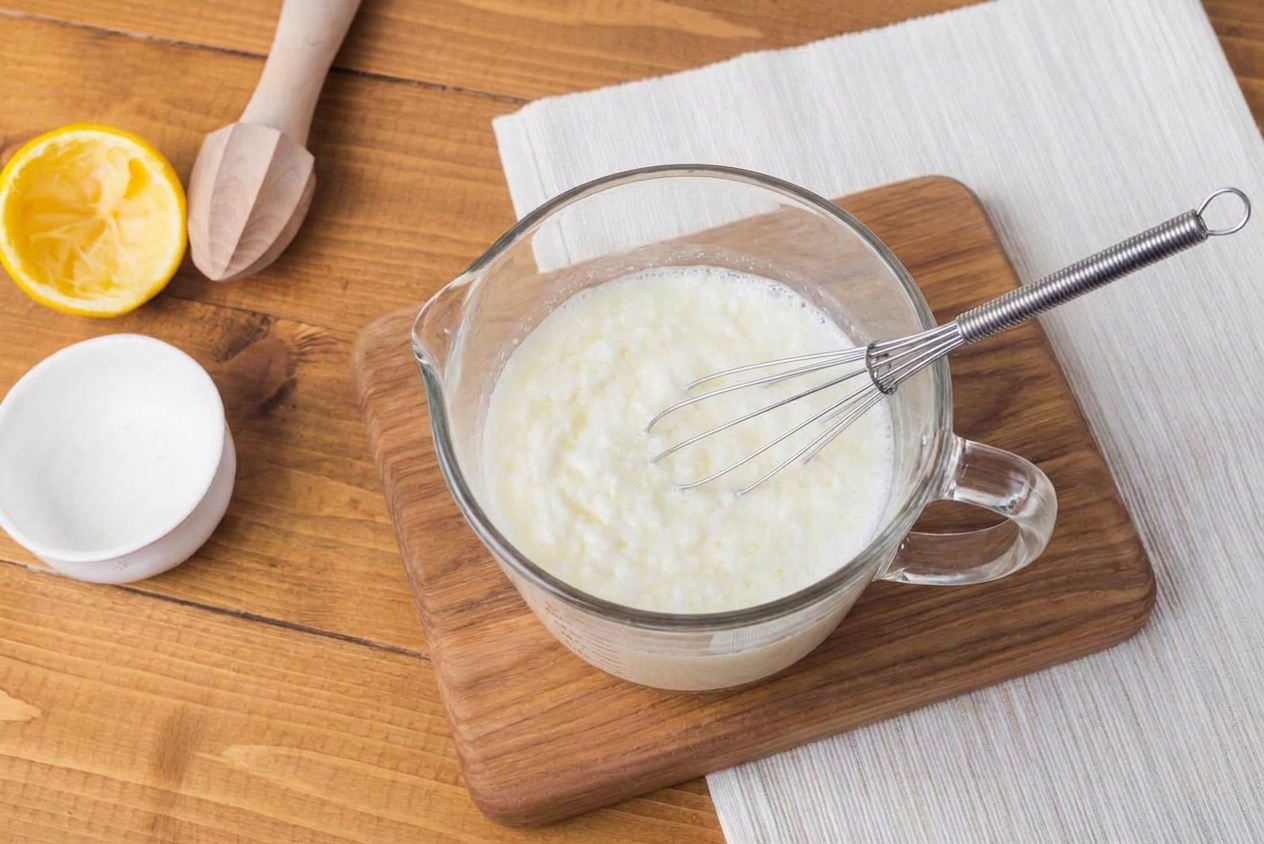

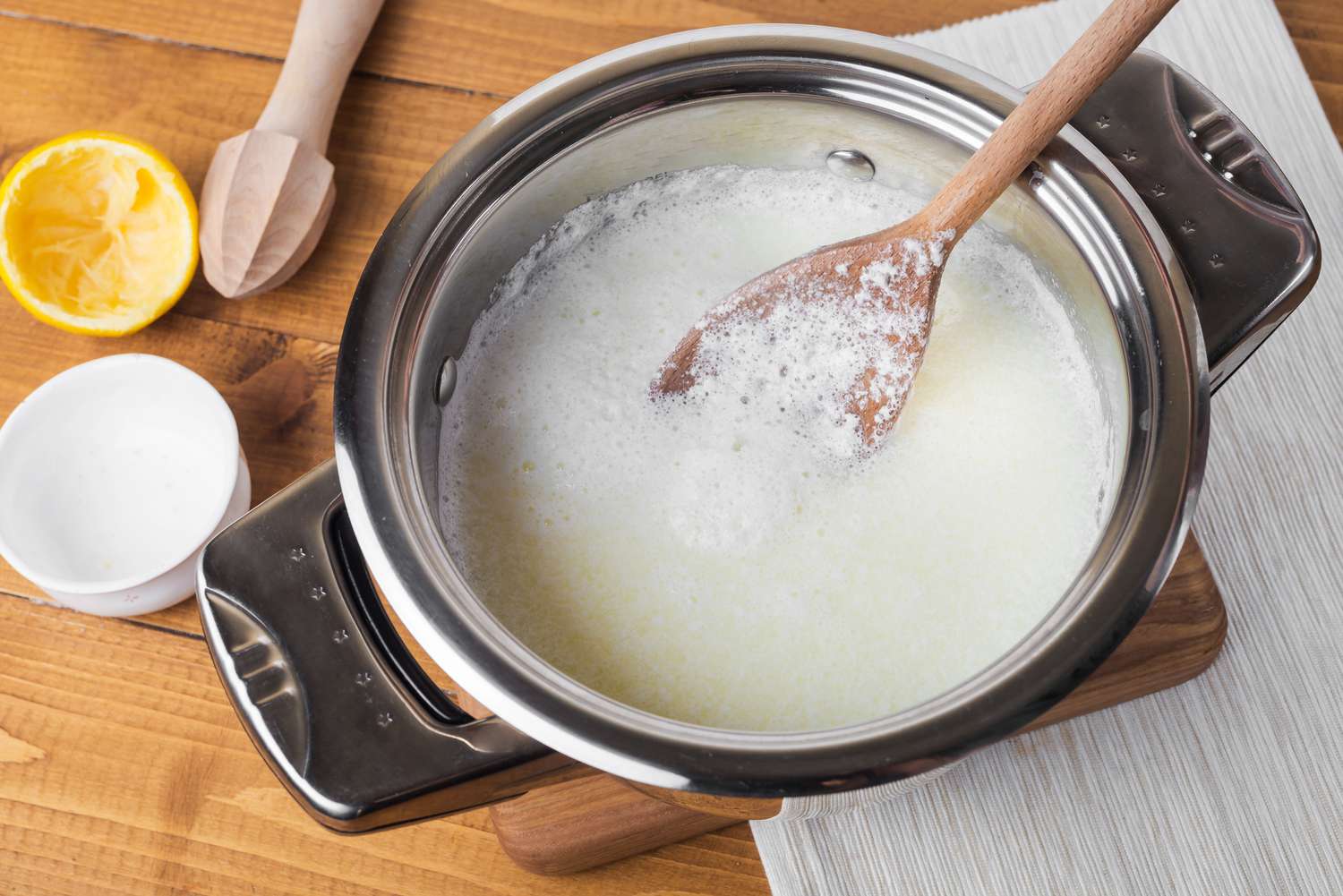
If a recipe calls for buttermilk and your carton is, once again, mysteriously empty, I have good news. You can make a quick homemade buttermilk substitute with everyday ingredients in about 5 minutes. It gives you the tang and acidity your pancakes, biscuits, cakes, and marinades are looking for, without a special grocery run.

What buttermilk does in recipes
Buttermilk is doing more than adding a pleasant tang. In most baking recipes, it plays three big roles:
- Acidity for lift: It reacts with baking soda to create bubbles, helping quick breads, pancakes, and cakes rise.
- Tender texture: The acidity can contribute to a more tender crumb by affecting how proteins and gluten develop.
- Flavor: That subtle tang balances sweetness and adds depth.
A good substitute needs to bring liquid + acidity. That is exactly what these methods do.
Quick note: These swaps shine in baked goods that use baking soda (or baking powder plus baking soda). They are less ideal when a recipe really depends on buttermilk’s thicker body and cultured flavor.
The easiest substitute (milk + lemon juice or vinegar)
This is my go-to because it works in almost any recipe that calls for buttermilk, and you probably have everything already.
Ratio
For 1 cup buttermilk:
- 1 tablespoon lemon juice or white distilled vinegar
- Enough milk to reach 1 cup total
How to make it
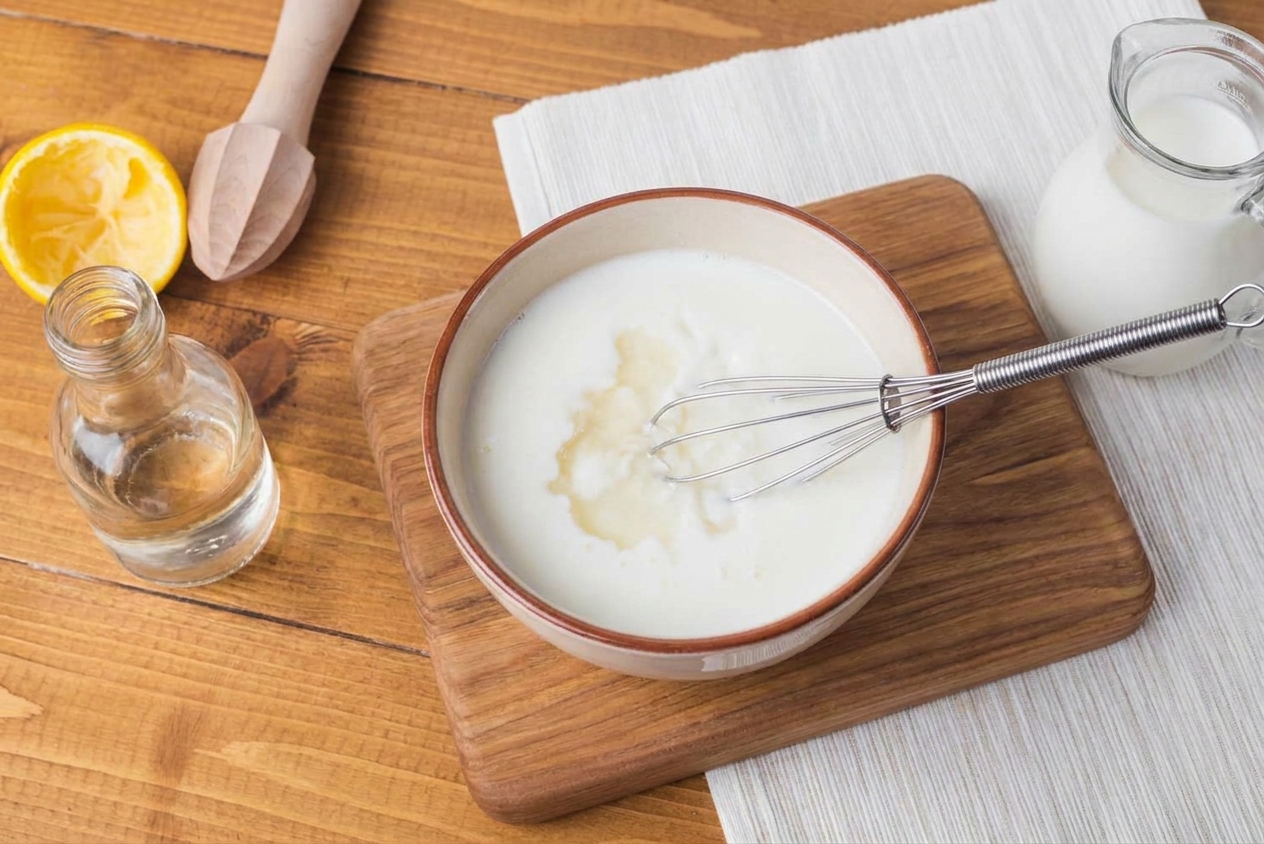
- Add 1 tablespoon lemon juice or vinegar to a liquid measuring cup.
- Pour in milk until it reaches the 1 cup line.
- Stir, then let it sit for 5 minutes.
- Use it in your recipe as you would buttermilk.
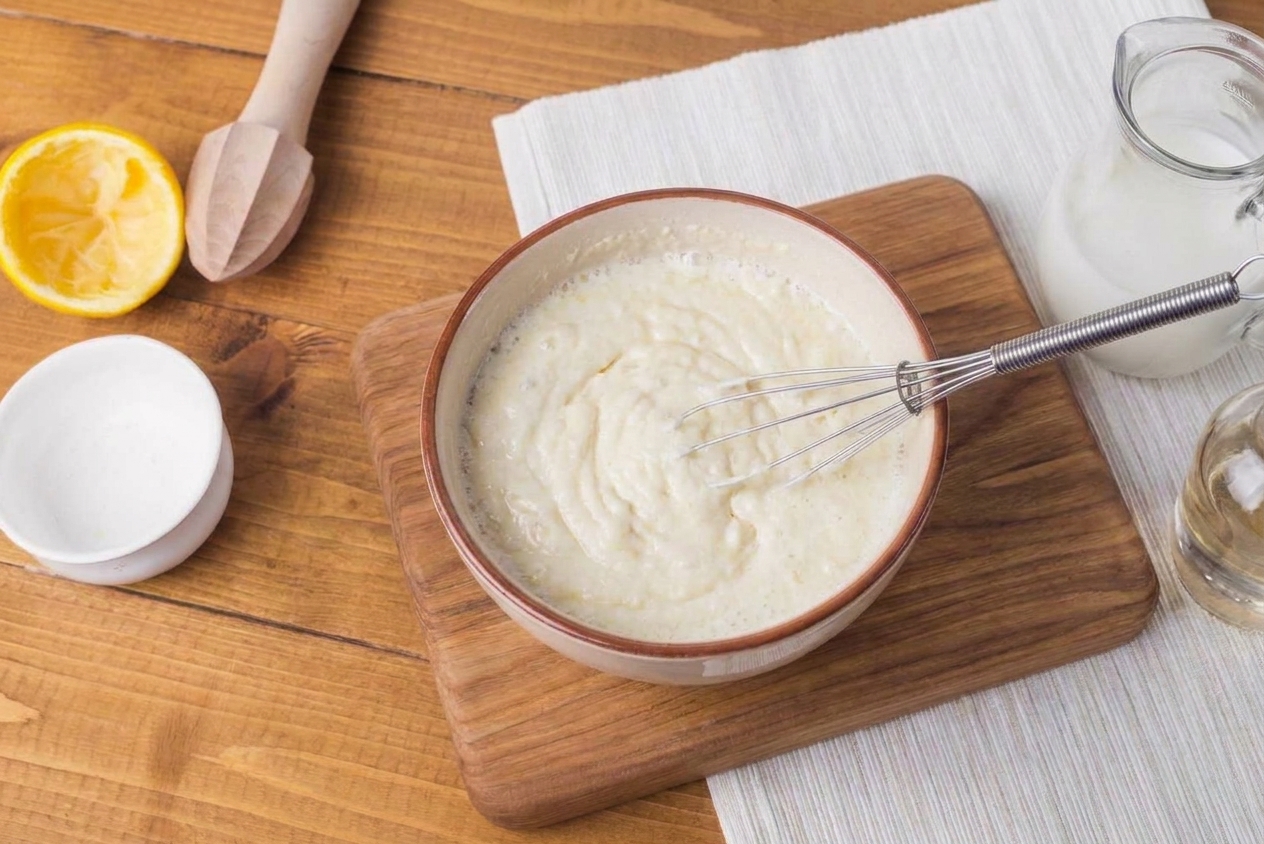
You might see light curdling or thickening. That is what we want. It will not look as thick as store-bought buttermilk, and that is totally fine for baking.
Milk choices: what works best
Use what you have, with a few helpful expectations:
- Whole milk: Closest match for richness and results.
- 2% or 1%: Works great in pancakes, muffins, and cakes.
- Skim milk: Works, but baked goods may be slightly less tender.
- Half-and-half: You can use it, but it is richer than buttermilk. I like it for biscuits and scones when I want extra tenderness.
- Non-dairy milk: Unsweetened, unflavored soy milk curdles most reliably and performs well. Oat and almond can work too, but may not thicken much, and results can vary by brand. You will get the acidity, but not quite the same cultured flavor.
Other buttermilk substitute options (when you are out of milk)
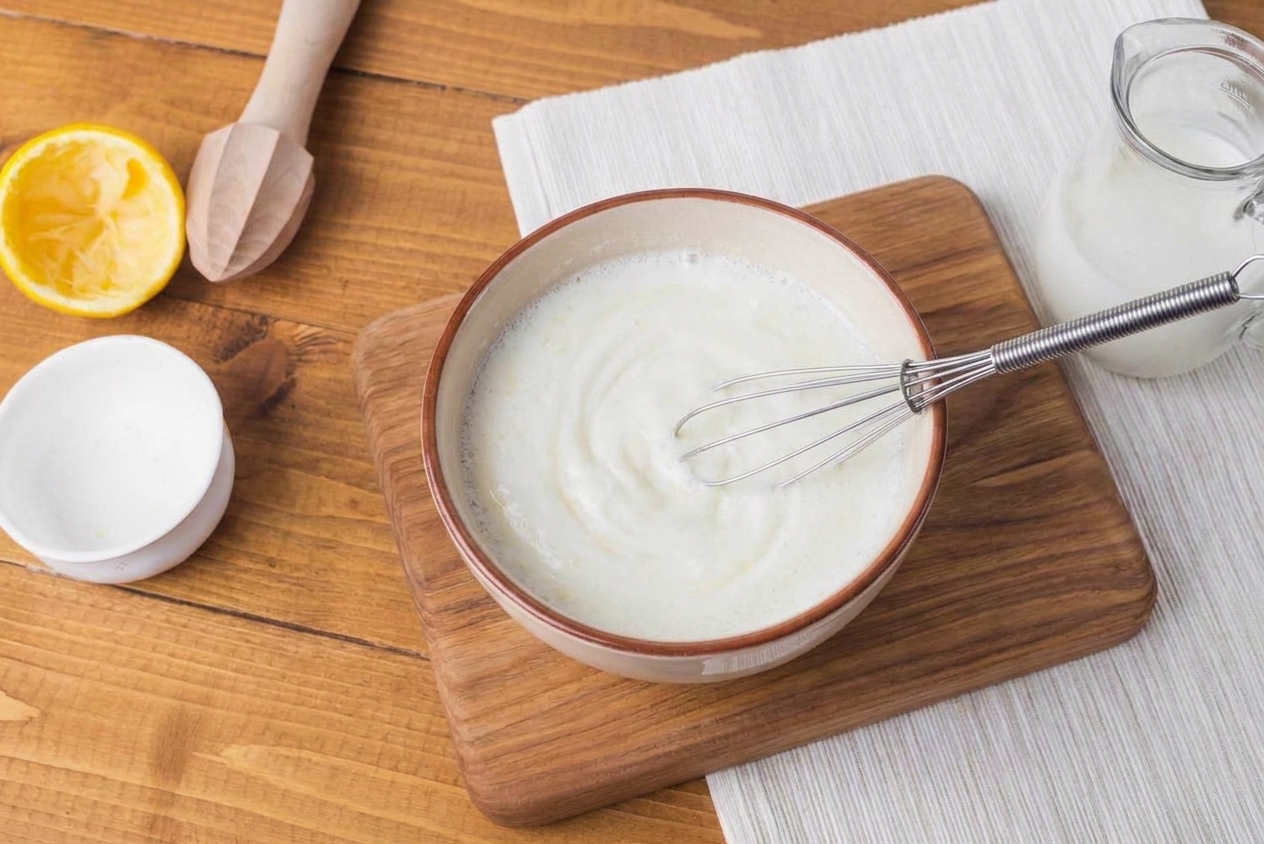
Yogurt + water (or milk)
This one gives you a thicker, closer-to-real-buttermilk texture, which is especially nice in pancakes and cake batters.
- For 1 cup: Whisk 3/4 cup plain yogurt with 1/4 cup water (or milk) until smooth.
Tip: Use plain yogurt, not vanilla or sweetened.
Sour cream + water
Similar to the yogurt method, with a slightly richer feel.
- For 1 cup: Whisk 3/4 cup sour cream with 1/4 cup water (or milk) until pourable.
Kefir (one of the best 1:1 swaps)
If you have plain kefir, you are basically done.
- Use 1:1: Replace buttermilk with an equal amount of plain kefir.
Kefir is tangy, acidic, and already the right consistency for most recipes.
Quick conversion chart
| Buttermilk needed | Use this much acid | Then add milk to reach |
|---|---|---|
| 1/4 cup | 3/4 teaspoon | 1/4 cup total |
| 1/3 cup | 1 teaspoon | 1/3 cup total |
| 1/2 cup | 1 1/2 teaspoons | 1/2 cup total |
| 2/3 cup | 2 teaspoons | 2/3 cup total |
| 3/4 cup | 2 1/4 teaspoons | 3/4 cup total |
| 1 cup | 1 tablespoon | 1 cup total |
If you are making a larger batch, keep the same ratio: 1 tablespoon acid per 1 cup milk.
Best uses (and when to use real buttermilk)
Great for
- Pancakes and waffles
- Muffins and quick breads
- Cakes and cupcakes
- Biscuits and scones
- Ranch-style dressings and dips (yogurt or sour cream versions are especially good)
Use real buttermilk when you can for
- Buttermilk fried chicken where you want the thicker coating and deeper cultured flavor
- Recipes where buttermilk is the point, like classic buttermilk pie
- Slow-simmered or long-soak dishes where that cultured tang has time to come through
That said, in most everyday baking, the substitute works beautifully.
Troubleshooting
It did not curdle. Did I do something wrong?
Probably not. Some milks just do not visibly curdle much, especially ultra-pasteurized or lower-fat varieties. As long as you added the right amount of acid and let it sit for a few minutes, it will still behave like buttermilk in baking.
Can I use apple cider vinegar?
Yes. Apple cider vinegar works well and adds a tiny hint of fruity tang. For very delicate cakes, I usually stick to lemon juice or white vinegar for the cleanest flavor.
Can I use bottled lemon juice?
Absolutely. Fresh lemon is lovely, but bottled lemon juice is perfectly fine for a substitute.
Should I stir it again before adding?
Yes. Give it a quick stir so the acidity is evenly distributed, especially if it separated a bit while sitting.
FAQ
How long does homemade buttermilk substitute last?
It is best used right away. If you need to hold it, cover and refrigerate for up to a day, then stir before using. It may separate in the fridge, which is normal. As always, if it smells off, toss it.
Can I freeze it?
I do not recommend freezing the milk + acid version. The texture can get grainy when thawed. If you need a freezer-friendly option, freeze plain kefir or use a recipe that is forgiving on texture.
Does this work in any recipe that calls for buttermilk?
It works for most baking recipes, especially those using baking soda. For recipes where buttermilk is a starring ingredient or used for long marinating, real cultured buttermilk or kefir usually gives the best flavor and coating.
Can I just use milk without acid?
You can, but the results will be different. Without acidity, recipes that rely on baking soda for lift may not rise as well, and the flavor will be flatter. If at all possible, add the lemon juice or vinegar.
My favorite little habit
I keep a small sticky note inside my baking cabinet that simply says: 1 cup milk + 1 tbsp lemon. It has saved many a weeknight pancake plan in my house. If you have milk in the fridge and either lemon or vinegar on hand, you are never really out of buttermilk.