

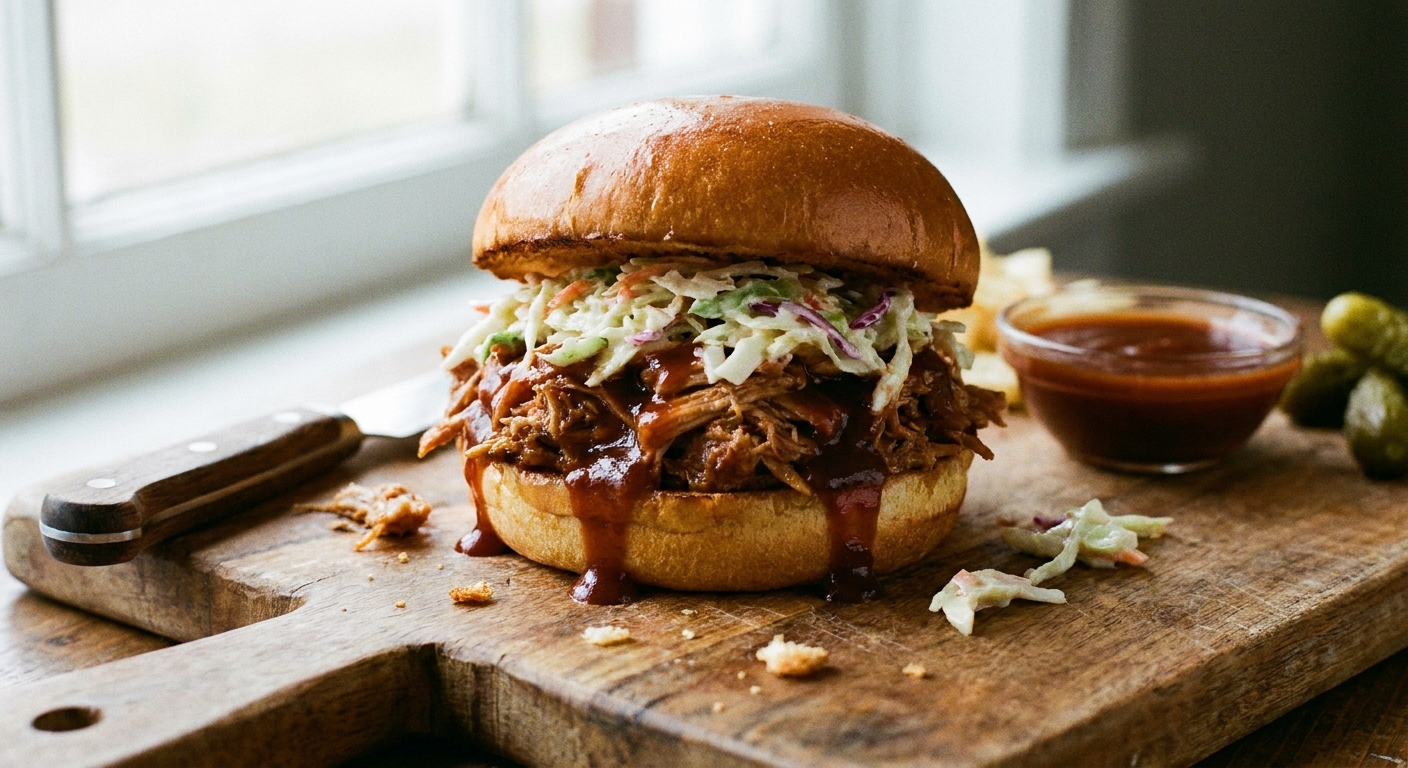
If you have ever stood in the pork aisle thinking, Do I want pulled pork or carnitas? you are my people. They both promise tender, shreddable pork and happy leftovers, but they land in totally different flavor neighborhoods. Pulled pork is often smoky and saucy (sometimes sweet, sometimes vinegar-peppery depending on the BBQ style). Carnitas is often citrusy and savory, and finished with those irresistible crispy edges.
Let’s break it down in a way that makes tonight’s dinner decision feel easy, not like a pop quiz.

The quick difference
Pulled pork (barbecue-style) is usually seasoned with a spice rub, cooked low and slow until it shreds, then served sauced, lightly dressed, or with sauce on the side.
Carnitas are typically cooked low and slow until tender, then crisped at the end so you get juicy meat plus browned, caramelized bits. Many home versions include citrus and aromatics, while more traditional approaches can be very simple and pork-forward.
- Flavor: Pulled pork is smoky-tangy (sometimes sweet). Carnitas is porky-savory, often brightened with citrus and warm aromatics.
- Finish: Pulled pork is soft and juicy, with sauce handled a few different ways. Carnitas is tender with crisp edges.
- Best for: Pulled pork shines in sandwiches, bowls, and BBQ plates. Carnitas is made for tacos, burritos, and nachos.
How they cook
Both dishes usually start with the same superstar cut, pork shoulder, and a low-and-slow cook. The difference is what you build around the pork.
- Pulled pork: commonly smoked, oven-braised, or slow-cooked, then shredded and served with a vinegar sauce, a tomato-based BBQ sauce, or sometimes no sauce at all until the table.
- Carnitas: traditionally braised or confit-style (think: cooking in its own rendered fat, sometimes with added fat), then crisped under the broiler or in a hot skillet for that signature texture.
That “cook in its own fat, then crisp” move is a big reason carnitas hits different.
Seasoning: BBQ rub vs. aromatics
Pulled pork seasoning
Barbecue pulled pork usually starts with a dry rub that leans smoky and a little sweet. Think: paprika, brown sugar, chili powder, garlic powder, onion powder, salt, pepper, and often a little cayenne. (And depending on the region, the sweetness might be minimal and the tang might come later from a vinegar-pepper sauce.) The goal is a deep barbecue backbone that plays well with whatever sauce situation you choose.
My tip: If you are short on time, even a simple rub of salt, pepper, paprika, and lots of garlic still gets you in the right direction. Sauce can do a lot of heavy lifting later.
Carnitas seasoning
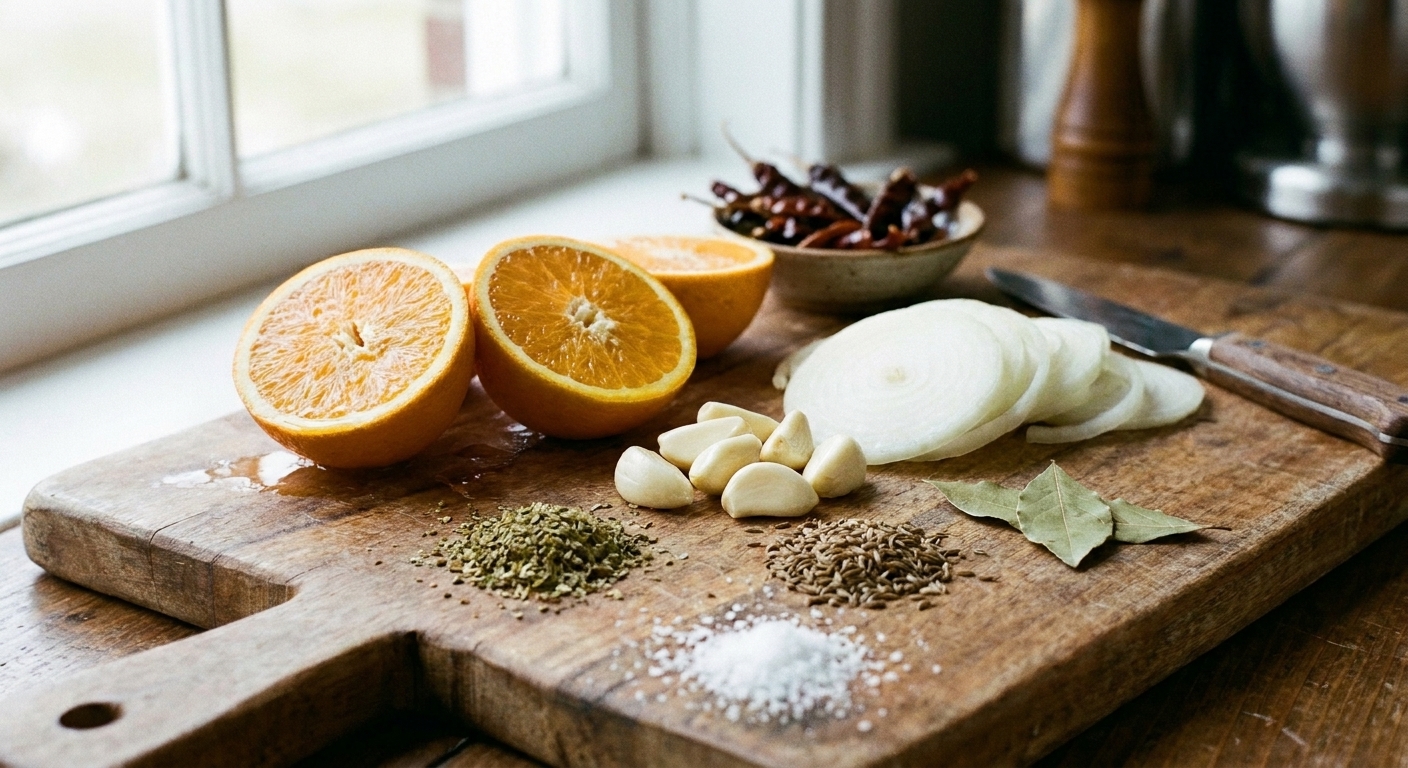
Carnitas is often cooked with aromatics like onion and garlic, and many recipes add citrus (often orange, sometimes lime) for a bright, savory finish. You may also see warm spices like cumin, oregano, or bay leaf, but plenty of great carnitas is simpler and lets the pork do most of the talking.
My tip: Do not skip the aromatics. Even if you keep the spice list short, onion and garlic are what make carnitas taste like more than “shredded pork.”
The finish: tender vs. crisp
Pulled pork finish
With pulled pork, the classic finish is shred and serve, with sauce handled to match your style. You can reduce the cooking liquid for extra flavor, then toss the pork with barbecue sauce until it is glossy and juicy, or serve it plain with sauce at the table.
- Texture goal: moist, tender strands
- Best move: sauce to taste so it stays juicy, not soupy
Carnitas finish
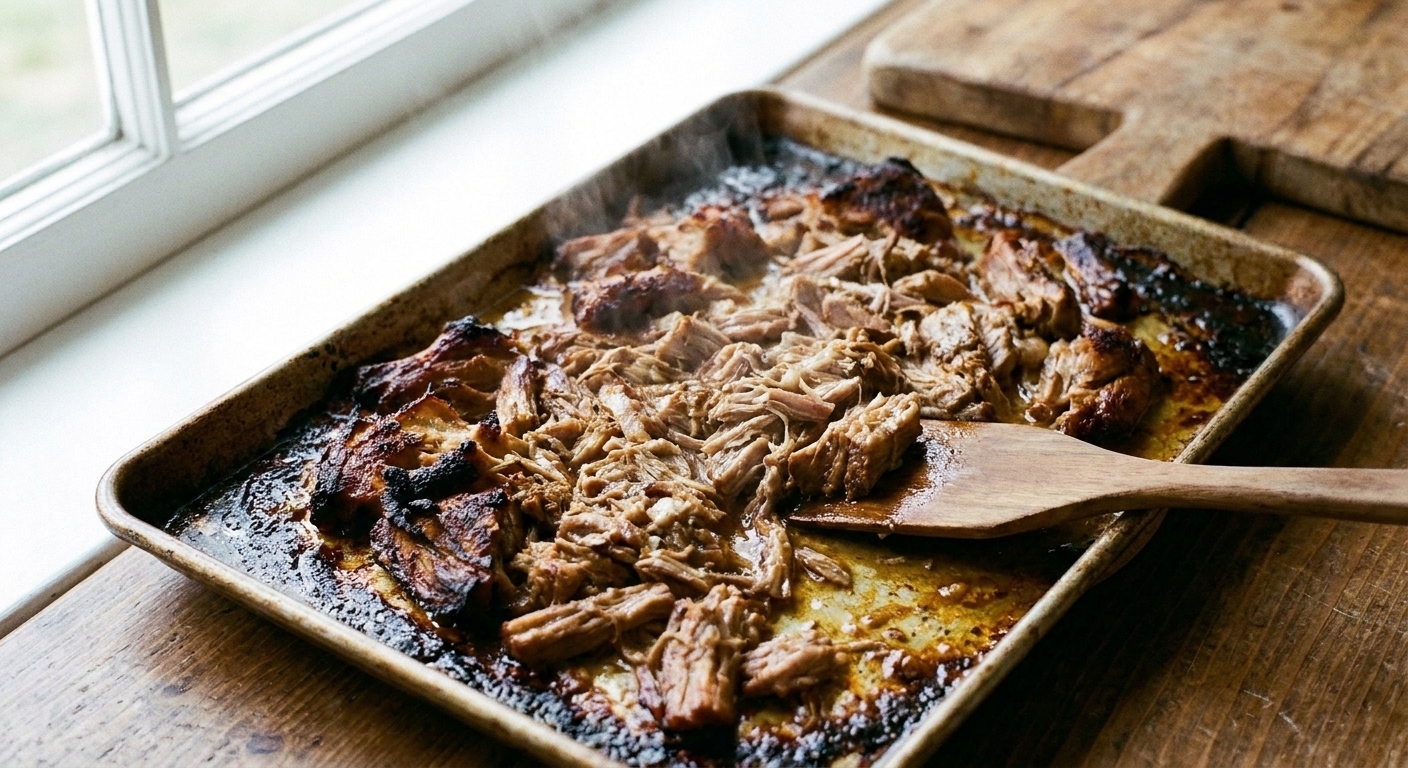
Carnitas gets its personality from the final crisp. After slow cooking, you spread the pork on a sheet pan and broil or roast briefly (or crisp it in a skillet). Those browned edges are the whole point.
- Texture goal: juicy inside, crispy outside
- Best move: do not overcrowd the pan, give the pork room to brown
Serving style: tacos vs. sandwiches
When pulled pork is the right call
Pulled pork is your best friend when you want dinner to feel like a cookout without leaving your kitchen.
- Sandwiches: piled on buns with coleslaw and pickles
- BBQ plates: with mac and cheese, cornbread, baked beans
- Rice bowls: with roasted sweet potatoes and a drizzle of sauce
- Loaded baked potatoes: with cheddar and green onions
When carnitas is the right call
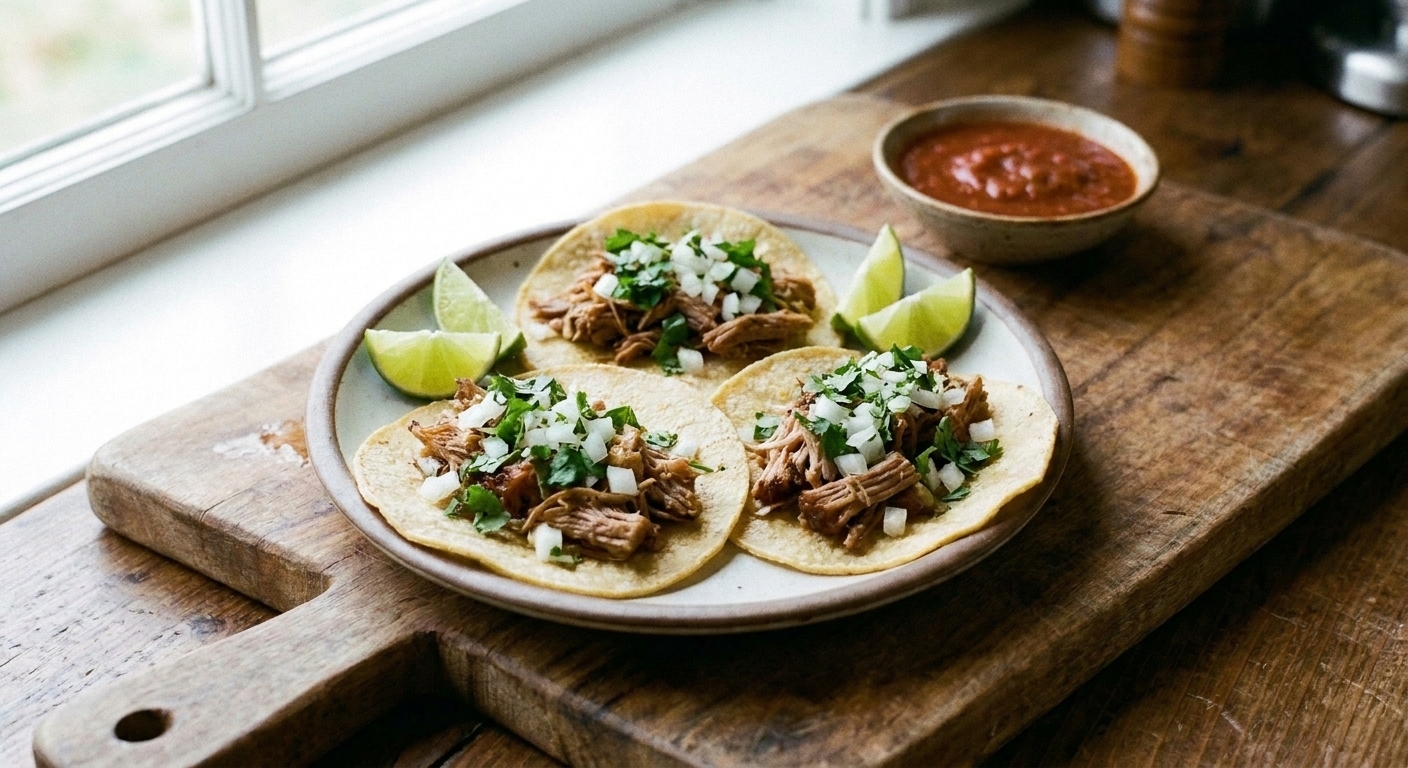
Carnitas is taco night energy. It is savory, rich, and loves a squeeze of lime.
- Tacos: corn tortillas, onion, cilantro, salsa
- Burritos: with rice, beans, pico de gallo
- Nachos: with melty cheese and pickled jalapeños
- Tortas: on a bolillo roll with avocado and crema
Grocery list: what to buy
If your main question is Which grocery list fits tacos versus sandwiches? here is the simplest way I know to think about it.
Pulled pork grocery list
- Pork: pork shoulder or pork butt
- Rub basics: brown sugar, paprika, chili powder, garlic powder, onion powder, salt, pepper
- Sauce: your favorite barbecue sauce (plus apple cider vinegar if you like extra tang)
- Serve with: buns, coleslaw mix or cabbage, pickles
- Optional but delicious: yellow mustard or Worcestershire for the cooking liquid
Carnitas grocery list
- Pork: pork shoulder is classic
- Aromatics and citrus: oranges (and/or limes), onion, garlic
- Spices: cumin, oregano, bay leaf (if you keep it stocked)
- Serve with: corn tortillas, cilantro, white onion, salsa, queso fresco
- Optional but clutch: a can of chipotle peppers in adobo for smoky heat
Time and effort
- Total time: both are low-and-slow recipes, usually a few hours (or all day in a slow cooker).
- Hands-on time: pulled pork is mostly shred and sauce (or shred and serve). Carnitas adds one extra step to crisp, but it is quick and worth it.
Which one should you make?
If you are still torn, here are my real-life “Wednesday at 5:30 pm” rules.
- Make pulled pork if you want something saucy (or sauce-optional), crowd-pleasing, and sandwich-ready. It is also the easiest to keep moist for leftovers.
- Make carnitas if you want tacos with that restaurant-style crisp and a brighter, less-sweet flavor profile.
- Feeding picky eaters? Pulled pork is often the safer bet. You can keep sauce on the side for control.
- Want the best leftovers? Carnitas wins if you love crispy reheated edges. Pulled pork wins if you want easy microwave lunches that stay juicy.
Next steps: my go-to recipes
If you are ready to cook, these two recipes will walk you through it step-by-step:
And if you want my personal opinion: if you are making tacos, go carnitas. If you are making sandwiches, go pulled pork. Either way, you end up with tender pork and a kitchen that smells like you have been cooking all day, which is my favorite kind of flex.
FAQ
Is carnitas just Mexican pulled pork?
They are cousins, not twins. Both are cooked low and slow until tender, but carnitas is typically braised or confit-style and usually crisped at the end. Barbecue pulled pork leans smoky and can be sweet or vinegar-forward, and it may be served sauced, lightly dressed, or with sauce on the side.
Can I use the same cut of pork for both?
Yes. Pork shoulder (also labeled pork butt or Boston butt) is ideal for both because it has enough fat to stay juicy through a long cook and shreds beautifully.
Can I crisp pulled pork like carnitas?
You can. Spread shredded pulled pork on a sheet pan and broil briefly, then toss with sauce (or serve sauce on the side). It will not taste like carnitas, but the crispy edges are fantastic for sliders or loaded fries.
Which one is spicier?
Neither has to be spicy. Pulled pork heat usually comes from cayenne or hot sauce. Carnitas heat comes from jalapeños, chipotle, or spicy salsa served alongside. You control the spice level with your seasoning and toppings.
What is the best way to reheat leftovers?
For pulled pork, reheat gently with a splash of cooking liquid or barbecue sauce to keep it juicy. For carnitas, reheat in a hot skillet or under the broiler to bring back the crisp edges, then finish with a squeeze of lime.