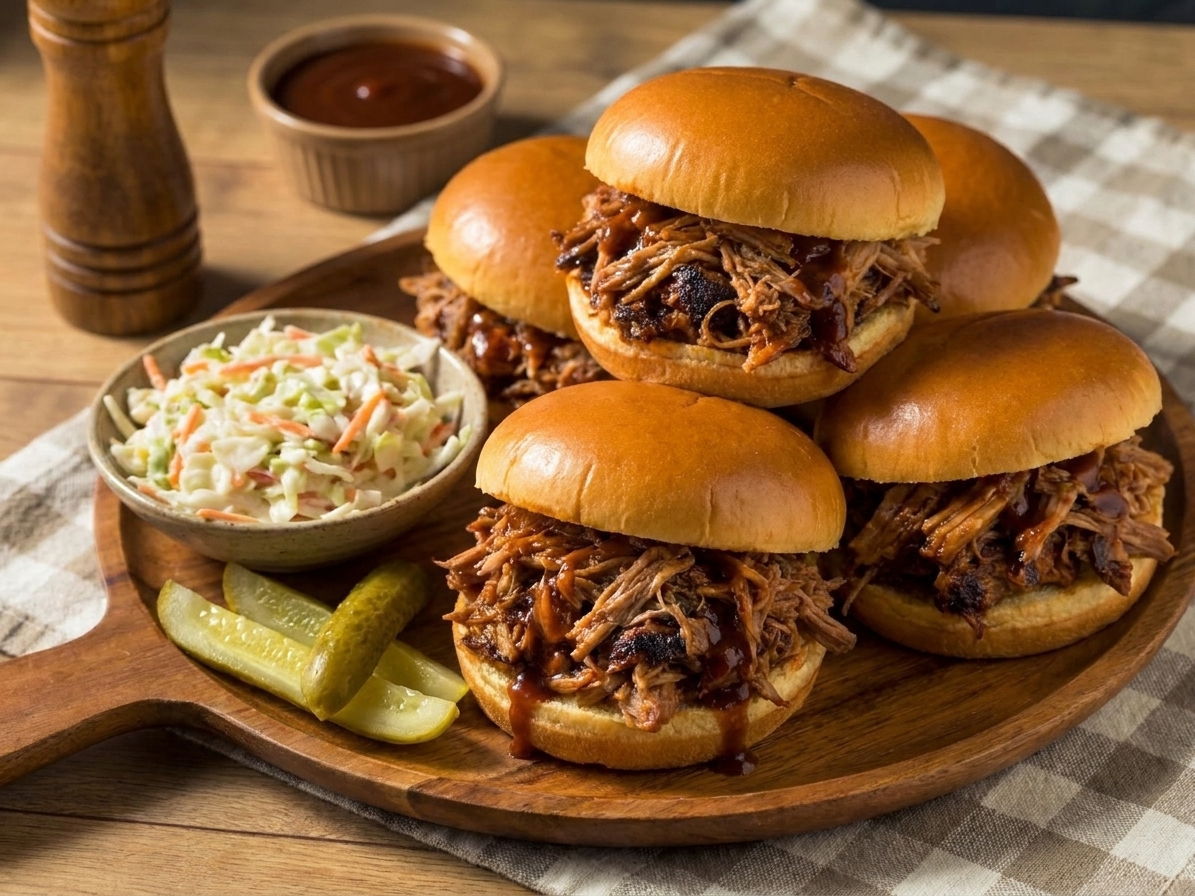

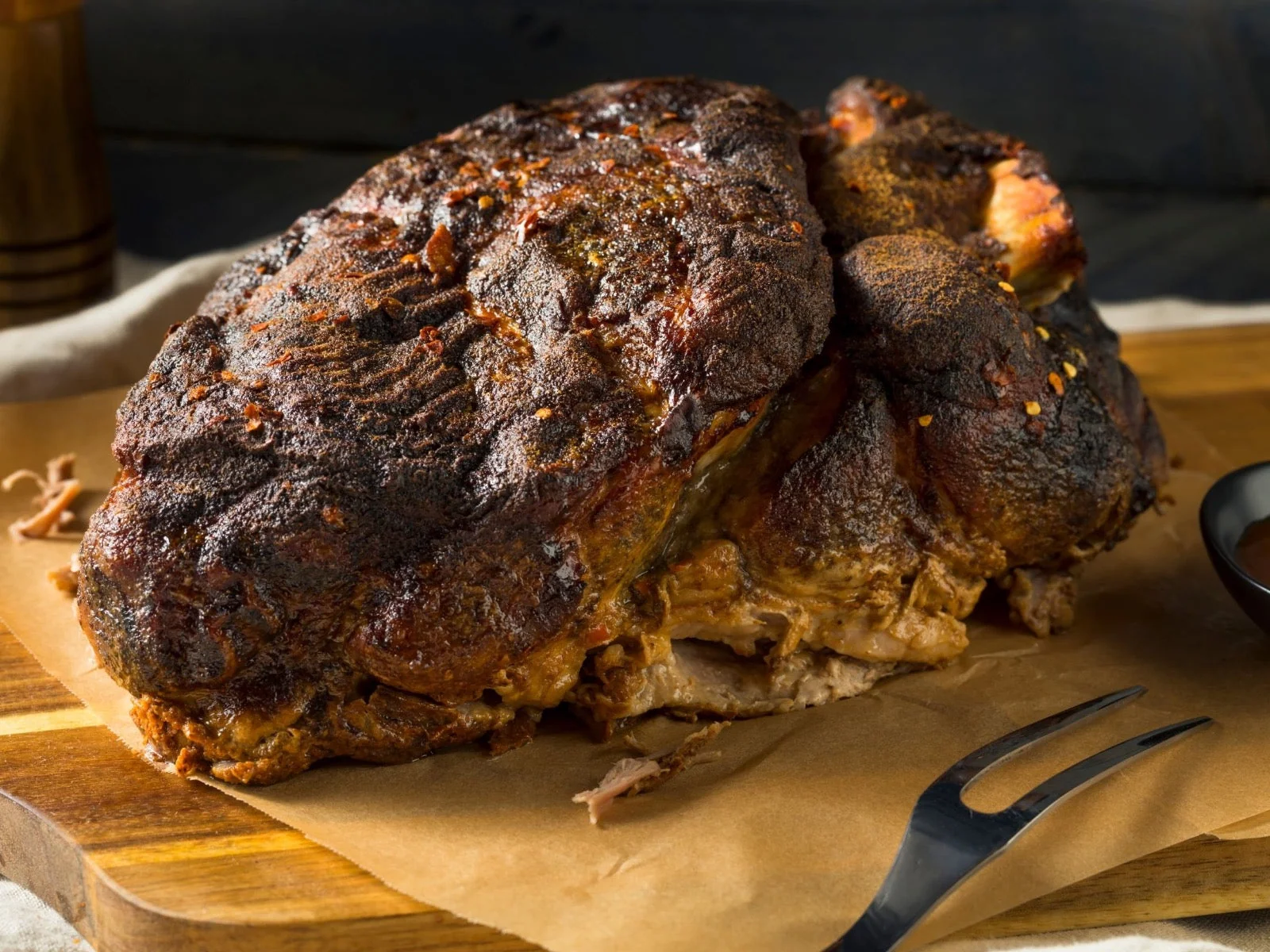
I grew up in a Pacific Northwest family where someone was always making something cozy and slow cooked, and pulled pork was a regular on our potluck table. Even now, the only part that can feel a little stressful is standing at the meat case thinking, “Wait, is pork butt the same thing as pork shoulder?” Let’s clear it up so you can confidently grab the right roast and get on with the fun part.

Quick answer: which cut should you buy?
If your goal is classic, tender, juicy pulled pork, buy Boston butt when you have the choice. It’s usually more evenly marbled, more forgiving, and tends to shred into lush, moist strands with less fuss.
Picnic shoulder also makes great pulled pork, especially if it’s what’s available or it’s a better price. It can be a touch leaner in spots and sometimes comes with skin, which adds a little prep. Still totally doable and still delicious.
- Best “no stress” pick: Boston butt (also labeled pork butt, shoulder butt, butt roast)
- Great budget pick: Picnic shoulder (also labeled picnic roast, pork shoulder picnic, picnic ham)
First, the naming confusion (you are not imagining it)
Both of these cuts come from the pig’s shoulder area, but from different parts:
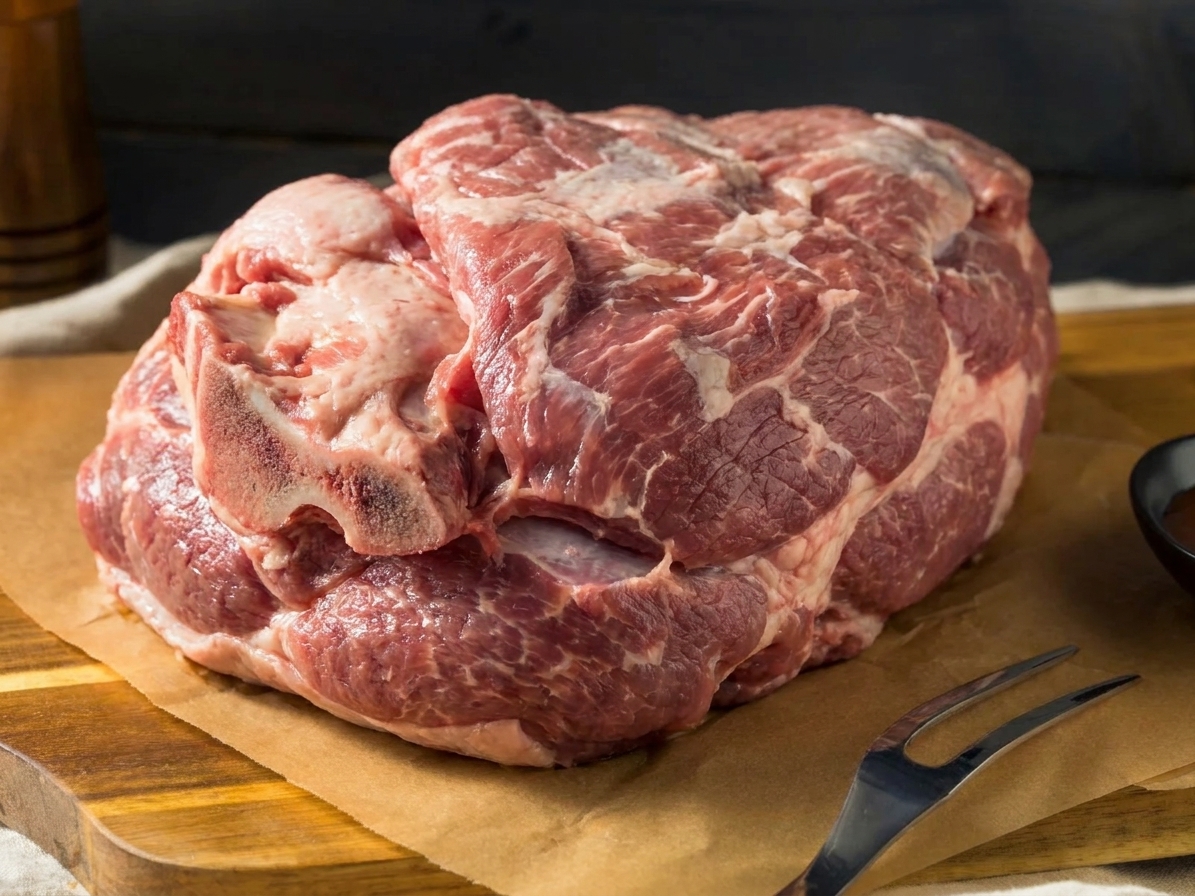
- Boston butt comes from the upper shoulder, closer to the blade. It is typically thicker and more marbled.
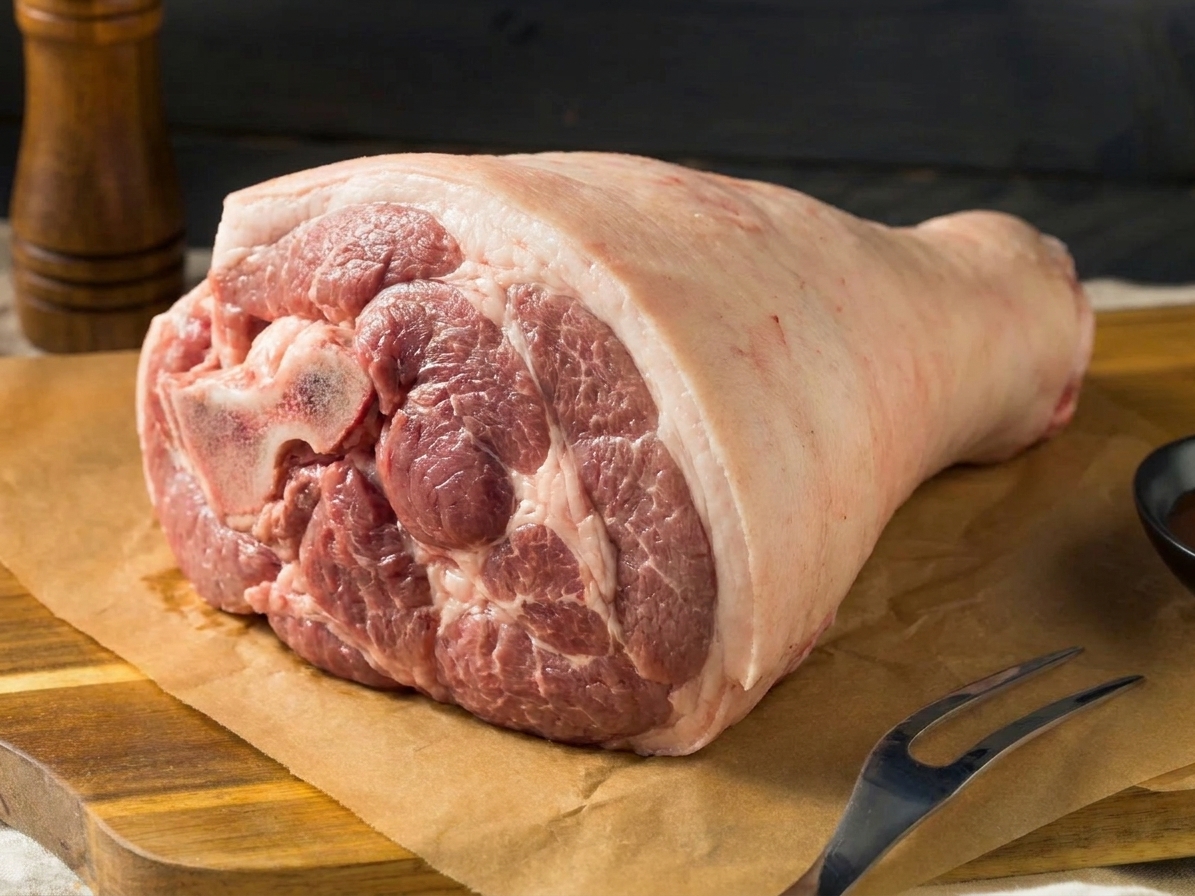
- Picnic shoulder comes from the lower shoulder, closer to the foreleg. It often has more connective tissue and can come with skin.
So yes, they are both “shoulder.” And no, “butt” is not from the rear of the pig. The names are old butcher terms that stuck around to haunt us in aisle 6.
Boston butt: what to expect
Fat and marbling
Boston butt usually has generous intramuscular fat (the good kind that looks like thin white streaks running through the meat). That marbling melts as it cooks, keeping the pulled pork moist and rich.
Fat cap
You’ll often see a thick fat cap on one side. For slow cooking, I like leaving most of it on so it self-bastes, then skimming excess fat from the cooking liquid later. If it’s very thick, trimming it down a bit can help seasoning touch more meat, but you do not need to go overboard.
Bone or boneless
Boston butt is sold both ways. Bone-in can be a little more flavorful and usually helps the roast hold its shape, but boneless is perfectly fine for pulled pork and often easier to fit in a slow cooker.
Picnic shoulder: what to expect
Skin: the big difference
Picnic shoulder is the cut that may come with skin on. If you see a smooth, tough layer on the outside, that’s skin, not fat.
- For pulled pork, skin is not very useful in a slow cooker. It will not turn crisp, and it can block seasoning.
- If your picnic roast has skin on, you can ask the butcher to remove it, or you can cut it off at home with a sharp knife. (Go slowly and keep the blade angled slightly up toward the skin.)
Fat and connective tissue
Picnic has plenty of collagen and connective tissue, which is great for shredding once it’s fully tender. It can cook up wonderfully, but it may have a few leaner pockets, so it’s slightly less foolproof if it’s undercooked.
Bone and shape
Picnic shoulder is often sold bone-in and can be a more awkward, tapered shape. Not a dealbreaker, but something to think about if your slow cooker is on the smaller side.
Boston butt vs. picnic shoulder: the practical differences
| Feature | Boston butt | Picnic shoulder |
|---|---|---|
| Where it comes from | Upper shoulder | Lower shoulder, closer to foreleg |
| Marbling | Usually more marbled | Usually a bit less marbled, mixed texture |
| Fat cap | Often thick and obvious | Can have fat, sometimes less uniform |
| Skin | Rare | Common on some roasts |
| Bone | Bone-in or boneless | Often bone-in |
| Shredding yield | High, very consistent | High, but a bit more trimming and variation |
| Slow cooker fit | Usually easier (rounder shape) | Sometimes awkward (tapered, may be larger) |
Which one fits in a slow cooker?
This is the part I wish someone had told me earlier: the “best” cut is the one that actually fits in your pot without forcing the lid crooked.
Use these guidelines
- For a 4 to 5 quart slow cooker: Aim for about a 3 to 4 pound roast, and boneless tends to be easiest. Boston butt is usually the simplest fit.
- For a 6 quart slow cooker: 4 to 6 pounds is typically comfortable. Boston butt or picnic both work, but picnic can be longer and may need to be cut into a couple big chunks.
- If the roast is too tall: Trim or cut it into 2 to 3 large pieces rather than cramming it in. Big pieces still shred beautifully.
One more tip: If you are choosing between two packages, pick the one that looks shorter and wider for an easier slow cooker fit.
How much meat will you actually get? (Yield and portions)
Both cuts contain bone and/or extra trim at times, and both will lose some weight as fat renders. In real life, here’s what I plan for:
- Bone-in roasts: Expect a little less edible meat because of the bone and some trim.
- Picnic with skin on: Also expect less yield if you remove the skin and any thick outer bits.
- For sandwiches: I plan roughly 1/3 to 1/2 pound raw meat per person, depending on appetites and sides.
If you are feeding a crowd, Boston butt tends to give a slightly more consistent “all shred, no surprises” experience.
What to look for at the store
Labels that usually mean Boston butt
- Boston butt
- Pork butt
- Butt roast
- Shoulder butt
- Pork shoulder roast (sometimes, so double-check shape and skin)
Labels that usually mean picnic shoulder
- Picnic shoulder
- Picnic roast
- Pork shoulder picnic
- Fresh picnic ham (not cured, despite the “ham” word)
Marbling checklist (my go-to)
- Look for fine white streaks throughout, not just a thick outer fat layer.
- Avoid packages with huge lean sections and very little marbling, especially if you want super juicy pulled pork.
- If there’s a choice, pick the roast with even thickness so it cooks more uniformly.
Do you need to trim the fat cap?
For pulled pork, you can keep it simple.
- Boston butt: Leave most of the fat cap, trimming only if it’s extremely thick or uneven.
- Picnic shoulder: Remove skin if present. Trim any hanging bits that look tough or dry.
Remember, you can always remove excess rendered fat after cooking. It’s much harder to add back moisture if you trim too aggressively up front.
FAQ
Is pork butt the same as pork shoulder?
Pork butt is a type of pork shoulder. It comes from the upper shoulder (often called Boston butt). Picnic shoulder is also “pork shoulder,” but from the lower part. For pulled pork, Boston butt is usually the easier, more consistent choice.
Can I use picnic shoulder for pulled pork in a slow cooker?
Yes. If it has skin, remove it so seasoning can reach the meat. Also make sure the roast is cooked until it is truly tender, since picnic can have a bit more connective tissue.
Which is better: bone-in or boneless?
Both work. Bone-in can add flavor and helps the roast hold together. Boneless is easier to fit in a slow cooker and simpler to portion. If I’m shopping for convenience, I grab boneless. If I’m shopping for the best value and I have room, I grab bone-in.
My package just says “pork shoulder roast.” How do I tell which one it is?
Look at the shape and the outer layer. Boston butt is usually more compact and blocky, often without skin. Picnic shoulder is more tapered and may have skin on. If you’re still unsure, ask the butcher counter. They can tell you immediately.
Will either cut shred the same?
They both shred well when fully tender. Boston butt typically shreds into more consistently moist strands because of its marbling. Picnic can be just as tasty, but you may have a few leaner pieces mixed in.
My pick for classic pulled pork
If you want the most reliable, juicy pulled pork with minimal trimming, choose Boston butt. If you find a great deal on picnic shoulder, grab it with confidence, just check for skin and plan a minute or two of extra prep.
And if you’re still standing there thinking, “Why is any of this called butt,” I’m right there with you. The good news is: whichever shoulder cut you buy, you’re on your way to a very happy dinner.