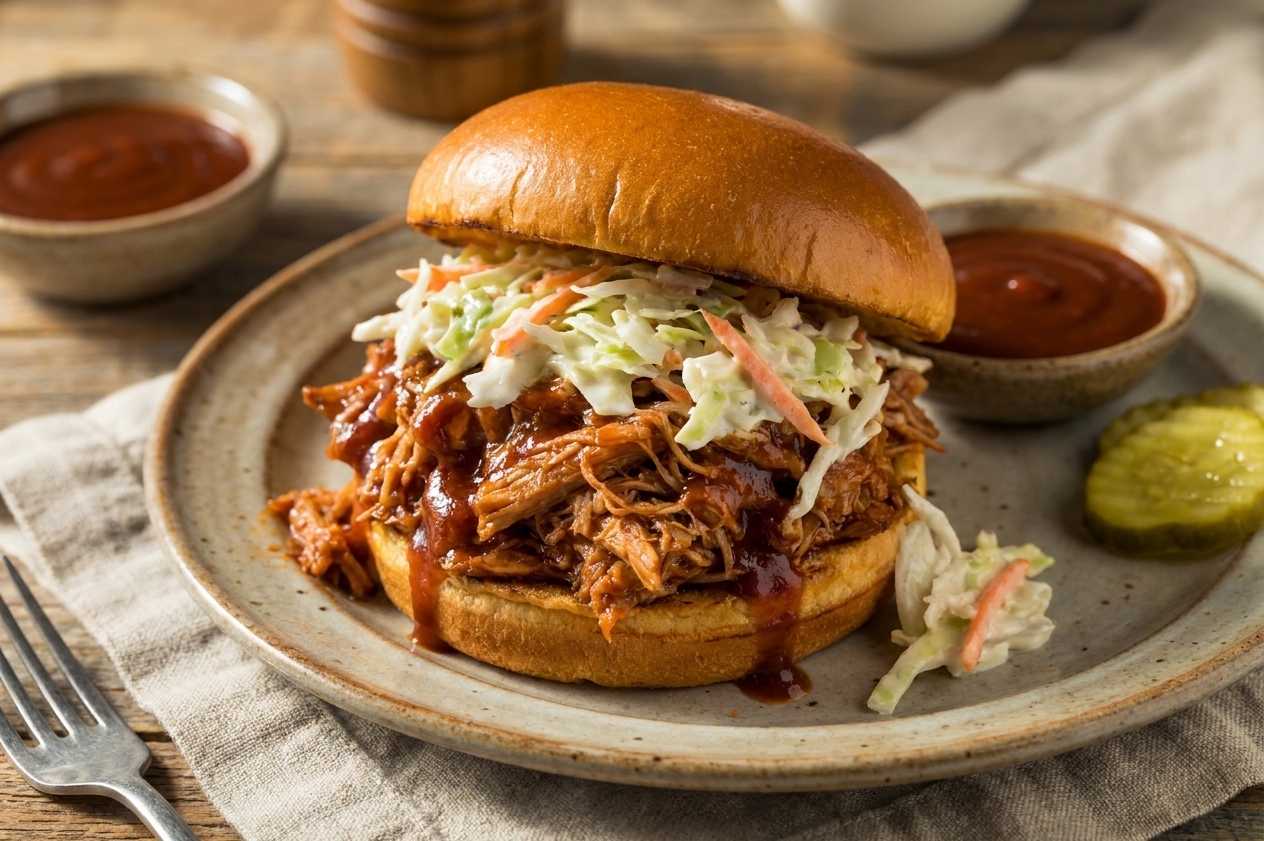

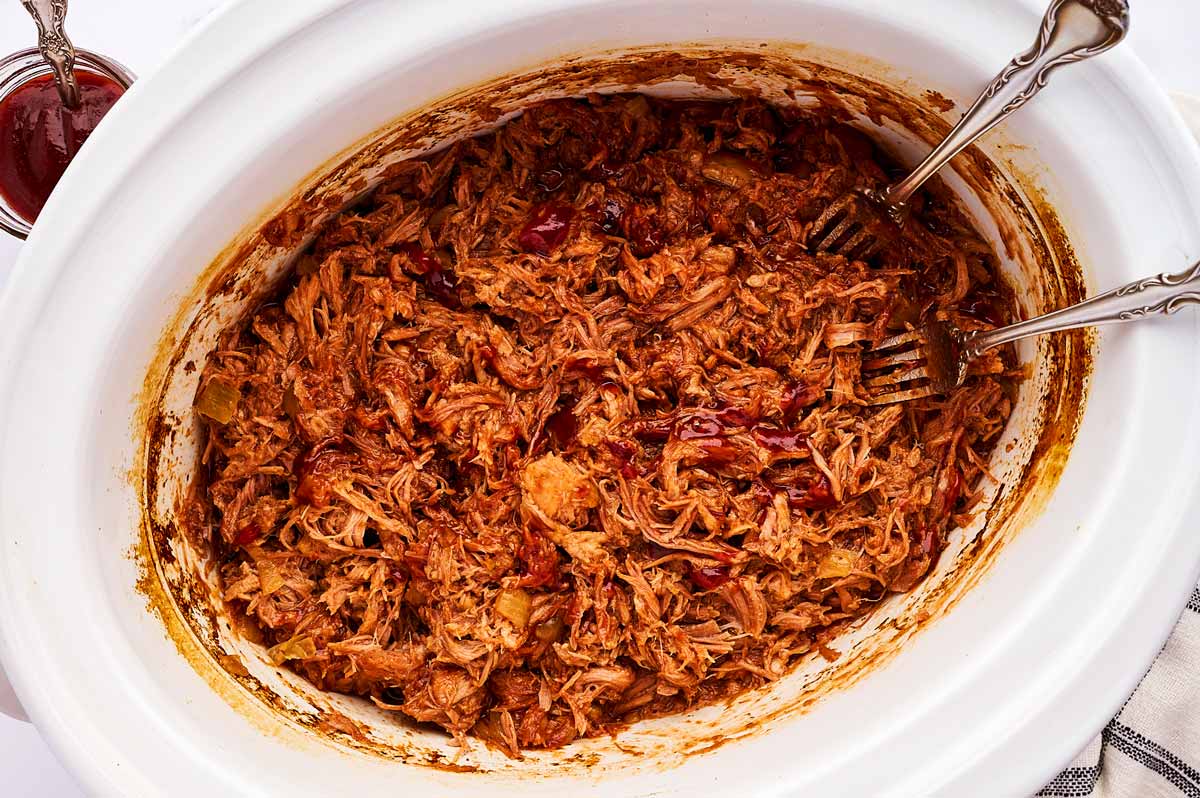
I have a very specific slow cooker heartbreak: you lift the lid expecting glossy, saucy pulled pork and instead you find a pork roast sitting in what looks like pale broth. The good news is watery pulled pork is almost always fixable, and it does not mean you messed up. Slow cookers are really good at holding on to moisture. Sometimes a little too good.

Below I’ll walk you through why it happens, how to rescue a watery pot right now, and the small tweaks that prevent it next time.
Why it turns watery
Slow cookers are designed to be a closed, low-evaporation environment. On the stovetop or in the oven, water can boil off and concentrate flavors. In a slow cooker, most of that moisture stays trapped under the lid and condenses back into the pot.
So even if you add only a little liquid, you can still end up with a lot by the end because pork releases plenty of its own juices as it cooks.
Common causes
1) Too much liquid at the start
This is the big one. A lot of recipes start with broth, soda, cider, or water, plus onion and sauce. But pork shoulder can release a surprising amount of liquid all on its own. If you begin with a cup or two of added liquid, you can easily finish with several cups.
What to do next time: For a 3 to 5 pound pork shoulder, start with about 1/4 to 1/2 cup flavorful liquid. Some slow cookers run hotter or are more prone to scorching, so you may need up to 1 cup, especially for long cooks on HIGH or very trimmed roasts. You mainly need enough to help distribute seasonings and prevent scorching early on.
2) Using a lean cut (or trimming too much)
Pulled pork is happiest with a well-marbled cut. Pork loin is lean, and an over-trimmed shoulder can act lean too. Less fat and collagen means the cooking liquid stays thinner and the final texture can feel less rich and clingy.
Best cuts for slow cooker pulled pork:
- Pork shoulder (also labeled pork butt or Boston butt)
- Picnic shoulder
If you already used pork loin: You can still make it delicious, but plan on thickening the juices and using sauce more generously at the end.
3) The lid stayed on the whole time
Keeping the lid on is correct for cooking the meat through, but it also means very little evaporation. If your goal is thick, clingy juices, you’ll usually need a reduction step after the pork is tender and shredded.
One more slow cooker habit: Try not to lift the lid a bunch while it cooks. It does not cause watery pork, but it does drop the temperature and can drag out the cook time.
4) Lots of watery add-ins
Onions, pineapple, fresh tomatoes, and jarred salsa all release water as they cook. They are great for flavor, but they can push your liquid from “juicy” to “soupy.”
What to do next time: If you use watery ingredients, compensate by reducing other liquids and planning a reduction at the end.
5) The pork was injected or pre-brined
Some supermarket pork is “enhanced” with a salt solution. It’s not a bad thing, but it can release more liquid during cooking. Check the label for phrases like “contains up to X% of a solution.”
6) The cooker was too big for the roast
If you cook a smaller roast in a large slow cooker, it tends to sit in a wider, shallower pool of liquid and get more submerged. That usually means more dilution and less chance for anything to concentrate in the pot. A snugger fit helps keep the meat more partially above the liquid line.
Fix it now (without drying it out)
My rule: separate first, thicken second, then recombine. That way your pork stays tender and you stay in control of the texture.
Step 1: Pull the pork, rest briefly, then shred
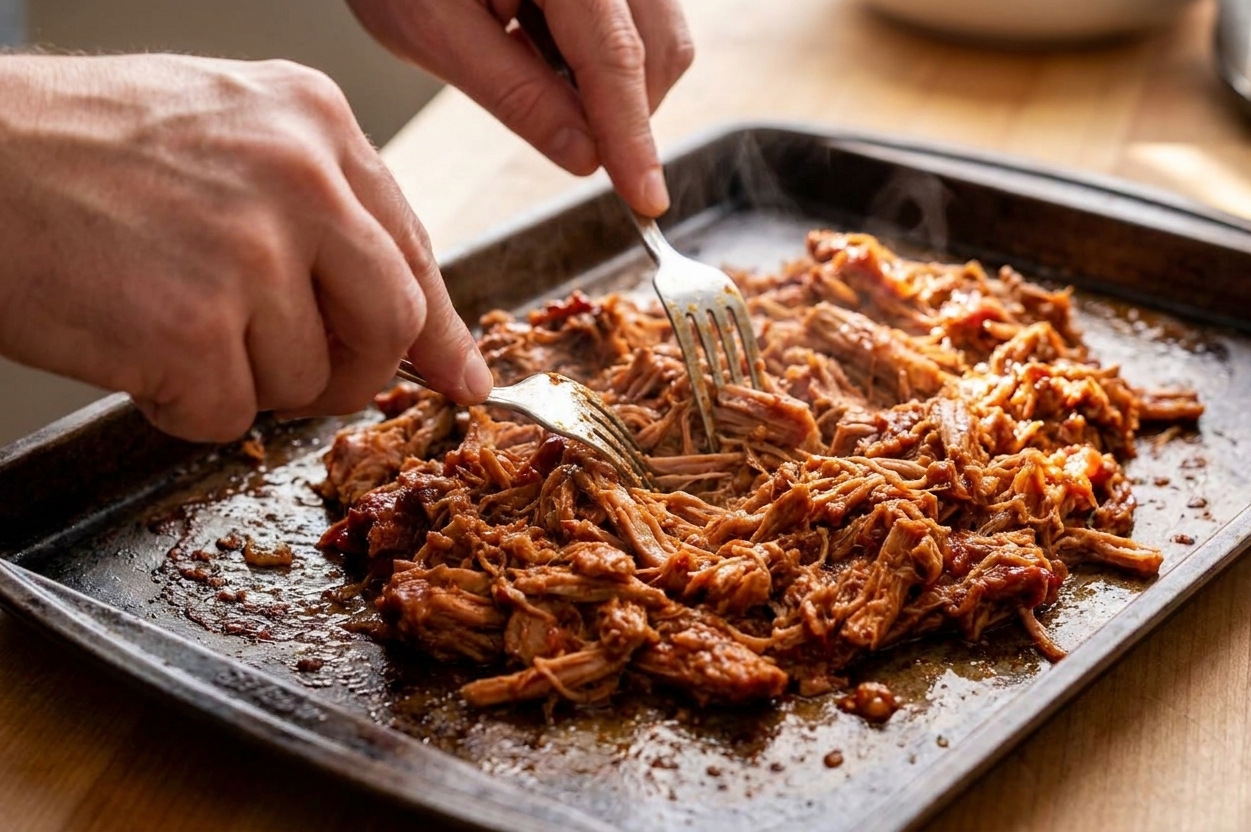
Transfer the pork to a rimmed baking sheet or large bowl and let it sit 5 to 10 minutes so it cools slightly. (This is mostly for easier handling, and less of the “juices redistribute” thing you hear about with slicing.) Then shred. If it’s not shredding easily, it needs more time. Put it back in and cook longer.
Step 2: Defat the cooking liquid (optional but highly recommended)
Watery and greasy often show up together. Skimming fat helps the juices taste cleaner and thicken more predictably.
- Fast method: Ladle the liquid into a fat separator if you have one.
- No special tools: Spoon off fat from the top.
- Best method if you have time: Pour liquid into a container and chill 20 to 30 minutes so fat firms up on top, then lift it off.
Step 3: Reduce to concentrate flavor
Pick the method that matches your time and tools. However you do it, bring the liquid to a good simmer so it reduces (and so it is hot enough to thicken smoothly in the next step).
- Stovetop: Pour the cooking liquid into a saucepan and simmer uncovered until it thickens slightly. As a rough benchmark, reduce by about one-third to one-half.
- Slow cooker: Turn to HIGH and leave the lid slightly ajar for 20 to 45 minutes, stirring occasionally. Not all slow cookers reduce well, but it can help.
- Oven: Pour liquid into a wide baking dish and bake at 400°F until reduced. Wide surface area helps evaporation.
Aim for: a saucy consistency that coats a spoon, not a syrup.
Seasoning note: Reduction concentrates everything, including salt. Taste after you reduce, then decide what it needs.
Step 4: Thicken if needed (choose one)
If reducing still leaves you with thin juices, use one of these gentle thickeners. Add slurries to simmering liquid (not warm, not barely hot) so they do not clump and they thicken quickly.
- Cornstarch slurry: Mix 1 tablespoon cornstarch with 1 tablespoon cold water. Whisk into simmering liquid and cook 1 to 2 minutes. Add more in small amounts as needed.
- Arrowroot slurry: Same method as cornstarch, with a slightly glossier finish.
- BBQ sauce as a thickener: Stir a few spoonfuls of your favorite sauce into the reduced juices. This thickens and seasons at the same time.
Tip from my weeknight brain: If you are serving sandwiches, you usually want the pork moist but not dripping. If you are serving bowls or tacos, a looser juice is totally fine.
Step 5: Toss shredded pork with the thickened juices
Return the shredded pork to the slow cooker or a big bowl. Add back just enough thickened liquid to make it juicy. You do not have to use it all.
Step 6: Optional finishing move for extra flavor
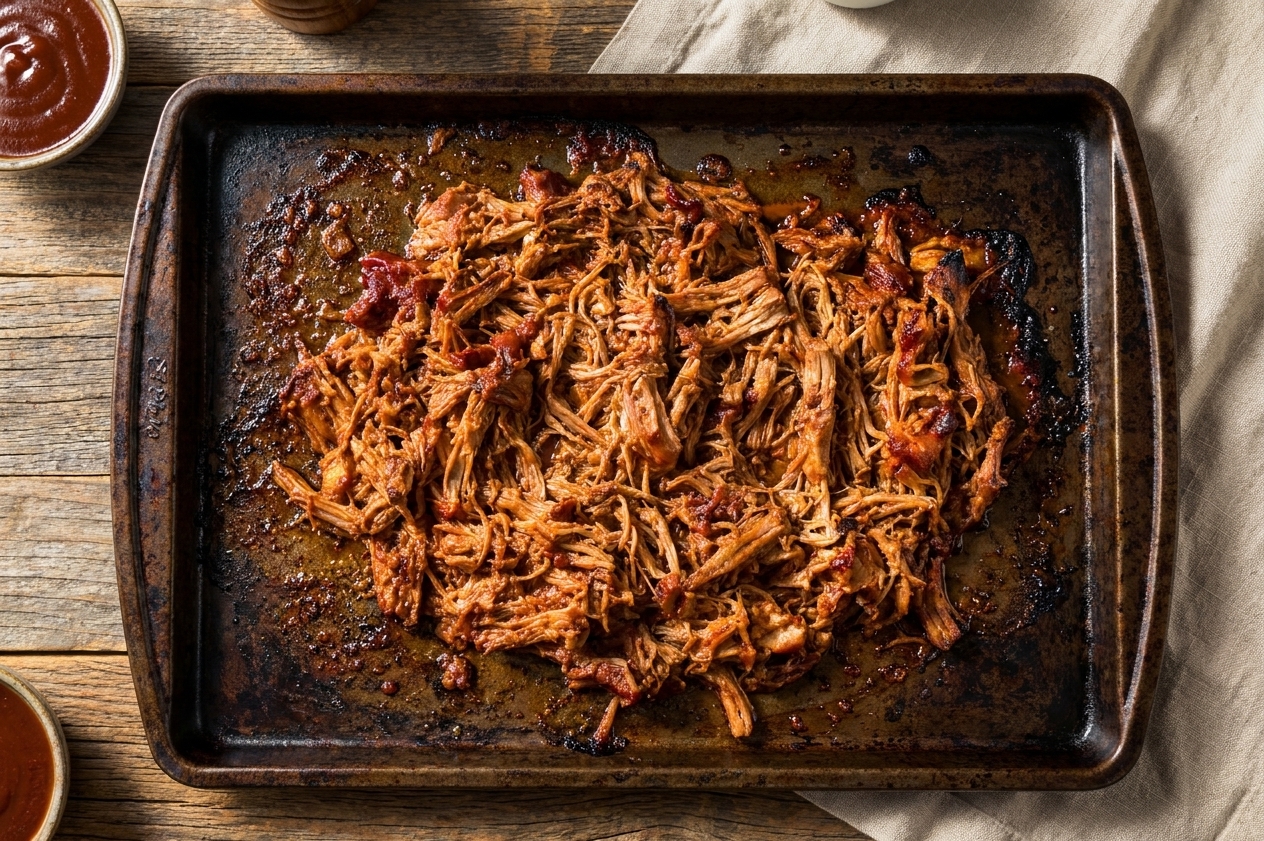
If you want deeper, roasted flavor (and slightly less moisture), spread the shredded pork on a sheet pan, drizzle with a little of the thickened liquid, and broil for 3 to 6 minutes. Stir and broil again if you like crispy edges.
How much liquid to add
For most slow cookers and a 3 to 5 pound pork shoulder, about 1/4 to 1/2 cup is plenty, because the pork will make its own juices. If your slow cooker runs hot, your roast is very trimmed, or you are cooking on HIGH for a long stretch, you may want up to 1 cup to prevent scorching.
Here are a few easy starting points:
- Classic BBQ vibe: 1/4 cup apple cider vinegar plus 1/4 cup broth
- Sweet and smoky: 1/2 cup apple cider
- Carnitas-inspired: 1/2 cup orange juice plus lots of garlic and spices (expect more liquid and plan to reduce)
Prevent it next time
- Choose the right cut: pork shoulder or pork butt gives you the best texture.
- Salt well: salt helps the meat taste meaty even after shredding. (I salt the roast generously all over.)
- Go easy on added liquid: remember, the pork will make its own.
- Plan a lid-off finish: build in 15 to 30 minutes to reduce the juices while you shred the meat.
- Let it cool slightly before shredding: 5 to 10 minutes makes it easier and less messy, and it helps the pork stay juicy.
Quick FAQ
Should pulled pork be covered in liquid in the slow cooker?
No. You want some liquid in the bottom, but the roast should sit mostly above it. As it cooks, it will release juices that partially surround it.
Can I drain the liquid and still have juicy pulled pork?
Yes. Drain first, then add back a measured amount of reduced or thickened liquid. This is the easiest way to avoid soggy, soup-like pork.
My pulled pork tastes bland and watery. What now?
Reduce the liquid to concentrate flavor, then season it. A little extra salt, a splash of vinegar, and a spoonful of brown sugar or BBQ sauce can bring it back to life. Taste the juices after you reduce before adding more salt.
Why is my pulled pork watery after adding BBQ sauce?
Some sauces thin out when mixed with hot pork juices, especially if the pot has a lot of liquid to begin with. Reduce the juices first, then add sauce gradually until it clings the way you want.
Can I thicken the liquid with flour?
You can, but I prefer cornstarch or arrowroot because they thicken quickly and stay smoother. If you use flour, whisk it thoroughly into a small amount of cool liquid first, then simmer long enough to cook off any raw flour taste.
My rescue plan
If you only remember one thing, make it this:
- Shred the pork.
- Pour off the juices.
- Skim fat.
- Simmer the juices until thicker.
- Toss pork with just enough sauce to coat.
It turns that watery slow cooker moment into the kind of pulled pork that actually belongs on a bun.