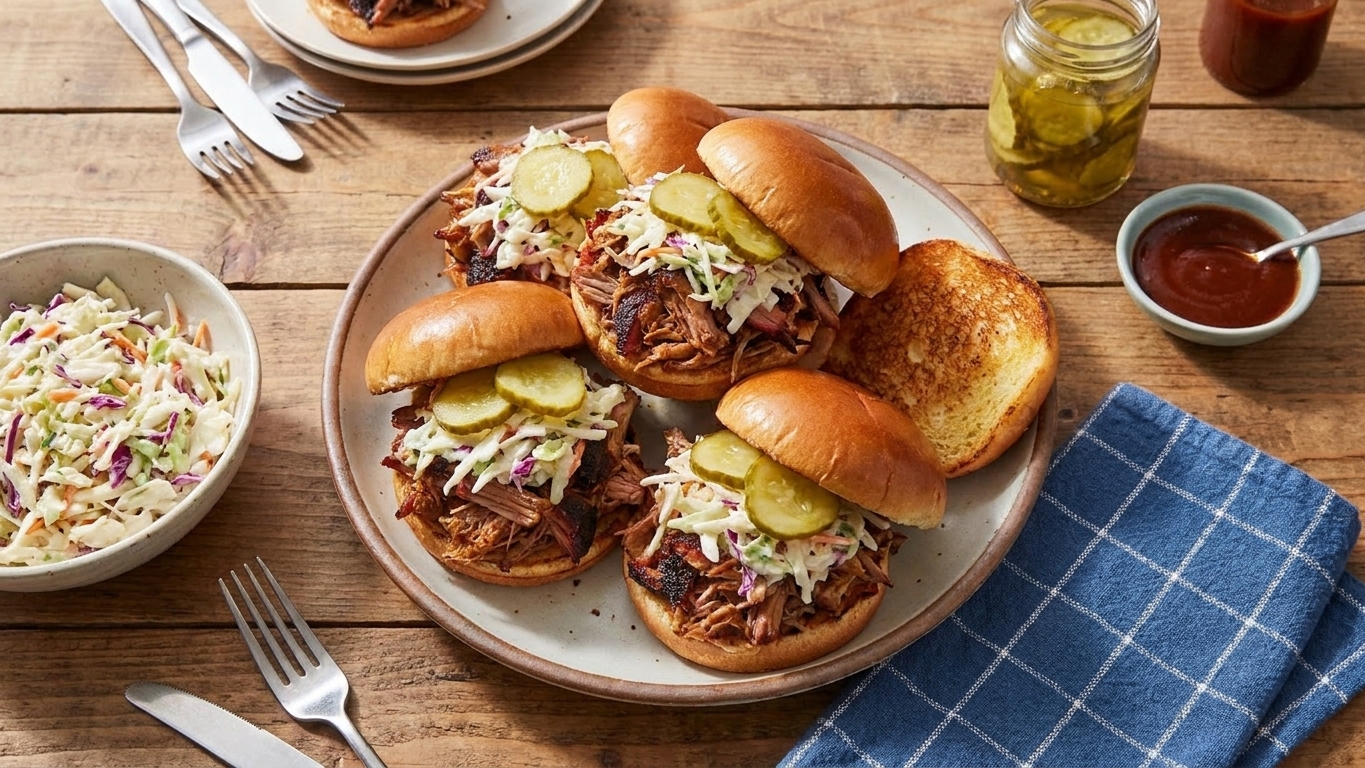
I grew up in a Pacific Northwest family where “pulled pork” meant someone was tending something for a long time, usually while the rest of us wandered through the kitchen stealing tastes and asking, a little too often, “Is it done yet?” Now that I’m cooking for real life and real weeknights, I still want that fall-apart pork, but I also want it to fit my schedule. If you are standing in front of the meat case trying to decide whether to smoke a shoulder or let your slow cooker do the heavy lifting, this is the comparison I wish someone had handed me.
Both methods can make truly delicious pulled pork. They just create different textures, flavors, and timelines. Let’s break it down so you can choose the right cooker before you buy the roast.

The quick answer
If you want deep smoke flavor and a crisp, peppery bark, go with the smoker. If you want hands-off tenderness with steady timing and you are cooking on a regular weekday, go with the slow cooker.
- Smoker: Best for weekends, parties, and when bark is the whole point.
- Slow cooker: Best for Tuesday tacos, meal prep, and low-stress pulled pork that is still juicy and flavorful.
What you get
Smoker pulled pork: bark-forward and smoky
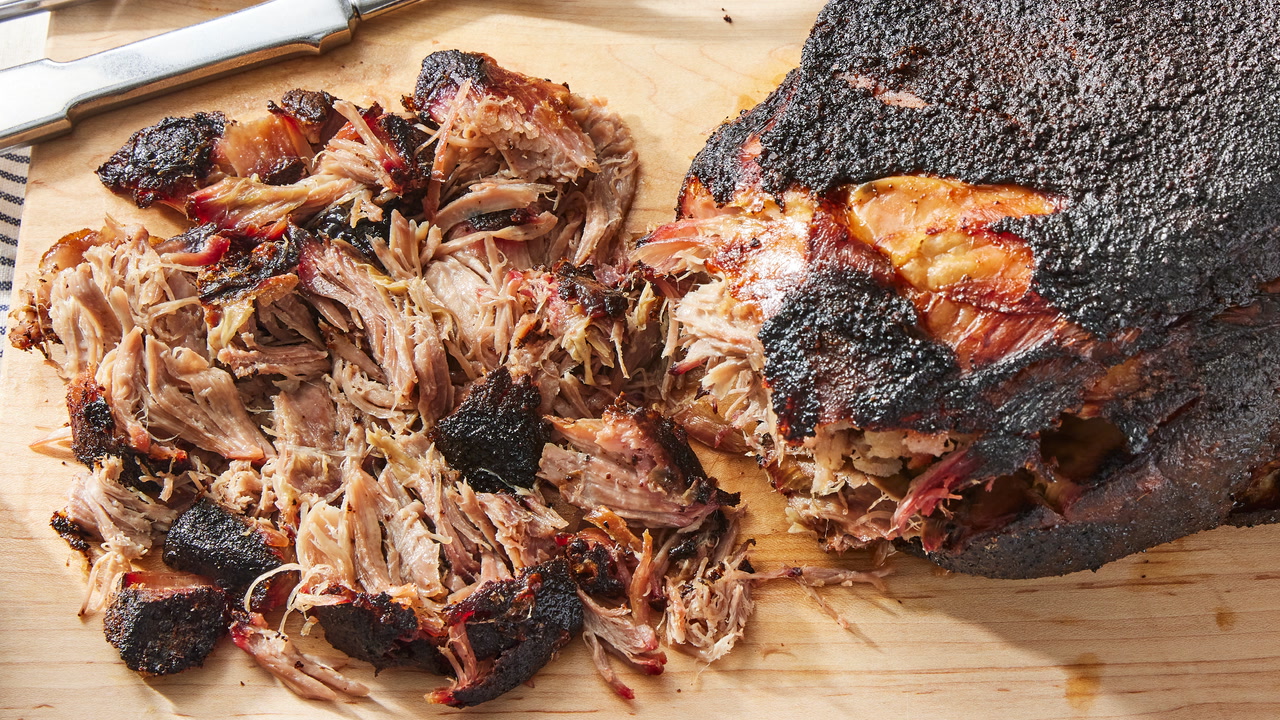
The signature of smoked pulled pork is the bark, that dark, savory crust created by a dry rub, airflow, smoke, and time. It is intensely flavorful and adds texture contrast once you shred and mix it through the meat.
Smoke also changes the overall flavor in a way you cannot fully fake. You can get close with smoked paprika or a splash of liquid smoke, but true smoking gives you that layered campfire aroma and a richer finish.
Slow cooker pulled pork: soft outside, very tender inside
Slow cookers cook in a closed, moist environment. That is why the meat gets pull-apart tender so reliably, but it is also why you do not get bark. The outside stays soft, and any rub turns into more of a paste.
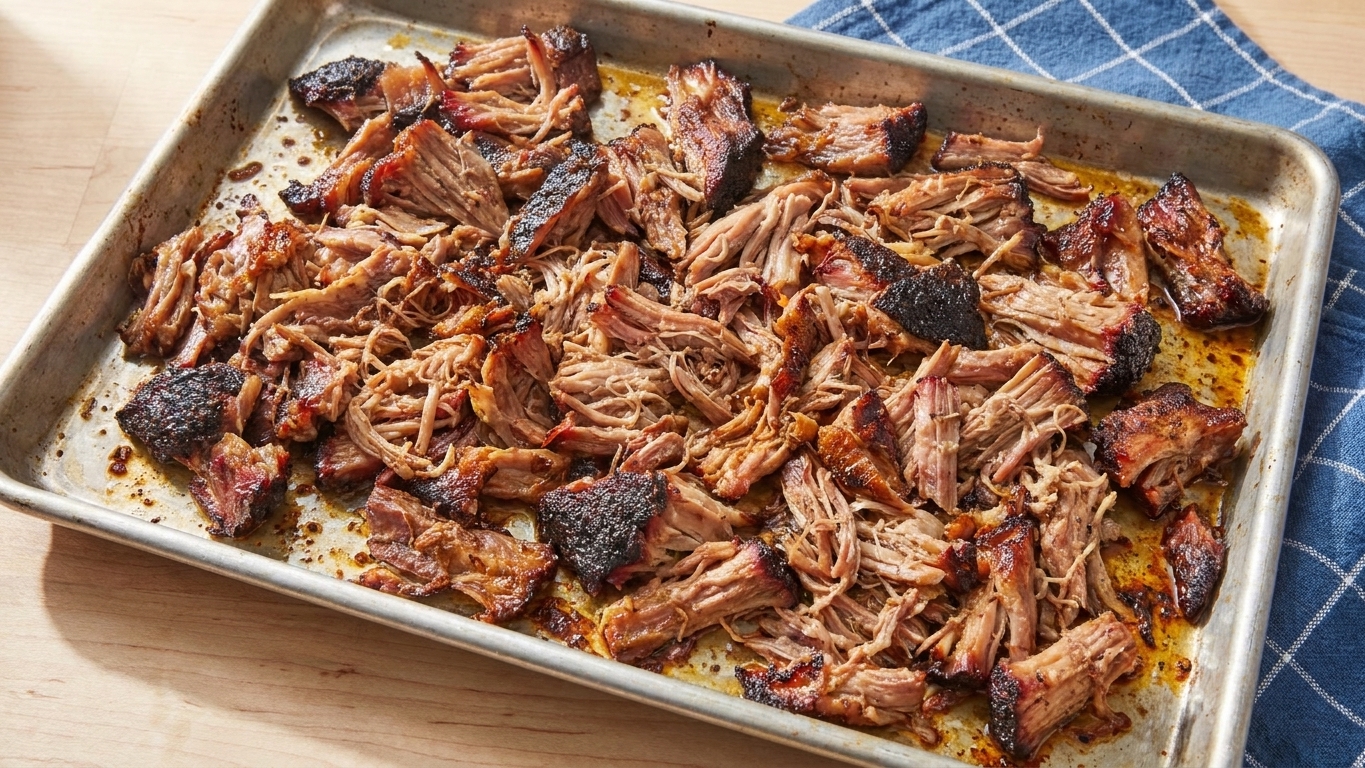
If you love the idea of bark but need the slow cooker schedule, you can add texture with one extra step: spread shredded pork on a sheet pan and broil for a few minutes until you get crispy edges.
Cook time
Smoker timing (plan a wide window)
Smoking is not hard, but it is not always clockwork. Instead of relying on “hours per pound,” I plan a wide window and cook by feel and temperature.
At typical low-and-slow temps of 225 to 250 F, a full pork shoulder often lands in the neighborhood of 8 to 12 plus hours depending on size, the stall, weather, and your particular smoker.
For many home cooks, the bigger factor is the need to be around to manage fuel, monitor temperature, and make decisions when the meat hits the stall.
Slow cooker timing (steady and weeknight-friendly)
Slow cooker pulled pork is more consistent because the appliance holds a stable environment and the roast braises in its own juices.
- Low: typically 8 to 10 hours for a pork shoulder or butt sized for most crockpots
- High: typically 5 to 7 hours
That makes it perfect for “set it before work, shred it after” cooking.
One quick safety note: the warm setting is meant to hold food hot, but not every unit holds at the same temperature. If you are holding it for more than a short stretch, make sure your slow cooker keeps the pork at 140 F or higher, or switch to low, then chill it and reheat when you are ready.
The stall
If you have never smoked a pork shoulder, the stall is the moment you swear your thermometer is broken. The meat temperature climbs, then parks itself for what feels like forever, often around 150 to 170 F. This happens because moisture evaporating from the surface cools the meat, sort of like sweat.
In a smoker, the stall is normal and expected, but it can add hours. Many cooks use the wrap (often called the Texas crutch) to push through it: wrap the shoulder tightly in foil or butcher paper once the bark is set and you like the color, then continue cooking until it is probe-tender.
In a slow cooker, you do not really experience a stall in the same way because the environment is humid and covered. That is part of why slow cookers feel so steady.
Juiciness
Slow cooker: almost always juicy, sometimes too wet
Because the roast cooks in a closed pot with accumulated liquid, slow cooker pulled pork is very hard to dry out. The tradeoff is that you often end up with a lot of rendered fat and cooking juices.
My move is to separate the fat (skim it, or chill the liquid briefly so the fat rises), then stir some of the defatted juices back into the shredded meat. You get moisture and flavor without greasiness.
Smoker: juicy when finished correctly, but you can overcook it
Smoked pulled pork can be incredibly juicy, but it depends on finishing temperature and rest time. Pork shoulder has lots of collagen and fat, and it needs time at higher internal temps to break down into that silky, shreddable texture.
Most shoulders pull best when they are probe-tender and typically in the neighborhood of 195 to 205 F, then rested (wrapped) so juices redistribute. Cook it past that point for too long and it can start to dry out, especially if it is not rested.
For rest time, I aim for 30 to 60 minutes if I am in a hurry, and up to 2 hours in a cooler or a low oven if I want the absolute best texture.
Flavor control
Smoker
- Rubs shine because they form bark instead of dissolving into liquid.
- Smoke becomes a seasoning you cannot replicate exactly.
- Sauce is optional because the bark carries so much flavor.
Slow cooker
- Sauces and braising liquids matter more since the exterior does not dry and crust up.
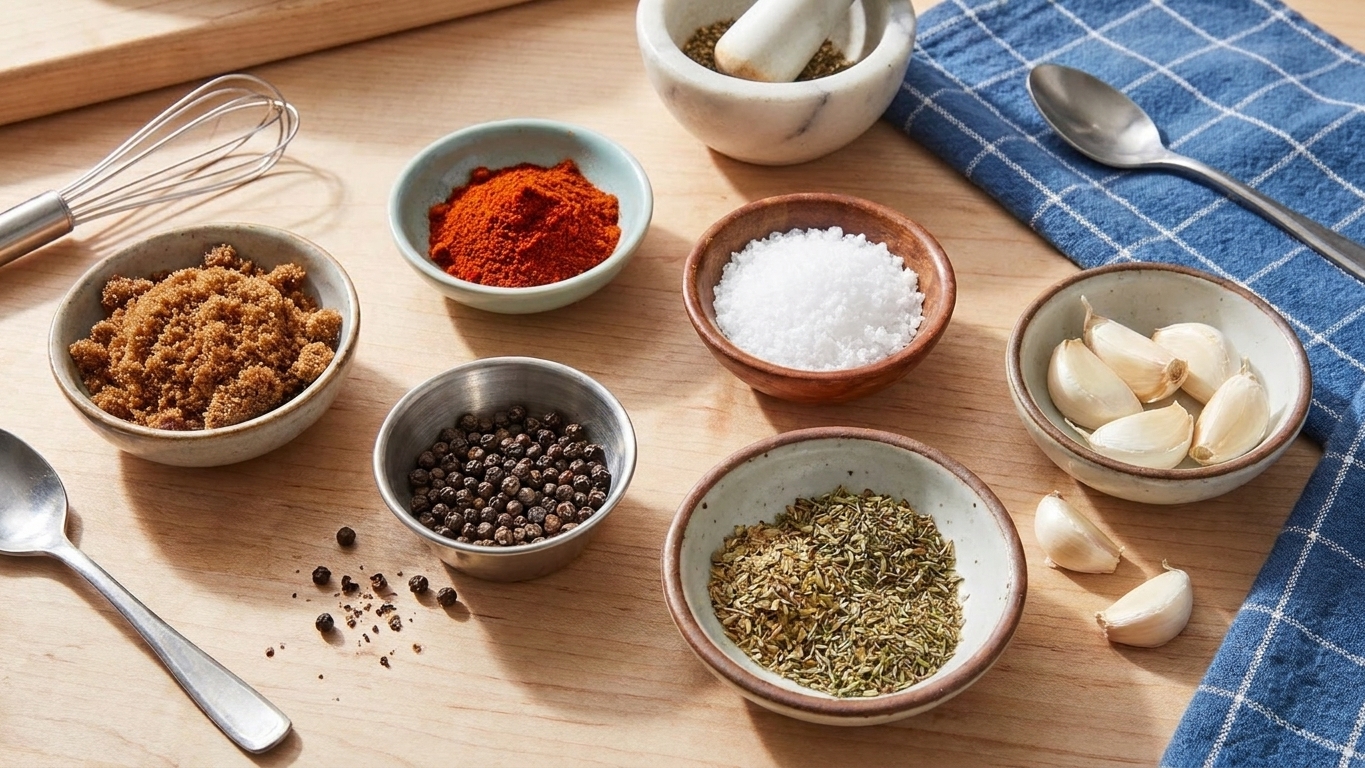
- Rubs turn into a seasoning paste, which can still taste great, just different.
- Smoke flavor must be added with ingredients like smoked paprika, chipotle, or a very small amount of liquid smoke (a little goes a long way).
If you are wondering about adding liquid, here is my rule: you usually do not need to drown the pork. A sliced onion, a splash of stock, or a little sauce is plenty. Too much liquid can wash out flavor and leave you with pork soup instead of shred-friendly meat.
Which fits your life
Choose the slow cooker if…
- You need dinner to work around work, school pickup, and life.
- You want a low-maintenance cook with consistent results.
- You are planning tacos, sandwiches, rice bowls, or meal prep.
- You are cooking indoors and do not want to manage fire or fuel.
Choose the smoker if…
- You want that classic BBQ experience: bark, smoke ring, and all.
- You enjoy the process and do not mind a longer timeline.
- You are cooking for a crowd and want the “wow” factor.
- You can plan for variability and give the meat a proper rest.
My honest best-of-both-worlds approach: If you love smoked flavor but you need steadier timing, smoke the shoulder for a few hours to build bark and take on smoke, then finish it covered (in an oven or even a slow cooker). Purists might side-eye it, but your Tuesday self will thank you.
Buying the roast
Bone-in vs. boneless
- Smoker: Bone-in is convenient, handles nicely on the grates, and it gives you a helpful doneness cue when the bone loosens and wiggles free.
- Slow cooker: Boneless is often easier to fit and may cook a bit more evenly in an oval crock.
In terms of moisture, both can be great. Marbling, collagen, and not rushing the finish matter more than the bone.
Size that matches your cooker
This is the part people forget in the store. Before you buy, picture your equipment:
- Slow cooker: Choose a shoulder that comfortably fits with the lid on, with a little room at the sides. If it is jammed in, it will still cook, but it is harder to handle and season.
- Smoker: You have more flexibility, but air needs to flow around the roast for bark and smoke absorption.
Marbling matters
Look for visible fat marbling. Pulled pork loves fat because it bastes the meat during long cooking, especially on the smoker.
Problems and fixes
“My slow cooker pulled pork tastes bland.”
Salt is usually the missing piece. Season the meat generously, and after shredding, taste and add salt again if needed. Also, stir some of the cooking liquid back in after skimming fat. It carries a lot of flavor.
“My smoker pork is done but it will not shred.”
It is almost always undercooked. Keep going until it is probe-tender, then rest it well. Pork shoulder is done when it feels soft all over, not just when it hits a number.
“It is dry.”
For smoked pork, mix in a few spoonfuls of warm juices collected in the wrap or pan. For slow cooker pork, skim fat and stir in just enough cooking liquid to make it luscious, not soupy.
“I want bark but I used the slow cooker.”
Broil the shredded pork on a sheet pan until the tips crisp, then toss with sauce or reserved juices.
“How do I store leftovers safely?”
Get leftover pork into the fridge within about 2 hours, store it in shallow containers so it cools faster, and reheat until it is steaming hot (or to 165 F if you are checking with a thermometer). Pulled pork also freezes well for quick weeknight dinners.
FAQ
Does pulled pork come out more tender in a slow cooker or smoker?
A slow cooker is the more foolproof path to tenderness because it braises in a moist, covered environment. A smoker can be just as tender, but you need to cook until probe-tender and allow a proper rest.
Can I get real bark in a slow cooker?
Not inside the slow cooker. Bark needs dry heat and airflow. You can mimic the texture by broiling the shredded pork briefly on a sheet pan.
What is the best internal temperature for pulled pork?
For pulled pork texture, most shoulders shred well around 195 to 205 F, but the best test is probe-tenderness. A thermometer probe or skewer should slide in with very little resistance.
Is liquid smoke worth using in slow cooker pulled pork?
It can be, if you use it lightly. Start with a tiny amount, then taste. It is easy to overdo and make the pork taste sharp instead of gently smoky.
Do I need to add liquid to the slow cooker?
Usually not much. Pork shoulder releases plenty of juice as it cooks. A little onion, a splash of stock, or a few spoonfuls of sauce is enough. The goal is flavorful braising, not submerging the roast.
If I am buying one appliance, which should I pick first?
If pulled pork is mainly a weeknight staple for you, start with the slow cooker. If BBQ is your hobby cooking and you care deeply about bark and smoke, start with the smoker.
My take
If it is a weeknight plan, I reach for the slow cooker and save my energy for a punchy rub, lots of garlic, and a good finishing step like broiling for crisp edges. If it is a weekend, I happily make a day of it with the smoker, because nothing beats that bark when you have the time to do it right.
Either way, the best pulled pork is the one that fits your day. Choose the cooker that makes you excited to cook, not stressed before you even get to the checkout line.