

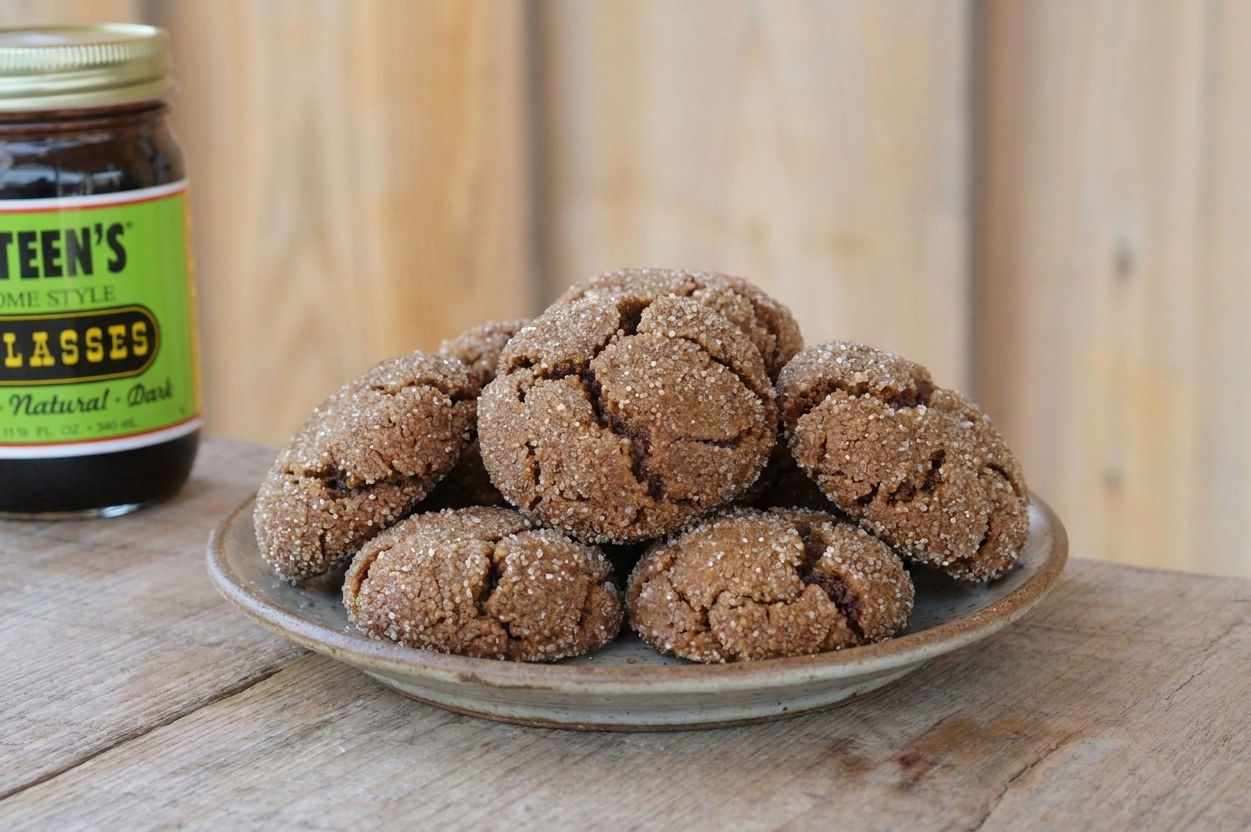
Molasses crinkle cookies are my definition of low-effort magic: one bowl of cozy, spiced dough, a quick chill, a roll through sparkly sugar, and suddenly your kitchen smells like a sweater-weather candle, only better because you can eat it.

These are the cookies I make when I want that classic cracked top and a chewy center that stays soft for days (as long as you stash them in an airtight container). The secret is simple: use dark molasses for bold flavor, chill the dough so it rolls cleanly, and pull the cookies when the edges look set but the centers still look slightly underdone. If you wait until they look fully baked, they can cool more crisp than chewy.
In the recipe below, I walk you through which molasses to grab (dark, not blackstrap), how long to chill, and the visual cues to watch for in the oven so you get that signature crinkle every single time.
The idea
Why This Recipe Works
- Chilled dough equals clean rolling and better cracks. Cooling the dough firms up the butter so the cookies hold their shape, then spread in the oven into that classic crinkle pattern.
- Dark molasses brings depth without bitterness. It gives you the rich, toasty flavor people expect in a true molasses cookie while keeping the sweetness balanced.
- Brown sugar keeps the centers chewy. The extra moisture helps the cookie stay soft, even a day or two after baking.
- Sugar on the outside highlights the cracks. A generous roll in granulated sugar gives a sparkly crust that breaks beautifully as the cookie spreads.
- Doneness cues are built in. Pulling the cookies when the edges are set and the centers look slightly puffy and soft is the difference between chewy and crunchy.
Shopping
Ingredient Notes
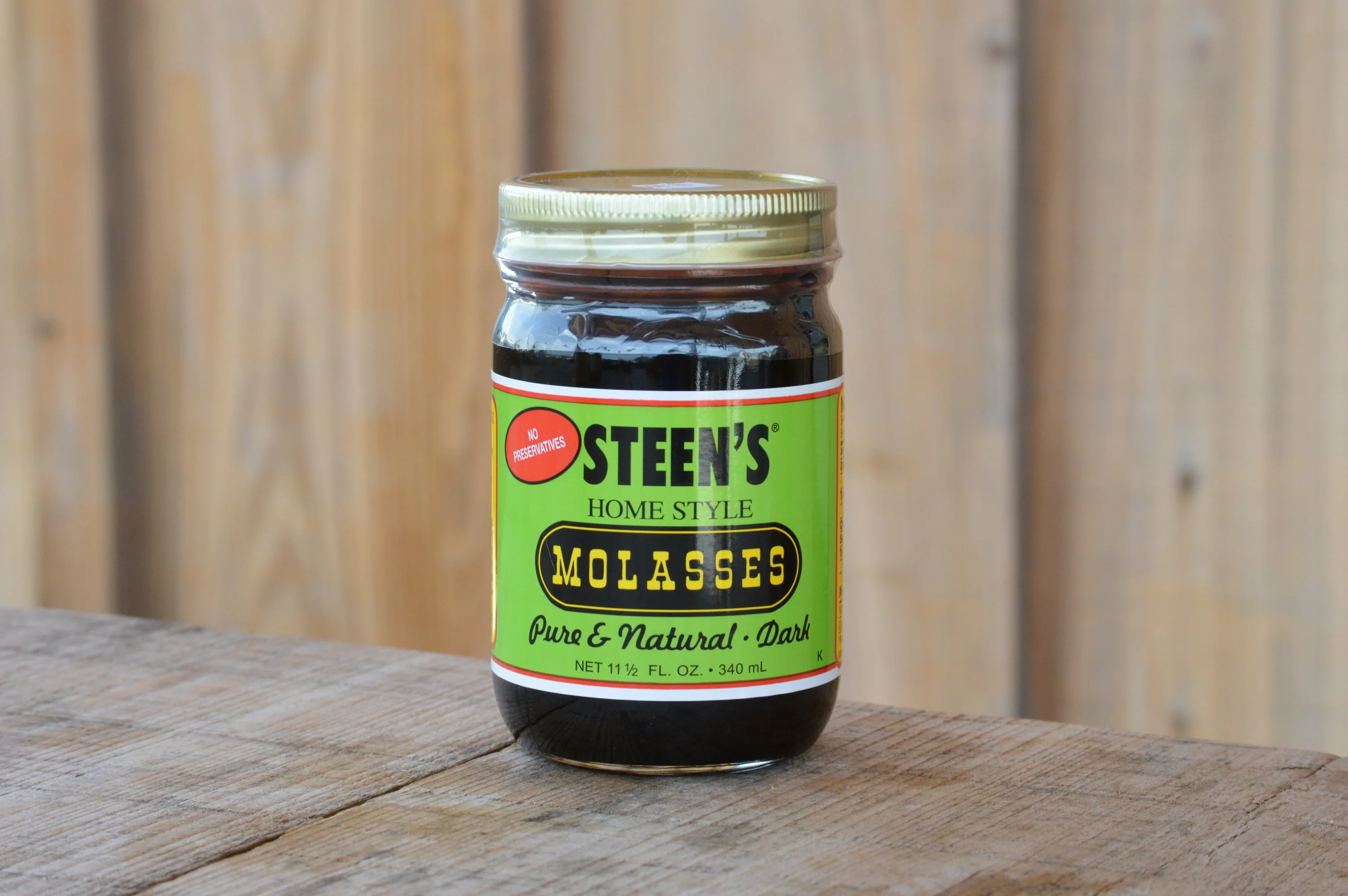
Molasses: dark, not blackstrap
For these cookies, reach for dark molasses (sometimes labeled robust). It is darker and stronger than light molasses, but still pleasantly sweet. Do not use blackstrap molasses unless you truly love a sharper, slightly bitter edge. Blackstrap is much more concentrated and can overpower the spices.
Spices
This is the cozy trio I rely on: ginger, cinnamon, and cloves. Cloves are potent, so a little goes a long way. If your ground spices have been sitting around since last winter, this is your sign to replace them. Fresh spices give these cookies their signature warmth.
Butter temperature matters
You want room temperature butter so it creams smoothly with the sugars. If it is too soft or melty, the dough can become greasy and you will fight it when rolling. Soft enough to press a fingerprint in, but not slumping, is perfect.
Sugar for rolling
Classic molasses crinkles are rolled in granulated sugar. It melts just enough to grip the surface while still sparkling after baking. If you want extra drama, you can do a double roll: once right after chilling, then a second quick roll right before baking.
Get set up
Equipment You Will Need
- Stand mixer or hand mixer (or a sturdy whisk plus determination)
- Mixing bowl
- Measuring cups and spoons
- Rubber spatula
- Sheet pans
- Parchment paper
- Cookie scoop (helpful for even sizing)
- Wire rack for cooling
Technique
Tips for Getting It Right
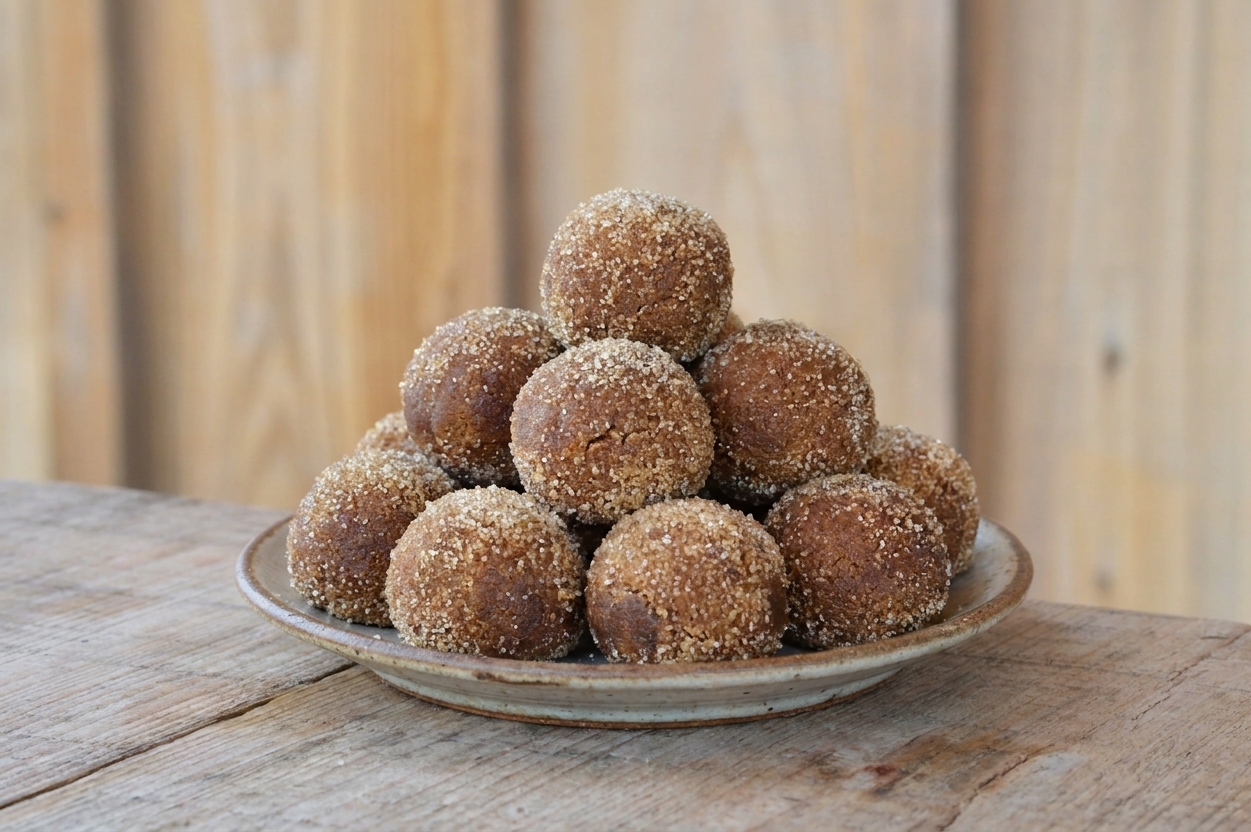
- Chill time is not optional if you want neat rolling. Aim for at least 1 hour. If your kitchen runs warm, 90 minutes is even better.
- Scoop first, then chill for speed. If you have space, scoop the dough into portions on a parchment-lined tray, cover, and chill. Then you only have to roll in sugar and bake.
- Do not overbake. For a chewy center, pull the tray when the cookies have spread, the tops are crackled, and the edges look set. The centers should still look slightly puffy and soft, not dry.
- Let them rest on the pan. Give the cookies 5 minutes on the baking sheet before moving to a rack. They finish setting up as they cool, and this helps keep the centers tender.
- Consistency check for dough. After chilling, the dough should feel firm like cold brownie batter. If it is rock hard, let it sit at room temp for 10 minutes so it rolls without crumbling.
Flexibility
Substitutes That Work
- Molasses: If you only have light molasses, you can use it. The cookies will be milder in flavor and slightly lighter in color. Avoid blackstrap unless you want a much stronger, more bitter profile.
- Butter: I recommend butter for flavor, but if you must use plant-based butter, choose a stick-style one meant for baking. Expect slightly more spread.
- Spices: If you are missing one spice, you can still make the cookies. Increase ginger a touch if you love a spicy snap, or lean more on cinnamon for a softer warmth.
- Rolling sugar: Granulated sugar is classic. In a pinch, superfine sugar works too. Powdered sugar is not ideal here because it absorbs and disappears instead of sparkling.
Make it yours
Variations to Try
- Extra spicy: Add a pinch of black pepper or a little extra ginger for more zing.
- Orange twist: Rub 1 teaspoon orange zest into the brown sugar before mixing for a bright, holiday vibe.
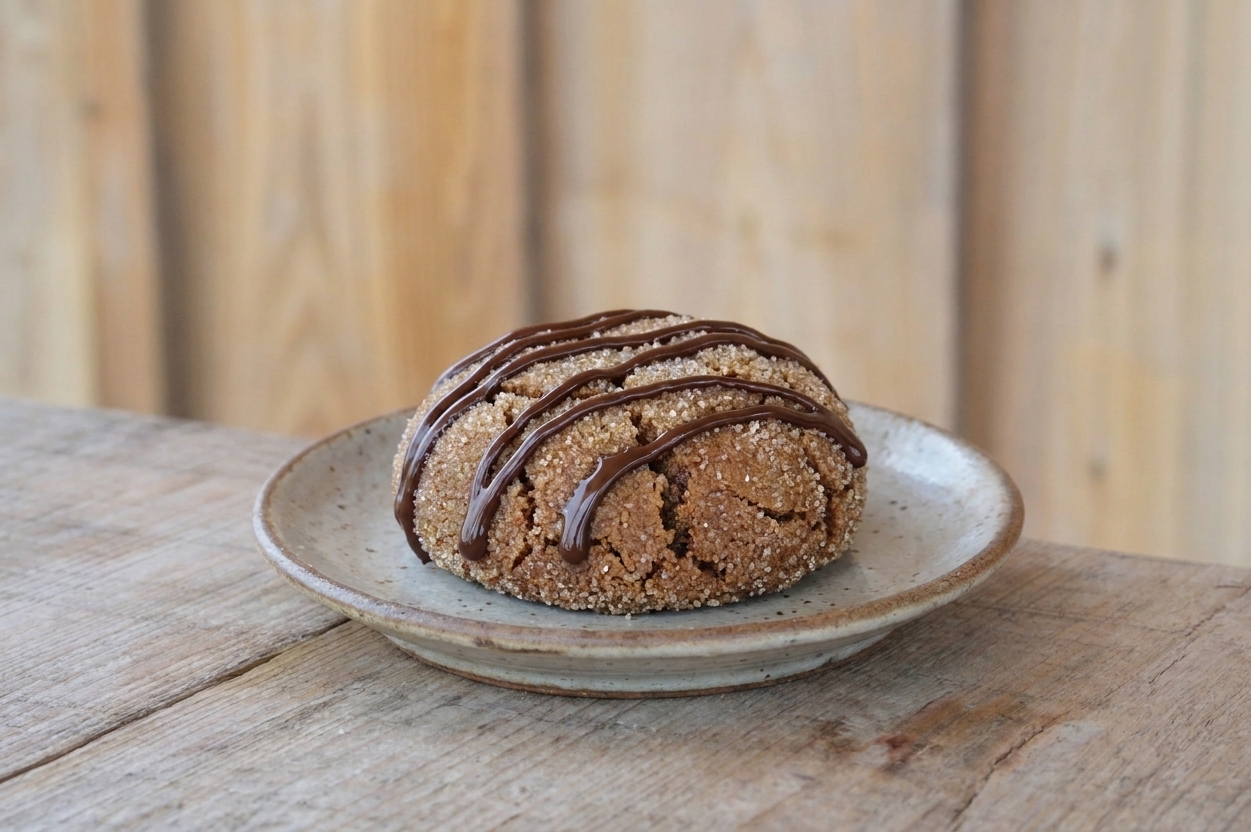
- Chocolate molasses crinkles: Add 1 to 2 tablespoons unsweetened cocoa powder to the dry ingredients for a deeper, cocoa-tinged cookie.
- Ginger bite: Stir in 1/3 cup finely chopped crystallized ginger for chewy pops of heat.
On the table
What to Serve It With
- With hot coffee or strong black tea for a not-too-sweet afternoon treat
- Alongside vanilla ice cream, especially when the cookies are still a little warm
- As part of a cookie box with buttery shortbread and something chocolatey
- Crumbled over yogurt with sliced pears for a quick dessert situation
Later
Storage, Freezing and Reheating
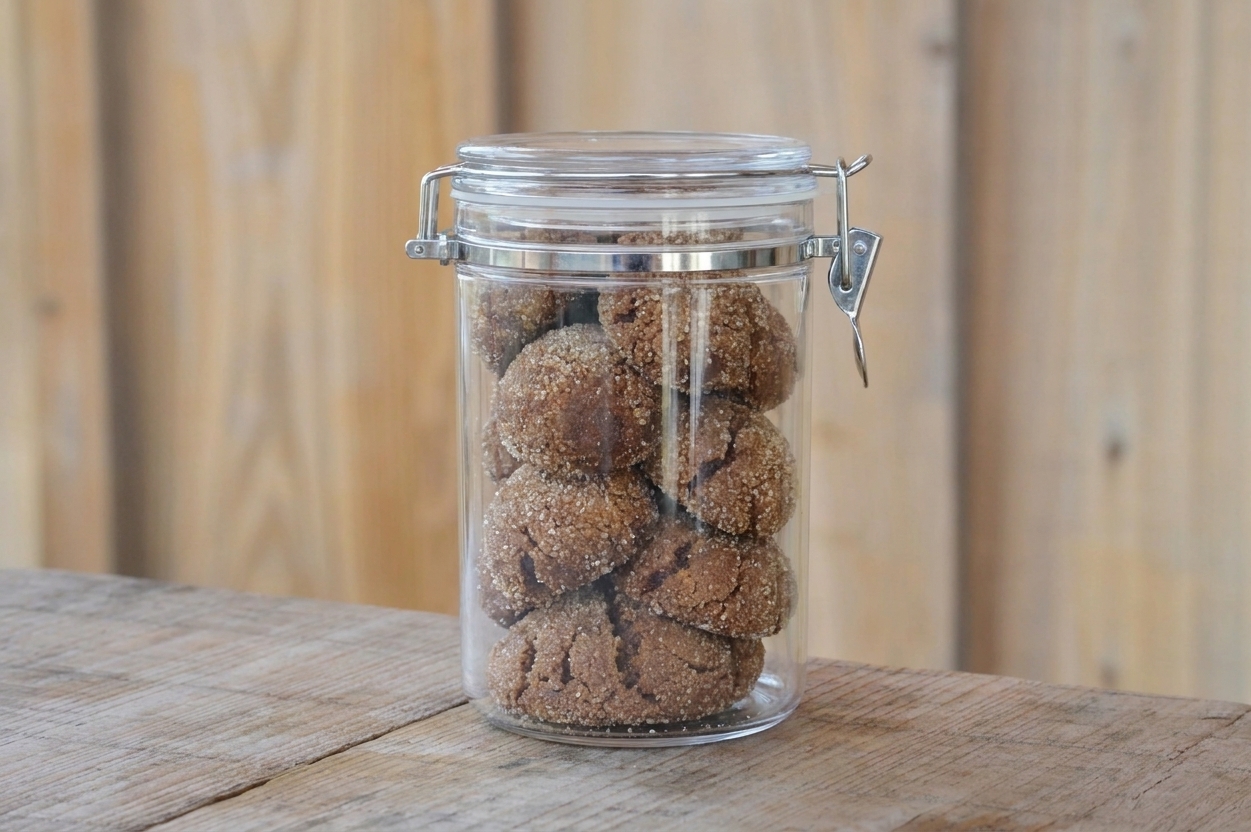
- Room temperature: Store completely cooled cookies in an airtight container for up to 5 days. They stay chewiest when tightly sealed.
- Keep them soft: If you live in a dry climate, you can tuck a small piece of bread into the container to help maintain softness.
- Freeze baked cookies: Freeze in a freezer-safe container or bag for up to 2 months. Thaw at room temperature.
- Freeze the dough: Scoop into portions, freeze on a tray until firm, then store in a bag. Roll frozen dough balls in sugar (you may need a quick mist of water to help sugar stick), then bake adding 1 to 2 minutes.
Watch out
Common Mistakes to Avoid
- Using blackstrap molasses without meaning to: It can make the cookies taste harsh or bitter. Dark molasses is the sweet spot for classic crinkles.
- Skipping the chill: Warm dough spreads too fast, which can blur the cracks and make the cookies thin.
- Overmixing after adding flour: This can make the cookies tougher and less tender. Mix just until you no longer see dry streaks.
- Overbaking: If you wait until the centers look fully set in the oven, they can cool down crisp. Pull them when the centers still look soft.
- Crowding the pan: Give them space to spread so the edges do not merge and steam each other.
Questions
Frequently Asked Questions
What kind of molasses should I use for molasses crinkle cookies?
Use dark molasses (often labeled robust). It gives that deep, classic flavor and color without the bitterness that blackstrap can bring.
Why do my molasses cookies not crinkle?
The most common reasons are dough that is too warm, not enough sugar on the outside, or an oven that is running cool. Chill the dough, roll generously in sugar, and make sure your oven is fully preheated.
How do I know when molasses crinkle cookies are done?
Look for set edges and a cracked top. The centers should still look slightly soft and puffy. They will finish baking as they cool on the pan.
Can I make the dough ahead?
Yes. You can chill the dough for up to 48 hours before baking. If it becomes very firm, let it sit at room temperature for 10 to 15 minutes so it is scoopable.
Why are my cookies dry instead of chewy?
Dry cookies usually come from too much flour (scooped and packed into the measuring cup) or overbaking. Spoon and level your flour, and pull the cookies when the centers still look slightly underdone.
The recipe
Molasses Crinkle Cookies
Spiced molasses crinkle cookies with a sparkling sugar crust, crackly tops, and a soft, chewy center. Chill time makes the dough easy to roll and helps create that classic crinkle.
Ingredients
- 2 1/4 cups (270 g) all-purpose flour
- 2 teaspoons baking soda
- 1 teaspoon ground ginger
- 1 1/2 teaspoons ground cinnamon
- 1/4 teaspoon ground cloves
- 1/2 teaspoon fine salt
- 3/4 cup (170 g) unsalted butter, room temperature
- 1/2 cup (100 g) granulated sugar
- 1/2 cup (110 g) packed light brown sugar
- 1 large egg, room temperature
- 1/3 cup (80 ml) dark molasses (not blackstrap)
- 1 teaspoon vanilla extract
- 1/2 cup (100 g) granulated sugar, for rolling
Instructions
- Mix the dry ingredients. In a medium bowl, whisk together the flour, baking soda, ginger, cinnamon, cloves, and salt. Set aside.
- Cream butter and sugars. In a large bowl using a hand mixer (or a stand mixer), beat the butter, 1/2 cup granulated sugar, and brown sugar until fluffy, 2 to 3 minutes. Scrape down the bowl.
- Add wet ingredients. Beat in the egg until combined. Add the molasses and vanilla and mix until smooth, scraping the bowl as needed.
- Combine. Add the dry ingredients to the wet ingredients and mix on low just until no dry flour remains. The dough will be soft and a bit sticky.
- Chill. Cover the bowl and refrigerate for at least 1 hour and up to 48 hours. (For faster baking later, you can scoop portions onto a parchment-lined tray before chilling.)
- Heat the oven. Arrange racks in the center of the oven and preheat to 350°F (177°C). Line 2 baking sheets with parchment paper.
- Portion and roll. Place the 1/2 cup rolling sugar in a small bowl. Scoop the chilled dough into 1 1/2 tablespoon portions (about 30 g each), roll into balls, then roll generously in the sugar.
- Bake. Place dough balls on the prepared sheets, leaving about 2 inches between cookies. Bake one sheet at a time for 10 to 12 minutes, until the cookies are spread and crackled, the edges look set, and the centers still look slightly soft and puffy.
- Cool correctly. Let cookies cool on the baking sheet for 5 minutes, then transfer to a wire rack to cool completely.
Recipe notes
- Molasses choice: Dark molasses gives classic flavor and color. Blackstrap is much more intense and can taste bitter here.
- For the chewiest centers: Err on the side of underbaking. The cookies should look set around the edges but still soft in the middle when you pull them from the oven.
- Make-ahead: Dough can be chilled up to 48 hours. If it is too firm to scoop, let it sit at room temperature 10 to 15 minutes.