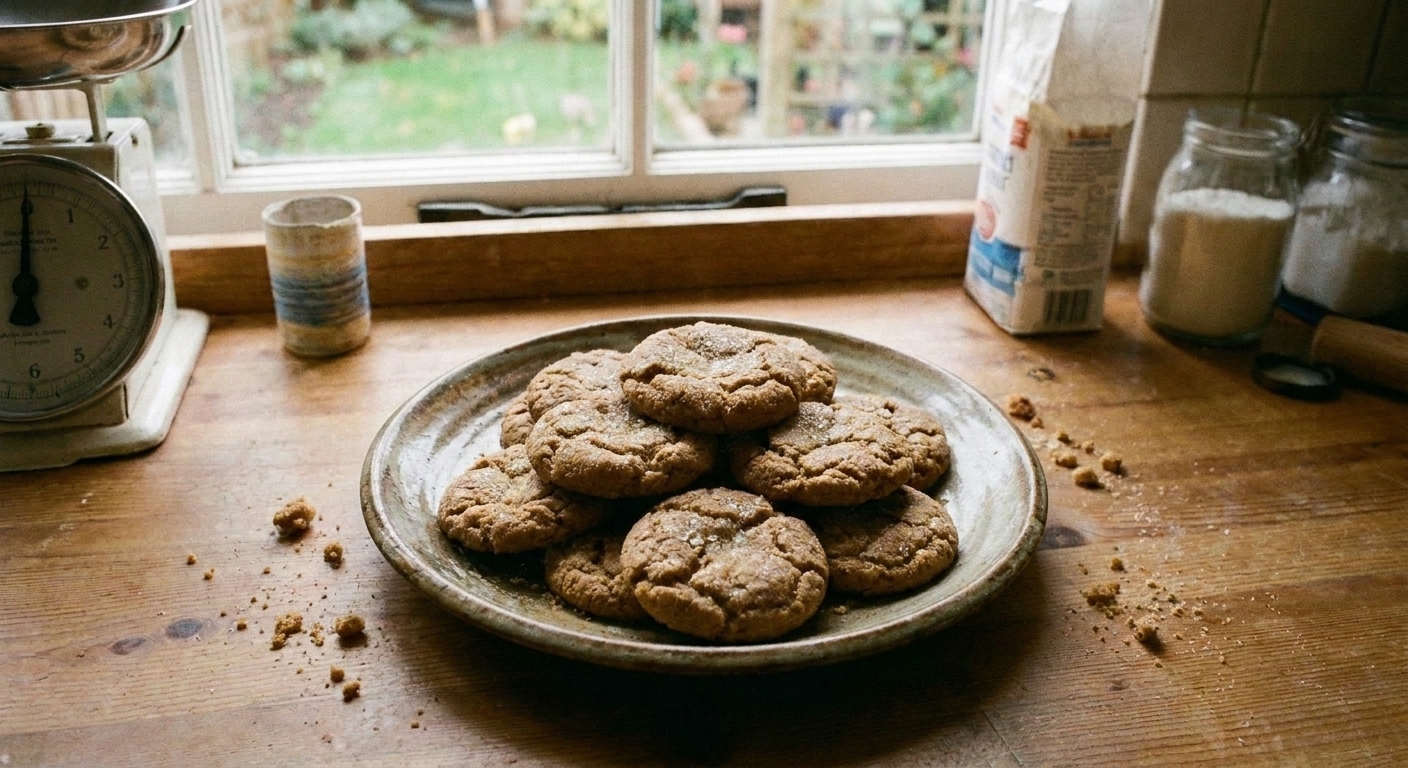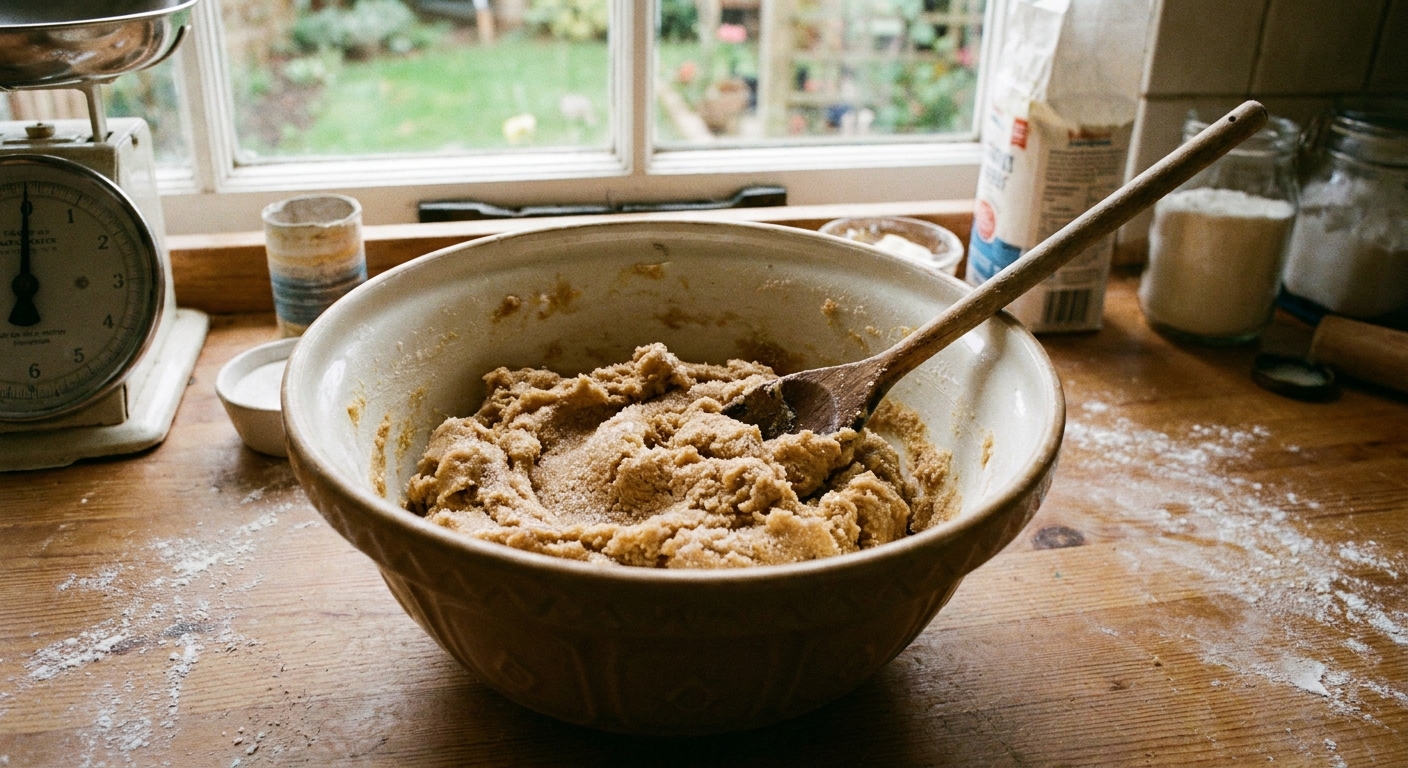
In my family, brown sugar was basically a pantry essential. We baked constantly, and I learned early that the color of the sugar in the bag is not just cosmetic. If you are chasing that bakery-style soft and chewy drop cookie, brown sugar choice matters because it changes moisture, spread, and that cozy molasses flavor that makes a “plain” cookie taste like something you keep sneaking from the cooling rack.

The quick answer: what to buy
If you bake soft drop cookies often, buy dark brown sugar. It gives you a deeper molasses flavor, a slightly softer chew, and a richer color, all without changing your method.
If you prefer cookies that are lighter in flavor and more buttery-vanilla, or you are baking for kids who want mild sweetness, buy light brown sugar.
- Want the softest chew and richest flavor: dark brown sugar
- Want a milder, more neutral sweetness: light brown sugar
- Want the safest all-purpose pantry pick: light brown sugar, then keep a small container of molasses for quick DIY tweaks when you want more depth
What makes them different?
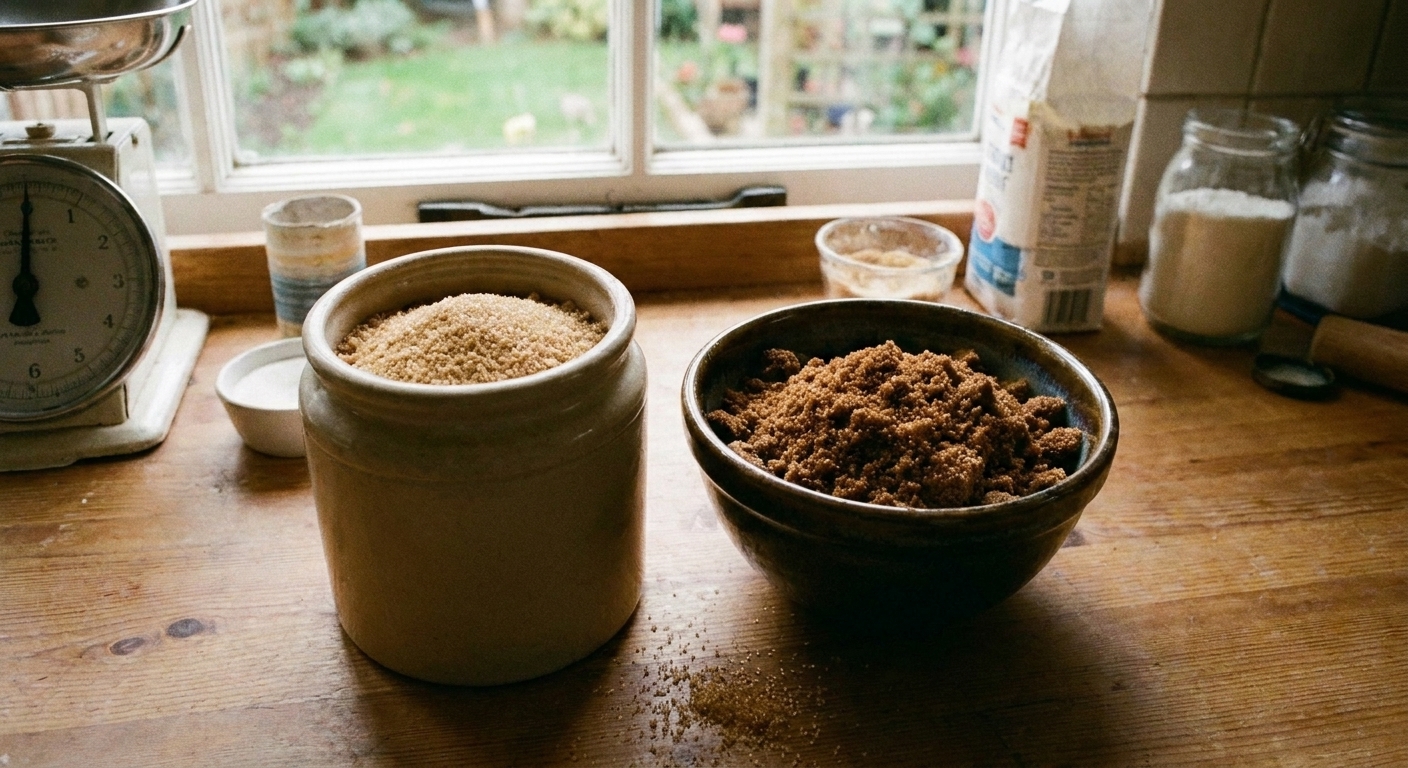
Light and dark brown sugar are both sugar plus molasses. Typically (especially in U.S. grocery stores), they are made by adding molasses back into refined white sugar. In other places, or with some brands, brown sugar can be less refined rather than “recombined.” Either way, the practical difference for cookie dough is the same: dark brown sugar has more molasses than light brown sugar.
- Light brown sugar: less molasses, lighter color, milder caramel flavor
- Dark brown sugar: more molasses, darker color, stronger molasses flavor and aroma
That little extra molasses is powerful in soft cookie dough because molasses is flavorful and hygroscopic, meaning it helps attract and hold onto moisture.
How each sugar changes soft cookies
1) Moisture and softness
Dark brown sugar usually makes a softer, slightly moister cookie. More molasses can mean the cookie stays tender longer, especially on day two and three when cookies often dry out.
Light brown sugar still makes soft cookies, just typically with a slightly drier chew compared to dark, especially if your recipe is already low in fat or uses more white sugar.
2) Molasses flavor
This is the biggest difference you will taste.
- Light brown sugar: gentle caramel notes, sweet and familiar
- Dark brown sugar: deeper toffee flavor with a warm molasses edge, more “grown-up” and cozy
If your cookie has add-ins like chocolate chips, toasted nuts, or espresso powder, dark brown sugar plays so well with them.
3) Spread and thickness
This part is more recipe-dependent than people expect. Switching from light to dark brown sugar can change spread, sometimes giving you a slightly thicker, chewier center and sometimes barely changing anything at all. Butter temperature, flour measurement, and whether you chill the dough usually matter more than the sugar swap.
In general, light brown sugar can bake up a touch lighter in texture, while dark brown sugar tends to read a bit richer and chewier.
4) Color and surface look
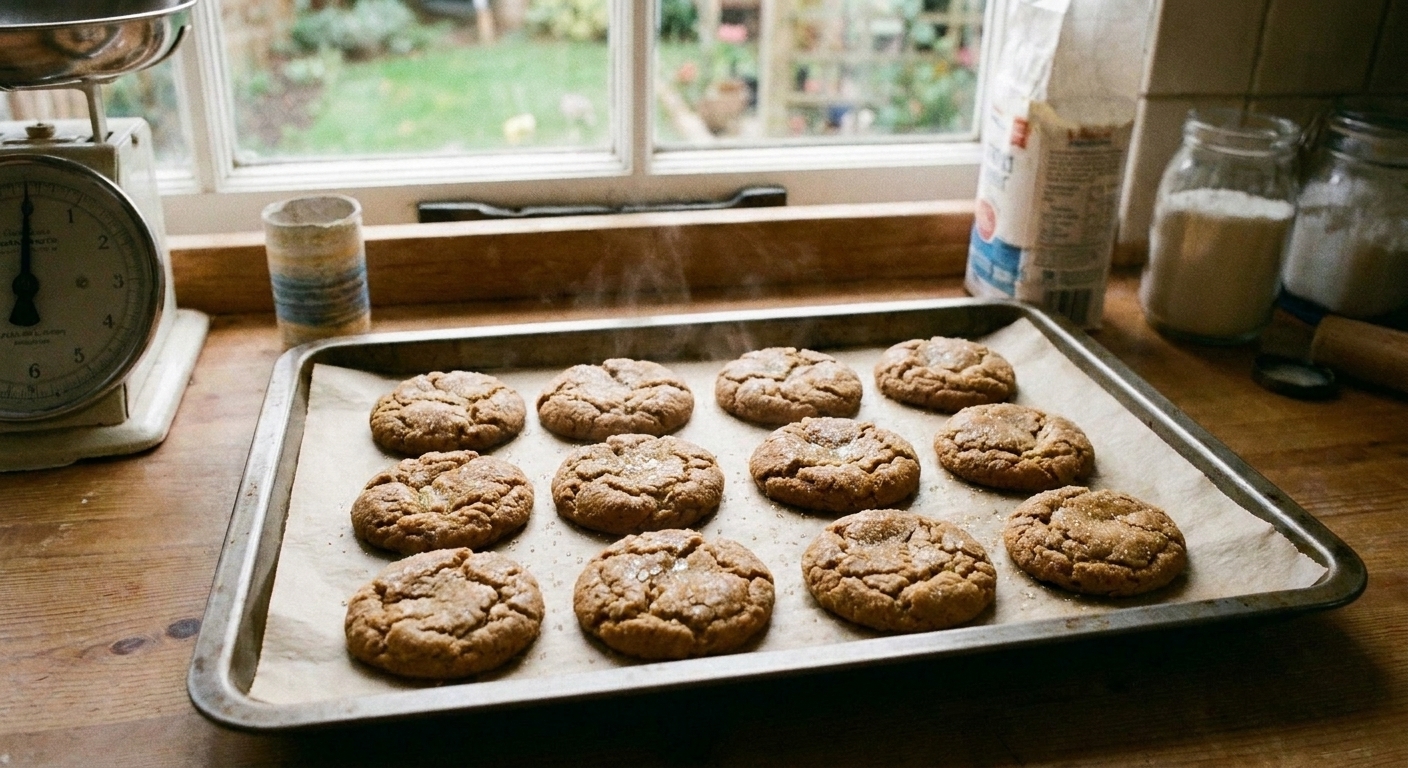
Dark brown sugar creates a deeper golden-brown cookie with a richer look in the cracks and creases. Light brown sugar produces a paler, more golden cookie. Both brown beautifully, but dark brown sugar gives that “I bought these at a bakery” vibe.
Can you swap light and dark 1:1?
Yes, in almost all soft drop cookie recipes, you can swap them 1:1 by volume or weight. The cookie will still bake properly. The main changes will be flavor and color, and possibly a small shift in spread.
If you want consistency, weight is more reliable than volume because “packed” can vary from person to person.
Here is what to expect when you swap:
| If the recipe calls for… | And you use… | What changes |
|---|---|---|
| Light brown sugar | Dark brown sugar | More molasses flavor, darker color, often slightly softer chew |
| Dark brown sugar | Light brown sugar | Milder flavor, lighter color, may be a touch less chewy |
My one caution: if a recipe is extremely sugar-forward (like a brown sugar cookie that uses mostly brown sugar and very little white sugar), switching to all dark brown sugar can push the molasses flavor to the front. Some people love that. Some people want it softer and more caramel than molasses. Know your audience.
Also, “light” and “dark” can vary by brand and country. If your dough looks darker or smells more molasses-forward than usual, trust your senses. You are not doing it wrong.
How to deepen light brown sugar
If your pantry has light brown sugar but you want that darker, richer cookie, you have options.
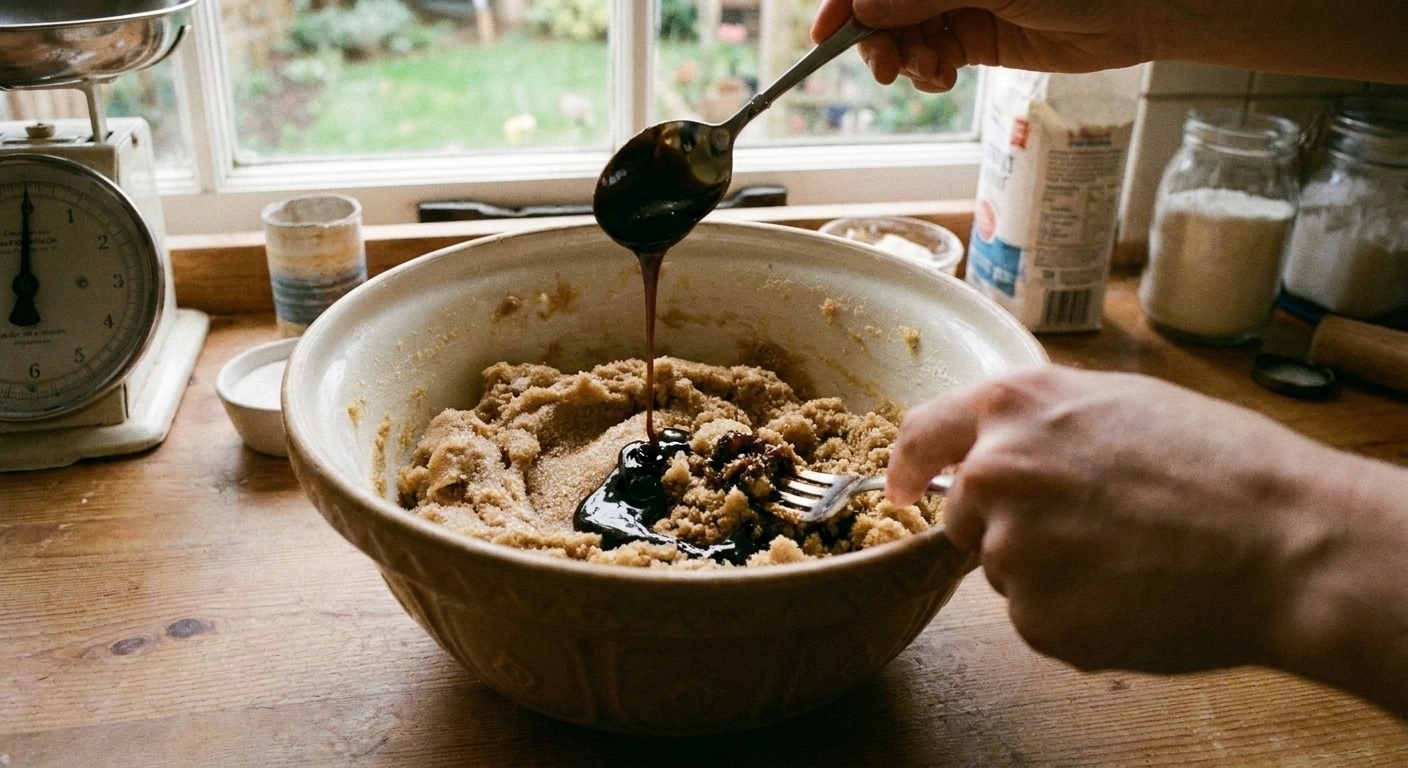
Option 1: Add molasses
If you keep molasses around, this is the most reliable way to nudge the flavor darker. Because brands and moisture levels vary, I treat this as a “start small and adjust” situation.
- For each 1 cup (packed) light brown sugar: mix in 1 teaspoon molasses, then taste or smell the dough and add up to 2 additional teaspoons if you want it bolder.
You are aiming for a slightly darker color and a more caramel-molasses aroma, not a sticky mess. Mix thoroughly so you do not get streaks.
Option 2: Blend what you have
If you have a little dark brown sugar left, mix it with light brown sugar until you get close to the depth you like. This works great for recipes that need only a small amount.
If you need dark and only have light
Do not cancel cookie night. Use light brown sugar 1:1. Your cookies will still be soft and chewy if the recipe is designed that way. You will mainly lose some of the deeper molasses notes and a bit of color.
If you want to nudge the flavor closer without molasses, you can try one of these gentle boosts:
- Add a pinch of salt (if your recipe is lightly salted) to make the caramel notes pop.
- Add a tiny splash of vanilla if your dough smells flat.
- Brown the butter if you have time. Nutty browned butter plus light brown sugar is magic for depth.
Tips for softer cookies
Brown sugar helps, but it cannot fix everything. If you want reliably soft drop cookies, these are the moves I come back to again and again.
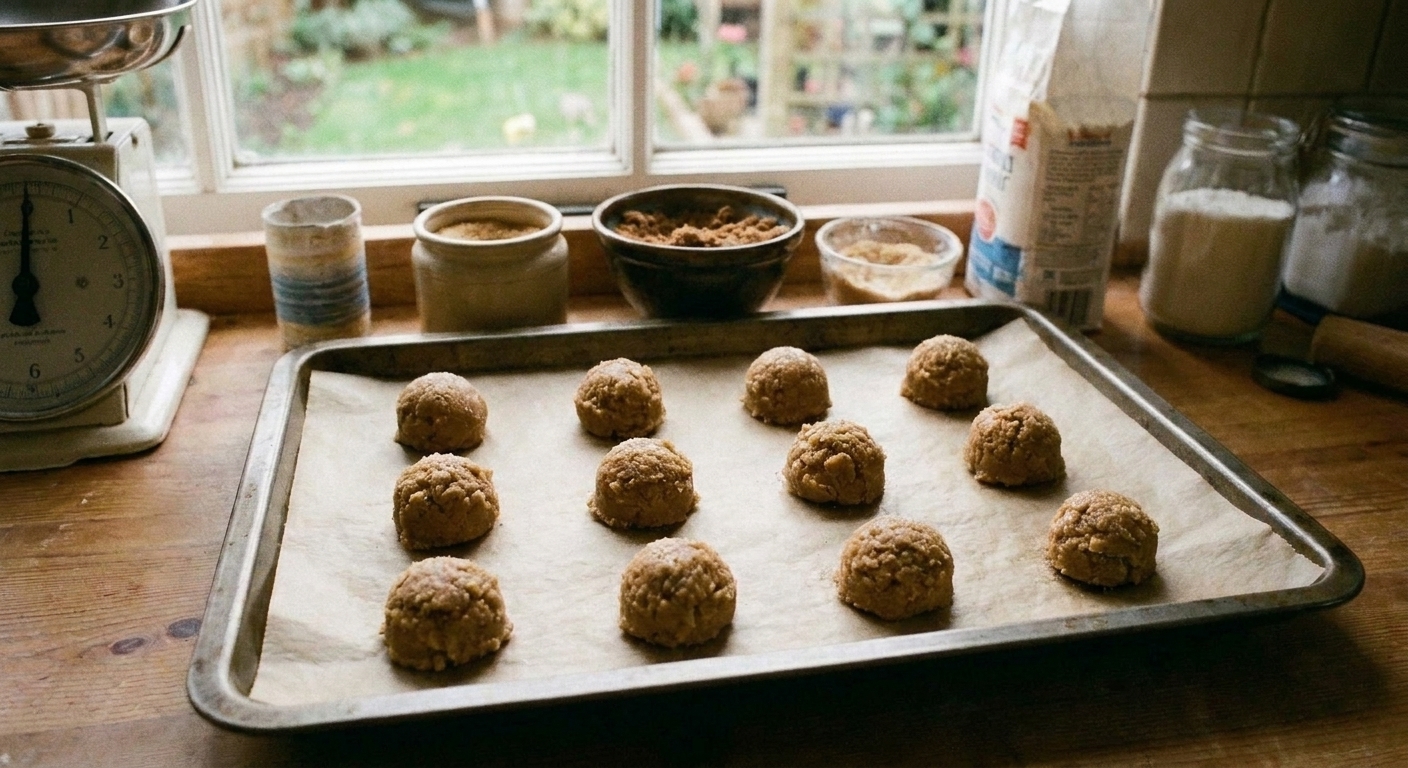
- Do not overbake. Pull cookies when the edges are set and the centers still look a little underdone. They finish cooking on the sheet.
- Measure flour gently. Too much flour makes cookies cakey and dry. Fluff, spoon, level, or use a kitchen scale if you have one.
- Chill if your kitchen is warm. A 30 to 60 minute chill can prevent excess spread and improve chew.
- Use room-temperature eggs. They mix in more smoothly, which helps the dough bake evenly.
- Store properly. An airtight container is non-negotiable. If you want an old-school trick, tuck a slice of sandwich bread in the container for 12 to 24 hours to help maintain softness.
FAQ
Does dark brown sugar always make cookies chewier?
Often, yes, especially in recipes built for a soft, chewy texture. The extra molasses can help with moisture retention, which supports chew. But bake time, flour, and butter temperature can override sugar choice quickly.
Will my cookies taste like molasses if I use dark brown sugar?
Not usually in a typical drop cookie recipe, but you will notice a deeper flavor. If you are sensitive to molasses, start with light brown sugar or use a half-and-half mix.
Can I use golden brown sugar?
Yes. Golden brown sugar is generally closer to light brown sugar in flavor and color. Use it 1:1.
Does packed vs. unpacked brown sugar matter?
Yes. Most cookie recipes assume packed brown sugar. Packing changes the amount of sugar you are actually adding. When in doubt, pack it lightly but firmly so the measuring cup holds its shape when you tip it out.
How do I keep brown sugar soft?
Store brown sugar in an airtight container. If it gets hard, break it up and soften it before baking so it creams properly with butter. Lumpy, rock-hard sugar makes for uneven mixing, which can lead to weird spread and gritty spots.
My take as a weeknight baker
If you want one bag that consistently pushes cookies toward soft and chewy, dark brown sugar is my pick. It is the easiest “extra flavor” you can add without adding an extra ingredient or step.
But if you are building a pantry for everyday baking, light brown sugar plus a bottle of molasses gives you the most flexibility. Either way, you are not going to ruin your cookies. The dough will still bake up sweet, tender, and comforting, which is exactly what we want at the end of a long day.