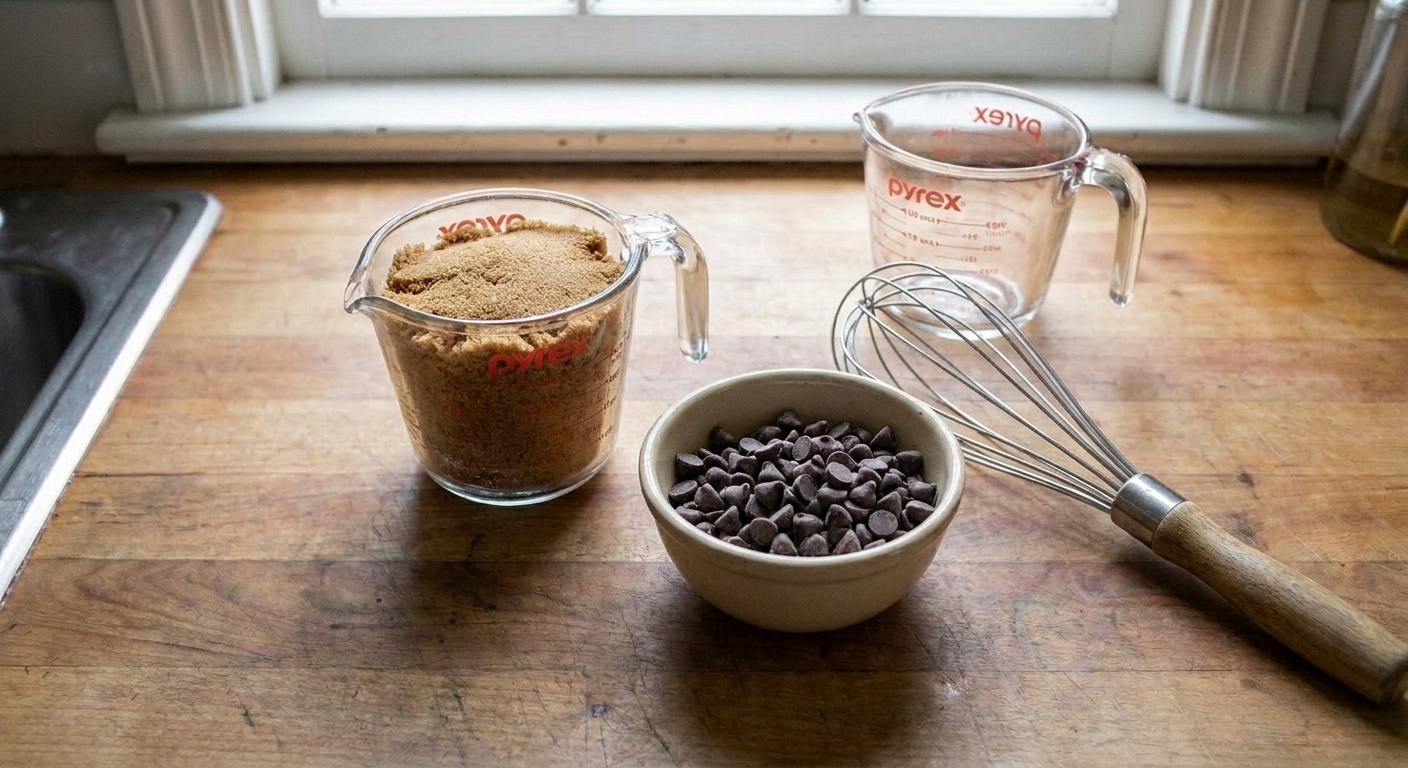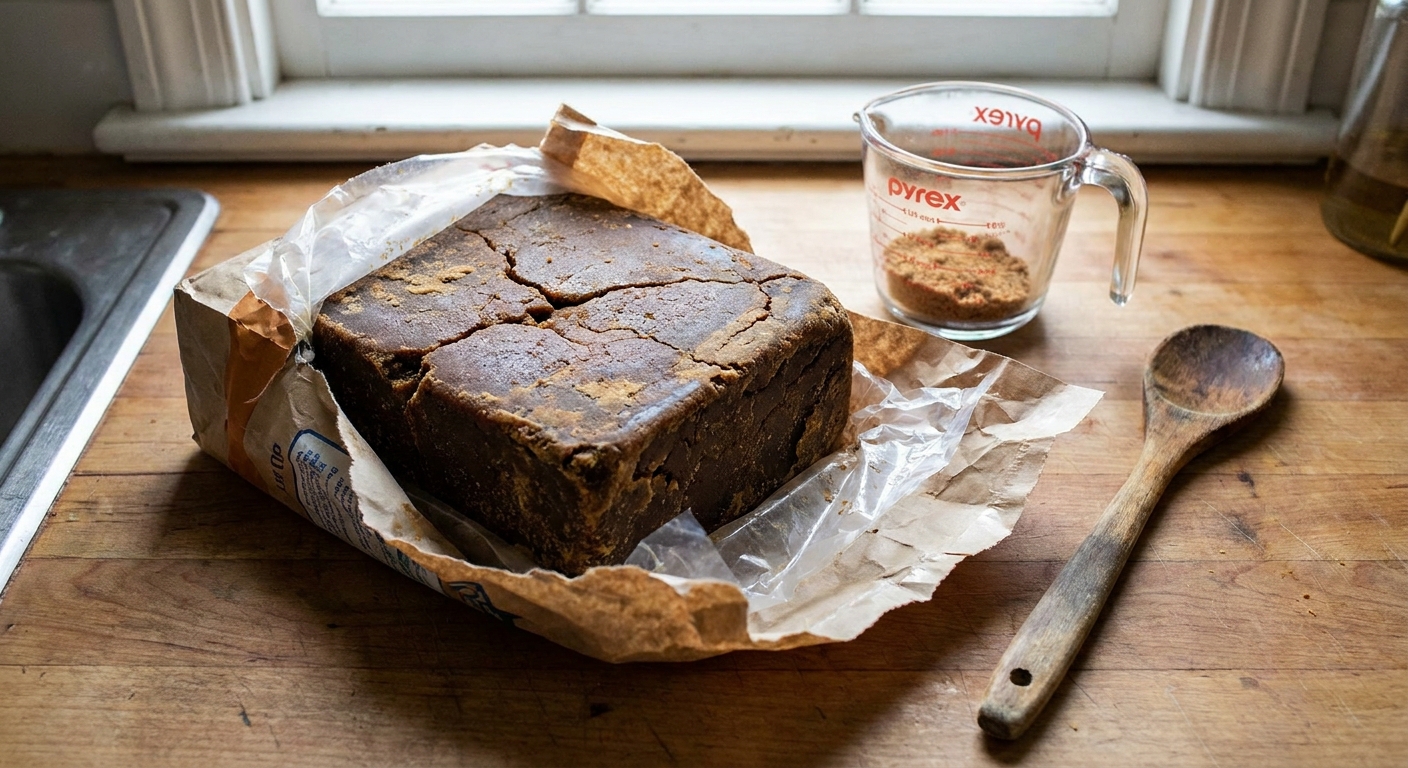
The number of times I have pulled out my brown sugar, ready for a cozy batch of chewy cookies, only to find a sugar brick that could double as a doorstop? Too many. The good news is you do not need to rage-quit baking or risk your mixer battling sugar boulders. With a little moisture and a little time, brown sugar comes right back to that soft, packable texture that makes cookies thick, tender, and irresistibly chewy.

Why brown sugar turns into a rock
Most grocery-store brown sugar is white sugar with molasses added back in. That molasses contains moisture, and when it evaporates (hello, torn bags and loose lids), the sugar crystals lock together and harden.
So the fix is simple: add moisture back and give it time to distribute. The method you choose depends on how fast you need it and how much sugar you are trying to soften.
Before you start: what “soft enough” looks like
For chewy cookies, you want brown sugar that:
- Breaks apart easily with a spoon or your fingers
- Packs firmly into a measuring cup without crumbling into dry sand
- Feels slightly damp and clumpy, not crunchy
If it is still in one solid mass, you will have trouble creaming it evenly with butter, which can throw off your cookie texture.
Method 1 (best overall): The slice-of-bread trick
This is my favorite method when I have a little time. It is gentle, low-risk, and it softens sugar evenly without melting it.
How to do it
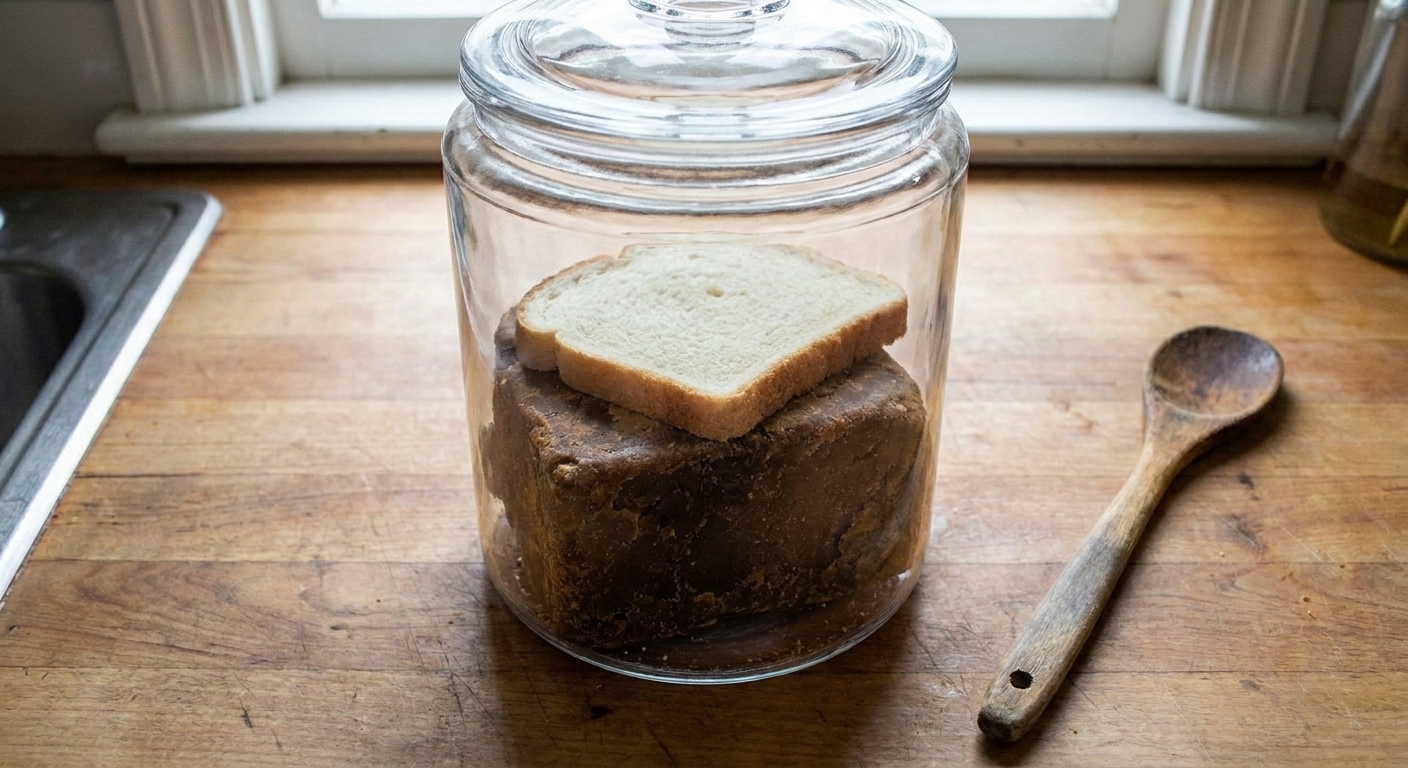
- Put the hardened brown sugar in an airtight container (or a zip-top bag you can seal well).
- Add 1 slice of soft sandwich bread. Keep it whole.
- Seal and let sit at room temperature for 4 to 12 hours. Overnight is perfect.
- Remove the bread and break up the sugar with a fork.
Why it works
The bread releases moisture into the container, and the sugar absorbs it slowly and evenly.
My practical tips
- Check at 4 hours if you only need a cup or two softened.
- If the sugar is still hard, swap in a fresh slice of bread and give it more time.
- Use plain bread. Strongly flavored bread can leave a faint aroma behind.
- Do not sprinkle water directly onto the sugar. It can create wet spots that turn gummy, and if it sits, those wet spots can invite mold.
Method 2 (fastest): Microwave rescue in short bursts
If cookies need to happen now, the microwave can soften brown sugar in minutes. The key is going slowly so you soften it, not melt it.
How to do it safely
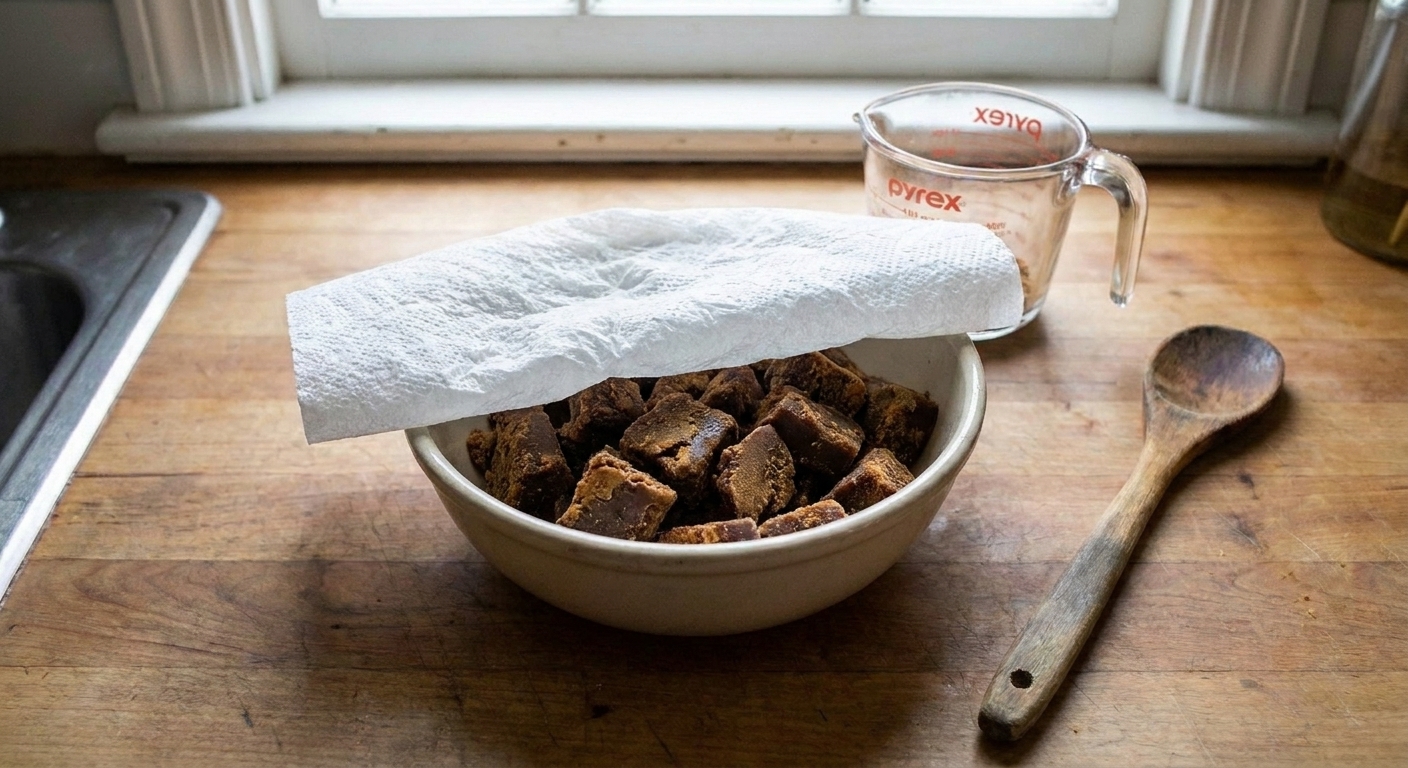
- Place the hard brown sugar in a microwave-safe bowl.
- Drape a slightly damp paper towel over the top. Damp, not dripping.
- Microwave at 50% power in 10 to 15 second bursts.
- After each burst, try breaking it up with a fork. Stop when it crumbles easily.
Best for: Small amounts (about 1 to 2 cups). For a large amount, soften in batches so the outside does not melt while the center stays a rock.
Important warnings
- Do not microwave in the bag it came in.
- Microwave times vary by wattage and quantity, so treat the clock as a guide and use your fork as the real test.
- Avoid long blasts. Brown sugar can melt, then re-harden into an even tougher clump.
- If you accidentally melt part of it, spread it out on a plate and let it cool, then break it up.
Method 3: Use a sugar saver
If you bake often, a brown sugar saver is one of those small tools that earns its drawer space. The most common type is a little piece of food-safe terracotta (often shaped like a bear), but anything designed specifically for keeping brown sugar moist works.
How to use it
- Soak the terracotta saver in water (follow the package directions).
- Pat it dry on the outside.
- Store it with your brown sugar in an airtight container.
It is not magic-fast like the microwave, but it is excellent for keeping sugar soft once you have rescued it.
Method 4: Buy a fresh bag
I love a kitchen rescue as much as anyone, but there are times when it is worth grabbing a fresh bag on your next grocery run.
Consider replacing it if:
- The sugar smells stale or “cardboard-y”
- You see any sign of moisture damage in the bag (wet spots, odd clumps that look gummy)
- You need a lot of brown sugar right now and you do not have time to soften multiple cups
- Your cookies are for an event and you want zero variables
If your brown sugar is simply hard but smells normal, it is almost always safe to soften and use.
How dried-out brown sugar affects chewy cookies
Brown sugar is not just sweetener. The molasses and moisture help create that soft, bendy chew we all want. When it dries out, a few things can happen:
1) Your cookies can spread differently
When brown sugar is hard, it does not cream smoothly with butter. You can end up with uneven pockets of sugar that melt at different rates in the oven. That can lead to cookies that spread irregularly, with some thin edges and some thicker spots.
2) You can lose chew
Moisture is a big part of a chewy texture. Drier sugar means the dough starts out with less moisture, and cookies can bake up a bit more crisp, especially around the edges.
3) You can get a grainy dough
Those crunchy sugar bits do not always dissolve fully during mixing, which can make the dough feel gritty and affect the final crumb.
Bottom line: If you want reliably chewy cookies, start with brown sugar that is soft enough to pack and cream easily.
Quick decision guide
If you are standing in your kitchen right now, here is the simplest way to choose:
- Need it tonight: Microwave method
- Need it tomorrow: Slice-of-bread method
- Bake a lot and want to prevent this: Sugar saver
- Need it for a party batch and your bag is ancient: Buy fresh
FAQ
Can I soften brown sugar with a tortilla, apple slice, or a marshmallow?
Yes. Like bread, a tortilla can donate moisture in an airtight container. An apple slice works too, but keep an eye on it and remove it once the sugar softens so you do not accidentally overdo the moisture. A couple of marshmallows can help keep sugar soft as well. For a true rescue, I still prefer bread because it works quickly and most of us have it.
How long will softened brown sugar stay soft?
If you store it truly airtight, it can stay soft for a few weeks or longer. If you put it back in a poorly sealed bag, it will harden again faster than you think, especially in a dry kitchen.
What is the best way to store brown sugar so it does not harden?
Move it to an airtight container as soon as you open it. I like a sturdy plastic or glass container with a gasket-style lid. Press out excess air if you use a zip-top bag, and keep it away from the oven or other heat sources. If you want extra insurance, press a piece of plastic wrap directly on the sugar surface before sealing the lid, or store it with a sugar saver.
Is hard brown sugar unsafe?
Hard usually just means dry, not spoiled. Sugar does not support microbial growth easily, but moisture and contaminants can, which is why mold is the real red flag. If it smells off, looks moldy, or has been sitting with wet spots for a while, toss it. Otherwise, soften it and bake away.
Can I just chop the sugar block and use it as-is?
You can, but it is risky for cookies. The sugar will not cream evenly, and your dough can end up lumpy and inconsistent. If you care about chewy texture and even spread, soften it first.
My last little cookie-loving reminder
If your brown sugar is hard, it does not mean your cookie plans are ruined. It just means your sugar needs a quick hydration break. Soften it, break it up, and stash it airtight again right away so it does not re-harden. Then pack it, cream it well with butter, and you are right back on track for thick, soft, chewy cookies. And if you ask me, this is also a great moment to add just a tiny bit more vanilla and, yes, an unapologetic extra pinch of salt.