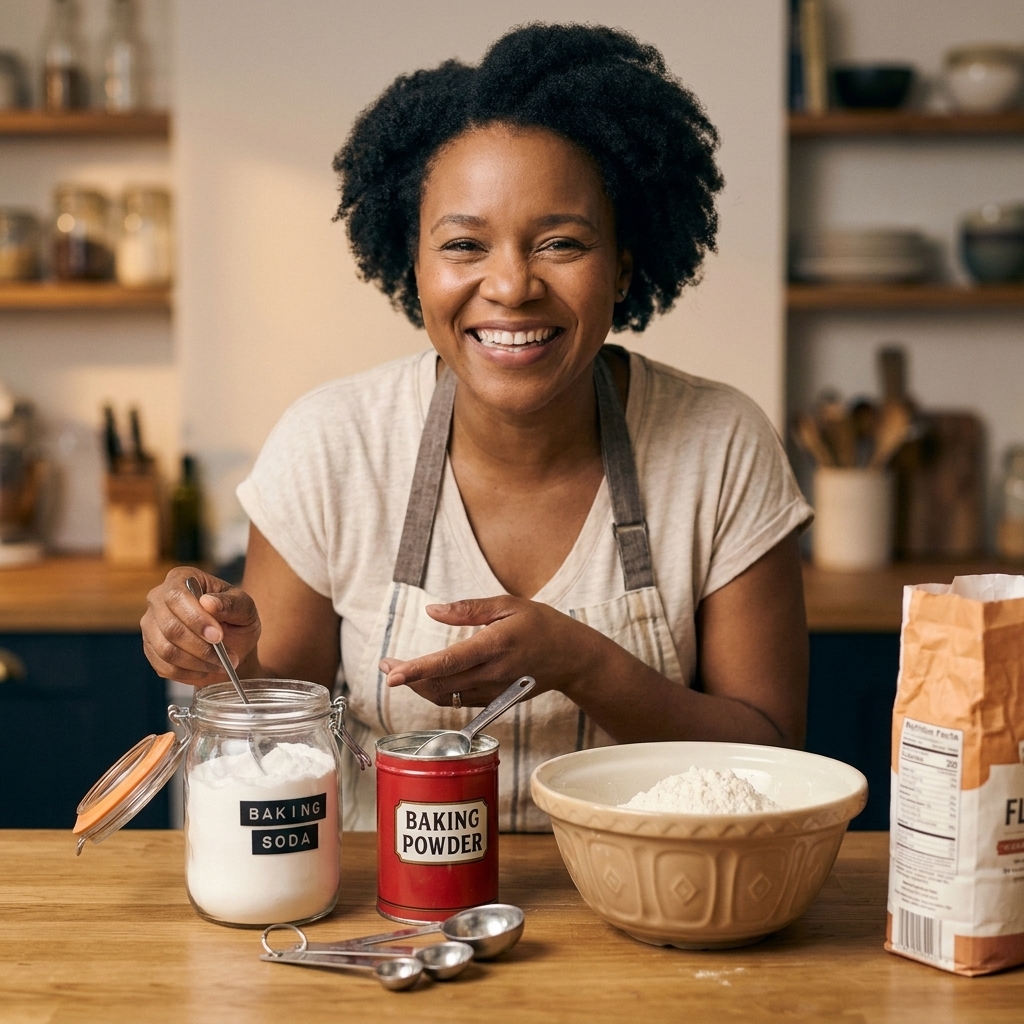
Confused about which leavener to use? Here’s the real difference between baking soda and baking powder, plus smart substitution tips for better cakes, cook...
Recipeva
Light and Fluffy Pancakes
These light and fluffy pancakes are tender, tall, and easy to make with simple pantry staples. Includes my best tips for gentle mixing, steady heat, and stress-free flipping.
Maya Reynolds
Maya Reynolds is a passionate home cook, recipe developer, and the creative voice behind Recipeva. With over a decade of experience translating complex culinary techniques into approachable weeknight meals, she focuses on creating dishes that bring joy to the dinner table without the stress.
Created September 22, 2026
Updated September 22, 2026
If you have ever made pancakes that turned out a little flat or chewy, I promise you are not alone. The good news is that fluffy pancakes are not about fancy ingredients. They are about a few small habits that keep the batter airy and the heat steady.
Below is my go-to recipe for light, tender, weekend-worthy pancakes that still feel totally doable on a weekday. And yes, we are absolutely adding a generous amount of vanilla and a pinch of salt, because flavor matters.
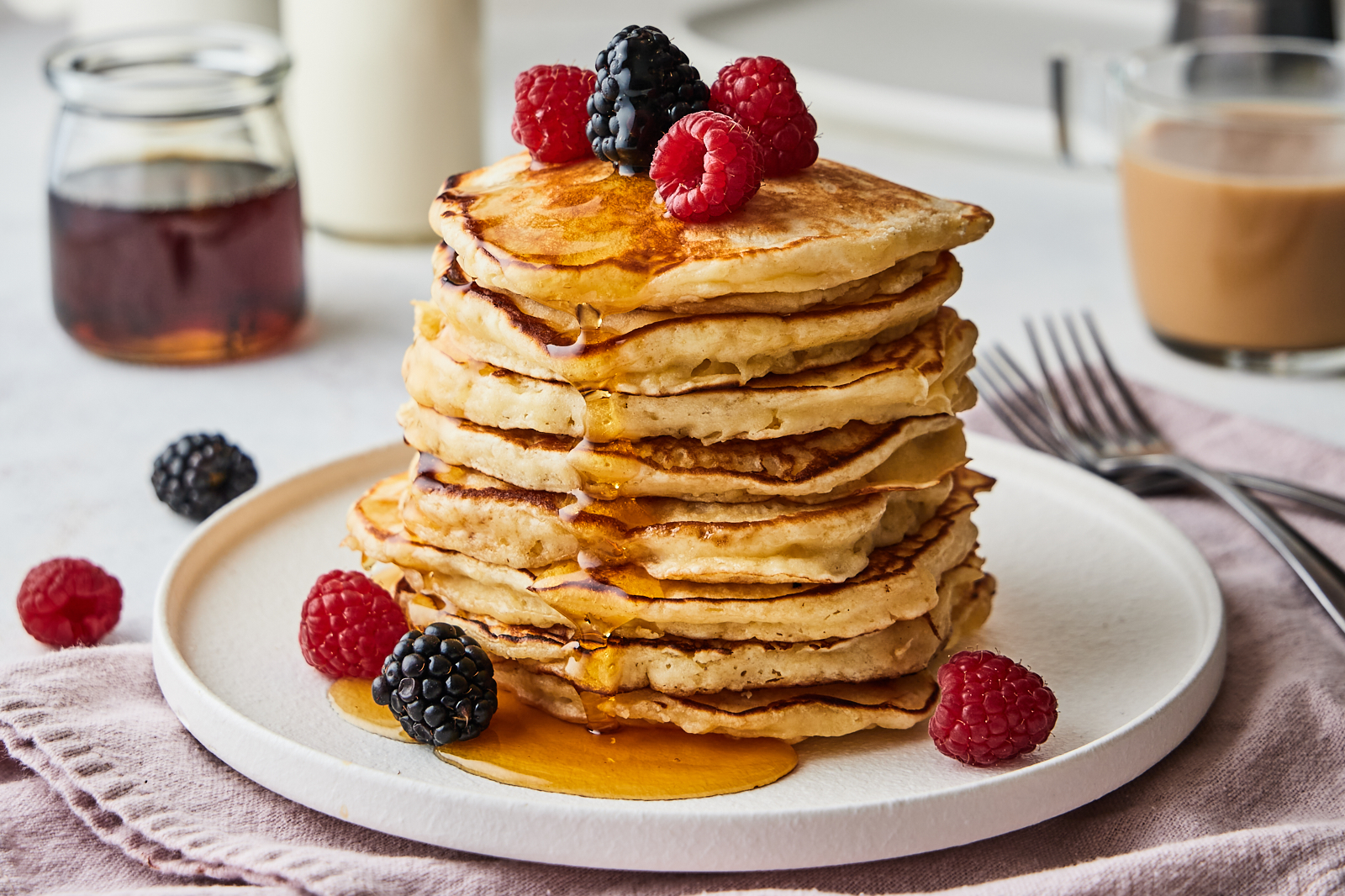
What makes pancakes light and fluffy
Fluffiness comes from trapped air and steam. Your job is to create bubbles, keep them, and cook the batter before the bubbles collapse.
- Fresh leavening: Baking powder does the heavy lifting, and a little baking soda adds extra lift when there is acid (like buttermilk).
- Minimal mixing: Overmixing develops gluten and knocks out bubbles. Lumps are your friend here.
- Proper heat: Medium heat cooks through without drying the outside before the center sets.
- A short rest: A brief rest helps the flour hydrate and can make the batter more tender and consistent. Just do not let it sit too long or you can lose some lift.
Ingredients
Everything here is standard grocery-store staples. If you have buttermilk, use it. If you do not, I have an easy swap.
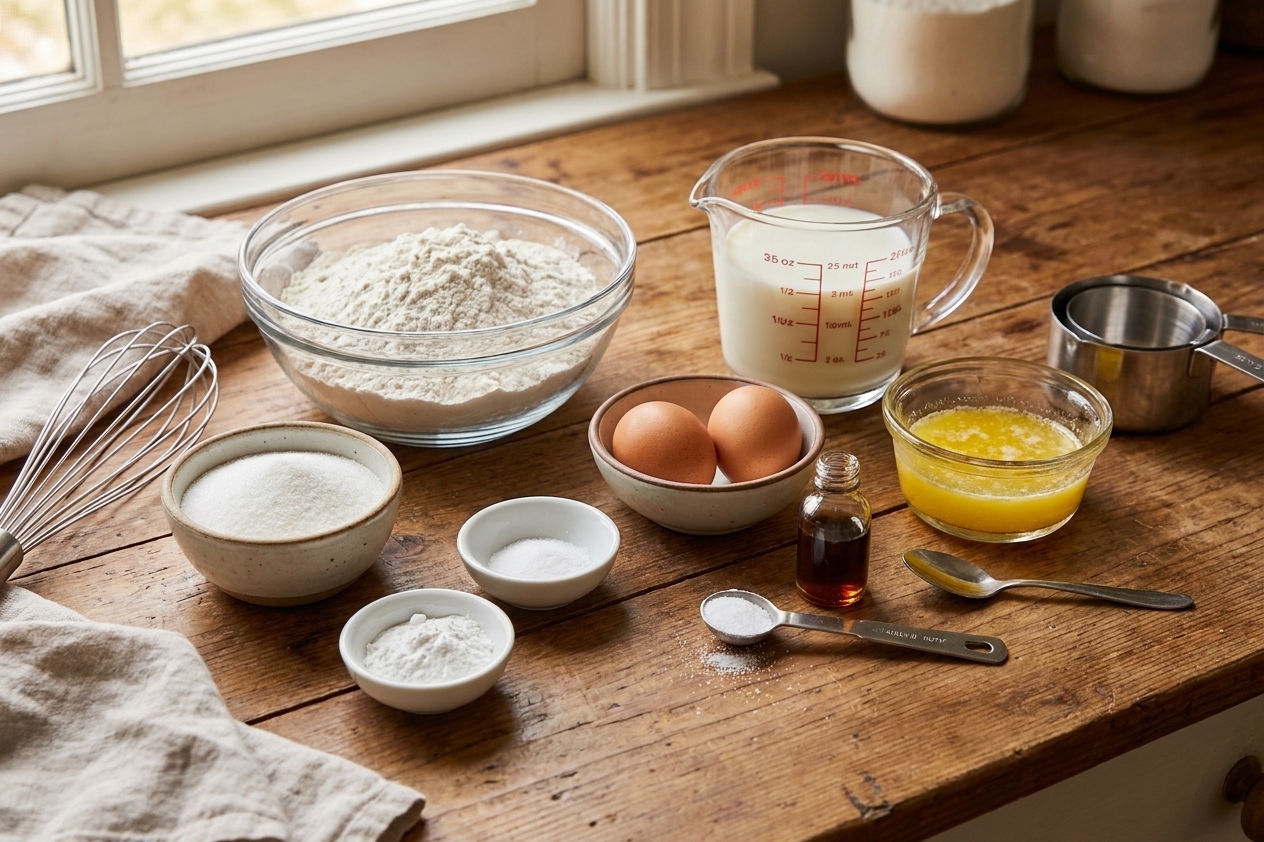
For about 10 to 12 pancakes
This makes about 10 to 12 pancakes that are roughly 4 inches wide when you use about 1/4 cup batter each.
- 2 cups (240 g) all-purpose flour (spooned and leveled)
- 2 tablespoons sugar
- 1 tablespoon baking powder
- 1/2 teaspoon baking soda (skip if not using buttermilk)
- 1 teaspoon fine salt
- 2 large eggs
- 2 cups (480 ml) buttermilk (or see substitute below)
- 4 tablespoons (56 g) unsalted butter, melted and slightly cooled, plus more for the pan
- 2 teaspoons vanilla extract
Optional add-ins
- Blueberries, chocolate chips, or chopped strawberries (about 1/2 cup)
- 1/2 teaspoon cinnamon
- Finely grated lemon zest (1 teaspoon)
Easy buttermilk substitute
No buttermilk? Add 2 tablespoons lemon juice or white vinegar to a 2-cup measuring cup, then fill to the 2-cup line with milk. Stir and let it sit for 5 minutes. The results are very close, though cultured buttermilk will taste a bit richer and can make a slightly thicker batter.
Step-by-step: my fluffy pancake method
Grab two bowls, a whisk, and a spatula. This is a gentle batter, so we treat it kindly. You can use a skillet, a pan, or a griddle, whatever you have.
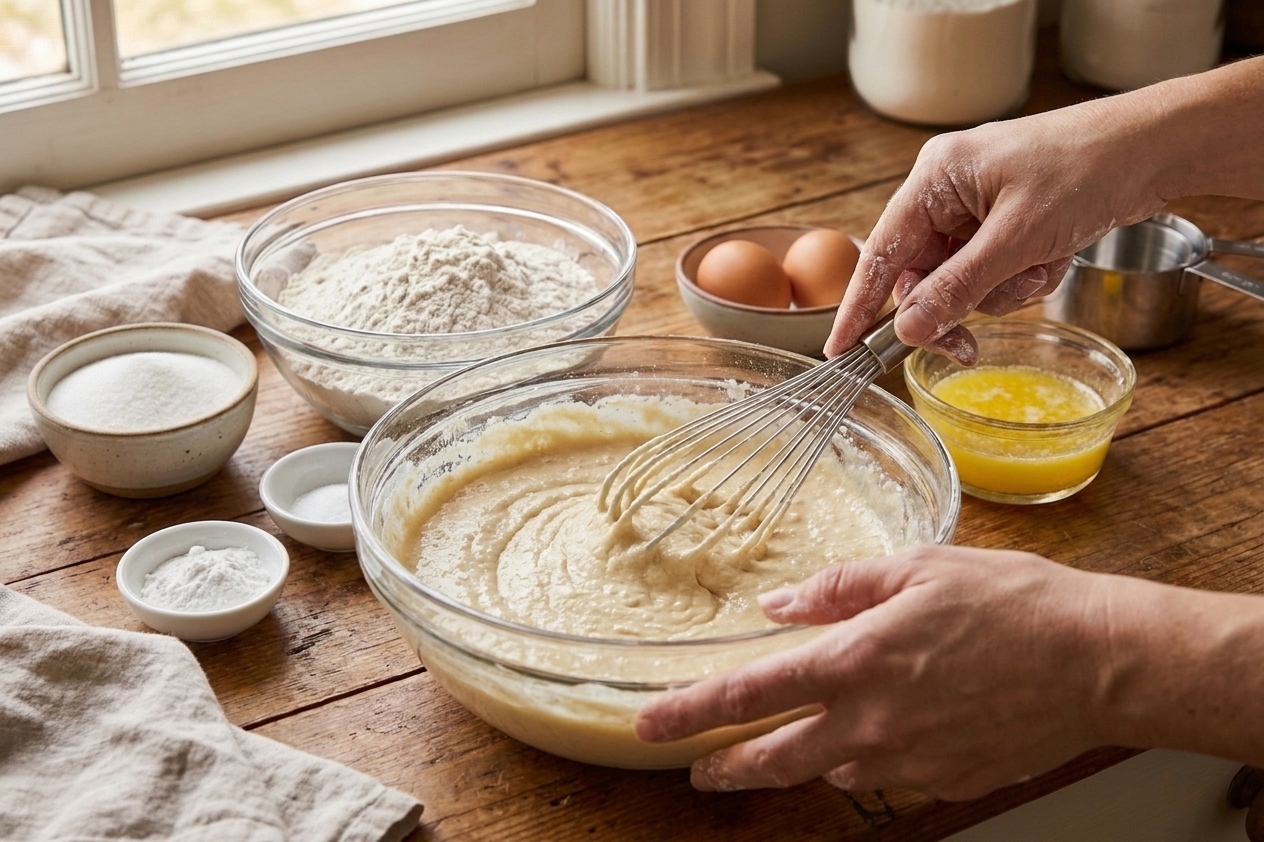
1) Mix the dry ingredients
In a large bowl, whisk together the flour, sugar, baking powder, baking soda (if using), and salt. Whisking evenly matters because it prevents bitter pockets of leavening.
2) Mix the wet ingredients
In a separate bowl, whisk the eggs, buttermilk, melted butter, and vanilla until smooth.
3) Combine, gently
Pour the wet ingredients into the dry ingredients. Use a spatula to fold just until you no longer see dry flour. The batter should look thick and lumpy, with a few small lumps being ideal. If it looks like silky cake batter, it is probably overmixed.
4) Rest the batter
Let the batter rest for about 10 minutes while you heat the pan. This helps the flour hydrate and can improve the texture, but avoid long rests. Once you go much past 20 to 30 minutes, you may lose some of that fresh lift.
5) Heat your pan or griddle
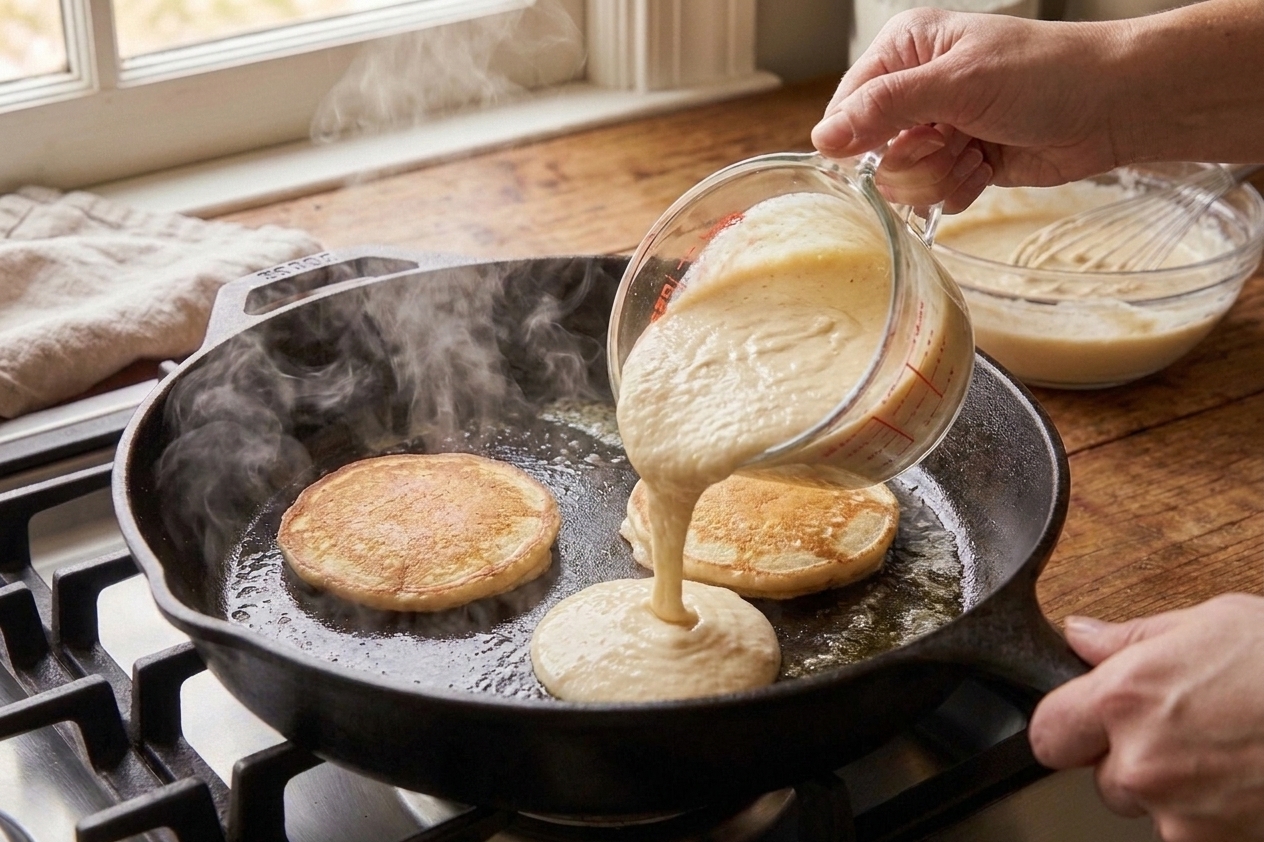
Heat a nonstick skillet or griddle over medium heat. You want a gentle, steady sizzle when batter hits the surface, not aggressive crackling. If you are using an electric griddle, aim for about 375°F. Add a small pat of butter and swirl to coat. If the butter browns immediately, your pan is too hot. Lower the heat and give it a minute.
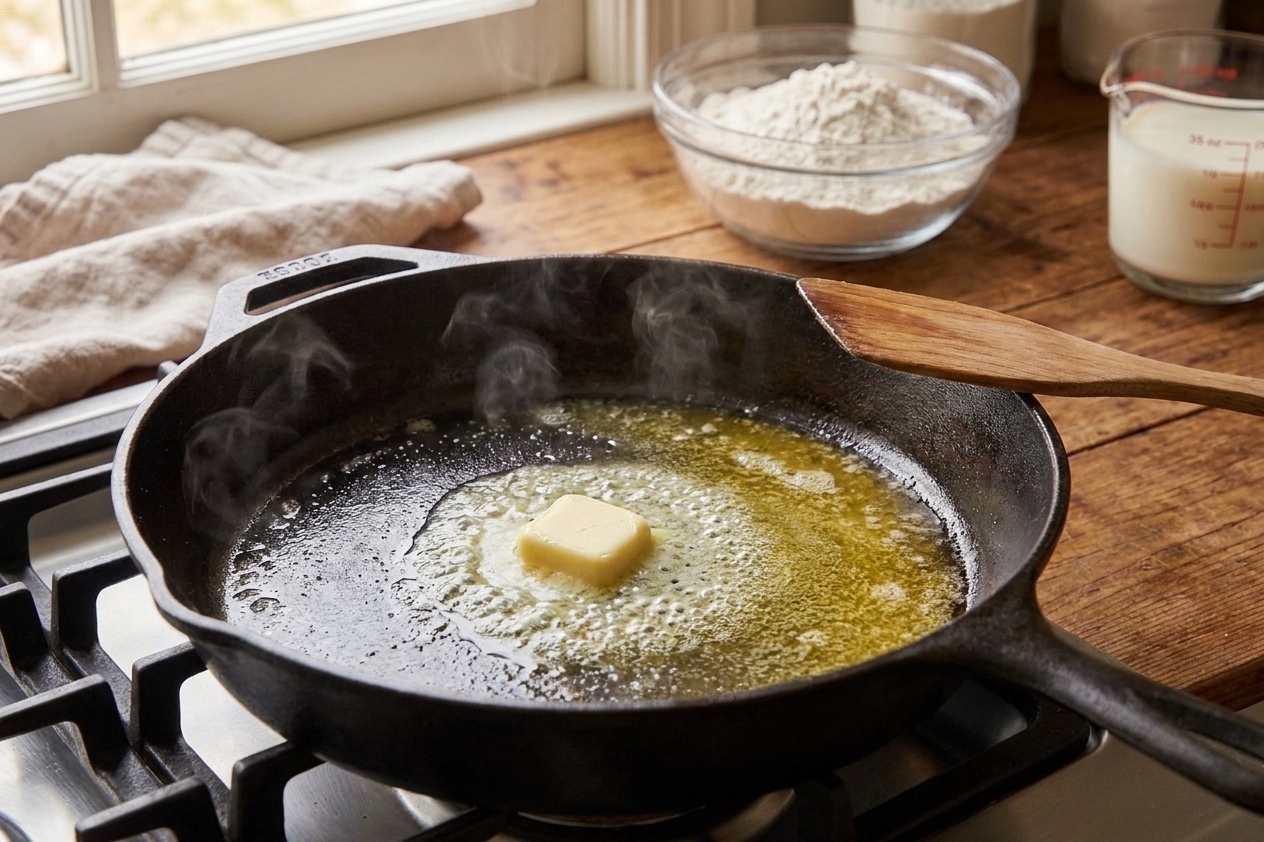
6) Cook the first side
Scoop about 1/4 cup batter per pancake onto the pan. Cook until you see bubbles across the surface and the edges look slightly set, about 2 to 3 minutes.
7) Flip once, cook briefly
Flip and cook the second side until golden and cooked through, about 1 to 2 minutes more. Try to flip only once for the best rise.
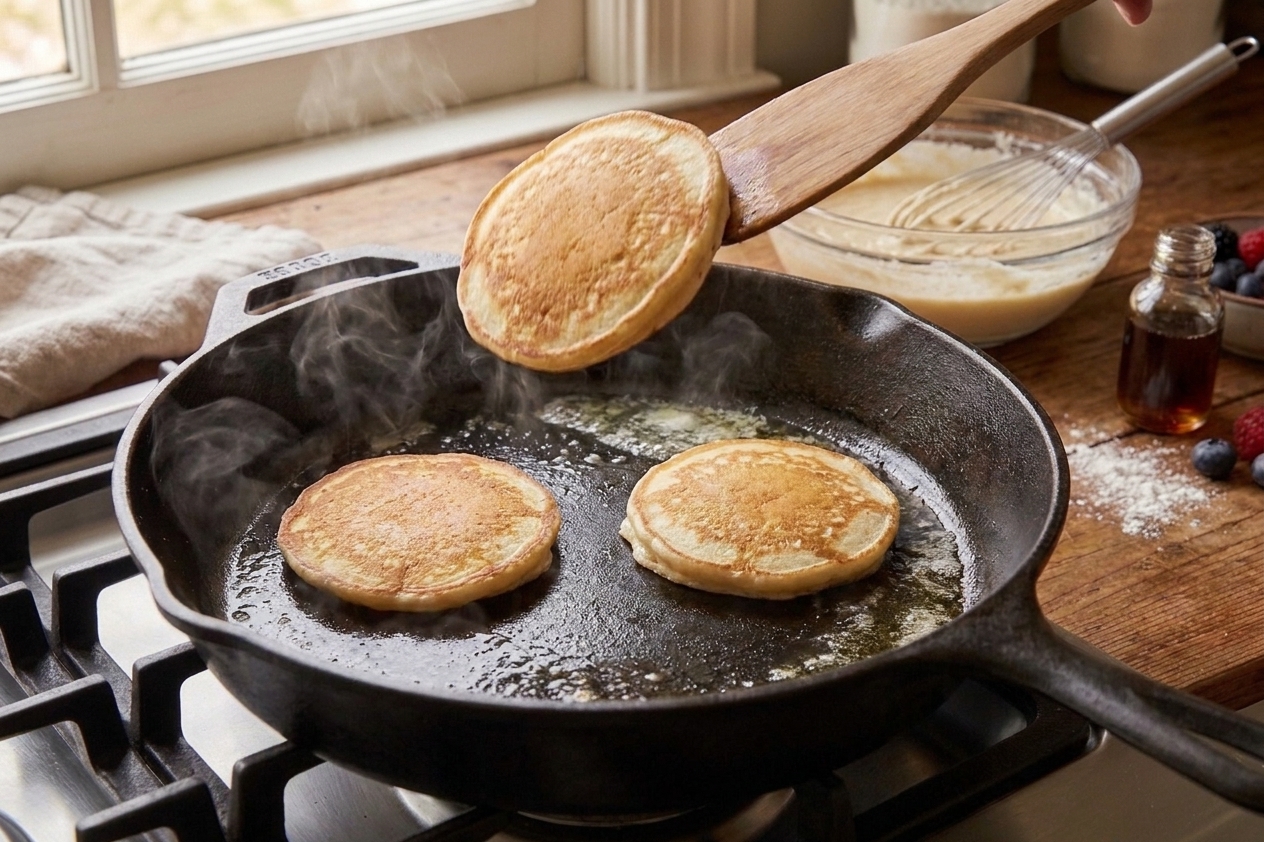
8) Keep warm without drying out
Place cooked pancakes on a baking sheet in a 200°F oven while you finish the batch. If you stack them, keep the oven low so they stay soft and steamy, not tough.
My best tips for pancakes that never turn out flat
- Measure flour the easy way. Spoon it into the measuring cup, then level it off. Scooping straight from the bag can pack in extra flour and make pancakes dense.
- Do not press pancakes with the spatula. This squeezes out the air you worked to keep.
- Start with medium heat. High heat browns the outside too fast and leaves a dense center.
- Let the batter be lumpy. A few floury streaks are fine. They cook out.
- Fresh baking powder matters. If yours has been open forever, it might not lift well. If you are sensitive to a metallic taste, aluminum-free baking powder is a nice choice.
- Use a light hand with mix-ins. Sprinkle blueberries or chips on top after you pour the batter so they do not sink and weigh everything down.
Troubleshooting
Pancakes are forgiving, which is why I love them. Here is how to course-correct fast.
My pancakes are dense or chewy
- Most likely: overmixed batter. Next time, fold just until combined.
- Also possible: too much flour. Try spoon-and-level measuring, or use the gram weights.
- Also possible: pan too cool. The batter spreads before it sets, which reduces height.
They are browning too fast
- Lower the heat and wipe the pan if butter is burning.
- Try using a small amount of neutral oil plus a little butter for flavor.
The centers are undercooked
- Heat is too high. Turn it down and cook a little longer per side.
- Make slightly smaller pancakes so the middle sets faster.
They spread into thin puddles
- Batter may be too thin. Add 1 to 2 tablespoons flour and rest 5 minutes.
- Double-check you used baking powder, not baking soda alone.
Make-ahead, storage, and freezing
Future-you will be thrilled if you double the batch.
- Fridge: Store cooled pancakes in an airtight container. Best within 2 to 3 days, and generally fine up to 4 days.
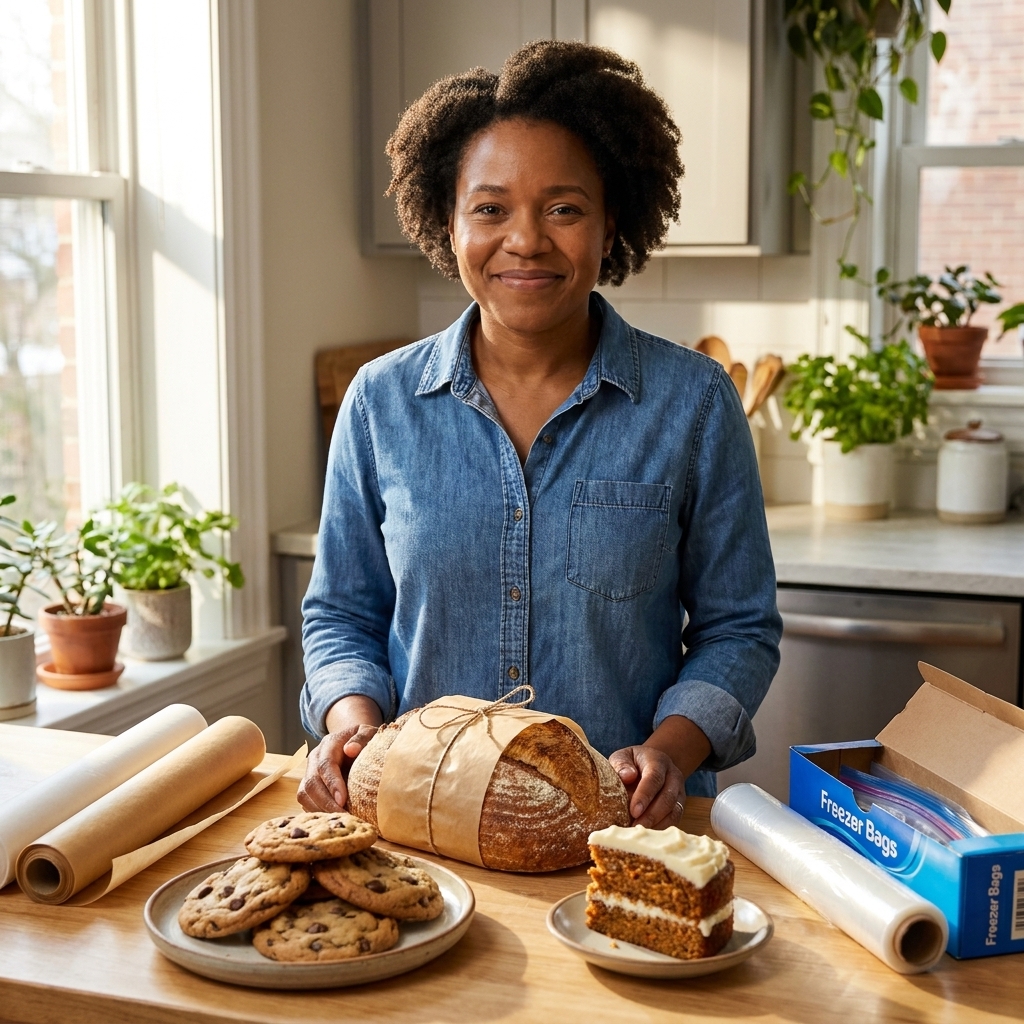
- Freezer: Freeze in a single layer, then transfer to a bag with parchment between layers. Best within 2 months.
- Reheat: Toaster for crisp edges, or microwave for soft pancakes. For a big batch, warm on a sheet pan at 325°F for 8 to 10 minutes.
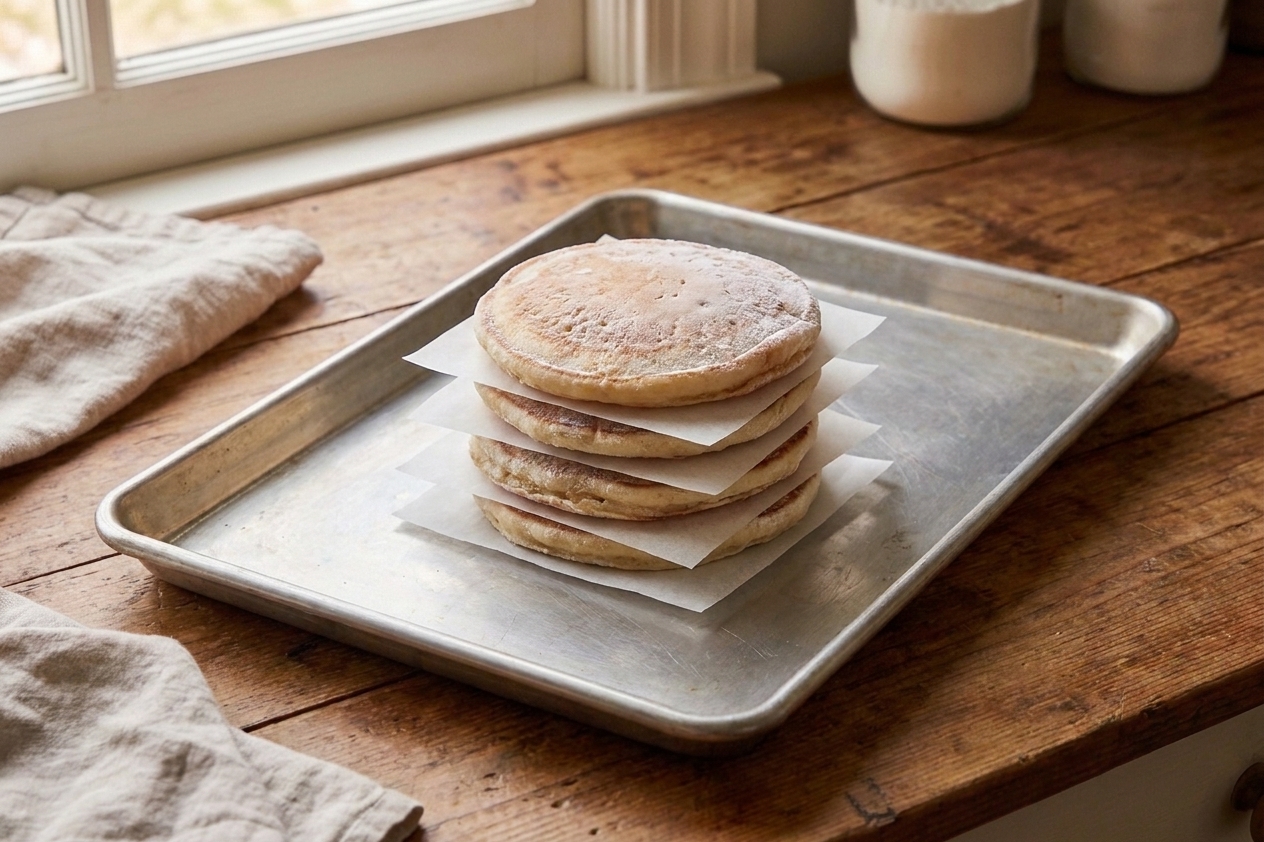
Serving ideas
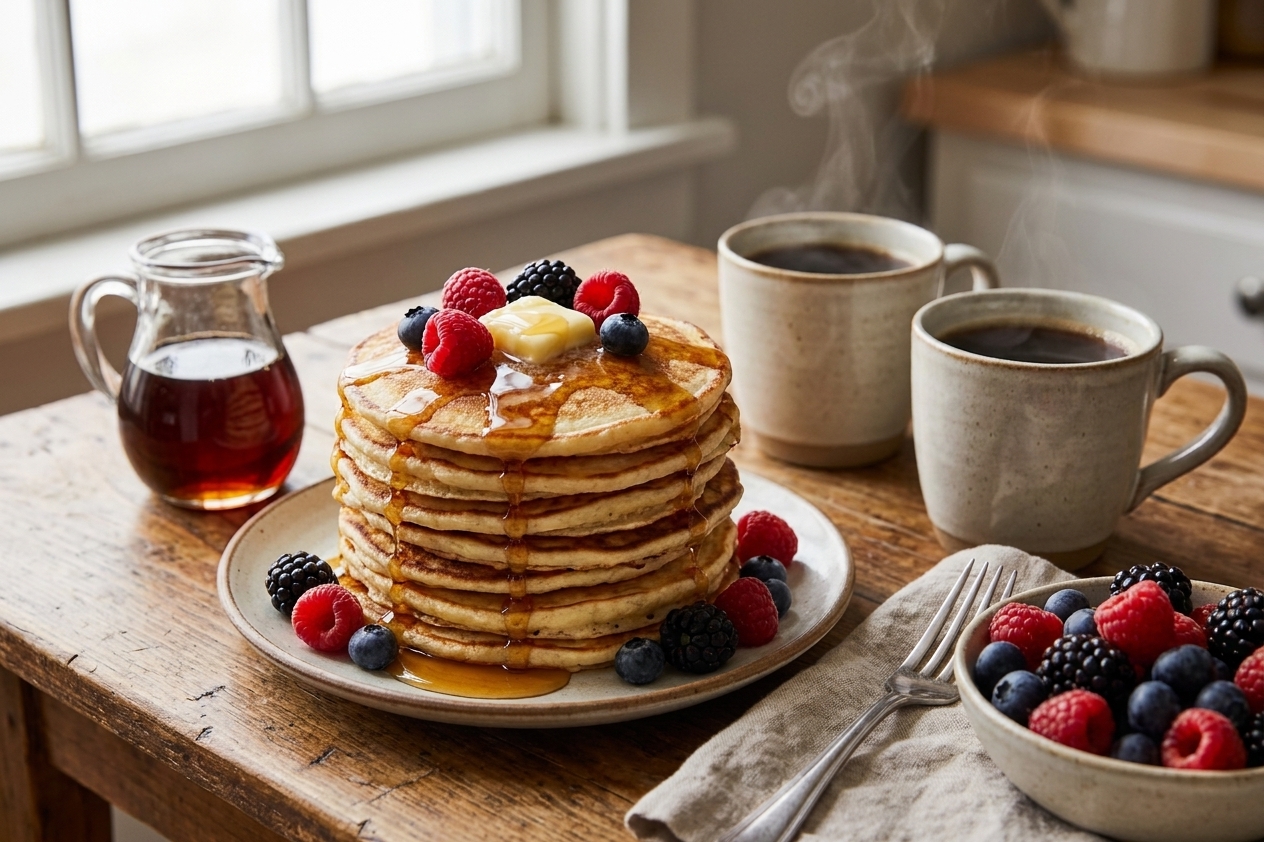
Classic maple syrup is perfect, but if you want to make breakfast feel a little special, here are a few easy options.
- Greek yogurt + berries + a drizzle of honey
- Peanut butter + sliced bananas
- Warm jam swirled into whipped cream
- Butter + flaky salt (trust me) + maple syrup
FAQ
Is buttermilk necessary for fluffy pancakes?
It helps a lot because it adds tenderness and reacts with baking soda for extra lift. That said, you can absolutely use the quick buttermilk substitute or plain milk. If you use plain milk, skip the baking soda and rely on baking powder.
Should pancake batter rest?
Yes, even 10 minutes can make a noticeable difference. It thickens slightly, hydrates the flour, and helps the batter cook up more tender. Just do not let it sit too long, since some of the chemical lift starts working right away.
Can I make these dairy-free?
Yes. Use an unsweetened non-dairy milk plus lemon juice for the buttermilk effect, and swap melted butter for melted coconut oil or a neutral oil. The texture stays surprisingly fluffy.
What is the best pan for pancakes?
A griddle is the easiest for batches, but a good nonstick skillet works beautifully. Cast iron is great too, just be extra mindful of heat control.
A little pep talk
If your first pancake is not perfect, welcome to the club. The first one is often the “heat test” pancake. Adjust the temperature, take a breath, and keep going. By pancake three, you will be flipping like you have been doing it your whole life.