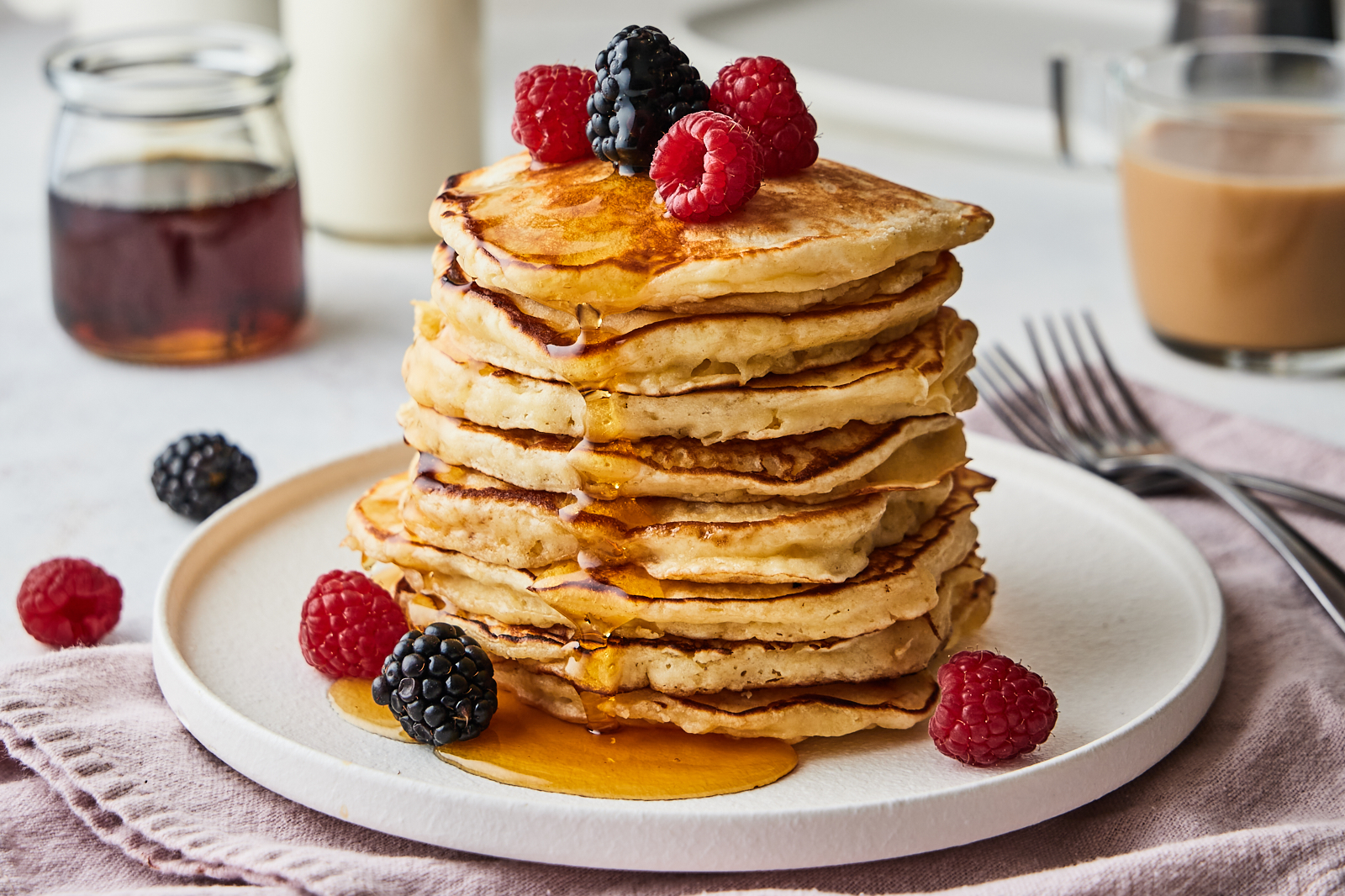
A cozy, foolproof pancake recipe that turns out soft and airy every time. Learn the simple mixing and griddle tricks that make pancakes truly fluffy.
Recipeva
Homemade Pancake Mix
Make a big batch of homemade pancake mix with simple pantry staples. Learn the best ratios, storage tips, and how to turn it into fluffy pancakes or waffles anytime.

Maya Reynolds
Maya Reynolds is a passionate home cook, recipe developer, and the creative voice behind Recipeva. With over a decade of experience translating complex culinary techniques into approachable weeknight meals, she focuses on creating dishes that bring joy to the dinner table without the stress.
Created September 24, 2026
Updated September 24, 2026
There is something deeply comforting about knowing pancakes are only minutes away. This homemade pancake mix is my weeknight prep for sleepy Saturday mornings and surprise breakfast-for-dinner requests. You stir together a few pantry staples once, stash them in a jar, and from then on pancakes feel almost effortless.
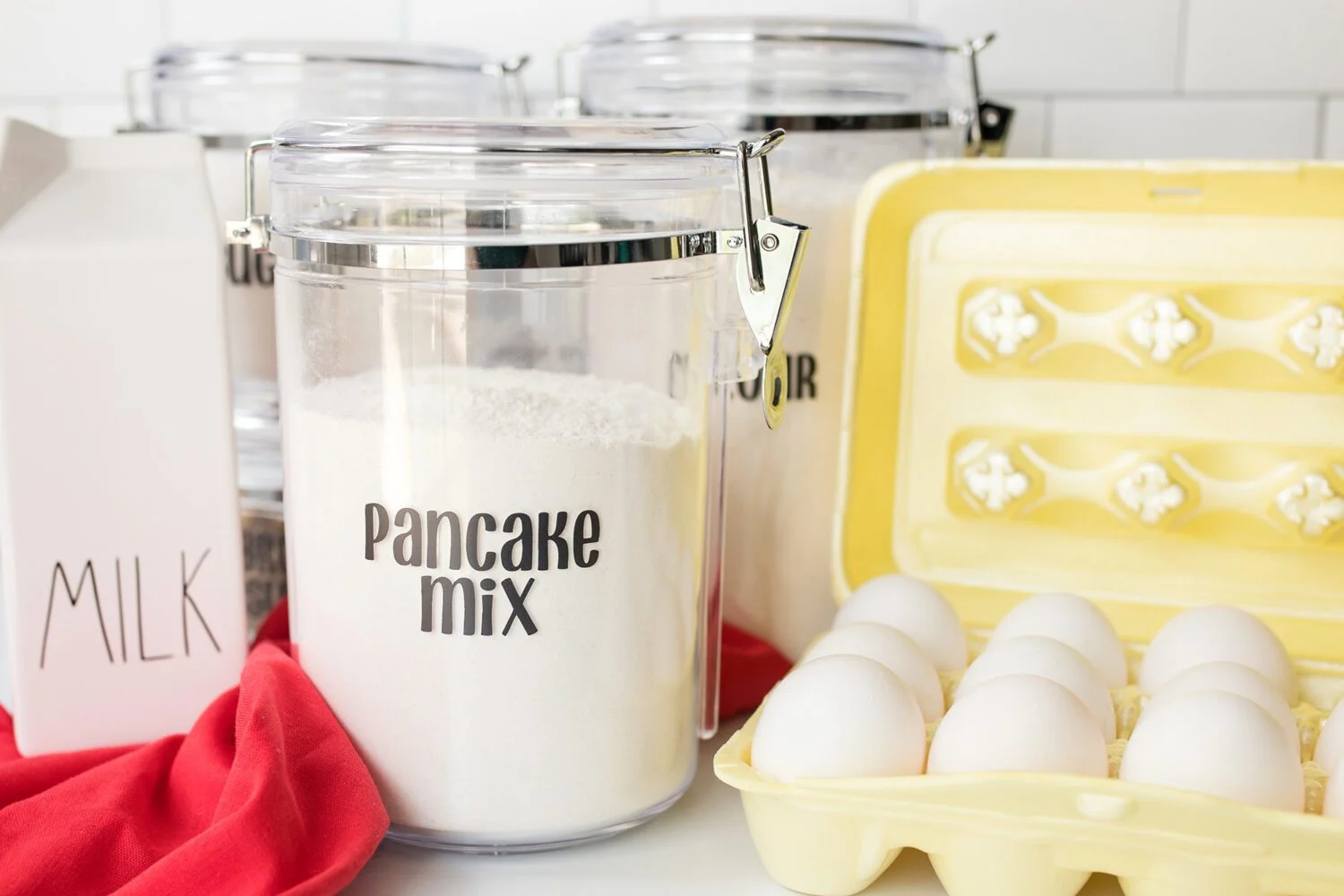
Below I will walk you through the exact formula, how to store it safely, and the simple “just add” instructions for pancakes and waffles. I will also share a few flavor ideas, because if you know me, you know I am going to suggest adding a little extra vanilla and a lot of joy.
Why make pancake mix at home?
- It is faster on busy mornings. The measuring happens once, not every time you cook.
- You control the ingredients. No mystery additives, and you can choose organic or whole grain if you like.
- Consistent results. When the ratio is right, the pancakes turn out fluffy and tender over and over.
- It is budget-friendly. Pantry staples cost less per batch than boxed mix.
If you have ever had pancakes come out flat or oddly chewy, it is usually because the leavening, liquid, and resting time were off. A good mix helps solve that because the dry ratio is already dialed in.
Ingredients
This makes a versatile, classic “American diner style” mix. From here you can keep it plain or customize it.
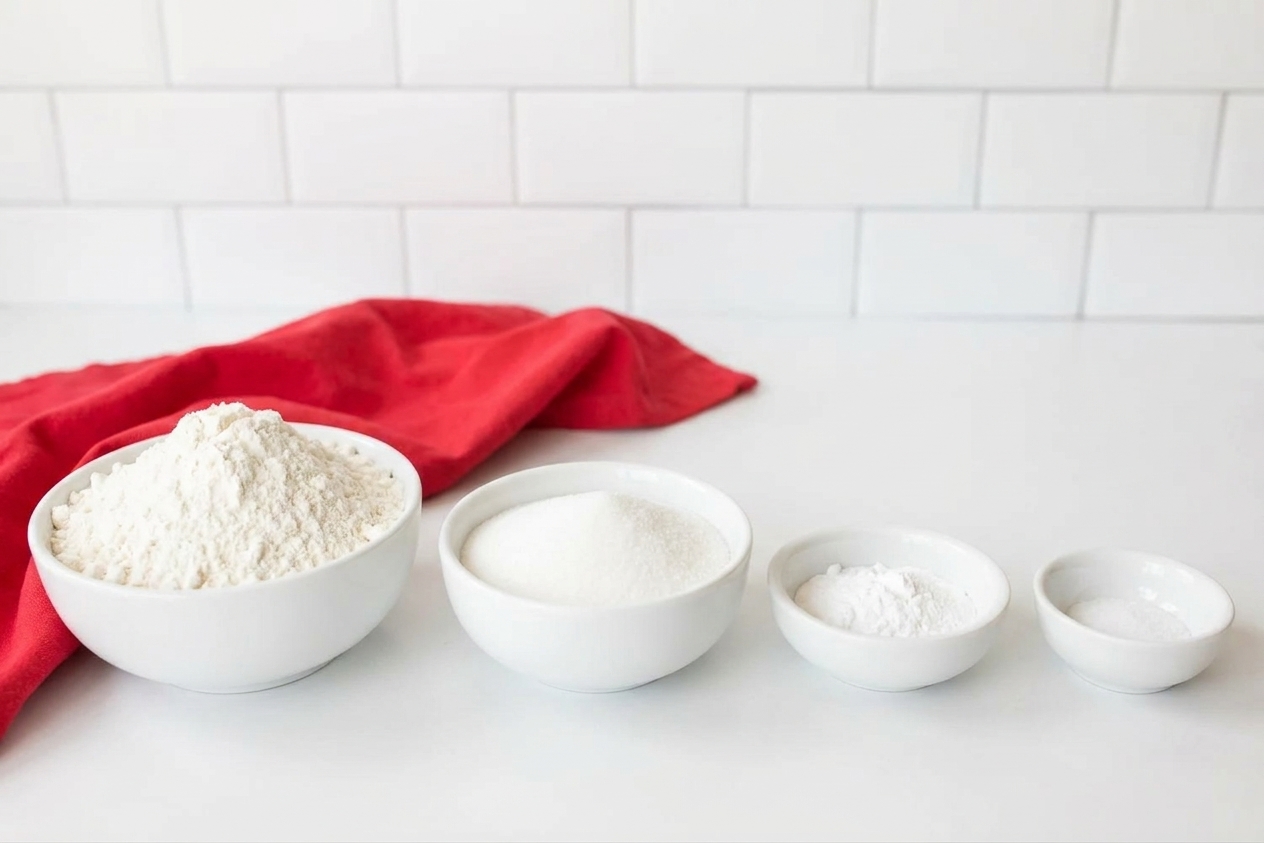
- All-purpose flour: The base. Spoon and level for accurate measuring if you are using cups.
- Sugar: Just enough for gentle sweetness and better browning.
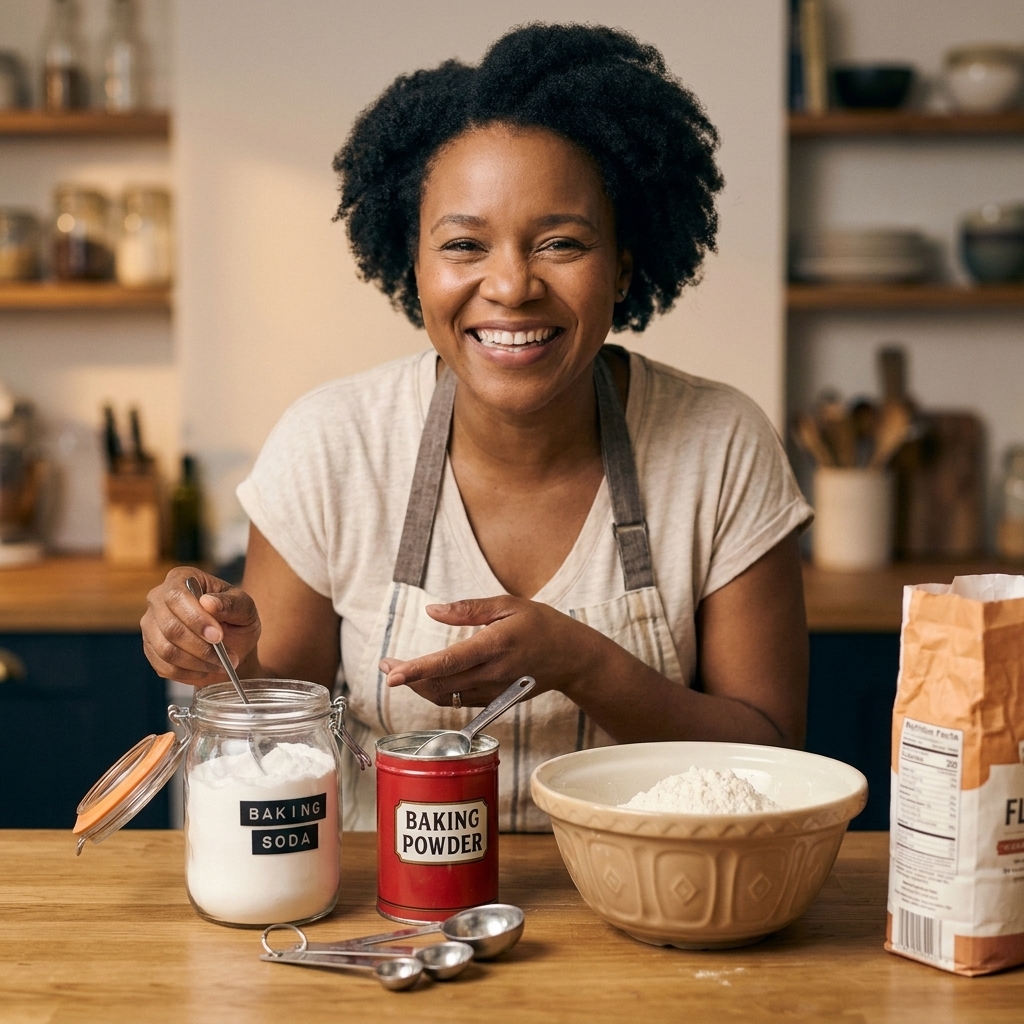
- Baking powder: The main lift. Make sure it is fresh for the fluffiest pancakes.
- Baking soda: Optional but helpful, especially if you often use buttermilk or yogurt in the wet ingredients.
- Fine salt: Pancakes need salt. It wakes up all the flavors.
Optional additions: a little powdered milk for richness, or a pinch of cinnamon for warmth. I include notes for both below.
Master mix
Makes: about 9 cups dry mix (enough for roughly 6 batches of pancakes)
Time: 10 minutes
Dry mix
- 8 cups (about 960 g) all-purpose flour
- 1/2 cup (about 100 g) granulated sugar
- 1/4 cup baking powder (4 tablespoons, about 48 to 64 g depending on brand)
- 2 teaspoons baking soda (optional but recommended)
- 2 teaspoons fine salt
How to make it
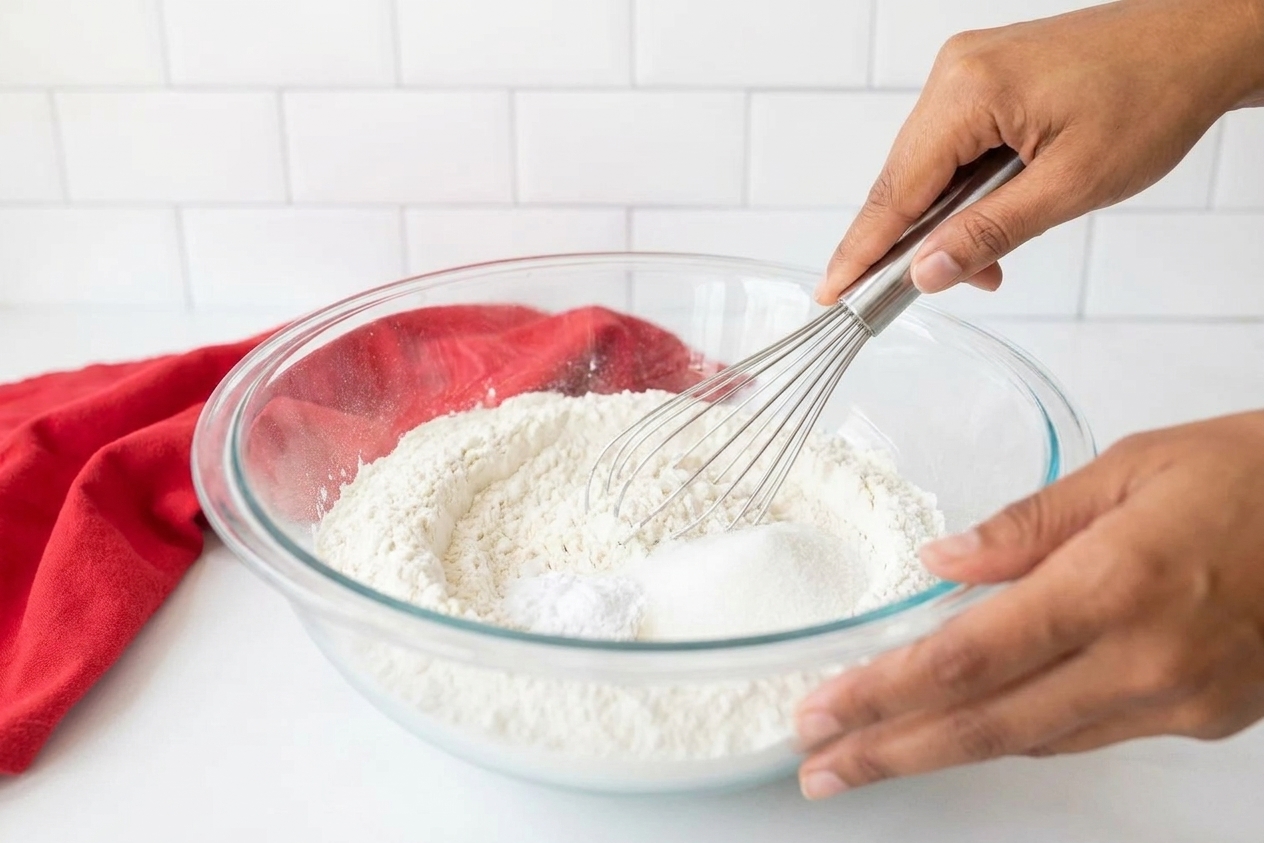
- Whisk it well. In a very large bowl, whisk flour, sugar, baking powder, baking soda (if using), and salt for a full 30 seconds. You want the leaveners evenly distributed.
- Break up any lumps. If your baking powder is clumpy, press it through a fine mesh sieve or smash lumps with the back of a spoon.
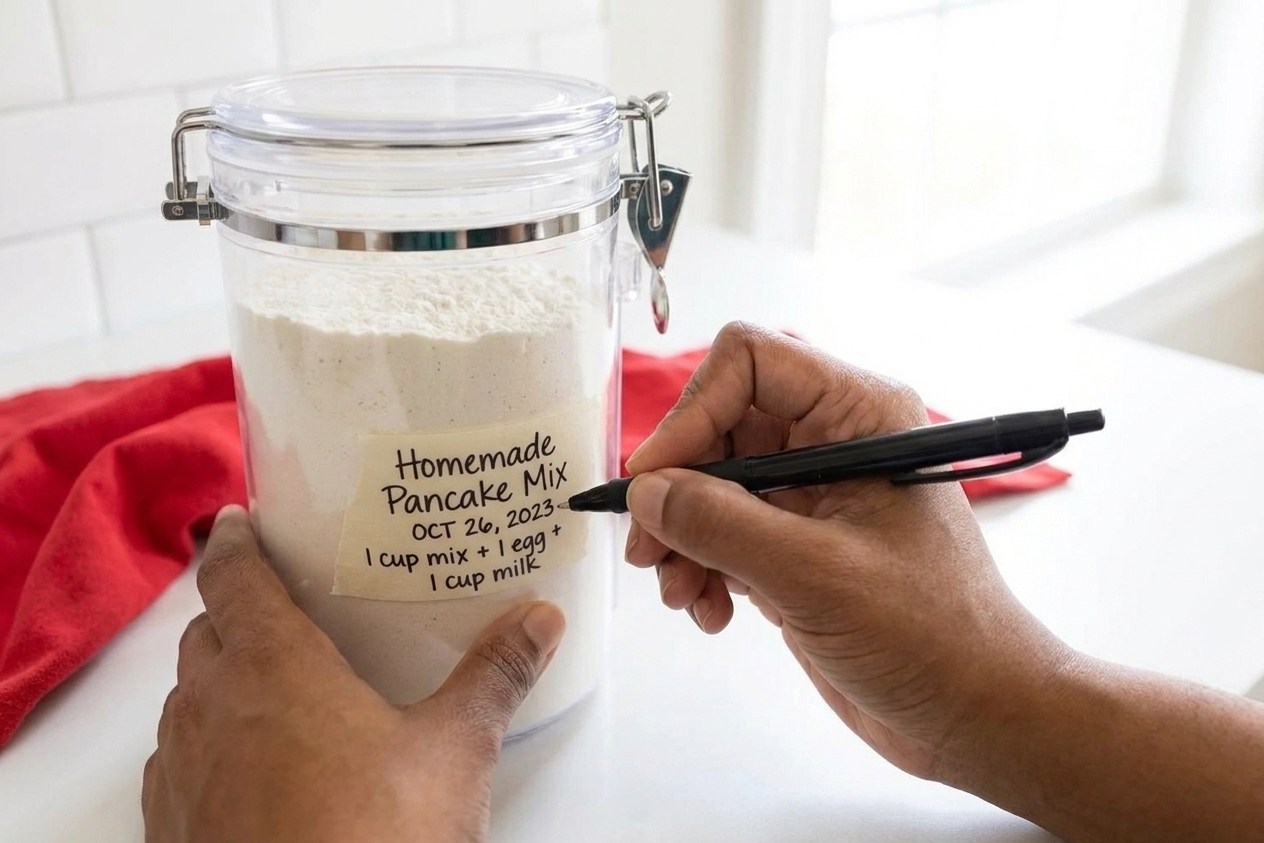
- Store. Funnel into airtight jars or a large airtight container. Label it with the date and the “how to use” instructions so future you can just cook.
Maya tip: If you have a kitchen scale, use it here. Pancakes become wonderfully consistent when the dry ingredients are weighed once in a big batch.
Use it for pancakes
This is your “just add wet ingredients” method. One batch makes about 10 to 12 medium pancakes.
One batch
- 1 1/2 cups homemade pancake mix (or weigh your full jar, divide by 6, and use that amount for one batch)
- 1 1/4 cups milk (about 300 g, dairy or unsweetened non-dairy)
- 1 large egg
- 2 tablespoons melted butter (or neutral oil)
- 1 teaspoon vanilla (optional, but I love it)
Steps
- Mix gently. In a bowl, whisk milk, egg, melted butter, and vanilla. Add pancake mix and stir just until you do not see dry flour. The batter should look a little lumpy.
- Rest. Let the batter sit for 5 to 10 minutes. This hydrates the flour and gives you a more tender pancake.
- Heat the pan. Warm a nonstick skillet or griddle over medium to medium-low heat. A drop of water should sizzle and dance. Lightly butter or oil it.
- Cook. Scoop about 1/4 cup batter per pancake. Cook until bubbles form on the surface and edges look set, 2 to 3 minutes. Flip and cook 1 to 2 minutes more.
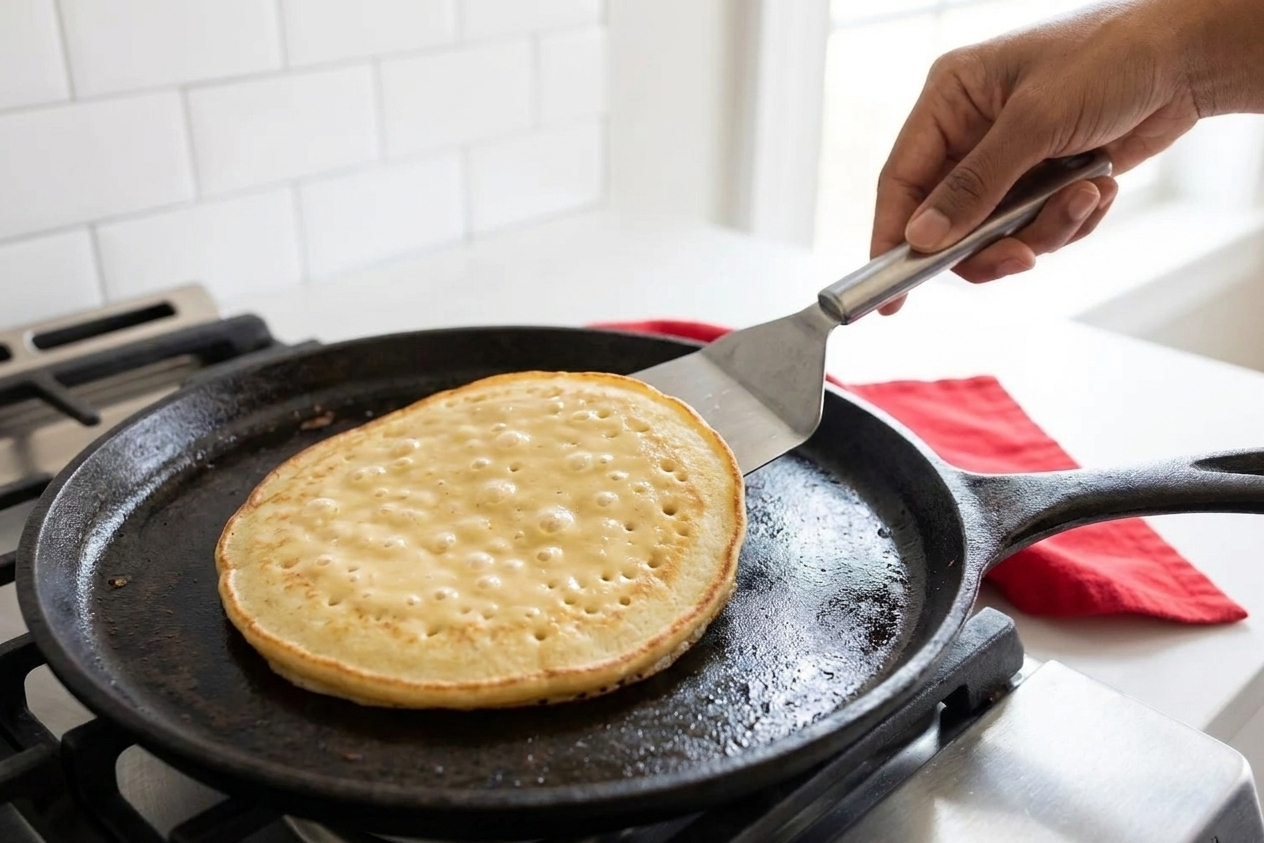
Don’t chase perfection. The first pancake is often a tester while your pan temperature settles. Consider it the cook’s treat.
Quick safety note: Pancake batter contains raw flour, which is not ready-to-eat. Skip the taste test until it is cooked.
Use it for waffles
Waffles like a slightly richer batter, plus a little fat helps them crisp.
One batch
- 1 1/2 cups homemade pancake mix (or 1/6 of your big batch by weight)
- 1 1/4 cups milk
- 1 large egg
- 3 tablespoons melted butter (or neutral oil)
- 1 teaspoon vanilla (optional)
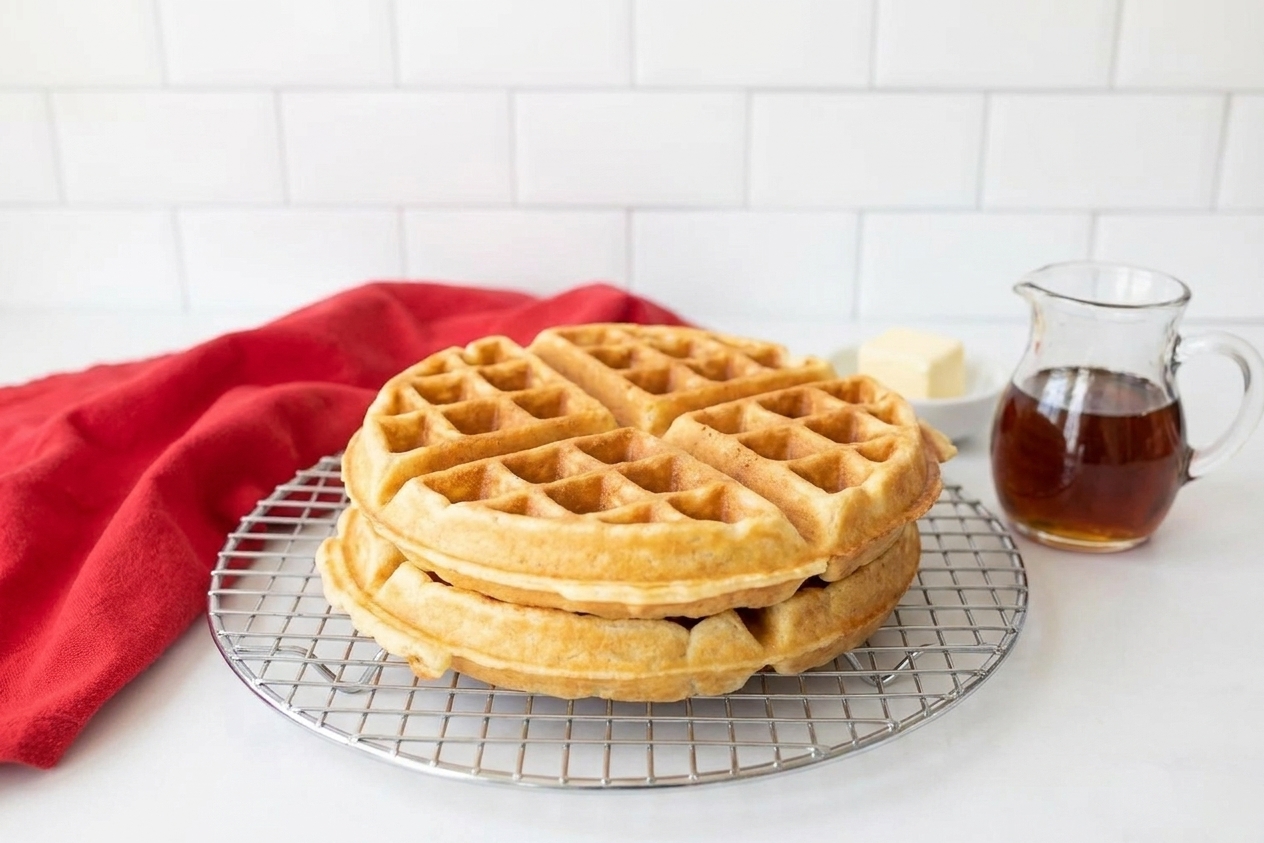
Make the batter the same way as pancakes, then cook according to your waffle iron’s directions. For extra crisp waffles, let them sit on a wire rack for a minute before serving so steam can escape.
Flavor add-ins
Keep your base mix plain, then customize each batch depending on the mood and what is in your fridge.
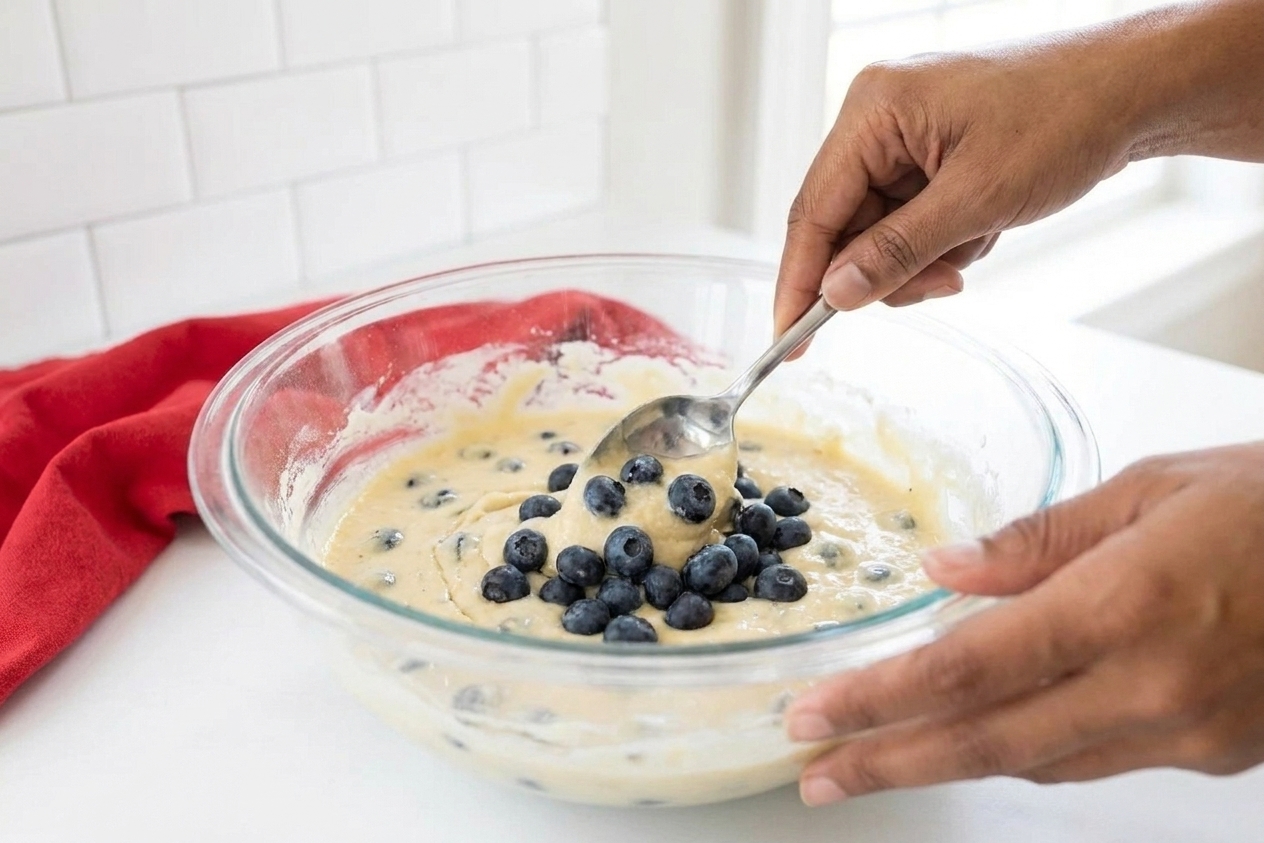
- Blueberry lemon: fold 3/4 cup blueberries into the batter and add 1 teaspoon lemon zest.
- Chocolate chip: add 1/2 cup chocolate chips. I like mini chips for better distribution.
- Cinnamon vanilla: add 1/2 to 1 teaspoon cinnamon plus vanilla in the wet ingredients.
- Banana nut: stir in 1 mashed ripe banana and a handful of chopped walnuts or pecans.
- Extra fluffy: swap 1/2 cup of the milk for plain yogurt or buttermilk. If you do, keep the baking soda in the dry mix.
Storage
Homemade pancake mix keeps well, as long as it stays dry and airtight.
- Best container: airtight jar or food storage container with a tight seal.
- Where to store: a cool, dry pantry away from the stove.
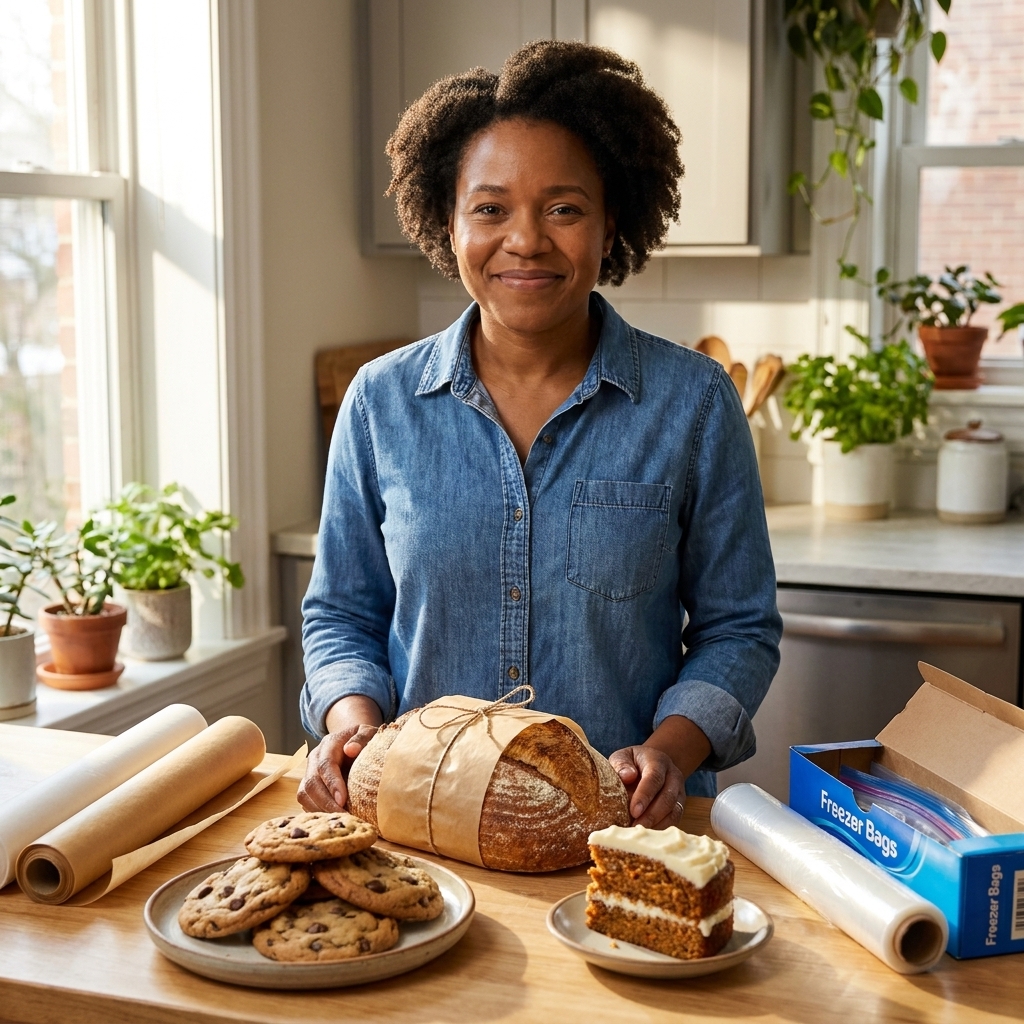
- How long it lasts: 3 to 6 months for best rise, depending on the freshness of your baking powder. After that, the mix is often still fine, but the lift and flavor can decline, especially if flour or leaveners are older.
Important note: This mix is flour-based, so keep it free from moisture. If you ever notice an off smell, pantry pests, or signs of moisture or stubborn clumping, toss it and make a fresh batch.
Allergen heads-up: Many baking powders contain cornstarch. If that is an issue for you, check the label and choose a cornstarch-free option.
Troubleshooting
Flat pancakes
- Your baking powder may be old. If it has been open for a long time, replace it.
- If the pan is too hot, the outside can brown and set before the pancake finishes rising. If it is too cool, the batter can spread and cook up denser.
- Overmixing can knock out air and develop gluten. Stir gently and stop early.
Gummy or tough pancakes
- Too much mixing is the usual culprit. Lumps are your friend.
- A 5 to 10 minute rest is ideal. Much longer and the batter can thicken and lose some lift.
Pale pancakes
- Add a touch more heat and make sure the pan is preheated.
- A little sugar helps browning, so do not skip it unless you need to.
Pancakes that stick
- Give the pan a chance to heat fully before the first pour.
- Refresh the butter or oil lightly between batches.
- If you are using stainless steel, you will need more fat and a well-preheated surface. Nonstick or cast iron is easier for pancakes.
Swaps
Whole wheat
You can swap up to 50 percent of the all-purpose flour for whole wheat flour without making pancakes dense. If you go 100 percent whole wheat, expect a heartier texture and consider adding an extra splash of milk.
Dairy-free
Use your favorite unsweetened non-dairy milk and oil instead of butter. Oat milk gives a particularly cozy flavor.
Lower sugar
You can reduce the sugar to 1/4 cup in the full batch. The pancakes will be less sweet and a bit less golden, but still tasty.
Powdered milk (optional)
If you want a mix that tastes extra rich using just water, whisk 1 cup (about 100 g) nonfat dry milk into the dry mix. Then, when making pancakes, you can use water instead of milk. If you do this, write it on your container so you remember later.
Gluten-free note
I have not tested this specific ratio with a gluten-free flour blend. If gluten-free pancakes are your goal, I recommend starting with a trusted gluten-free pancake recipe or a 1:1 blend that is formulated for baking, then adjust from there.
Serving ideas
Here are a few of my go-to combos when I want pancakes to feel like a real moment, even on a Tuesday:
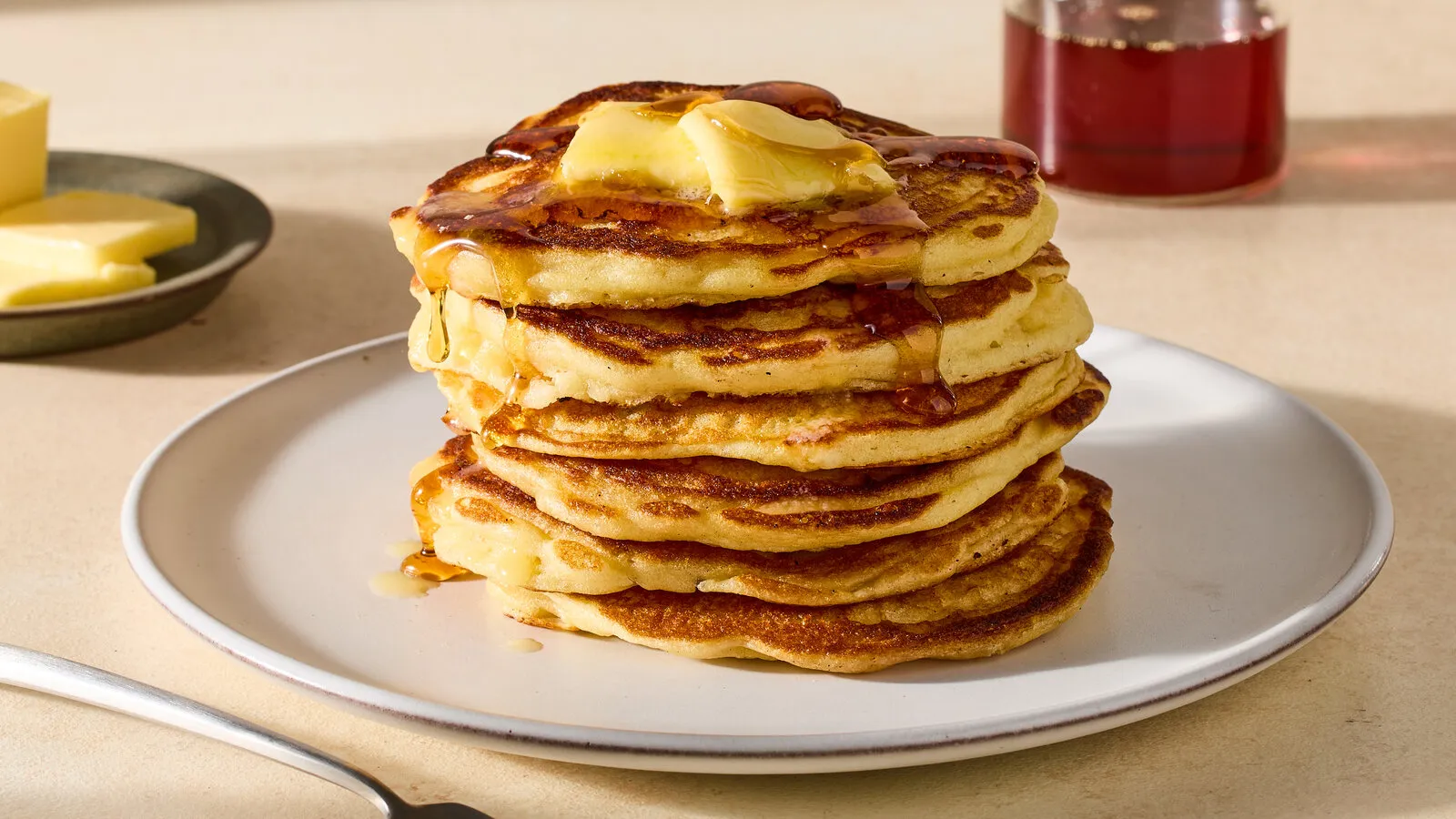
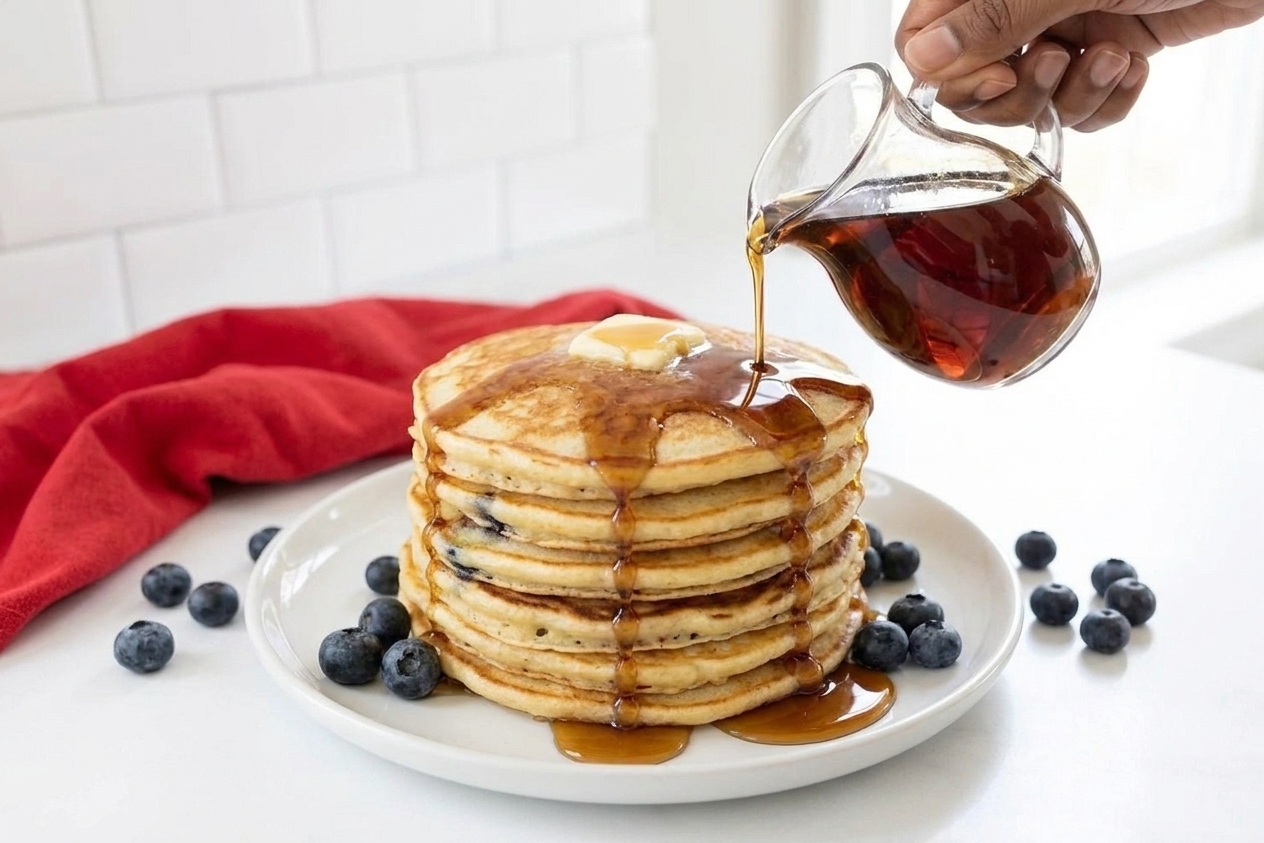
- Warm maple syrup + salted butter (classic for a reason)
- Greek yogurt + berries + a drizzle of honey
- Peanut butter + sliced bananas + a pinch of flaky salt
- Sautéed apples with cinnamon + chopped toasted pecans
FAQ
Can I make pancake mix without baking soda?
Yes. The mix will still work with baking powder alone. Baking soda is most helpful if you often use acidic liquids like buttermilk or yogurt, which create extra lift and tenderness.
Can I use this mix for crepes?
Not quite. Crepes need a thinner batter and usually less leavener for that delicate texture. You can thin this batter a lot, but it will still cook up more like a thin pancake.
How many pancakes does one batch make?
Using 1/4 cup batter per pancake, one batch (1 1/2 cups mix) typically makes 10 to 12 pancakes.
Why does the recipe say “do not overmix”?
When flour is mixed with liquid, gluten starts developing. A little is fine, but too much makes pancakes chewy. Stir just until the flour disappears and stop.
Can I double this mix recipe?
Absolutely, as long as you have a bowl big enough to whisk everything thoroughly and an airtight container to store it.
My best pancake-mix habit
Write two things on your container: the date you made the mix and the “one batch” instructions. That tiny step turns homemade mix into true grab-and-go convenience, which is exactly what we want when everyone is hungry and the coffee has not kicked in yet.