

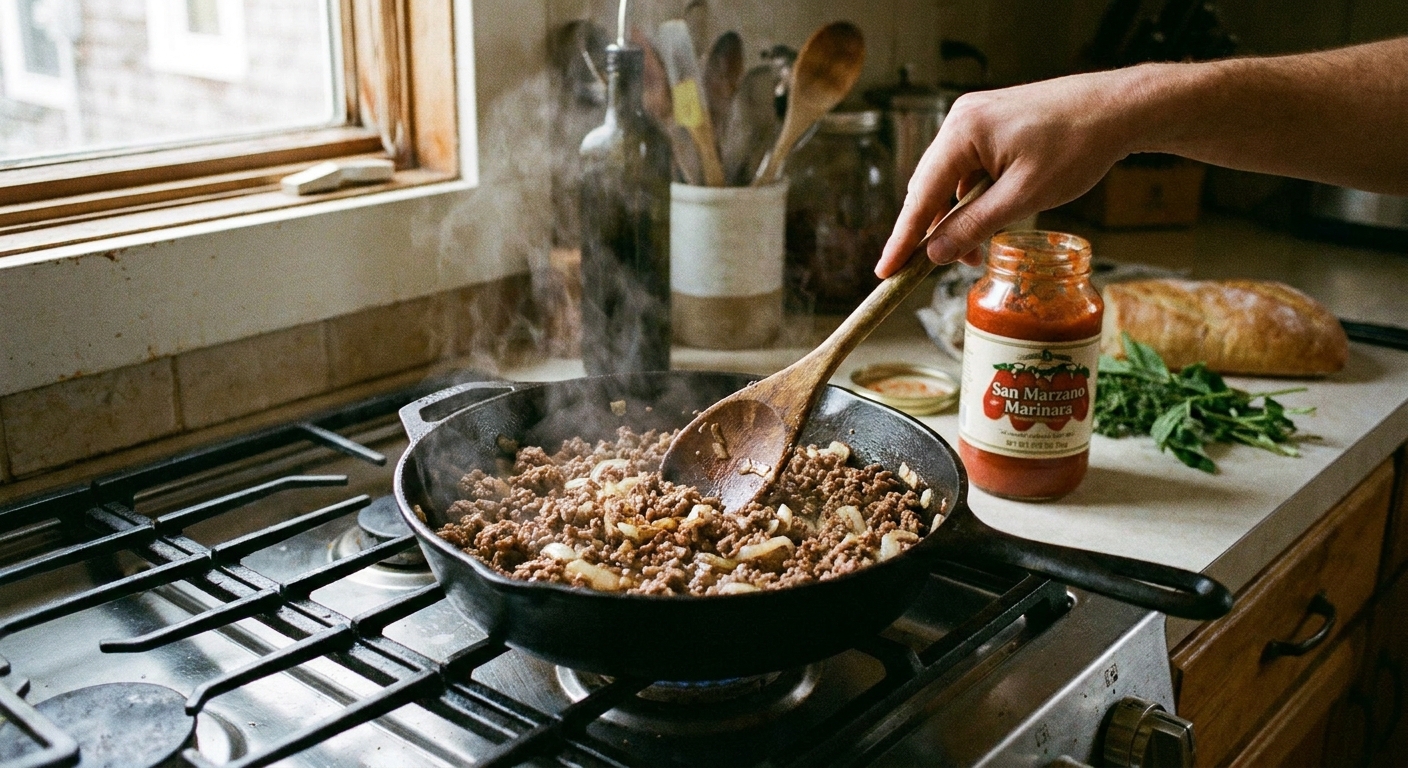

Whenever I am standing in front of the meat case planning baked ziti, I have the same tiny internal debate: ground beef or Italian sausage? Both are delicious, both are weeknight-friendly, and both end up tucked under a blanket of cheese like they belong there.
But they cook and taste differently in ways that really matter, especially if you are using jarred sauce. Here is exactly what changes with fat, seasoning, salt, and how “finished” your sauce tastes, plus my favorite half-and-half move when you cannot decide.
The quick verdict
Choose ground beef if you want a classic, family-friendly baked ziti with a cleaner tomato flavor and more control over salt and seasoning.
Choose Italian sausage if you want bigger, spicier flavor with almost zero extra effort and do not mind a richer pan and a potentially saltier sauce.
Choose half beef and half sausage if you want the best balance: sausage flavor without the whole dish turning heavy.
How they differ
Flavor and seasoning
Ground beef is mild. That is not a bad thing, it just means the sauce and cheese do most of the talking. If your jarred marinara is already tasty, beef lets it shine. If your marinara is a little flat, beef will not magically fix that.
Italian sausage brings built-in seasoning, usually fennel, black pepper, garlic, sometimes red pepper flakes, and sometimes paprika or other spices depending on the brand. That seasoning migrates into your sauce as it simmers, which makes jarred sauce taste more like you worked on it.
If you want sausage vibes without sausage: brown ground beef with a pinch of fennel seed (crush it between your fingers), a little extra garlic, black pepper, and red pepper flakes. It is not identical, but it gets you closer.
Fat and richness
Sausage often renders more fat than lean ground beef, especially if you are using pork sausage. That extra fat is flavor, but it also changes the texture of the sauce. It can feel silkier and richer, but if there is a lot of fat left in the pan, the final ziti can feel a little greasy around the edges.
Ground beef depends heavily on the lean percentage. A 90 or 93 percent lean beef will cook up relatively dry compared to most sausage, while an 80 or 85 percent beef can render plenty of fat.
Salt level
This is the one that surprises people. Italian sausage is pre-salted because it is a seasoned product, but the actual sodium level varies a lot by brand. (If you care, a quick label check for sodium mg per serving tells the story fast.) That means your sauce can go from perfectly seasoned to “why is this so salty?” if you salt aggressively on top of a salty sauce and salty cheeses.
With ground beef, you control the salt completely. That is helpful if you are feeding kids, using a salty brand of sauce, or going big on Parmesan.
Jarred sauce and seasoning
Meat choice does not change the total volume of sauce you need as much as it changes how robust the sauce tastes. In practice, sausage often lets you do less doctoring.
- With ground beef: plan to use your normal amount of jarred sauce, and consider adding extra flavor boosters like sautéed onion, extra garlic, Italian seasoning, or a spoonful of tomato paste if your sauce needs help.
- With Italian sausage: you can typically use the same amount of jarred sauce, but you may not need additional dried herbs. Taste before adding salt. If the sauce seems thick, loosen with a splash of pasta water instead of adding more sauce.
What to buy
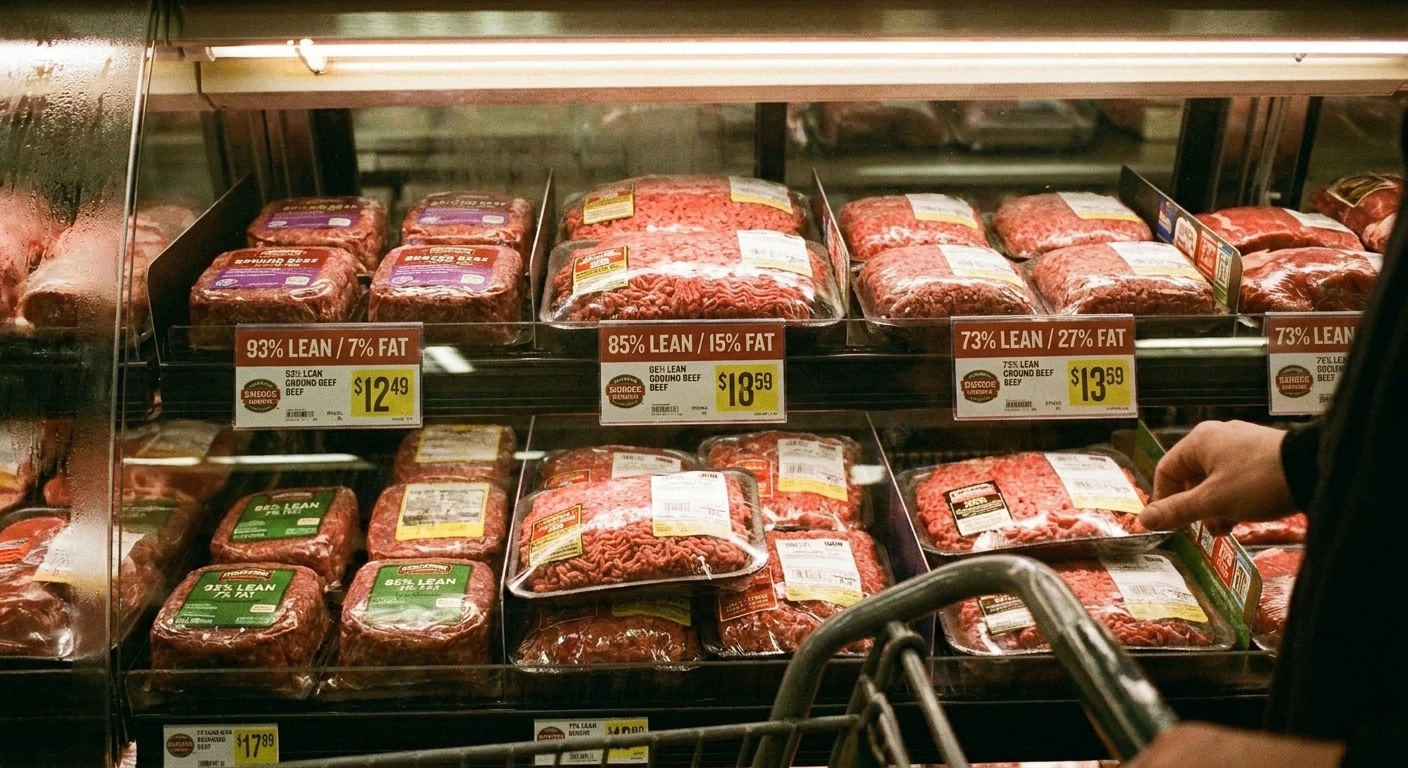
For ground beef
- Best all-around: 85 percent lean. Flavorful but not wildly greasy, especially if you drain a little.
- Leaner option: 90 or 93 percent lean if you prefer a lighter baked ziti. You may want a bit more olive oil when sautéing onion and garlic so the pan does not feel dry.
- Avoid if you hate greasy casseroles: 80 percent lean unless you are willing to drain thoroughly.
For Italian sausage
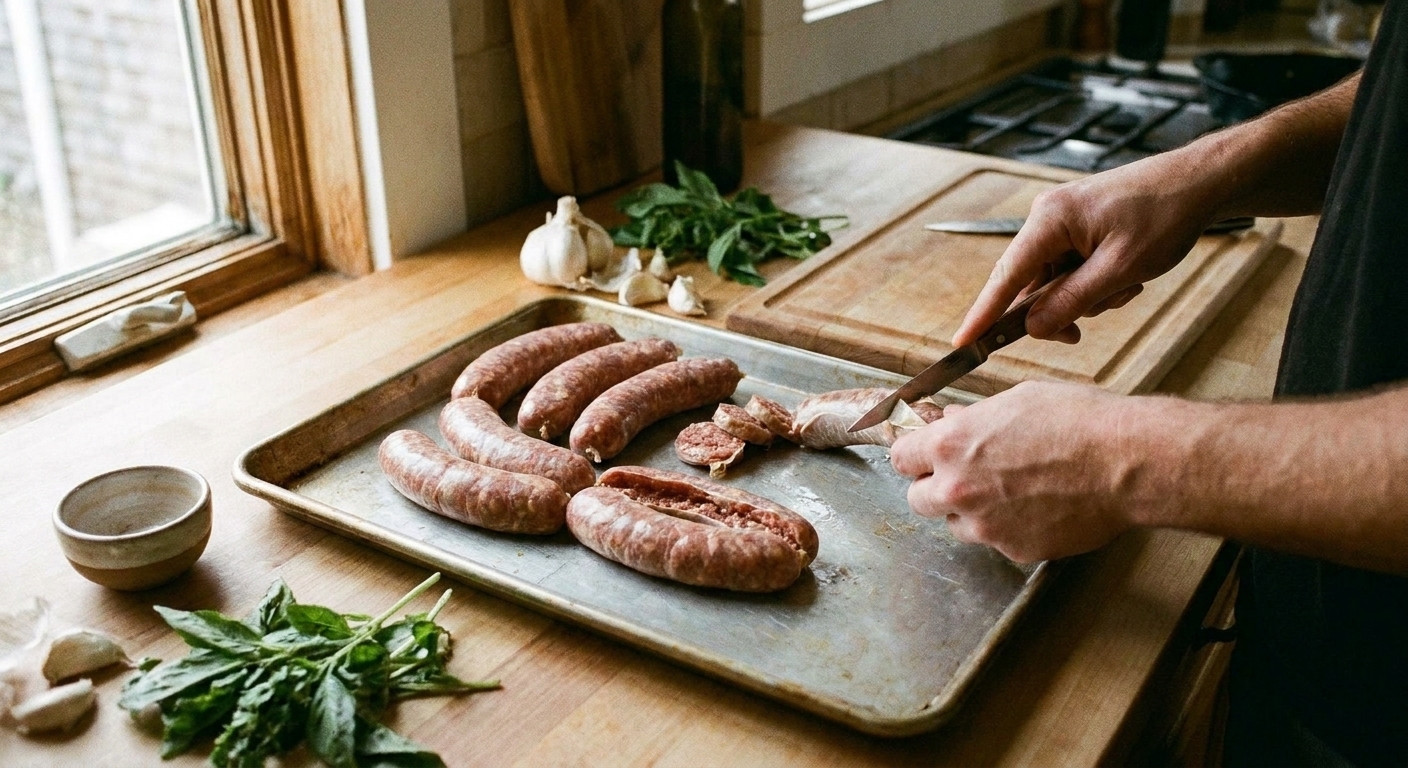
- Links vs. bulk: Either works. Links are easy to find, just slit the casing lengthwise and peel it off, then crumble the sausage into the pan. Bulk sausage is quicker because it is already loose.
- Sweet vs. hot: Sweet gives you that classic fennel and garlic flavor without heat. Hot adds chili flake heat that reads really well in a cheesy bake.
- Pork vs. chicken or turkey: Pork is the richest and most traditional. Chicken or turkey sausage is often leaner, but the seasoning and salt can vary a lot by brand, so taste the sauce before adjusting.
Label clues
- Sodium: Sausage varies by brand. If you are watching salt, compare sodium mg per serving and plan to use less added salt elsewhere.
- Seasoning profile: If you love fennel, choose a sausage that lists fennel seed. If you hate fennel, pick one that does not highlight it.
- Heat indicator: “Hot” is not standardized. If you are cooking for mixed spice preferences, buy sweet and add your own red pepper flakes to a portion of the sauce, or serve chili flakes at the table.
My favorite compromise
If you want sausage flavor but you do not want the whole dish to taste like sausage, go half-and-half. This is also my go-to when I am feeding a crowd because it hits the widest range of tastes.
How to do it: Use equal amounts (for example, 8 ounces ground beef and 8 ounces Italian sausage). Brown the sausage first, spoon off excess fat if needed, then add the beef and finish browning.
Why it works: You get the seasoning and richness from the sausage, but beef keeps the flavor grounded and familiar. The overall fat level is usually more manageable than all-sausage.
Cooking tips
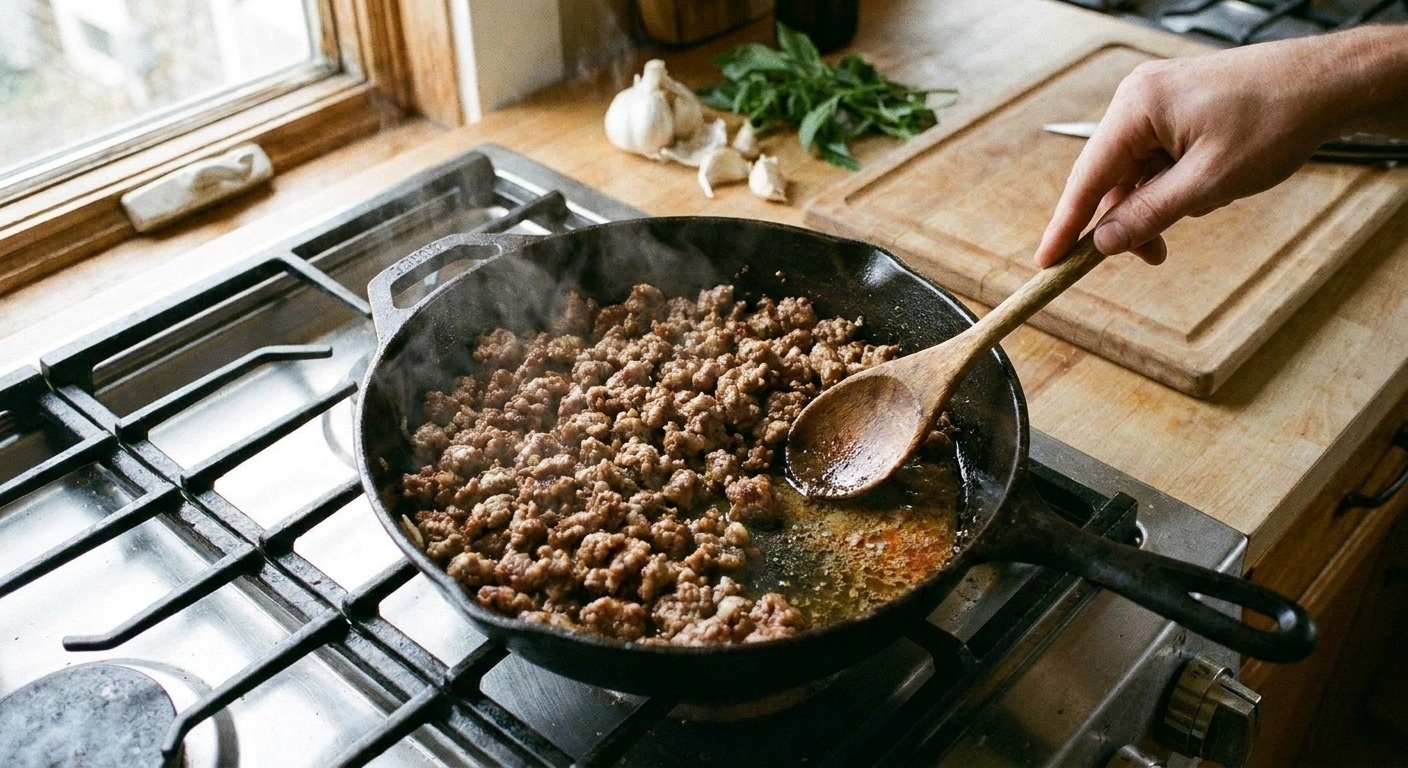
Brown well, then manage the fat
Baked ziti tastes best when your meat is actually browned, not just gray and steamed. A few things help:
- Do not overcrowd the pan: if you are cooking a full pound and your skillet is small, brown in two batches.
- Let it sit before stirring: give the meat a couple minutes to develop color, then break it up and keep going.
Then decide what to do with the fat:
- If there is more than about 1 to 2 tablespoons of rendered fat: spoon off most of it before adding sauce. Leave a little for flavor.
- If the pan is dry: add a drizzle of olive oil before sautéing onion or garlic so they do not scorch.
Salt strategically
With ground beef, I season the meat while browning. With sausage, I go light on salt until the sauce simmers for a few minutes and I can taste the whole situation. Remember: Parmesan, mozzarella, ricotta, and jarred sauce all bring salt too.
Use pasta water instead of extra sauce
If your meat makes the sauce feel thick or intense, a splash of starchy pasta water loosens it without diluting flavor the way extra sauce can. This is especially helpful with sausage because the rendered fat and spices can make the sauce feel heavy.
A quick quantity rule
For a typical 9 by 13-inch baked ziti made with 1 pound (16 ounces) ziti, 1 pound of meat total is the sweet spot for most families. If you like it extra meaty, you can bump it up, but you may want a little more sauce to keep everything saucy.
FAQs
Does Italian sausage replace Italian seasoning?
Often, yes. Sausage brings plenty of fennel, pepper, and garlic. I usually skip dried Italian seasoning at first, simmer the sauce with the sausage, then decide if it needs a pinch of oregano or basil at the end.
Will sausage make my baked ziti greasy?
It can, especially with pork sausage, if you do not spoon off some of the rendered fat. Brown the sausage, then remove most of the excess fat before adding marinara. You will still keep plenty of flavor, but the casserole will feel cleaner.
Which is better with jarred sauce?
If you want the easiest win for flavor, Italian sausage is the shortcut because it seasons the sauce as it simmers. If you already love your jarred sauce and want the tomato flavor front and center, ground beef is great.
Can I mix sweet and hot sausage?
Absolutely. Mixing them is a gentle way to add heat without going full spicy. Start with mostly sweet and add a smaller portion of hot, especially if kids are eating.
How much meat should I buy?
For most classic recipes using 1 pound of pasta in a 9 by 13-inch pan, plan on about 1 pound of meat total. If you are doing half-and-half, buy 1 pound total split between beef and sausage.