A practical, baker-friendly comparison of almond flour and coconut flour, including measuring tips, cautious conversion ranges, moisture guidance, and the be...
Recipeva
French Macarons at Home
Learn how to make French macarons at home with a clear step-by-step guide to meringue, macaronage, resting, baking, troubleshooting, and easy fillings.

Maya Reynolds
Maya Reynolds is a passionate home cook, recipe developer, and the creative voice behind Recipeva. With over a decade of experience translating complex culinary techniques into approachable weeknight meals, she focuses on creating dishes that bring joy to the dinner table without the stress.
Created September 21, 2026
Updated September 21, 2026
French macarons have a reputation for being fussy. And yes, they are a little particular. But they are also 100 percent learnable at home, especially when you know what to look for at each stage. My goal is to get you to a tray of smooth, shiny shells with tidy ruffled feet, then walk you straight into fillings that make them taste like a bakery dream.
Two quick promises before we start. First, you do not need fancy ingredients. Second, you do need a kitchen scale. Macarons are small, precise cookies. Measuring by weight takes the stress way down.
Yield: about 28 to 32 shells (14 to 16 sandwich cookies), depending on how large you pipe.
Timing: about 35 to 45 minutes active time, plus 20 to 60 minutes resting, plus baking and cooling.
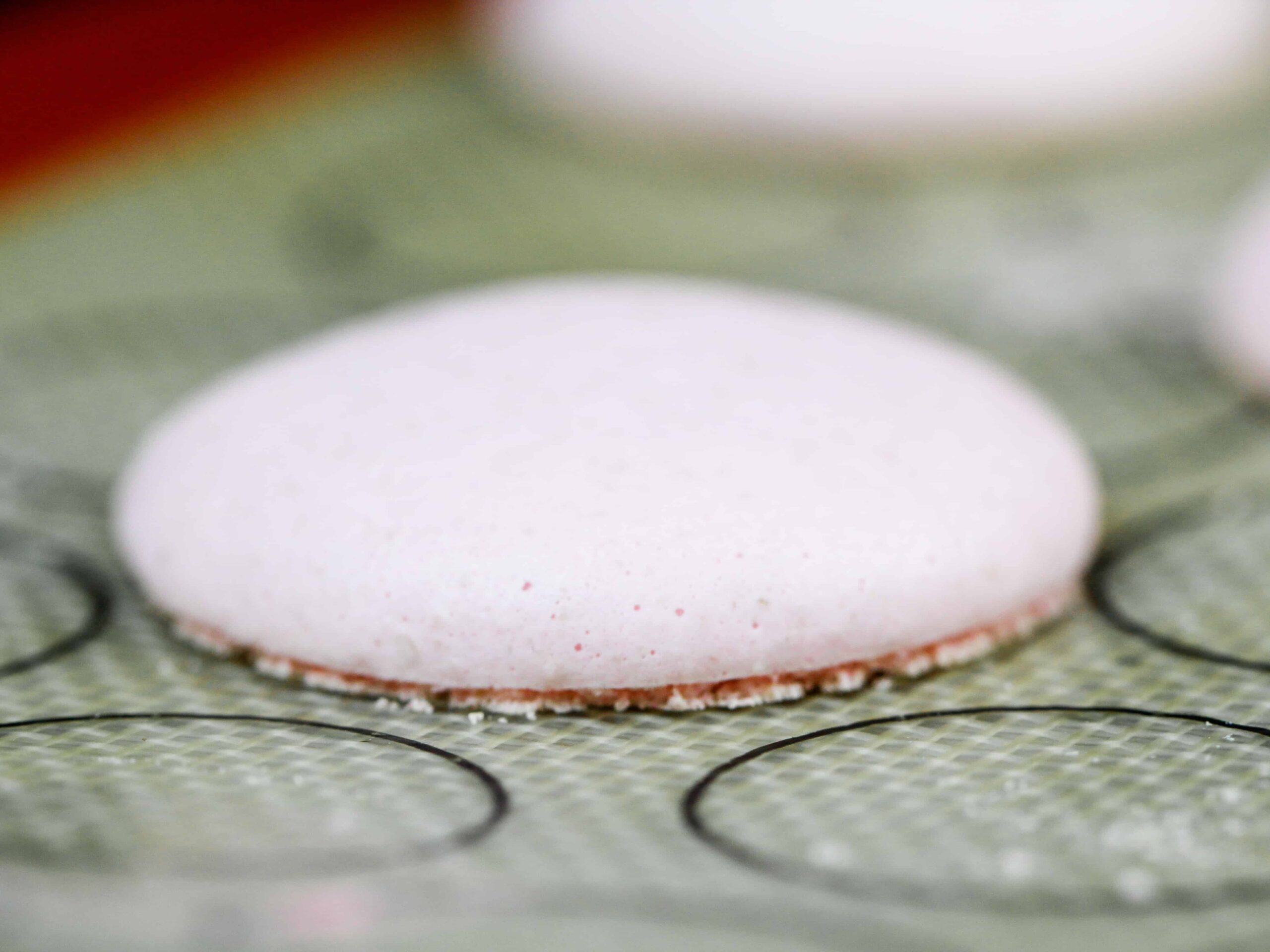
What a great macaron looks like
- Smooth tops: no craters, no bumps, no speckles of undissolved sugar.
- Feet: the lacy ruffle at the base that forms as the shell lifts, sets, and vents steam.
- Full shells: not hollow inside, or only a small pocket at most.
- Chewy center: after they mature with filling, they should be tender and slightly chewy, not crunchy all the way through.
Ingredients (French method)
This guide uses the French meringue method, which is the most common for home bakers and a great place to start. These ratios are reliable, but macarons are sensitive to humidity and brands, so treat the first batch as a baseline and adjust from there.
- 100 g almond flour (fine, blanched)
- 100 g powdered sugar
- 70 g egg whites, room temperature (from about 2 large eggs)
- 90 g granulated sugar
- 1/8 tsp cream of tartar (optional but helpful)
- 1/4 tsp fine salt (optional)
- Gel food coloring (optional, avoid liquid coloring)
Ingredient notes from my kitchen: If your almond flour feels a bit coarse, sift it well and discard the larger bits. Powdered sugar usually needs sifting too. Lumps are not invited to this party.
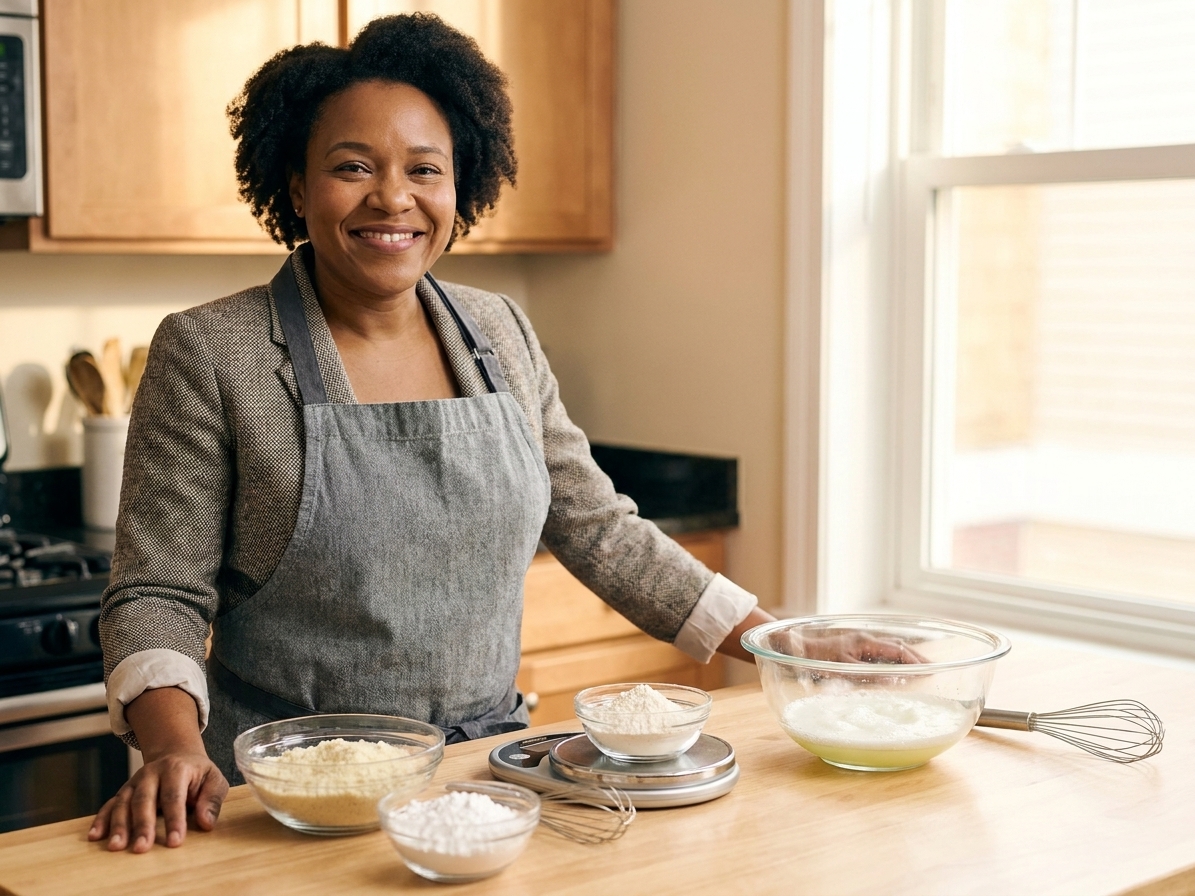
Tools you actually need
- Digital kitchen scale
- Stand mixer or hand mixer
- Fine mesh sieve
- Rubber spatula
- Piping bag with a round tip (Ateco 804 or similar) or a sturdy zip-top bag with the corner snipped
- 2 half sheet pans
- Parchment paper or a silicone macaron mat
Optional, but I love it: an oven thermometer. Macarons are sensitive to temperature, and home ovens can be sneaky.
Also helpful: a second sheet pan for double-panning if your bottoms brown too fast.
Step-by-step: French macarons
1) Prep the pans and dry mix
Line two baking sheets with parchment or a macaron mat. If you like guides, place a macaron template under your parchment (and remove it before baking).
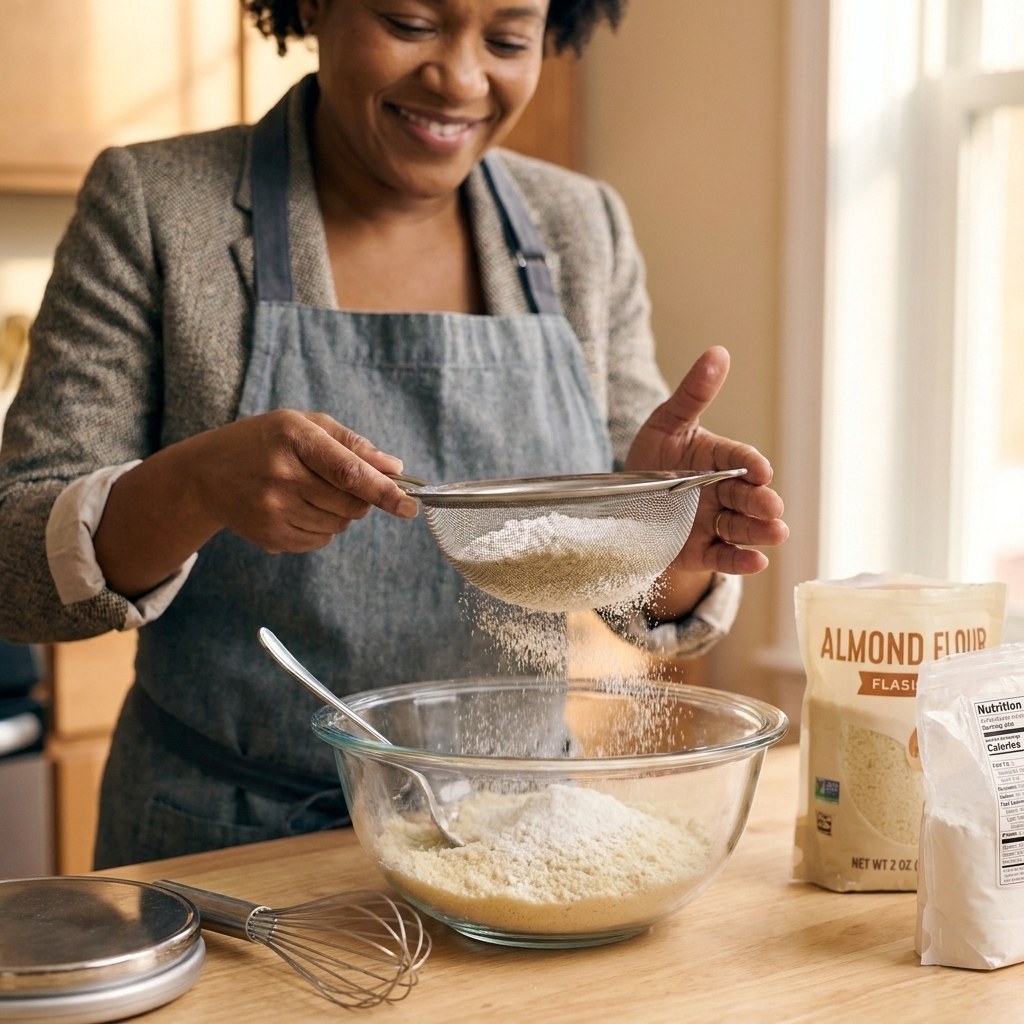
Sift together the almond flour and powdered sugar into a large bowl. If anything won’t pass through the sieve, discard it. This is how you get that signature smooth top.
2) Make the French meringue
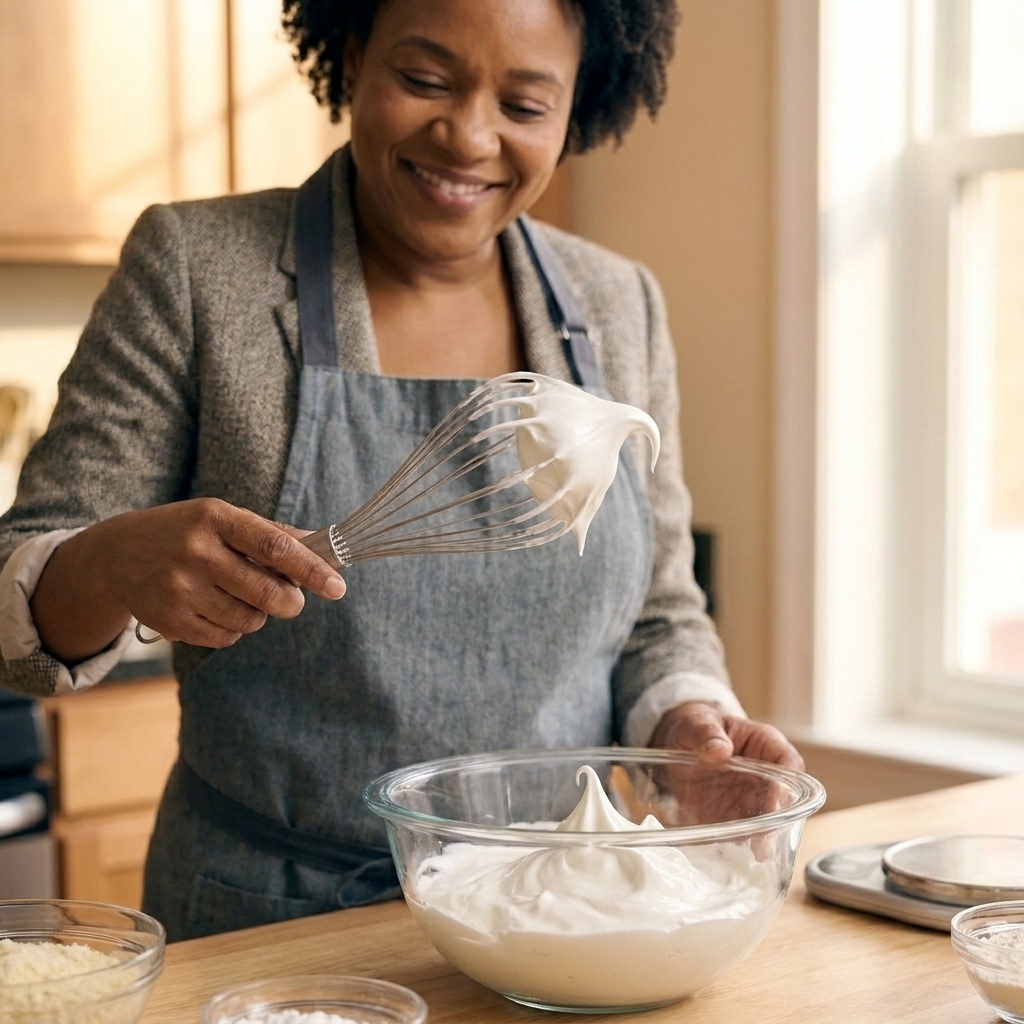
In a clean, dry mixing bowl, beat the egg whites on medium speed until foamy. Add cream of tartar and salt (if using). Slowly rain in the granulated sugar while mixing.
Increase speed to medium-high and beat to stiff, glossy peaks. When you lift the whisk, the peak should stand up with just a tiny hook at the tip. Add gel coloring in the last 30 seconds if you want.
Maya tip: Stop and check the meringue often near the end. Over-whipped meringue can look clumpy and dry, and it makes macaronage harder.
3) Macaronage (the make-or-break fold)
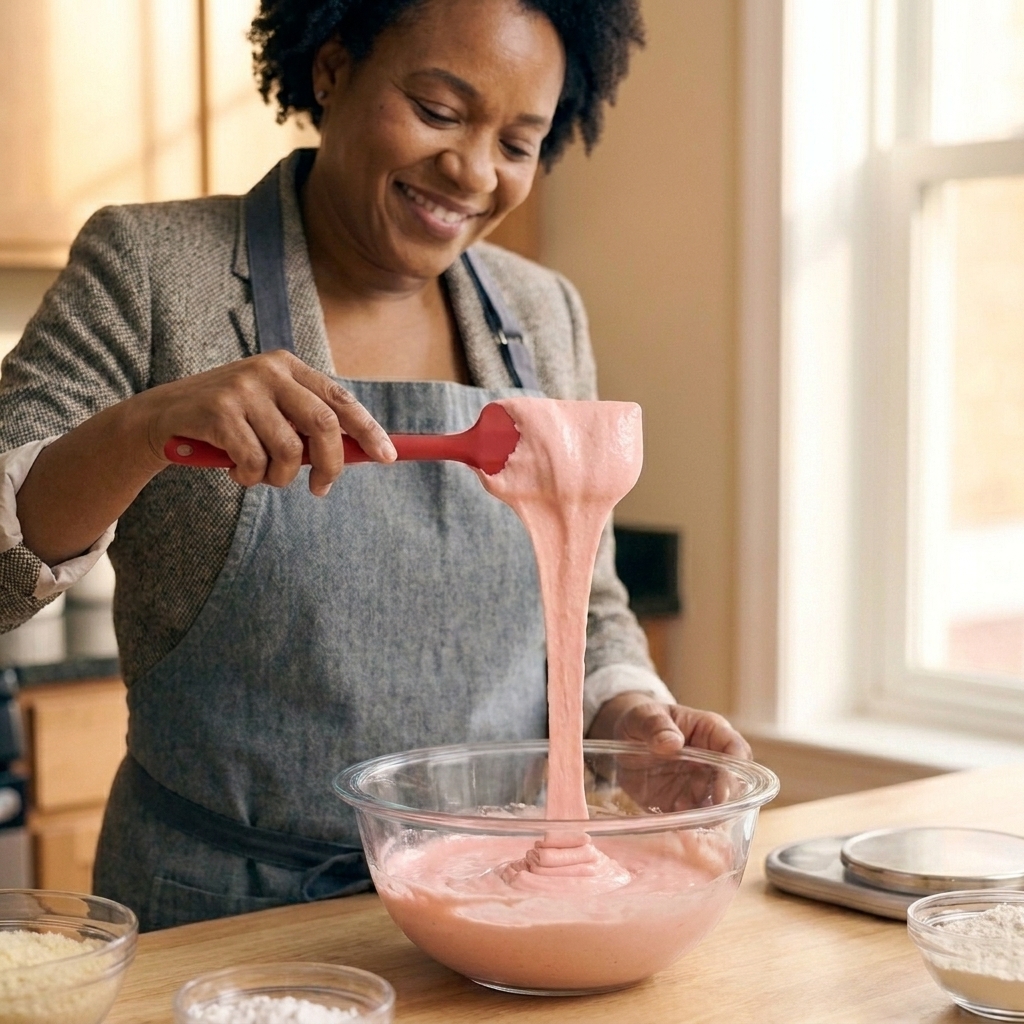
Add the sifted almond flour and powdered sugar to the meringue. Fold gently at first to combine, then continue folding with purpose. I like this rhythm: scrape down the side, cut through the center, then press the batter lightly against the bowl to deflate just a bit.
You’re aiming for batter that flows like lava and can form a ribbon that disappears back into itself in about 10 to 20 seconds.
- Under-mixed: batter is thick, breaks off in chunks, peaks stay pointy after piping.
- Over-mixed: batter is runny, spreads too much, shells bake thin or crack.
4) Pipe the shells
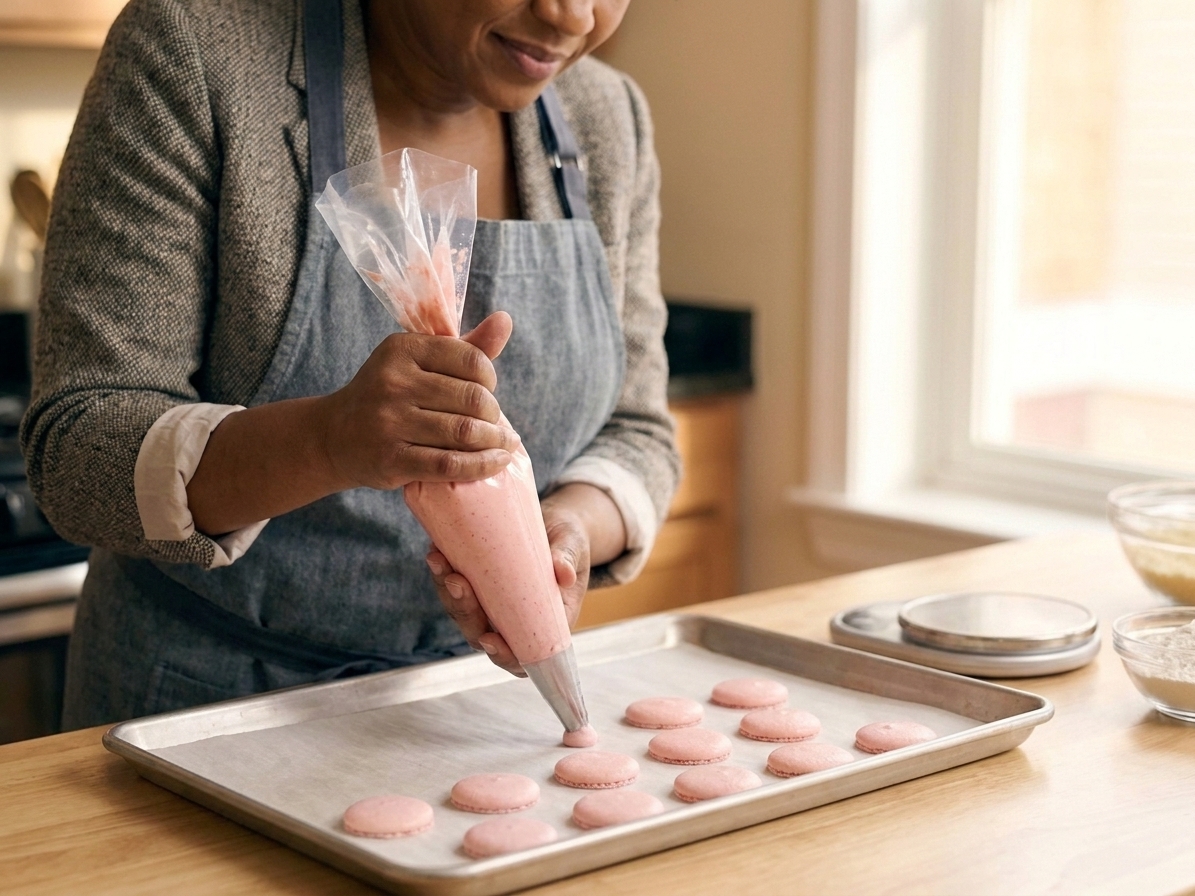
Transfer batter to a piping bag. Pipe straight down, holding the tip about 1/4 inch above the pan, making 1.25 to 1.5 inch rounds. Leave about 1 inch between shells so they do not merge.
Stop pressure before you lift to avoid tails. Tap the pan firmly on the counter 4 to 6 times to release air bubbles. Pop any visible bubbles with a toothpick.
5) Rest until a skin forms
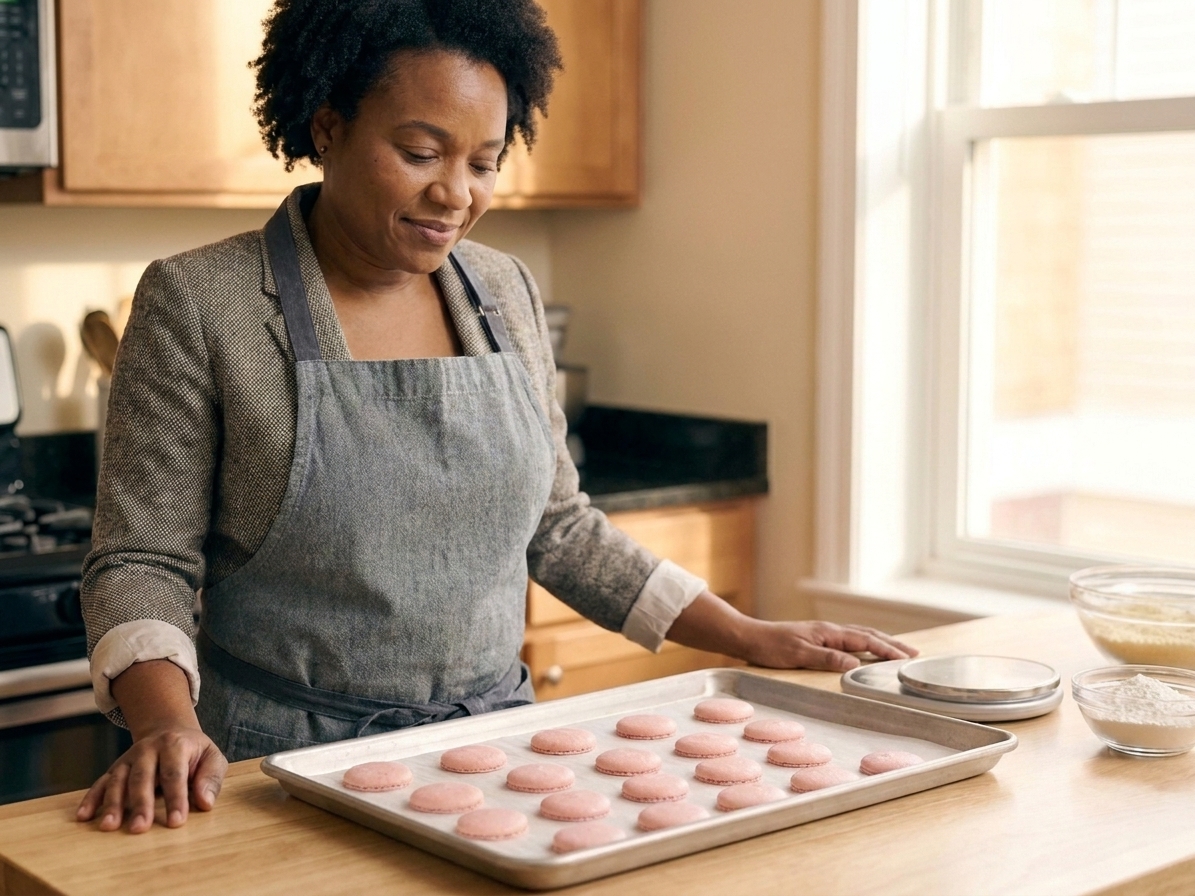
Let the piped shells rest at room temperature until the tops feel dry and you can gently touch one without batter sticking to your fingertip. This usually takes 20 to 45 minutes, depending on humidity.
Resting helps encourage feet and helps prevent cracking, but it is not the only factor. Strong meringue, proper macaronage, and a stable oven temperature matter too.
Maya tip: In a humid kitchen, aim for dry-to-the-touch, not a specific number on the clock. Some days you will need 60 minutes or more.
6) Bake
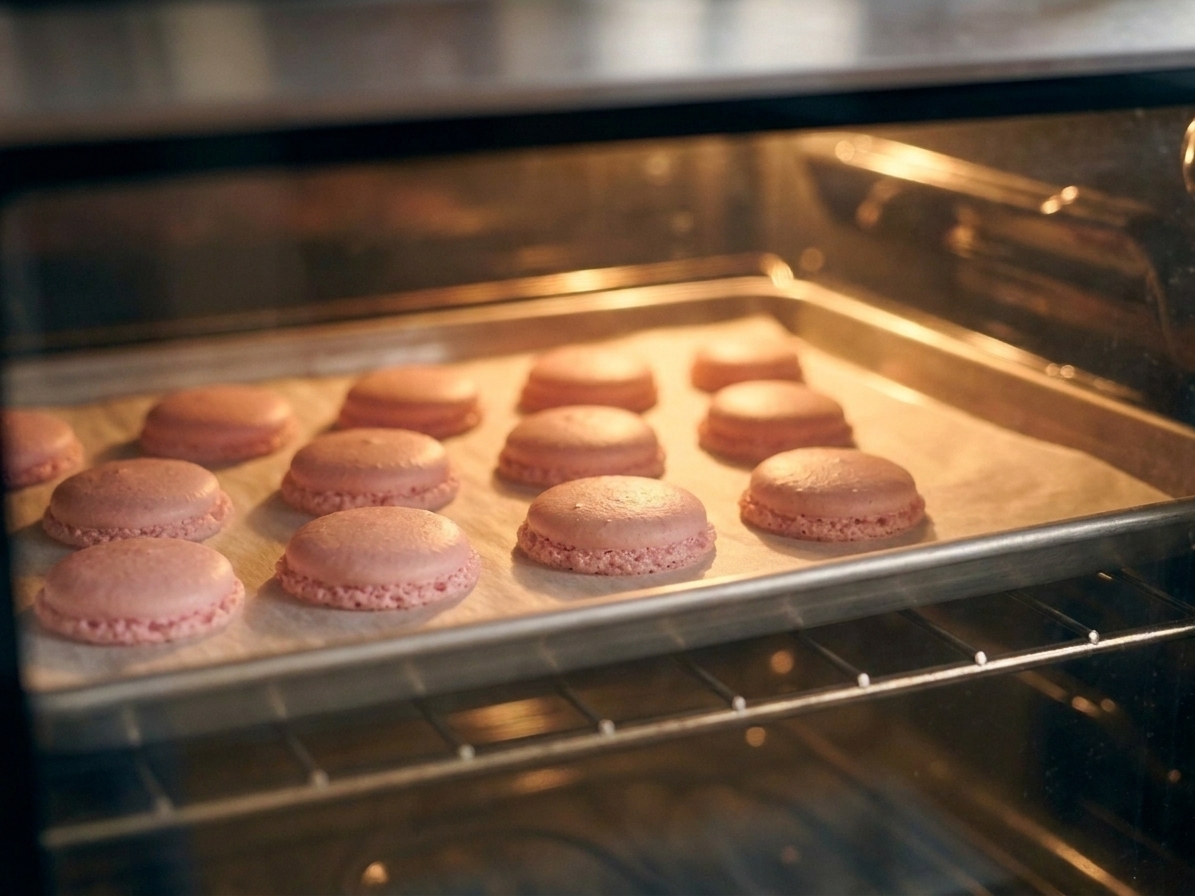
Preheat the oven to 300°F (150°C). Bake one tray at a time on the middle rack for 14 to 18 minutes, rotating halfway if your oven has hot spots.
If you bake with convection, start by lowering the temperature by about 15 to 25°F (8 to 14°C) and check early. Convection can set and brown shells faster.
They are done when the tops are set and the shells do not wiggle on their feet when you gently nudge one. Another good cue is a gentle twist: the top should not slide. If you lift one after cooling, the bottom should release cleanly from parchment.
Cool completely on the pan before peeling off parchment. Warm shells love to stick.
7) Pair, fill, and mature
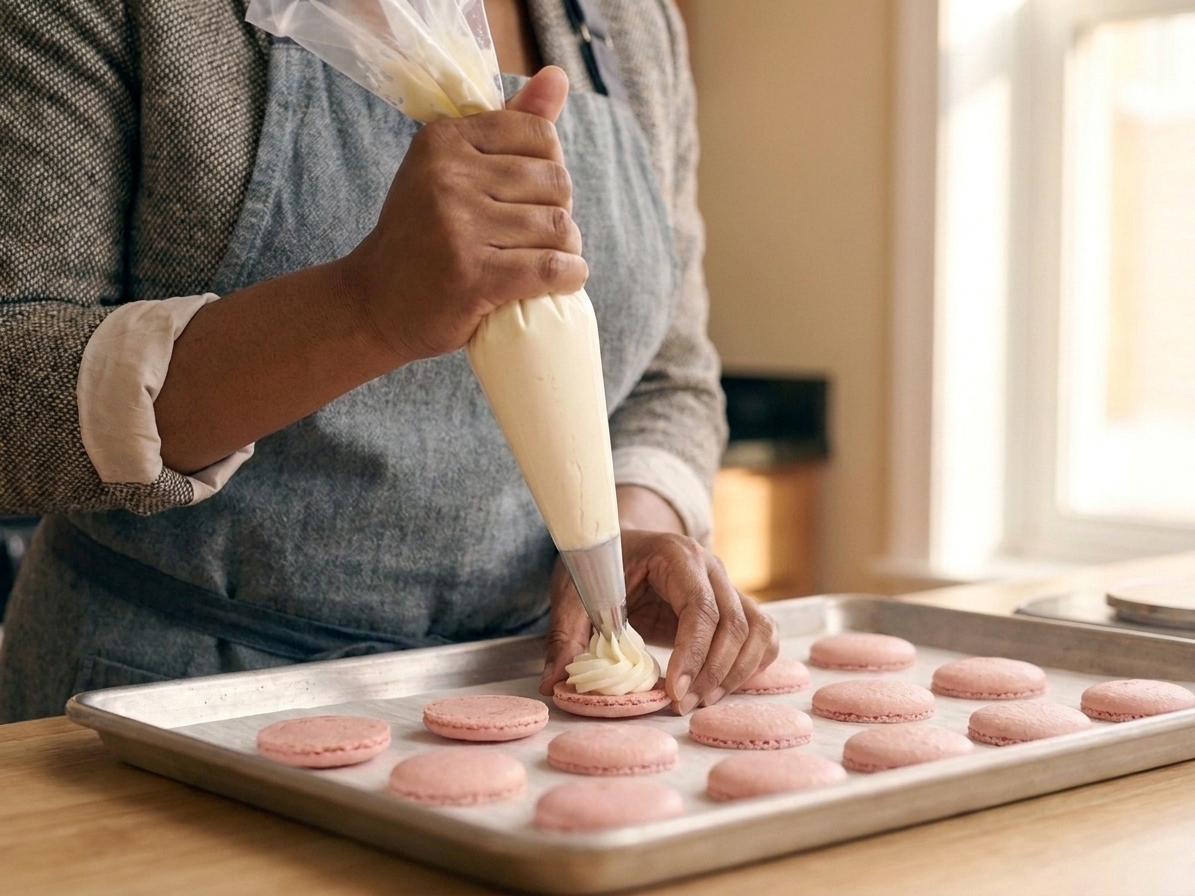
Match shells by size. Pipe filling on one shell, then gently twist the top shell on to spread the filling to the edges.
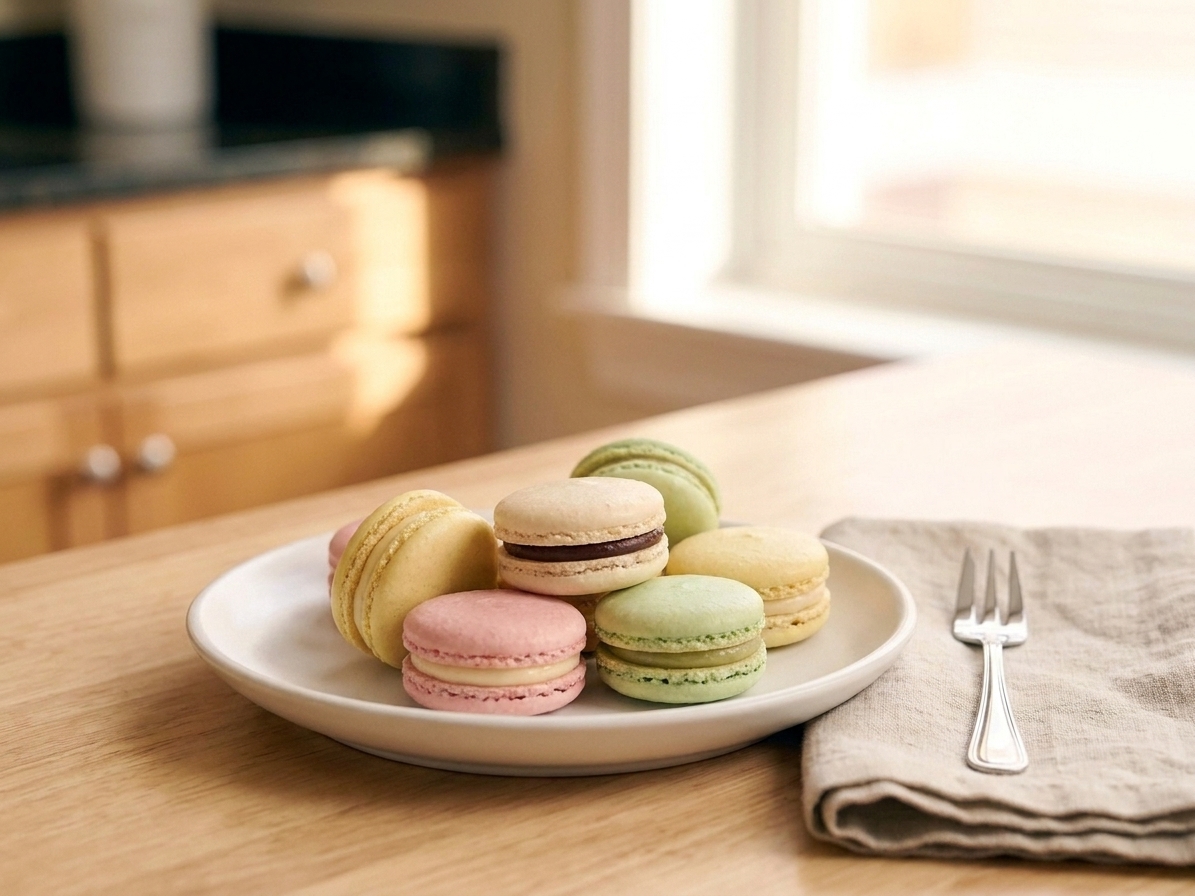
Macarons are best after they “mature” in the fridge for 24 hours. This softens the interior into that classic chewy texture. Bring to room temperature for 20 to 30 minutes before serving.
Note on fillings: higher-moisture fillings (curd, jam) soften shells faster. Buttercream and ganache usually take a little longer to fully settle in.
Humidity and resting
If you live somewhere damp (hello, fellow Pacific Northwest friends), resting can be the trickiest part. A few gentle fixes:
- Give it time: some days you’ll need 60 minutes or more.
- Use a fan: set a small fan across the room to circulate air, not blasting directly at the shells.
- Avoid steaming the kitchen: no boiling pots, no dishwasher running, no kettle whistling.
If your shells never develop a skin, they are more likely to crack or spread. Patience pays here.
Foolproof filling ideas
You can fill macarons with almost anything that is thick and stable. If it squishes out easily, it will make your shells slide around.
1) Vanilla Swiss meringue buttercream
- 3 egg whites
- 150 g granulated sugar
- 226 g unsalted butter, softened
- 1 to 2 tsp vanilla
- Pinch of salt
Warm whites and sugar over a double boiler until the sugar dissolves. For extra peace of mind, you can heat it to 160°F (71°C). Whip to stiff peaks, then beat in butter gradually. Flavor to taste.
2) Chocolate ganache
- 120 g dark chocolate, chopped
- 120 g heavy cream
- Pinch of salt
Pour hot cream over chocolate, rest 2 minutes, stir smooth. Cool until pipeable.
3) Lemon curd and buttercream combo
For bright, bakery-style lemon macarons, pipe a ring of buttercream and spoon lemon curd in the center. The buttercream dam keeps it neat.
Troubleshooting
- Cracked tops: shells likely did not rest long enough, oven temp too hot, or trapped air bubbles. Rest to a dry skin, tap the tray well, and confirm oven temp with a thermometer.
- No feet: under-rested shells, weak meringue, over-mixed batter, or an oven that is too cool to set the structure quickly. Whip to stiff glossy peaks, stop macaronage at the lava stage, and make sure your oven is fully preheated.
- Hollow shells: often linked to meringue issues, underbaking, or the shells rising too fast before the interior sets. Try a slightly longer bake, or lower the temperature by 10°F and bake a bit longer. If hollows persist, check that your meringue is glossy (not dry) and your batter is not over-mixed.
- Speckled or bumpy tops: dry ingredients not sifted finely enough. Sift more thoroughly and use fine almond flour.
- Spread too much: over-mixed batter or warm, greasy pans. Clean your bowls, use room temp egg whites, and stop folding earlier.
- Sticking to parchment: underbaked or not cooled. Bake 1 to 2 minutes longer and cool completely.
My teacher-brain note: Change one variable at a time. If you adjust oven temp, keep everything else the same on the next batch. That is how you learn fast without feeling like you are guessing.
Storage and make-ahead
- Unfilled shells: store airtight at room temp for 1 to 3 days (best texture in the first 1 to 2), or freeze up to 2 months.
- Filled macarons: refrigerate airtight for up to 5 days. Best texture after 24 to 48 hours.
- To freeze filled macarons: freeze in a single layer until firm, then transfer to an airtight container. Thaw overnight in the fridge.
Macaron timeline
- Day 1: bake shells, make filling, assemble, refrigerate.
- Day 2: bring to room temp and serve. Accept compliments like it’s your job.
FAQ
Do I need to age egg whites?
No. Room temperature egg whites whip up beautifully. If you want to age them, you can refrigerate whites in a covered container for 24 hours, then bring to room temperature. It is optional, not required.
Can I use liquid egg whites from a carton?
Sometimes they work, sometimes they do not whip as reliably. For your first few batches, I strongly recommend fresh egg whites.
Can I make macarons without almond flour?
Classic French macarons are almond-based. There are nut-free versions using sunflower seed flour or pumpkin seed flour, but they behave differently and deserve their own dedicated recipe.
Why are my macarons lopsided?
Usually uneven oven heat or an unlevel baking surface. Rotate the tray halfway through and double-check your oven rack placement.