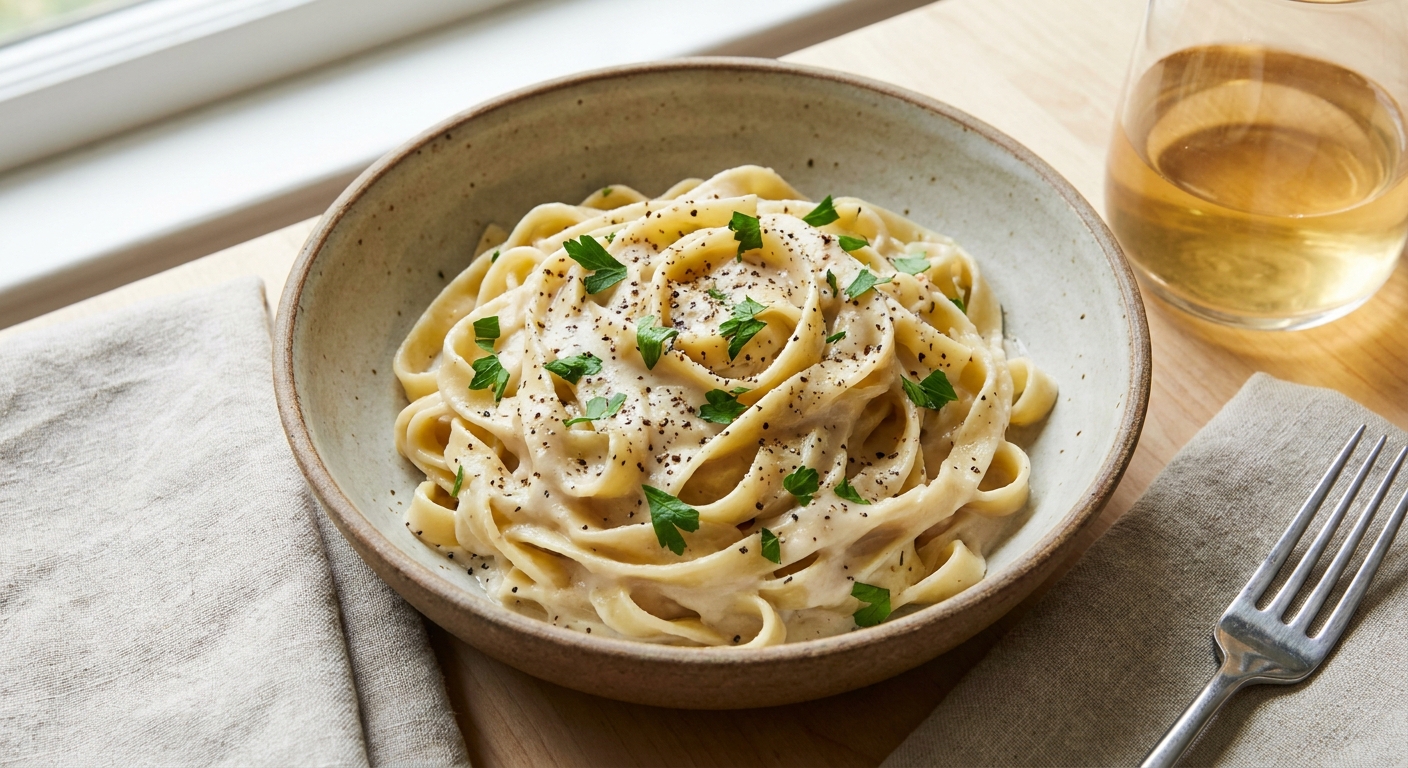
Three reliable methods for silky plant-based cream sauces using supermarket staples. Includes step-by-step instructions, flavor variations, and storage tips ...
Recipeva
Classic Pasta Primavera (Tangy and Sweet)
A bright, classic Pasta Primavera with crisp-tender vegetables, a tangy lemony sauce, and a sweet pop of tomatoes. Simple supermarket ingredients, weeknight-friendly steps, and plenty of garlic.

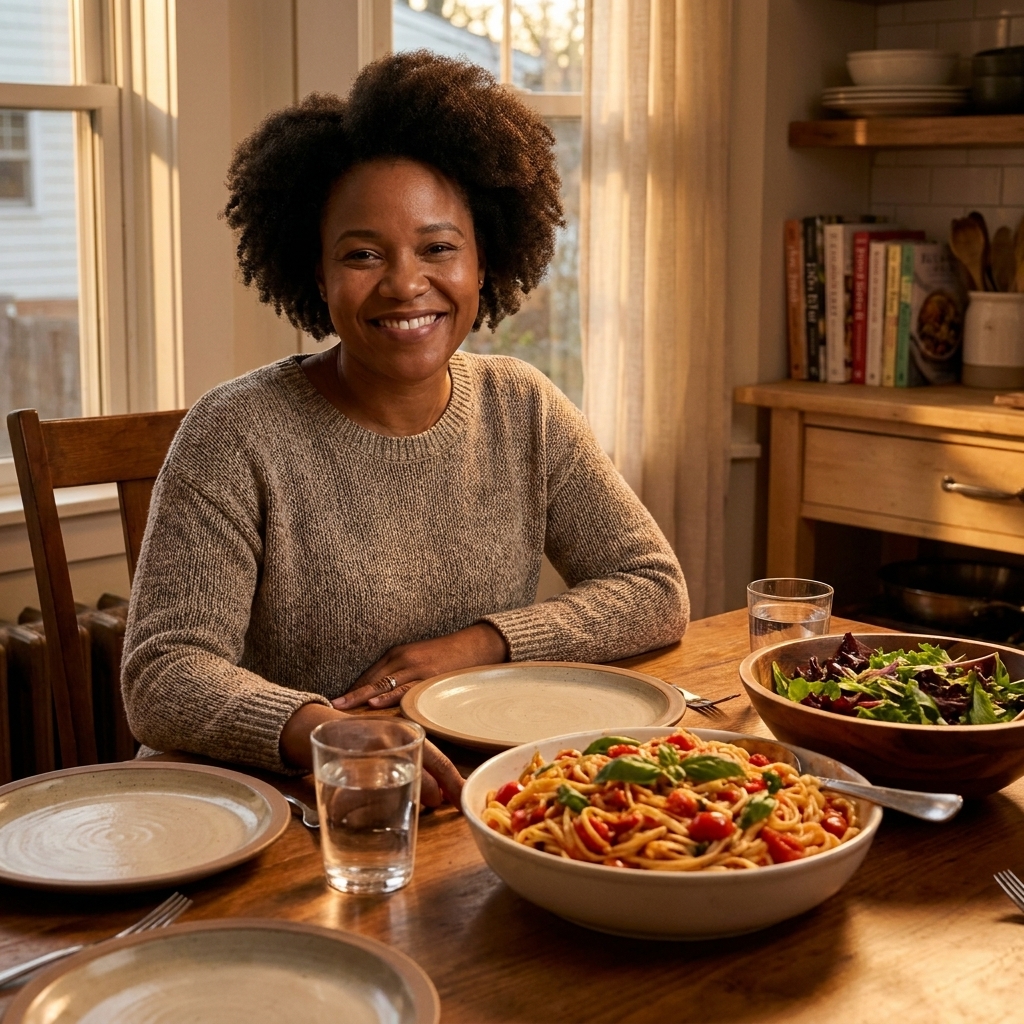
Maya Reynolds
Maya Reynolds is a passionate home cook, recipe developer, and the creative voice behind Recipeva. With over a decade of experience translating complex culinary techniques into approachable weeknight meals, she focuses on creating dishes that bring joy to the dinner table without the stress.
Created September 22, 2026
Updated September 22, 2026
Pasta Primavera is one of those dishes that feels like a little celebration, even if it is a Tuesday. You get a rainbow of crisp-tender vegetables, pasta that's properly seasoned, and a sauce that hits that perfect balance of tangy (hello, lemon) and sweet (ripe tomatoes and a tiny pinch of sugar if you need it). It's cozy, bright, and completely doable.
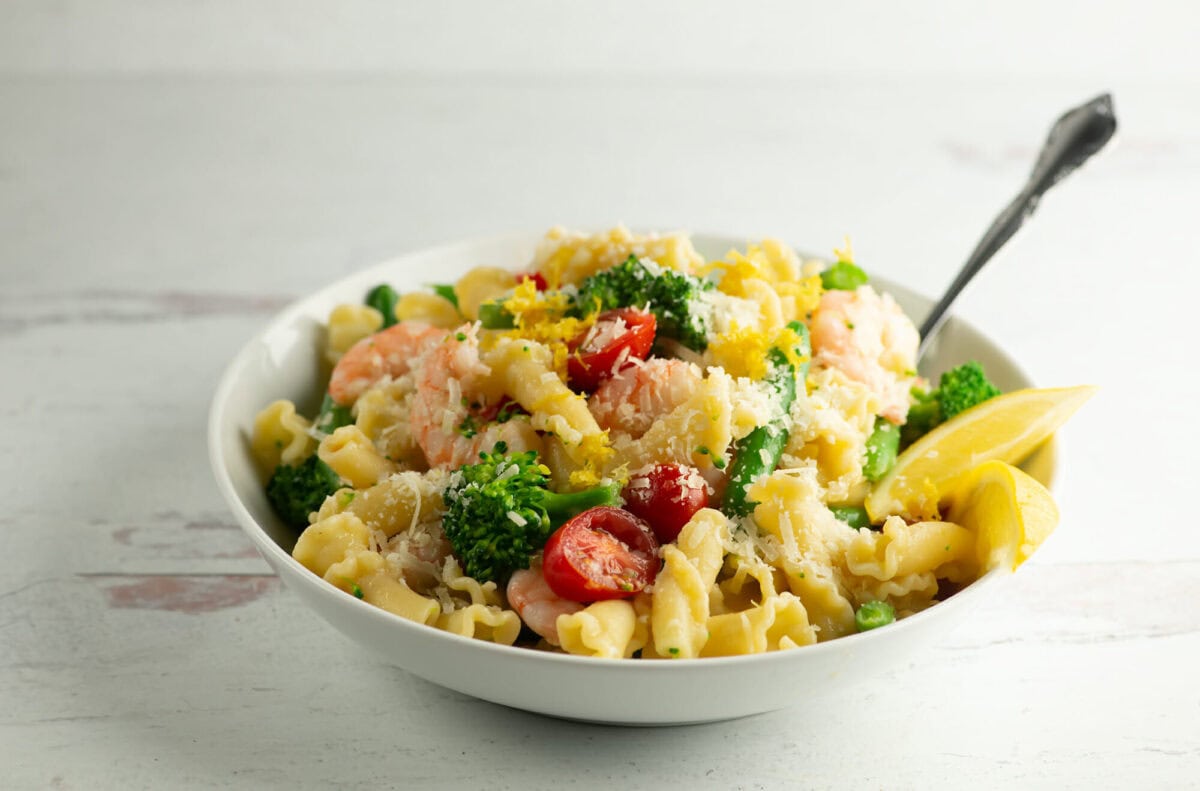
Serves: 4 (generous) | Total time: about 30 minutes
My Pacific Northwest upbringing taught me that the best weeknight meals are the ones that look impressive but cook like a dream. This Primavera is exactly that. And yes, we're using plenty of garlic, because that's simply the right thing to do.
What makes it tangy and sweet
- Lemon zest and juice give that bright, lively tang without necessarily tasting sour, as long as you keep it balanced.
- Cherry tomatoes soften in the pan and bring natural sweetness.
- A splash of pasta water turns everything silky and helps the lemon and Parmesan cling to every noodle.
- Optional pinch of sugar is not “cheating.” It's seasoning, especially if tomatoes are a bit pale.
Think of it like a quick pan sauce that's half veggie-gloss, half lemony Parmesan hug.
Ingredients
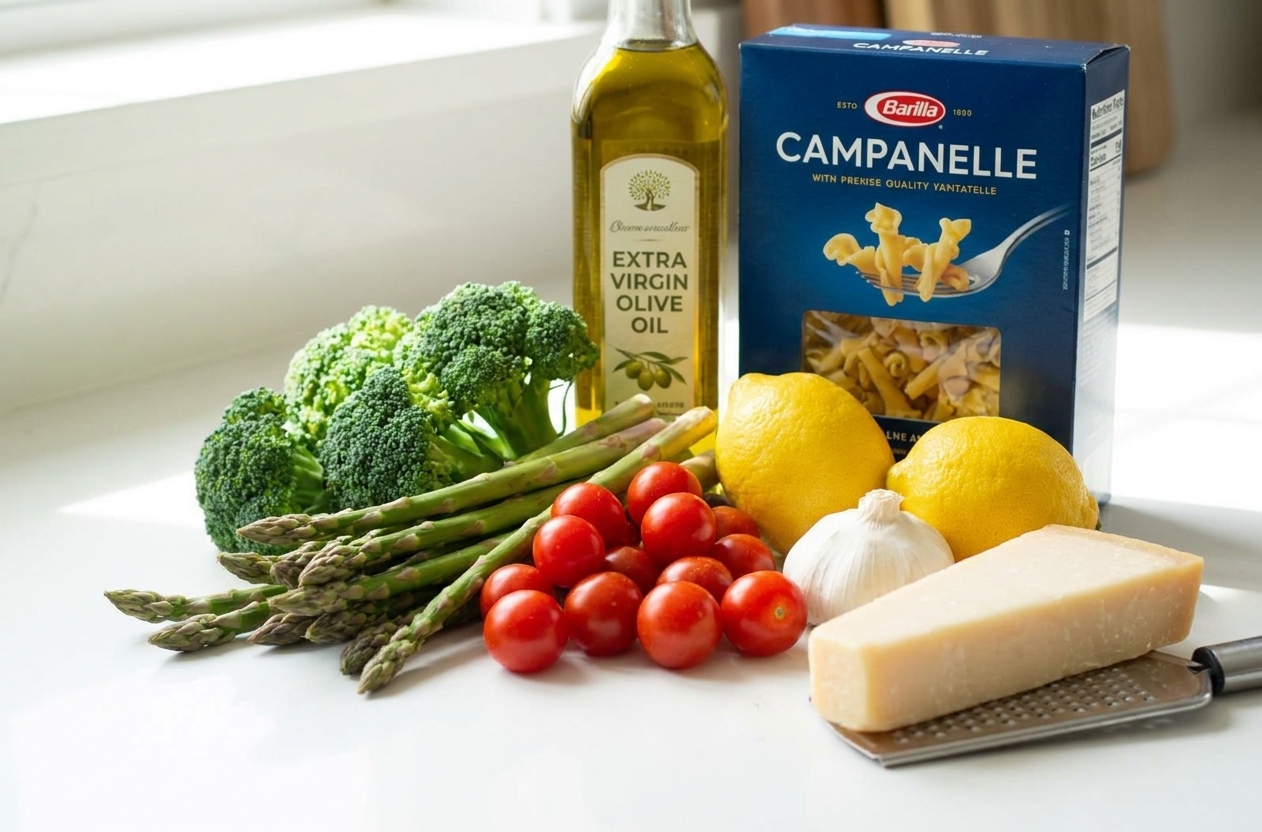
For the pasta
- 12 ounces pasta (penne, farfalle, fusilli, or spaghetti all work)
- Salt (for the pasta water, and yes, be generous, salty like the sea)
For the vegetables and sauce
- 3 tablespoons olive oil, plus more as needed
- 4 to 6 cloves garlic, minced (measure with your heart, but this is my happy place)
- 1 small yellow onion or 2 shallots, thinly sliced
- 1 small zucchini, sliced into half-moons
- 1 bell pepper, thinly sliced
- 1 cup asparagus pieces (or green beans), cut into 1 to 2 inch lengths
- 1 cup broccoli florets (small ones cook fastest)
- 1 to 1 1/2 cups cherry tomatoes, halved
- Zest of 1 lemon, plus 2 to 3 tablespoons lemon juice (to taste)
- 1/2 teaspoon kosher salt, plus more to taste
- 1/4 teaspoon black pepper
- 1/4 teaspoon red pepper flakes (optional)
- 1/2 cup grated Parmesan, plus more for serving
- 2 tablespoons butter (optional, but highly recommended for gloss and comfort)
- 1 to 2 teaspoons sugar (optional, only if needed)
- 1/2 cup basil or parsley, torn or chopped
Easy swaps: Use whatever is in your crisper drawer: snap peas, carrots (thin slices), mushrooms, or spinach (stir in at the end). The method stays the same.
Dairy-free note: Skip the butter and Parmesan, then finish with extra olive oil plus a spoonful of nutritional yeast or your favorite vegan Parmesan. Still bright, still satisfying.
Step-by-step
- Boil the pasta. Bring a large pot of water to a rolling boil. Salt it well (salty like the sea). Cook pasta until just al dente. Before draining, scoop out 1 1/2 cups pasta water.
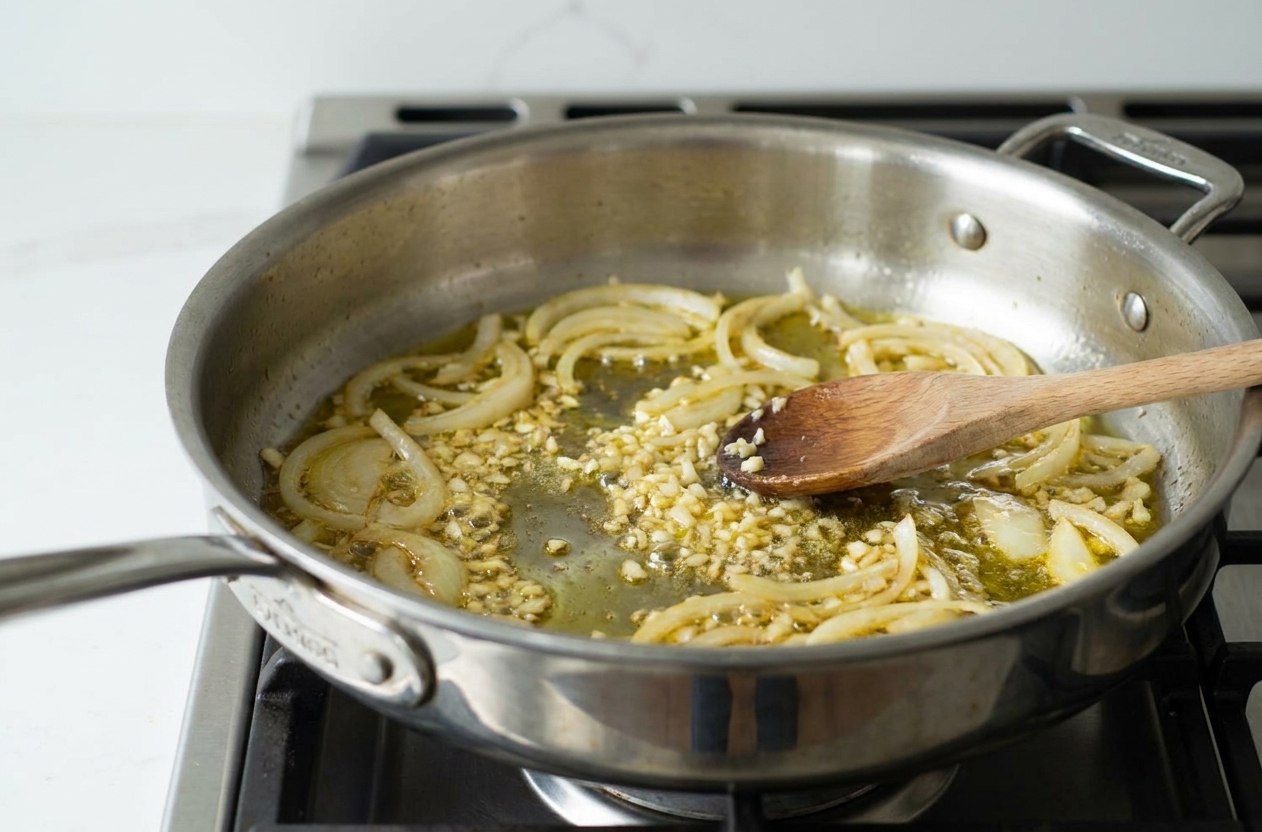
- Start the flavor base. While the pasta cooks, heat olive oil in a large skillet over medium heat. Add onion and cook 2 to 3 minutes until softened. Add garlic (and red pepper flakes if using) and cook 30 seconds, just until fragrant.
- Cook the vegetables in stages. Add broccoli and asparagus first with 2 to 3 tablespoons pasta water. Cover 2 minutes. Add bell pepper and zucchini and cook 3 to 4 minutes, stirring, until crisp-tender.
- Add tomatoes for sweetness. Stir in cherry tomatoes and cook 2 to 4 minutes until they soften and start to get a little jammy around the edges (timing depends on your pan and heat).
- Make it tangy and silky. Add lemon zest, 2 tablespoons lemon juice, salt, and pepper. Add the drained pasta and toss. Sprinkle in Parmesan and add 1/4 cup pasta water, tossing until glossy. Add butter if using. Keep adding pasta water a splash at a time until everything looks saucy, not dry.
- Taste and balance. This is where the magic happens. Want more tang? Add another tablespoon lemon juice. If it's tasting sharp or sour, add more Parmesan and a splash more pasta water first. Need a touch more sweetness? Add 1 teaspoon sugar and toss. Need more depth? Another pinch of salt.
- Finish with herbs. Fold in basil or parsley, then serve immediately with extra Parmesan.
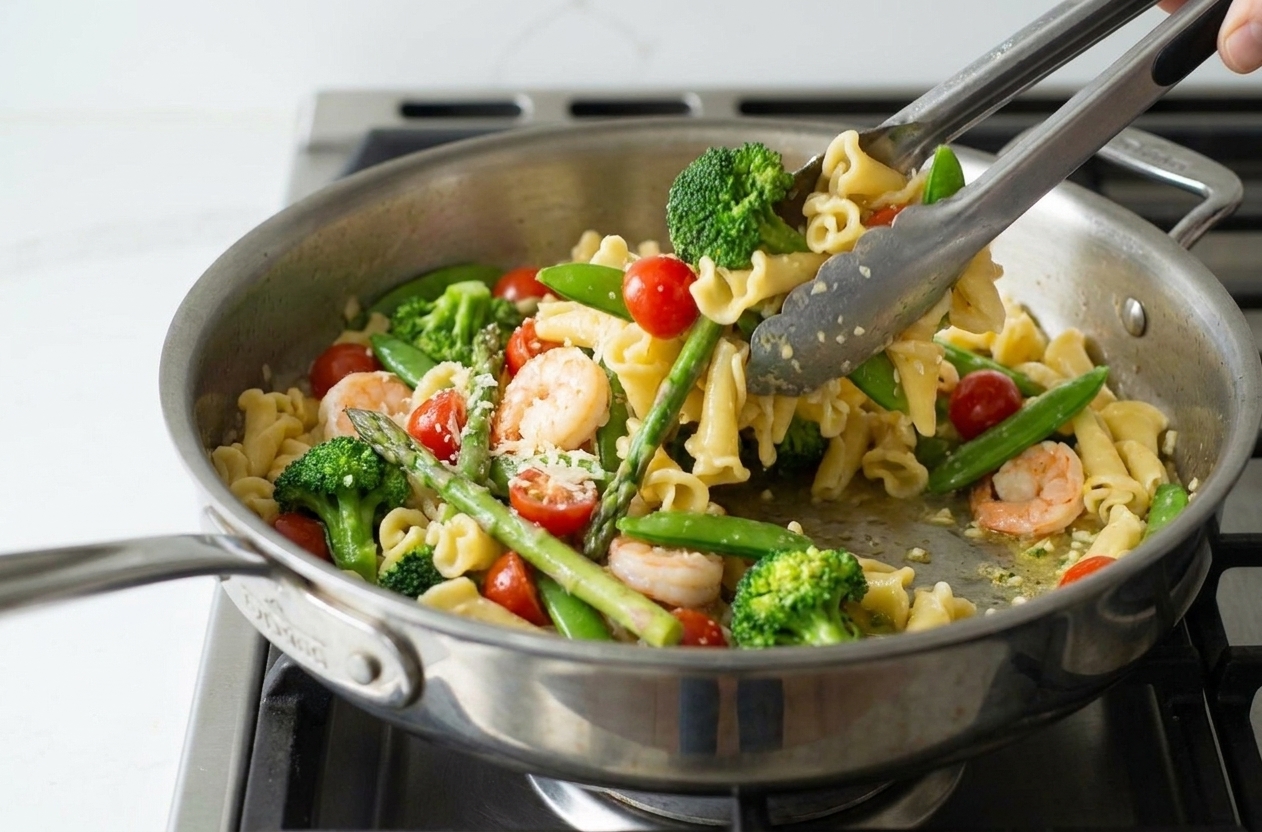
Maya tip: If your skillet looks a little dry, don't add more oil first. Add pasta water first. It's the secret to that restaurant-style, clingy sauce.
Timing and doneness
Primavera should taste fresh. The vegetables aren't meant to be fully soft. Here's a simple doneness check I use:
- Broccoli and asparagus: bright green, fork-tender, still springy
- Zucchini and peppers: softened edges, still holding shape
- Tomatoes: softened and glossy, a few starting to slump
If anything is browning too quickly, turn the heat down and add a splash of pasta water. Steam is your friend here.
Getting the balance right
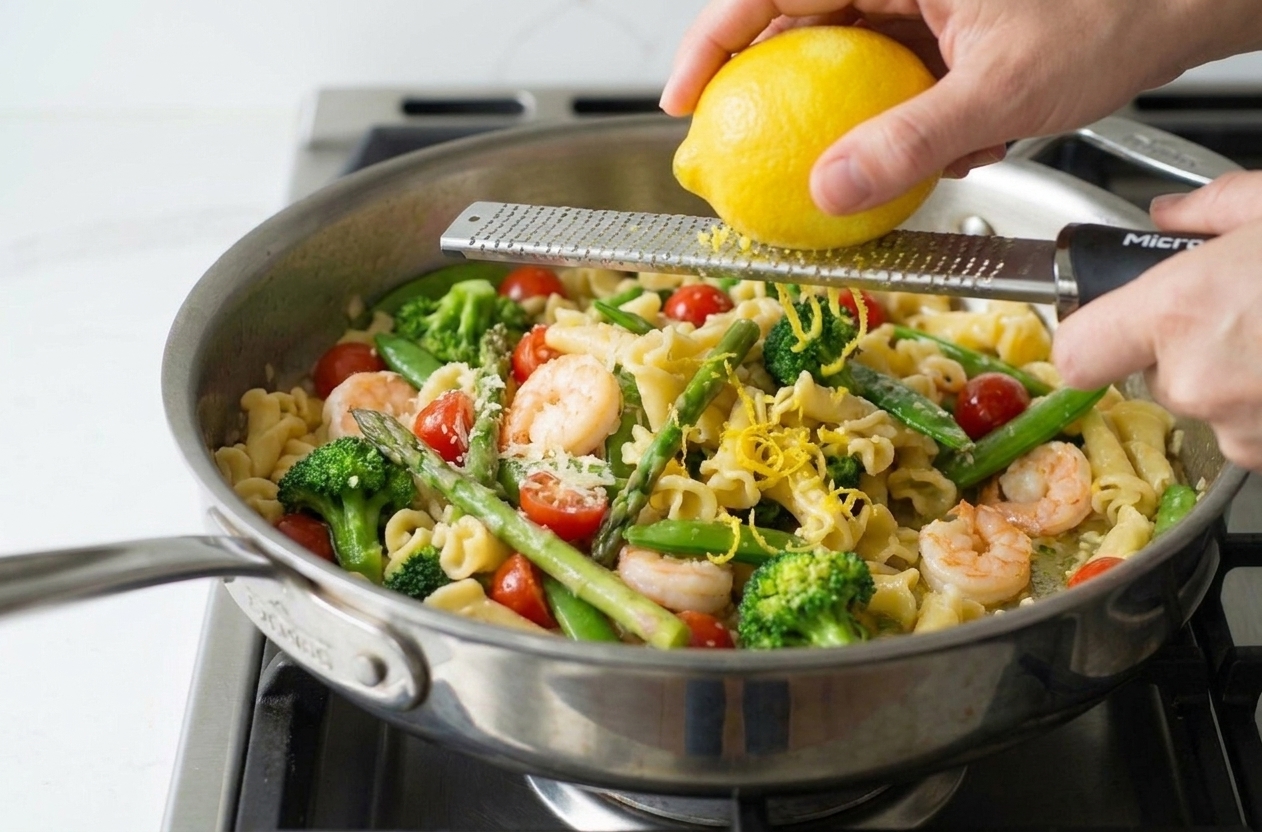
- Use zest and juice. Zest brings lemon aroma without extra sourness.
- Add lemon gradually. Different lemons vary wildly. Start with 2 tablespoons juice, then adjust.
- Sweetness comes from tomatoes first. If tomatoes are out of season, a pinch of sugar helps round everything out.
- Parmesan is your buffer. Too tangy? Add more Parmesan and a splash more pasta water.
Serving ideas
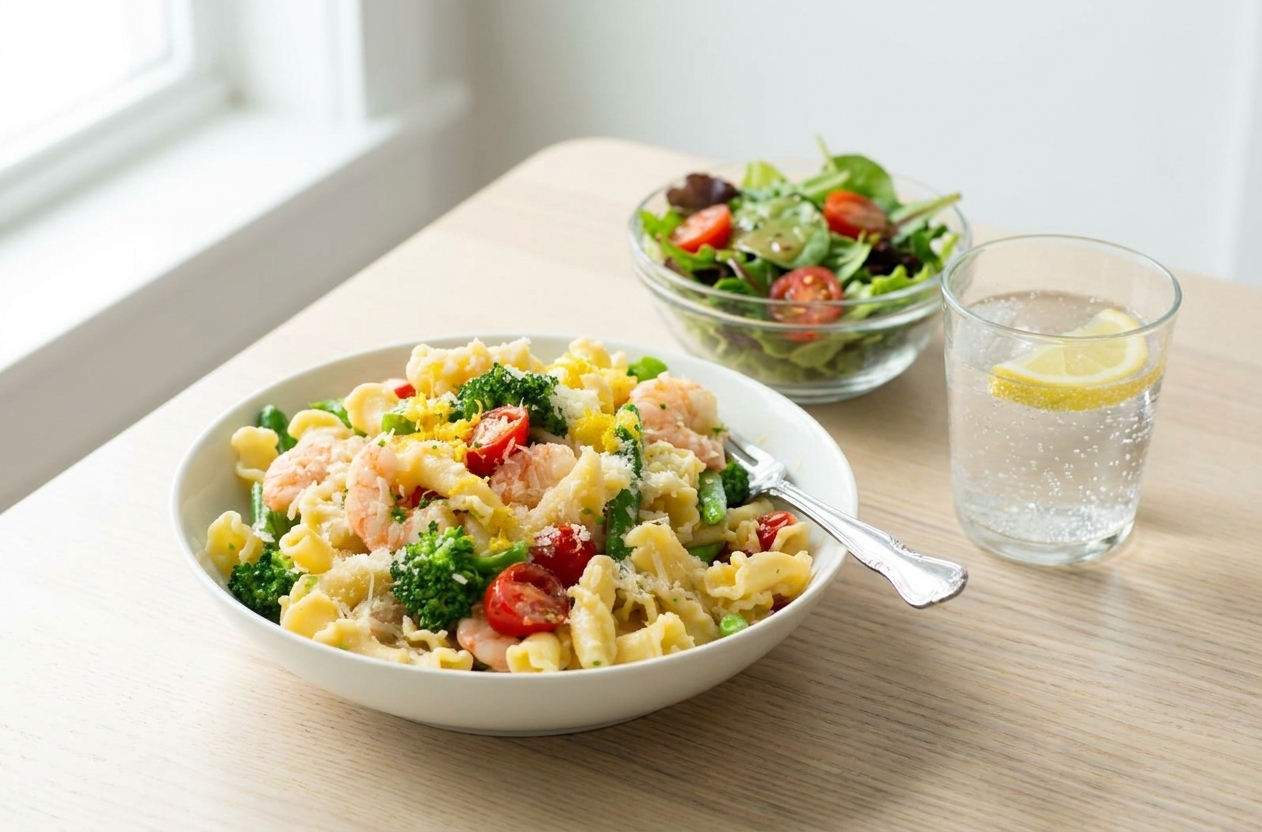
- With a simple arugula salad (lemon vinaigrette is perfect here)
- With garlic bread or a toasted baguette for scooping up the sauce
- As a side dish to roasted chicken, shrimp, or baked salmon
If you want to add protein right into the pasta, sauté shrimp in the skillet first, remove, then add back at the end. Easy, elegant, and still weeknight-friendly.
Storage and leftovers
Primavera is best right after tossing, but leftovers are still lovely if you treat them gently.
- Refrigerate: Up to 3 days in an airtight container.
- Reheat: In a skillet over medium-low with a splash of water (or broth). Stir until glossy again. Add a fresh squeeze of lemon at the end to wake it up.
- Cold lunch: Honestly? Also great as a pasta salad. Add a drizzle of olive oil and extra herbs.
Troubleshooting
My sauce looks dry
Add pasta water a tablespoon at a time while tossing. The starch is what makes it silky.
It tastes flat
Add a pinch of salt first. Then add lemon juice or Parmesan depending on whether it needs brightness or depth.
It's too sour
Stir in more Parmesan, a small pat of butter, and a pinch of sugar. Balance, not panic.
My vegetables turned mushy
Next time, cook in stages and keep the heat moderate. Also, cut everything to similar thickness so it finishes together.
FAQ
What pasta shape is best?
Short shapes that catch vegetables are easiest: penne, fusilli, and farfalle are my go-tos. Spaghetti works too if that's what you love.
Can I make it creamy?
Yes. Add 2 to 4 tablespoons of heavy cream after the Parmesan, plus extra pasta water to loosen. You still want lemon and zest to keep it bright.
Can I use frozen vegetables?
You can. For the best texture, either thaw and drain well, then sauté quickly, or add them straight from frozen to a hot pan and cook just until heated through. Frozen peas are excellent stirred in at the end.
How do I keep the garlic from burning?
Add it after the onion softens, keep heat at medium, and stir constantly for about 30 seconds. If your pan is very hot, pull it off the heat briefly before adding garlic.
One last nudge
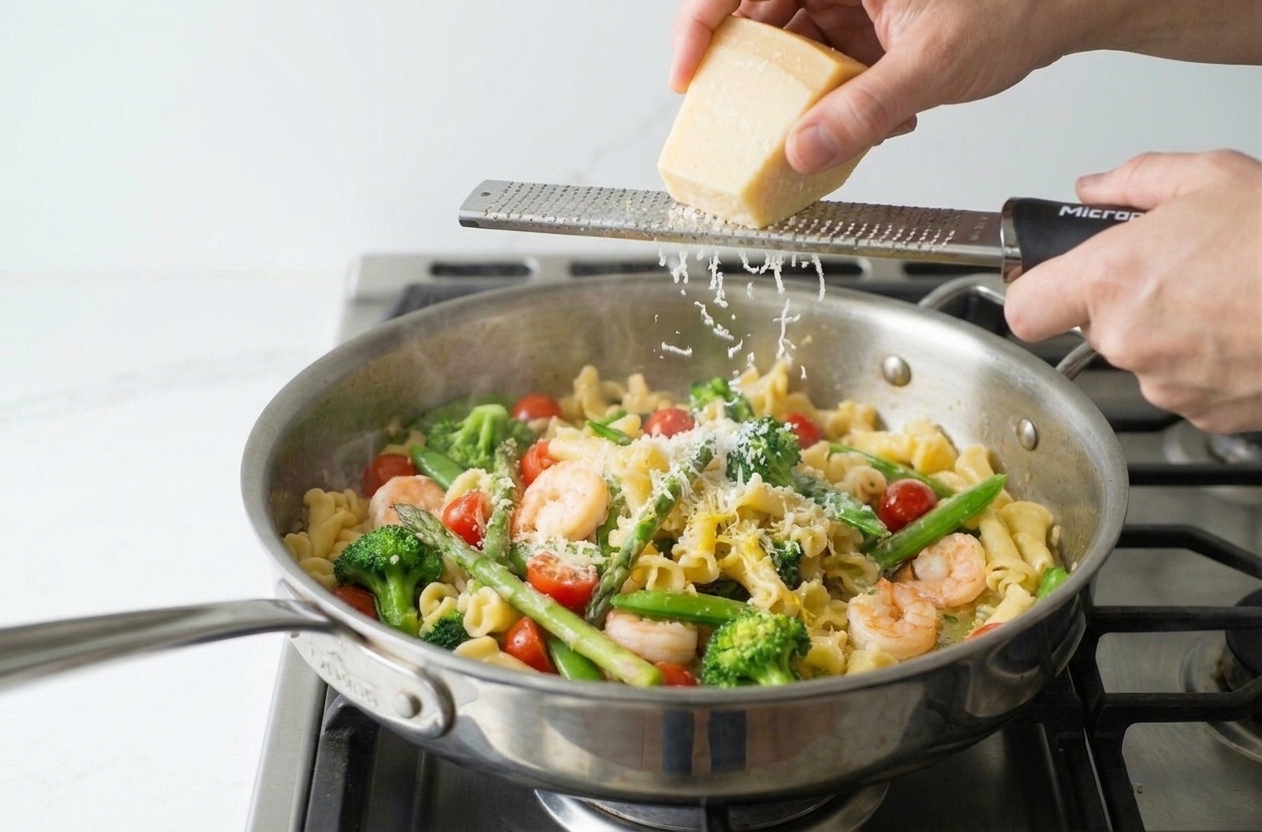
If you're nervous about getting the sauce right, remember this: Pasta Primavera is incredibly forgiving because you can adjust it at the end. Add a splash of pasta water, taste, add lemon, taste, add Parmesan, taste. Keep going until you smile. That's the whole point.