

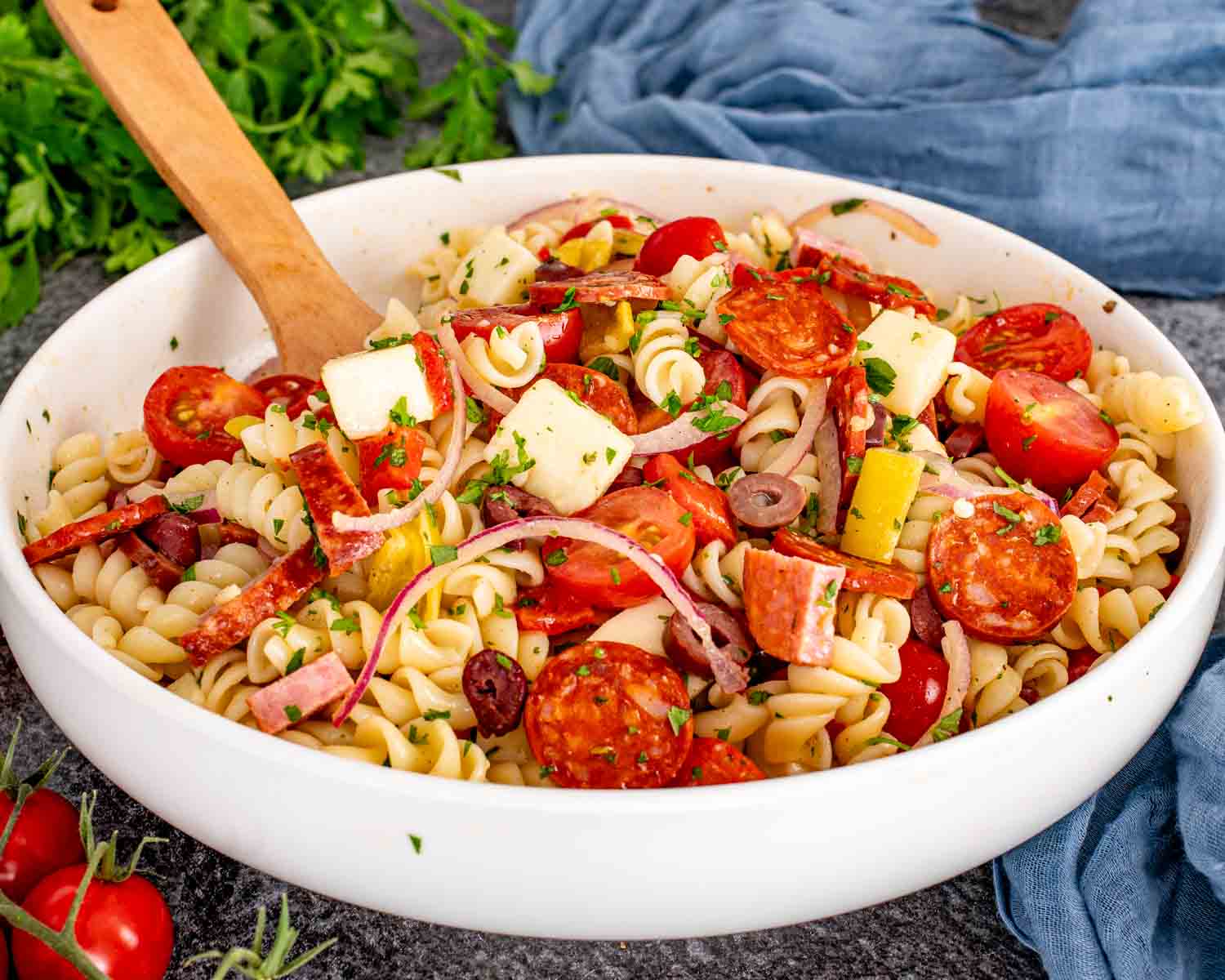
Fresh pasta salad is one of those dishes that feels fancy but secretly comes together like a weeknight champ. You get tender noodles, crunchy vegetables, salty cheese, and a bright dressing that clings to every ribbon and curl. The trick is treating fresh pasta a little differently than dried pasta so it stays silky and springy instead of turning soft and sad.
This is my go-to method, plus a reliable base recipe you can customize a hundred ways. And yes, we're going to talk about garlic. More is more.

The idea
Why This Recipe Works
Fresh pasta cooks fast and has a softer, more delicate bite than dried pasta. That's beautiful in a salad, but it also means it can soak up dressing quickly and go from “perfect” to “overdressed” if you're not careful.
- Short cook time: Pasta can be ready in 2 to 6 minutes depending on thickness and filling.
- Cling factor: Fresh pasta can release enough surface starch to help dressing stick. The key is not rinsing it and using a well-emulsified vinaigrette.
- Texture matters: Gentle tossing and smart cooling keeps it tender, not mushy.
Shopping
Ingredient Notes
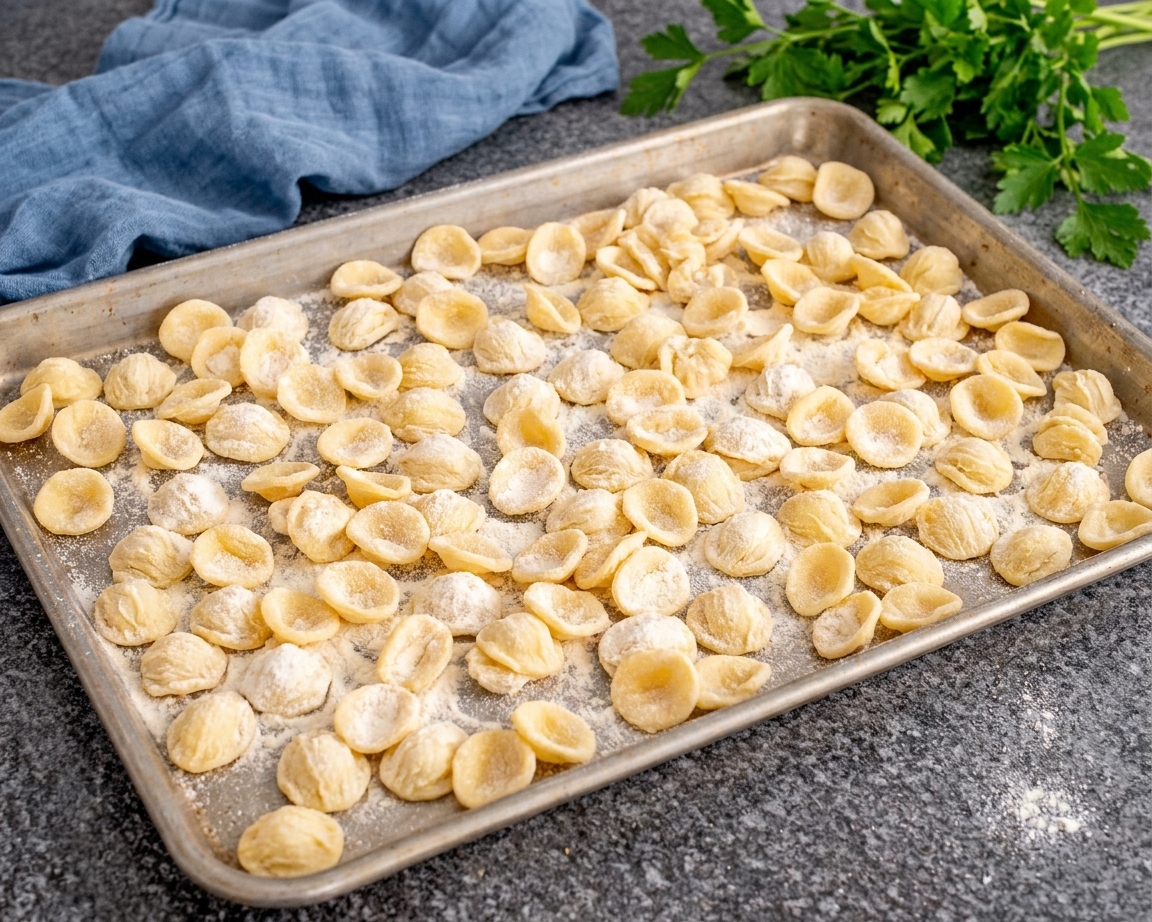
Fresh pasta shapes: Use shapes that trap dressing and grab little mix-ins. Good options include fusilli, orecchiette, ravioli or tortellini, and tagliatelle or fettuccine (cut strands shorter after cooking for easier eating).
- Fusilli: Spirals catch herbs, minced garlic, and tiny bits of cheese.
- Orecchiette: Little cups hold chopped tomatoes and olives.
- Ravioli or tortellini: Makes it a hearty “meal salad” fast; sturdy cheese-filled ones are easiest to handle.
- Tagliatelle or fettuccine: Great for a simpler salad with fewer chunky add-ins.
My avoid list: Super-thin angel-hair-style fresh pasta and very delicate filled pastas, which can tear and get overly soft when tossed.
Onion note: If you want a mellower bite, soak sliced red onion in cold water for 10 minutes (or add a quick splash of vinegar), then drain well.
Watery cucumbers: If your cucumbers are extra juicy, scoop out the seedy center to help prevent a soggy salad.
Dressing flexibility: Red wine vinegar can be swapped for lemon juice, and honey is optional but rounds the acidity.
Get set up
Equipment You Will Need
- Large pot (for boiling pasta)
- Colander (for draining)
- Rimmed baking sheet (for quick cooling)
- Large bowl (for whisking vinaigrette and tossing salad)
- Whisk
- Knife and cutting board
Technique
Tips for Getting It Right
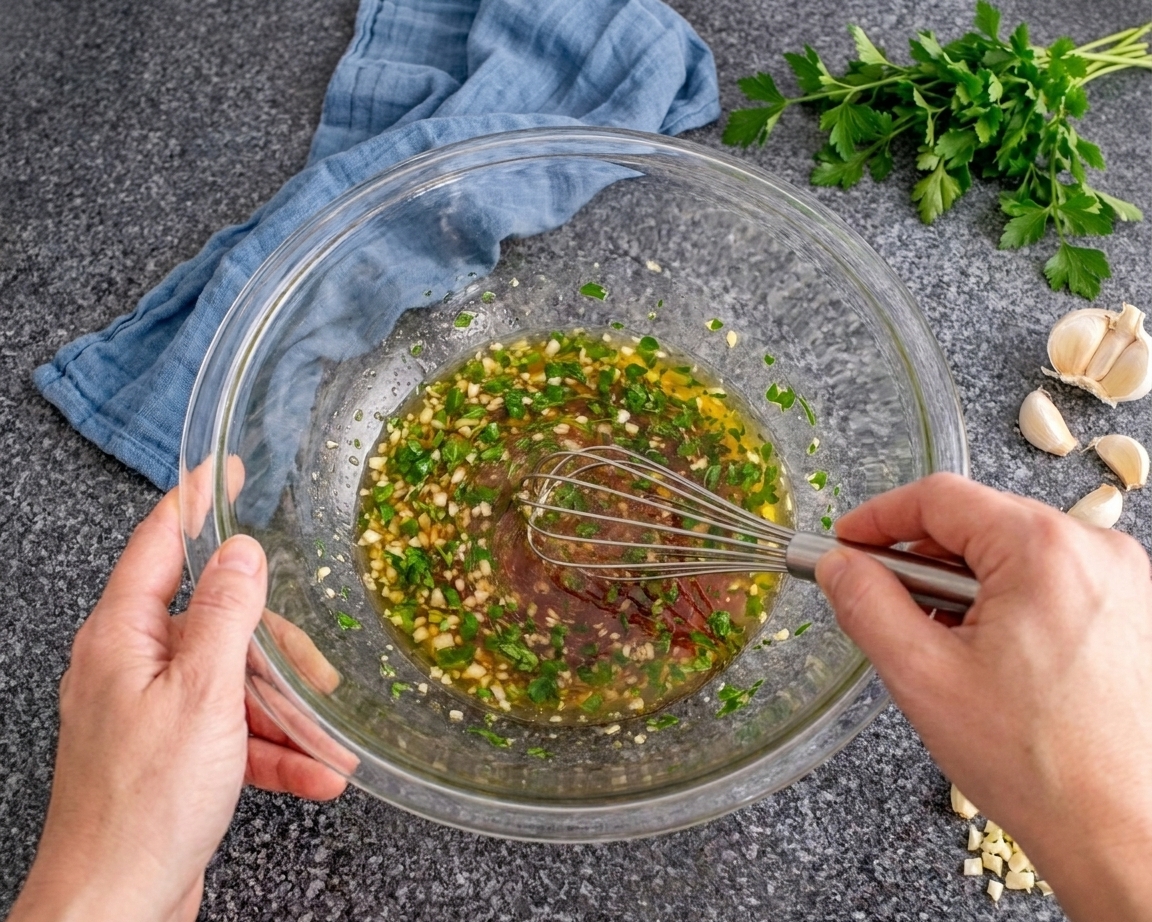
- Make the vinaigrette first: Let it sit while you cook the pasta so the garlic mellows and blooms into the dressing.
- Salt your pasta water well: For a big pot, use roughly 1 to 2 tablespoons kosher salt per gallon of water.
- Start checking early: Begin checking fresh pasta at 2 minutes; most lands around 3 to 5 minutes, with thicker noodles and filled pastas closer to 6 (follow package timing but still check early).
- Cool fast without over-rinsing: Spread drained pasta on a rimmed baking sheet for 5 to 8 minutes, tossing once or twice so steam escapes and noodles do not stick.
- Dress in two stages: Toss warm pasta with about two-thirds of the dressing, then use the remaining one-third to refresh the salad right before serving.
- Herbs last: Basil stays brighter if you add some right before serving.
- For ravioli or tortellini: Cool a minute longer on the sheet pan, then fold gently instead of aggressively stirring to keep them intact.
Flexibility
Substitutes That Work
- Vinegar: Use lemon juice instead of red wine vinegar.
- Mozzarella pearls: Use cubed fresh mozzarella.
- Olives: Use Kalamata or Castelvetrano.
- Seasoning: Use dried oregano or Italian seasoning.
Make it yours
Variations to Try
Mediterranean
- Add: artichoke hearts, roasted red peppers, feta, chickpeas
- Swap: oregano for za'atar, red wine vinegar for lemon
Summer corn and zucchini
- Add: grilled corn, sautéed zucchini, fresh dill
- Finish: lots of lemon zest and shaved Parmesan
Pesto twist
- Use: 1/3 cup pesto plus 2 tablespoons lemon juice and olive oil to loosen
- Add: cherry tomatoes, mozzarella, arugula
Protein-friendly
- Add: shredded rotisserie chicken, salami, or canned tuna
- Bonus: white beans for extra staying power
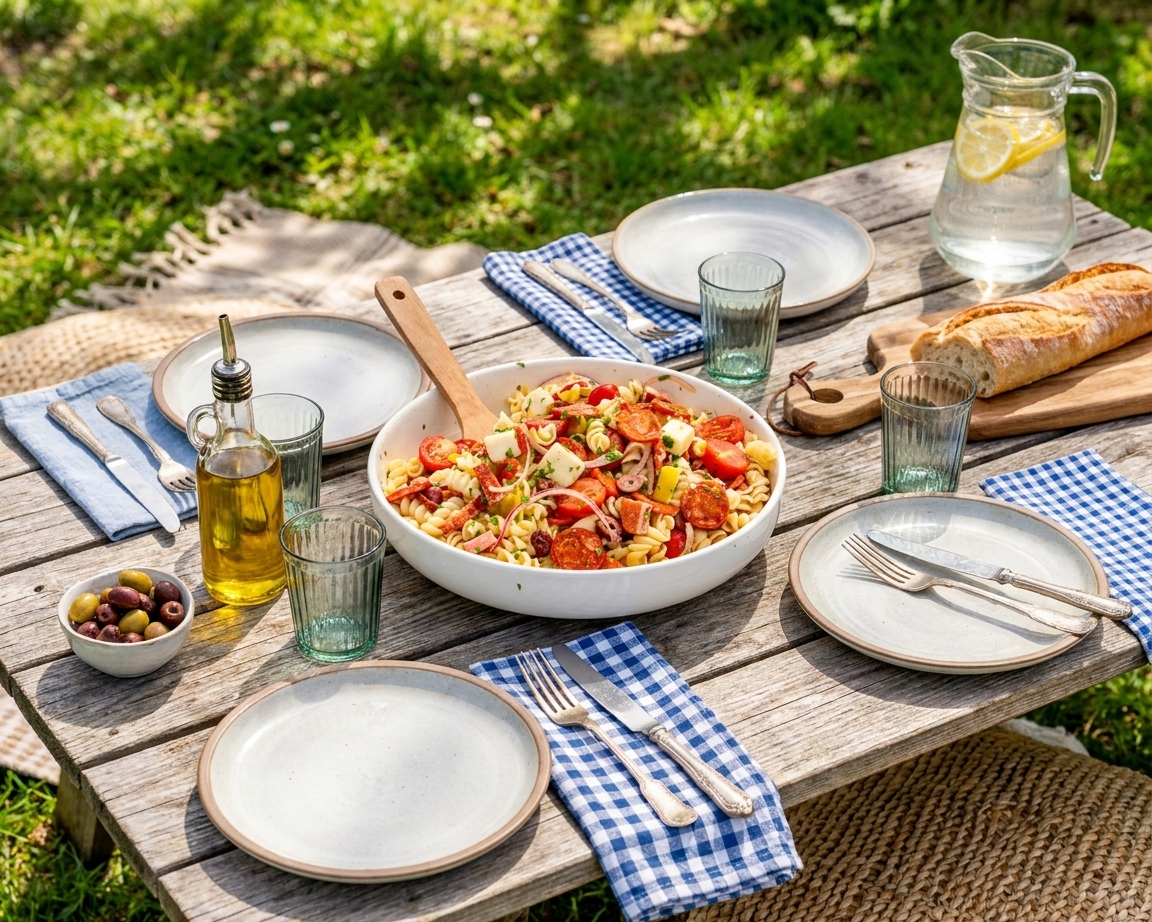
On the table
What to Serve It With
This salad can be the main event or the most popular side on the table.
- Grilled chicken, shrimp, or salmon
- Garlic bread or focaccia
- A simple green salad with lemon vinaigrette
- Roasted vegetables like asparagus, broccoli, or peppers
Later
Storage, Freezing and Reheating
This salad is happiest the day you make it, but you can prep it ahead with a couple of small adjustments.
Make ahead (up to 24 hours)
- Cook and cool the pasta, then toss with about half the dressing.
- Store the dressed pasta and the chopped vegetables separately.
- Combine 30 minutes before serving, add the remaining dressing, then fold in basil.
Store leftovers
Refrigerate in an airtight container. It's best within 1 to 2 days, but 3 days is a reasonable upper limit if it was chilled promptly. Bring it to room temperature for 15 to 20 minutes and add a splash of olive oil or a spoonful of dressing to wake it up.
Watch out
Common Mistakes to Avoid
- Overcooking fresh pasta: Pull it when it still has a little bounce so it stays tender and springy.
- Letting pasta steam in a pile: Steam is the enemy. Spread it on a baking sheet so it cools quickly.
- Over-rinsing: Blasting pasta under cold water too long can wash away surface starch and cool noodles too aggressively.
- Using all the dressing at once: Fresh pasta soaks up dressing quickly. Dress in two stages to avoid an overdressed, heavy salad.
- Skipping veggie prep: Very watery cucumbers can make the salad soggy; seed them if needed.
- Adding all basil too early: Basil stays brighter if you add some right before serving.
Questions
Frequently Asked Questions
Can I use fresh pasta from the refrigerated section?
Yes, and it's perfect here. Just watch the cook time closely. Refrigerated fresh pasta can go from firm to overdone in a minute.
Should I rinse fresh pasta for pasta salad?
Usually no. Drain well and cool on a sheet pan. If your pasta is very sticky, a quick, gentle rinse with cool (not ice-cold) water is fine, then drain extremely well and dress promptly.
Can I serve it cold?
Absolutely. It's best slightly cool or at room temperature so the olive oil stays fluid and the flavors taste brighter.
How do I fix bland pasta salad?
Add salt first, then acid. A pinch of kosher salt and a squeeze of lemon can do wonders. If it still tastes flat, add a little more garlic, a handful of herbs, or something salty like olives, Parmesan, or feta.
The recipe
Fresh Pasta Salad
A bright, garlicky fresh pasta salad with cherry tomatoes, cucumber, olives, mozzarella, and basil, tossed in a garlic-herb vinaigrette. The method focuses on gentle cooking, quick cooling, and dressing in two stages so the pasta stays springy and the salad stays glossy.
Ingredients
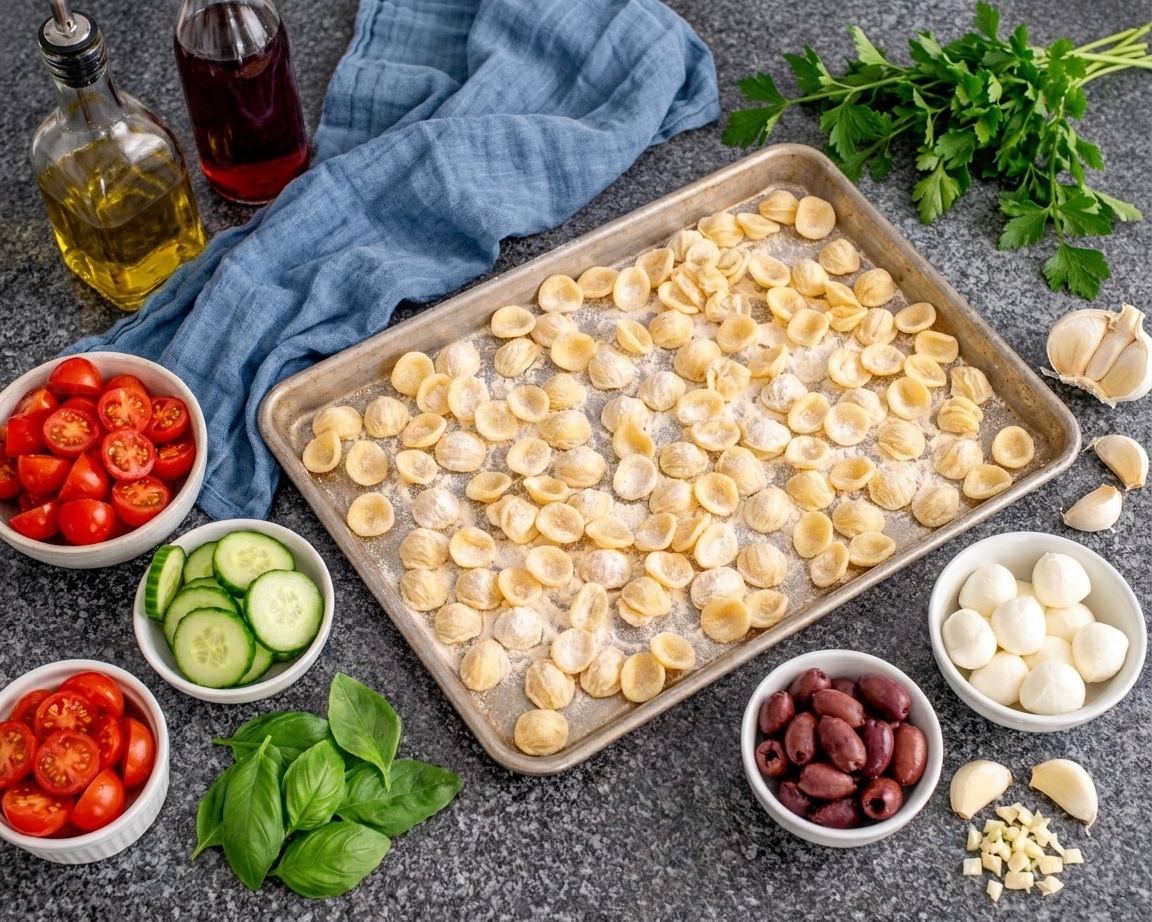
- Fresh pasta: 1 pound fresh orecchiette, fusilli, or tortellini
- Cherry tomatoes: 2 cups, halved
- Cucumber: 1 large, diced (English cucumber preferred)
- Red onion: 1/3 cup thinly sliced
- Olives: 1/2 cup Kalamata or Castelvetrano, sliced
- Mozzarella pearls: 8 ounces (or cubed fresh mozzarella)
- Fresh basil: 1 packed cup, torn
- Optional add-ins: 1/2 cup pepperoncini, 1/4 cup toasted pine nuts, or 1 cup arugula
- Extra-virgin olive oil: 1/3 cup
- Red wine vinegar: 3 tablespoons (or lemon juice)
- Dijon mustard: 2 teaspoons
- Garlic: 2 to 3 cloves, finely grated or minced
- Honey: 1 teaspoon (optional)
- Kosher salt: 1 teaspoon, plus more to taste (also for salting pasta water)
- Black pepper: 1/2 teaspoon
- Dried oregano or Italian seasoning: 1 teaspoon
Instructions
- Make the vinaigrette first. In a large bowl, whisk together the olive oil, red wine vinegar (or lemon juice), Dijon mustard, garlic, honey (if using), kosher salt, black pepper, and oregano until cohesive and slightly thickened. Let it sit while you cook the pasta.
- Cook the fresh pasta gently. Bring a large pot of well-salted water to a boil (roughly 1 to 2 tablespoons kosher salt per gallon for a big pot). Add pasta and stir right away so it does not clump. Start checking at 2 minutes; most fresh pasta is done in 3 to 5 minutes, while thicker noodles and filled pastas can take closer to 6. Cook until tender with a little spring.
- Drain, then cool fast. Drain the pasta well. Spread it on a rimmed baking sheet for 5 to 8 minutes so steam can escape, tossing once or twice to prevent sticking. (If you must rinse, do it briefly with cool, not ice-cold, water; then drain extremely well and dress promptly.)
- Dress while slightly warm. Add the pasta to the bowl and toss gently with about two-thirds of the vinaigrette.
- Add mix-ins and finish. Fold in the tomatoes, cucumber, red onion, olives, mozzarella, and most of the basil. Taste and adjust with more salt, pepper, vinegar, or a squeeze of lemon. Let it sit for 10 to 15 minutes. Right before serving, toss with the reserved one-third dressing and the remaining basil for a glossy finish. (For ravioli or tortellini, cool a minute longer, then fold gently so they stay intact.)
Recipe notes
- Red onion mellowing (optional): Soak sliced red onion in cold water for 10 minutes (or add a quick splash of vinegar), then drain well.
- Prevent sogginess: Do not overcook the pasta, cool it quickly on a baking sheet, and consider seeding cucumbers if they are very juicy.
- Dressing strategy: Dressing in two stages (two-thirds now, one-third later) helps avoid overdressing and refreshes the salad right before serving.
- Serving temperature: Best slightly cool or at room temperature so olive oil stays fluid and flavors taste brighter.
Nutrition (per serving, approximate)
- Calories: ~520
- Fat: ~26 g
- Carbs: ~55 g
- Protein: ~18 g
- Fiber: ~4 g
- Sugar: ~6 g
- Sodium: ~900 mg
Nutrition values are approximate and will vary by pasta type, mozzarella, olives, and exact amounts of dressing used.