

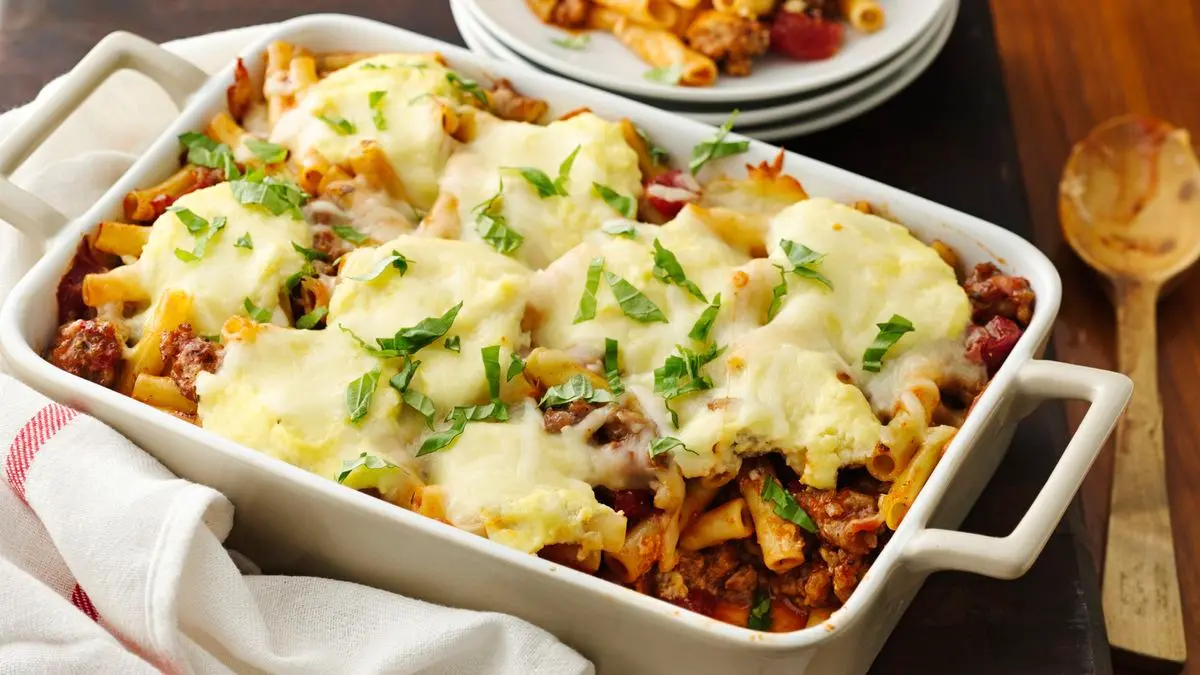
I have made baked ziti more times than I can count, for potlucks, new babies, snow days, and those nights when I need dinner to feel like a hug. And yes, I have pulled a pan out of the oven that looked perfect on top and somehow ate like… baked pasta sand. If your baked ziti is dry, it’s almost always one of a few fixable culprits: not enough sauce, pasta that soaked up too much liquid, overbaking, or skipping the covered portion of baking.
The good news is that you can prevent dryness the next time, and you can usually rescue the pan you already baked.

The most common reasons baked ziti turns out dry
1) Too little sauce (or sauce that is too thick)
Baked ziti needs more sauce than stovetop pasta because the oven keeps cooking the noodles and evaporating moisture. If your mixture looks only lightly coated before baking, it will almost certainly bake up dry.
- What it looks like before baking: pasta looks glossy but not “swimmy,” and the spoon leaves dry trails in the pan.
- What causes it: not enough marinara, simmering your meat sauce too long, using a very thick jarred sauce, or forgetting to include a little pasta water.
2) Pasta that absorbed too much liquid
Pasta is thirsty. Ziti and other tube pastas soak up sauce as they sit, and they keep absorbing in the oven. If you boil pasta all the way to tender before baking, it can act like a sponge and drink your sauce dry. The same thing can happen if you assemble ahead and the pasta sits in sauce for hours.
- Most likely when: you cooked the ziti to “done,” you used smaller pasta shapes, or you assembled early and baked later.
- Extra absorbent culprits: very porous pasta brands, whole wheat pasta, gluten-free pasta, and “oven-ready” pasta used without enough liquid.
3) Overbaking (or baking uncovered too long)
Even a saucy ziti can dry out if it stays in the oven too long. Uncovered heat reduces sauce and tightens proteins, especially if you have meat in the sauce.
- Common trap: baking until the top is deeply browned, but the inside has lost too much moisture.
- Another trap: using a shallow dish, which increases evaporation.
4) Skipping the covered bake time
That initial covered period is not optional if your goal is creamy, juicy baked ziti. Covering traps steam, warms the center gently, and prevents moisture loss while the pasta finishes cooking.
- What happens if you skip it: the edges dry out fast, the top browns early, and you keep baking trying to heat the center.
How to prevent dry baked ziti before baking
Use the “looks too saucy” test
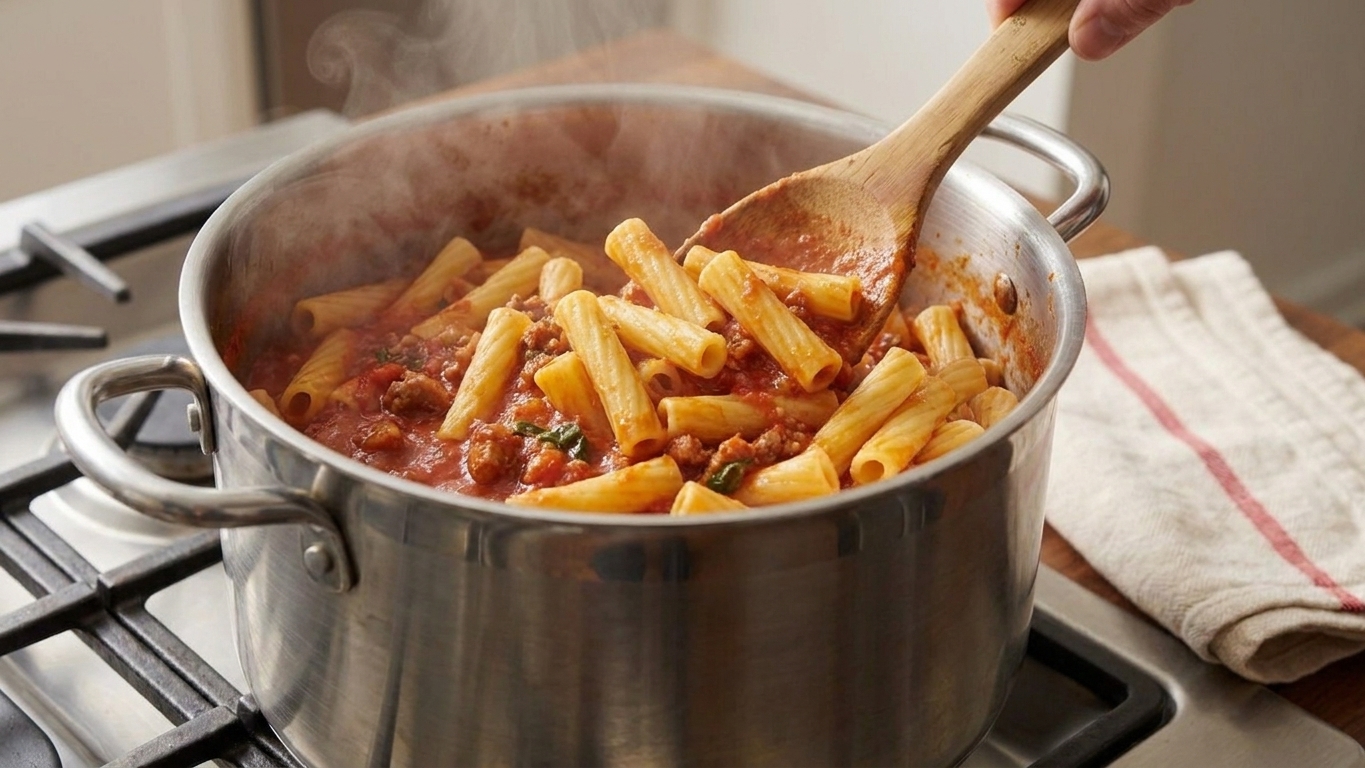
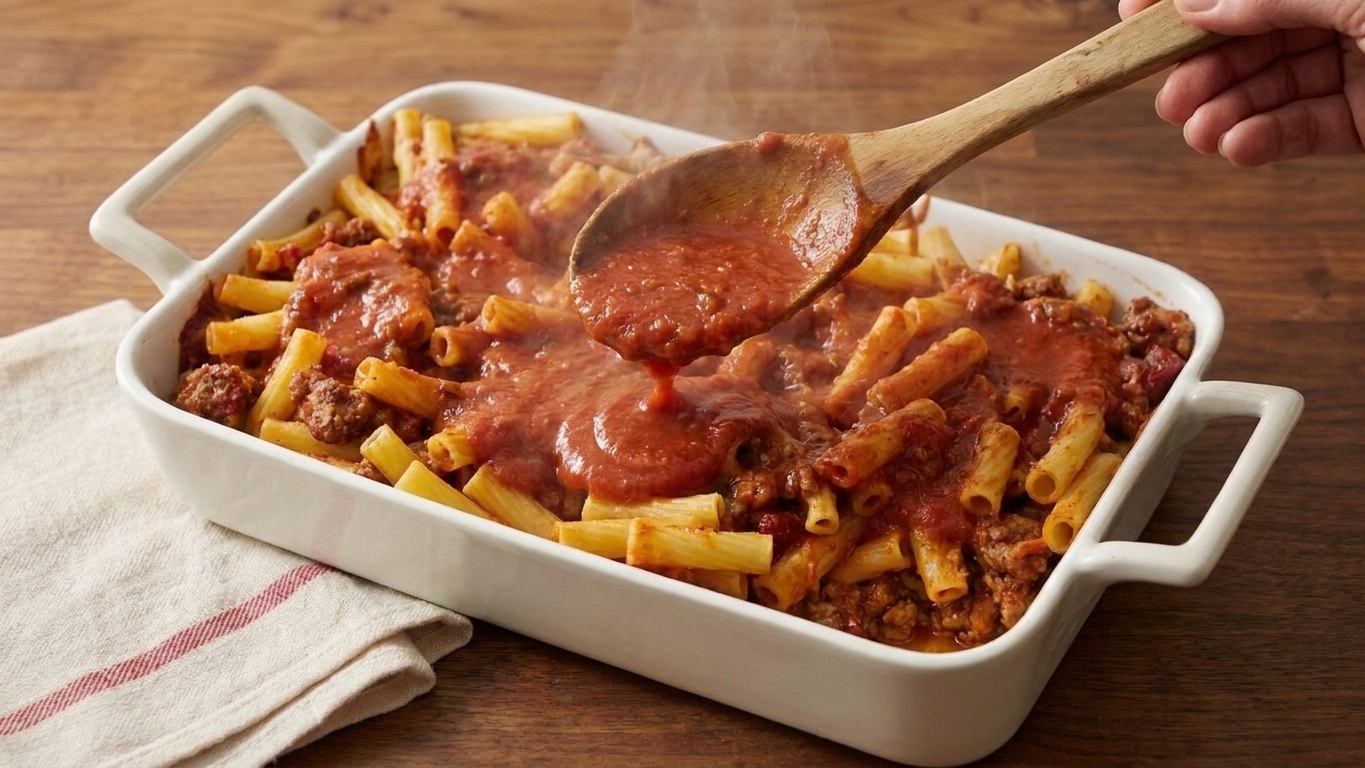
This is my favorite rule because it works with any recipe. Before you bake, the pasta should look almost too wet. Not soup, but very generously sauced. If you are debating whether it is saucy enough, add a little more sauce.
- Aim for: sauce visible between pasta pieces, and a little sauce pooling lightly at the edges when you press the mixture down.
- Easy insurance: reserve extra sauce to spoon over the top before adding cheese. For a typical 9x13 pan made with 1 pound (450 g) pasta, that is usually about 3/4 to 1 1/2 cups, depending on how thick your sauce is.
Undercook the pasta
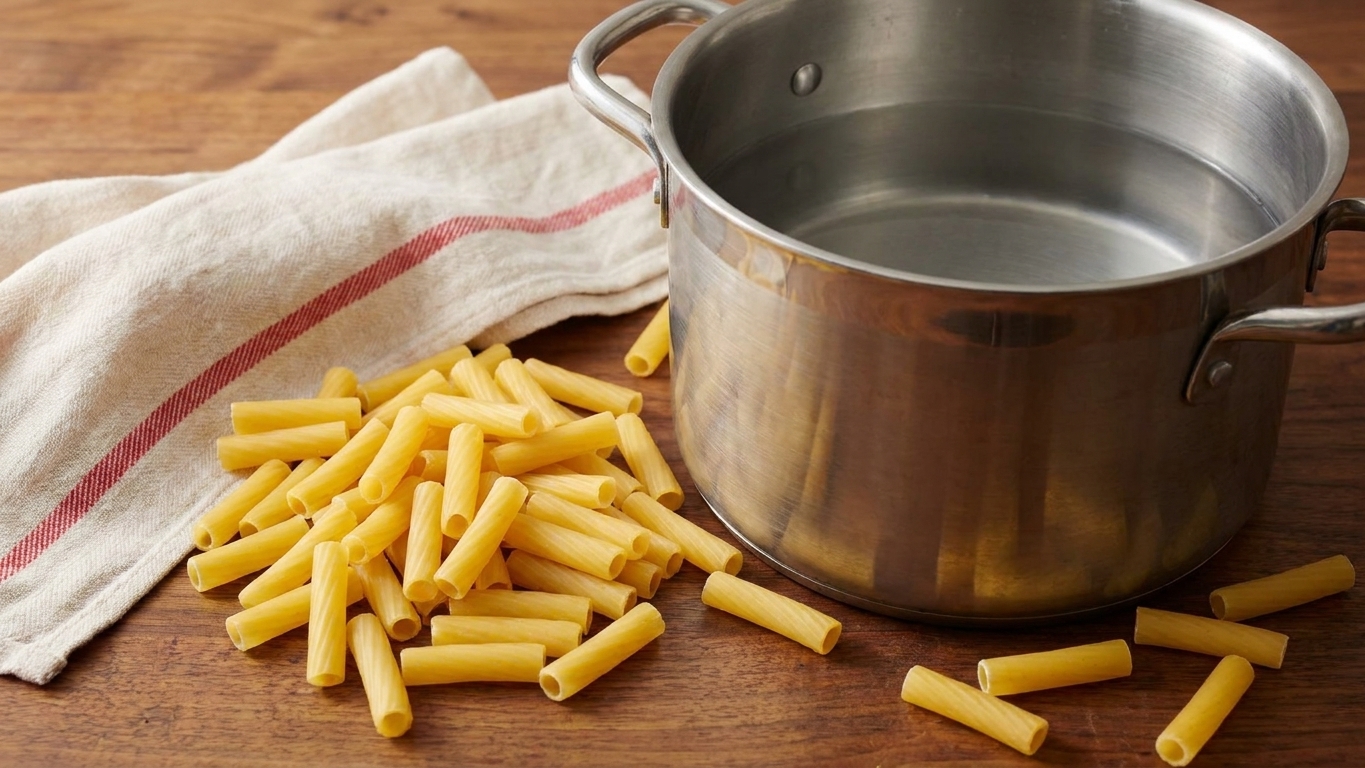
Cook ziti noticeably under al dente, usually 2 to 4 minutes shy (the center should still have a firm bite). It will finish cooking in the oven while it absorbs sauce. If you are baking straight from the fridge, lean toward the longer side of that range.
- If you already cooked it fully: toss with extra sauce immediately, and plan to bake a little less time.
Loosen the sauce if needed
If your sauce is thick, loosen it before you mix it with pasta. This can be as simple as stirring in:
- 1/4 to 3/4 cup water
- or reserved pasta water
- or a splash of broth
You are not “watering it down.” You are giving the pasta enough liquid so the final bake is saucy, not sticky.
Do not skip the covered portion
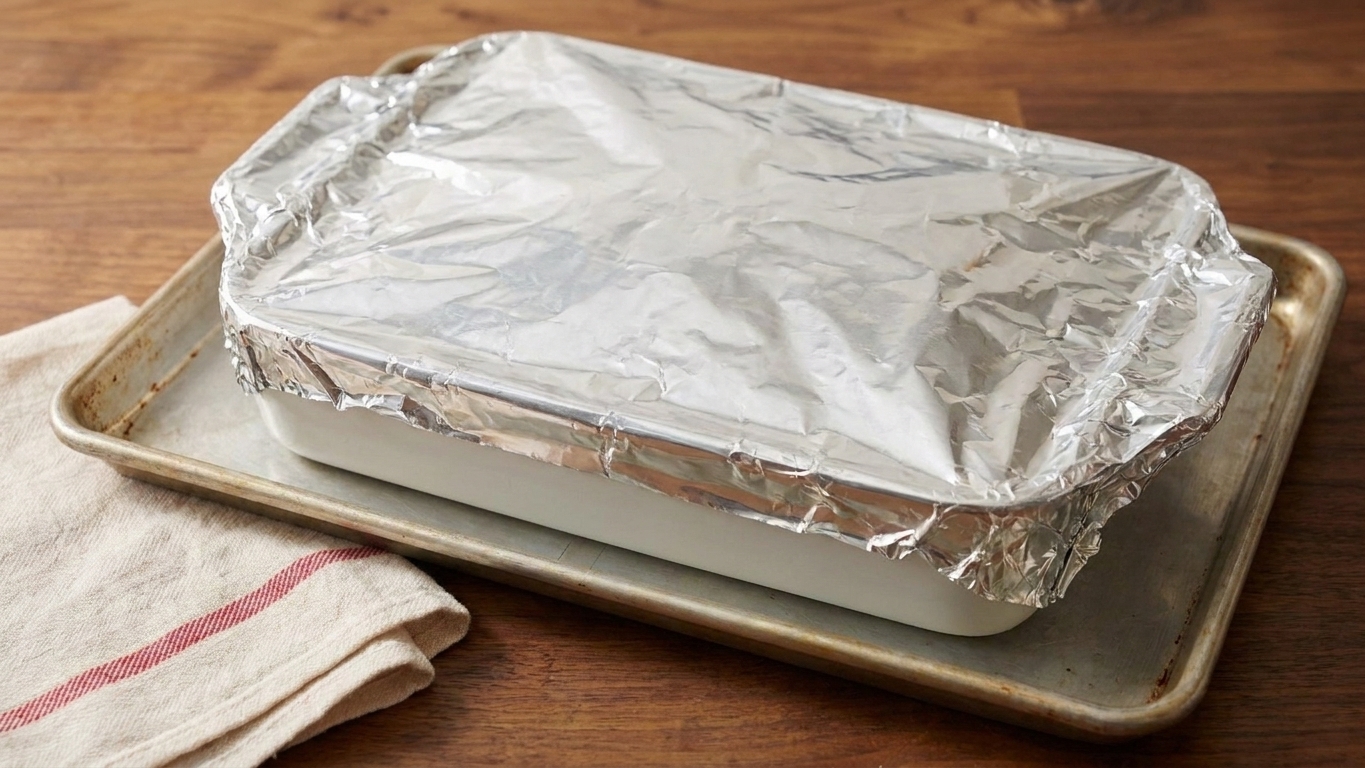
Cover tightly with foil for most of the bake, then uncover at the end to brown the cheese.
- Tight cover tip: crimp foil firmly around the edges. Steam escaping is moisture you do not get back.
- If cheese sticks to foil: lightly oil the underside of the foil or tent it slightly high.
Watch doneness, not just the clock
Time varies by pan depth, how cold your casserole is, and how much sauce you used, so use these cues:
- Typical pattern: bake covered until the edges are bubbling and the center is hot, often 20 to 35 minutes at 350°F. Uncover to brown, usually another 10 to 15 minutes.
- Stop when: you see steady bubbling at the edges and the middle is heated through. If you chase a super-dark top, you will often sacrifice the inside.
How to fix baked ziti that is already dry
If your ziti is dry straight out of the oven, you can absolutely rescue it. Your goal is to add moisture and reheat gently so the pasta can relax and absorb without continuing to dry out.
Fix #1: Add warm sauce around the edges
- Warm 1/2 to 1 1/2 cups marinara (more for a large pan).
- Use a spoon to create a few gaps down the sides and in the center, without destroying the whole casserole.
- Pour slowly so the sauce slips into those gaps and around the perimeter, instead of flooding the top and washing off the cheese.
- Cover with foil and bake at 325°F for 10 to 20 minutes, just until hot.
- Rest 10 minutes before serving.
Fix #2: Add a moisture boost if you are out of sauce
No extra marinara? You still have options.
- Broth or water: drizzle 1/4 cup at a time around edges, cover, and reheat gently. This is subtle, but it helps.
- Half-and-half or milk: use just a few tablespoons, and keep the heat gentle. Dairy can curdle with very acidic tomato sauce if it gets too hot, so I prefer to stir it into any ricotta layer or mix it with a little warm sauce off the heat before adding.
- Olive oil: a light drizzle plus a cover-and-rest can improve mouthfeel, though it will not replace missing sauce.
Fix #3: Steam it back to life (great for small portions)
For a plate or two of dry ziti, the microwave can actually be your friend.
- Put ziti in a bowl.
- Add a few spoonfuls of sauce, or a splash of water plus a spoonful of ricotta.
- Cover and microwave in short bursts, stirring once, until hot.
Dial-in tips for next time
- More sauce than you think: hold back some for the top and for serving.
- Pasta undercooked: aim for noticeably under al dente so it finishes in the oven.
- Cover first, uncover last: keep moisture in, brown at the end.
- Use a deeper dish if you can: less surface area means less evaporation.
- Rest before serving: 10 to 15 minutes helps sauce settle into the pasta instead of running out onto the plate.
Make-ahead and reheat notes
- Making ahead: keep it extra saucy, and consider reserving a little sauce to loosen the casserole right before baking. If it has been refrigerated, a few splashes of water or sauce around the edges helps it heat without drying.
- Reheating leftovers: cover and reheat gently with a spoonful or two of sauce or water added first. Reheating uncovered is basically a dryness machine.
Maya’s kitchen truth: baked ziti is a “carryover cooking” dish. It keeps absorbing and thickening after it comes out. If it is barely saucy when it leaves the oven, it will be dry by the time everyone grabs a plate.
Dry baked ziti FAQs
Should baked ziti be covered or uncovered?
Both. Bake it covered for most of the time to trap steam and prevent moisture loss, then uncover briefly at the end to brown the cheese. If you bake it uncovered the whole time, dryness is very likely.
Can I add sauce after baking?
Yes, and it is the easiest rescue. Warm the sauce first, add it around the edges and in a few pockets, then cover and reheat at 325°F until hot.
Why is my baked ziti dry even with ricotta?
Ricotta adds richness, but it is not a replacement for enough sauce. Pasta still needs plenty of liquid. Also, overbaking can dry out a ricotta mixture and make it feel crumbly.
Does baked ziti dry out as it sits?
It can. Pasta continues absorbing sauce as it cools. Let it rest for 10 to 15 minutes to set up, but do not leave it uncovered in a warm oven. If you are holding it, keep it covered and low.
How do I keep baked ziti from drying out when making it ahead?
Undercook the pasta slightly, make the mixture extra saucy, and reserve sauce to add right before baking. Bake covered for most of the time, especially if it is going in cold from the fridge.