Warm up with ten comforting chicken noodle soup variations, including spicy ginger, lemony herb, creamy versions, and pantry-friendly upgrades anyone can pul...
Recipeva
Ultimate Rich and Savory Ramen
Make deeply savory, restaurant-style ramen at home with a rich broth, springy noodles, and craveable toppings. Weeknight-friendly tips, swaps, and make-ahead tricks included.

Maya Reynolds
Maya Reynolds is a passionate home cook, recipe developer, and the creative voice behind Recipeva. With over a decade of experience translating complex culinary techniques into approachable weeknight meals, she focuses on creating dishes that bring joy to the dinner table without the stress.
Created September 22, 2026
Updated September 22, 2026
If you have ever sipped ramen broth and thought, how is this so rich? this is the homemade version that gets you there without a 12-hour simmer. We are building layers: a deeply savory broth, an aromatic garlic-ginger base, and a few smart add-ins that make the whole bowl taste like it has been lovingly tended all day.
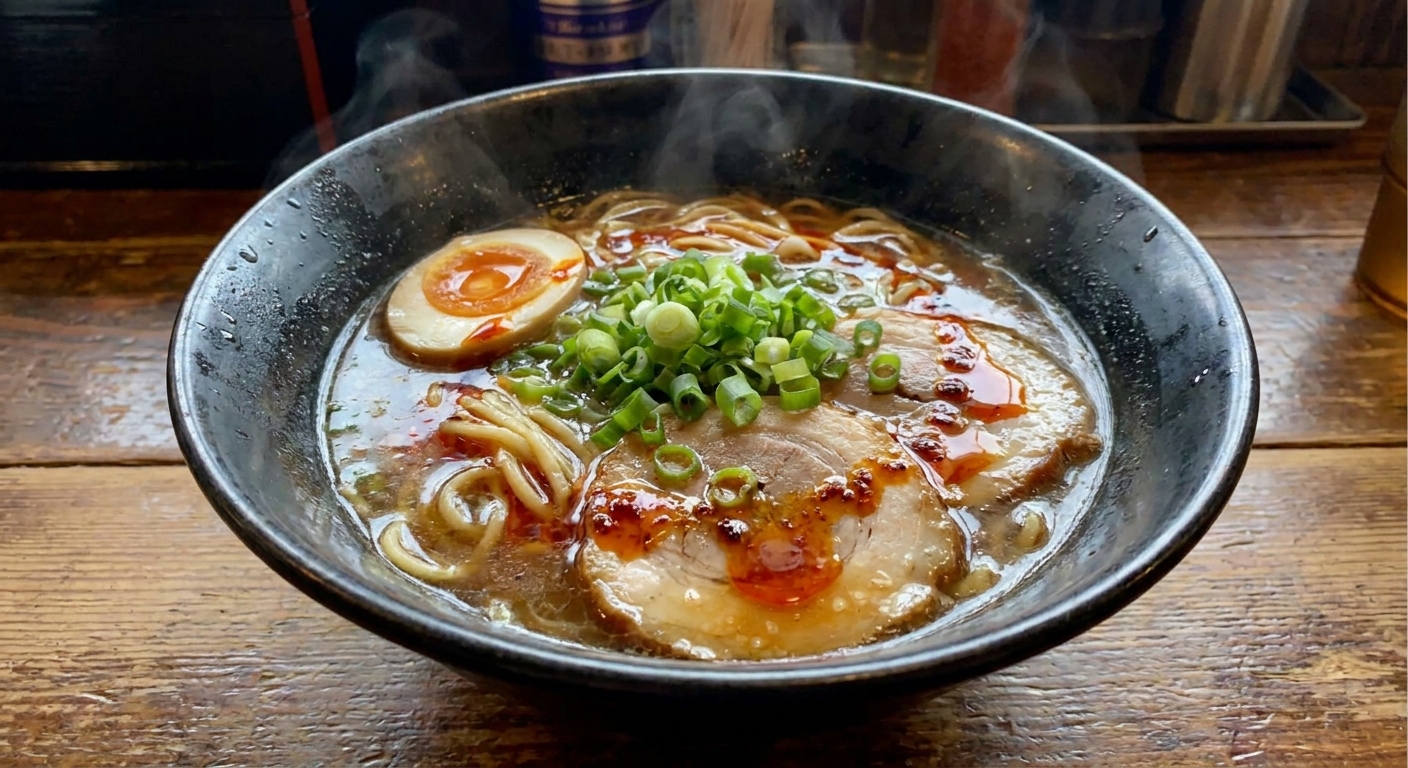
And yes, there is a generous amount of garlic. Because in my kitchen, there is no such thing as too much garlic.
What makes ramen taste rich
Great ramen is not just salty. It is a balance of savory depth, gentle sweetness, and enough fat to carry aroma. At home, the fastest path to that “shop” flavor is to layer three elements:
- A good broth base (chicken, pork, or veggie) that actually tastes like something.
- Tare, a concentrated seasoning mixture you add to the bowl, not the pot, so every serving is perfectly seasoned.
- Aromatic oil (garlic, scallion, sesame, chili) that perfumes the broth and adds silky richness.
This recipe uses a simple shoyu-miso style tare and a quick garlic-sesame oil. Together they create that glossy, savory, can-not-stop-sipping finish.
Ingredients
This makes 4 hearty bowls (about 1 1/2 cups broth per bowl, plus noodles and toppings). Total time: about 35 to 45 minutes.
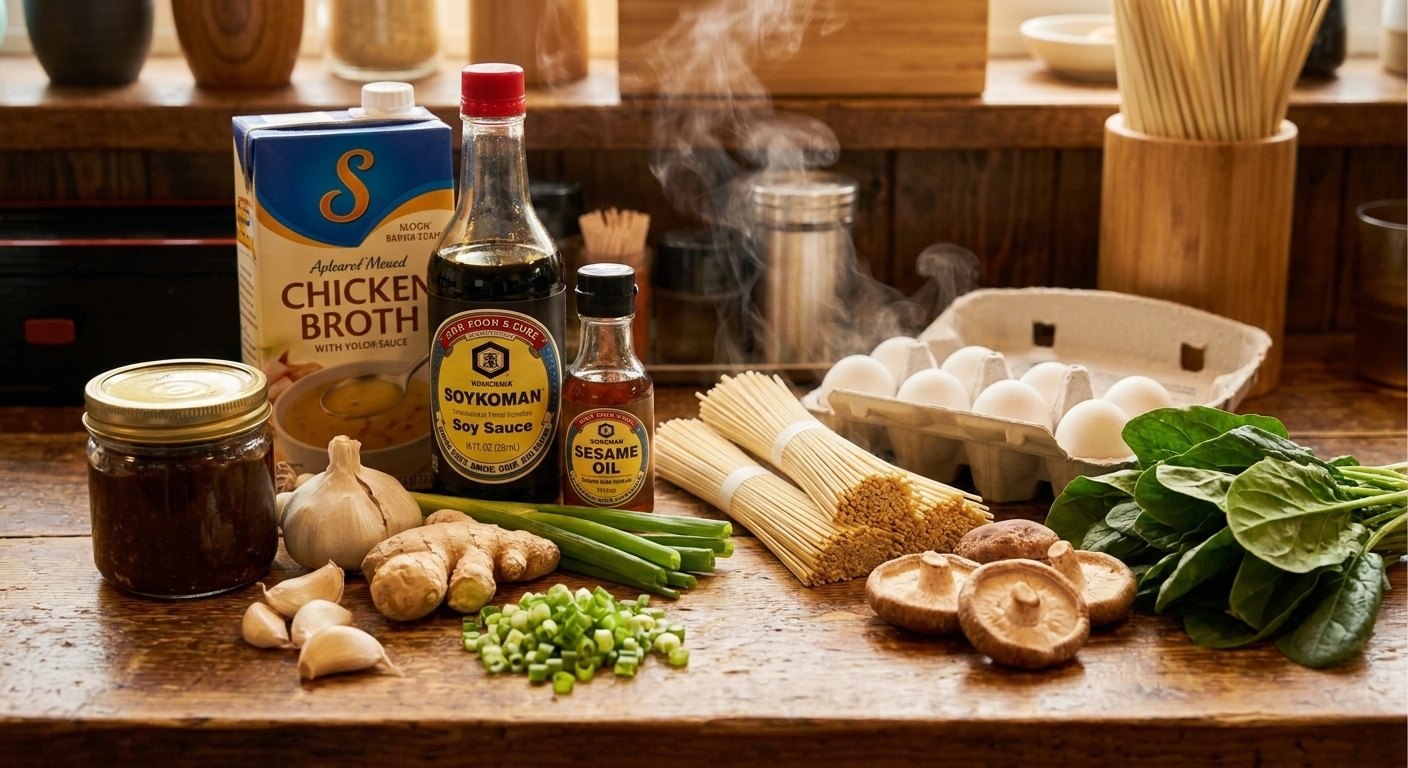
For the rich savory broth
- 7 cups low-sodium chicken broth (or good vegetable broth)
- 2 cups water
- 1 piece kombu (about 4 x 4 inches), optional but wonderful
- 6 dried shiitake mushrooms (stems removed) or 8 ounces fresh mushrooms, sliced
- 1 tablespoon neutral oil (avocado, canola)
- 6 cloves garlic, minced (yes, six)
- 1 tablespoon fresh ginger, grated
- 2 tablespoons tomato paste
- 1 tablespoon butter (or more sesame oil for dairy-free)
- 2 teaspoons rice vinegar
Tare (seasoning for the bowl)
- 1/3 cup soy sauce (use low-sodium if you prefer more control)
- 2 tablespoons white miso
- 1 tablespoon mirin (or 2 teaspoons sugar)
- 1 to 2 teaspoons fish sauce, optional but adds incredible depth
Garlic-sesame aroma oil
- 3 tablespoons toasted sesame oil
- 1 tablespoon neutral oil
- 2 cloves garlic, very finely minced
- Pinch of red pepper flakes, optional
Noodles and toppings
- 4 portions ramen noodles (fresh, frozen, or dried)
- 4 eggs (soft-boiled)
- Baby spinach or bok choy
- Sliced scallions
- Nori sheets
- Chili crisp or chili oil (my personal favorite finishing touch)
- Optional protein: rotisserie chicken, leftover pork, tofu, or shrimp
Step-by-step: Ultimate rich and savory ramen
1) Start the broth
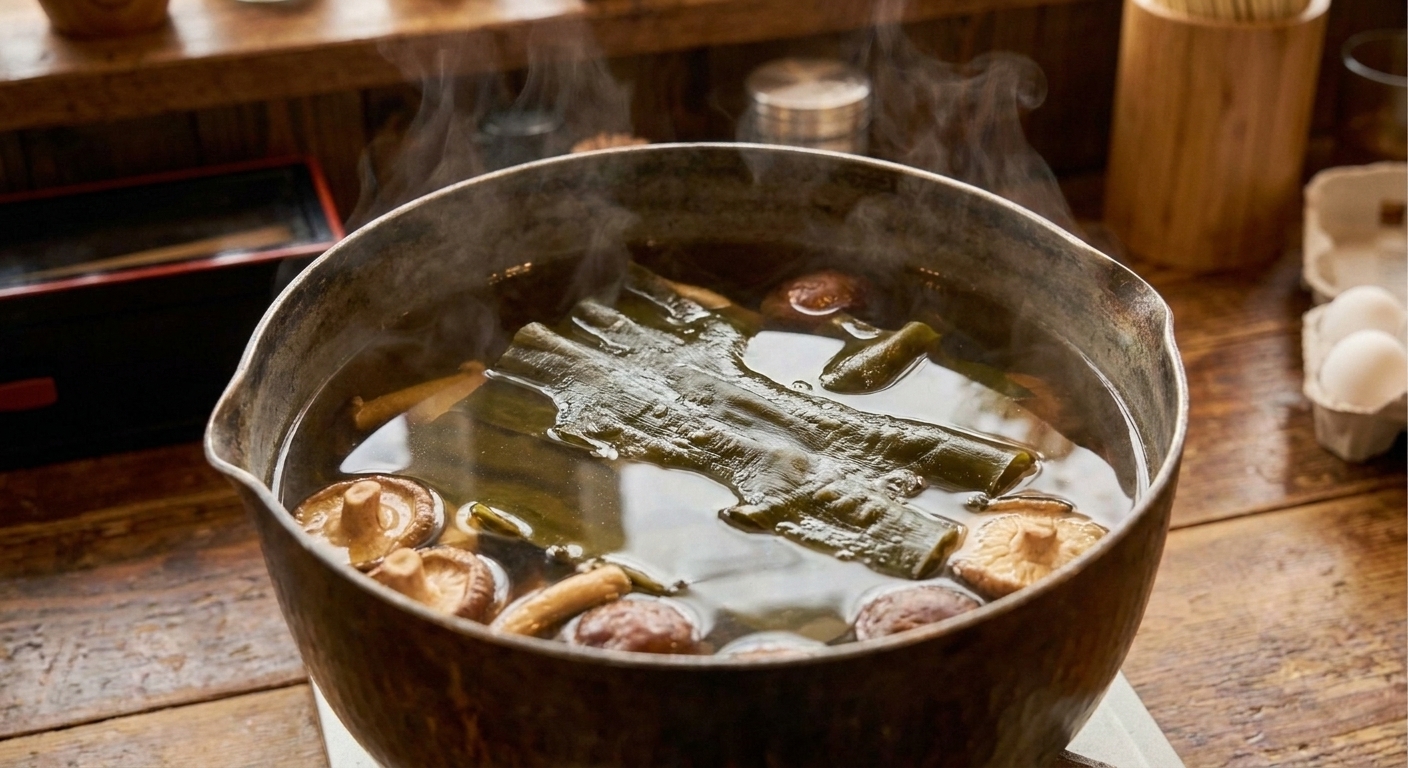
In a large pot, combine broth, water, kombu (if using), and mushrooms. Bring to a gentle simmer over medium heat.
Once it starts to simmer, remove the kombu and avoid letting it reach a hard boil. A gentle simmer keeps the flavor clean (no slimy, iodine-y weirdness). If using dried shiitakes, let them soften in the broth, then slice them and return them to the pot, or simply leave them whole as a topping.
2) Build the savory base
While the broth simmers, in a small skillet over medium-low heat, warm the neutral oil. Add garlic and ginger and cook 30 to 60 seconds until fragrant.
Stir in tomato paste and cook 1 to 2 minutes until it darkens slightly. This tiny step makes everything taste deeper and more “slow cooked.”
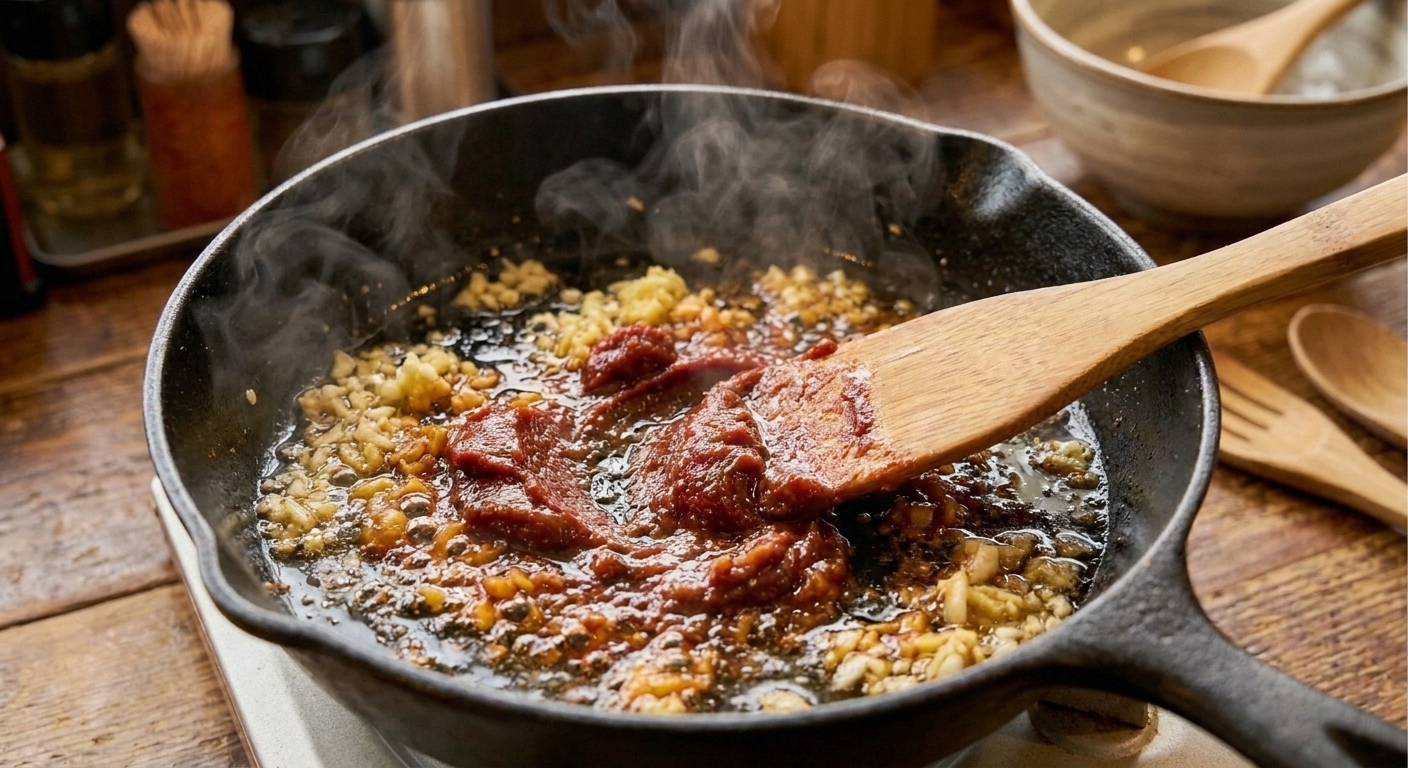
Scrape this mixture into the simmering pot. Add butter and rice vinegar. Keep the broth at a gentle simmer for 10 to 15 minutes. Taste the broth now, but do not salt it yet. The tare will do that job.
3) Mix the tare
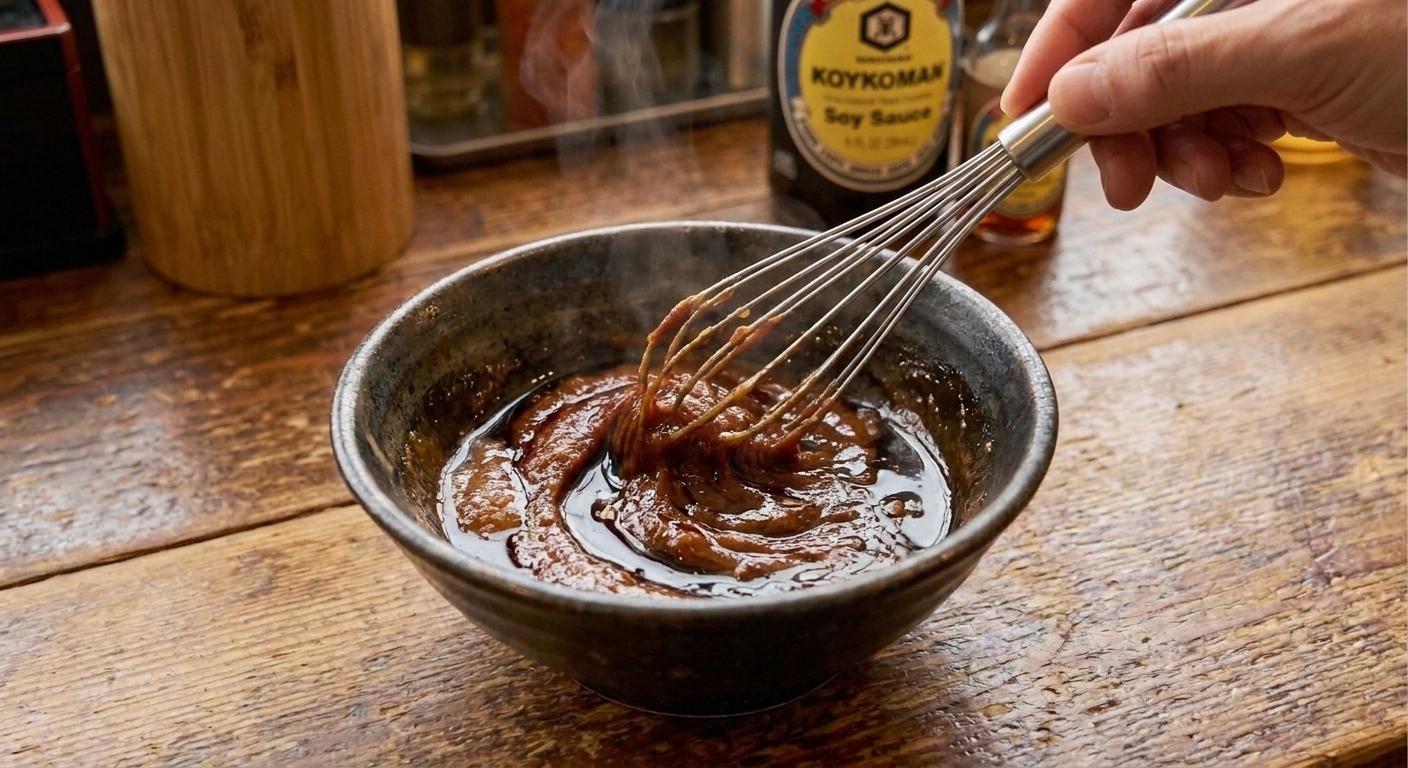
In a small bowl, whisk soy sauce, miso, mirin, and fish sauce (if using) until smooth. Set aside. You will have about 6 to 8 tablespoons tare total, which is perfect for 4 bowls with a little wiggle room.
4) Make the aroma oil
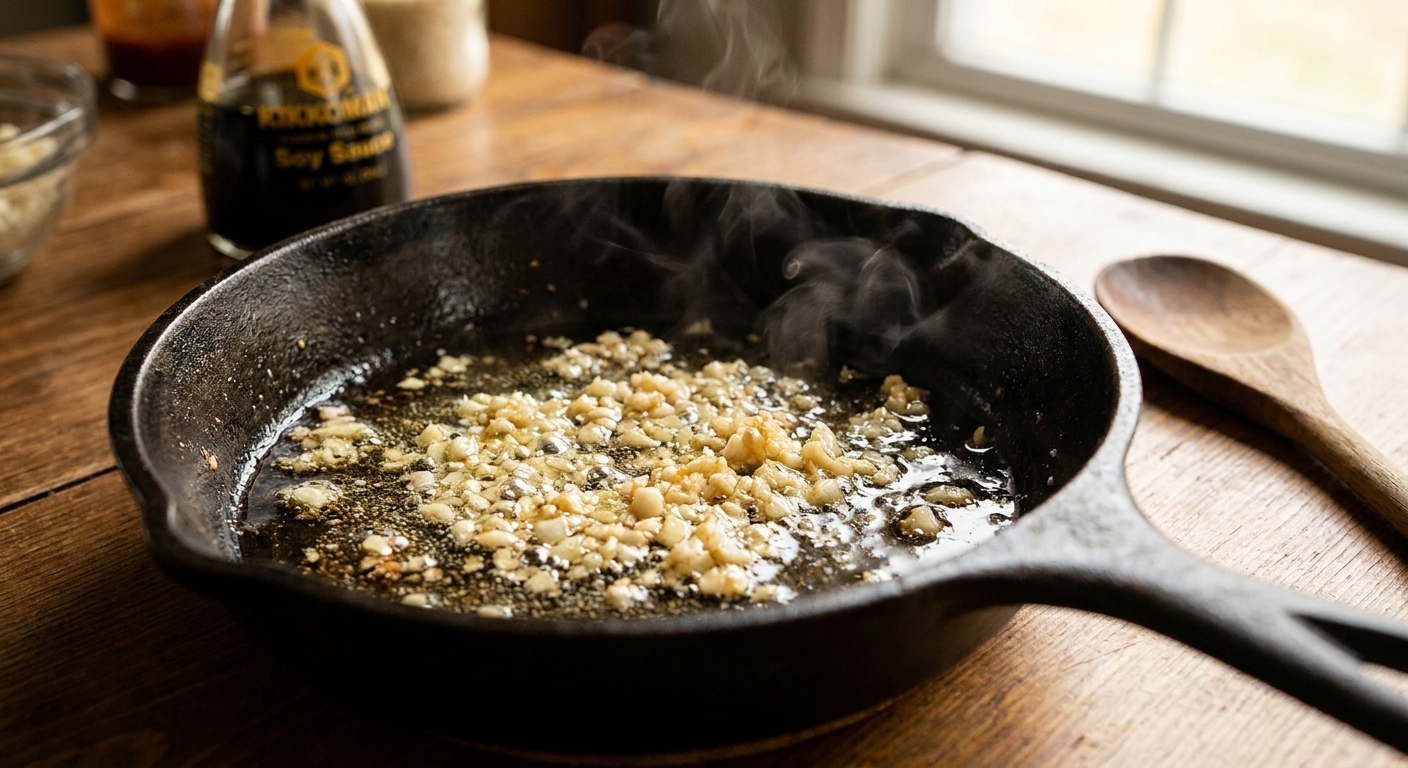
In the same small skillet (no need to wash), warm sesame oil and neutral oil over low heat. Add minced garlic and red pepper flakes. Cook 1 to 2 minutes, just until the garlic turns pale golden and smells incredible. Turn off the heat.
Low and slow is key here. If the garlic browns too much, it will taste sharp.
5) Cook noodles and eggs
Cook ramen noodles according to package directions, then drain well. If you are assembling right away, skip rinsing so the broth clings nicely. If the noodles will sit for a few minutes (or you are prepping ahead), a quick rinse with hot water can help prevent gumminess. Toss with a tiny drizzle of oil to prevent sticking if needed.
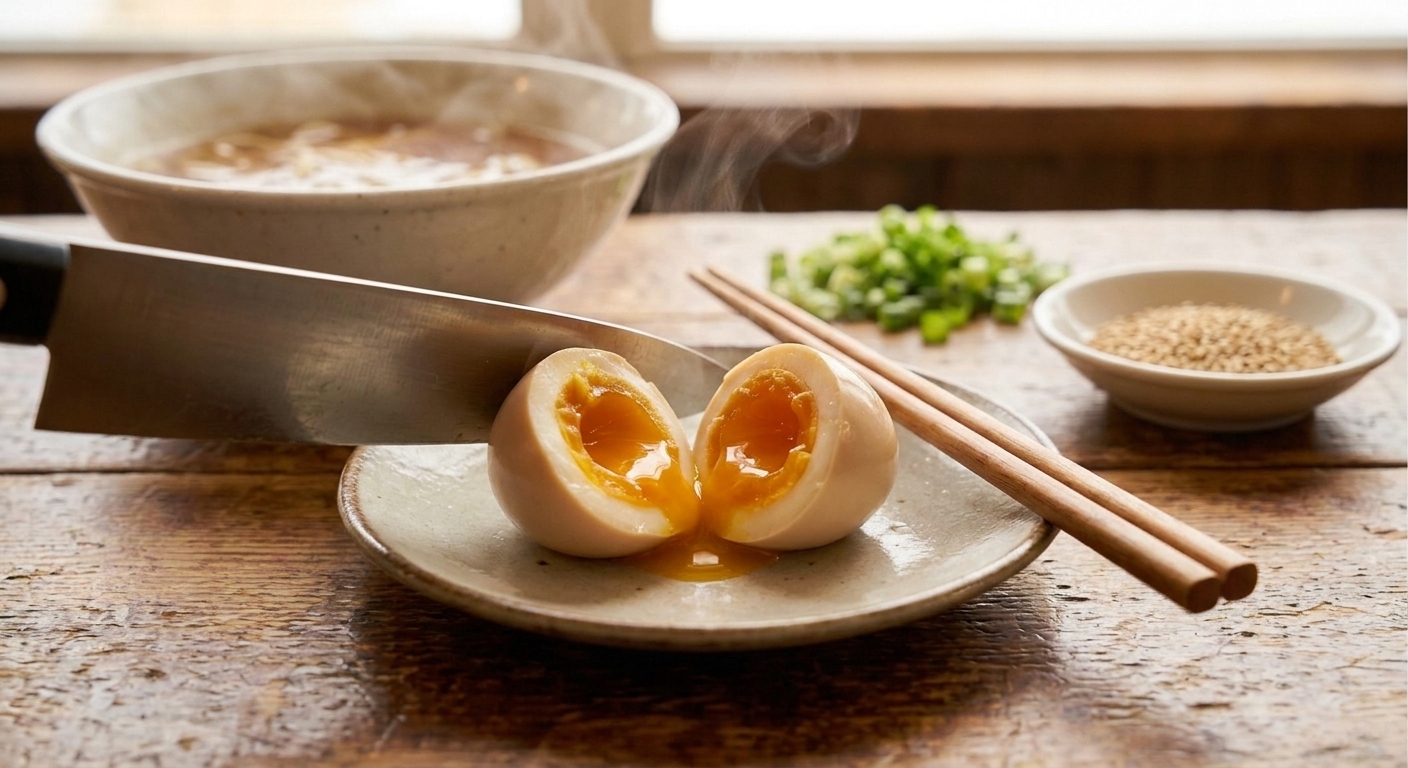
For soft-boiled eggs: simmer eggs for 6 1/2 minutes, transfer to an ice bath, peel, and halve.
6) Assemble each bowl
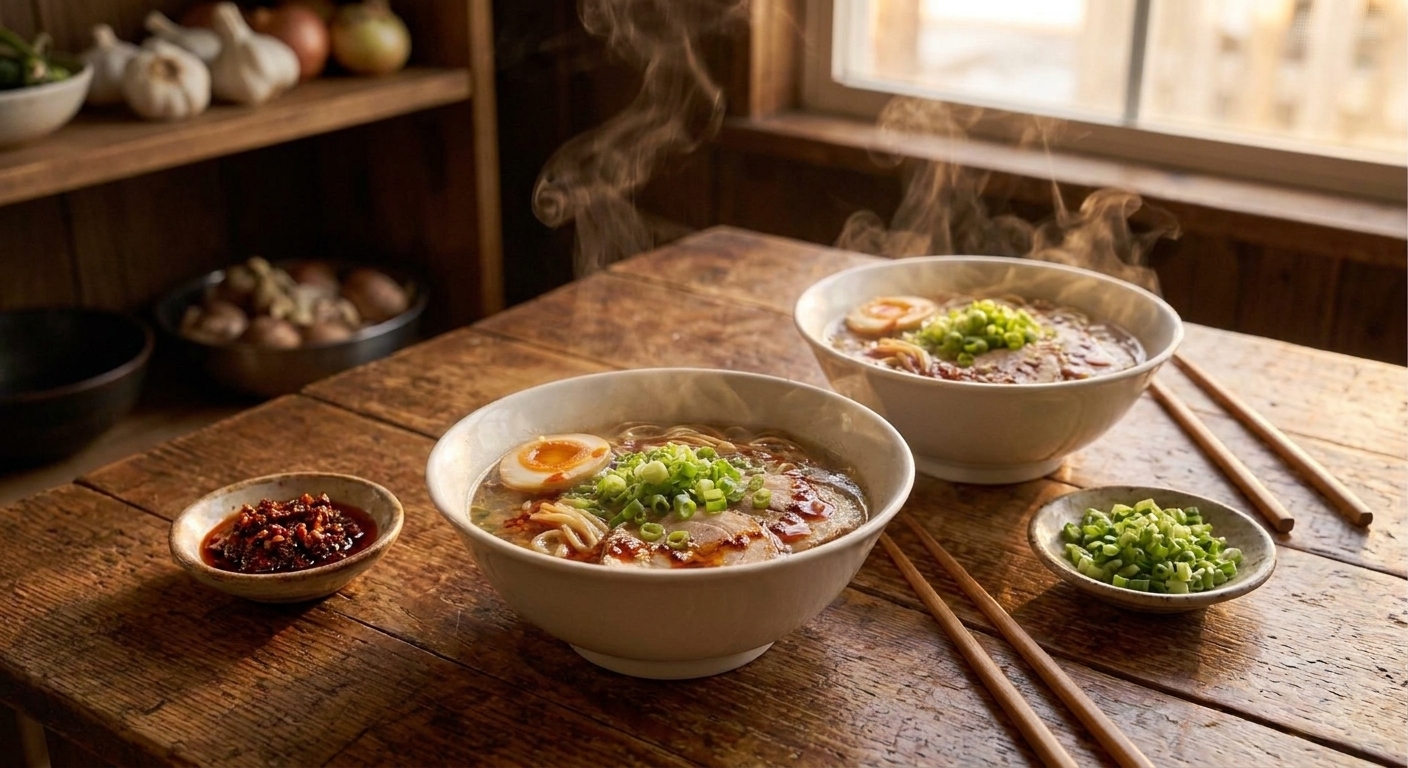
This is where ramen becomes ramen. Add tare to the bowl first, then ladle in hot broth. This keeps seasoning precise and bright.
- Add 1 1/2 tablespoons tare to each bowl (adjust to taste).
- Ladle in about 1 1/2 cups hot broth.
- Add noodles.
- Top with egg, greens, mushrooms, protein, scallions, and nori.
- Finish with 1 to 2 teaspoons aroma oil and chili crisp if you like heat.
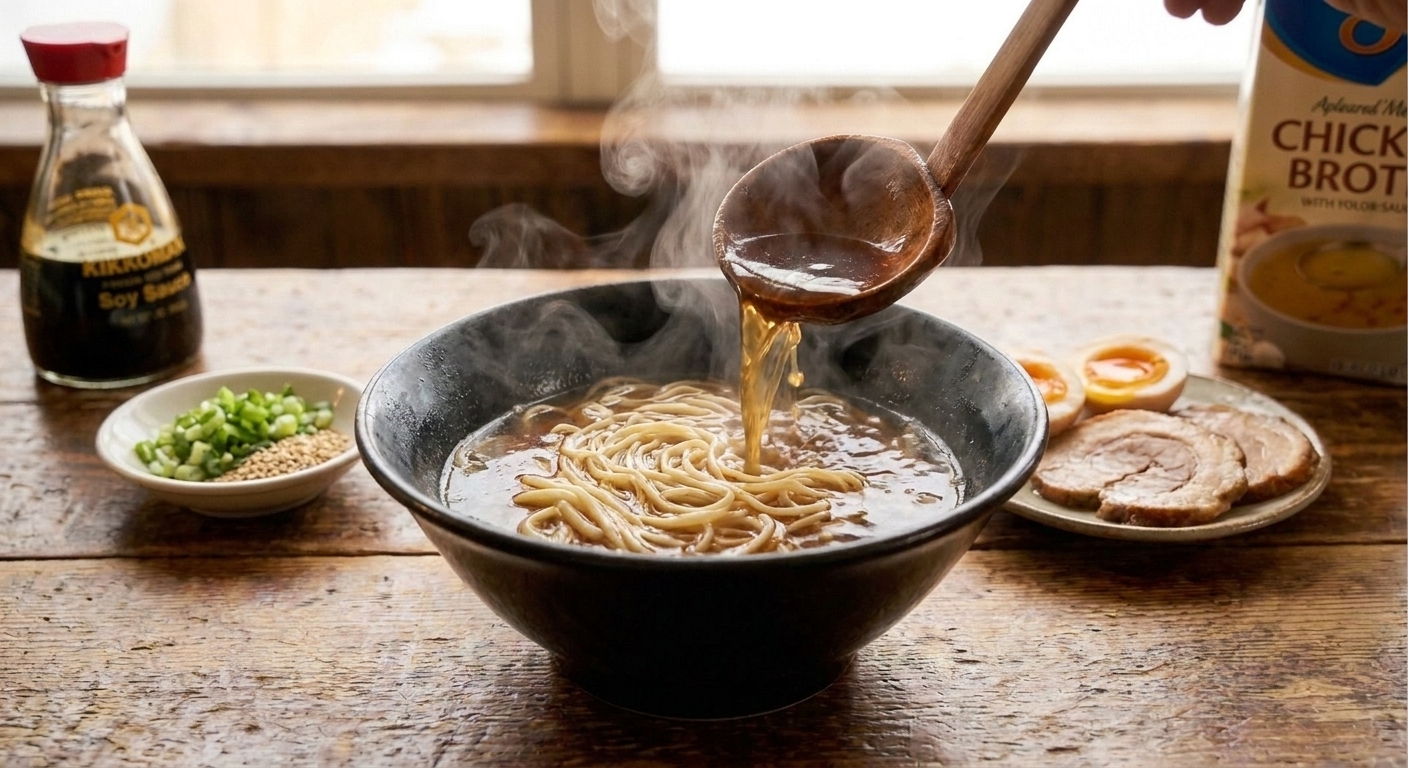
Take a second to stir gently before eating so the tare and aroma oil mingle into the broth. Taste after you stir, then add a little more tare if you want it saltier.
Easy swaps
Ramen nights are meant to be flexible. Here are my favorite swaps that still keep the bowl rich and savory:
- Broth: Use vegetable broth plus an extra tablespoon of miso for depth. If your broth tastes thin, add an extra tablespoon of butter or a spoonful of tahini for richness.
- Kombu: Skip it if you cannot find it. Add an extra splash of soy sauce in the tare or a pinch of MSG if you use it.
- Mushrooms: Fresh cremini, shiitake, or even frozen mixed mushrooms all work.
- Protein: Rotisserie chicken is my weeknight hero. Tofu cubes pan-seared until golden are also amazing.
- Noodles: Fresh ramen noodles are dreamy, but dried ramen noodles absolutely work. Just do not overcook.
Make it extra rich
If you want that “I cannot believe I made this at home” bowl, choose one add-on:
- Add gelatin: Simmer a couple of chicken wings in the broth for 45 to 90 minutes (whenever you have the time), then remove. Even the shorter end gives a little extra silkiness, and longer is even better.
- Boost with fat: Add a teaspoon of butter to each bowl right before serving, or increase aroma oil.
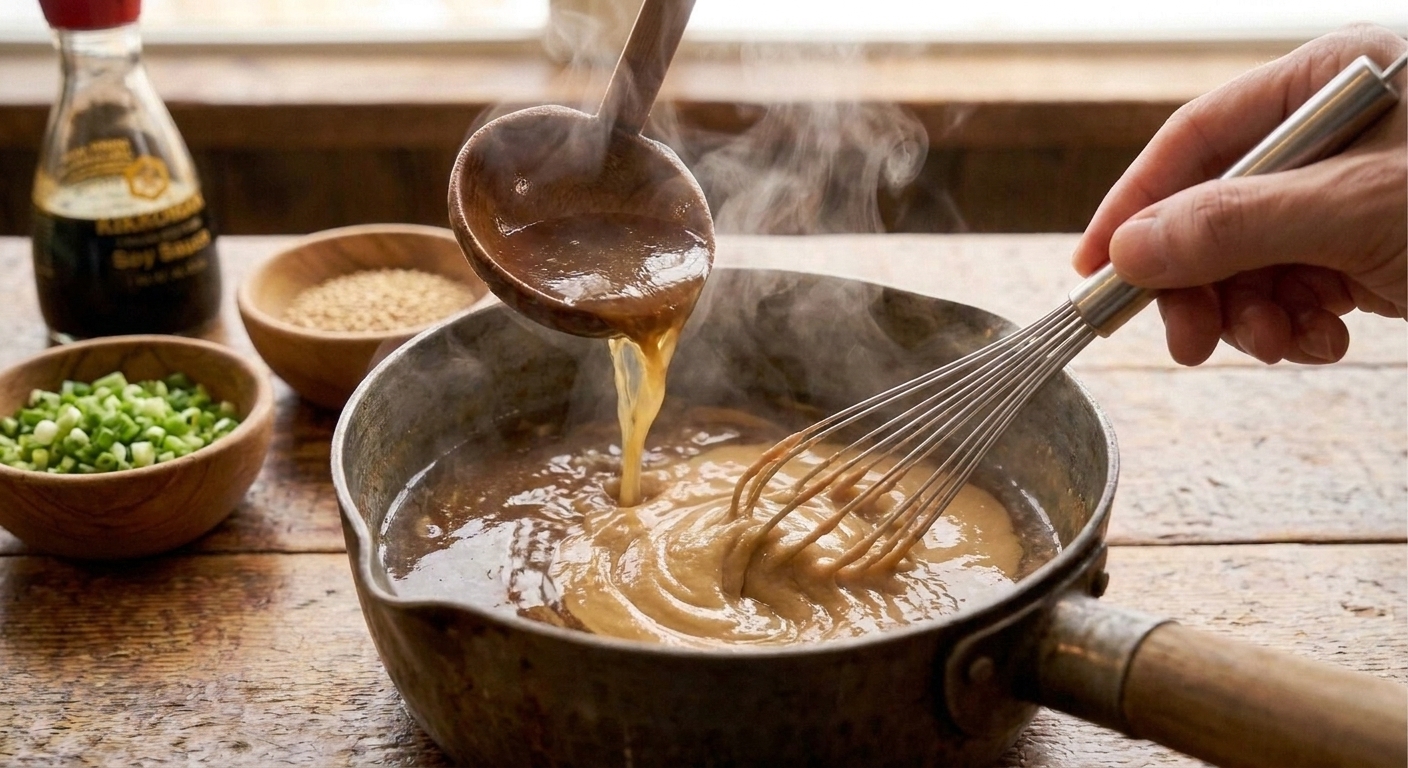
- Make it creamy: Whisk 2 tablespoons tahini into the broth pot (or into each bowl) for a nutty, tonkotsu-inspired creaminess.
Storage and make-ahead
Ramen is best freshly assembled, but you can absolutely prep components to make weeknights easy.
- Broth: Cool and refrigerate up to 4 days. Reheat gently. Skim fat if desired, or stir it in for richness. For a cleaner bowl, strain the broth before serving (optional, but lovely).
- Tare: Refrigerate up to 1 week in a jar.
- Aroma oil: Refrigerate up to 1 week. Warm slightly to loosen before using.
- Noodles: Cook fresh each time if possible. If you must pre-cook, rinse well, toss with a little oil, and store 1 day.
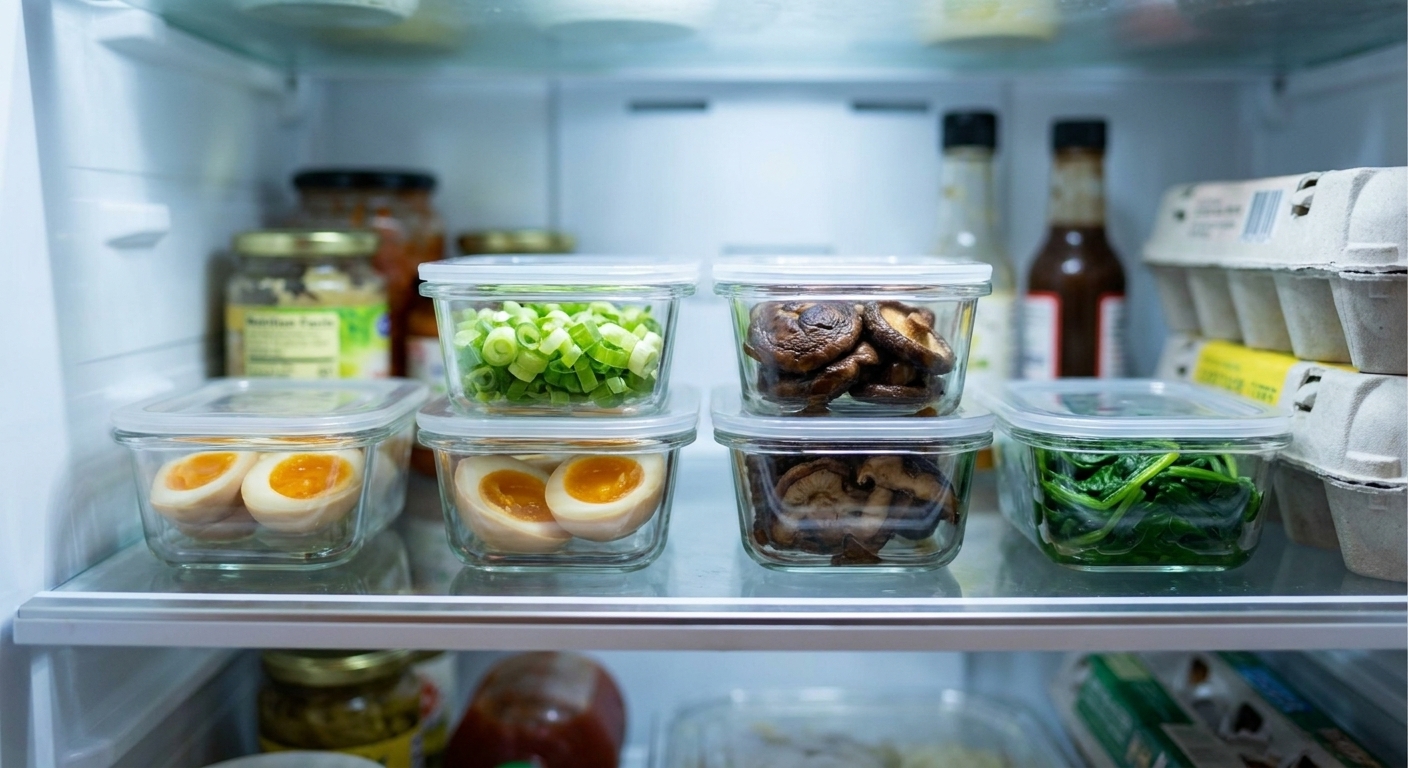
Pro tip from my deeply organized brain: store toppings in one container like a little ramen kit. Future you will be so thankful.
Troubleshooting
My broth tastes flat
- Add 1 to 2 teaspoons rice vinegar or a squeeze of lemon for brightness.
- Add a small splash of fish sauce or more miso.
- Make sure you are using enough tare in the bowl and tasting after stirring.
My ramen is too salty
- Use less tare per bowl, then top up with plain broth.
- Choose low-sodium broth and low-sodium soy sauce next time.
My garlic burned
- Start over on the aroma oil. Burnt garlic is stubbornly bitter.
- Keep heat low and pull the pan off heat the moment it turns pale golden.
FAQ
Can I make this vegetarian?
Yes. Use a flavorful vegetable broth, keep the kombu and mushrooms if you can, skip fish sauce, and add an extra tablespoon of miso. Top with tofu and lots of greens.
What noodles should I buy?
Fresh or frozen ramen noodles have the best chewy bounce, but dried ramen noodles work well. Look for noodles labeled “ramen” or “alkaline noodles” at the store or Asian market.
Do I have to use miso?
Miso adds body and a fermented savoriness that reads as “rich.” If you skip it, increase soy sauce slightly and consider a teaspoon of tahini or a little butter for roundness.
How do I keep noodles from getting soggy?
Cook noodles just until tender, drain well, and assemble bowls immediately. If you are serving a crowd, keep noodles and broth separate and let everyone build their bowl.
My favorite combos
- Classic comfort: soft egg, scallions, nori, rotisserie chicken, chili crisp
- Veggie loaded: bok choy, mushrooms, corn, tofu, sesame seeds
- Spicy cozy: extra aroma oil, chili crisp, bean sprouts, shredded pork