

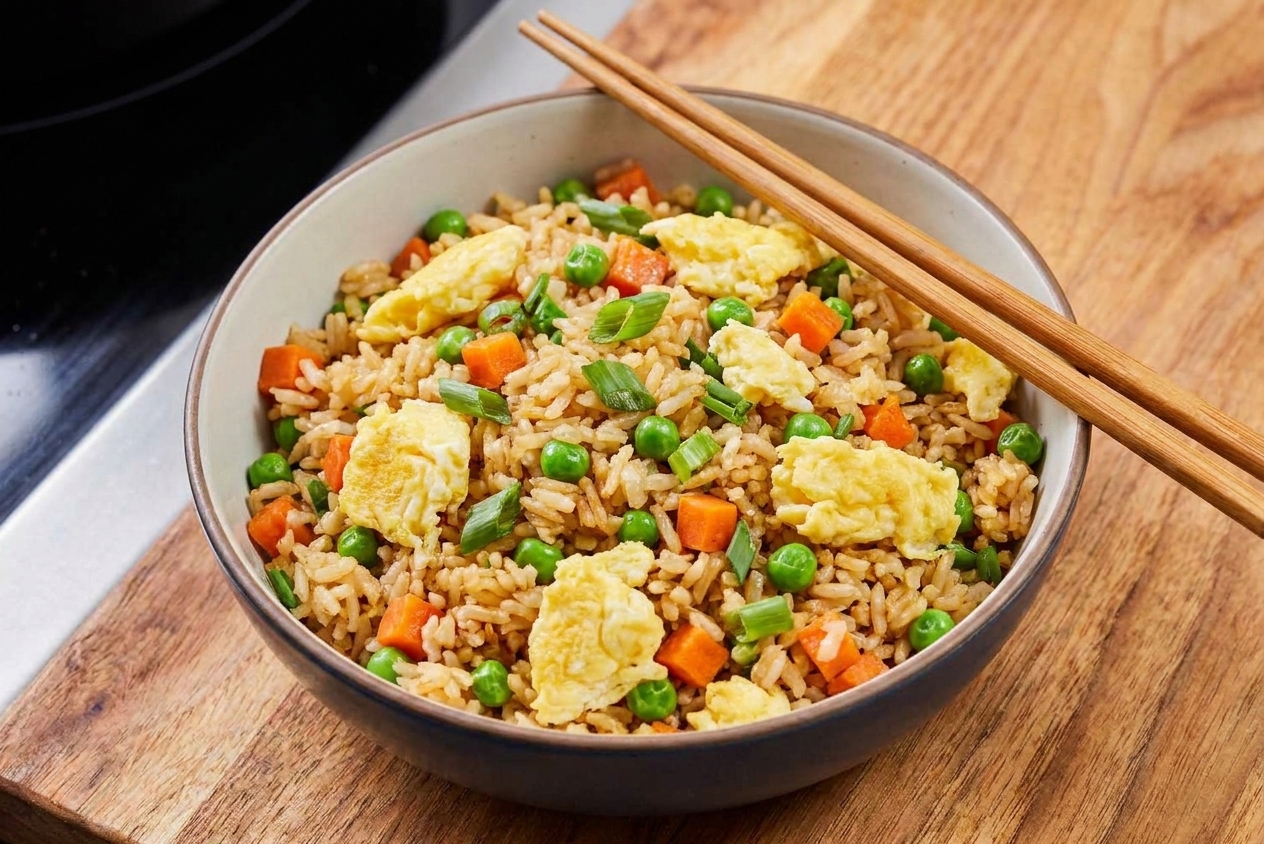
Fried rice is my favorite kind of weeknight magic: one pan, a handful of fridge odds and ends, and suddenly dinner tastes like you planned ahead. The catch is that takeout fried rice has a very specific feel: separate grains (never mushy), a little smoky edge, savory depth, and those tender bits of egg in every bite.
This is the version I make when I want that same feel without the delivery wait. It leans hard into my personal kitchen motto (there is no such thing as too much garlic), uses a simple soy-forward sauce with that savory, glossy restaurant depth, and relies on one very unsexy secret: cold rice and high heat. The sauce goes in at the end, around the edges of the pan, so it sizzles fast and coats the grains instead of turning everything steamy.

You can keep it classic with peas and carrots, or treat it like a clean-out-the-crisper situation. And if you do not have a wok, do not stress. A big skillet works great as long as you give the rice enough room to actually fry. Either way, I will walk you through the timing so everything stays crisp, glossy, and deeply satisfying.
The idea
Why This Recipe Works
- Cold rice equals separate grains. Day-old rice is drier, so it fries instead of steaming. That is the difference between fluffy takeout-style rice and a soft, clumpy skillet situation.
- A quick sauce that coats, not floods. Mixing the soy sauce, oyster sauce, sesame oil, and a touch of sugar first means you add it once, fast, and it clings to the rice evenly.
- Egg cooked first keeps it tender. Scrambling the eggs separately prevents overcooking and keeps those soft curds that feel restaurant-y.
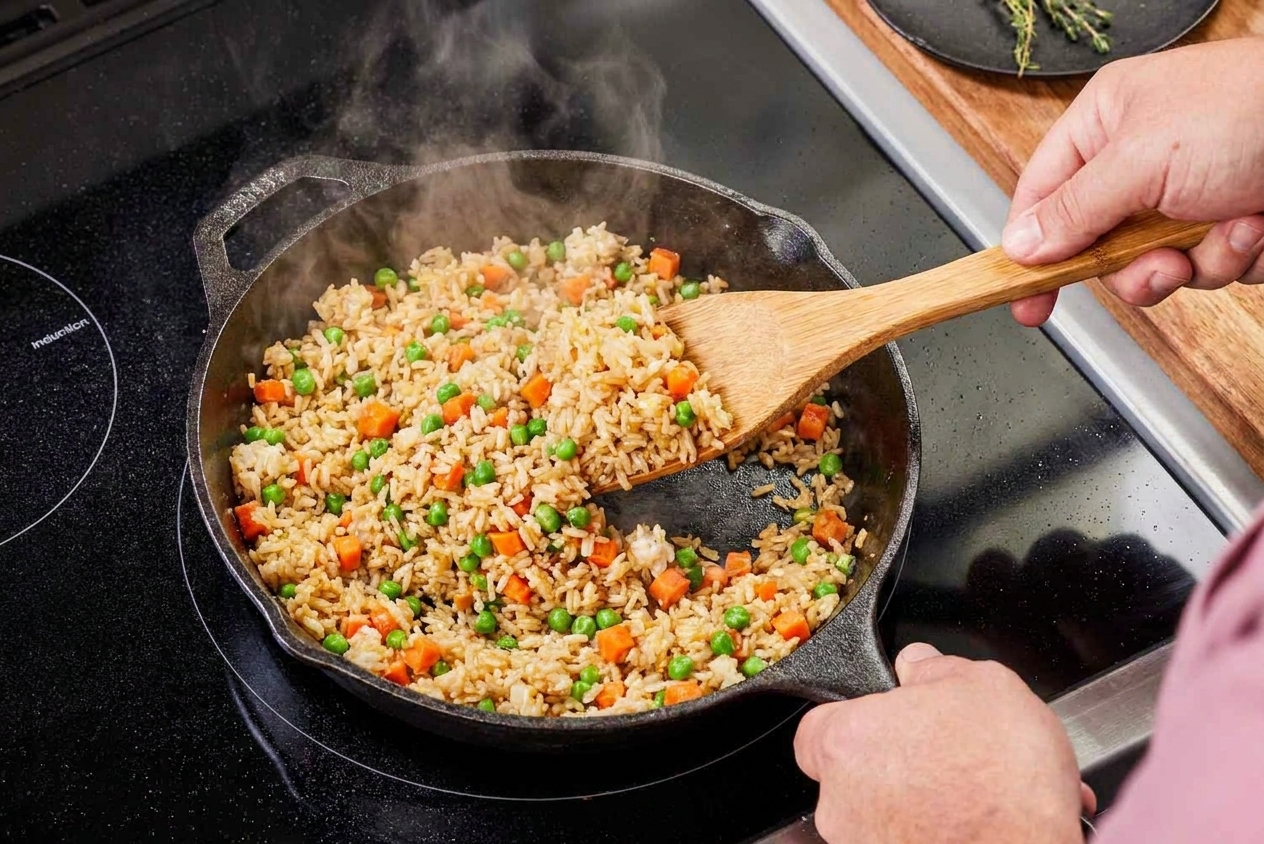
- High heat and space create that wok-like edge. A large skillet, minimal stirring at the right moments, and a hot pan encourage a little browning for deeper flavor.
- Layered aromatics. Garlic, ginger, and scallions hit the pan in stages so the flavor tastes built, not flat.
Shopping
Ingredient Notes
Rice
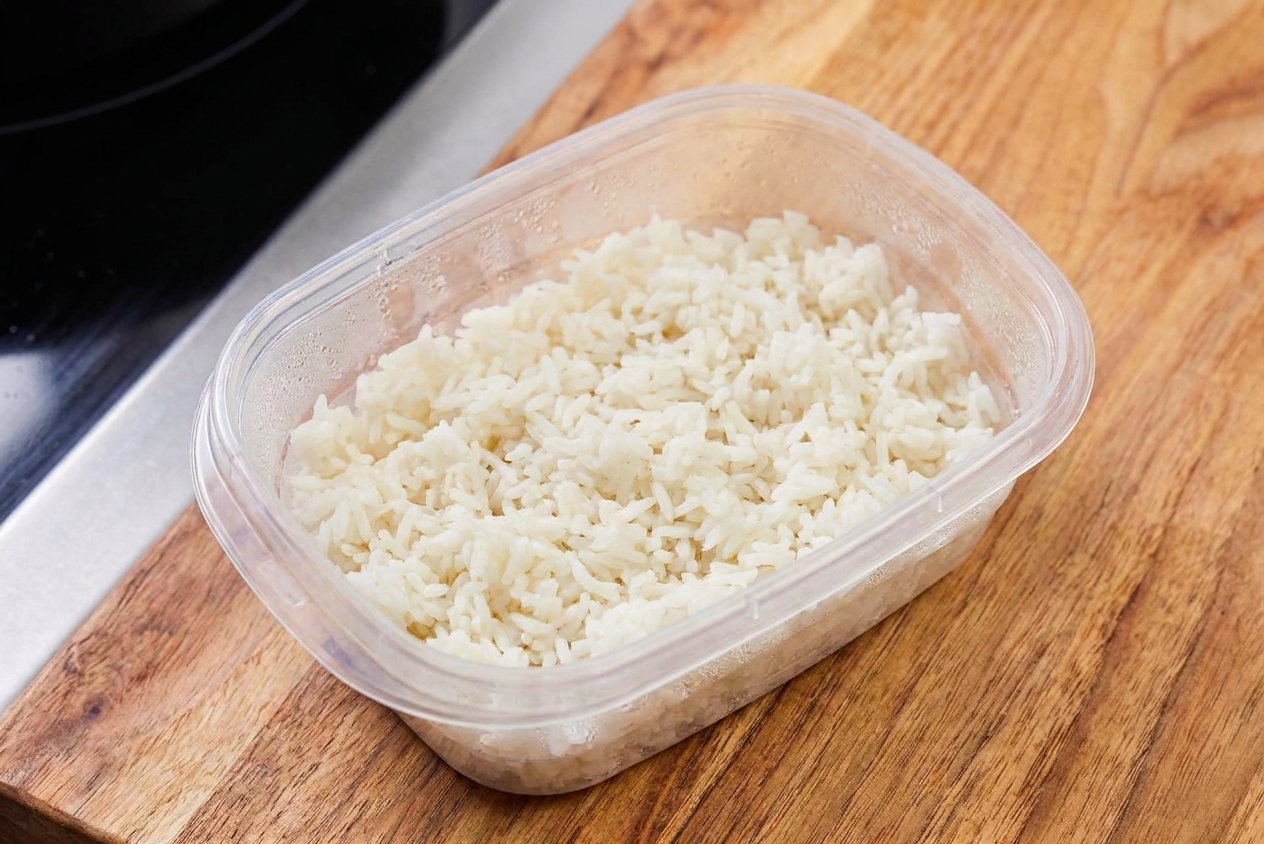
Jasmine rice is my go-to for that classic takeout texture, but any long-grain white rice works. The key is that it is cold. If you only have fresh rice, spread it on a sheet pan and refrigerate 30 to 45 minutes to dry it out.
Soy sauce
Use low-sodium soy sauce if you can so you control the salt. If you only have regular soy sauce, reduce the amount slightly and taste at the end.
Oyster sauce
This is my not-so-secret weapon for that savory, glossy depth. If you have ever wondered why restaurant fried rice tastes “rounder,” oyster sauce is often part of the answer.
Sesame oil
Use toasted sesame oil and add it near the end. It is a finishing flavor more than a frying oil.
Vegetables
Frozen peas and carrots are convenient and totally valid. If using fresh veggies, chop small so they cook quickly and stay crisp.
Protein
Leftover chicken, pork, shrimp, or tofu all work. Just make sure it is already cooked, or cut small enough to cook fast without steaming the rice.
Get set up
Equipment You Will Need
- Large skillet or wok (12-inch is ideal)
- Spatula (a sturdy one for scraping browned bits)
- Small bowl for mixing the sauce
- Measuring spoons
- Sharp knife and cutting board
Technique
Tips for Getting It Right
Break up the rice before it hits the pan
Cold rice likes to clump. Use clean hands or a fork to separate it in the bowl first. It takes 20 seconds and saves you from pan wrestling later.
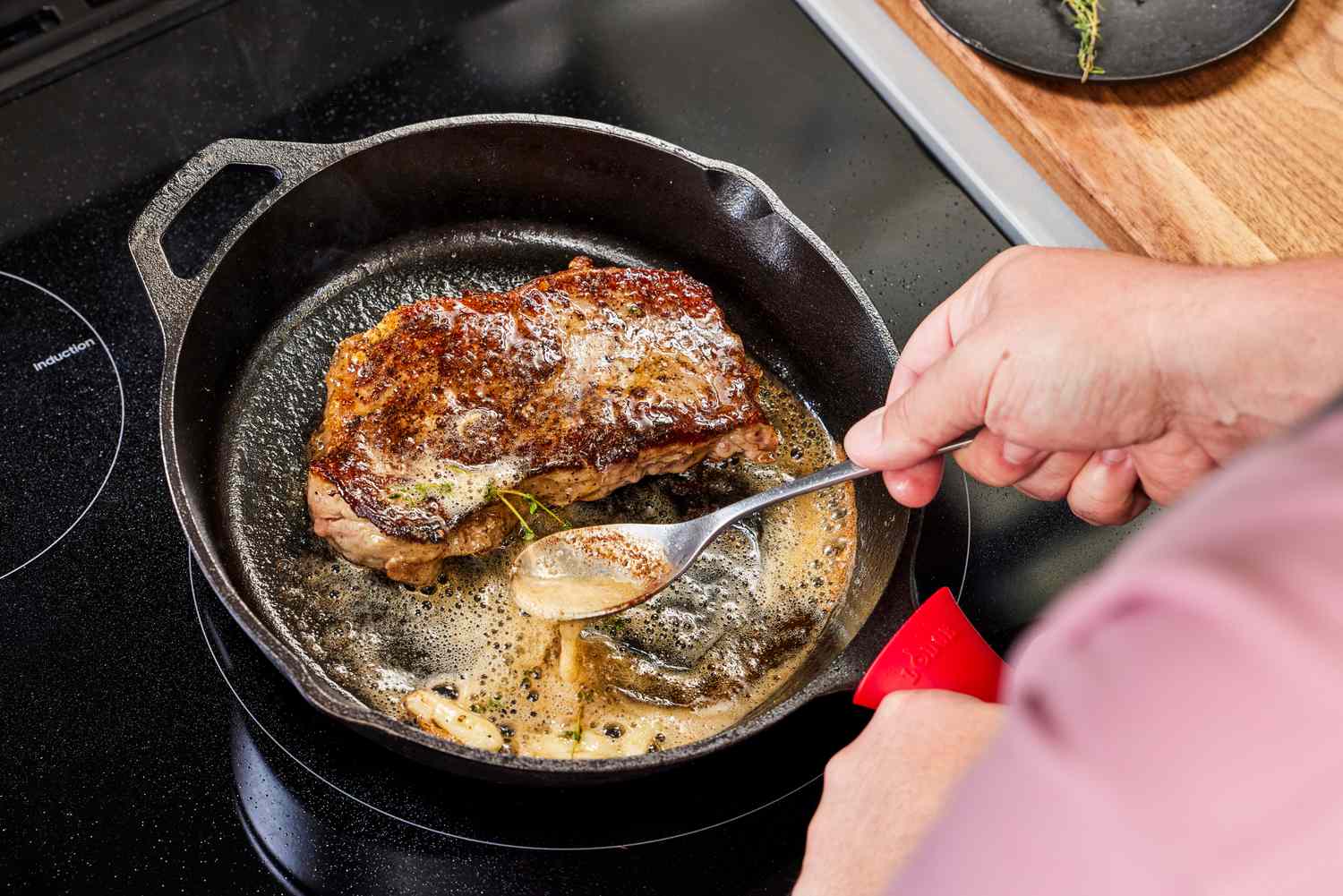
Heat first, then oil
Let the skillet get properly hot, then add oil. This helps prevent sticking and gives you better browning.
Cook in the right order
Egg first, then aromatics, then vegetables, then rice, then sauce. It keeps each ingredient at its best instead of turning everything the same soft texture.
Let the rice sit for a moment
After adding rice, press it into the pan and leave it alone for 30 to 45 seconds. That contact time builds light toasty spots that taste like wok hei-adjacent goodness, even on a home stove.
Add the sauce around the edges
Pour the sauce around the perimeter of the pan, not directly on top of the rice mound. It sizzles, reduces quickly, and then coats everything as you toss.
Finish bright
A handful of sliced scallions at the very end wakes up the whole pan. If you like heat, a pinch of chili flakes or a little chili crisp is a dream here.
Flexibility
Substitutes That Work
- No oyster sauce: Use 1 tablespoon hoisin sauce, or 1 tablespoon soy sauce plus 1/2 teaspoon brown sugar. It will be slightly different, still delicious.
- No fresh ginger: Use 1/4 teaspoon ground ginger, added with the garlic, or simply skip it.
- Gluten-free: Use tamari or gluten-free soy sauce, and make sure your oyster sauce substitute is gluten-free. Many brands of oyster sauce contain wheat.
- Egg-free: Skip the eggs and add cubed tofu or extra veggies. A drizzle of toasted sesame oil at the end helps replace that richness.
- Lower sodium: Stick with low-sodium soy sauce and add a squeeze of lime at the end for brightness instead of extra salt.
Make it yours
Variations to Try
Chicken fried rice
Add 1 to 1 1/2 cups diced cooked chicken. Stir it in after the veggies warm through so it does not dry out.
Shrimp fried rice
Use small peeled shrimp. Cook them quickly after the aromatics, remove to a plate, then add back at the end so they stay juicy.
Pineapple fried rice
Add 3/4 cup pineapple chunks and a pinch of curry powder with the veggies. Finish with chopped cashews if you have them.
Kimchi fried rice
Swap the peas and carrots for 1 to 1 1/2 cups chopped kimchi. Add it after the aromatics and let it sizzle. Finish with sesame seeds.
On the table
What to Serve It With
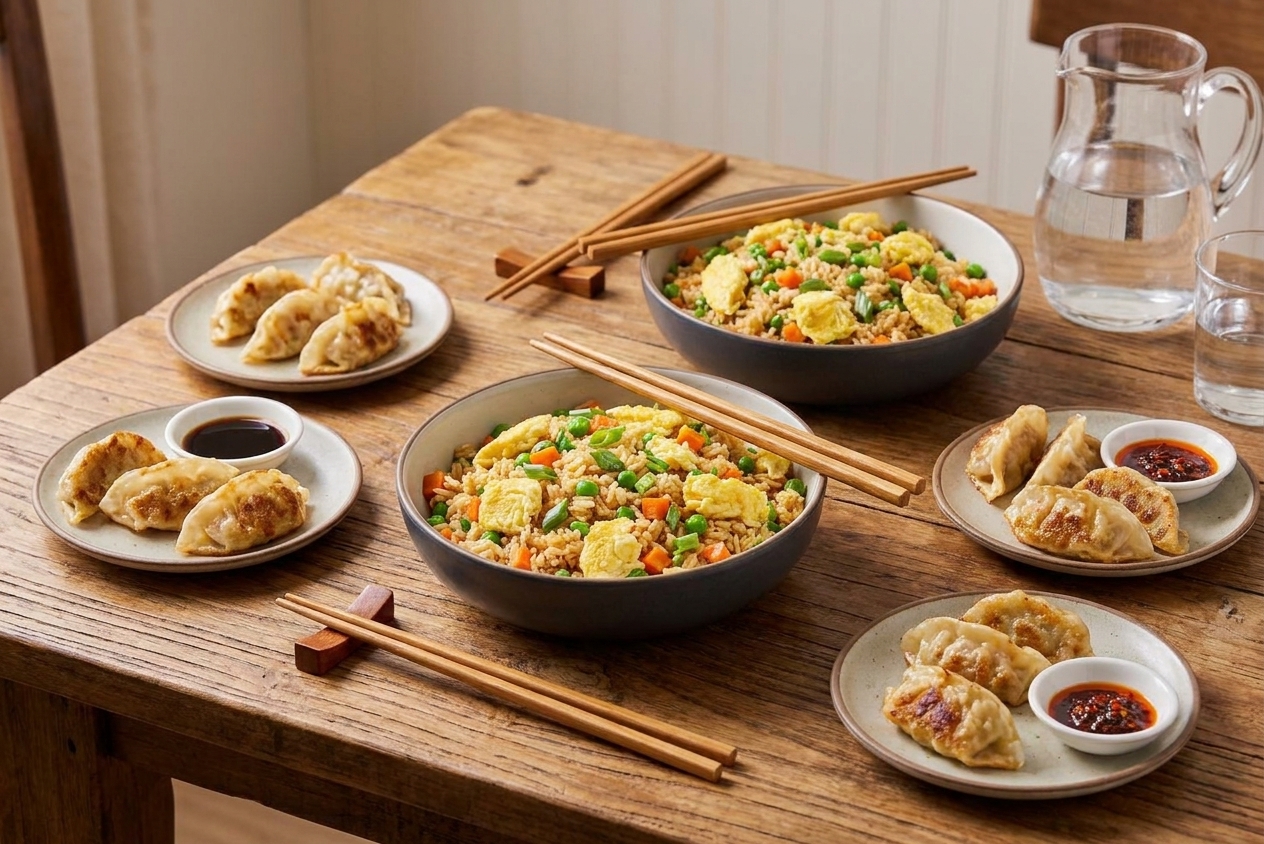
- Make it a full spread: Serve with store-bought potstickers, a quick cucumber salad, or steamed edamame.
- Top it: Chili crisp, sriracha, extra scallions, or a drizzle of sesame oil.
- Add crunch: Sprinkle toasted sesame seeds or chopped peanuts on top.
- Soup on the side: Miso soup or egg drop soup makes this feel like a cozy takeout night at home.
Later
Storage, Freezing and Reheating
Refrigerate
Cool leftovers quickly, then store in an airtight container for up to 4 days.
Reheat
My favorite way is a hot skillet with a small splash of water to create a little steam, then a drizzle of oil to re-crisp. Microwave works too. Cover loosely and heat in 30-second bursts, stirring between.
Freezing
You can freeze fried rice for up to 2 months. Freeze flat in a zip-top bag for quick thawing. Reheat from frozen in a covered skillet with a splash of water, then uncover and stir-fry until hot.
Food safety note
Rice is best when cooled and refrigerated promptly. Do not leave cooked rice sitting out for long stretches.
Watch out
Common Mistakes to Avoid
- Using hot, freshly cooked rice. It steams and turns gummy. Chill it first so it fries.
- Overcrowding the pan. If your skillet is small, cook in two batches. Crowding traps steam and kills browning.
- Adding sauce too early. Sauce on raw veggies makes everything wet. Fry the rice first, then sauce.
- Stirring constantly. Give the rice time touching the pan so it can toast.
- Burning the garlic. Keep the heat high, but move fast. If your garlic is browning too quickly, lower the heat slightly before adding it.
Questions
Frequently Asked Questions
What is the best rice for fried rice?
Day-old jasmine rice is my favorite for classic takeout-style fried rice, but any long-grain white rice works well. Brown rice works too, just expect a heartier, less “takeout” texture.
Can I make fried rice with fresh rice?
Yes. Spread freshly cooked rice on a sheet pan, fluff it, and refrigerate until cold and a little dry, about 30 to 45 minutes. It will never be quite as perfect as true day-old rice, but it gets you very close.
How do I keep fried rice from getting soggy?
Use cold rice, a hot pan, and avoid overcrowding. Also, add sauce at the end and toss quickly so it coats instead of pooling.
Do I need a wok?
Nope. A large skillet works beautifully. The real keys are high heat and enough surface area for the rice to make contact with the pan.
Why does restaurant fried rice taste better?
Usually it is a combination of very high heat, properly chilled rice, and a little extra savory depth from sauces like oyster sauce. This recipe leans into those same principles at home.
Can I make this vegetarian?
Absolutely. Skip the meat and use tofu or extra vegetables. For the sauce, use a vegetarian “oyster” sauce (often mushroom-based) or hoisin.
The recipe
Easy Fried Rice Better Than Takeout
A fast, garlicky, better-than-takeout fried rice made with cold rice, tender egg, crisp veggies, and a glossy soy-oyster sauce. One skillet, big flavor, and flexible enough for whatever is in your fridge.
Ingredients
- 3 cups cooked jasmine rice, cold (preferably day-old)
- 3 tablespoons neutral oil (such as avocado, canola, or grapeseed), divided
- 2 large eggs, lightly beaten
- 1 small yellow onion, finely diced
- 4 cloves garlic, minced
- 1 teaspoon fresh ginger, grated (optional but wonderful)
- 1 cup frozen peas and carrots (no need to thaw)
- 3 to 4 scallions, thinly sliced, whites and greens separated
- 1 1/2 tablespoons low-sodium soy sauce
- 1 tablespoon oyster sauce
- 1 teaspoon toasted sesame oil
- 1/2 teaspoon sugar
- 1/4 teaspoon white pepper (or black pepper)
- 1 to 1 1/2 cups cooked protein (diced chicken, pork, shrimp, or tofu), optional
- Fine salt, to taste
Instructions
- Mix the sauce. In a small bowl, stir together the soy sauce, oyster sauce, toasted sesame oil, sugar, and white pepper. Set aside.
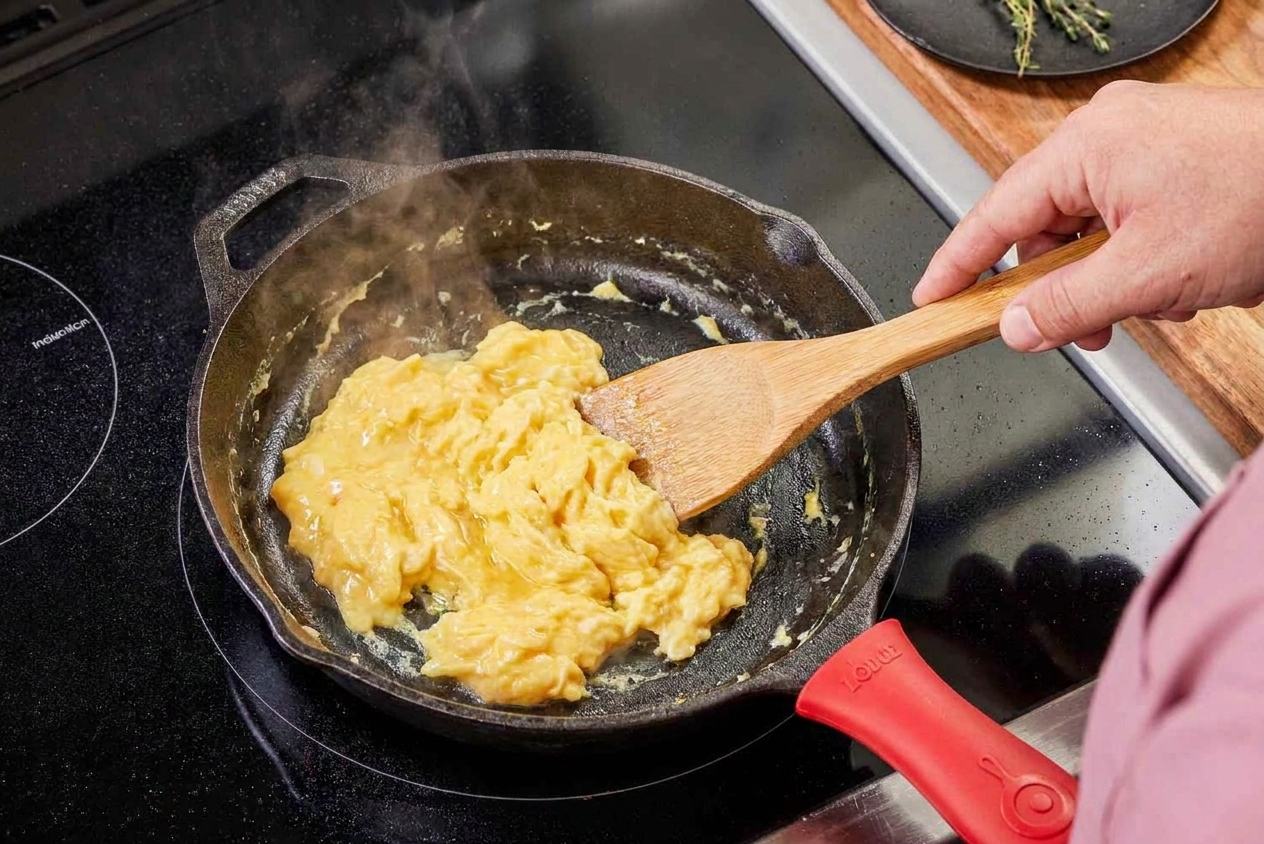
- Scramble the eggs. Heat a large skillet or wok over medium-high heat. Add 1/2 tablespoon oil, then pour in the eggs. Gently scramble until just set, 30 to 60 seconds. Transfer to a plate.
- Cook aromatics. Add 1 tablespoon oil to the hot skillet. Add onion and the scallion whites. Stir-fry 1 to 2 minutes until the onion starts to soften. Add garlic and ginger and cook 20 to 30 seconds, stirring constantly so the garlic does not burn.
- Stir-fry the vegetables. Add peas and carrots. Cook 1 to 2 minutes until bright and hot.
- Fry the rice. Add remaining 1 1/2 tablespoons oil, then add the cold rice. Use a spatula to break up clumps and press the rice into an even layer. Let it sit undisturbed 30 to 45 seconds, then toss. Repeat once more for a little toasty browning.
- Add protein and sauce. If using cooked protein, add it now and toss until warmed through. Pour the sauce around the edges of the skillet and toss quickly until everything looks evenly coated and glossy, about 30 seconds.
- Finish and serve. Add the scrambled eggs back in and toss to combine. Stir in scallion greens. Taste and add a pinch of salt if needed. Serve hot.
Recipe notes
- Quick chill hack: If your rice is fresh, spread it on a sheet pan, fluff, and refrigerate until cold and slightly dry.
- Small pan? Cook in two batches. Crowding is the fastest route to soggy rice.
- Love it darker? Add an extra 1/2 teaspoon soy sauce, but taste first. It is easy to over-salt.
- Garlic lovers: You can absolutely bump the garlic to 6 cloves. I support you.
Nutrition (per serving, approximate)
- Calories: 430
- Protein: 13 g
- Carbohydrates: 60 g
- Fat: 15 g
- Saturated Fat: 3 g
- Fiber: 3 g
- Sugars: 3 g
- Sodium: 720 mg