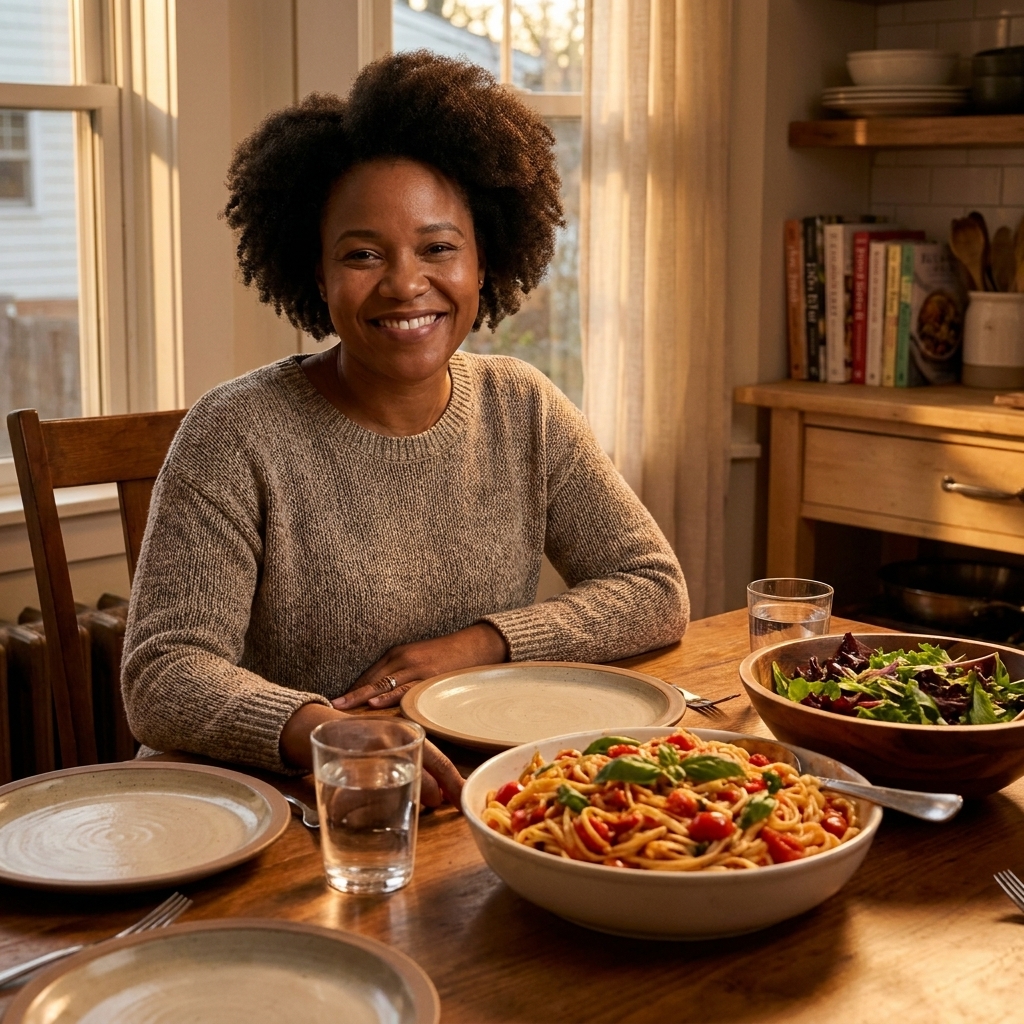
Dinner in 15 minutes is possible. Here are 10 cozy, kid-friendly recipes with smart shortcuts and big flavor, plus swap ideas for picky eaters.
Recipeva
Master the 10-Minute Stir-Fry
Learn smart prep, a simple base sauce, and an easy cooking order for restaurant-style 10-minute stir-fry stove time, plus timing tips and fixes.

Maya Reynolds
Maya Reynolds is a passionate home cook, recipe developer, and the creative voice behind Recipeva. With over a decade of experience translating complex culinary techniques into approachable weeknight meals, she focuses on creating dishes that bring joy to the dinner table without the stress.
Created September 21, 2026
Updated September 21, 2026
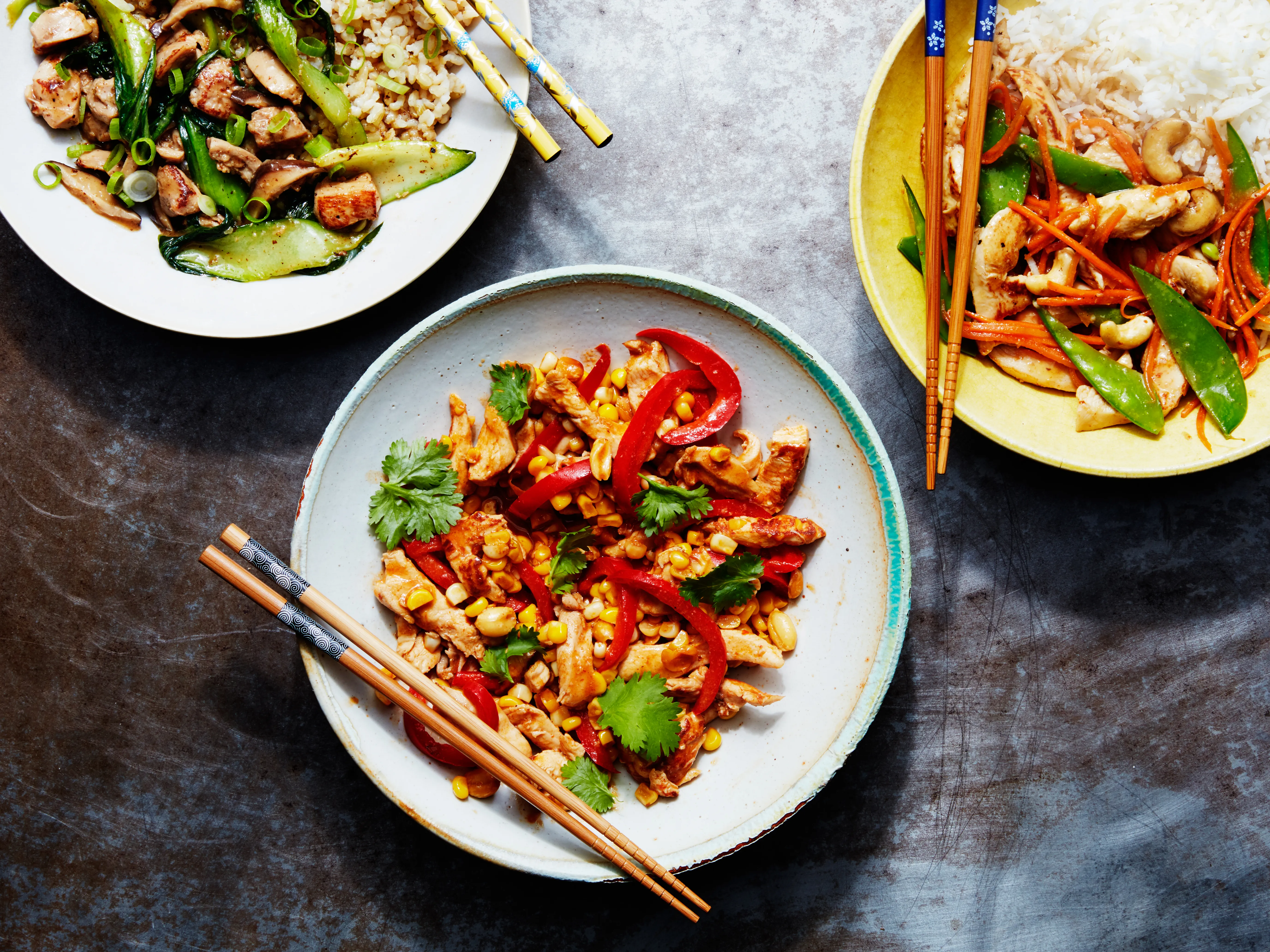
If you have ever watched a stir-fry come together in a blur at a restaurant and thought, there is no way I can do that at home, I am here to lovingly disagree. Stir-fry is one of the most beginner-friendly dinner skills you can learn, because it is less about fancy equipment and more about one thing: prep first, cook fast .
This guide will walk you through the exact rhythm I use on busy weeknights: how to prep so you are not scrambling, how to build a quick sauce that tastes “real,” and the few pan techniques that make everything crisp, glossy, and delicious with about 10 minutes of actual stove time.
Quick reality check: that “10 minutes” is the cooking part. You will still want a few minutes up front to chop, measure, and mix.
The 10-minute mindset
Here is the big secret: a 10-minute stir-fry is not a “cook faster” recipe. It is a cook smarter recipe.
- Prep is the main event. Slice, measure, and mix before the heat goes on.
- High heat, small batches. Crowding the pan makes things steam and go soft.
- Sauce at the end. Sauce goes in once the veg are crisp-tender so it turns glossy instead of watery.
Once you get this pattern down, you can stir-fry almost anything in your fridge and make it taste intentional.
Your stir-fry kit
A wok is wonderful, but you can absolutely make restaurant-style stir-fry in a regular kitchen.
Best pan options
- Carbon steel wok: heats fast, great for browning and “wok hei” style flavor.
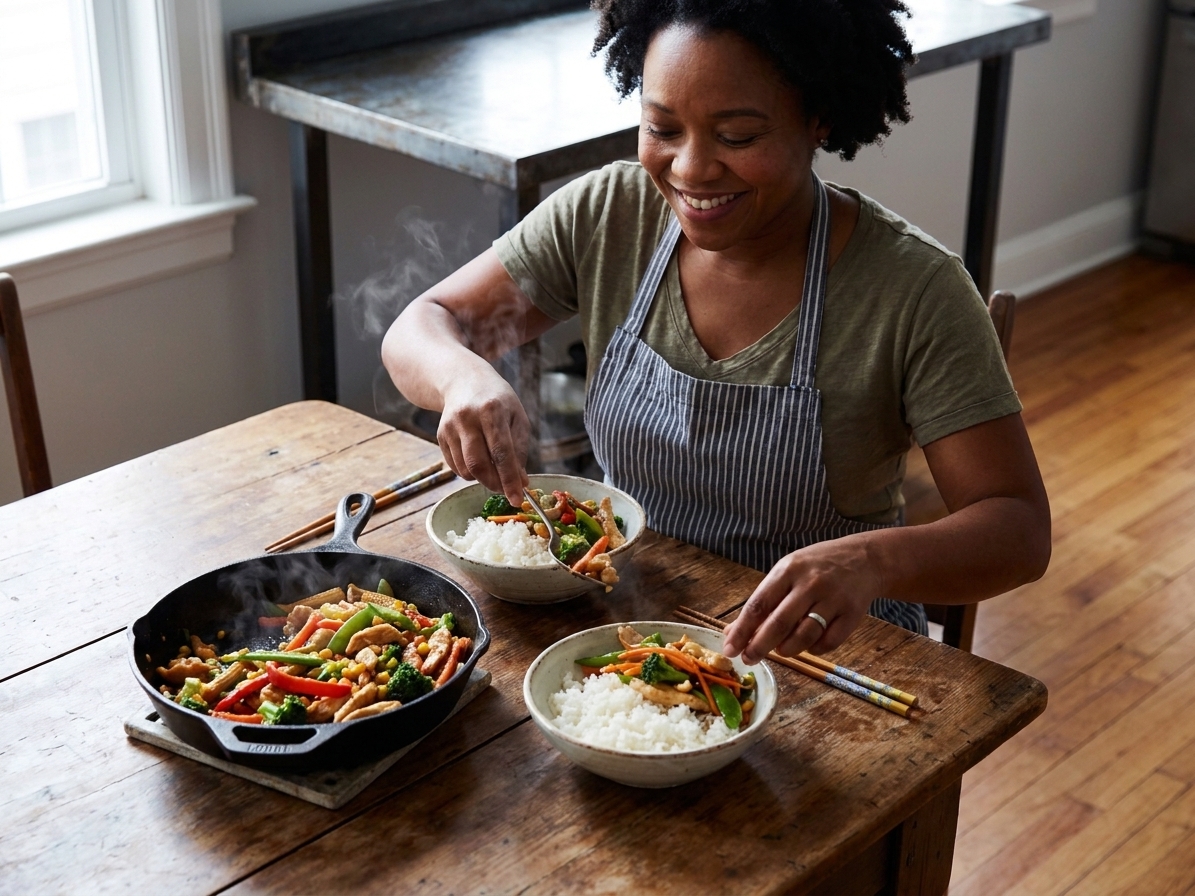
- Large stainless steel skillet: my favorite non-wok option for a great sear.
- Cast iron: works, but can be slower to recover heat between batches.
- Nonstick: easiest cleanup, but lower heat and less browning.
Tools that actually help
- Long spatula or wooden spoon
- One medium bowl for sauce
- Two plates or bowls (one for protein, one for veg)
- Instant-read thermometer (optional, but calming if you are new to cooking meat)
Heat and smoke note: I usually cook on high. If your stove runs hot or your kitchen gets smoky fast, use medium-high and cook in smaller batches. Turn on your vent fan before you start.
Prep like a pro
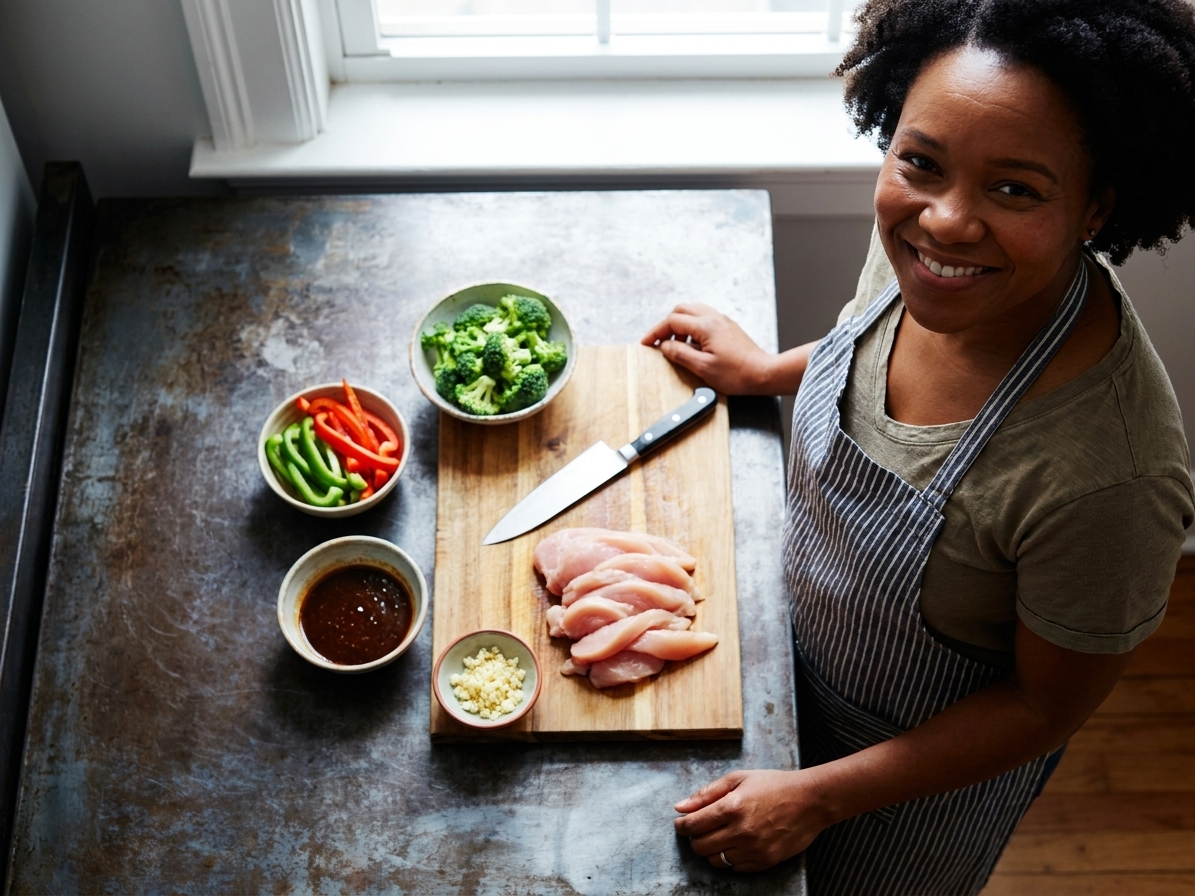
I want you to imagine your stovetop time like a tiny sprint. Everything should be within arm’s reach before you start.
1) Cut to the same size
Uniform pieces cook at the same speed, which is how you avoid the classic beginner problem: crunchy carrots with mushy zucchini.
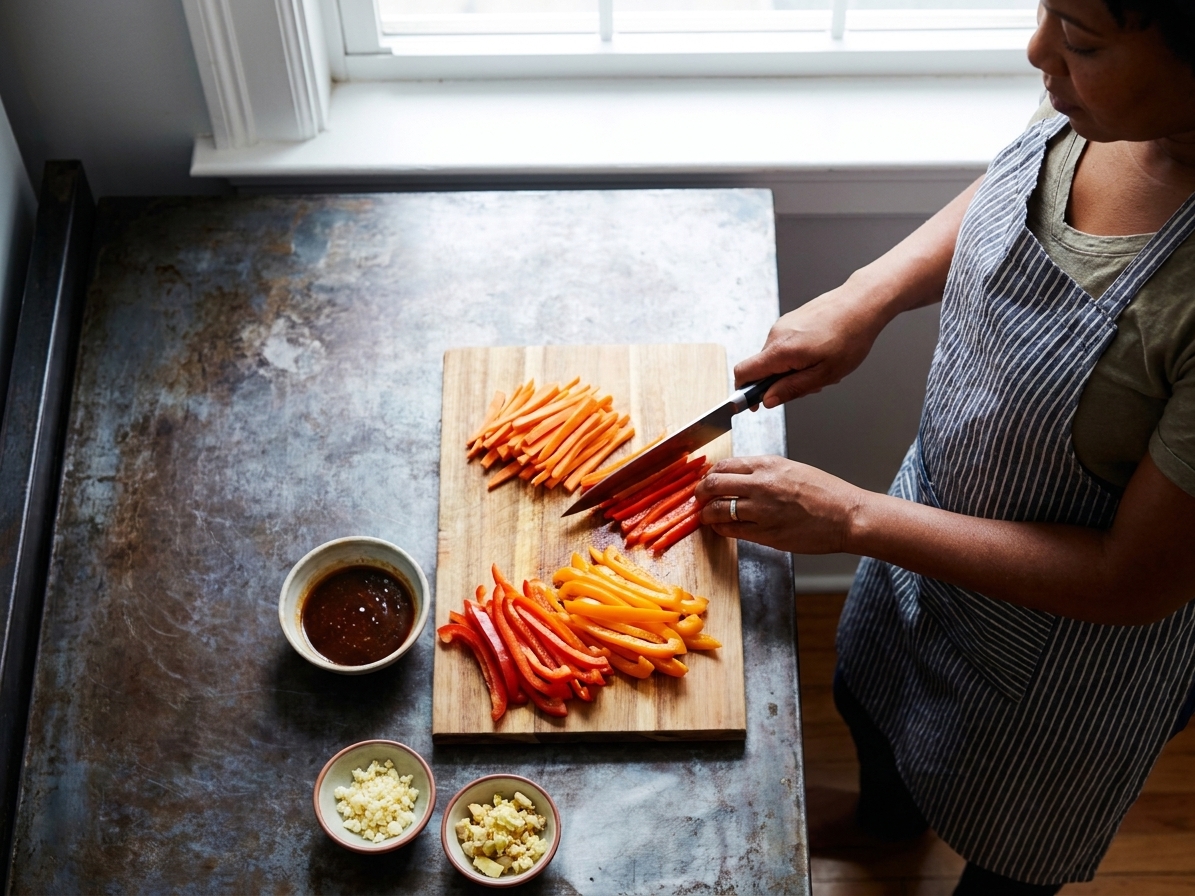
- Vegetables: aim for bite-size, thin slices (about 1/4-inch thick).
- Protein: thin strips or small cubes (about 1/2-inch) cook quickly and stay tender.
2) Dry ingredients brown
Pat protein dry with paper towels. If your vegetables are freshly washed, give them a minute to air-dry or blot them. This one step boosts browning like crazy.
3) Set up your runway
On my counter, I line things up in the order they go into the pan:
- Oil
- Protein
- Aromatics (garlic, ginger, scallion whites)
- Firm veg (broccoli, carrots)
- Tender veg (snap peas, peppers, cabbage)
- Sauce
- Finisher (sesame oil, scallion greens, toasted sesame seeds)
One tiny but important detail: those aromatics go in after you remove the protein. You get the flavor without burning the garlic.
Easy stir-fry sauce
If stir-fry has ever tasted flat at home, it is usually a sauce problem, not a skill problem. A great sauce hits a few notes: salty, a little sweet, some acid, and just enough thickness to cling.
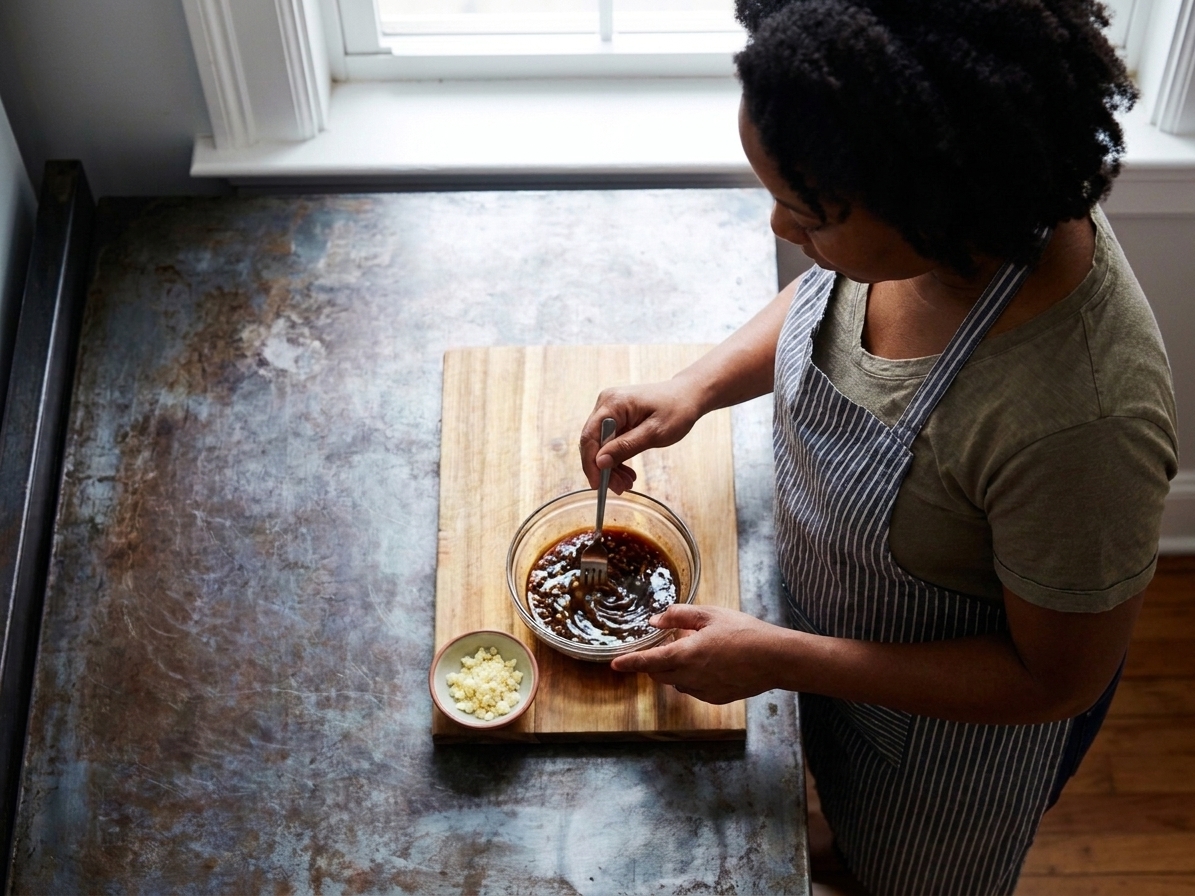
My 5-ingredient base sauce
Whisk together:
- 3 tbsp low-sodium soy sauce (or tamari)
- 1 tbsp water
- 1 tbsp honey or brown sugar
- 1 tbsp rice vinegar (or lime juice)
- 1 tsp cornstarch
Optional but highly encouraged (because, hi, I am Maya): 2 cloves garlic, minced, and 1 tsp grated fresh ginger.
How it works: cornstarch thickens quickly once it simmers, soy sauce brings salt and depth, sweet balances, vinegar lifts everything so it tastes lively.
Salt note: since soy sauce is doing a lot of heavy lifting, do not add extra salt until you taste the finished dish.
Easy variations
- Teriyaki-ish: swap honey for brown sugar, add 1 tsp toasted sesame oil at the end.
- Spicy: add 1 to 2 tsp chili garlic sauce or sriracha.
- Peanut: whisk in 1 tbsp peanut butter plus an extra splash of water.
- Orange-ginger: replace water with orange juice and add extra ginger.
Important: Whisk the sauce again right before pouring. Cornstarch settles quickly.
Cooking order
Stir-fry is basically a choreographed dance. Once you learn the steps, you can freestyle.
Step-by-step method
- Start your rice or noodles first. Get rice going before you prep, or use microwaved rice (no shame). For noodles, set a pot of water to boil while you chop.
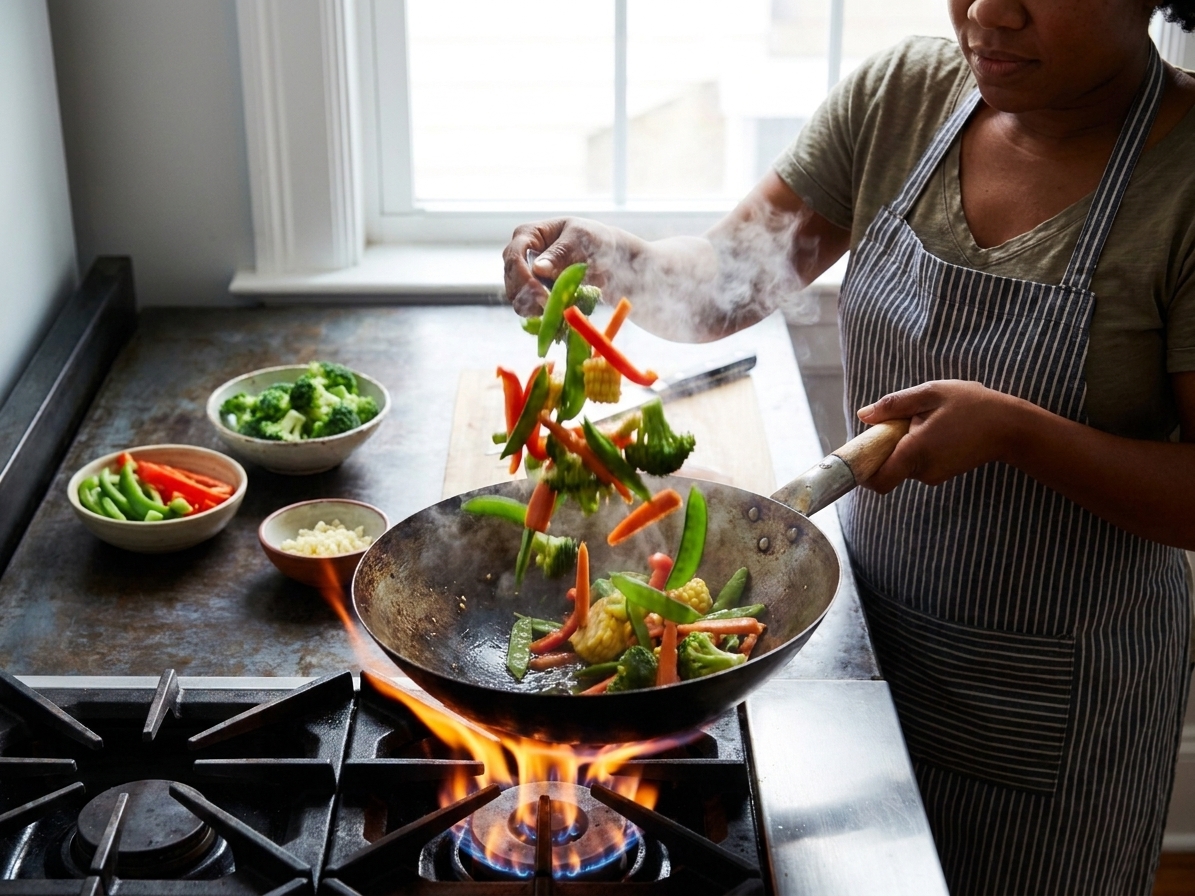
- Preheat the pan until it is truly hot. A drop of water should sizzle and evaporate quickly. (If it beads and skitters around, you are extra ready.)
- Add oil. Use 1 to 2 tbsp of a high-heat oil like avocado, canola, peanut, or grapeseed.
- Sear the protein first. Spread it out in a single layer and let it sit for 30 to 60 seconds before stirring. Then stir-fry until mostly cooked and remove to a plate.
- Add aromatics briefly. Garlic and ginger burn fast, so give them 10 to 20 seconds, just until fragrant.
- Cook vegetables in stages. Start with firm vegetables, then add tender ones.
- Return protein to the pan. Toss to combine and finish cooking.
- Pour in sauce around the edges. It should bubble and thicken in about 1 minute. Toss until glossy.
- Finish and serve immediately. A drizzle of toasted sesame oil, a squeeze of lime, or a handful of herbs makes it pop.
Don’t panic heat tip
If you are on an electric stove (hello, many of us are), your pan may lose heat when you add a bunch of food. Two fixes:
- Cook in two small batches instead of one big batch.
- Let the pan reheat for about 30 seconds between protein and vegetables.
Quick doneness guide
- Chicken: 165°F / 74°C (or no longer pink and juices run clear).
- Shrimp: pink and opaque, curled into a C-shape (usually very fast).
- Beef: depends on preference, but stir-fry slices cook quickly so aim for just-browned edges to keep it tender.
Stir-fry formula
Here is my go-to “stir-fry equation” for one skillet meal that serves 3 to 4:
- 1 lb protein (chicken, shrimp, tofu, pork, beef)
- 5 to 6 cups vegetables (mix firm and tender)
- 2 to 3 cloves garlic (or more, I will not stop you)
- 1 tbsp ginger (optional, but wonderful)
- 1/3 cup sauce (like the recipe above)
- Cooked rice or noodles for serving
Once you have that, the only real decision is how you cut things and what order they hit the pan.
Protein tips
Chicken
- Use thighs for extra forgiveness, breasts work too.
- Slice against the grain for tenderness.
- Optional: toss with 1 tsp cornstarch and 1 tsp soy sauce before cooking for a velvety texture.
Beef
- Choose quick-cooking cuts like flank, skirt, or sirloin.
- Slice very thin, against the grain.
- Marinate 10 minutes with soy sauce and a little cornstarch if you have time.
Shrimp
- Pat dry, then cook 1 to 2 minutes per side.
- Remove as soon as they turn pink and opaque to avoid rubbery shrimp.
Tofu
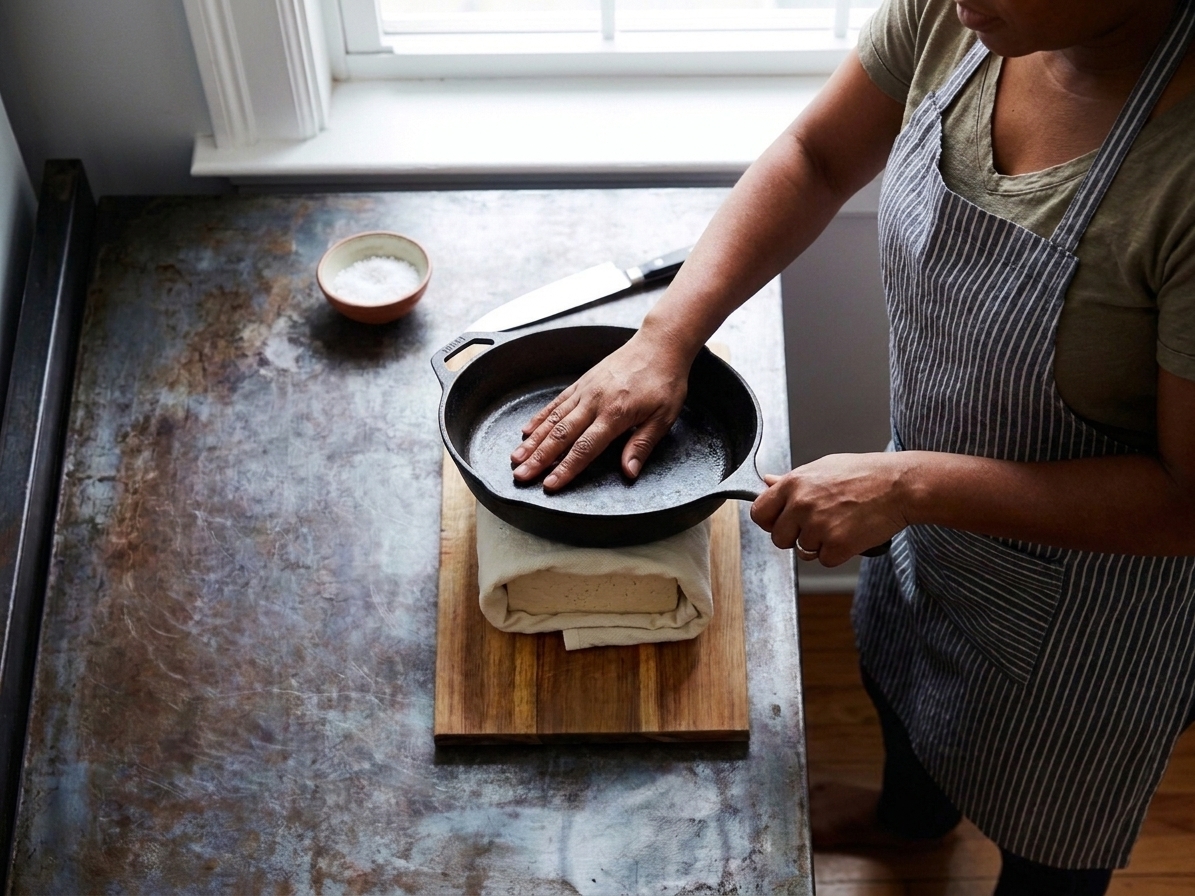
- Use extra-firm tofu and press it (even 10 minutes helps).
- Cube, then toss with cornstarch for crisp edges.
Vegetable timing
If you are ever unsure, remember: hard vegetables first, watery vegetables last.
Add first (2 to 4 minutes)
- Broccoli, cauliflower
- Carrots
- Green beans
- Brussels sprouts (thinly sliced)
Add next (1 to 2 minutes)
- Bell peppers
- Snap peas
- Mushrooms
- Cabbage
Add last (30 to 60 seconds)
- Spinach
- Bean sprouts
- Zucchini (thin)
- Scallion greens, fresh herbs
Common problems
“My vegetables are soggy.”
- Your pan was crowded. Cook in batches.
- Your heat was too low. Preheat longer.
- Your ingredients were wet. Pat dry.
“My sauce is watery.”
- Whisk sauce again before pouring (cornstarch settles).
- Let it bubble for about 1 minute to activate the cornstarch.
- Too much liquid from vegetables: cook them a bit longer before saucing.
“My garlic burned.”
- Add garlic after the protein comes out, and keep it moving.
- Or stir garlic into the sauce instead of frying it.
“Everything tastes salty.”
- Use low-sodium soy sauce and taste before adding anything extra.
- Add more vegetables or a splash of water, then rebalance with a squeeze of lime.
10-minute blueprint
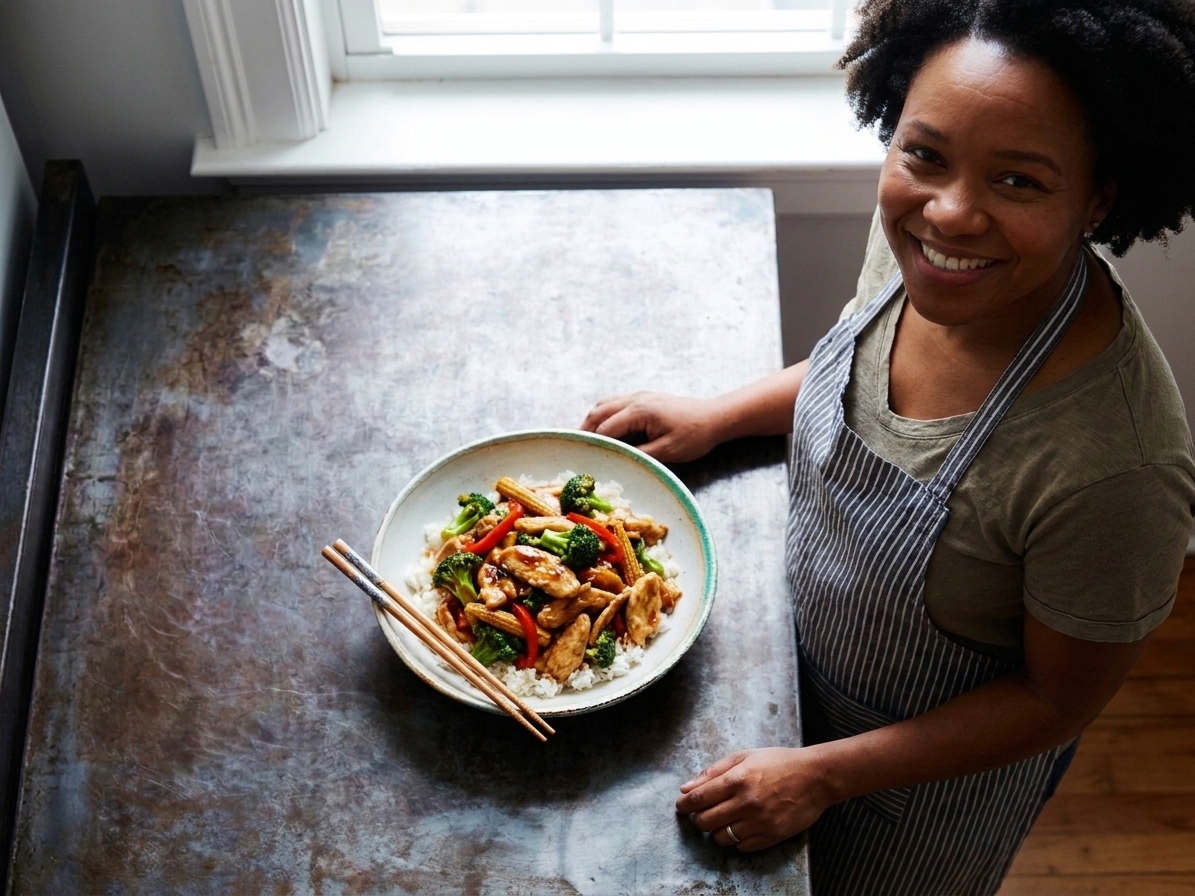
If you want a starting point that works basically every time, try this combo:
- Protein: thin-sliced chicken thighs
- Veg: broccoli + bell pepper + snap peas
- Aromatics: garlic + ginger
- Sauce: the 5-ingredient base sauce above + 1 tsp chili garlic sauce
Serve with: jasmine rice, microwaved rice (no shame), or quick-cooking noodles.
Make it faster
- Buy pre-cut vegetables for weeknights when chopping feels like too much.
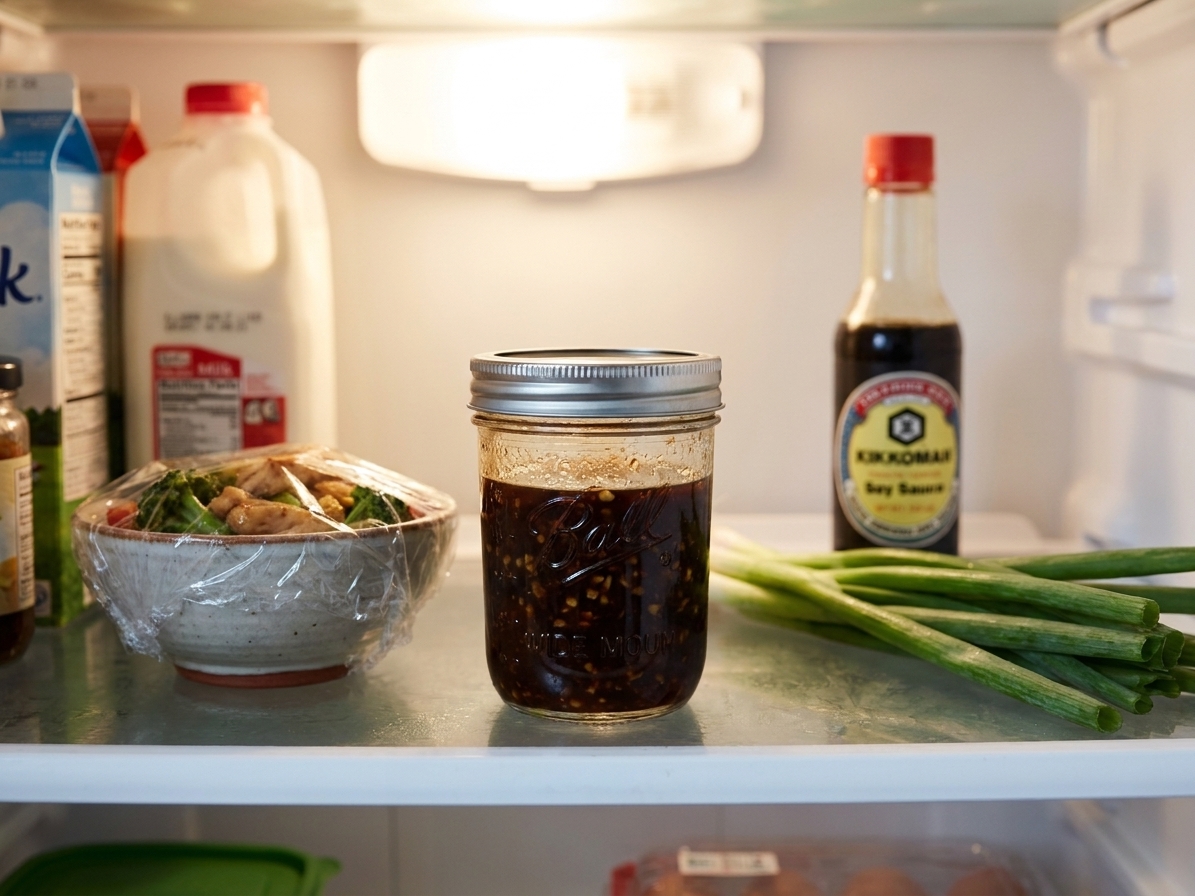
- Mix a double batch of sauce and keep it in a jar for 3 to 5 days in the fridge. Refrigerate promptly and shake or whisk before using.
- Freeze “stir-fry packs”: portion sliced protein and hardy veg (like broccoli) into freezer bags.
- Use one finisher you love (sesame oil, lime, cilantro, toasted peanuts) to make it feel special.
FAQ
Do I need a wok?
Nope. A large skillet works great. The key is high heat and not overcrowding the pan.
What oil is best?
Choose a neutral, high-heat oil like avocado, canola, peanut, or grapeseed. Save toasted sesame oil for finishing because it can burn.
Can I use frozen vegetables?
Yes, with a small adjustment: cook them in a hot pan until the water cooks off first, then add sauce. If you sauce too early, it can get watery.
How do I keep meat from drying out?
Cut it thin, cook it quickly, and remove it while you cook the vegetables. It will finish cooking when you toss everything together with the sauce.
Your next move
Pick one protein, two or three vegetables, and make the simple sauce. Do it once exactly by the book. Then do it again and start swapping. Stir-fry is one of those skills that gets easier every single time you make it, and soon you will be the person who can make dinner with 10 minutes of stove time and still feel like you cooked.
If you want, tell me what protein and vegetables you have in the fridge, and I will help you map out the best cooking order and a sauce variation to match.