

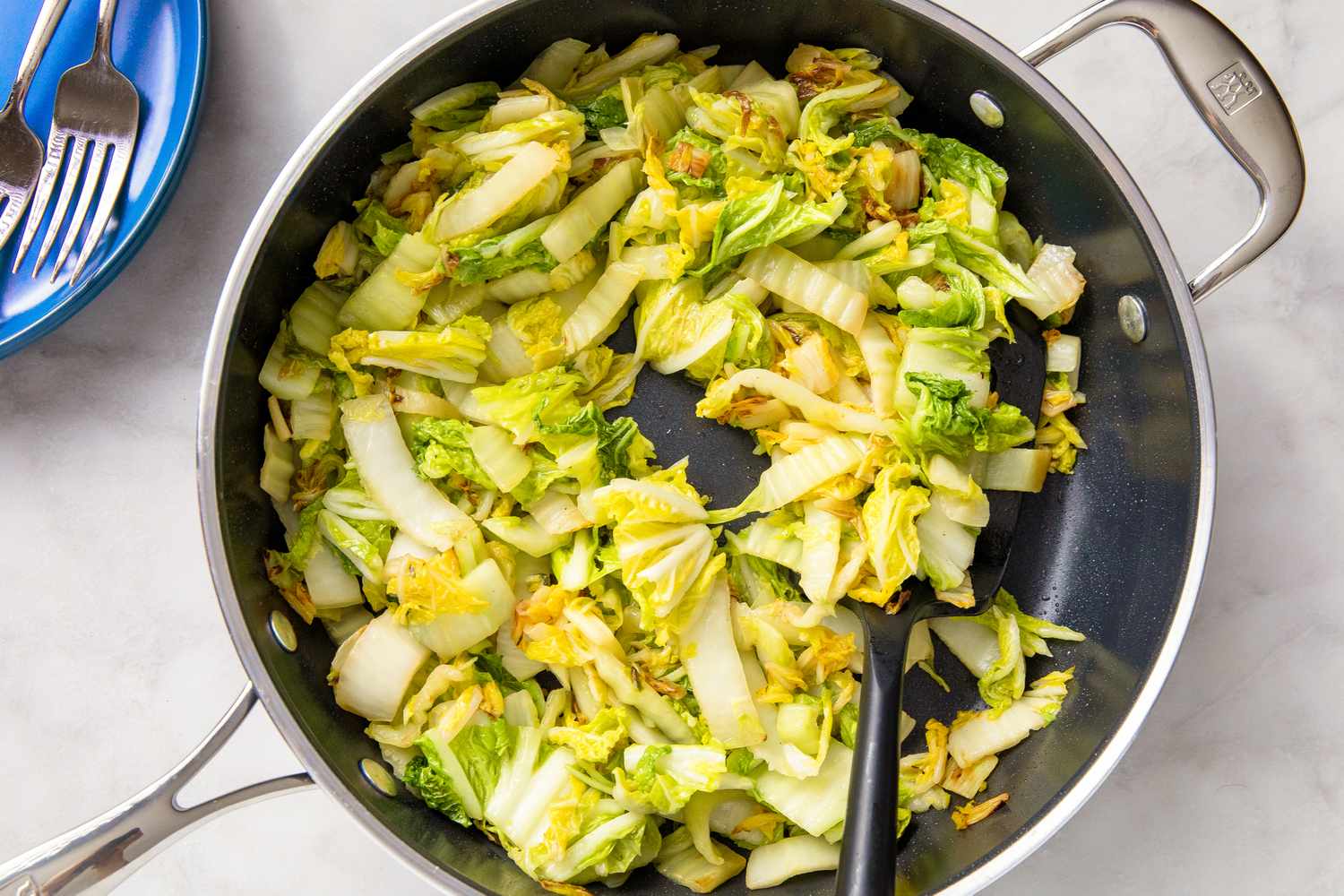
Napa cabbage is one of my favorite weeknight secret weapons. It cooks in minutes, turns tender without getting sad, and loves bold flavors. This stir-fry leans zesty and savory with plenty of garlic, a little ginger, and a bright citrus-soy finish that makes a humble head of cabbage taste like something you would happily order again.
I will walk you through the exact timing so you get crisp-tender cabbage, not a watery sauté. Plus, you will find easy protein add-ins, swaps for what you have on hand, and the best way to prep it ahead so dinner feels effortless.

The idea
Why This Recipe Works
- Fast: From cutting board to bowl in about 15 to 20 minutes.
- Big flavor, simple ingredients: Pantry sauces plus citrus and garlic do the heavy lifting.
- Flexible: Add tofu, chicken, shrimp, or mushrooms based on what is in your fridge.
- Not soggy: A few small techniques keep the cabbage bright and crisp-tender.
The key is treating Napa’s textures differently by cooking the thicker ribs first, then adding the leafy parts at the end so everything finishes crisp-tender instead of limp.
Shopping
Ingredient Notes
This is a straightforward list, but each ingredient has a job. If you are missing one, check the swaps in the substitutes section.
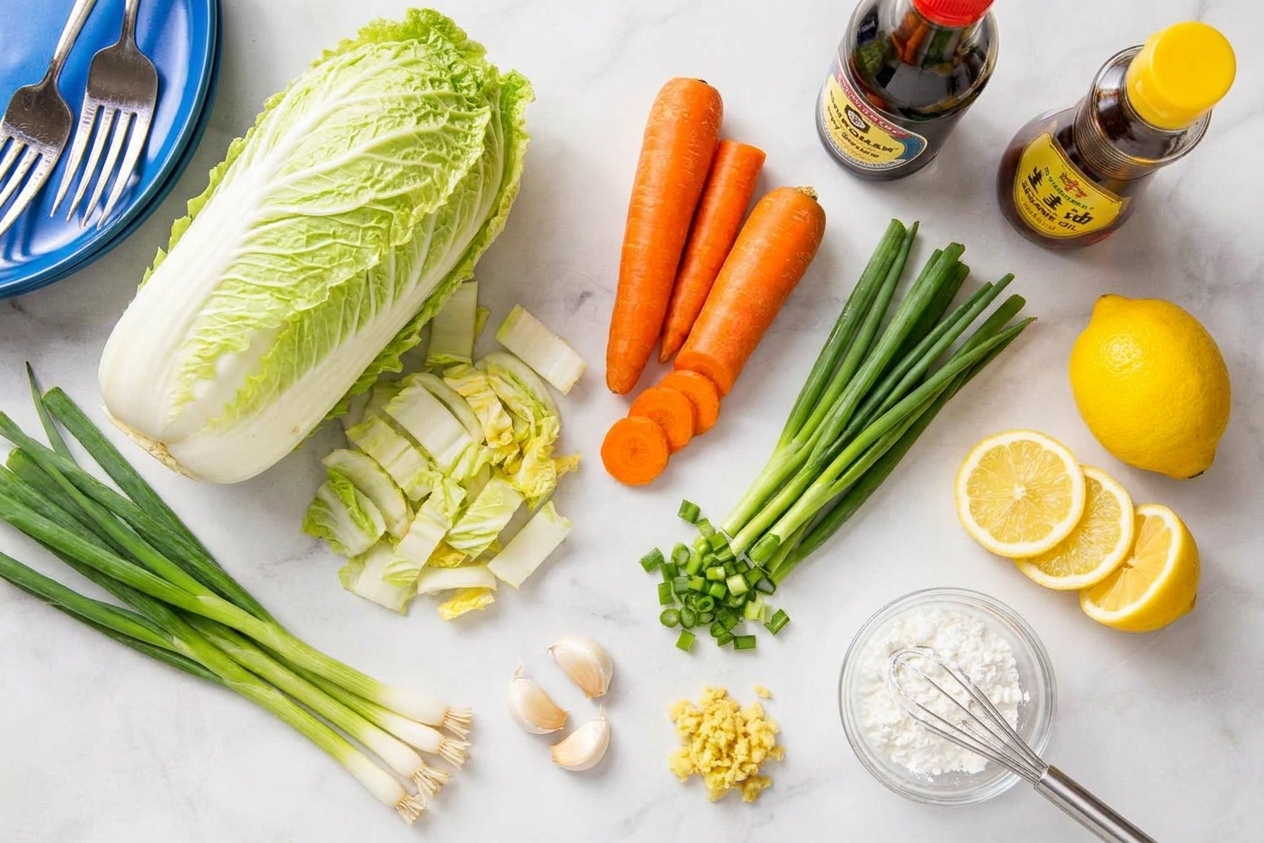
- Napa cabbage: It has a thick, juicy core and delicate leaves. For even cooking, cut the white ribby parts into 1/2-inch strips and slice the leafy tops a bit wider, then keep ribs and leaves in separate piles.
- Garlic: 5 to 6 cloves is intentional for bold flavor. Keep the heat controlled so it turns fragrant without browning.
- Citrus (lemon or lime): Lime is punchier and more aromatic; lemon is rounder and brighter. Both work, so use what you have.
- Optional cornstarch slurry: Helps create a lightly glossy sauce that clings to the cabbage instead of pooling.
- Toasted sesame oil: Used as a finishing oil off-heat for best flavor.
Get set up
Equipment You Will Need
- Large skillet or wok: A 12-inch skillet is ideal.
- Cutting board and sharp knife: For slicing cabbage (ribs and leaves separated) and cutting carrots.
- Small bowl: For whisking the sauce.
- Small cup (optional): For mixing the cornstarch slurry.
- Spatula or tongs: For fast tossing in the pan.
Technique
Tips for Getting It Right
- Mix the sauce before the pan gets hot: Stir-fries move fast, so have everything ready.
- Heat the pan properly: Start over medium-high and wait until a drop of water sizzles and evaporates right away before adding oil.
- Aromatics go in briefly: Stir scallion whites, garlic, and ginger for 20 to 30 seconds, just until fragrant. Do not let the garlic brown. If your pan is running extra hot, lower the heat for a moment while you stir.
- Cook ribs first, then leaves: Stir-fry ribs and carrots 2 to 3 minutes, then add leafy cabbage for 1 to 2 minutes so the leaves do not overcook.
- Sauce at the end: Pour in and stir constantly for 30 to 60 seconds for a glossy, well-coated finish.
- Small pan workaround: Cook in two batches. Do the ribs and carrots first, then add half the leaves at a time, and combine everything with the sauce at the end.
- Taste and adjust: Want it brighter? Add a squeeze of citrus. More heat? Chili crisp. Taste before adding salt since soy sauce brands vary a lot.
Flexibility
Substitutes That Work
- No citrus: Use extra rice vinegar plus a tiny splash of orange juice if you have it.
- No honey: Brown sugar, maple syrup, or a pinch of plain sugar works.
- Gluten-free: Use tamari or coconut aminos (reduce sweetener if using coconut aminos).
- More vegetables: Thin-sliced bell pepper, snap peas, shiitakes, or baby bok choy are great here.
- Swap cabbage: Green cabbage works too. Slice it thinly and plan on an extra 2 to 4 minutes of cook time since it is sturdier.
Make it yours
Variations to Try
To make this a fuller one-pan meal, use one of these protein add-ins (timing matters so nothing overcooks):
- Chicken: Thinly slice 3/4 pound chicken breast or thighs. Stir-fry in the oil first until cooked through, remove to a plate, then continue with aromatics and cabbage. Add chicken back in at the end.
- Shrimp: Add 3/4 pound peeled shrimp right after the aromatics. Cook 1 to 2 minutes per side, remove, then proceed with vegetables. Add shrimp back in at the end.
- Tofu: Press and cube firm tofu. Crisp it in oil until golden, remove, then add back at the end. A sprinkle of salt on the tofu while it cooks makes a big difference.
- Egg: Push veggies to the side and scramble 2 eggs in the empty space, then toss everything together with the sauce.
For extra heat, add red pepper flakes with the garlic and ginger or finish with a drizzle of sriracha.
On the table
What to Serve It With
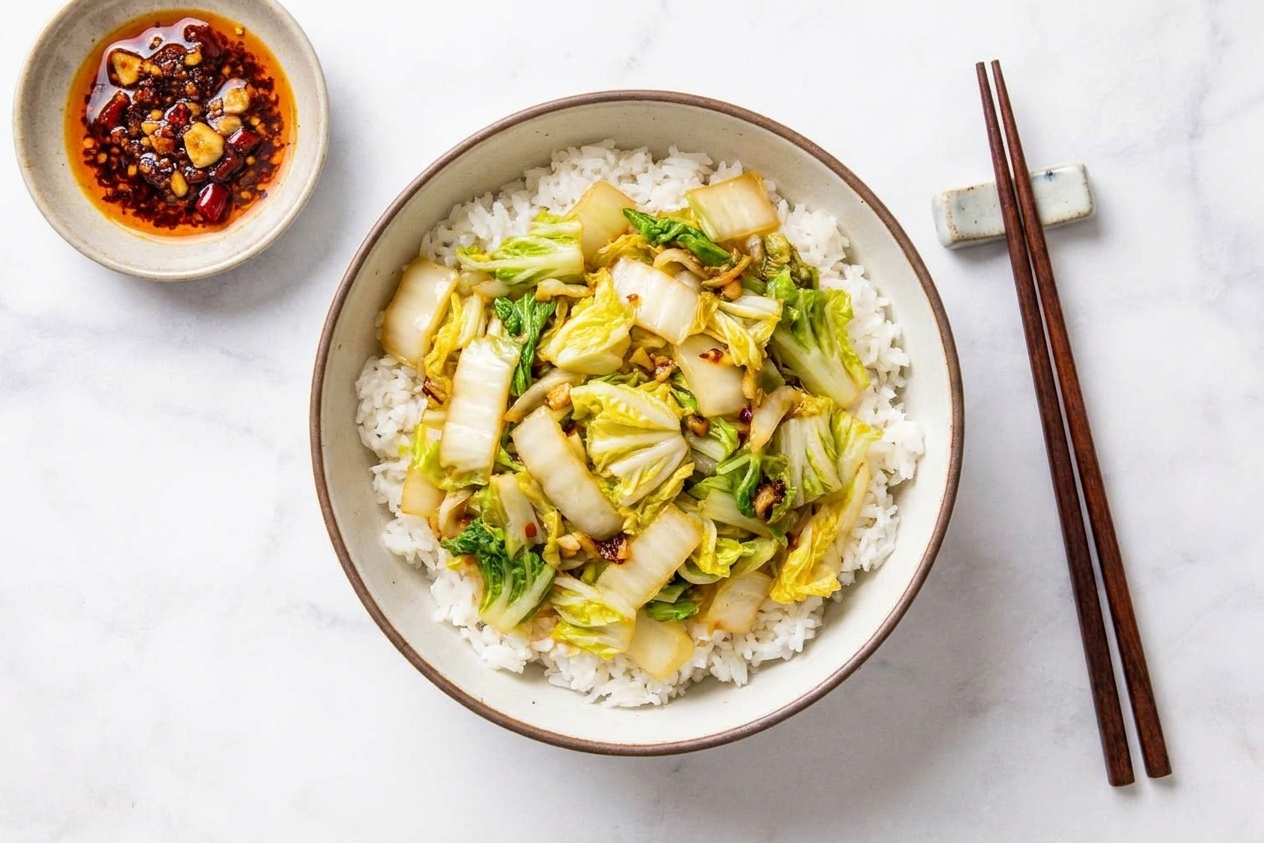
- Steamed jasmine rice or brown rice
- Rice noodles or ramen noodles
- Quinoa for a nutty, hearty base
- Simple miso soup or a quick cucumber salad on the side
Later
Storage, Freezing and Reheating
Prep ahead
- Slice cabbage and carrots up to 2 days ahead and store in airtight containers.
- Mix the sauce up to 5 days ahead. Shake or whisk again before using.
- Chop garlic and ginger 1 day ahead for best flavor.
Store leftovers
Refrigerate in an airtight container for up to 4 days. For the best texture, it is happiest within 2 to 3 days.
Reheat
For the best texture, reheat in a hot skillet for 2 to 3 minutes. Microwaving works, but the cabbage will soften more.
Watch out
Common Mistakes to Avoid
- Pan not hot enough: A truly hot skillet evaporates moisture quickly. Use the water-drop test (it should sizzle and evaporate right away).
- Overcrowding the pan: Crowding traps steam and turns the stir-fry watery. Cook in two batches if your pan is small.
- Not separating ribs and leaves: Ribs need longer, leaves need barely any time.
- Adding sauce too early: Sauce should go in only when the cabbage is almost done.
- Letting garlic brown: Stir aromatics for just 20 to 30 seconds and lower the heat briefly if needed.
Questions
Frequently Asked Questions
Can I use green cabbage instead of Napa?
Yes. Slice it thinly and plan on an extra 2 to 4 minutes of cook time. Green cabbage is sturdier, so it needs a bit longer to turn tender.
Why did my stir-fry get watery?
Usually it is one of three things: the pan was not hot enough, the pan was crowded, or the sauce went in too early. Next time, cook in batches and add sauce only at the end.
Is Napa cabbage healthy?
Napa cabbage is nutrient-dense and naturally low in calories. It is also a great way to add crunch and volume to meals without a lot of heaviness.
How do I make it spicier?
Chili crisp is my favorite because it adds both heat and texture. You can also add red pepper flakes with the garlic and ginger or finish with a drizzle of sriracha.
The recipe
Zesty Napa Cabbage Stir-Fry
This quick, crisp-tender Napa cabbage stir-fry is zesty and savory with plenty of garlic, a little ginger, and a bright citrus-soy sauce. It finishes with toasted sesame oil and scallions and is easy to customize with optional heat and protein add-ins.
Ingredients
- 1 medium head Napa cabbage (about 1 1/2 to 2 pounds), sliced (ribs and leaves separated)
- 1 large carrot, cut into thin matchsticks or ribbons
- 4 scallions, whites and greens separated and sliced
- 5 to 6 cloves garlic, finely chopped
- 1 tablespoon fresh ginger, grated
- 2 tablespoons neutral oil (avocado, canola, grapeseed)
- 1 to 2 teaspoons toasted sesame oil (for finishing)
- 1 tablespoon toasted sesame seeds (optional)
- 3 tablespoons low-sodium soy sauce (or tamari)
- 1 tablespoon rice vinegar
- 2 tablespoons fresh lemon or lime juice
- 1 tablespoon honey or brown sugar (adjust to taste)
- 1 to 2 teaspoons chili crisp or sriracha (optional)
- 2 teaspoons cornstarch mixed with 2 tablespoons water (optional slurry)
Instructions
- Whisk soy sauce, rice vinegar, citrus juice, honey, and chili crisp (if using) in a small bowl. If using cornstarch, whisk it with water in a separate cup and set aside.
- Heat a large skillet or wok (12-inch is ideal) over medium-high. When a drop of water sizzles immediately, add neutral oil.
- Add scallion whites, garlic, and ginger. Stir 20 to 30 seconds, just until fragrant. If the garlic is browning, lower heat briefly.
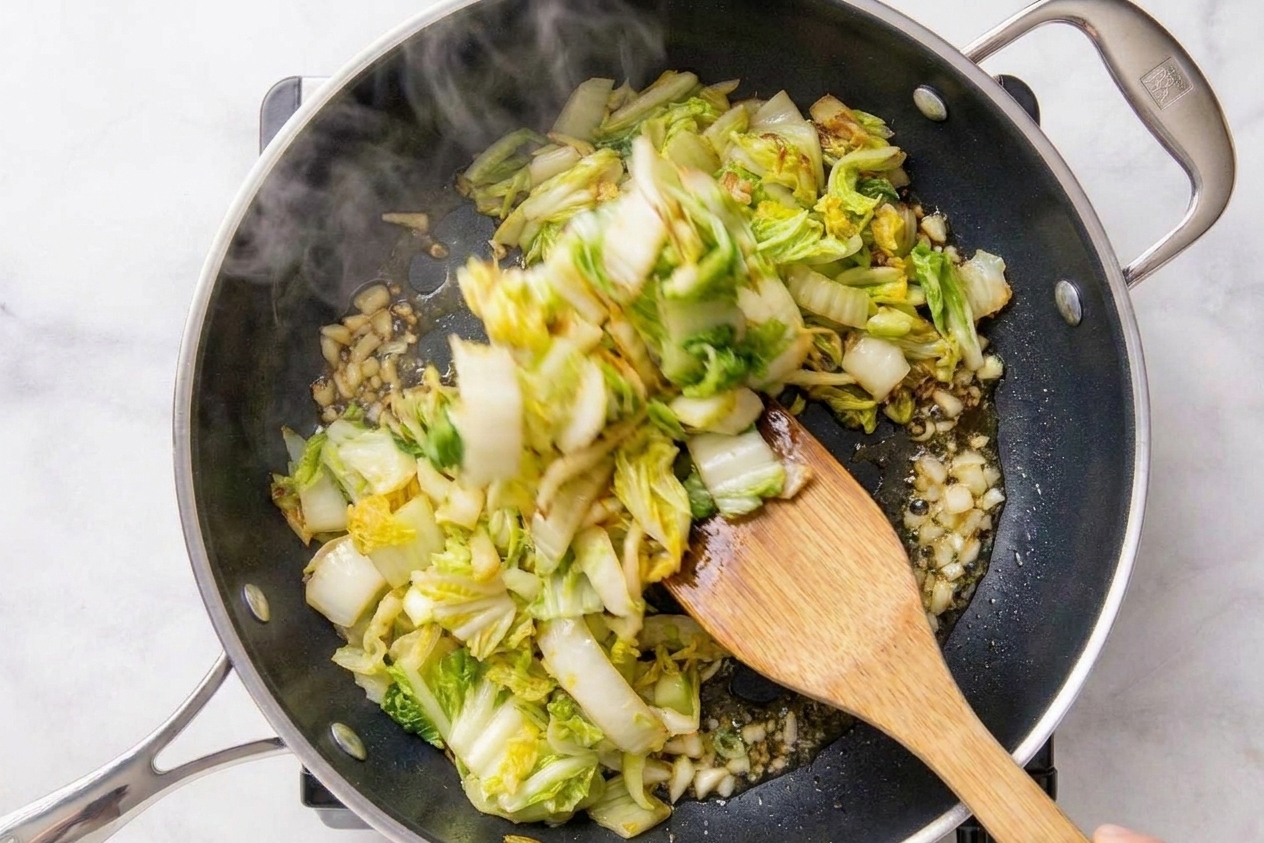
- Add cabbage ribs and carrots. Stir-fry 2 to 3 minutes, until ribs start to soften but still have crunch.
- Add leafy cabbage. Stir-fry 1 to 2 minutes, until wilted and glossy.
- Whisk the sauce again. If using the cornstarch slurry, whisk it once more and stir it into the sauce. Pour into the pan and stir constantly 30 to 60 seconds, until glossy and well coated.
- Turn off heat. Drizzle sesame oil, toss in scallion greens, and top with sesame seeds if using. Taste first before adding any extra salt. Serve right away.
Recipe notes
- Keep cabbage textures separate: Slice the white ribby parts into 1/2-inch strips and cut the leafy tops a bit wider; cook ribs first, then leaves.
- Small pan tip: Cook in two batches to avoid steaming and watery results.
- Adjust at the end: Brighten with extra citrus, add more heat with chili crisp, and taste before salting since soy sauces vary.
- My garlic-loving note: If you want even more punch, add one finely grated raw clove at the very end. It is bold and so good.
Nutrition (per serving, approximate)
- Calories: ~150
- Fat: ~7 g
- Carbs: ~20 g
- Protein: ~4 g
- Fiber: ~5 g
- Sugar: ~11 g
- Sodium: ~650 mg
Nutrition values are approximate and will vary by ingredient brands and optional additions (like sesame seeds, chili crisp, and slurry).