

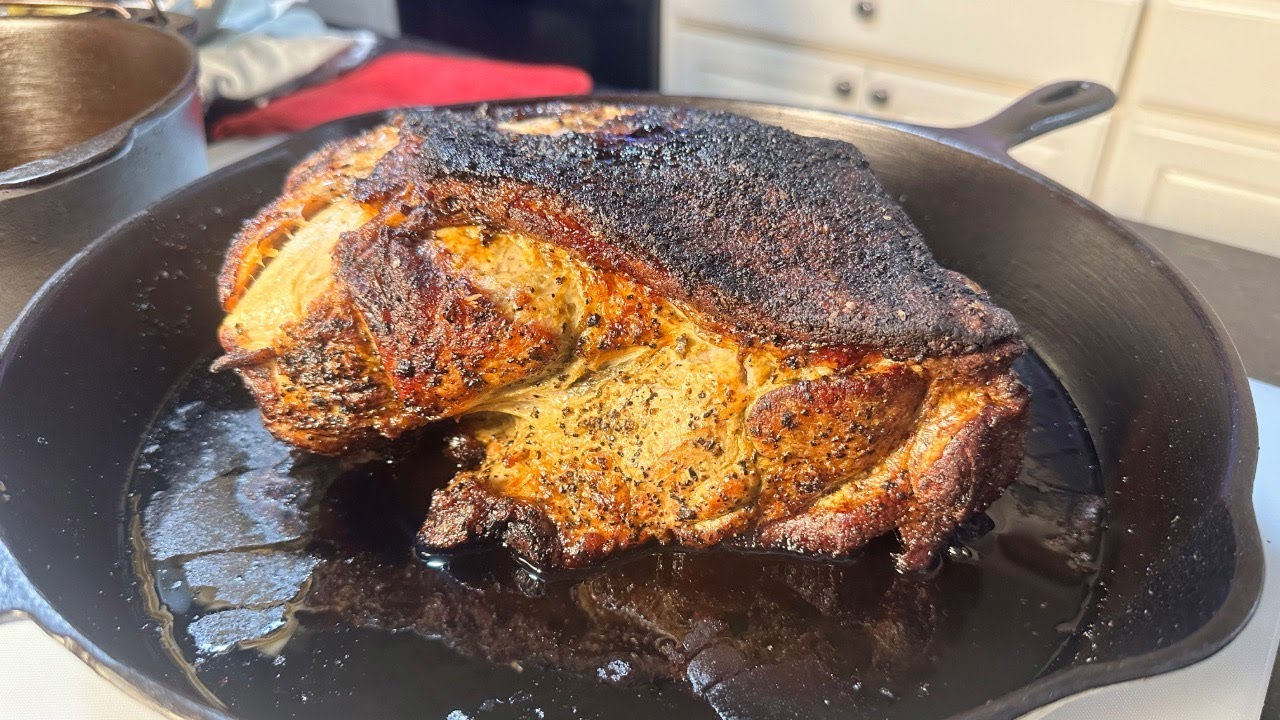

I grew up in a Pacific Northwest house where somebody was always “just browning something real quick” before it went into a pot. As an adult with a slow cooker and a schedule, I have definitely had nights where “real quick” turned into “why am I washing an extra pan at 9 p.m.?” So let’s talk honestly about it: should you sear pork shoulder (pork butt) before slow cooking, or is it an unnecessary step?
The answer is not one-size-fits-all. Searing can add flavor and a better-looking finished roast, but it is also extra time, extra splatter, and not the same thing as true barbecue bark. Below, I’ll weigh the pros and cons and give you a clear, practical recommendation you can actually use on a weeknight.
What searing does (and does not)
Searing means browning the outside of the pork quickly over high heat, usually in a skillet or under a broiler. The goal is surface browning, not cooking the roast through.
What it does: It kickstarts the Maillard reaction, which creates many savory, roasty flavor compounds. That browned crust also makes the pork smell and taste “meatier,” even after hours in a moist slow cooker.
What it does not do: It does not “seal in juices.” In a slow cooker, evaporation is limited, so perceived “dryness” is usually about doneness, total time, and how tender the meat is, not whether you browned the outside first.
Pros of searing first
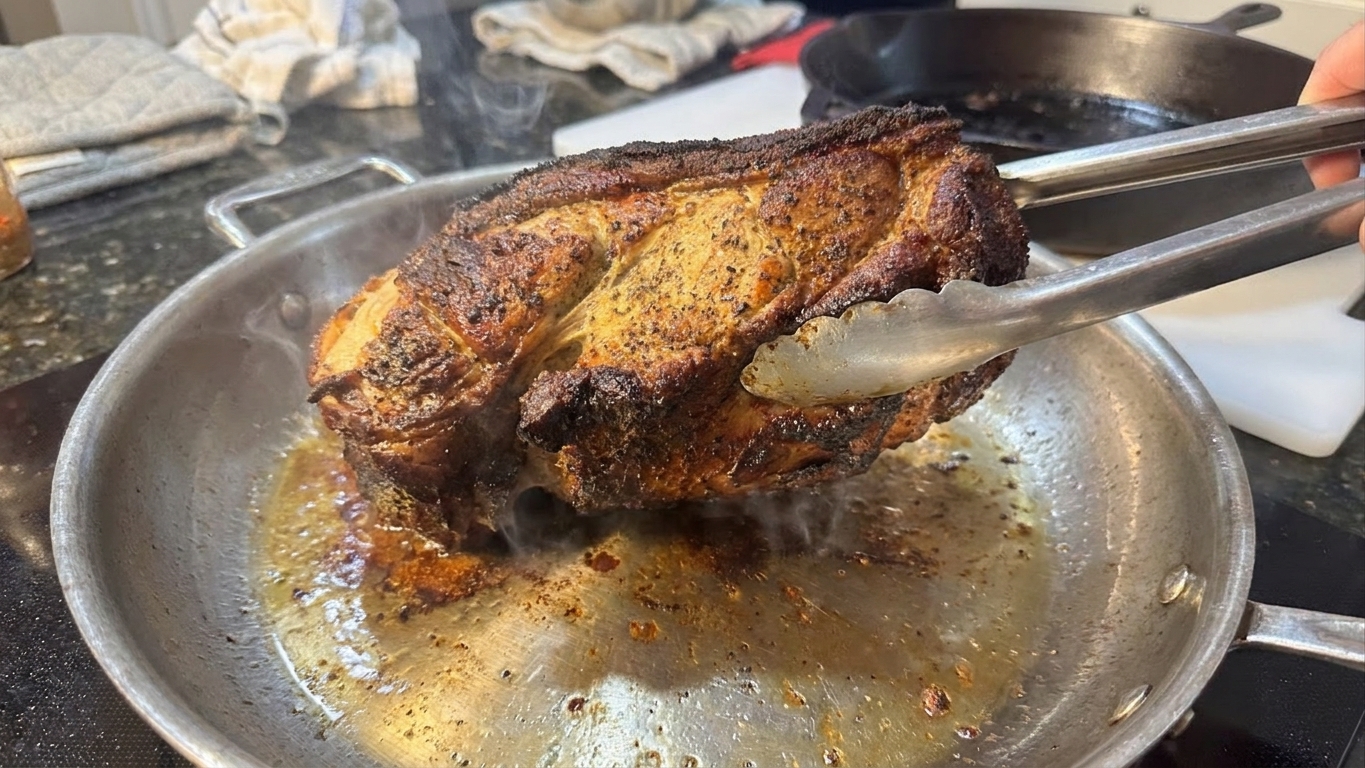
- Deeper, richer flavor in the juices. The browned bits (fond) in the pan dissolve when you deglaze and add that liquid to the cooker. That is pure flavor insurance.
- Better aroma and color. Slow-cooked pork can look a little pale. Searing gives it appetizing bronze edges, even after braising.
- More complex pulled pork. When you shred the roast, those browned outer pieces get mixed throughout, giving you pops of savory flavor.
If you are making pulled pork with a simple sauce (or serving it with just a squeeze of lime and some pickled onions), searing is one of the easiest ways to make it taste more “finished.”
Cons of searing
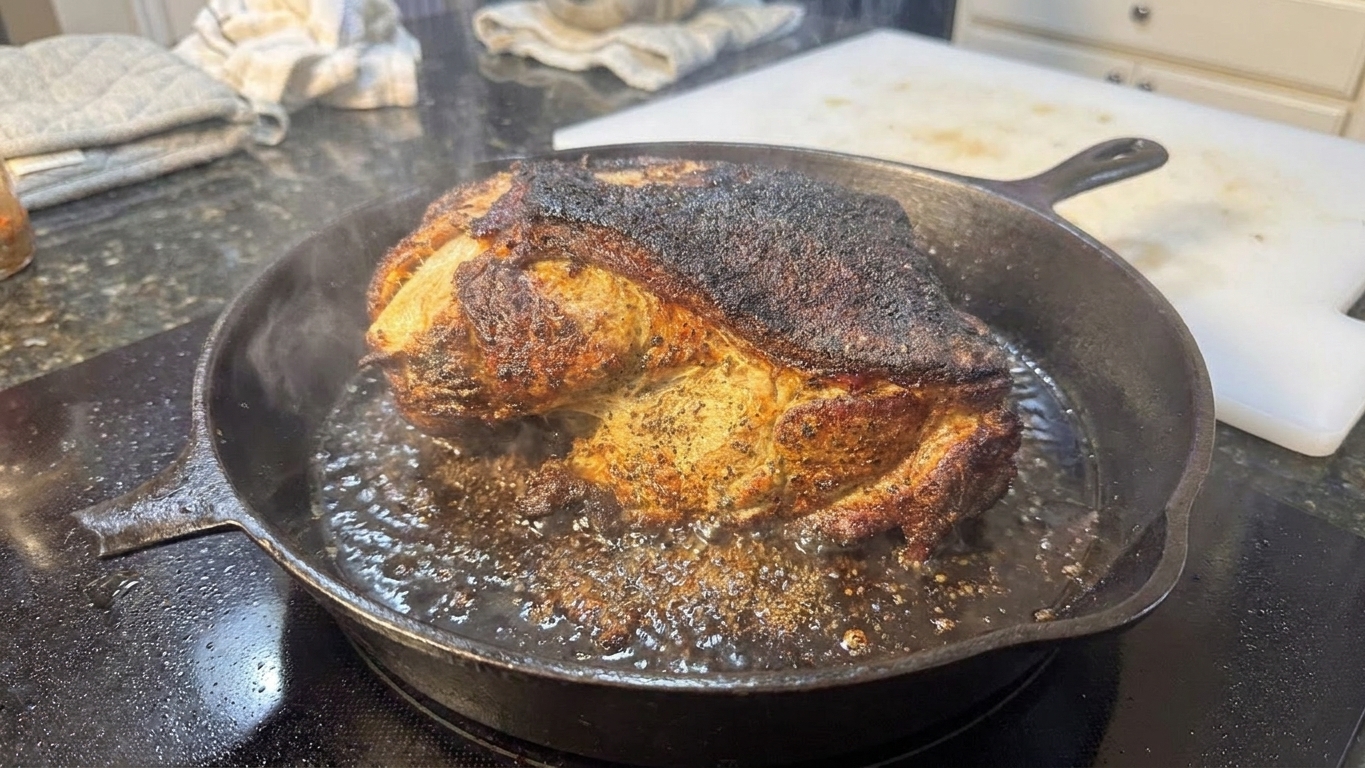
- It adds a step. Realistically, searing a pork shoulder well takes 8 to 15 minutes once the pan is hot, plus setup and cleanup.
- It can get smoky. Pork shoulder has plenty of fat, and a lot of it can render during searing. If your kitchen smoke detector is enthusiastic, this might not be the vibe. (If you do sear: crack a window, run the hood fan, and consider a splatter screen.)
- Extra dishes. Skillet, tongs, splatter screen, and sometimes a cutting board if you trimmed it.
- It will not create bark. If you want that dry, peppery, chewy smoked crust like a smoker produces, a slow cooker simply is not designed for it. Searing helps, but it is not a replacement for low-and-slow dry heat and smoke.
For a truly no-fuss slow cooker dinner, skipping the sear can be the difference between “I can do this tonight” and ordering takeout.
What about the rub?
This is where most of the confusion lives, so here’s the straight scoop.
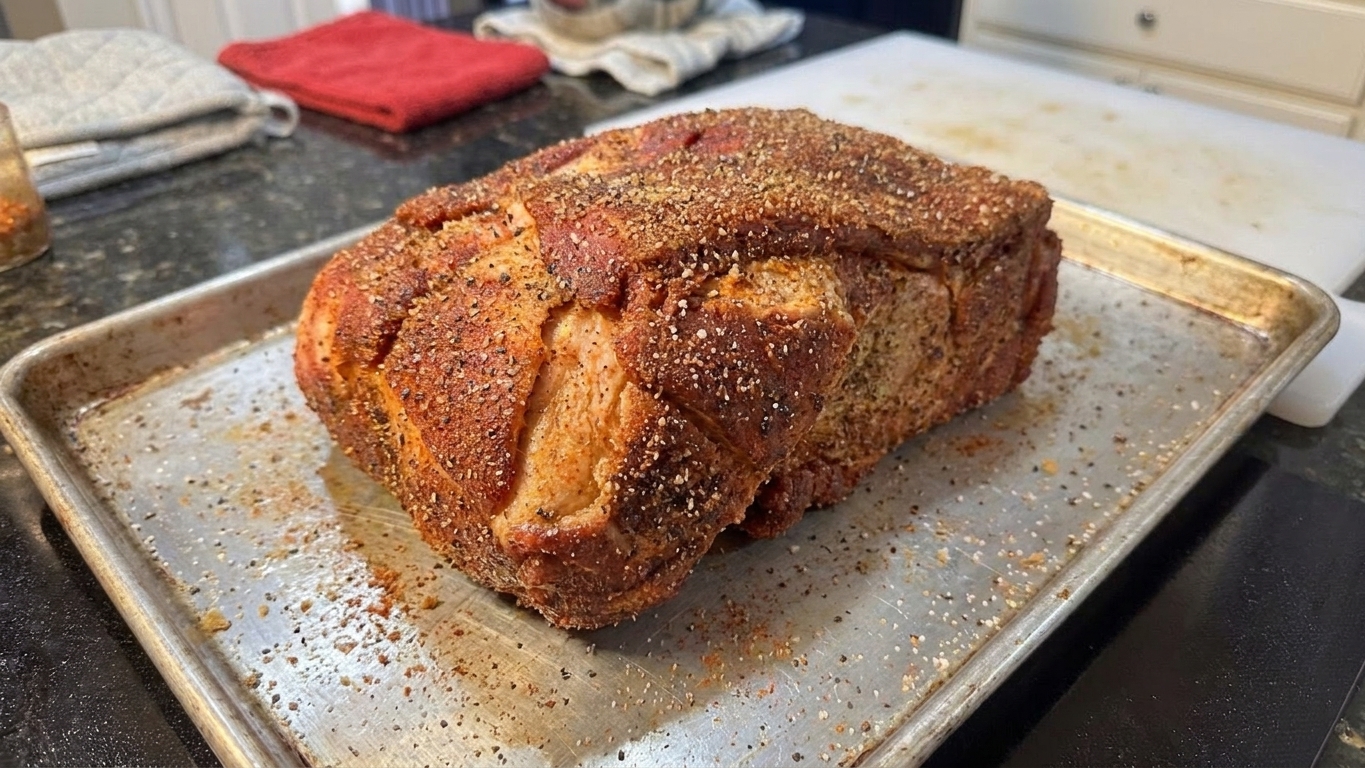
If you are using a dry rub
- Searing can help by toasting spices on the outside, which can deepen flavor.
- Searing can hurt if the rub contains a lot of sugar (brown sugar, honey powder, some barbecue rubs). Sugar burns quickly at searing temps, turning bitter before the pork even hits the slow cooker.
My approach: If my rub is sugar-heavy, I either skip searing or I sear gently (medium-high, not screaming hot) and keep the time short. If my rub is mostly salt, pepper, paprika, garlic, onion, chili, cumin, I am happy to sear.
If you are using a wet marinade or mustard binder
You can sear with a binder, but expect more splatter and less browning because surface moisture slows browning. If you want the best sear, pat the pork very dry first and keep the outside relatively dry.
Will searing reduce liquid?
Not really. The slow cooker environment is moist and enclosed, so you will still end up with a good amount of liquid in the pot from:
- rendered fat
- collagen breaking down into gelatin
- water released from the meat
- any sauce or added liquid
Searing does not stop that. If you prefer less liquid, the better fixes are:
- Do not add extra broth unless you truly need it. Pork shoulder makes its own.
- Cook just until tender. Longer cooking can make the texture softer and mushier and leave you with more free liquid in the pot.
- After shredding, reduce the cooking liquid on the stove for 5 to 10 minutes, then toss it back with the pork to taste.
- For a cleaner sauce, separate the fat. Use a fat separator, or chill the liquid and skim the solidified fat off the top.
How to sear it fast
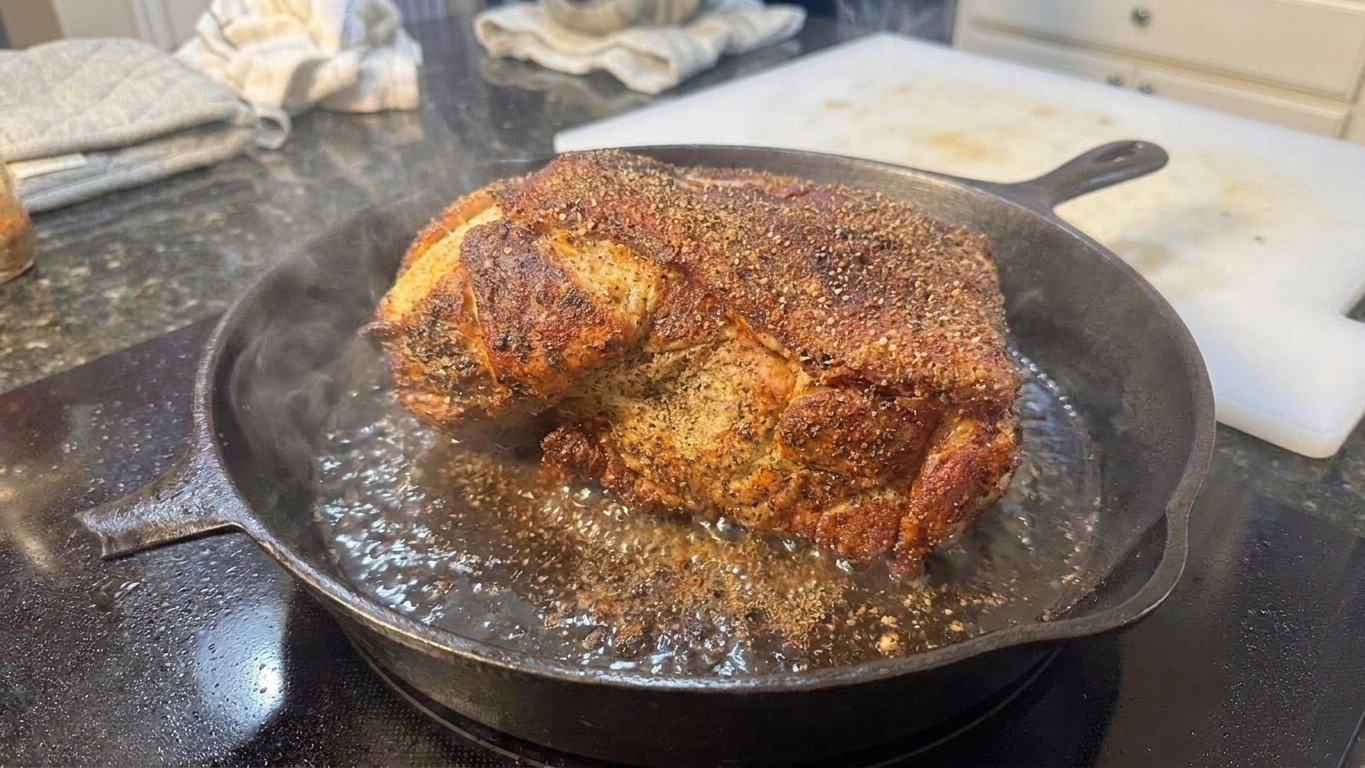
If you decide to do it, here’s my streamlined method that fits real life.
Quick sear steps
- Pat the pork dry. This is the biggest difference between browning and steaming.
- Optional: trim excess surface fat. You do not need to go wild, but if there is a thick fat cap, shaving it down can reduce splatter and helps seasoning reach the meat.
- Salt first. Even if you are using a rub, make sure salt is included. Salt helps flavor penetrate.
- Heat a heavy pan (cast iron or stainless) over medium-high until it is properly hot.
- Add a small amount of high smoke point oil (avocado, canola, grapeseed).
- Sear the best “sides” you can find for 2 to 3 minutes each. Pork shoulder is lumpy and irregular, so do not chase perfection. If there is a fat cap, I usually start fat-side down to get some rendering going.
- Deglaze. Pour off excess fat if needed, then add a splash of water, broth, apple juice, or vinegar and scrape up the browned bits. Pour that flavorful liquid into the slow cooker.
Tip from my “deeply organized” side: Line the counter near the stove with a piece of parchment or foil. The moment you pull the pork out of the skillet, set it down there, then transfer to the cooker. It keeps the raw-meat shuffle neat.
More bark-like texture
If what you really want is texture, not just flavor, searing is only one option and not always the best one.
Two easy options
- Broil after cooking. Shred the pork, spread it on a sheet pan, drizzle with a little cooking liquid, then broil for 3 to 7 minutes until the edges crisp. Toss and repeat if you want more crunch.
- Finish in a hot oven. Put chunks of the cooked pork (or the whole roast) in a 425°F oven for 10 to 15 minutes to dry and brown the surface slightly.
This is my favorite move when I am skipping the sear up front. You still get weeknight ease, plus those craveable crispy bits.
So, should you sear?
Here’s my clear recommendation, friend-to-friend:
- Sear it if you have 10 extra minutes and you want the best possible flavor from a slow cooker method. It is especially worth it when your sauce is simple or you are seasoning with mostly savory spices.
- Skip it if your goal is truly no-fuss, if your rub is very sugary, or if you know smoke and splatter will make you regret everything. Your pulled pork will still be tender and delicious.
If I had to choose one “best of both worlds” approach: skip the sear at the start, then broil a portion of the shredded pork at the end for crispy edges. Maximum payoff, minimum mess, and it makes the whole batch taste like you worked harder than you did.
Quick FAQs
When is it done for pulled pork?
Go by tenderness first: it should shred easily with a fork. If you like numbers, many pork shoulders start shredding nicely around 195 to 205°F, but slow cookers vary, and some roasts feel perfect a little earlier or later.
Can I sear it the night before?
Yes. Sear, then cool it quickly and refrigerate it in a sealed container within 2 hours (within 1 hour if your kitchen is very warm). In the morning, transfer to the slow cooker.
Do I need to bring it to room temp before slow cooking?
If it is coming straight from the fridge, letting it sit out for 20 to 30 minutes while you get everything ready can take the chill off. Some slow cooker manuals also caution against putting a very cold, large roast into a preheated crock, so if yours does, follow your manual.
Should I sear before or after the rub?
If your rub is mostly savory, you can apply it before searing. If it contains a lot of sugar, sear first with salt and pepper only, then add the sugary rub or sauce in the slow cooker.
Does searing change cook time?
Not in a meaningful way. The sear only affects the surface. Cook until the pork is very tender and shreds easily, not by the clock alone.
Is broiling after slow cooking better than searing before?
They do different things. Searing before adds roasty depth to the meat and juices. Broiling after adds texture. If you only want to do one extra step, I usually vote for broiling after because the texture boost is so noticeable.