This silky, balanced balsamic vinaigrette is sweet, tangy, and garlicky in all the right ways. Simple ingredients, big flavor, and foolproof tips for perfect...
Recipeva
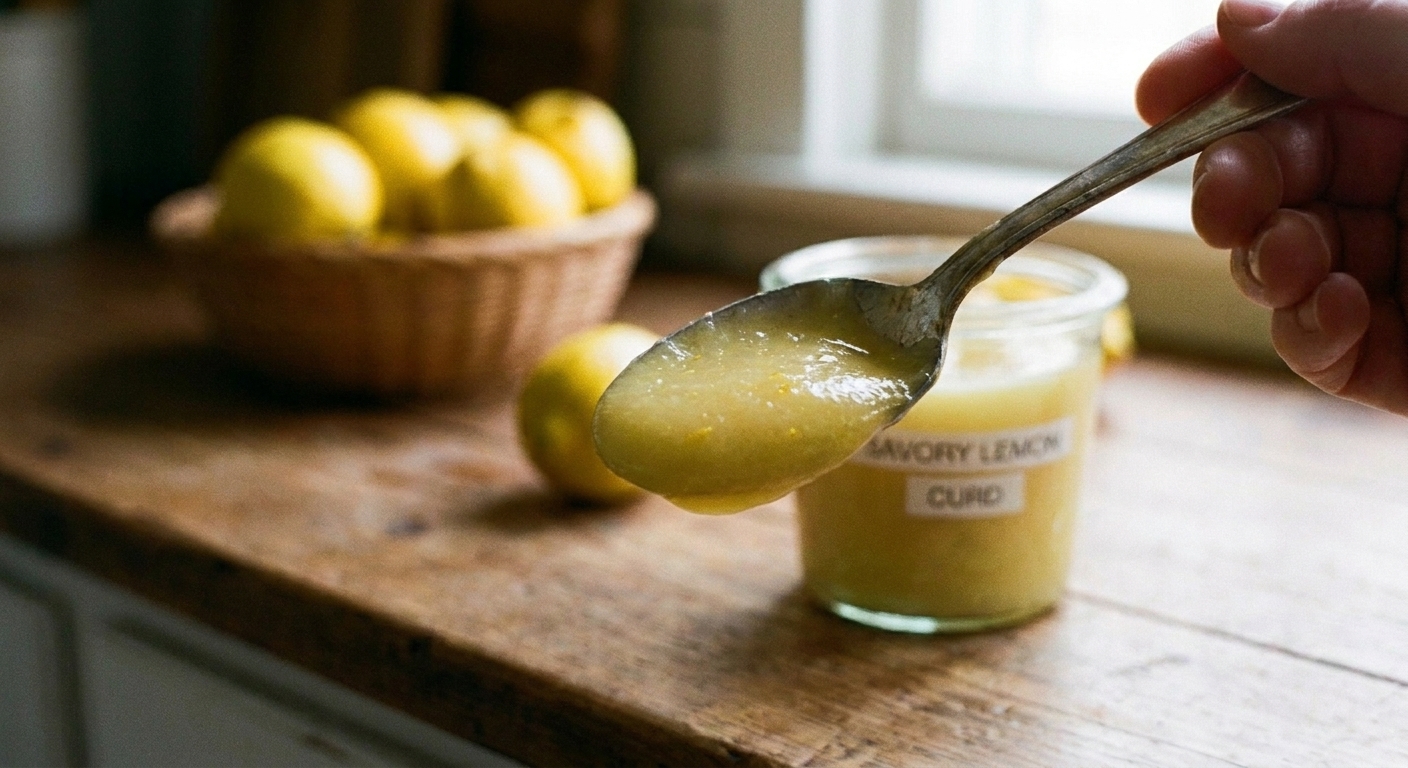
Savory Lemon Curd
Savory lemon curd is a bright, silky refrigerated spread made with lemon, eggs, butter, and salt, plus optional Dijon, pepper, and garlic. Learn how to make it, fix common issues, and use it on everything from roast chicken to grain bowls.

Maya Reynolds
Maya Reynolds is a passionate home cook, recipe developer, and the creative voice behind Recipeva. With over a decade of experience translating complex culinary techniques into approachable weeknight meals, she focuses on creating dishes that bring joy to the dinner table without the stress.
Created September 22, 2026
Updated September 22, 2026
If you have ever wished lemon curd could hang out at dinner instead of only showing up at brunch, welcome. Savory lemon curd is everything I love about classic curd, that glossy, spoon-coating tang, but tuned for roast chicken , blistered vegetables, grain bowls, and anything that needs a bright finish.
It is one of my favorite “tiny effort, big payoff” condiments. Make a jar on Sunday and you will find yourself reaching for it all week. Also, yes, there is garlic. Because there should be.
One quick note: this is a refrigerated condiment, not a shelf-stable one. Treat it like a sauce you keep cold and use often.
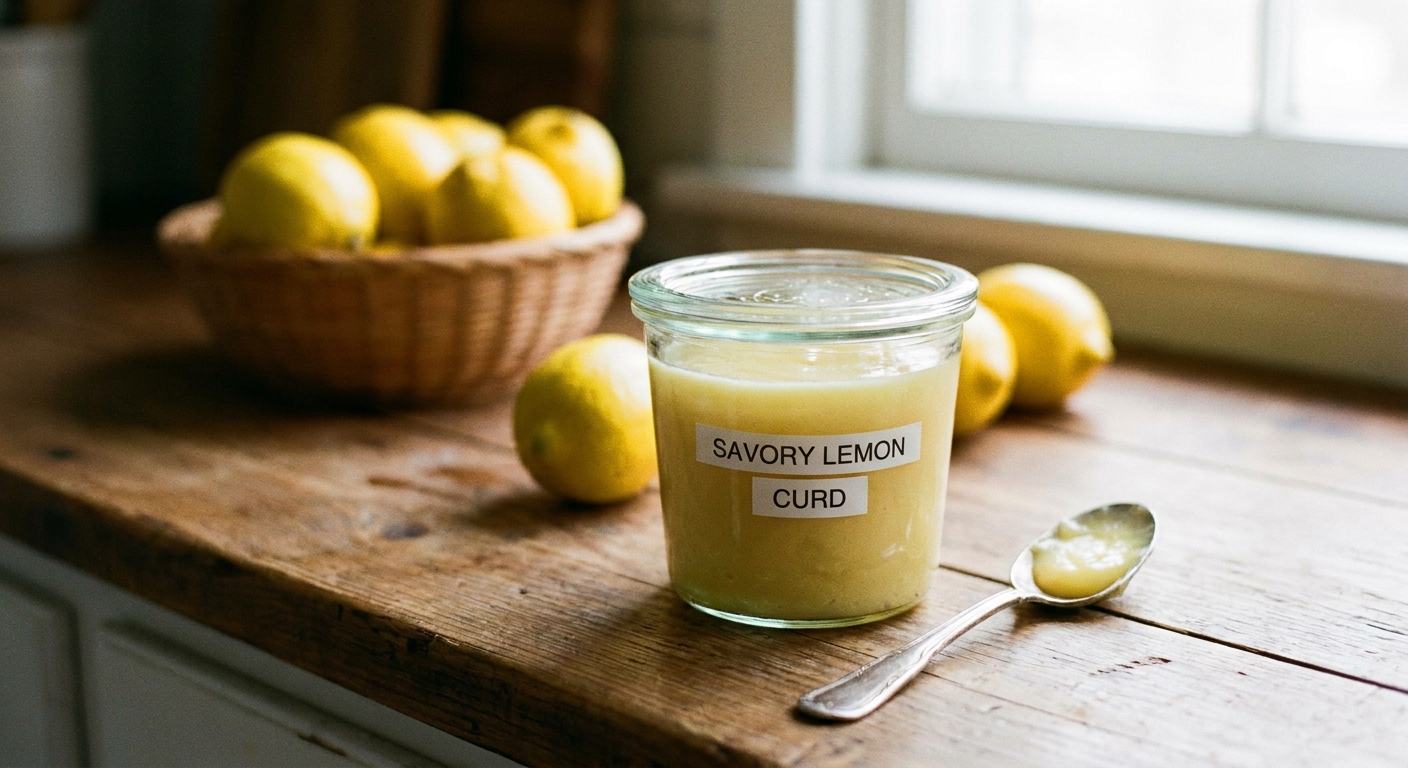
What makes it savory
Traditional lemon curd is sweet and dessert-forward. Savory lemon curd keeps the same technique but changes the flavor balance.
- Less sugar: Just enough to round out the lemon, not enough to read as “sweet.”
- More salt: Salt turns the brightness into something you want on potatoes and chicken .
- Optional aromatics: A tiny bit of garlic, Dijon, black pepper, or herbs gives it a grown-up, dinner-ready vibe.
Think of it like a buttery, lemony sauce that happens to be sturdy enough to live in your fridge.
Ingredients you will need
Nothing fancy here. If you can make scrambled eggs, you can make this.
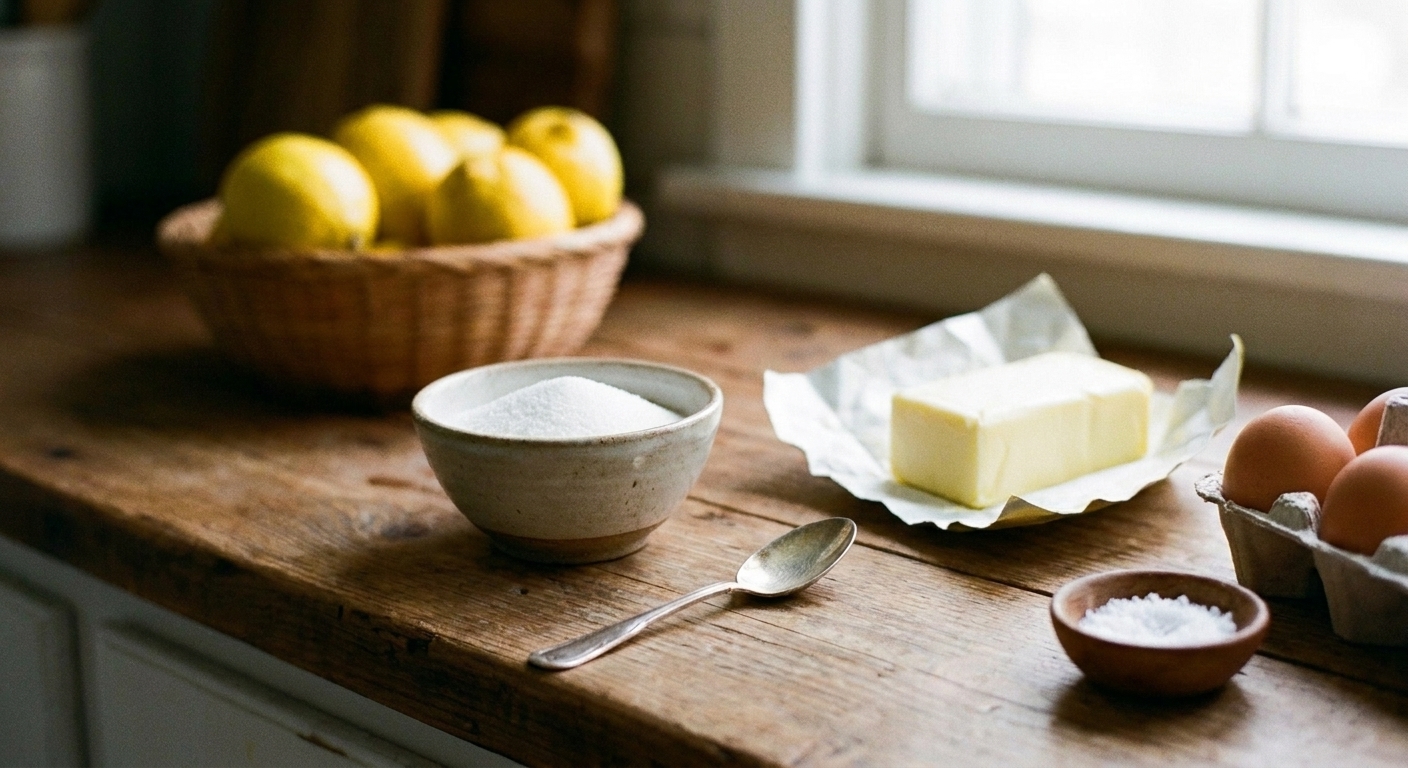
Core ingredients
- Lemons: Zest and juice. Use fresh, please. Bottled juice tastes flat here.
- Eggs: Whole eggs plus extra yolks for a richer, thicker curd.
- Butter: Unsalted so you control the salt level.
- Sugar: A small amount for balance.
- Fine salt: Non-negotiable for savory curd.
Optional savory add-ins
- Garlic: 1 small clove, finely grated, or a pinch of garlic powder.
- Dijon mustard: Adds gentle heat and helps the curd feel “saucy.”
- Black pepper or Aleppo pepper: For warmth.
- Herbs: Thyme, chives, or tarragon are lovely, but use a light hand.
Savory lemon curd recipe
This version is balanced: bright, buttery, and clearly savory. It is smooth enough to swipe, but thick enough to dollop.
Texture heads-up: It will look looser when warm. After chilling, it thickens significantly into that classic curd gloss.
Ingredients (makes about 1 cup)
- 2 large eggs
- 2 large egg yolks
- 1/3 cup (65 g) sugar
- 1/2 cup (120 ml) fresh lemon juice, from about 2 to 3 lemons
- 1 tablespoon finely grated lemon zest
- 6 tablespoons (85 g) unsalted butter, cut into pieces
- 3/4 teaspoon fine sea salt, plus more to taste
- 1/4 teaspoon black pepper (optional)
- 1 teaspoon Dijon mustard (optional)
- 1 small garlic clove, finely grated (optional, start with half if you are cautious)
Steps
- Set up: Place a fine-mesh strainer over a bowl. Keep it close. This is your insurance policy for silky curd.
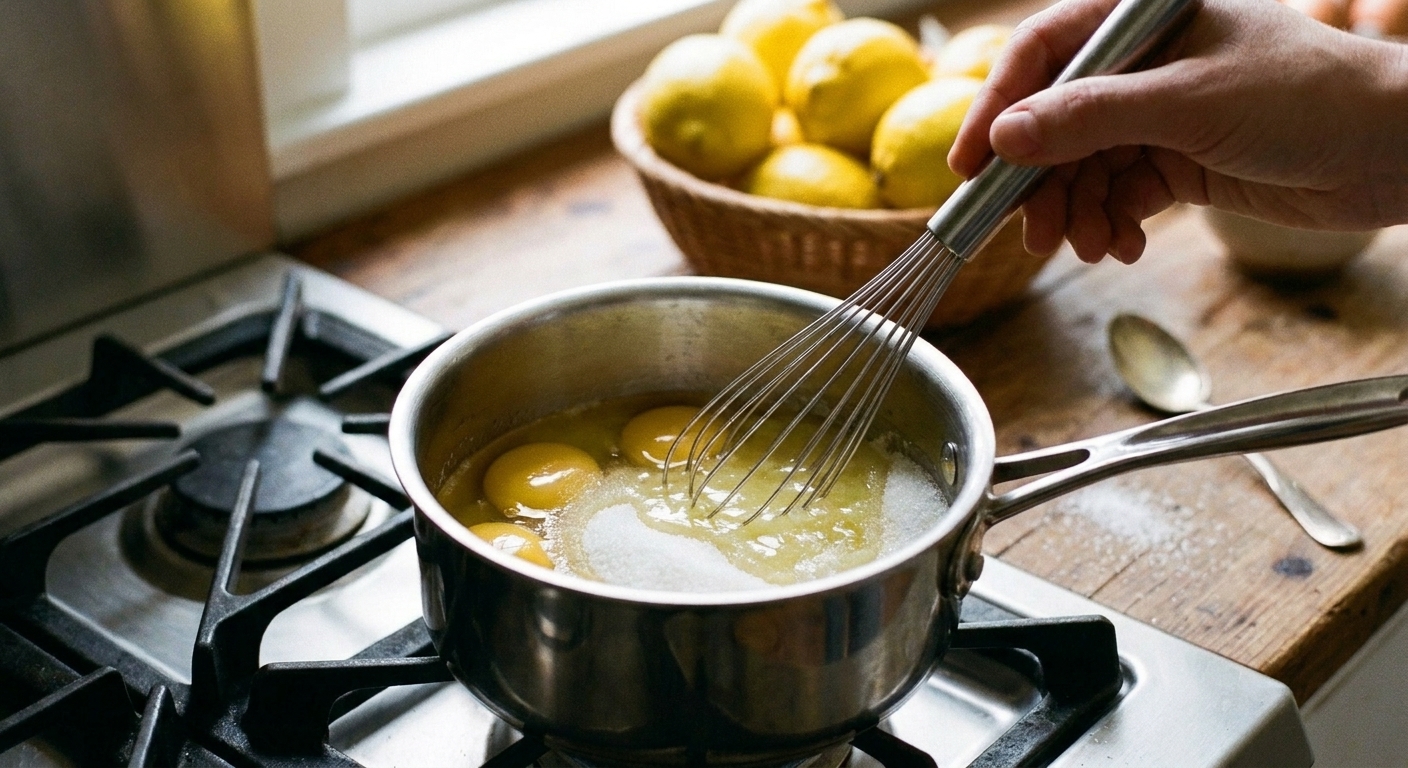
- Whisk off heat: In a small saucepan, whisk the eggs, yolks, sugar, lemon juice, and zest until smooth.
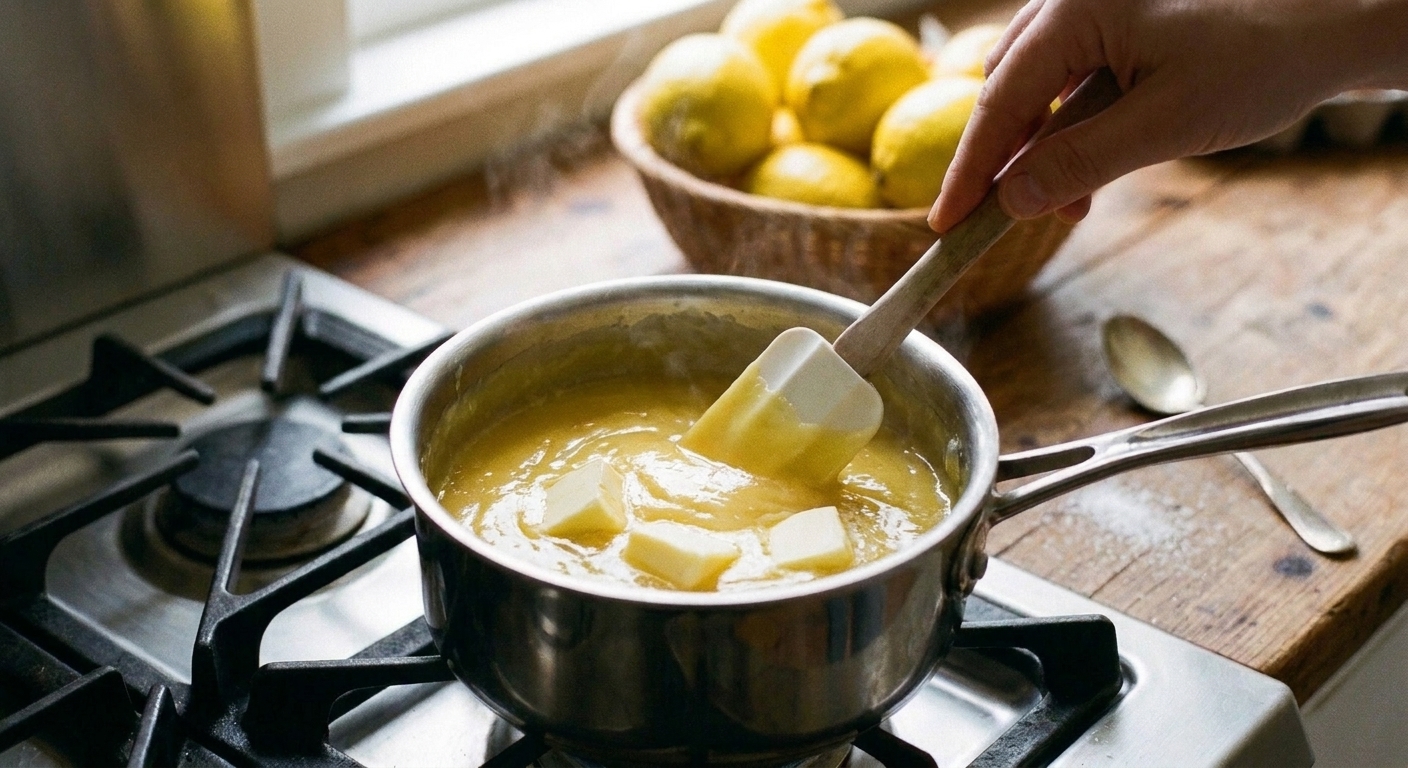
- Cook gently: Set the pan over medium-low heat. Stir constantly with a silicone spatula, making sure you scrape the corners. Cook 6 to 10 minutes, until the curd thickens enough to coat the spatula and you can draw a line through it with the spatula that holds for a second.
- Watch the heat: If you see steaming or any bubbling, pull the pan off the heat and keep stirring. Lower the heat before you continue. High heat is how curd turns into lemony scrambled eggs.
- Strain: Immediately pour through the strainer into the bowl. Do not skip this if you want that glossy, restaurant-smooth finish.
- Finish with butter: Stir in the butter a few pieces at a time until fully melted and emulsified.
- Season savory: Stir in salt, then pepper and Dijon if using. For garlic, see the note below. Taste and adjust. You want it bright, buttery, and lightly salted like a good pan sauce.
- Chill: Press plastic wrap directly onto the surface (prevents a skin) and refrigerate 2 to 3 hours to fully thicken.
Garlic note: Raw garlic gets stronger as it sits. If you want the mildest garlic flavor, use garlic powder. If using fresh garlic, stir it into the warm (not hot) curd after the butter, then chill and re-taste before adding more.
My best tips
- Low and slow wins. High heat is how curd turns into lemony scrambled eggs.
- Stir with intention. Get into the corners of the pan where bits love to overcook.
- Use a thermometer if you like certainty. Aim for about 170°F (77°C). Much above 180°F (82°C) and the eggs are more likely to curdle.
- Strain it. Even the pros strain. It is quick and it fixes tiny lumps instantly.
- Add garlic carefully. Start small, then let it chill and re-taste.
How to use it
This is where the fun starts. Use it anywhere you might use a lemony sauce, a spread, or a bright finishing dollop.
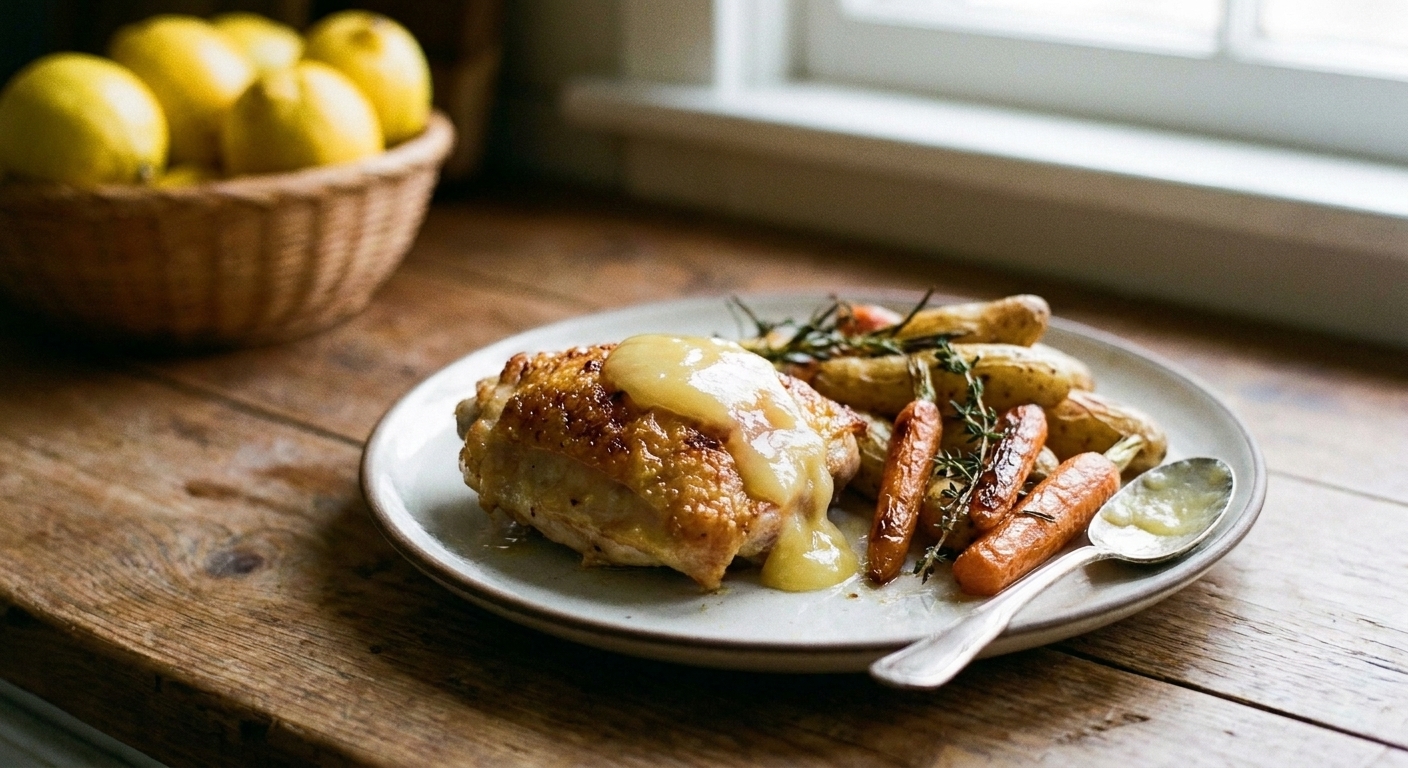
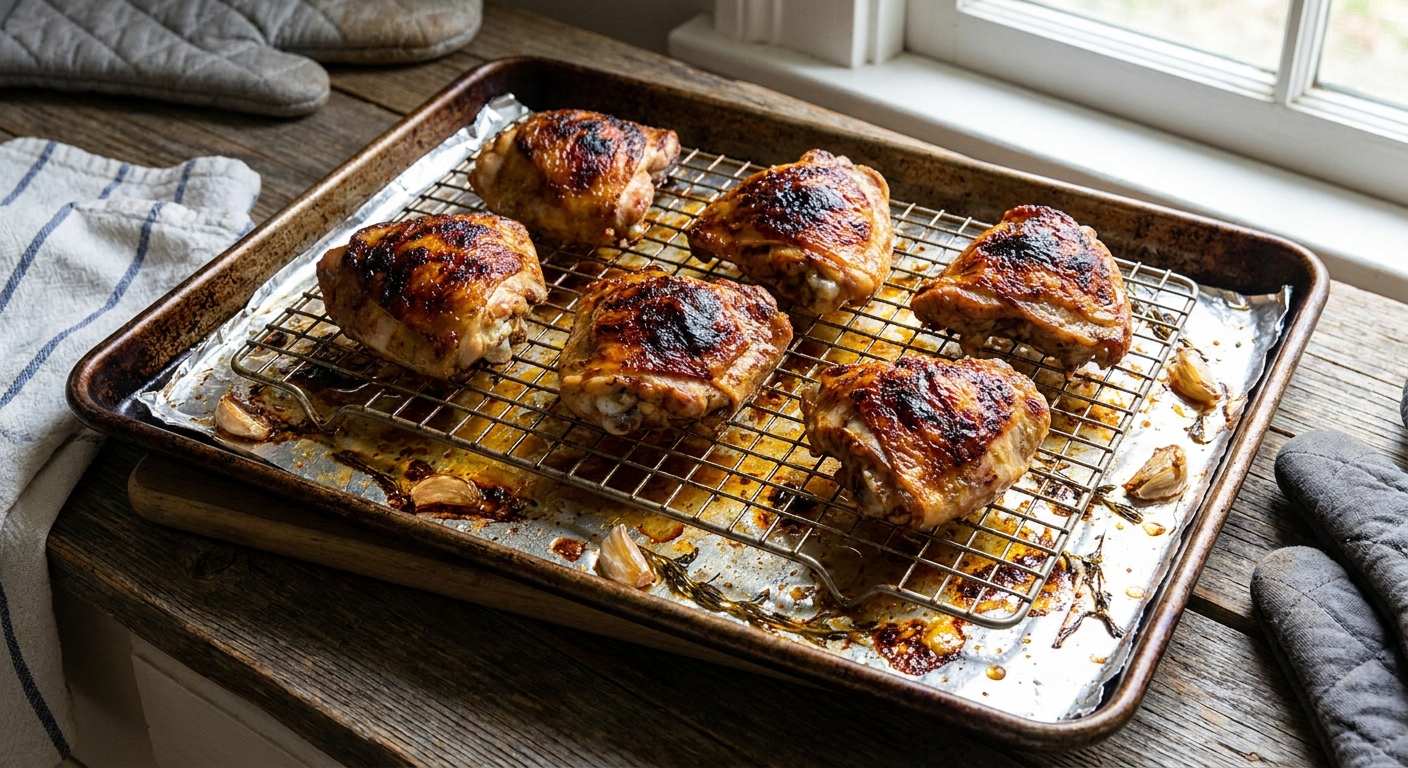
- Chicken: Dollop on roasted thighs, smear under the skin before roasting, or whisk into pan drippings for an instant sauce.
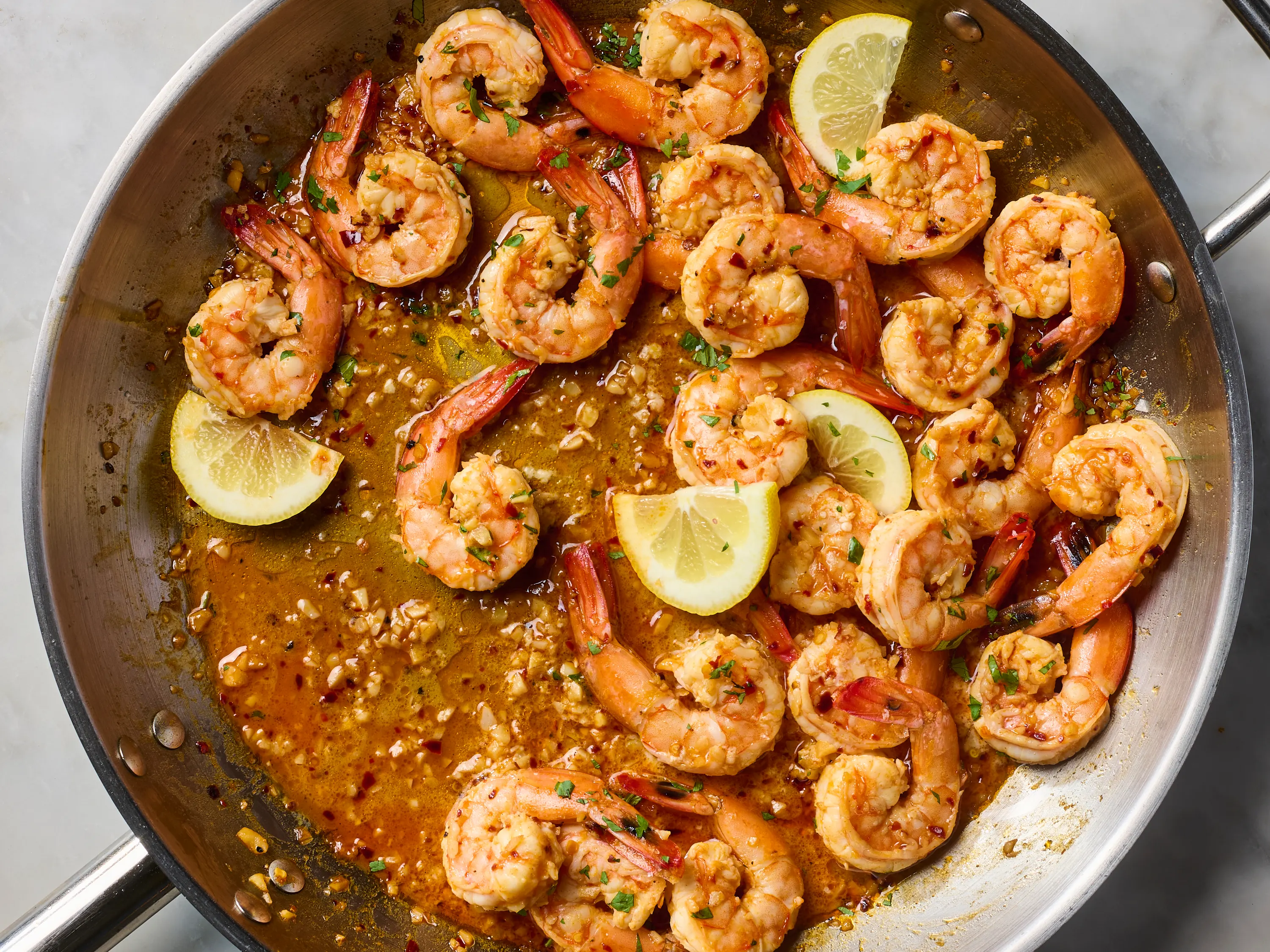
- Seafood: Amazing with salmon, shrimp , scallops, or crab cakes.
- Vegetables: Try it with roasted asparagus, charred broccoli, cauliflower, or crispy potatoes.
- Sandwiches and wraps: Use instead of mayo for turkey, grilled chicken, or chickpea wraps.
- Grain bowls: Stir a spoonful into warm farro or quinoa with greens and a soft egg.
- Cheese boards: A little bowl next to goat cheese, brie, or aged cheddar is downright dangerous.
Variations
Herby
Add 1 to 2 teaspoons finely chopped chives or tarragon. Stir in after straining, while warm.
Spicy
Add a pinch of cayenne or Aleppo pepper, or whisk in 1 teaspoon harissa at the end. Gorgeous with roasted carrots and chickpeas.
Less sweet
Reduce sugar to 1/4 cup. The curd will be a touch sharper and slightly less “jammy,” but still luscious.
Sauce style
Whisk 2 to 3 tablespoons curd into 1/3 cup warm heavy cream or creme fraiche. Instant drizzle for fish or grilled vegetables.
Storage and make-ahead
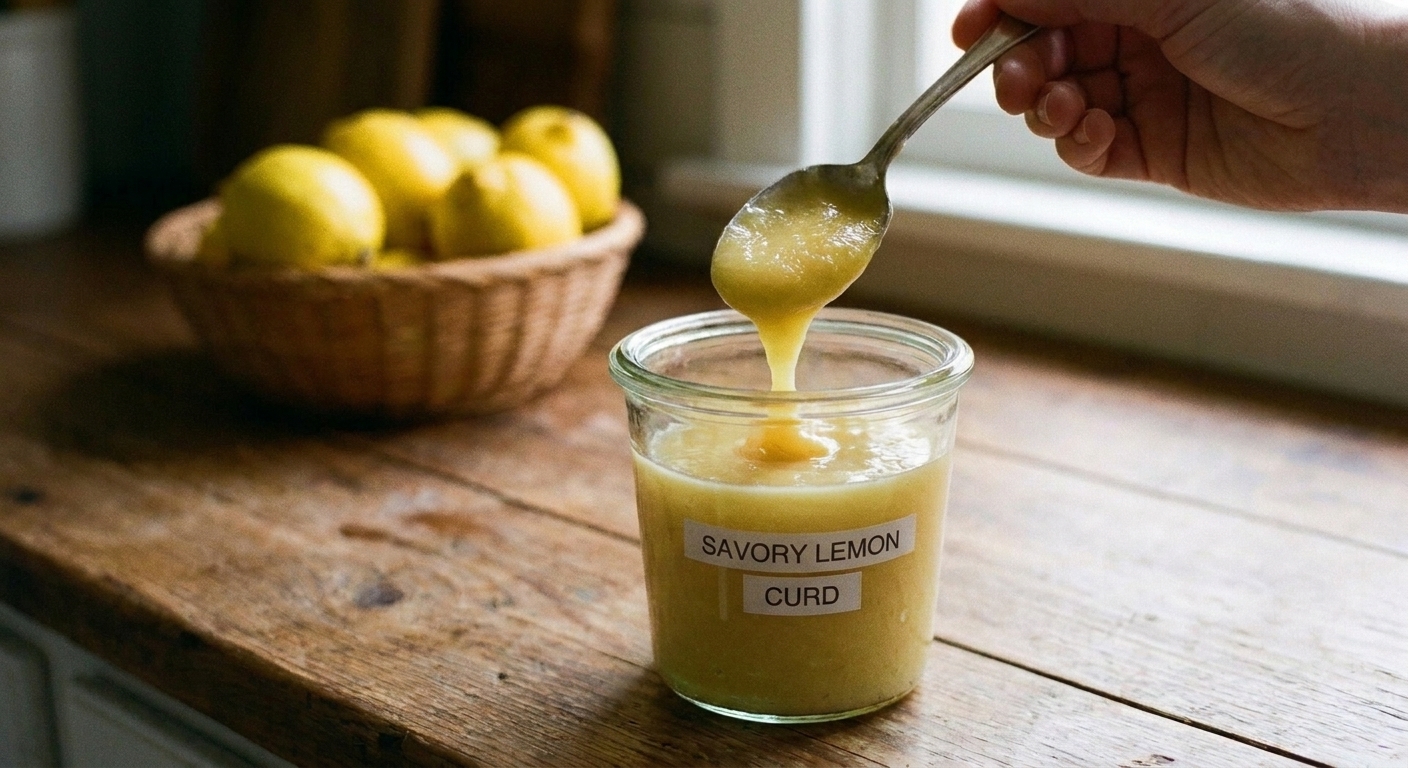
One of the best things about curd is that it stores like a champ, as long as you keep it refrigerated and use a clean spoon every time.
- Refrigerator: Store in a clean jar or airtight container. It is best within 5 to 7 days. If you add fresh raw garlic, aim for the shorter end, about 3 to 5 days.
- Freezer: Freeze up to 2 months. Thaw overnight in the fridge. Whisk well before using.
- Serving: It spreads best cool, and sauces best when slightly warmed. A quick 10 seconds in the microwave and a stir usually does it.
Troubleshooting
My curd is lumpy
Strain it while warm. If it is already chilled and lumpy, gently rewarm over low heat while whisking, then strain.
My curd is too thin
It might just need more chill time. If it is still thin after several hours, reheat over medium-low and cook a few minutes longer, stirring constantly, until it thickens.
It tastes too sharp
Whisk in another tablespoon of butter, or add 1 to 2 teaspoons sugar. Also, salt helps. A tiny pinch can make the lemon taste less aggressive.
It tastes too salty
Whisk in a little more butter or a splash of cream. If you have not added garlic or Dijon yet, skip them and let the lemon be the star.
FAQ
Is savory lemon curd safe to eat?
Yes, when cooked properly. The eggs are gently cooked as the curd thickens. If you want to be extra confident, use a thermometer and aim for about 170°F (77°C).
Can I make it without sugar?
I do not recommend fully sugar-free for classic curd texture and balance. You can reduce it quite a bit, but some sweetness helps the lemon taste bright instead of harsh.
Can I use olive oil instead of butter?
Butter gives the most stable, silky texture. You can whisk in a teaspoon or two of good olive oil at the end for flavor, but I would not replace all the butter.
Can I can it for pantry storage?
I do not recommend water bath canning lemon curd unless you are following a tested canning recipe designed for it. For this savory version, fridge or freezer is the safest route.
Any allergy notes?
This recipe contains eggs and dairy. I do not recommend substitutions here if you want classic curd texture.
One more nudge
If you are not sure where to start, try this: roast a sheet pan of broccoli and chicken sausages, then add a spoonful of savory lemon curd right at the end. The heat loosens it into a glossy sauce, and suddenly your Tuesday dinner tastes like you planned it.
And if you do add garlic, I support you fully.