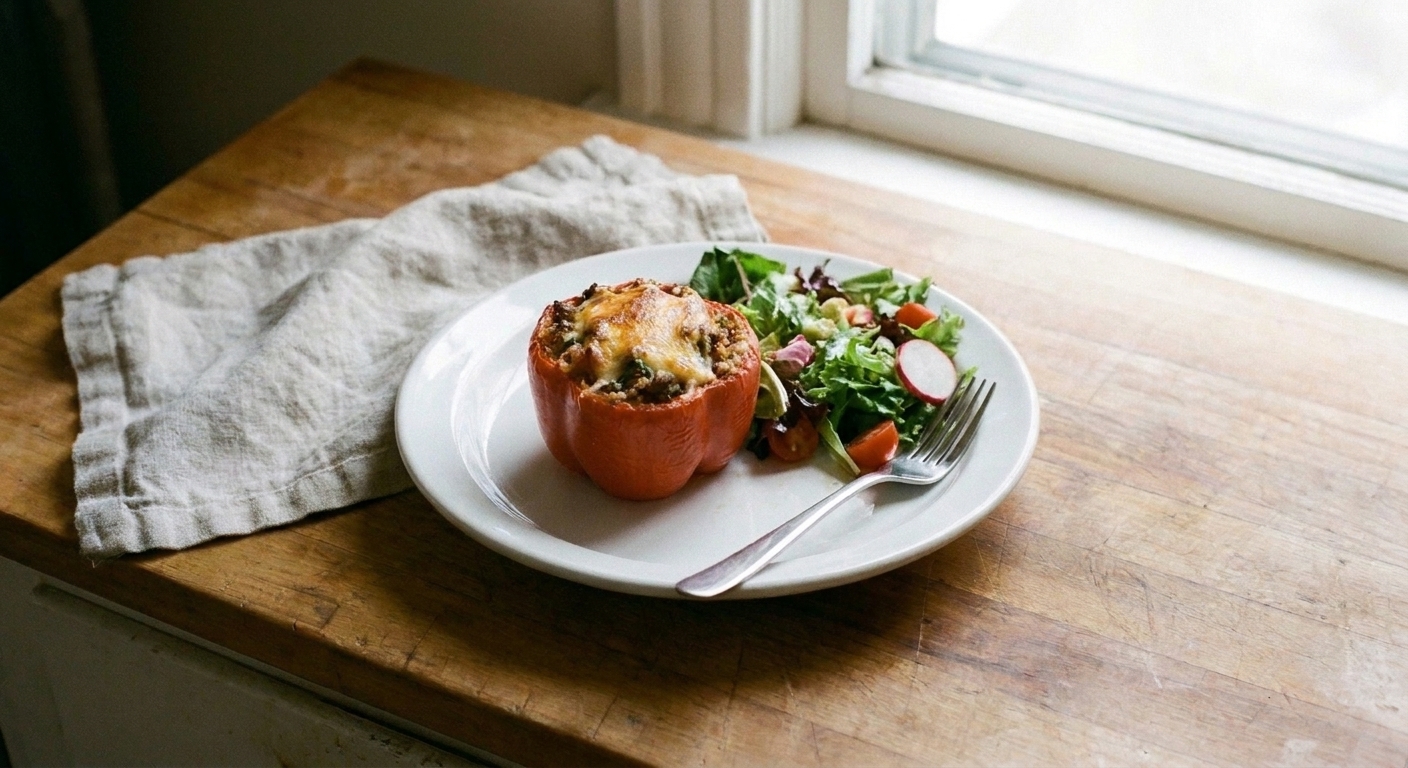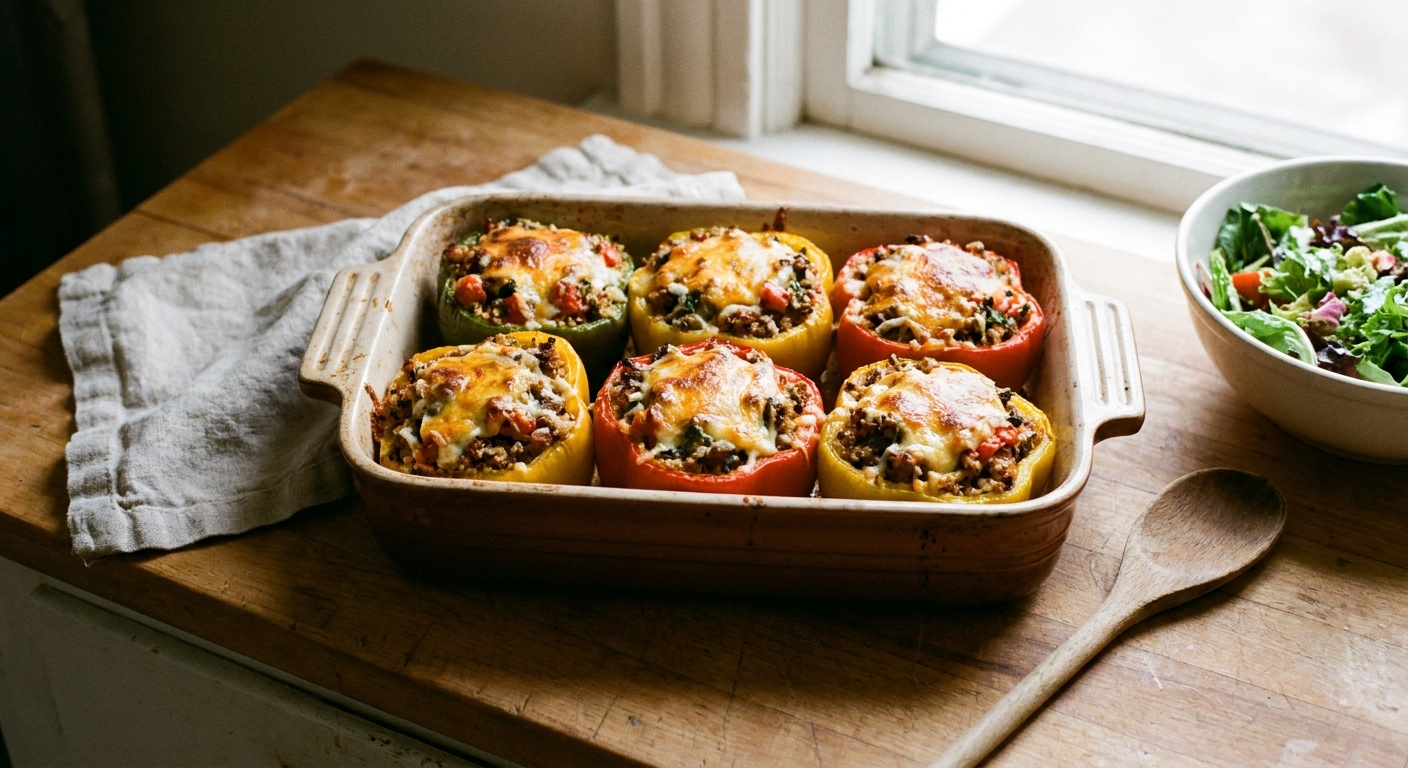
I love stuffed bell peppers because they feel like a complete dinner tucked into a tidy little package. But the filling question comes up constantly in my kitchen: should you stick with classic white rice, or swap in quinoa? I have made both more times than I can count, and the differences are real, especially when you factor in bake time, moisture, and leftovers.

The quick answer
Use white rice if you want the most classic, tender, cohesive filling and the easiest bake. It is forgiving, especially when you are trying to avoid crunchy grains.
Use quinoa if you want a lighter, slightly nutty filling with more texture. It is fantastic for meal prep, but it asks for a little more attention to liquid and a short rest after baking so it does not turn out dry.
Typical bake time and temp
If your filling is already cooked (cooked rice or cooked quinoa mixed with cooked meat or beans), a reliable baseline is 375°F to 400°F for about 30 to 40 minutes, covered for most of the bake, then uncovered briefly if you want browning.
If you start with uncooked grains, bake times can easily push 45 to 60 minutes (sometimes longer), and coverage plus liquid becomes non-negotiable.
How much liquid each one needs
Liquid is the make or break detail for stuffed peppers, because the filling is surrounded by a vegetable that releases some moisture as it bakes. That extra moisture helps, but it usually is not enough to fully cook a dry grain from scratch without a plan.
White rice
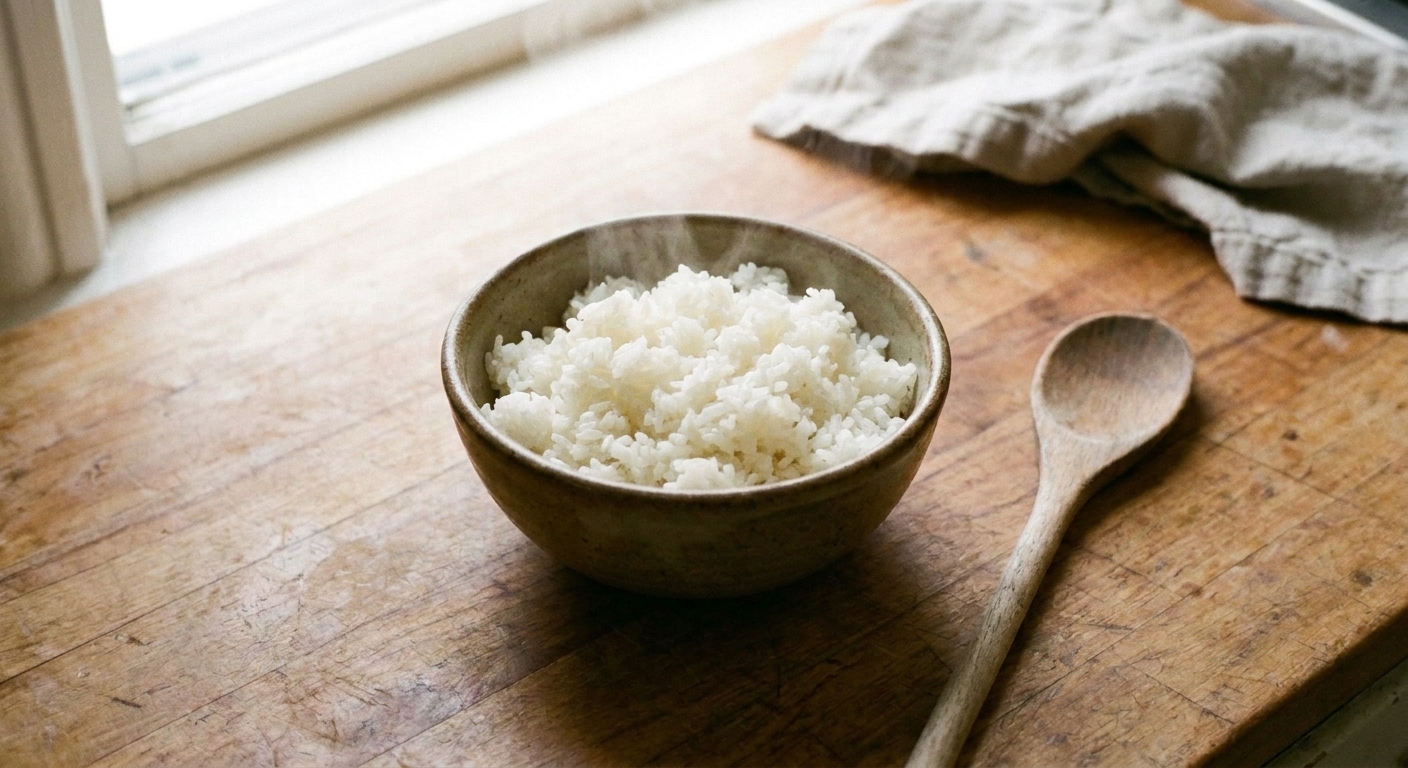
- Cooked white rice: Needs very little extra liquid. Your filling just needs to be moist enough to not bake up crumbly, so a saucy tomato base or a splash of broth is plenty.
- Uncooked white rice: Needs a reliable liquid source. If you are stuffing peppers with uncooked rice, you generally need broth, tomato sauce, or a combination, plus tight coverage so steam stays trapped.
Quinoa
- Cooked quinoa: Similar to cooked rice, but it tends to feel drier because the grains stay more separate. I like to add a bit more sauce than I think I need.
- Uncooked quinoa: Quinoa absorbs liquid quickly, but it still needs enough total moisture to finish tender. If the filling is on the dry side, quinoa will drink it up and you can end up with a filling that tastes great but feels a little parched.
My moisture rule: No matter which grain you choose, the filling should look slightly wetter than you want it to be when served. Stuffed peppers lose moisture as they bake, and grains keep absorbing liquid as they sit.
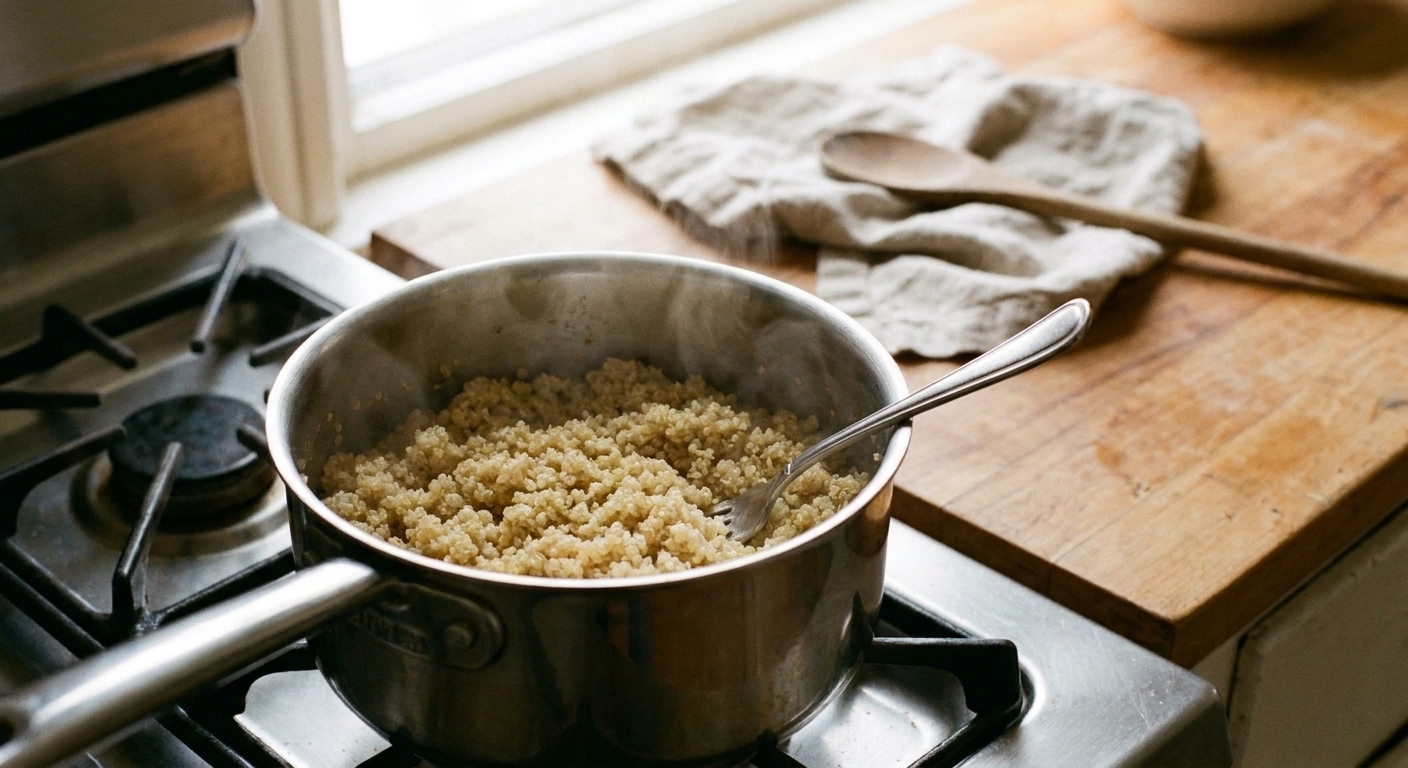
Bake time in the oven
Most classic stuffed pepper recipes are written with cooked rice in mind, which is why the bake time is often about heating through, tenderizing the pepper, and melting cheese.
With cooked white rice
- Predictable timing. Your bake time is mostly about the peppers becoming tender and the filling heating through.
- Texture stays cohesive. Rice blends into the filling, so it tends to reheat without drying out as quickly.
With cooked quinoa
- Similar timing to cooked rice. The big difference is that quinoa fillings often improve after a 5 to 10 minute rest, when everything settles and the juices redistribute.
- Watch the top. Quinoa near the surface can dry out faster, especially if you skip sauce or bake uncovered too long.
If you are baking with uncooked grains
This is where quinoa and rice diverge in the real world. Uncooked grains can work, but only if you build in steam and enough liquid.
- Uncooked rice: Usually needs a longer, more steamy bake. If anything goes wrong, you get crunchy rice in the center.
- Uncooked quinoa: Often softens faster than rice, but results vary a lot based on how saucy the filling is, how tightly the pan is covered, and pepper size.
My weeknight recommendation: If you want guaranteed results, cook the rice or quinoa first, then stuff and bake. It is one extra pot, but it saves you from the dreaded crunchy bite.
Do peppers split more?
Peppers usually split for a few common reasons: they are overbaked, they are packed too tightly, or they soften unevenly while the filling presses outward.
- Rice (especially cooked rice): Generally causes fewer splits because the filling compresses and stays cohesive. It is easier to mound without packing hard.
- Quinoa: The grains stay more separate and can feel a little pushier if you pack the pepper firmly. It is not dramatic, but I see more small splits when I really cram quinoa filling in there.
How to prevent splitting with either grain:
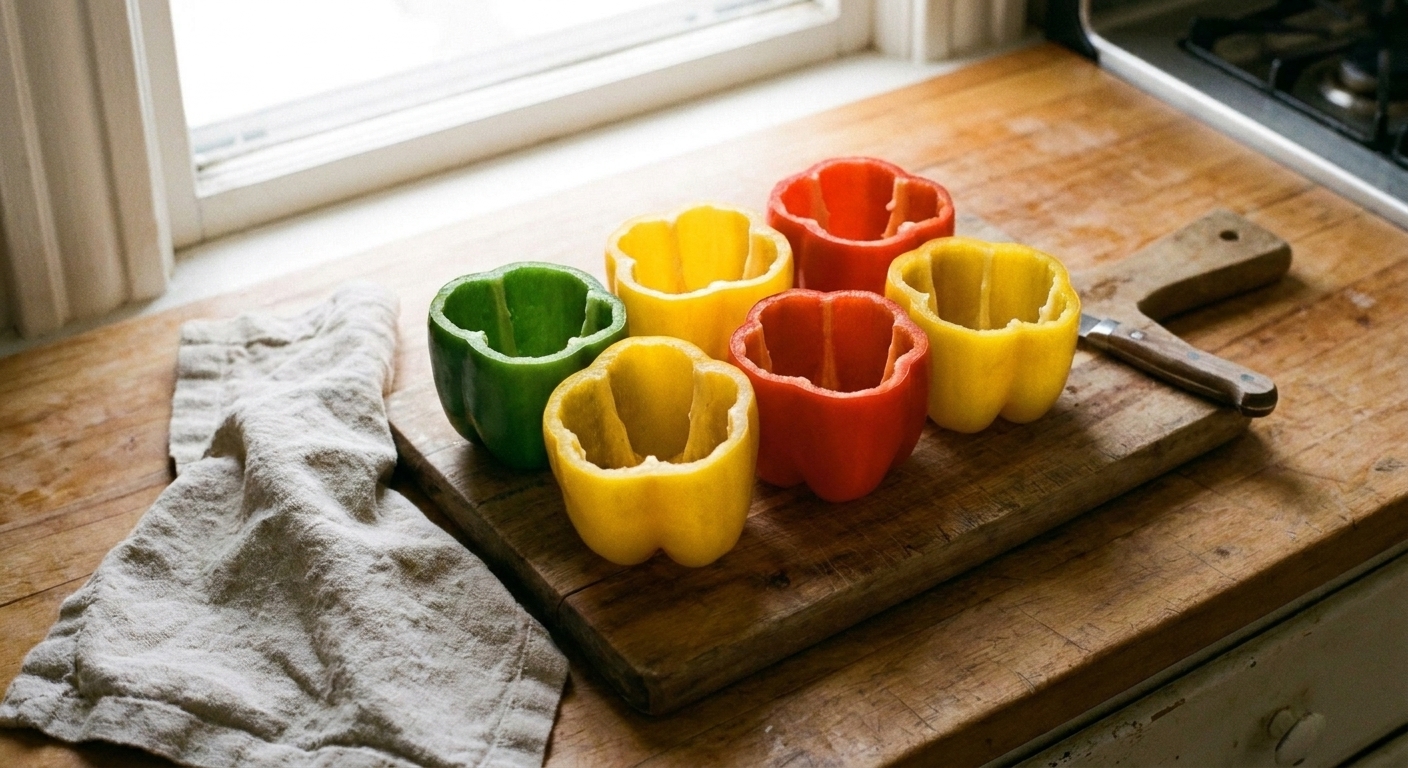
- Choose peppers with thicker walls and relatively flat bottoms.
- Par-bake peppers for 10 to 15 minutes if you like them very tender, then stuff. Softer peppers are less likely to tear when you press filling in.
- Fill gently. Spoon in, tap once or twice, then stop. Think cozy packed, not compressed.
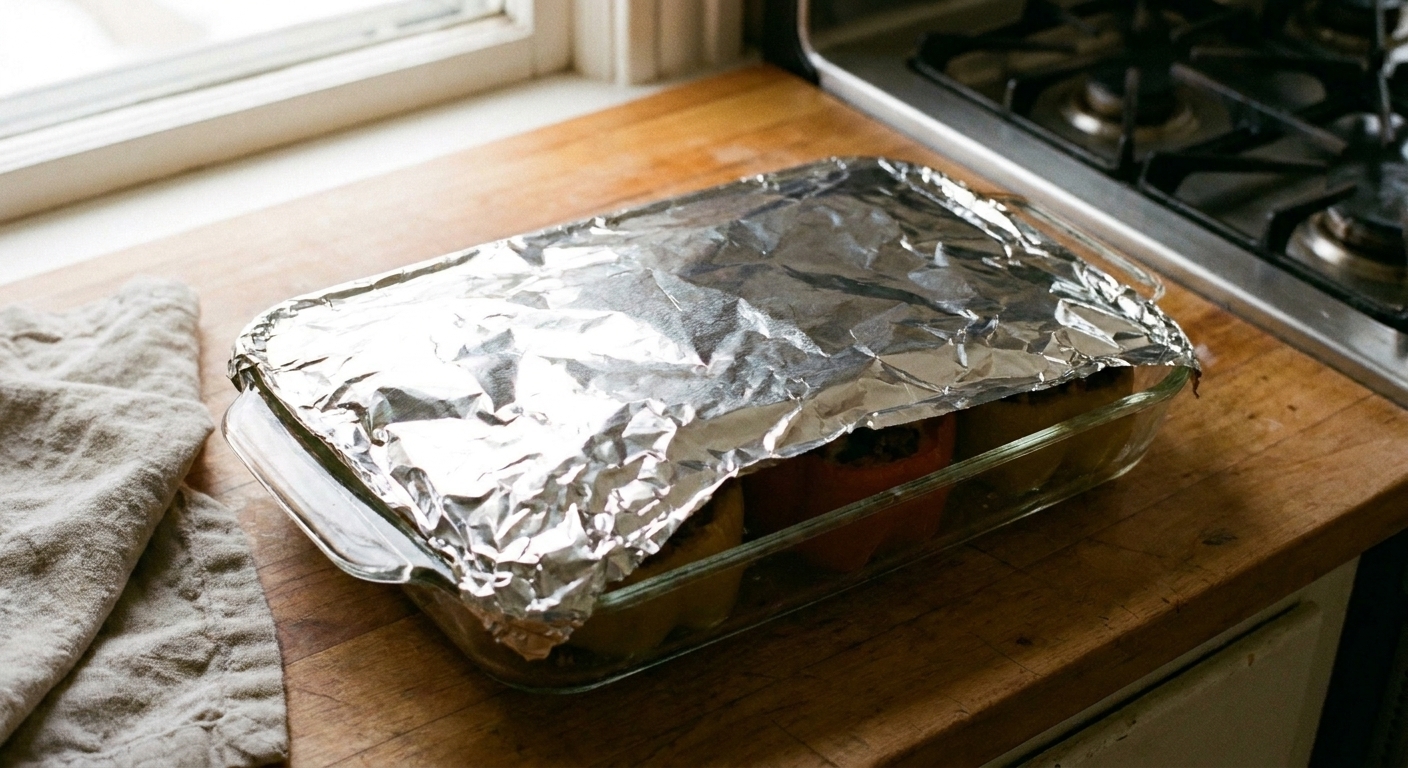
- Bake covered for most of the time to soften evenly, then uncover at the end to brown the top.
Flavor and texture
White rice in stuffed peppers
- Flavor: Mild and comforting, lets the tomato, beef, sausage, or spices be the star.
- Texture: Soft, cohesive, and classic diner style in the best way.
- Best for: Traditional stuffed pepper vibes, picky eaters, and anyone who wants a filling that holds together when scooped.
Quinoa in stuffed peppers
- Flavor: Slightly nutty and earthy. It pairs beautifully with cumin, smoked paprika, feta, spinach, mushrooms, and lemony flavors.
- Texture: Lighter and more separated. You get a pleasant pop from the little grains, especially if you do not overcook it.
- Best for: A heartier, more textured bite and a filling that feels a little less heavy.
One small quinoa note: If your quinoa tastes even faintly bitter, rinse it in a fine-mesh strainer before cooking. That quick rinse can make a big difference in a delicate pepper filling.
Next-day leftovers
Stuffed peppers are one of my favorite make-ahead dinners, but the grain you choose changes the next-day experience.
White rice the next day
- Usually stays tender. Rice can hold onto moisture well when it is mixed with meat and sauce, although it can dry out if the filling is lean or light on sauce.
- More cohesive. The filling stays spoonable and comforting, even after reheating.
- Downside: If the filling was already very soft, it can get a bit mushy after a couple days.
Quinoa the next day
- Great texture. Quinoa stays pleasantly chewy and does not collapse.
- Downside: It can taste drier after refrigeration because it keeps absorbing juices. A little extra sauce at reheat time fixes this instantly.
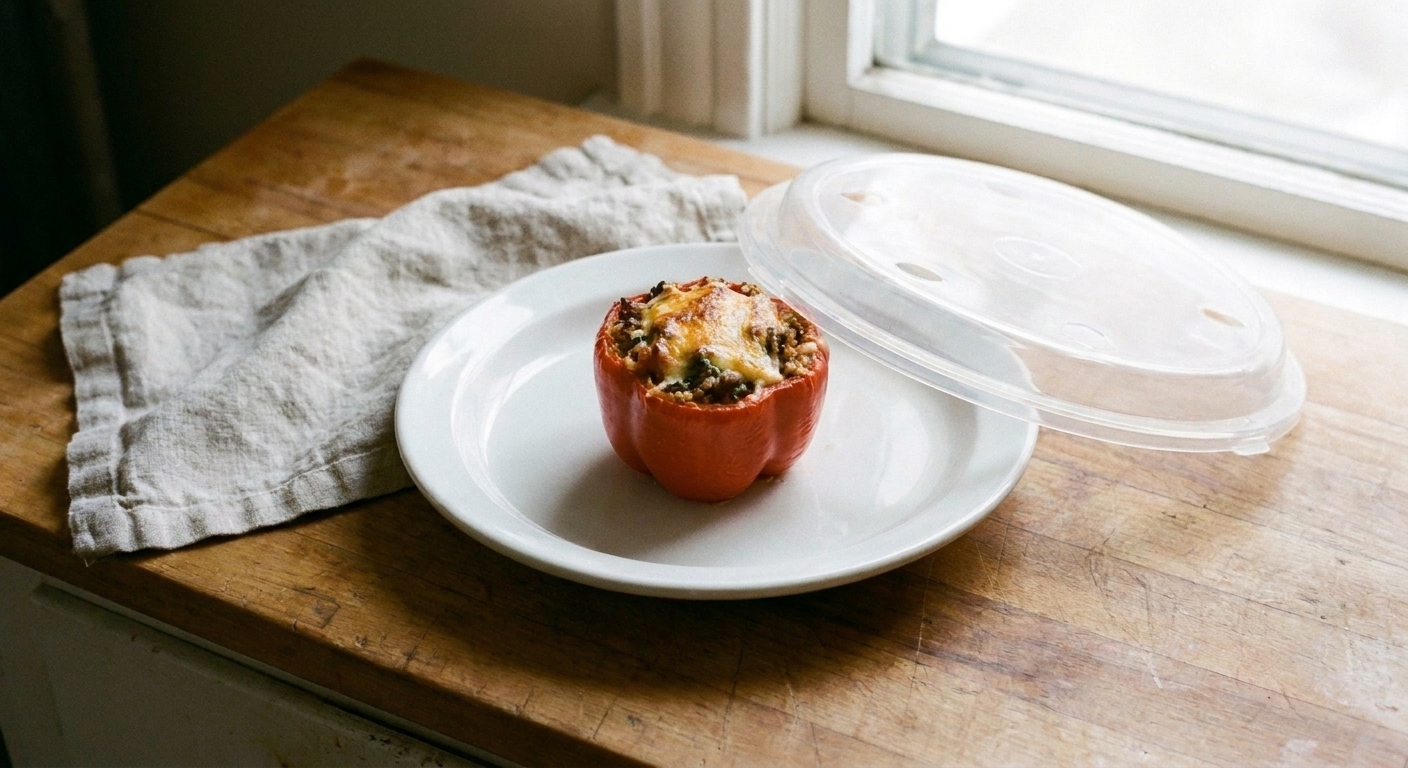
My reheating tip for both: Add a tablespoon or two of water, broth, or tomato sauce to the dish, cover, and reheat gently. That bit of steam makes leftovers taste freshly baked.
My swap guide
If your go-to stuffed pepper filling uses rice and you want to try quinoa, here is the simple approach I use:
- Swap cooked for cooked whenever possible. Use cooked quinoa in place of cooked rice in the same amount.
- Add a little more moisture with quinoa, especially if your filling is lean. Think extra tomato sauce, salsa, or a splash of broth.
- Do not overpack. Quinoa fillings feel looser, so spoon it in and let it sit naturally rather than pressing it down.
- Want a sliceable, tighter filling? Add a simple binder like an egg, a handful of shredded cheese, or extra beans, then let the peppers rest a few minutes after baking to set.
- Taste and adjust seasoning. Quinoa has more flavor than white rice, so you may want a pinch more salt, garlic, or herbs to balance everything.
If you are choosing quinoa for dietary reasons, it is naturally gluten-free and tends to add a bit more protein and fiber than white rice, which can be a nice bonus.
FAQ
Can I use quinoa instead of rice 1:1?
Yes, if the rice in your recipe is already cooked, you can usually swap in the same amount of cooked quinoa. Just make sure the mixture looks moist before stuffing, since quinoa can read drier.
Should I cook quinoa before stuffing peppers?
For the most reliable results, yes. Cooking quinoa first gives you consistent texture and lets the peppers bake just until tender without worrying about undercooked grains.
Why did my quinoa stuffed peppers turn out dry?
The filling likely did not have enough sauce or was baked uncovered too long. Next time, add more tomato sauce or broth to the filling and keep the pan covered for most of the bake. When reheating, add a splash of liquid and cover to steam it back to life.
Why did my peppers split?
Usually it is from overbaking, packing the filling too tightly, or uneven softening that creates pressure as the filling expands. Fill gently, bake covered for even softening, and pull them once the peppers are tender rather than letting them go until they slump.
Which is better for meal prep?
If you want the best texture after a day or two, I give quinoa a slight edge, as long as you plan to add a splash of sauce when reheating. If you want the most comforting, saucy leftovers with minimal fuss, white rice is the classic winner.
My personal pick
If I am cooking for my family on a busy weeknight, I usually reach for white rice because it is cozy, familiar, and very forgiving. If I am stocking the fridge for lunches, I grab quinoa and make the filling a little saucier than usual. Either way, the real secret is the same: do not be shy with garlic, and do not skimp on moisture.