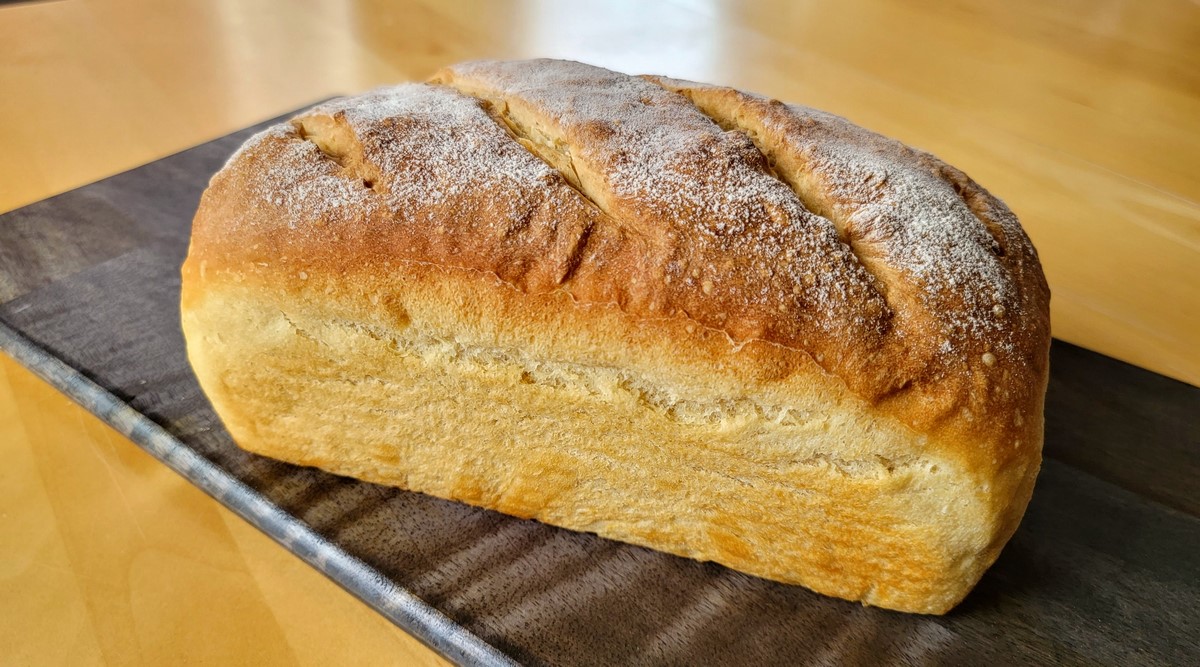
Make a warm, soft loaf of homemade yeast bread with simple ingredients and clear steps. Includes shaping tips, doneness cues, and fixes for common bread prob...
Recipeva
Pizza Dough with Yeast
A simple, reliable pizza dough with yeast that bakes up chewy, crisp, and flavorful. Includes kneading tips, cold ferment option, freezing, and troubleshooting.

Maya Reynolds
Maya Reynolds is a passionate home cook, recipe developer, and the creative voice behind Recipeva. With over a decade of experience translating complex culinary techniques into approachable weeknight meals, she focuses on creating dishes that bring joy to the dinner table without the stress.
Created September 24, 2026
Updated September 24, 2026
Homemade pizza dough can feel like one of those things you need “real skills” to pull off. I promise you do not. If you can stir, wait a little, and press dough into a circle-ish shape, you can make pizza dough with yeast. This is the exact kind of weeknight-friendly recipe I love because it is flexible, forgiving, and wildly satisfying when you pull that bubbly, golden crust out of the oven.
What this dough is like
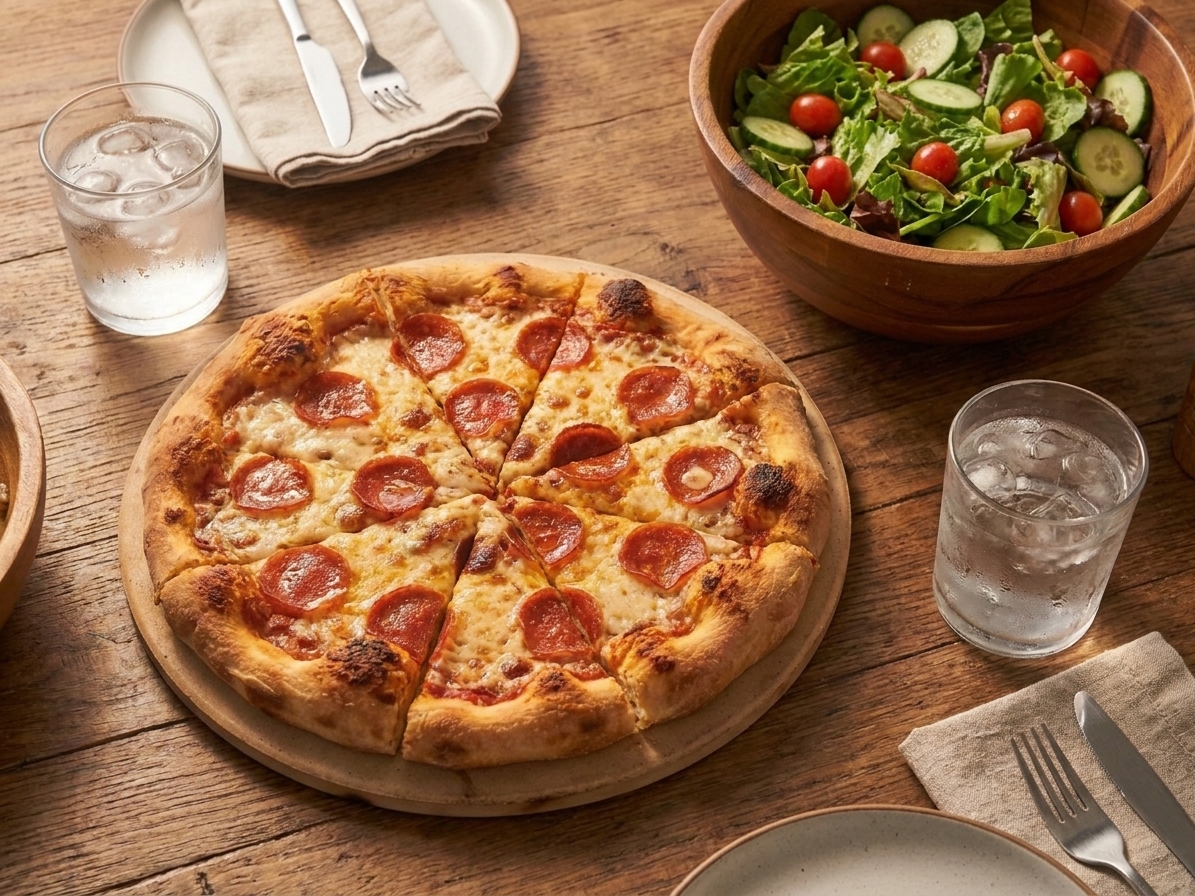
This yeast pizza dough bakes up with a crisp edge and a chewy center, with enough structure to hold toppings without turning soggy. You can make it the same day for a quick pizza night, or you can cold ferment it in the fridge for deeper flavor.
- Best for: sheet pan pizza, round pizzas on a stone or steel, or a thick, fluffy pan pizza.
- Skill level: beginner-friendly.
- Time flexibility: ready in about 1.5 to 2 hours, or cold rise up to 72 hours.
Ingredients you need
You only need a few supermarket staples. The small details matter, but none of them are fussy.
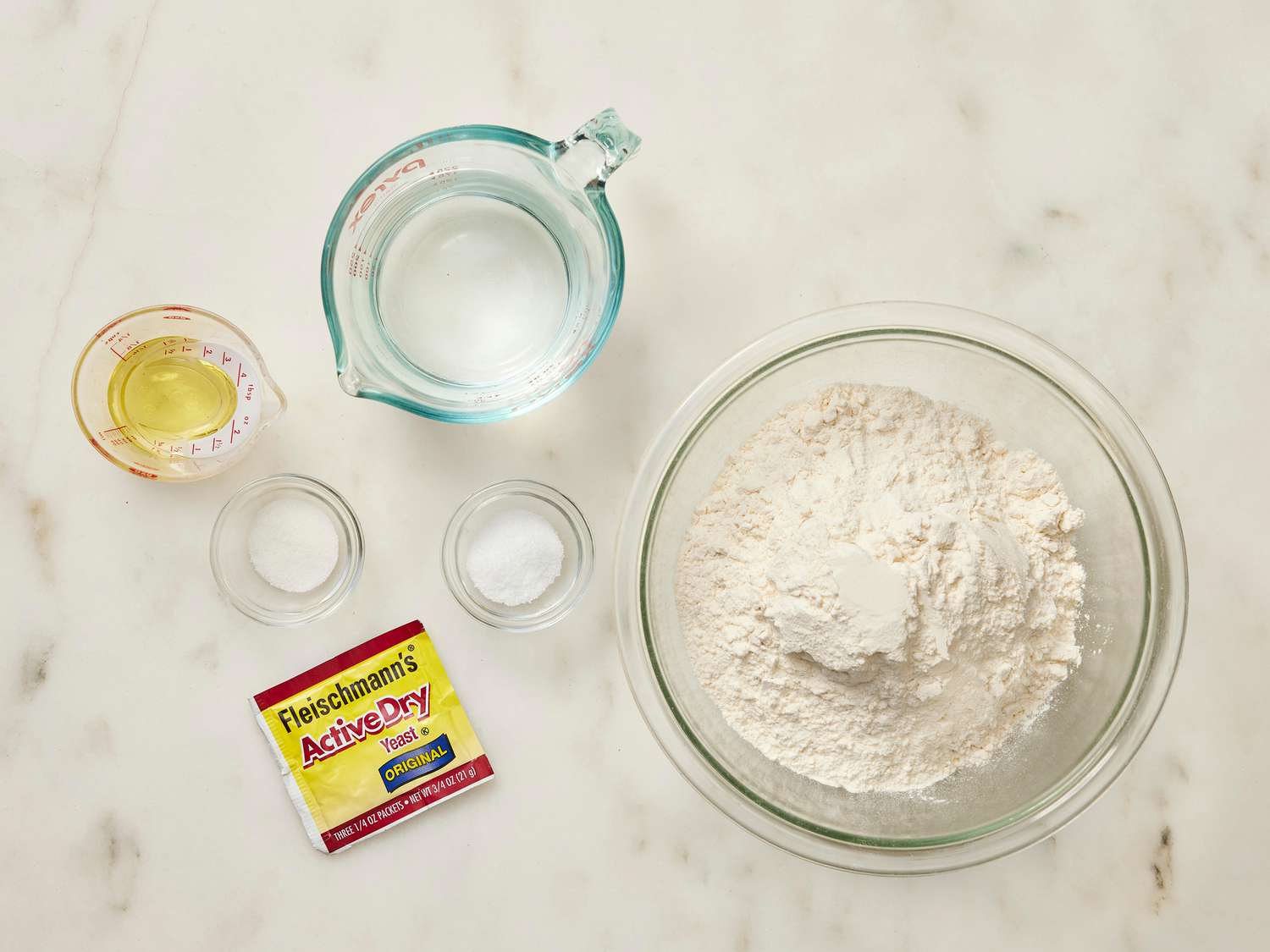
- Warm water: Aim for warm, not hot. About 100 to 110 F is ideal. If it feels like a cozy bath, you are in the right zone.
- Yeast: Instant yeast or active dry yeast both work (see notes below).
- Flour: Bread flour gives extra chew, but all-purpose flour makes an excellent crust too.
- Salt: Essential for flavor. Dough without enough salt tastes flat.
- Olive oil: Adds tenderness and helps with browning.
- Sugar or honey: Optional but helpful for yeast activity and a touch more color in the crust.
Pizza dough with yeast (recipe)
Ingredients (makes 2 medium pizzas)
- 3 1/2 cups (420 g) all-purpose flour or bread flour, plus more for dusting
- 1 packet (2 1/4 tsp) instant yeast or active dry yeast
- 2 tsp (12 g) fine salt
- 1 tbsp (12 g) sugar or honey (optional)
- 1 1/3 cups (315 g) warm water (about 100 to 110 F)
- 2 tbsp (30 g) olive oil, plus a little for the bowl
Step-by-step
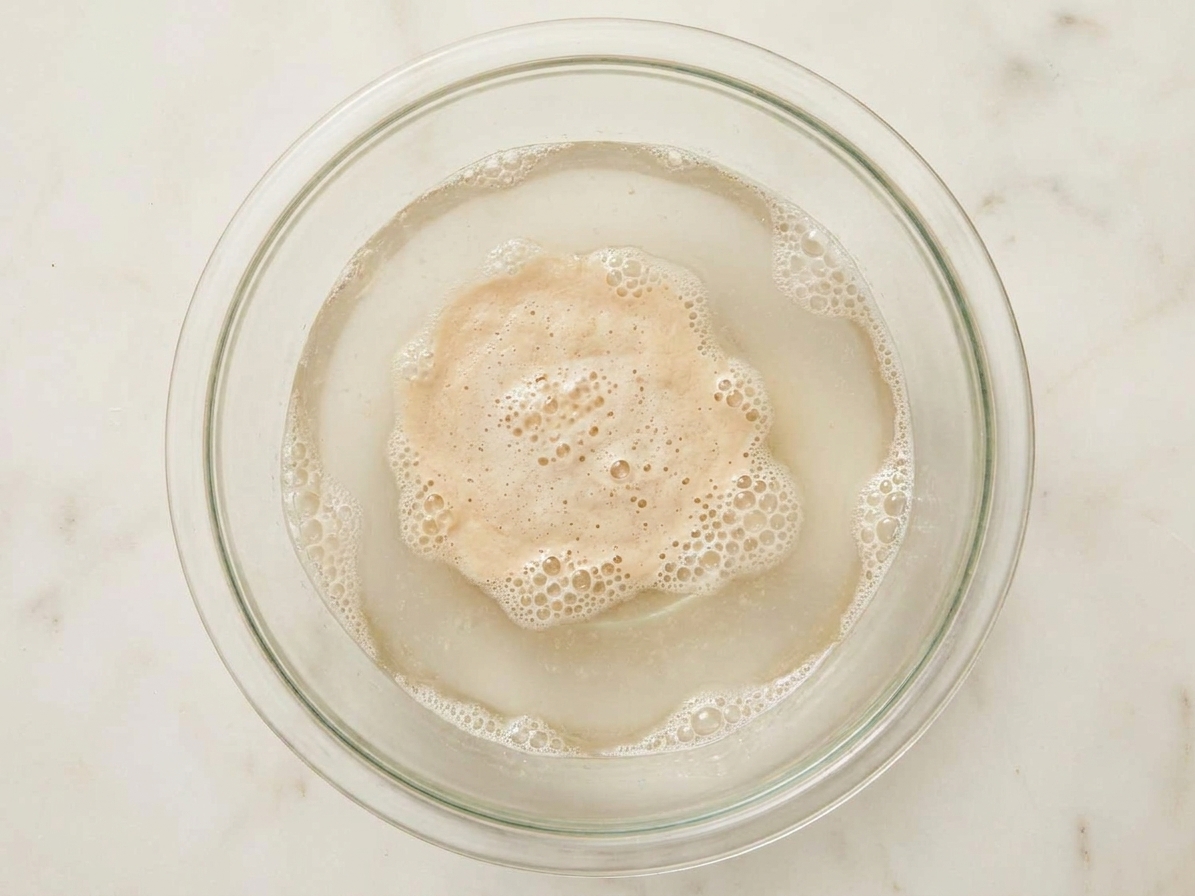
- Choose your yeast method. If you are using instant yeast, you can mix it right into the flour in the next step. If you are using active dry yeast, bloom it first: stir the yeast (and sugar or honey, if using) into the warm water and let it sit 5 to 10 minutes until foamy.
- Mix the dry ingredients. In a large bowl, whisk flour and salt. If you are using instant yeast, whisk it in here too.
- Add water and oil. Pour in the warm water (or your bloomed yeast mixture if using active dry yeast) and the olive oil. Stir with a spoon or dough whisk until a shaggy dough forms.
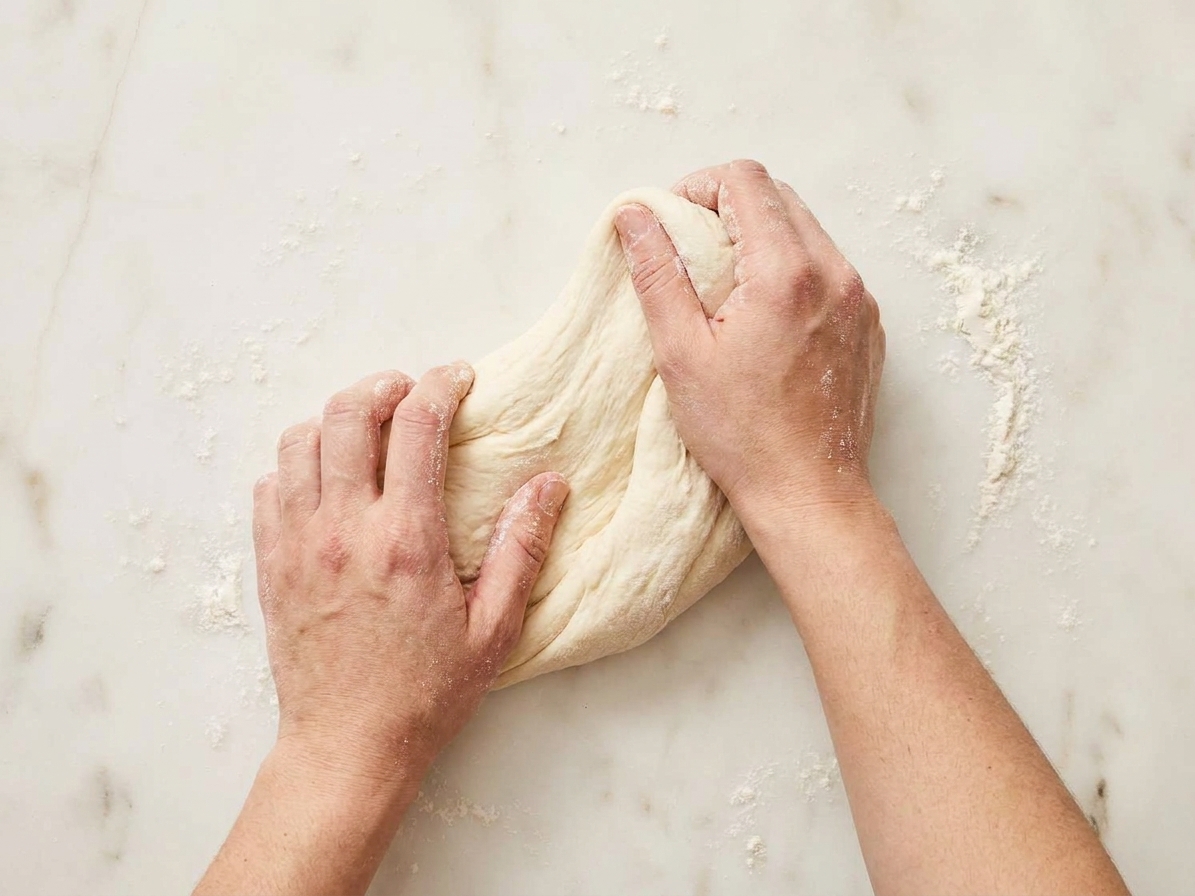
- Knead. Turn dough onto a lightly floured counter and knead 8 to 10 minutes until smooth and elastic. If it feels sticky, dust with a teaspoon of flour at a time. If it feels dry and tearing, wet your hands and knead to bring it together.
- First rise. Place dough in a lightly oiled bowl, cover, and let rise in a warm spot until doubled, 60 to 90 minutes.
- Divide and rest. Punch down gently, divide into 2 balls, cover, and let rest 15 minutes. This rest makes shaping much easier.
- Shape. Press from the center outward, leaving a slightly thicker rim. Stretch over your knuckles if you like, or use fingertips to dimple and press into shape.
- Top and bake. Bake on a preheated stone or steel at 500 to 550 F if your oven allows. Or bake on a sheet pan at 475 to 500 F. Timing varies by thickness, usually 8 to 14 minutes.
Instant vs active dry yeast
Both work beautifully. Here is the simple way to think about it.
- Instant yeast: Mix right into the flour. This is my go-to for ease and speed.
- Active dry yeast: I recommend blooming it first in the warm water for 5 to 10 minutes until foamy. Then mix it in with the flour and oil.
If your yeast does not foam (active dry method), your water may have been too hot, or the yeast may be old. Do not waste flour on dead yeast. Start over with a fresh packet.
Tips for easy dough
1) Start a little sticky
New bakers often add too much flour. A slightly tacky dough bakes into a lighter, airier crust. Add flour slowly, and stop as soon as the dough is kneadable.
2) Rest before shaping
If the dough keeps snapping back, it is tense. Cover it and rest 10 to 15 minutes, then try again. This is the easiest fix in the book.
3) Use heat wisely
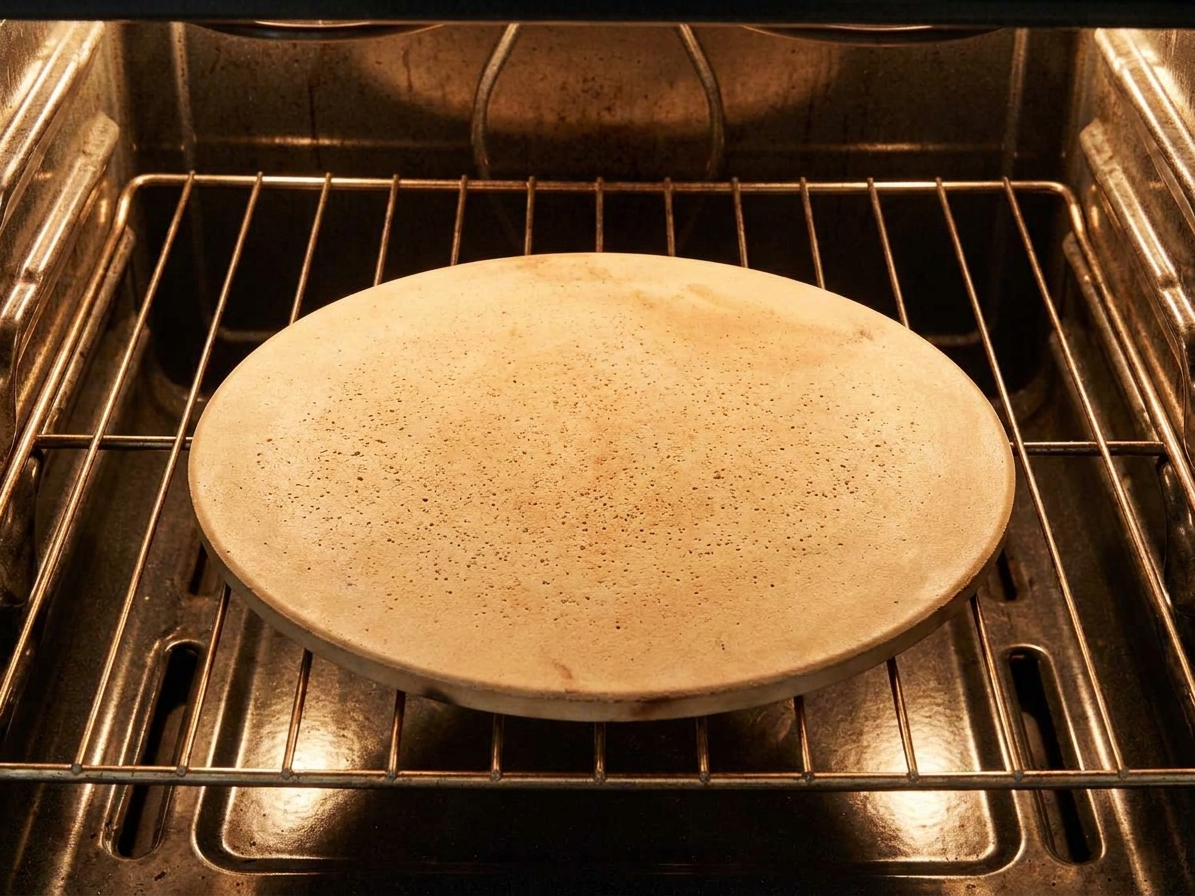
Pizza wants a hot oven. Preheat at least 30 minutes if you are using a stone or steel. If you are using a sheet pan, preheat the pan too for extra crispness.
Cold ferment option
If you have time, the fridge does magic. After the first rise (or even right after mixing and a short 20 minute rest), cover the dough and refrigerate 24 to 72 hours. When you are ready to bake:
- Bring dough to room temperature for 60 to 90 minutes.
- Shape gently, trying not to press out all the air.
This longer fermentation gives you a more complex, slightly tangy flavor and better browning.
Baking at home
You do not need a pizza oven. You just need a hot surface and a plan.
Sheet pan method
- Oil the pan lightly, then press dough out to the edges.
- Par-bake 3 to 4 minutes if you like an extra crisp bottom.
- Add sauce and toppings, then bake 10 to 14 minutes at 475 to 500 F.
Stone or steel method
- Preheat stone or steel at 500 to 550 F for at least 30 minutes.
- Use parchment on a peel or an upside-down sheet pan for an easy launch.
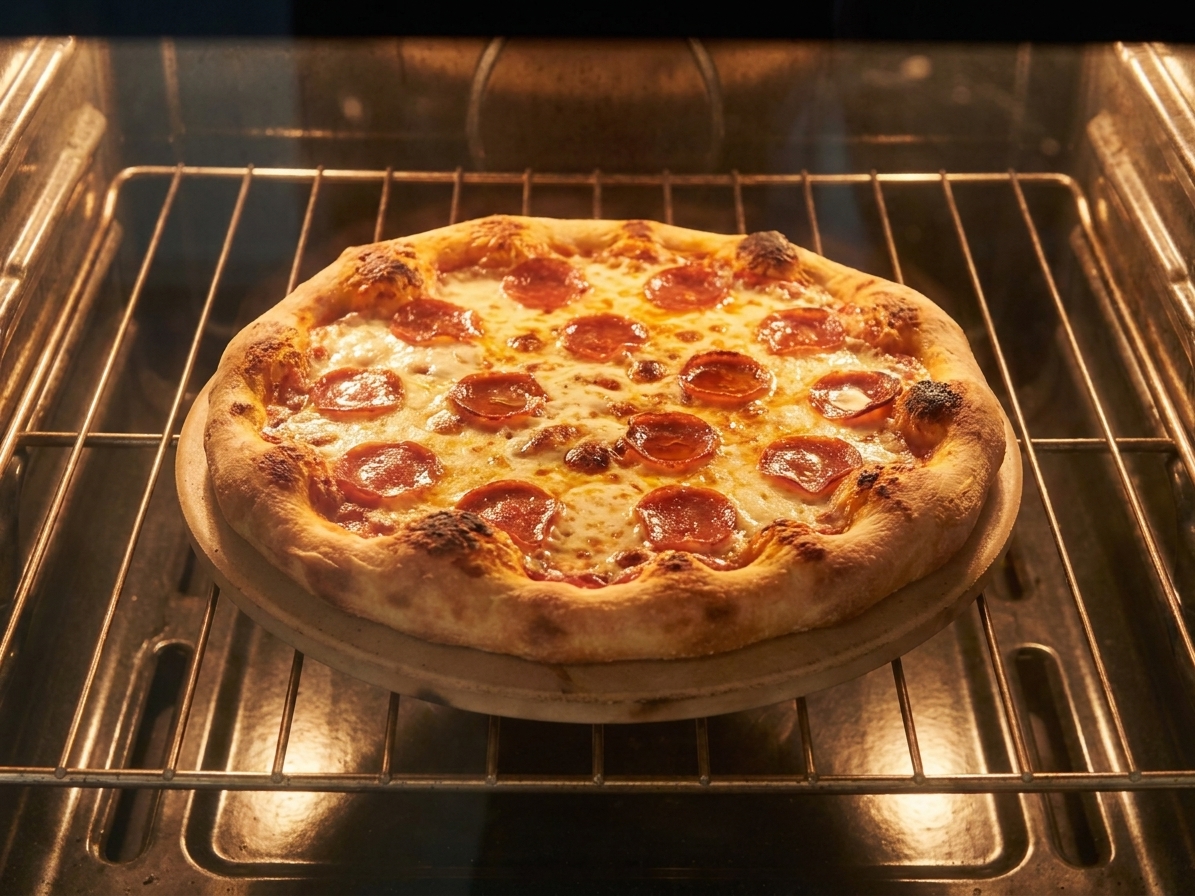
- Bake 8 to 12 minutes, depending on thickness and toppings.
Topping tips
- Go light on sauce. Too much sauce makes the center soggy.
- Pre-cook watery vegetables. Mushrooms, zucchini, and spinach release moisture. A quick sauté helps.
- Use low-moisture mozzarella. Fresh mozzarella is delicious, but tear it and blot it dry first.
- Do not overload. A balanced pizza bakes more evenly and slices cleaner.
Make-ahead and freezing
To refrigerate
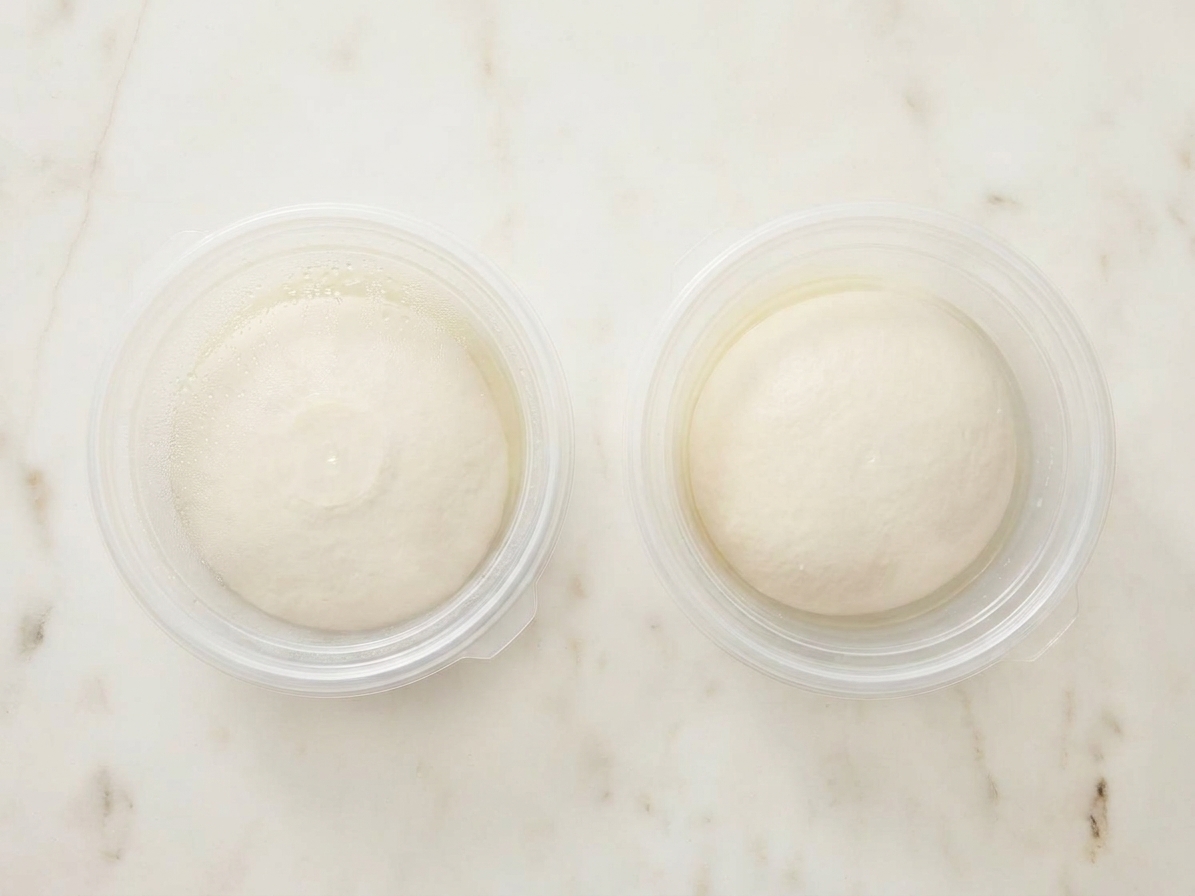
After the first rise, punch down, portion into dough balls, coat lightly with oil, and refrigerate in covered containers up to 3 days.
To freeze
Freeze dough balls after the first rise. Wrap each ball tightly (plastic wrap plus a freezer bag) and freeze up to 3 months.
- Thaw: Overnight in the fridge.
- Before baking: Bring to room temp 60 to 90 minutes, then shape.
Troubleshooting
Dough is not rising
- Check yeast freshness.
- Make sure the water was warm, not hot.
- Move the bowl to a warmer spot. I like the oven with the light on (oven off).
Dough is too sticky
- Add flour 1 teaspoon at a time while kneading.
- Let it rest 5 minutes, then knead again. Hydration settles as flour absorbs water.
Dough tears when stretching
- It needs more rest. Cover and wait 10 to 15 minutes.
- If it feels dry, wet your hands and knead briefly to rehydrate.
Crust is pale
- Bake hotter, and preheat longer.
- A little sugar or honey in the dough helps browning.
- Try moving pizza to a higher rack for the last couple minutes.
FAQ
No stand mixer?
Absolutely. I usually make it by hand. Kneading is just folding and pressing until smooth. Put on a playlist and call it therapy.
How do I know it is kneaded enough?
It should look smooth, feel elastic, and spring back slowly when you press a fingertip into it. If you stretch a small piece, it should form a thin window before tearing.
Why is it shrinking back?
The gluten is tight. Let the dough rest, covered, for 10 to 15 minutes, then stretch again. This fixes it almost every time.
Can I use whole wheat flour?
Yes. Start with 25 to 50 percent whole wheat flour and the rest all-purpose or bread flour. Whole wheat absorbs more water, so you may need an extra tablespoon or two of water.
Serving ideas
Pizza is the main character, but I love a simple supporting cast.
- Big green salad with a lemony vinaigrette
- Roasted broccoli or garlicky sautéed greens
- Warm marinara for dipping crusts
- A bowl of fruit for an easy dessert