

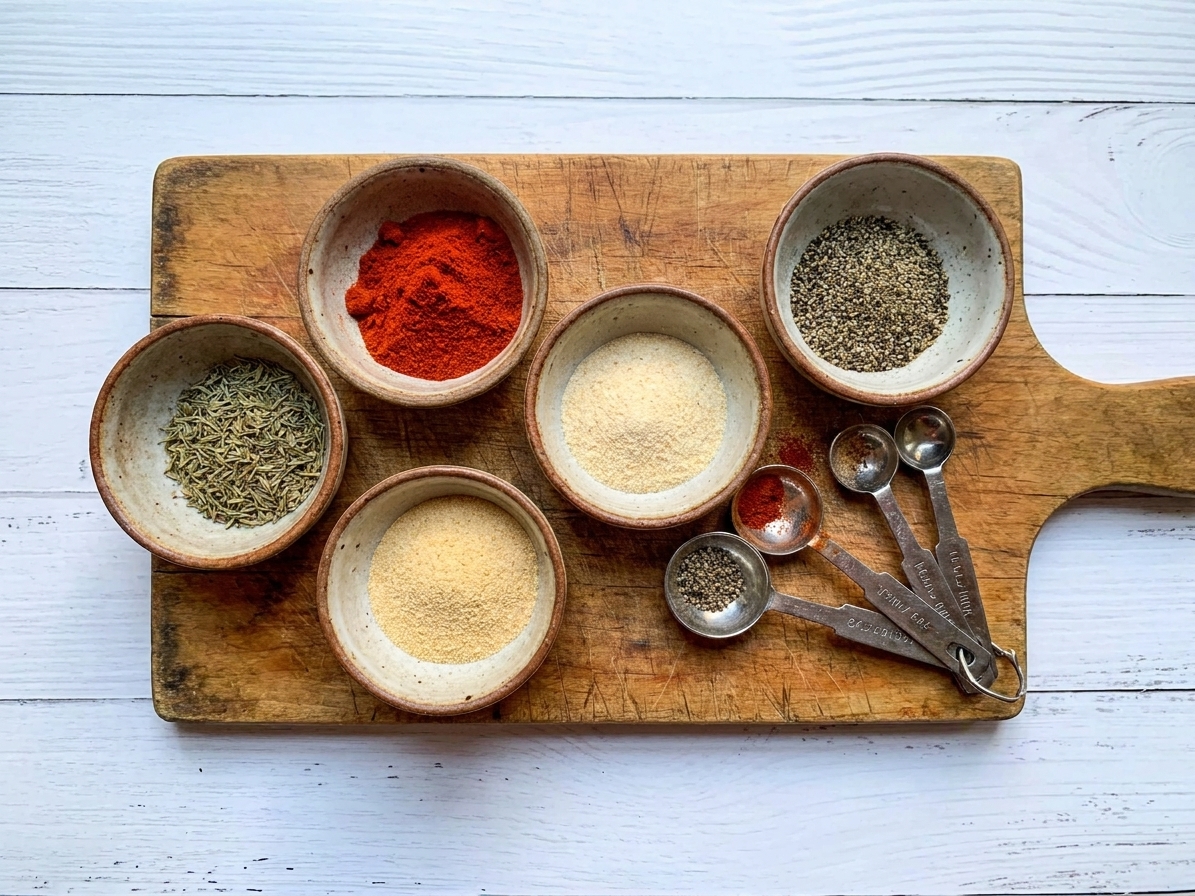
Whenever I make beef stew, I want the house to smell like something wonderful is already happening, even if I am juggling homework help, laundry, and a sink that mysteriously refills itself. This little jar of homemade beef stew seasoning mix is how I get there faster. It is a cozy pantry blend of thyme, paprika, garlic powder, onion powder, and black pepper, so you can season confidently without digging through six spice bottles.

You will get an exact starting point for how much to use per pound of beef in the recipe card, plus a clear salt-free option so you can control salting separately with broth, bouillon, or plain old kosher salt. I keep a jar of this in my cupboard all fall and winter because it gives weeknight stew that slow-simmered vibe, even when time is not on my side.
The idea
Why This Recipe Works
- Balanced flavor without fuss: Thyme and paprika bring that classic stew warmth, while garlic and onion powder give a slow-cooked vibe even before the pot starts bubbling.
- Built for browning: A pepper-forward blend holds up to high heat, so your beef still tastes seasoned after searing.
- Easy to scale: The ratio is simple, so you can make one batch for tonight or a bigger batch for the whole season.
- Salt included or not: Make it with salt for true scoop-and-go convenience, or keep it salt-free so you can adjust for salty broth, bouillon, or dietary needs.
Shopping
Ingredient Notes
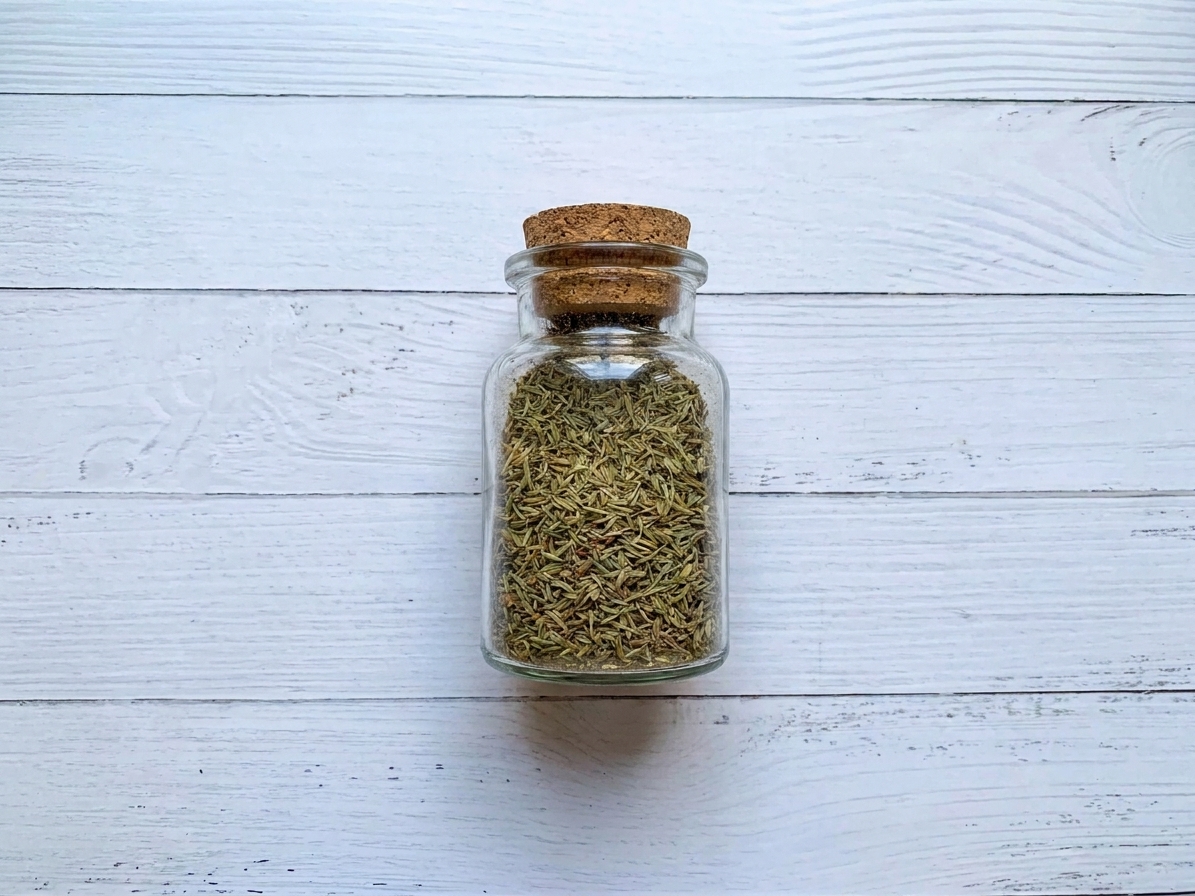
- Dried thyme: This is the signature stew flavor to me. Use dried thyme leaves, not fresh, for a shelf-stable blend. If your thyme has been in the cupboard for years and smells like cardboard, it is time to replace it.
- Paprika: Regular paprika gives color and a gentle sweetness. Smoked paprika is also delicious if you want a deeper, campfire-like background note.
- Garlic powder and onion powder: These are the workhorses. They round everything out and make the stew taste more developed. Make sure you are using garlic powder and onion powder, not garlic salt or onion salt unless you are intentionally increasing the salt.
- Black pepper: Freshly ground is great, but pre-ground works perfectly in a blend. Pepper loses punch over time, so smaller batches stay brighter.
- Salt (optional): Included in the main recipe for convenience. Skip it for the salt-free version and season the stew later once you have tasted the broth.
Get set up
Equipment You Will Need
- Measuring spoons
- Small bowl
- Small whisk or fork
- Funnel (optional but helpful)
- Jar or airtight container with a tight lid
Technique
Tips for Getting It Right
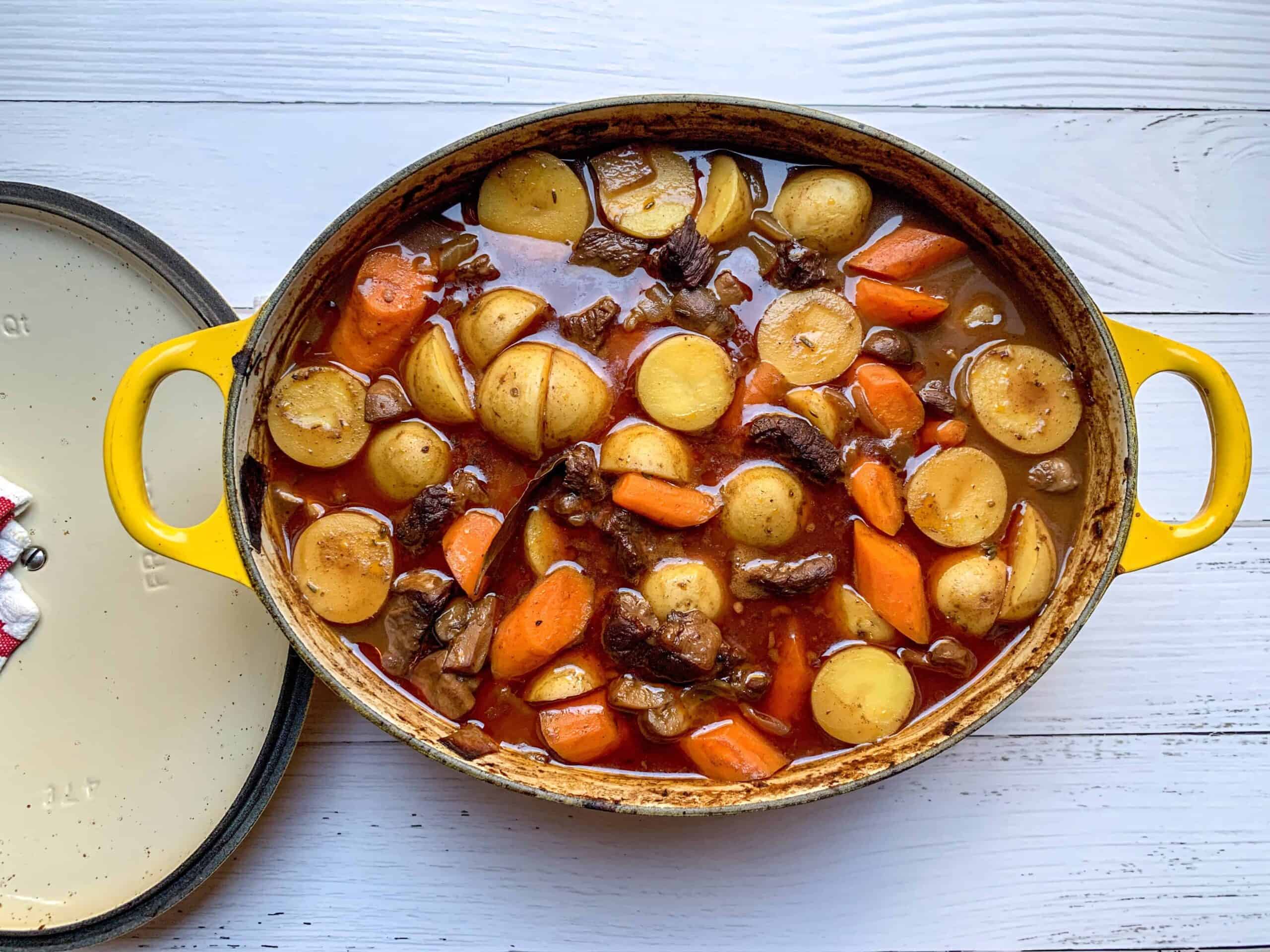
- Bloom the spices for bigger flavor: After you brown the beef, stir in 1 tablespoon of seasoning mix with a little oil or drippings for 30 seconds before adding liquid. It wakes up the dried spices.
- Season in layers: Use some on the beef before searing, then add a little more to the simmering liquid. You can always add more at the end, but you cannot take it out.
- Use the per-pound guideline: Start with 1 tablespoon mix per 1 pound of beef for a well-seasoned stew. If you are sensitive to pepper, start with 2 teaspoons per pound and adjust.
- Break up clumps: Garlic and onion powder can clump if your kitchen is humid. Stir well, then store with the lid tightly closed.
- Taste your broth before adding more salt: If you use salted stock, bouillon, or Worcestershire, you may not need much additional salt.
Flexibility
Substitutes That Work
- Thyme substitute: Use dried rosemary (crush it between your fingers first) or dried Italian seasoning. Rosemary is stronger, so use about half as much.
- Paprika substitute: Use smoked paprika for a bolder profile, or sweet paprika if that is what you have. In a pinch, a small amount of chili powder can work, but it will shift the flavor toward cumin.
- Garlic powder substitute: Granulated garlic works the same. Avoid fresh garlic in the jar blend because it is not shelf-stable, but add minced fresh garlic directly to the stew if you want.
- Onion powder substitute: Dried minced onion can replace it, but the texture will be chunkier. If you go this route, let the stew simmer a bit longer so it softens.
- Black pepper substitute: White pepper works, but the flavor is slightly different. Start with a little less and adjust.
Make it yours
Variations to Try
- Smoky Stew Blend: Swap in smoked paprika and add 1/4 teaspoon ground cumin per batch for a deeper, smoky base.
- Herby Stew Blend: Add 1/2 teaspoon dried rosemary (crushed) and 1/2 teaspoon dried parsley for a more garden-herb feel.
- Spicy Kick: Add 1/8 to 1/4 teaspoon cayenne pepper, depending on your heat tolerance.
- Rustic Peppery: Use coarse-ground black pepper for a more rustic look and a little extra bite.
On the table
What to Serve It With
- Classic: Beef stew with crusty bread or warm dinner rolls to soak up the broth.
- Extra cozy: Serve over mashed potatoes, buttered egg noodles, or rice.
- Greens on the side: A simple green salad with a tangy vinaigrette helps cut the richness.
- Make it a bowl night: Top with chopped parsley or chives and a little extra black pepper right before serving.
Later
Storage, Freezing and Reheating
- Pantry storage: Store the seasoning mix in an airtight jar in a cool, dark cupboard.
- Best flavor window: Use within 6 months for the brightest flavor, though it will remain usable longer. If it smells faint or dusty, it is time to refresh.
- Keep it dry: Always use a dry measuring spoon and keep the lid tightly closed to prevent clumping.
- Freezing: Not necessary for a dry spice blend, and it can introduce moisture when thawing. Stick with pantry storage.
Watch out
Common Mistakes to Avoid
- Using old spices: If your paprika and thyme are past their prime, the blend will taste flat. Fresh spices make a noticeable difference here.
- Accidentally doubling salt: If you use garlic salt or onion salt instead of powders, your stew can get overly salty fast. Check labels.
- Under-seasoning the beef: Stew meat is a lot of surface area. Season before searing, then adjust again once liquid is added.
- Dumping it into cold liquid only: Dried spices taste fuller when they get a quick warm-up in oil or hot drippings first.
- Making a huge batch and forgetting it: Smaller batches stay more aromatic. If you do make a big batch, label the jar with a date so you actually use it.
Questions
Frequently Asked Questions
How much seasoning mix should I use per pound of beef?
A good starting point is 1 tablespoon per 1 pound of beef. If you prefer a milder pepper presence, start with 2 teaspoons per pound, then taste the broth near the end and add more if needed.
Can I make this seasoning mix salt-free?
Yes. Simply leave the salt out. You will still get all the cozy stew flavor from thyme, paprika, garlic, onion, and pepper. Then season the stew with salt later, after your broth and any bouillon have been added, so you can control it accurately.
When should I add the seasoning to my stew?
I like to use it in two moments: sprinkle some on the beef before searing, then add the rest after the beef is browned. For the biggest flavor, let the spices toast in the hot pot for about 30 seconds before adding broth.
Is this the same as a packet of beef stew seasoning?
It plays the same role, but it is more customizable. Packet mixes often include thickeners, sugar, and higher sodium. This version is a straightforward spice blend, so you choose the salt level and thickening method.
Can I use this blend for other meals?
Absolutely. It is great on pot roast, hamburger soup, beef and barley soup, roasted potatoes, mushrooms, and even as a seasoning for gravy.
The recipe
Homemade Beef Stew Seasoning Mix
A quick pantry spice blend that gives beef stew classic, cozy flavor. Includes a standard version with salt plus an easy salt-free option, with a simple per-pound usage guide.
Ingredients
- 1 tbsp dried thyme
- 2 tsp paprika
- 2 tsp garlic powder
- 2 tsp onion powder
- 1 tsp ground black pepper
- 1 tsp kosher salt (optional, omit for salt-free)
Instructions
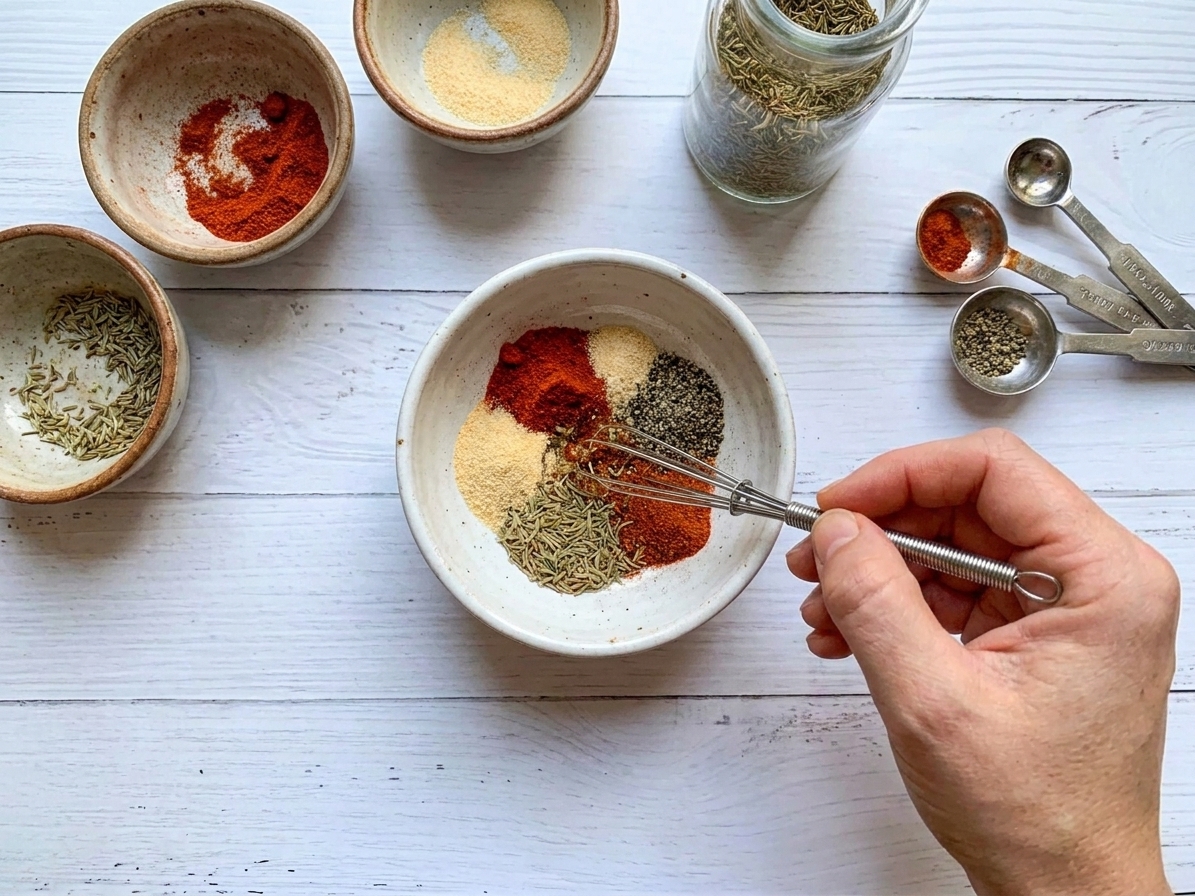
- Mix. Add thyme, paprika, garlic powder, onion powder, black pepper, and salt (if using) to a small bowl. Whisk or stir until evenly combined and no clumps remain.
- Jar it up. Funnel the seasoning mix into a clean, dry jar or airtight container and seal tightly.
- How much to use. Use 1 tablespoon seasoning mix per 1 pound of beef as a starting point. (If you made the salt-free version, season the stew with salt separately to taste.)
- Optional best-flavor step. When cooking stew, after browning the beef, stir the seasoning mix into the hot pot drippings for about 30 seconds until fragrant, then add broth and continue your stew recipe.
Recipe notes
- Yield note: This makes about 3 tablespoons. For most stews, that seasons 2 to 3 pounds of beef, depending on how boldly you like it.
- Salt-free option: Omit the salt in the blend. Then, once your stew has simmered and the flavors have concentrated, add salt a pinch at a time until it tastes lively and well-rounded.
- Scaling: Double or triple the recipe using the same ratios. For best flavor, I prefer making only what I will use within about 6 months.