

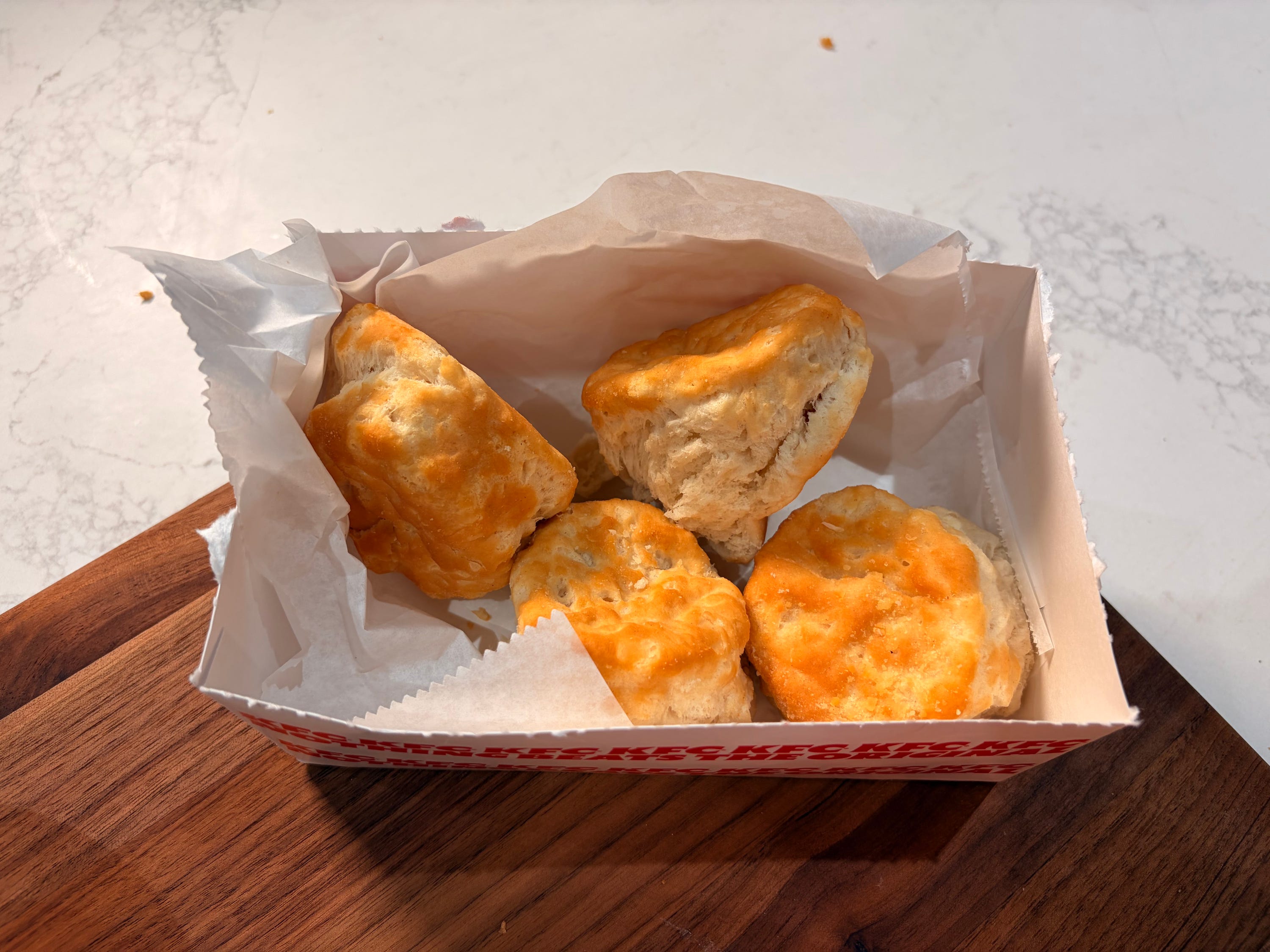
When I think of KFC biscuits, I think of that warm, soft bite that practically disappears into gravy, honey, or mashed potatoes. Not tall, shatteringly flaky, laminated bakery biscuits. To me, KFC’s are the cozy restaurant-style ones with a tight, tender crumb and a smooth top that begs for a swipe of butter. They read slightly sweet-leaning to me, in that comforting, not-dessert way.
This copycat is built around a gentle mixing method and a slightly wetter dough than my flaky buttermilk biscuit recipe. In my tests, that extra hydration, plus gentle handling, tends to keep the crumb plush instead of layered. If you have ever made biscuits that turned out dry or bready, I will walk you through exactly what the dough should feel like and what the tops should look like when they are truly done, so you get that soft, familiar pull-apart texture at home.

Expect a one-bowl, weeknight-friendly approach that keeps things simple and forgiving. And yes, I still recommend a generous amount of butter on top because that is just good living.
The idea
Why This Recipe Works
- Slightly higher hydration for softness: A dough that feels a touch tacky bakes up with that tender, steamy interior KFC biscuits are known for, instead of a dry, layered crumb.
- Butter plus a little shortening: Butter brings flavor, while shortening helps the biscuits stay soft and uniform rather than ultra flaky. It is a classic restaurant texture trick.
- Gentle handling, no folds: We mix just until combined and pat once. Skipping folds keeps the crumb tight and plush, not laminated.
- Biscuits placed close together: Nestling them on the pan encourages upward lift and soft sides instead of crisp, separated edges.
- Clear doneness cues: Light golden tops are not enough. We bake to a deeper honey-gold and check the internal temp so the centers are fully set but still tender.
Shopping
Ingredient Notes
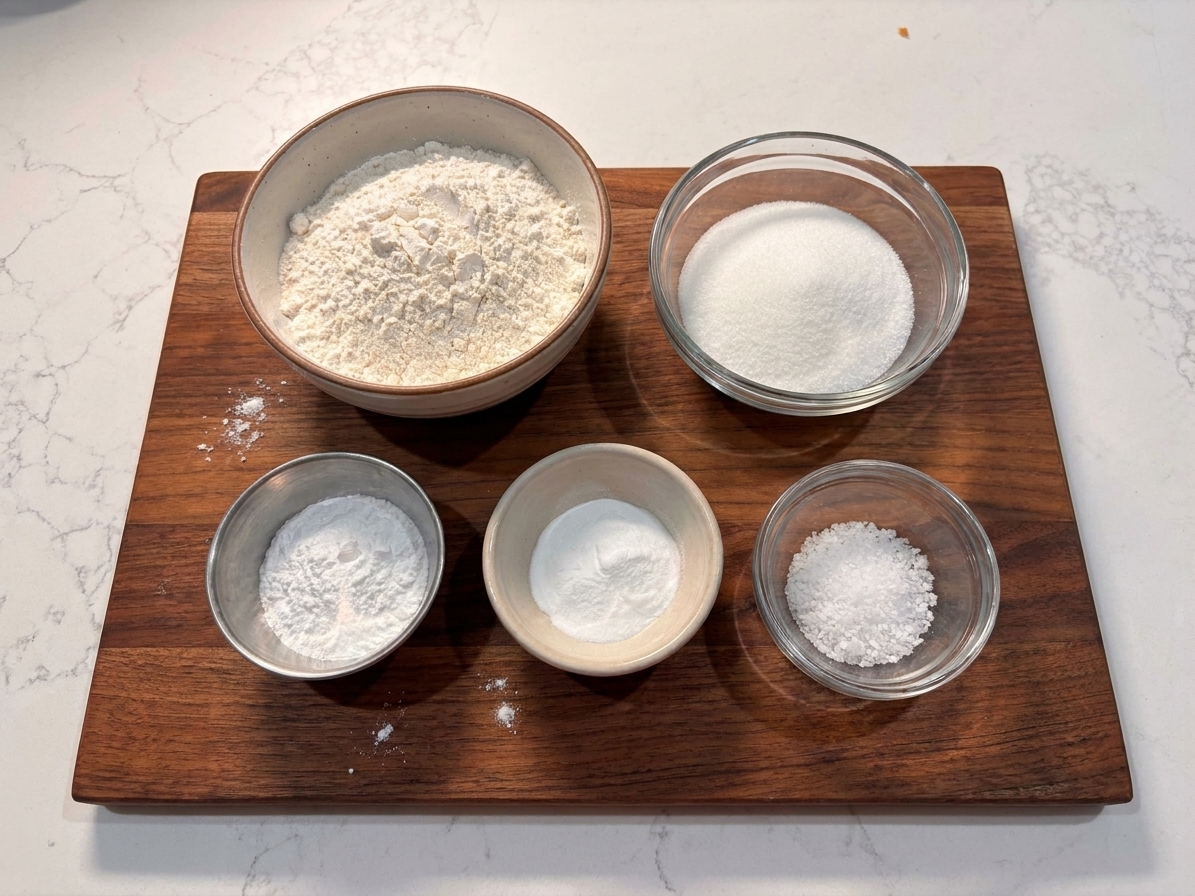
- All-purpose flour: Keeps the texture tender and familiar. Bread flour makes them chewier than the restaurant-style goal.
- Sugar: KFC biscuits read slightly sweet. This is not dessert-sweet, just enough to round out the salt and butter.
- Baking powder plus baking soda: The combo gives reliable lift and browning. The soda needs an acid, which comes from buttermilk.
- Buttermilk: Use cold buttermilk for the best rise and a tender crumb. If you only have regular milk, see substitutes below.
- Butter: Cold butter, cut into small cubes, so it disperses quickly without turning into big flaky pockets.
- Shortening: This helps mimic that soft fast-food biscuit texture. If you skip it, you can still make tasty biscuits, but they will be a little more “homemade” and less KFC-like.
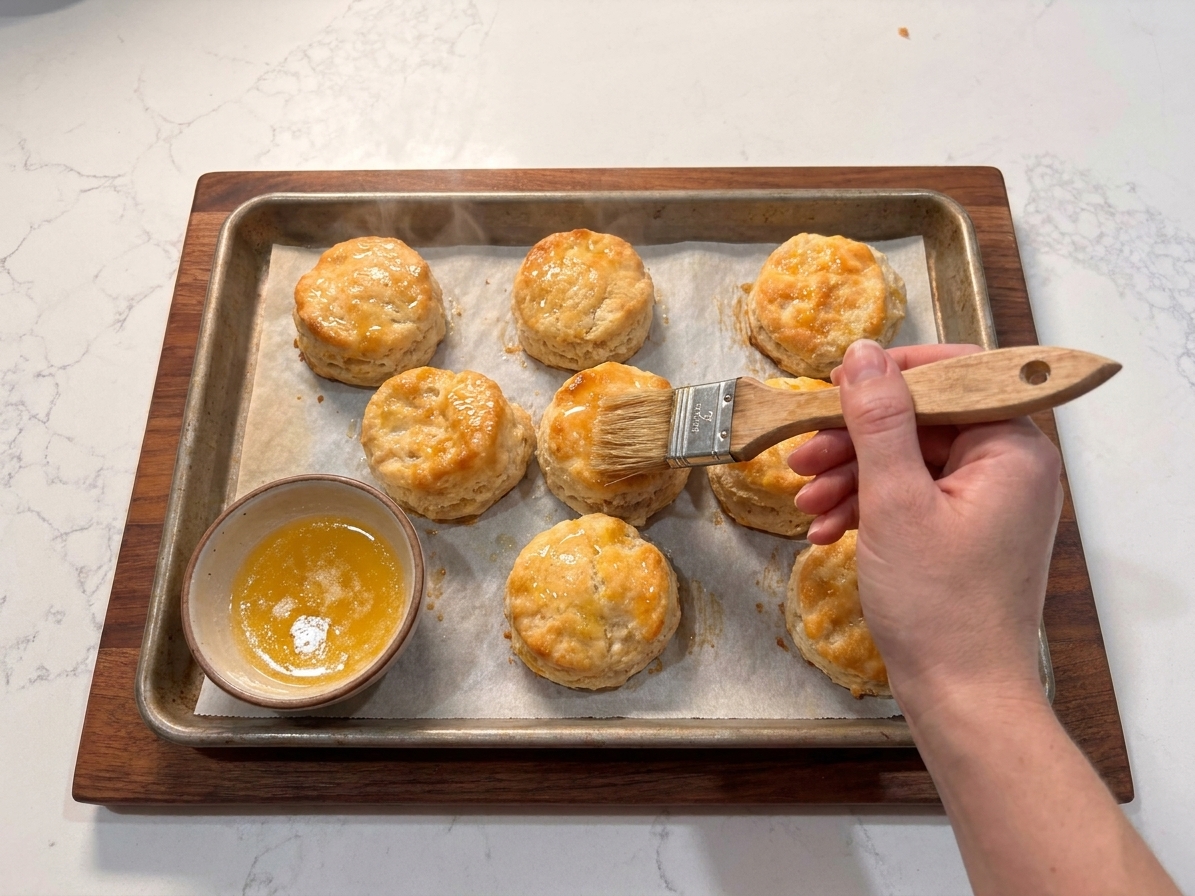
- Melted butter (finish): Brushing the hot biscuits is the difference between good and “wait, did we just make the real thing?”
Get set up
Equipment You Will Need
- Large mixing bowl
- Whisk
- Pastry cutter or fork (or clean fingertips)
- Measuring cups and spoons
- Baking sheet
- Parchment paper (recommended)
- 2 1/2-inch biscuit cutter or round cookie cutter (a drinking glass can work in a pinch)
- Instant-read thermometer (optional but very helpful for doneness)
- Pastry brush
Technique
Tips for Getting It Right
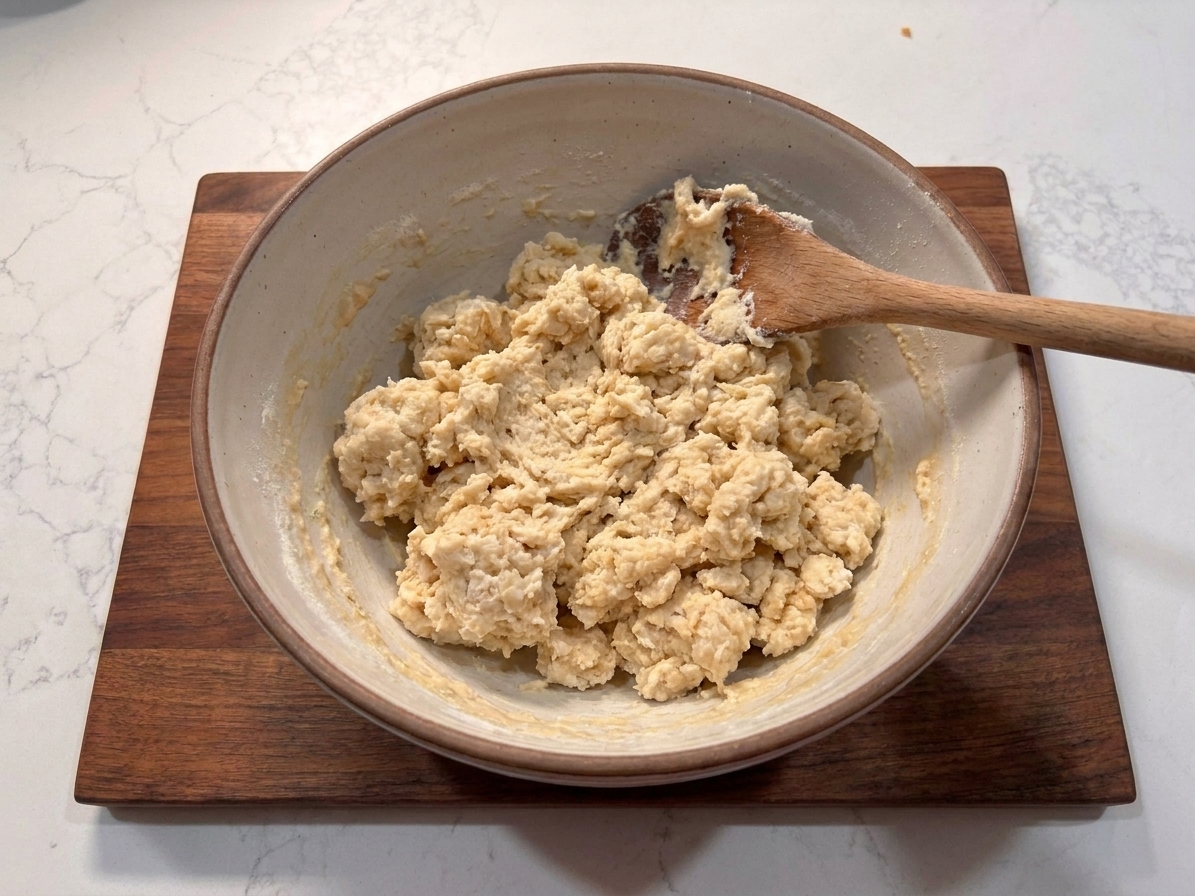
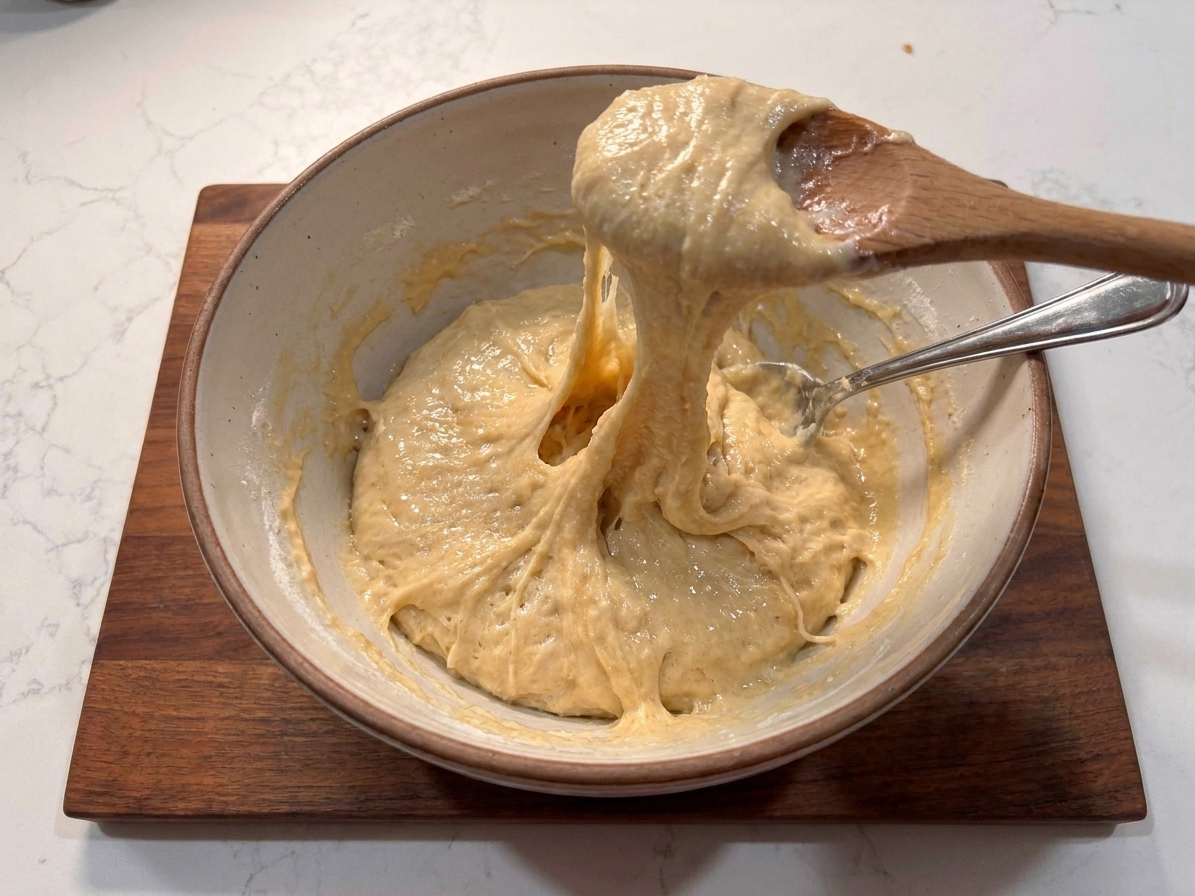
- Watch the dough, not the measuring cup: The dough should look shaggy and feel slightly tacky. If it is crumbly or dry, drizzle in 1 to 2 tablespoons more buttermilk.
- Mix gently: Stir just until no dry flour pockets remain. Overmixing develops gluten and makes biscuits tough.
- Pat, do not roll thin: Aim for about 3/4-inch thickness for that classic KFC-style height. Taller and folded tends to push you into flaky territory.
- Cut straight down: Do not twist the cutter. Twisting seals edges and can limit rise.
- Set them close: Place biscuits so they are just touching. This encourages soft sides, which is part of the restaurant feel.
- Doneness cues: Tops should be a warm golden brown, not pale. The biscuits should feel light when lifted. For accuracy, center temp should read about 200 to 205 F.
- Brush after baking: Brushing butter before baking can “fry” the tops and change the texture. For this style, finish with butter right when they come out.
Flexibility
Substitutes That Work
- No buttermilk: Mix 1 tablespoon lemon juice or white vinegar into 1 cup milk. Let stand 5 minutes, then use. Texture will be slightly less rich than real buttermilk, but still very good.
- No shortening: Replace with the same amount of butter. Expect a bit more butter flavor and slightly more flake, less of the classic fast-food softness.
- No biscuit cutter: Use a sharp-rimmed drinking glass, dipped in flour, and press straight down.
- Dairy-free (results will vary): Use unsweetened non-dairy milk soured with vinegar as above and a plant-based butter. The biscuits will be a little less tender and less rich, but workable.
Make it yours
Variations to Try
- Honey butter finish: Stir 1 tablespoon honey into the melted butter for brushing.
- Garlic butter biscuits: Yes, I said it. Add 1/2 teaspoon garlic powder to the melted butter and brush on after baking.
- Mini biscuits: Cut with a 1 1/2-inch cutter and start checking at 8 to 9 minutes. Great for sliders.
- Extra tender: Swap 2 tablespoons of the buttermilk for heavy cream. Slightly richer, still in the soft style lane.
On the table
What to Serve It With
- With copycat-style coleslaw, fried or baked chicken, and pickles for the full comfort-food plate
- Split and fill with crispy chicken tenders and hot sauce
- Smothered in sausage gravy for a quick biscuits and gravy dinner
- Alongside chili, creamy soups, or pot roast
- Warm with butter and honey as an afternoon snack, no judgment
Later
Storage, Freezing and Reheating
- Room temperature: Store cooled biscuits in an airtight container up to 2 days. They are best the day they are baked, but still lovely rewarmed.
- Refrigerator: Not my favorite for biscuits because it can dry them out, but you can refrigerate up to 4 days if needed.
- Freezer: Freeze fully cooled biscuits in a freezer bag up to 2 months.
- Reheat: Wrap in foil and warm at 325 F for 8 to 12 minutes, or until heated through. For single biscuits, microwave 12 to 18 seconds, then brush with a little melted butter to revive the top.
Watch out
Common Mistakes to Avoid
- Overmixing the dough: This is the fastest route to tough biscuits. Stop stirring as soon as the flour disappears.
- Adding too much flour while shaping: A heavily floured surface dries the dough. Use a light dusting and a bench scraper if it sticks.
- Rolling too thin: Thin biscuits bake up dry and more like scones. Aim for about 3/4-inch thickness.
- Twisting the cutter: Press straight down and lift straight up for the best rise.
- Baking until “barely golden”: Pale tops can mean underbaked centers. Bake to a deeper golden hue and use the doneness cues.
- Skipping the butter finish: You will still have biscuits, but you will miss that signature soft, glossy top.
Questions
Frequently Asked Questions
Are these supposed to be flaky like homemade buttermilk biscuits?
No, and that is intentional. KFC-style biscuits are soft with a tighter crumb. We skip folding and keep the dough slightly wetter to avoid tall, layered flake.
Why is my dough so sticky?
A little tackiness is a good sign for this style. If it is wet enough to smear and you cannot cut rounds, dust the top lightly with flour and chill the dough 10 minutes, then cut.
Can I make the dough ahead?
You can mix and shape the biscuits, cover, and refrigerate up to 12 hours. Bake straight from the fridge, adding 1 to 3 minutes as needed.
How do I know they are done without a thermometer?
Look for honey-golden tops, set sides, and a biscuit that feels surprisingly light when lifted. If you split one, the center should look moist but not gummy, with no wet line of dough.
Why place the biscuits touching?
Touching biscuits rise a bit higher and the sides stay softer, which is a big part of the restaurant texture.
Can I double the recipe?
Yes. Use two baking sheets and rotate them halfway through baking. If your oven runs hot, bake one sheet at a time for the most even color.
The recipe
Copycat KFC Biscuits
Soft, slightly sweet copycat KFC biscuits with a tender, restaurant-style crumb. No folding, no towering layers, just fluffy pull-apart biscuits finished with melted butter.
Ingredients
- 2 1/2 cups (300 g) all-purpose flour, plus more for dusting
- 1/4 cup (50 g) granulated sugar
- 1 tablespoon baking powder
- 1/2 teaspoon baking soda
- 1 teaspoon fine salt
- 6 tablespoons (85 g) unsalted butter, cold and cubed
- 3 tablespoons (36 g) vegetable shortening, cold
- 1 cup (240 ml) cold buttermilk, plus 1 to 3 tablespoons more as needed
- 2 tablespoons (28 g) unsalted butter, melted (for brushing after baking)
Instructions
- Prep the oven and pan: Heat oven to 450 F. Line a baking sheet with parchment paper.
- Mix dry ingredients: In a large bowl, whisk together flour, sugar, baking powder, baking soda, and salt.
- Cut in the fats: Add cold cubed butter and cold shortening. Use a pastry cutter, fork, or your fingertips to work them in until the mixture looks like coarse sand with some pea-sized bits. You want it mostly fine for a smooth, tender crumb, not big chunks for flake.
- Add buttermilk gently: Pour in 1 cup cold buttermilk. Stir with a fork or spatula just until the dough looks shaggy and most flour is moistened. If there are dry pockets, drizzle in 1 tablespoon buttermilk at a time until the dough is evenly moistened. The dough should feel slightly tacky but not pourable.
- Pat and shape: Turn dough onto a lightly floured surface. With lightly floured hands, pat into a rectangle about 3/4-inch thick. Do not fold or knead. If it sticks, dust the top lightly with flour and keep going.
- Cut biscuits: Using a 2 1/2-inch cutter dipped in flour, press straight down to cut rounds. Gather scraps gently and pat once more to cut additional biscuits. (The more you rework scraps, the less tender they get, so keep it minimal.)
- Arrange: Place biscuits on the baking sheet just touching.
- Bake: Bake for 11 to 13 minutes, until tops are a warm golden brown and the biscuits feel light. For the most reliable cue, the center of a biscuit should read 200 to 205 F on an instant-read thermometer.
- Finish with butter: Immediately brush tops with melted butter. Cool 5 minutes, then serve warm.
Recipe notes
- Texture target: These are meant to be soft with a tight crumb, not tall and flaky. Resist the urge to fold the dough.
- Flour measuring tip: Spoon flour into the measuring cup and level it off. Packing flour makes the dough dry.
- Best day-of: Like most biscuits, they are peak delicious within a few hours. Rewarm and re-butter to bring them back to life.