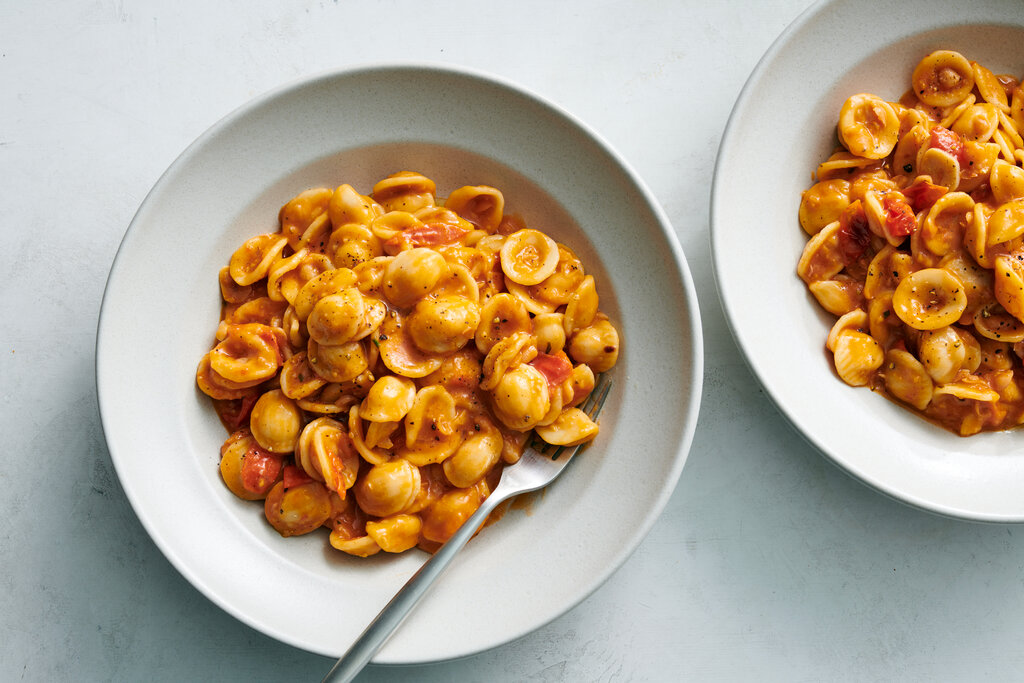
Keep these non-perishable essentials on hand for fast, comforting dinners when the fridge is bare. Includes easy meal combos and my best pantry-cooking tips.
Recipeva
10 Essential Flavor Hacks for Low-FODMAP Cooking
No garlic or onion? No problem. Use these 10 low-FODMAP flavor hacks to build rich, savory meals with easy supermarket ingredients, plus swaps and tips that actually work.

Maya Reynolds
Maya Reynolds is a passionate home cook, recipe developer, and the creative voice behind Recipeva. With over a decade of experience translating complex culinary techniques into approachable weeknight meals, she focuses on creating dishes that bring joy to the dinner table without the stress.
Created September 21, 2026
Updated September 21, 2026

If you are cooking low-FODMAP, you have probably had that moment where a recipe starts with “sauté onion and garlic” and you just sigh. I get it. Those two ingredients do a lot of heavy lifting.
But here is my very good news: you can build deep, savory, restaurant-level flavor without them. The secret is not finding one perfect replacement. It is stacking a few smart, low-FODMAP techniques that bring aroma, sweetness, and umami back into your food.
Quick note before we jump in: low-FODMAP is portion-based, and your personal tolerance can vary. If you are in the elimination phase, use the Monash University app serving sizes as your north star and watch for FODMAP stacking when you combine several “small-serve” foods in one dish.
Below are my 10 essential flavor hacks, with exactly how to use each one, what to pair it with, and the common mistakes I see (so you can skip the frustration).
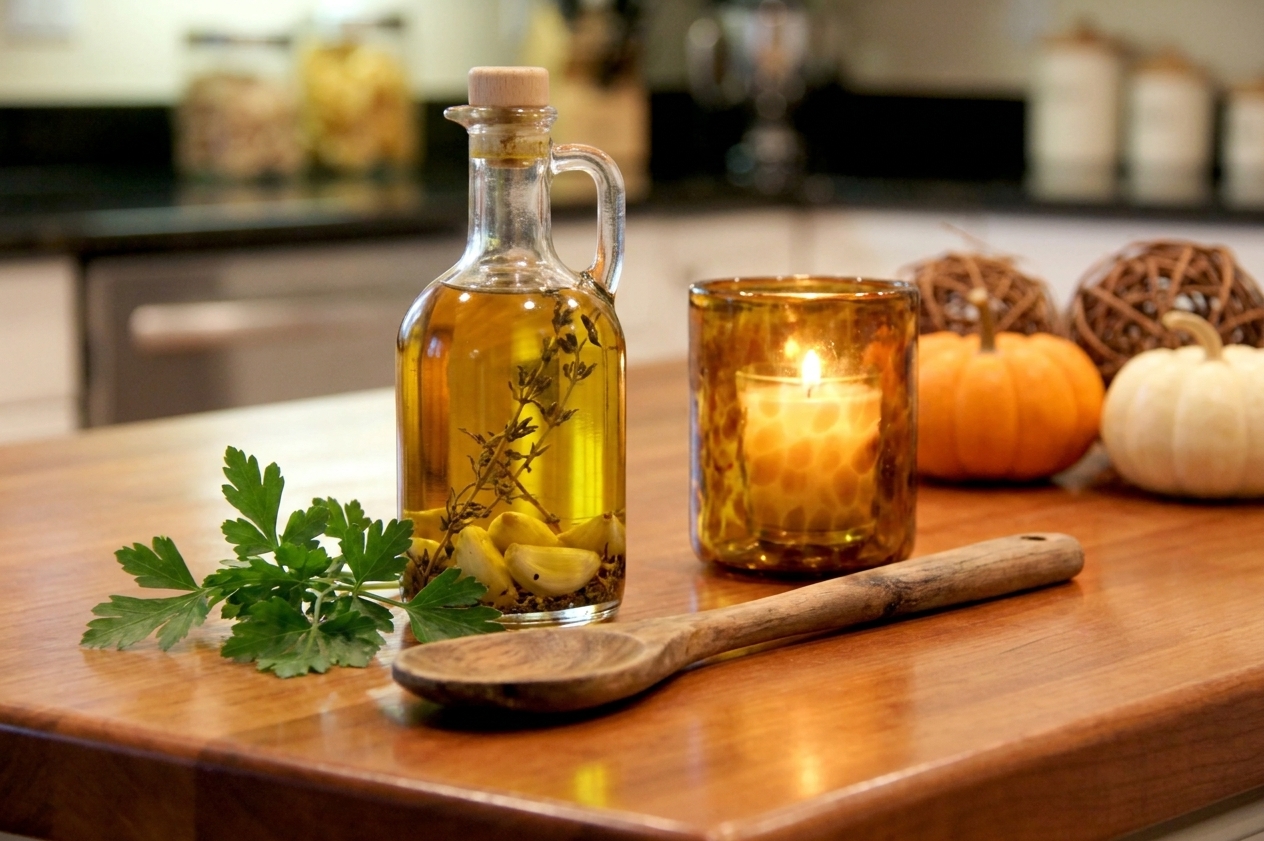
1) Use garlic-infused oil the right way
Garlic-infused oil is the low-FODMAP cook’s best friend because garlic flavor compounds are oil-soluble, while the FODMAP fructans are water-soluble and do not migrate into oil in meaningful amounts when the garlic solids are removed. When you infuse and strain properly, you get that garlic aroma without the high-FODMAP bits.
How to use it
- Finish dishes: Drizzle over soups, risotto, roasted vegetables, eggs, or a grain bowl right before serving.
- Start dishes: Use as your sauté fat for vegetables, ground meat, shrimp, or tofu.
- Make quick “garlic bread” vibes: Brush on low-FODMAP bread, sprinkle with parsley and a pinch of salt, then toast.
My tip
If you make your own, infuse gently and strain extremely well. For food safety, keep homemade garlic-infused oil refrigerated and use within 3 to 4 days, or freeze it in small portions. Avoid storing homemade garlic-in-oil at room temperature due to botulism risk. If you want the simplest option, choose a reputable store-bought oil.
2) Use scallion greens and chives
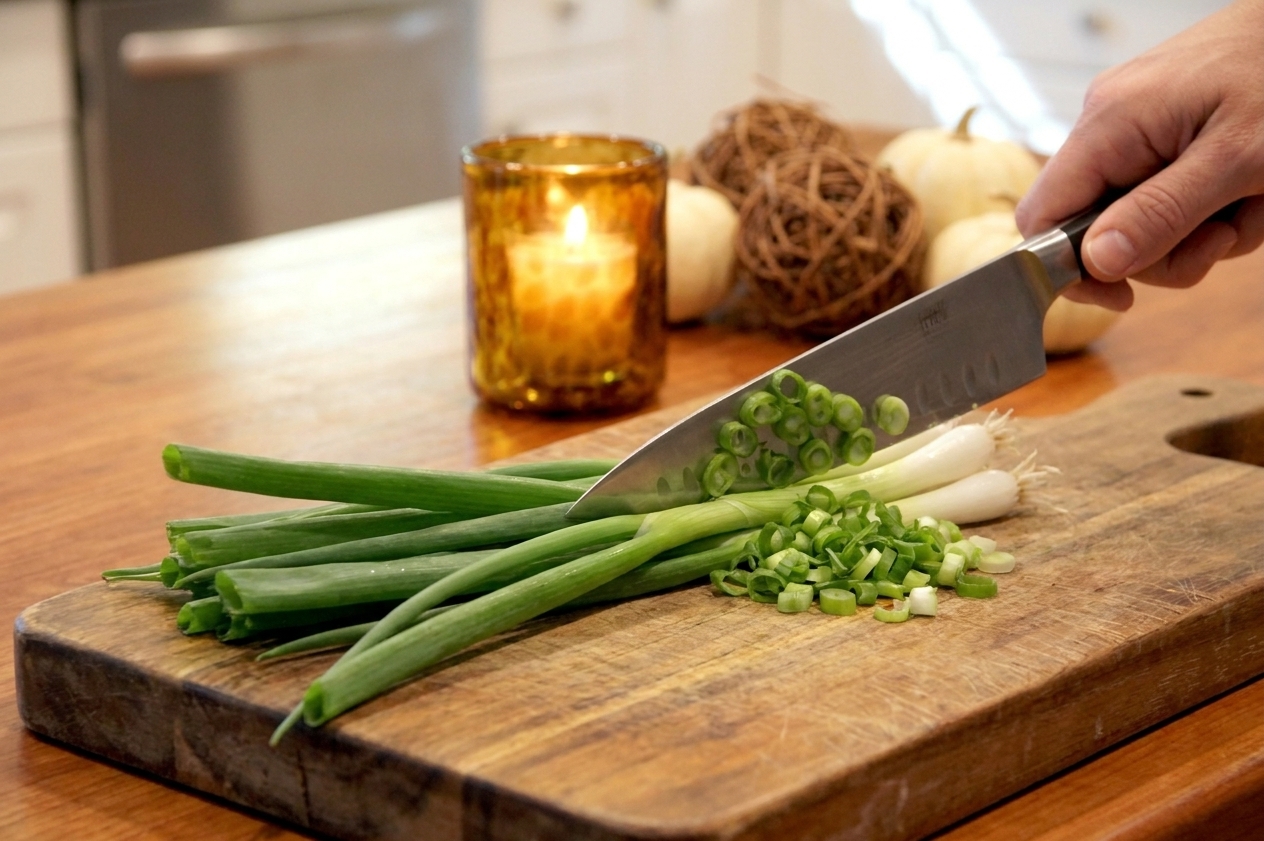
You can still get that “onion-y” lift from the green tops of scallions (green onions) and from chives. They bring freshness and a gentle bite that wakes up low-FODMAP dishes fast.
How to use it
- Scallion tops: Slice thin and stir into fried rice, noodle bowls, omelets, and soups.
- Chives: Fold into mashed potatoes, scrambled eggs, tuna salad, or a quick yogurt sauce.
- Make a “green onion oil”: Blend scallion greens with neutral oil and a pinch of salt, then drizzle over roasted carrots, salmon, or rice.
Common mistake
Using the white bulbs. Low-FODMAP is portion-dependent, but the white part is typically higher in FODMAPs. Most people do best sticking to the green tops.
3) Build a savory base with aromatics
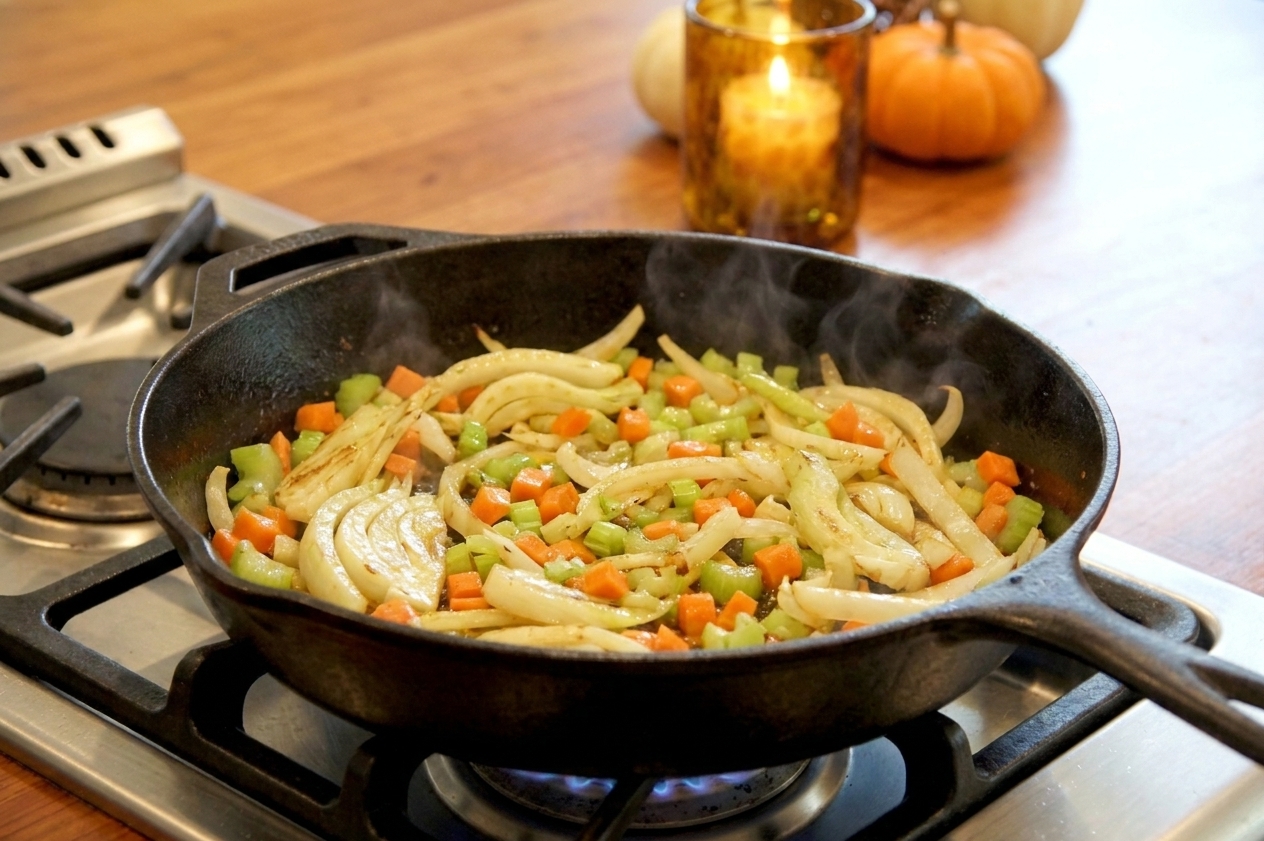
When you remove onions and garlic, you lose aroma and sweetness. You can replace that “base layer” by sautéing a mix of low-FODMAP aromatics until golden and fragrant.
Try this combo
- Fennel (thinly sliced): Adds subtle sweetness and complexity.
- Celery: Brings classic soup-and-stew backbone.
- Carrot: Adds sweetness and rounds out acidity.
- Ginger: Bright, spicy, and amazing in stir-fries and brothy soups.
- Green bell pepper (small amounts): Great in chili-style dishes or taco meat.
Portion reminder
A quick Monash-style reality check: celery is only low-FODMAP in very small servings (about 10 g, roughly 1/4 stalk), and fennel is low-FODMAP up to about 48 g (about 1/2 cup). They are still useful, just measure with a light hand and avoid stacking several “small-serve” ingredients in one pot.
My move
Do not rush the sauté. Give these aromatics 8 to 12 minutes on medium heat with a pinch of salt. Browning equals flavor.
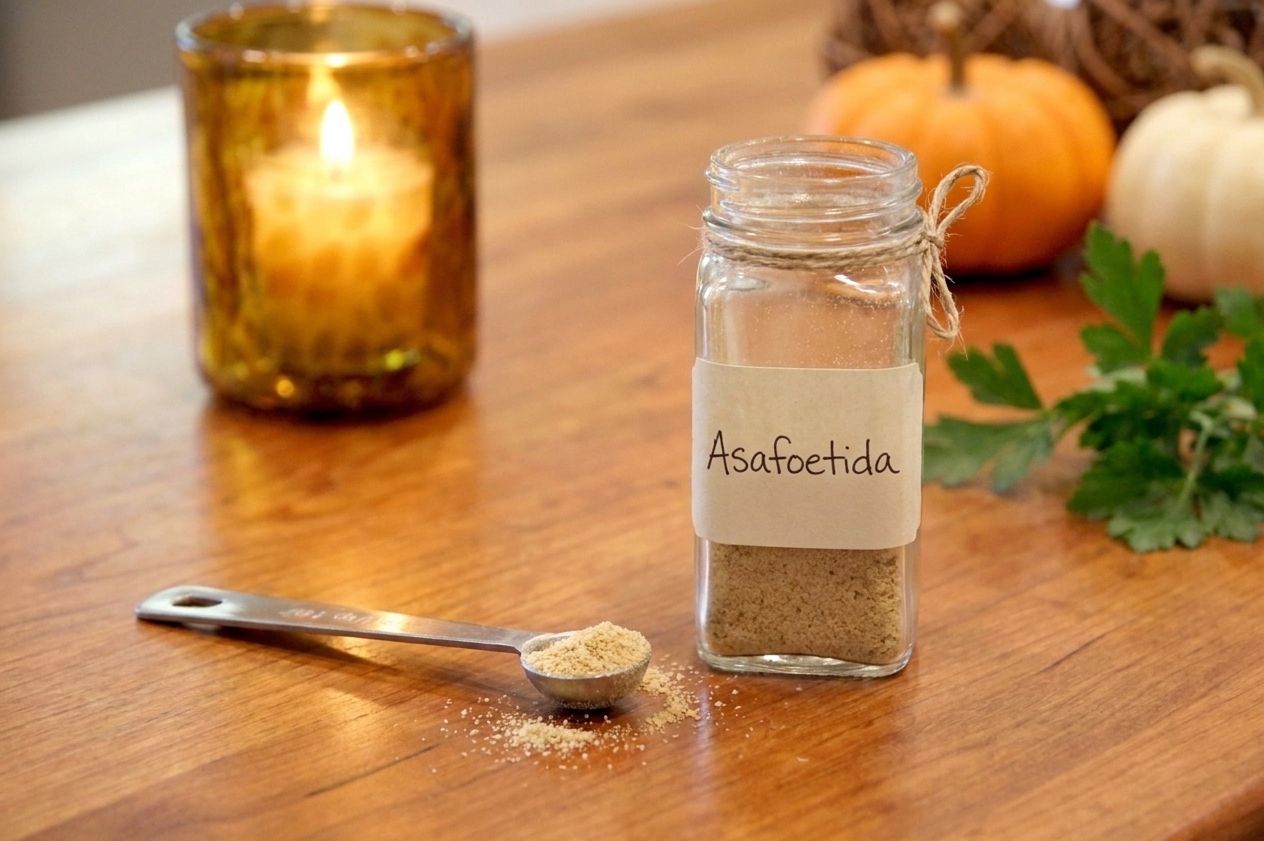
4) Use asafoetida (hing)
Asafoetida, often called hing, is a powerful spice used in Indian cooking that can mimic the savory depth of onions and garlic. It is intense, so you only need a tiny pinch.
How to use it
- Add 1/16 to 1/8 teaspoon to hot oil at the start of cooking (before other ingredients).
- Works beautifully in spiced soups, curry bases, sautéed greens, and rice dishes.
What to look for
Hing can be a little tricky. Many powders are cut with wheat flour and other additives. If you are low-FODMAP, check the ingredient list, choose a simpler product when possible, and start with a very small amount to test your tolerance.
5) Use umami boosters
Umami is your shortcut to “fullness” of flavor, especially when garlic and onions are out. The goal is not to make food taste like soy sauce or fish sauce. The goal is to add a background savoriness that makes everything taste more like itself.
Low-FODMAP-friendly umami options
- Tamari or soy sauce: Great in marinades, stir-fries, and soups.
- Fish sauce: A few drops in soups, sauces, or ground meat adds depth without tasting fishy.
- Miso (small servings): Whisk into broth or dressings for creamy-salty richness.
- Parmesan or aged hard cheeses: Finish pasta, polenta, roasted veggies, or scrambled eggs.
- Anchovy paste: Melts into tomato sauces and braises like magic.
My tip
Add umami in layers. Start with a small amount, taste, then adjust. You can always add more, but it is hard to un-salt a sauce.
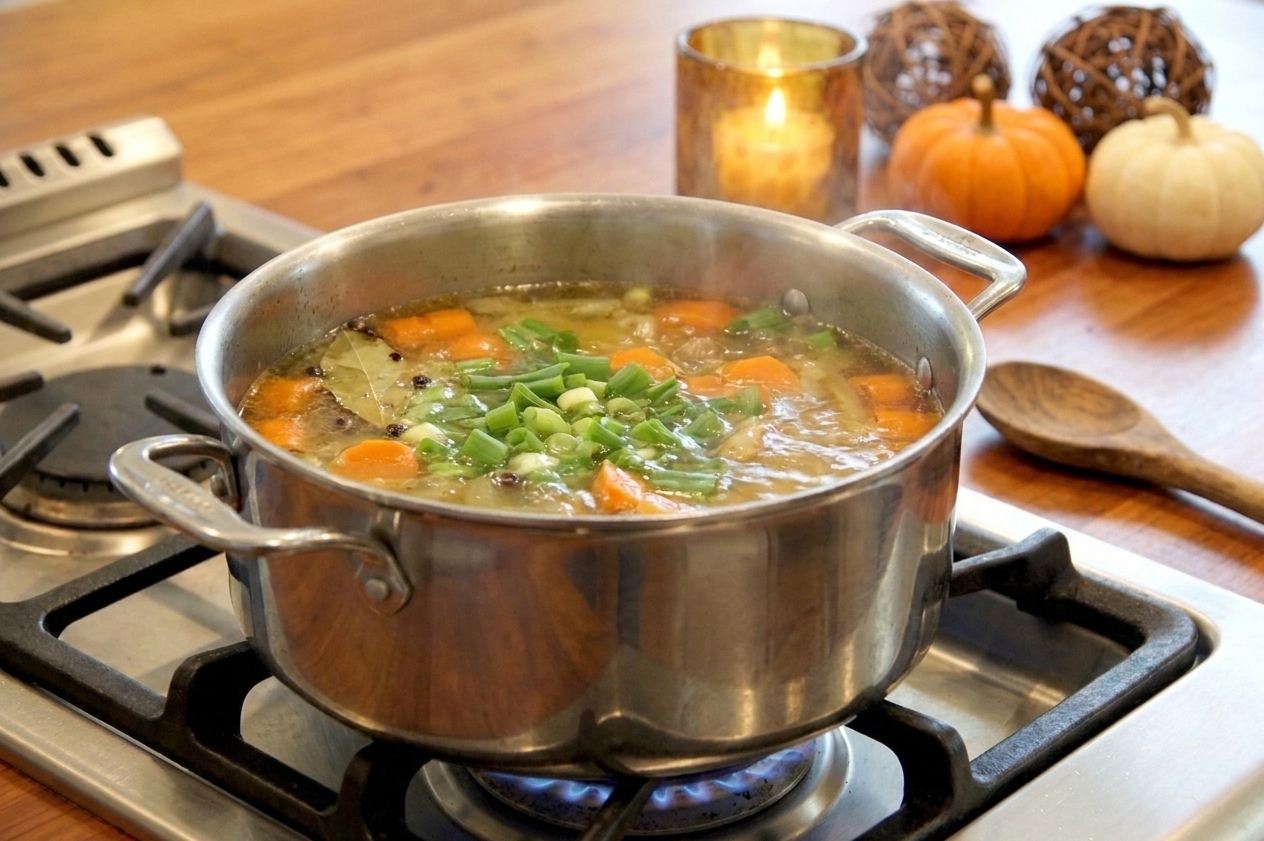
6) Upgrade your broth
When broth is bland, the whole dish tastes flat. A good low-FODMAP broth should taste delicious even before it becomes soup. If you are using store-bought, pick one you would sip from a mug.
Shopping tip
Scan labels. Onion, garlic, and “natural flavors” are common in boxed broths. Look for options specifically labeled onion and garlic free when possible.
How to boost broth fast
- Simmer with scallion greens, ginger slices, and a few coins of carrot.
- Add a Parmesan rind to soups and tomato sauce for savory depth (remove before serving).
- Finish with a small splash of tamari or a squeeze of lemon.
Simmer and steal
Here is the trick: simmer extra aromatics in your broth, then strain and freeze it in portions. You are basically batch-cooking flavor for future weeknights.
7) Brown tomato paste
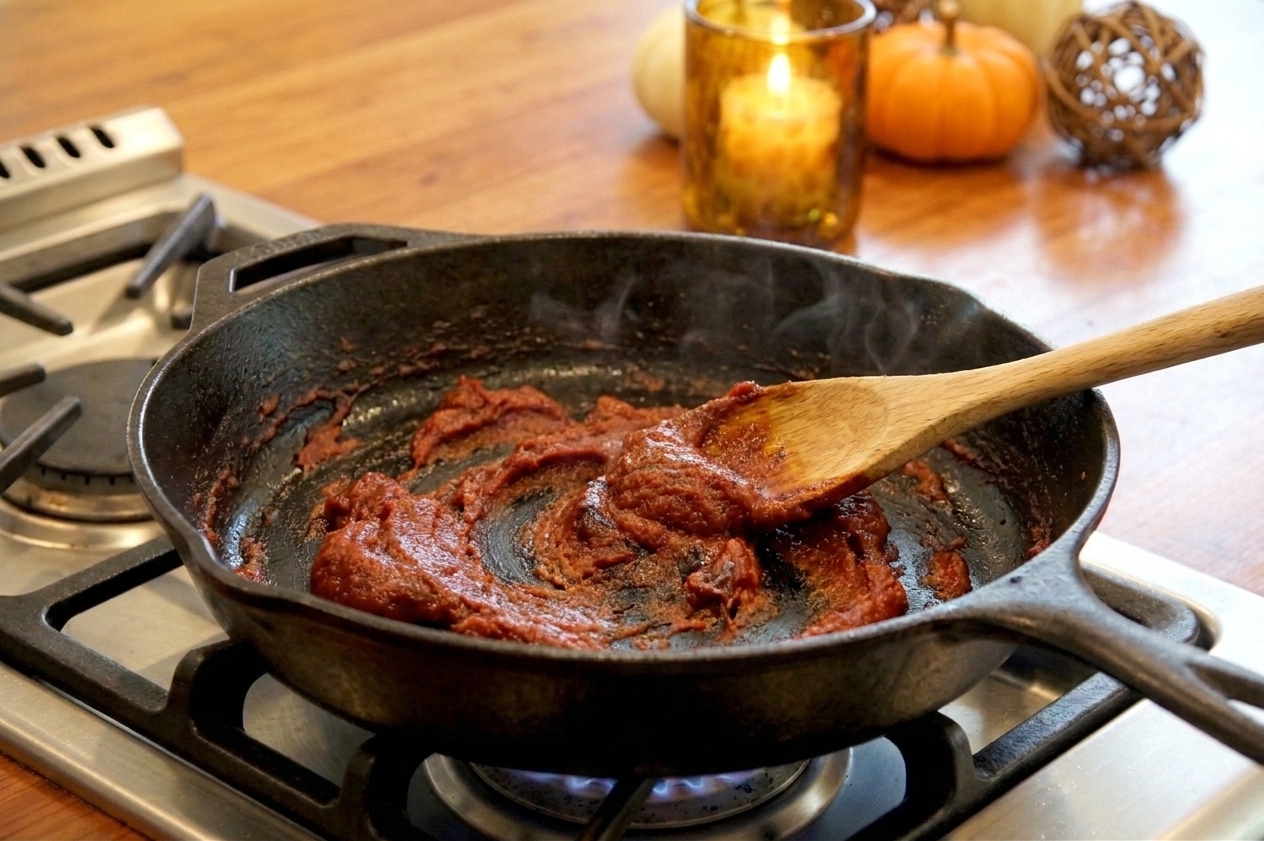
Tomato paste is one of my favorite low-FODMAP flavor hacks because it delivers sweetness, acidity, and umami. But it needs a moment in the pan to wake up.
How to do it
- Add 1 to 2 tablespoons tomato paste to the pan after your aromatics.
- Cook 2 to 3 minutes, stirring, until it turns darker and smells slightly sweet.
- Then deglaze with broth, wine (if you use it), or canned tomatoes.
Great in
Chili-style turkey, shepherd’s pie filling, quick bolognese with garlic-infused oil, and cozy soups.
8) Finish with acid
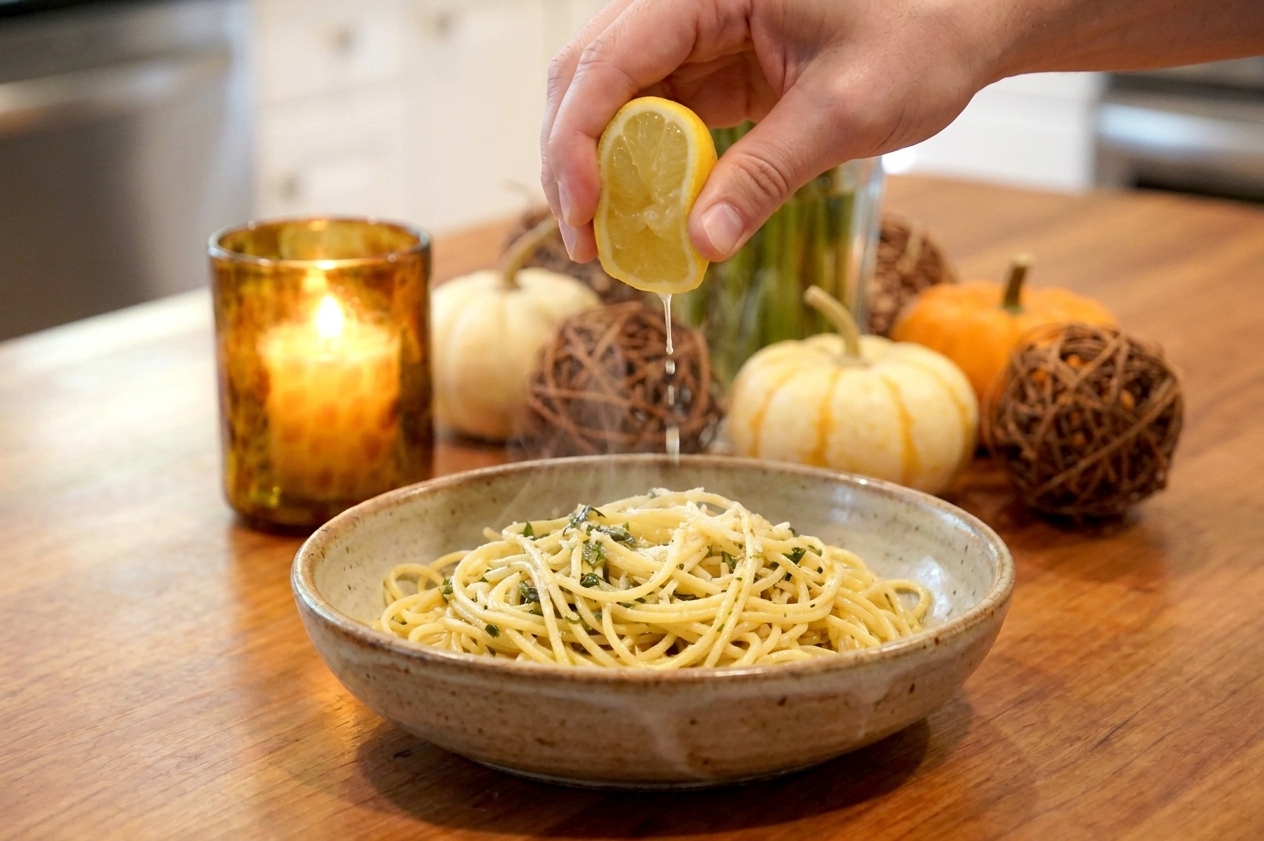
A squeeze of acid at the end is the difference between “fine” and “wow.” Low-FODMAP cooking can sometimes lean rich and starchy, so acid brings everything back into balance.
Easy low-FODMAP acids
- Lemon or lime juice
- Rice vinegar (great in dressings and quick pickles)
- Apple cider vinegar (bright in braises and slaws)
- Red wine vinegar (perfect with roasted vegetables)
How to use it
Add acid after cooking and start with 1 teaspoon at a time. Taste and repeat until the dish tastes more “alive.”
9) Toast spices in oil
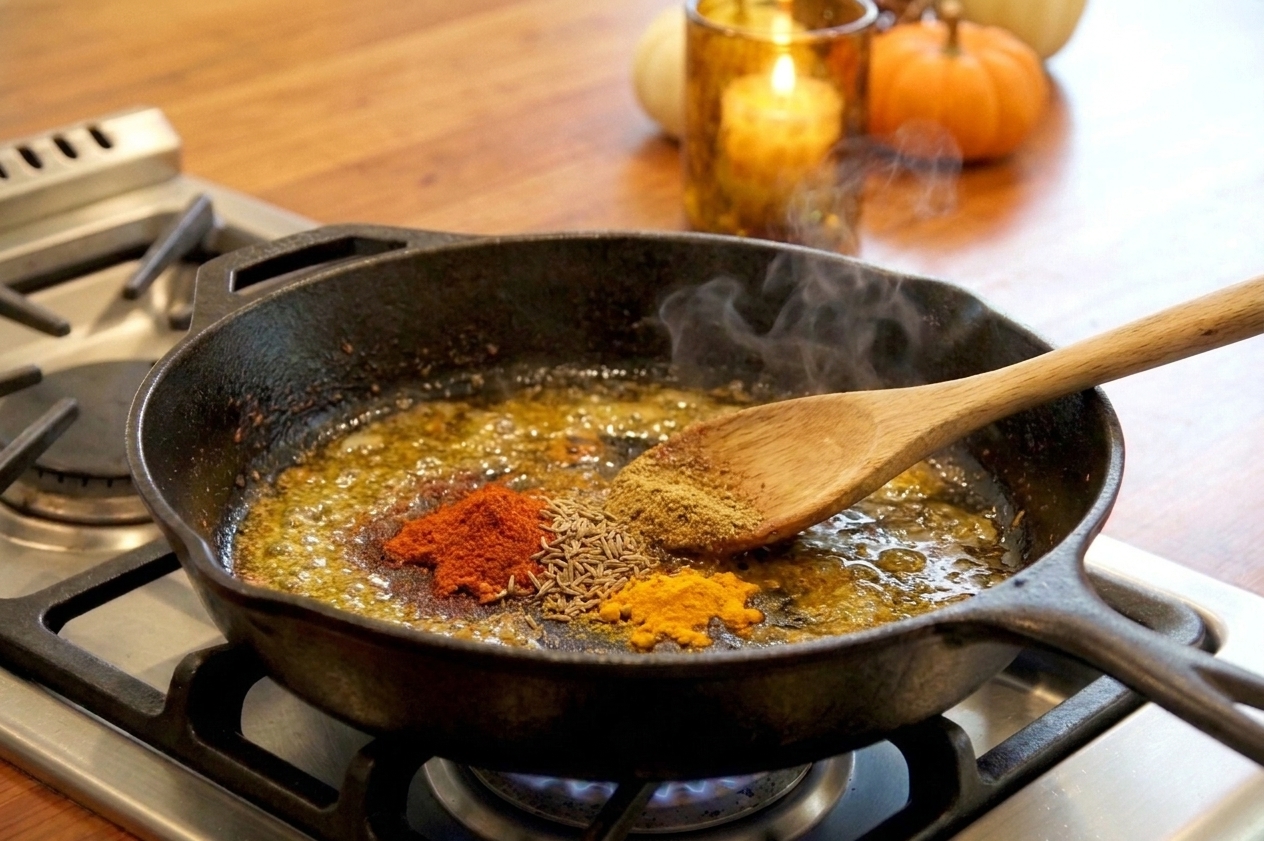
If you only add dried spices to a watery sauce, they can taste dusty. If you toast them briefly in oil first, you get a bigger, rounder flavor and a kitchen that smells like you meant to do that.
How to do it
- Heat oil (garlic-infused oil works great) over medium.
- Add spices for 20 to 45 seconds, stirring, until fragrant.
- Immediately add your next ingredient (tomatoes, broth, meat) to prevent burning.
Best spices for this hack
- Cumin, coriander, smoked paprika
- Italian seasoning, oregano, thyme
- Curry powder, turmeric
10) Add crispy toppings
Flavor is not only taste. It is crunch, contrast, and that salty little pop that makes your brain go, yes, more of that. Crispy toppings can make low-FODMAP meals feel extra satisfying without extra fuss.
Low-FODMAP topping ideas
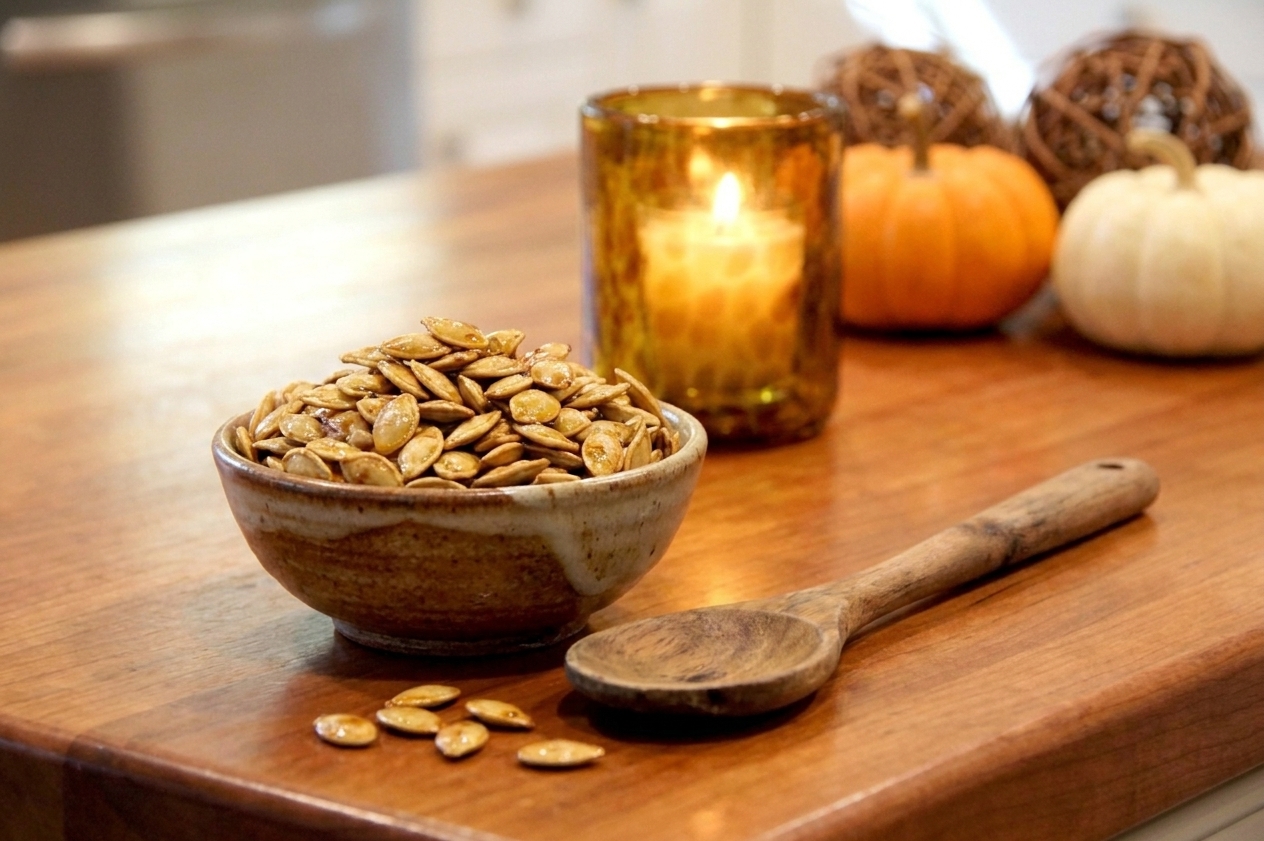
- Toasted nuts or seeds: Pumpkin seeds on soup, walnuts on salad, sesame on rice bowls.
- Crispy breadcrumbs: Toast gluten-free breadcrumbs in garlic-infused oil with parsley and lemon zest.
- Fried scallion greens: Quickly crisp sliced greens in oil, then sprinkle over noodles or eggs.
- Parmesan crisps: Bake little piles of grated Parmesan until golden and lacy.
My weeknight rule
Pick one crunchy element per meal. It is a small step that makes dinner feel special.
Quick flavor pairings
If you like a cheat sheet, this is the one I keep in my head while I cook.
- Chicken: garlic-infused oil + lemon + thyme + Parmesan finish
- Ground turkey: tomato paste + smoked paprika + scallion greens + splash of vinegar
- Fish: miso glaze (small amount) + lime + toasted sesame
- Vegetable soup: good broth + sautéed aromatics + Parmesan rind + chives
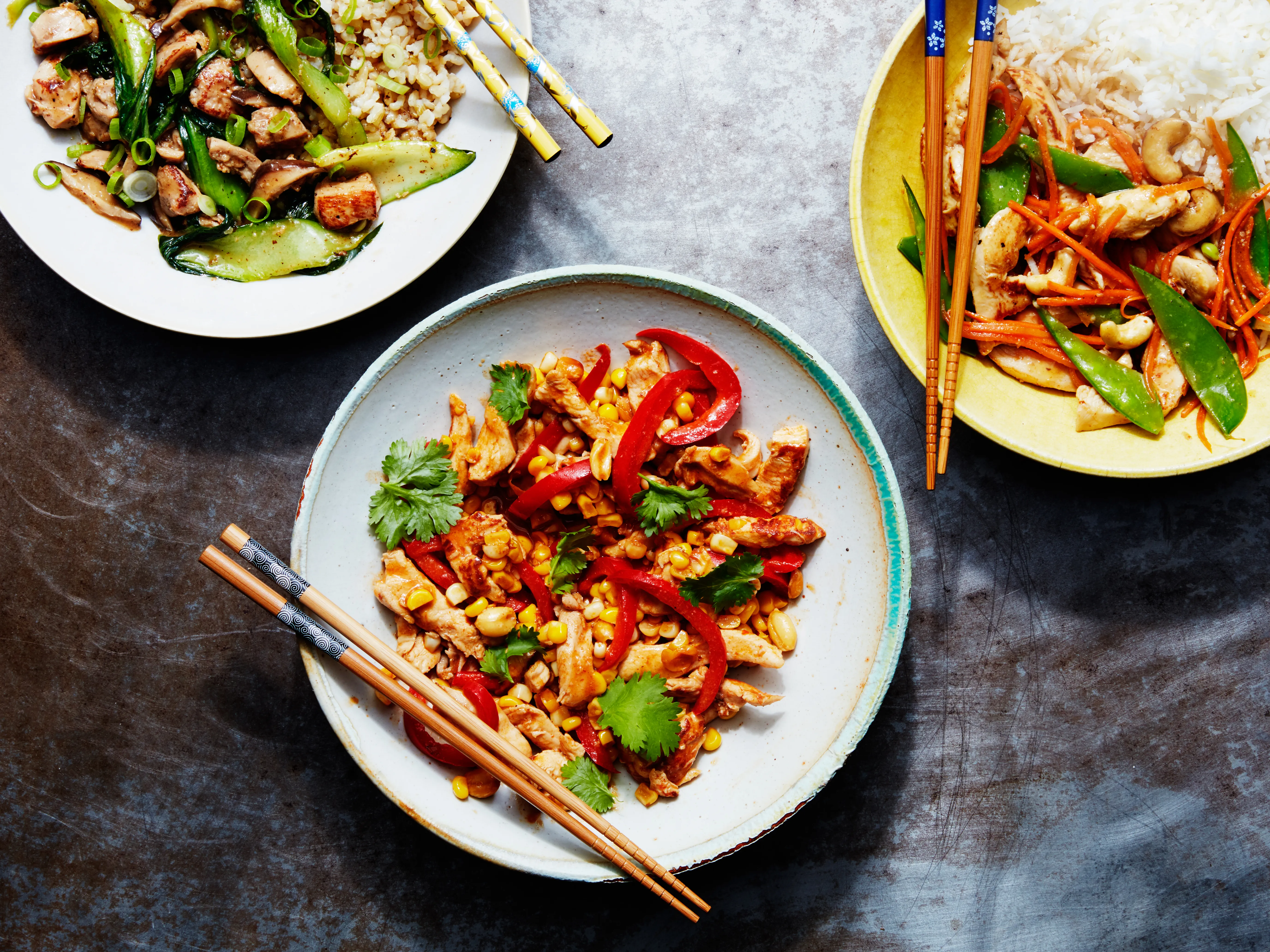
- Rice and noodles: tamari + ginger + scallion tops + crispy seeds
Pantry staples to keep
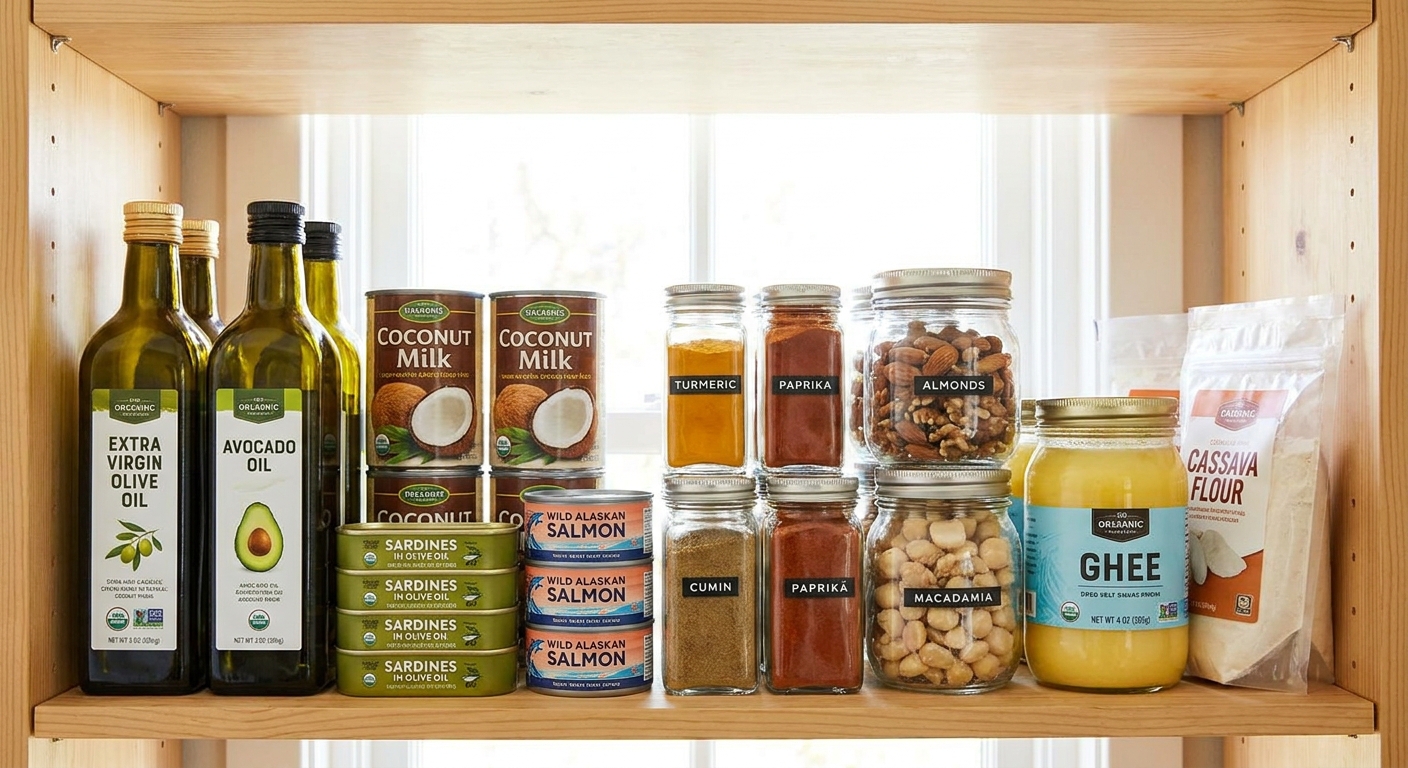
You do not need a special aisle of expensive products. These are the basics that help you cook with confidence.
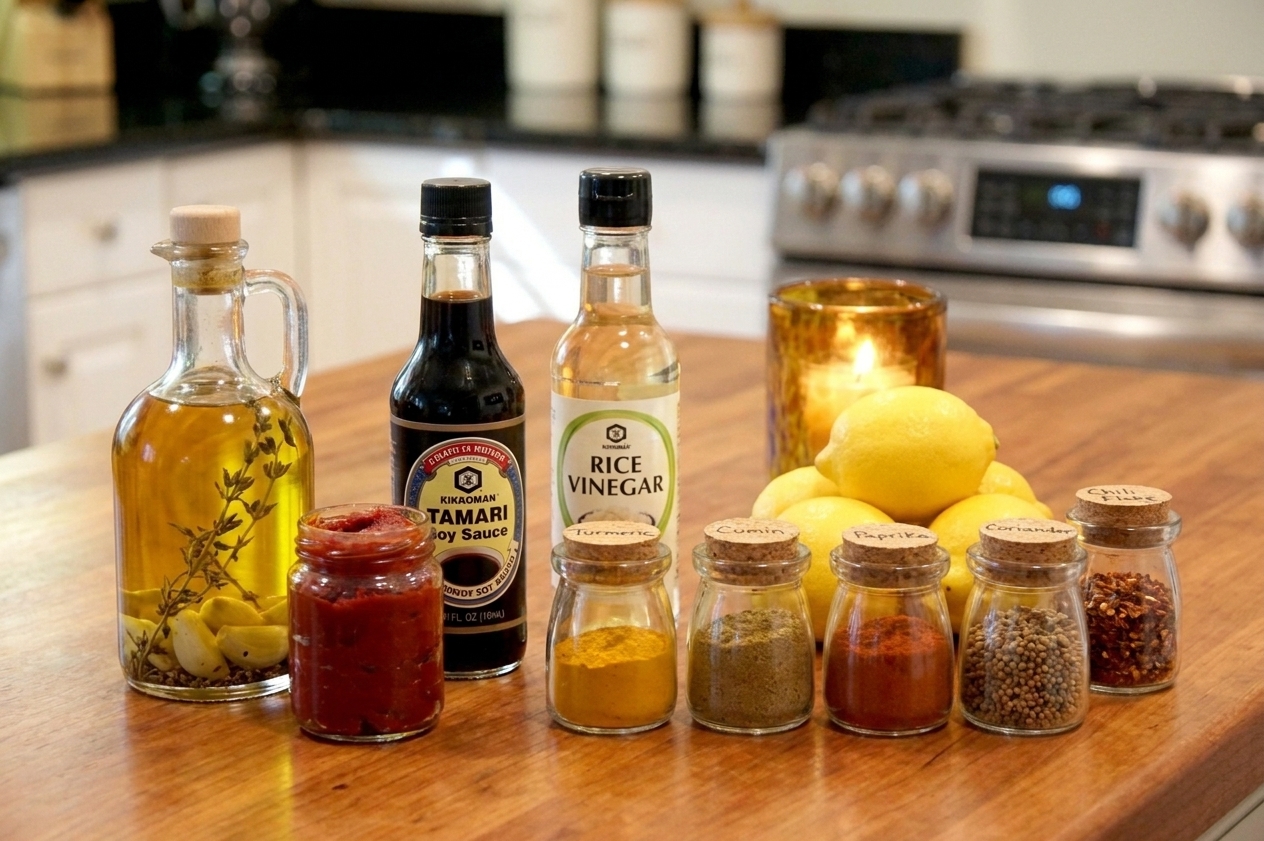
- Garlic-infused olive oil
- Scallions (for the green tops) and or chives
- Ginger (fresh or frozen cubes)
- Tamari or soy sauce
- Fish sauce (optional but powerful)
- Tomato paste
- Rice vinegar and lemons
- Smoked paprika, cumin, oregano
- Parmesan (and save the rinds)
- Hing (asafoetida), if you enjoy its flavor
FAQ
What can I use instead of garlic and onion in low-FODMAP recipes?
My go-to combo is garlic-infused oil plus scallion greens or chives. If you want more of that classic allium punch, add a tiny pinch of asafoetida (hing) to hot oil at the start. Always keep portions in mind, since low-FODMAP is serving-size dependent.
Is garlic-infused oil actually low-FODMAP?
Yes, when it is properly infused and strained, because the FODMAP fructans in garlic do not transfer into oil the way the flavor does. For homemade versions, store it safely in the fridge and use within a few days, or freeze in portions. Or buy a reputable brand for the easiest option.
How do I make low-FODMAP food taste more savory?
Use one or two umami boosters such as tamari, fish sauce, miso (in small servings), Parmesan, or anchovy paste. Then finish with a squeeze of lemon or a splash of vinegar to brighten everything up.
Why does my low-FODMAP soup taste flat?
Usually it is one of three things: your broth is weak, you did not sauté your aromatics long enough, or you forgot a finishing step. Try: start with a better broth base, brown your aromatics, then finish with acid and fresh herbs.
If you try one hack this week, make it this: garlic-infused oil + scallion greens + a squeeze of lemon at the end. That trio fixes a shocking number of weeknight dinners. And if you want, tell me what you are cooking low-FODMAP right now and I will suggest the best flavor stack for it.