

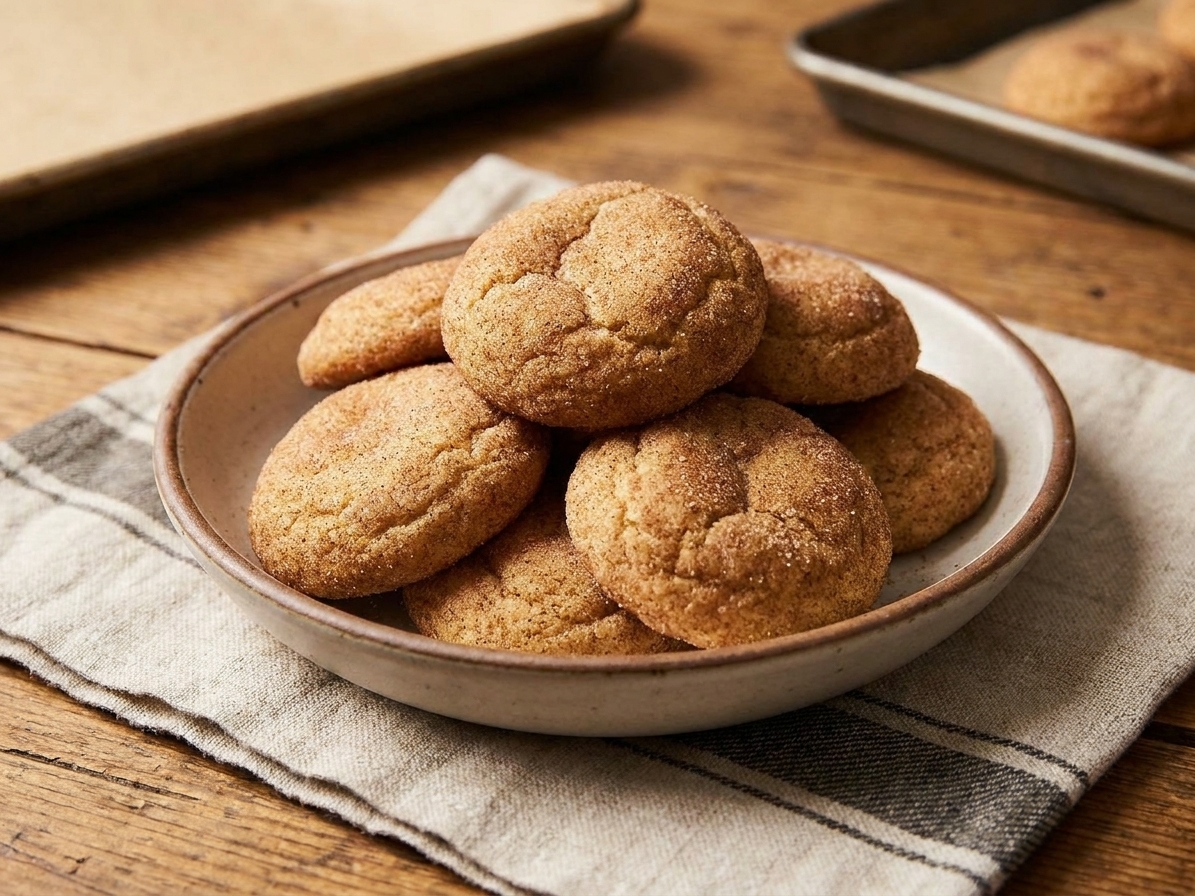
I grew up in a loud Pacific Northwest kitchen where cookie trays came out like clockwork, and snickerdoodles were always the ones that vanished first. They look simple, but when they are done right, they are pure magic: buttery, cinnamon-perfumed, with that lightly tangy snickerdoodle flavor and a soft, chewy center that makes you reach for a second before the first is even finished.
This is my go-to version for the classic soft snickerdoodle you want. I stick with cream of tartar in the dough because it is the traditional hallmark for that signature tang and chew. And while you can bake right away when the dough is the right consistency, I like a short chill when it feels warm or extra soft since it can help the cookies bake up thicker with that crinkled coat, instead of spreading into flat disks.

If you have ever wondered, "Are these done yet?" you are in the right place. I will walk you through the exact doneness cues so you pull them at the sweet spot: set edges, puffed centers, and that dreamy chewy middle that finishes setting as the cookies cool.
The idea
Why This Recipe Works
- Cream of tartar + baking soda creates the classic snickerdoodle tang and contributes to that signature chewy bite and crackly top.
- Chilling the dough firms the butter so the cookies can bake thicker and crinkle instead of spreading too fast.
- Rolling in cinnamon sugar right before baking gives you a bold, even coating that bakes into a sparkly, crinkled shell.
- Specific doneness cues help you avoid overbaking, which is the fastest way to turn a soft snickerdoodle into a dry one.
Shopping
Ingredient Notes
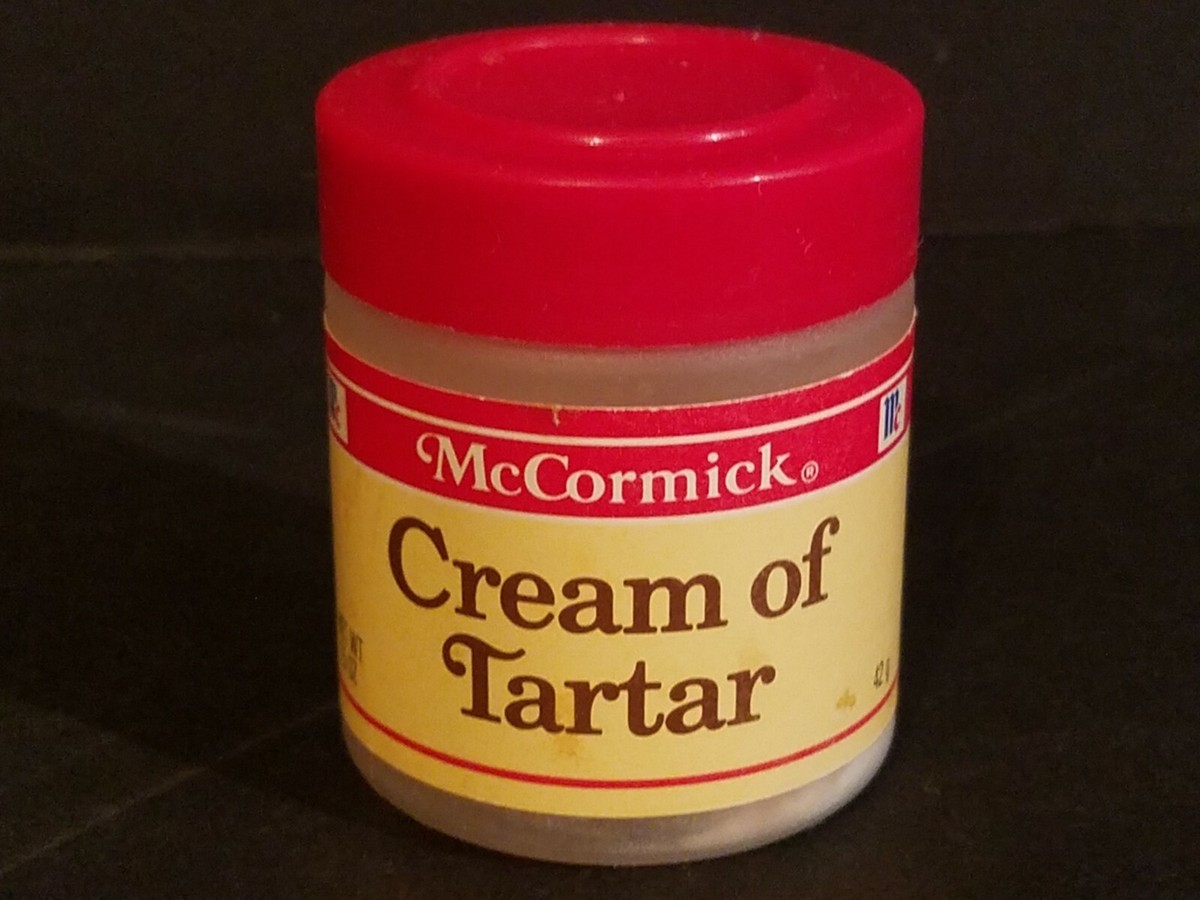
Cream of tartar
This is the traditional ingredient that gives snickerdoodles their gentle tang. It also reacts with baking soda to give lift and a tender, chewy texture. If your cream of tartar has been sitting in the back of the pantry for years, consider replacing it for best results.
Butter
Use unsalted butter so you control the salt level. Softened butter should feel cool but give when pressed, not greasy or melting.
Sugar
Classic snickerdoodles are made with granulated sugar. It keeps the flavor clean and lets the cinnamon shine.
Eggs
Room temperature eggs blend more smoothly, which helps the dough mix evenly and reduces overmixing.
Cinnamon
Use a cinnamon you like the taste of, because it is front and center here. If yours smells dusty, it is time for a fresh jar.
Flour
Spoon flour into your measuring cup and level it off. Packed flour can make these dry and dense.
Get set up
Equipment You Will Need
- Stand mixer with paddle attachment or a large bowl with a hand mixer
- Measuring cups and spoons
- Whisk
- Rubber spatula
- Cookie scoop (about 1 1/2 tablespoons) or a tablespoon measure
- Rimmed baking sheets
- Parchment paper or a silicone baking mat
- Wire cooling rack
Technique
Tips for Getting It Right
Chill for thicker cookies and better crinkles
If your kitchen runs warm or your butter got a little too soft, chilling is your best friend. A 30 to 60 minute chill firms the dough so the cookies bake up plush and thick.
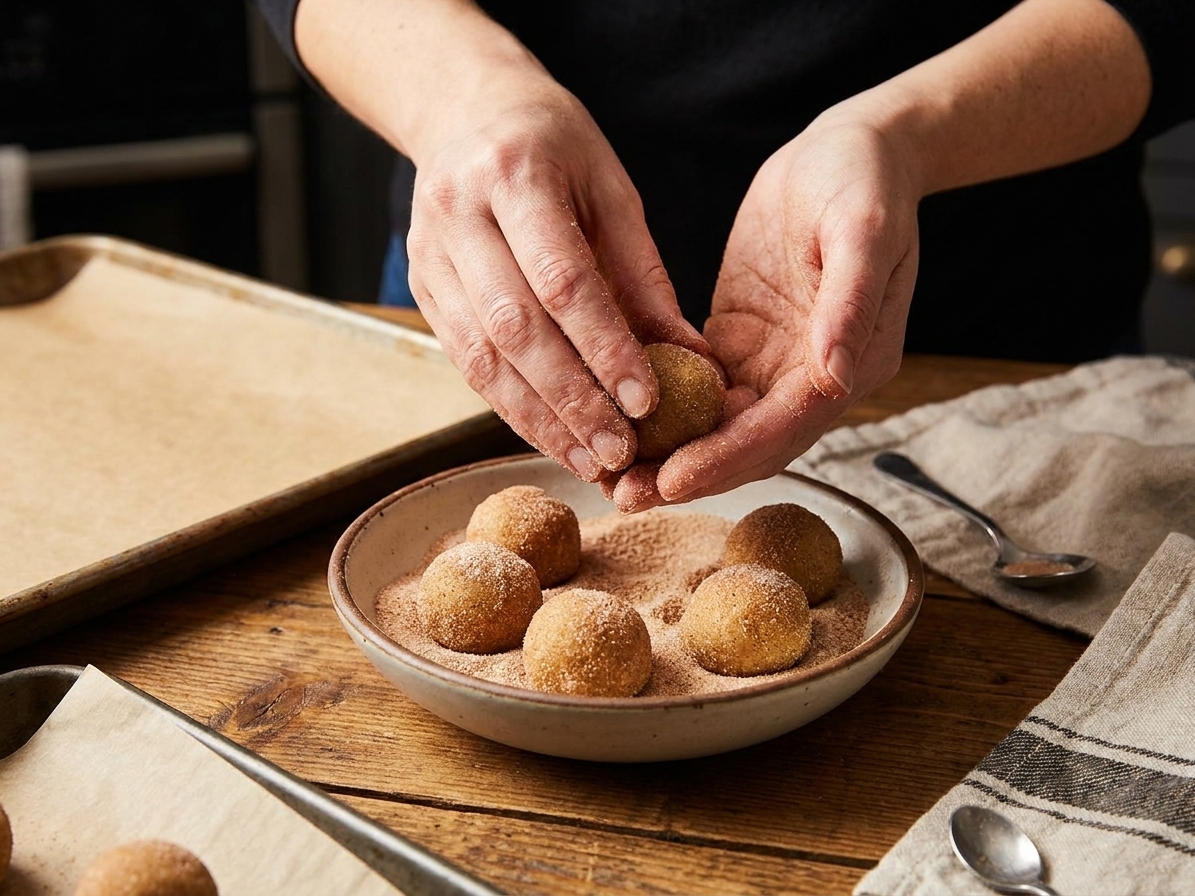
Roll generously
Do not be shy with the cinnamon sugar. You want an even, well coated ball so the outside bakes into that iconic crackly shell.
Bake by cues, not just the timer
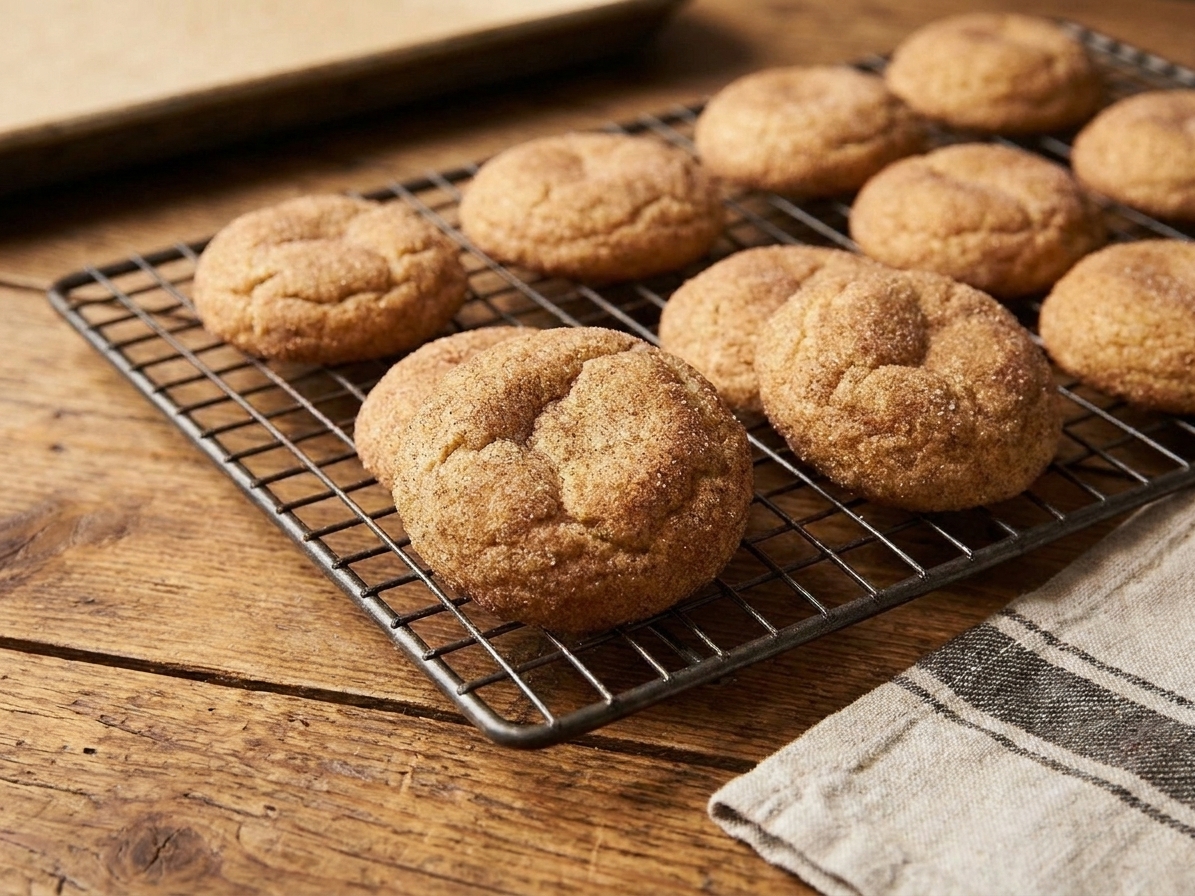
Snickerdoodles are best slightly underbaked. Look for edges that are set and lightly golden, with centers that are puffed and still look a bit soft. They should not look wet, but they should look like they would not survive another 3 minutes without drying out.
Let them finish on the sheet
Give the cookies 5 minutes on the baking sheet after they come out. This is when the centers set into chewy perfection without overbaking in the oven.
One sheet at a time
For the most consistent results, bake one tray at a time in the center of the oven.
Flexibility
Substitutes That Work
I am all for smart swaps, but snickerdoodles have a few non-negotiables if you are after that classic flavor.
- Cream of tartar: There is no true substitute that gives the same classic tang and texture. If you do not have it, I recommend choosing a different cookie rather than making a look alike that will not taste like the real thing.
- Unsalted butter: If you only have salted butter, you can use it and reduce the added salt to a small pinch.
- Ground cinnamon: If you are out, you can use pumpkin pie spice for the coating, but the flavor will be different and more complex.
- Gluten-free flour: A 1 to 1 gluten-free baking blend can work, but results vary by brand. Expect a slightly different spread and texture.
Make it yours
Variations to Try
- Extra cinnamon: Increase the cinnamon in the coating for a bolder spice hit.
- Vanilla forward: Add a touch more vanilla extract for a bakery style aroma.
- Mini snickerdoodles: Scoop smaller dough balls and reduce bake time. Keep the same doneness cues.
- Thick bakery style: Chill the dough longer and make slightly larger dough balls, then space them well so they bake up tall and soft.
On the table
What to Serve It With
- With a glass of cold milk or a mug of coffee
- Sandwiched around vanilla ice cream for an easy cookie ice cream sandwich
- Crumble over yogurt with sliced apples for a cinnamon sugar twist
- On a holiday cookie platter alongside shortbread and chocolate dipped treats
Later
Storage, Freezing and Reheating
Room temperature
Store snickerdoodles in an airtight container at room temperature for up to 4 days. If you want to keep them extra soft, tuck a small piece of bread into the container. Replace it if it dries out.
Freezing baked cookies
Freeze completely cooled cookies in a freezer bag or airtight container for up to 2 months. Thaw at room temperature.
Freezing cookie dough
Scoop and roll the dough balls in cinnamon sugar, then freeze on a parchment lined sheet until firm. Transfer to a freezer bag and freeze up to 2 months. Bake from frozen, adding 1 to 2 minutes, and use the same doneness cues.
Watch out
Common Mistakes to Avoid
- Overbaking: If the centers look fully set in the oven, they are likely heading toward dry. Pull them when the centers are still soft looking and puffed.
- Skipping the chill when dough is warm: Warm dough spreads fast. If your dough feels sticky or glossy, chill it.
- Measuring flour by scooping: This packs flour into the cup and can make cookies dry and dense. Spoon and level.
- Not lining the pan: Parchment or a silicone mat helps prevent overbrowning on the bottoms.
- Old cream of tartar: It loses punch over time, and your cookies can taste flat and bake up less tender.
Questions
Frequently Asked Questions
What makes a snickerdoodle a snickerdoodle?
Cream of tartar in the dough plus a cinnamon sugar coating. That combination creates the signature tangy flavor and crackly exterior that sets snickerdoodles apart from regular sugar cookies.
Do I really need cream of tartar?
For the most classic, traditional snickerdoodle flavor and texture, yes. It is what gives that signature tang and works with baking soda to create the trademark lift and chew.
Why did my snickerdoodles turn out flat?
The most common reasons are butter that was too warm, dough that was not chilled when needed, or baking sheets that were hot from a previous batch. Chill the dough and bake on cool pans for thicker cookies.
How do I know when snickerdoodles are done?
Look for set edges and a puffed center that still looks soft. The tops should have cracks and the cookies should look slightly underdone in the middle. They finish setting as they cool on the baking sheet.
Can I make the dough ahead?
Yes. You can refrigerate the dough (covered) for up to 48 hours. Let it sit at room temperature for 10 to 15 minutes if it is too firm to scoop, then roll in cinnamon sugar and bake.
The recipe
Soft Snickerdoodle Cookies
Soft, chewy snickerdoodle cookies with the classic tang from cream of tartar and a crackly cinnamon sugar coating. Includes chill options and clear doneness cues so the centers stay perfectly chewy.
Ingredients
- 2 3/4 cups (330 g) all-purpose flour
- 2 teaspoons cream of tartar
- 1 teaspoon baking soda
- 1/2 teaspoon fine salt
- 1 cup (226 g) unsalted butter, softened to cool room temperature
- 1 1/2 cups (300 g) granulated sugar
- 2 large eggs, room temperature
- 2 teaspoons vanilla extract
- For the coating: 1/4 cup (50 g) granulated sugar
- For the coating: 2 teaspoons ground cinnamon
Instructions
- Prep the oven and pans. Arrange a rack in the center of the oven and preheat to 375 F (190 C). Line 2 baking sheets with parchment paper or silicone mats.
- Mix the dry ingredients. In a medium bowl, whisk together the flour, cream of tartar, baking soda, and salt. Set aside.
- Cream butter and sugar. In a large bowl (or stand mixer bowl), beat the softened butter and 1 1/2 cups sugar on medium speed until light and fluffy, about 2 to 3 minutes. Scrape down the bowl.
- Add eggs and vanilla. Beat in the eggs one at a time, mixing until fully incorporated. Add the vanilla and mix again. Scrape down the bowl.
- Combine wet and dry. Add the dry ingredients to the butter mixture and mix on low speed just until no dry flour remains. Stop as soon as the dough comes together. Overmixing can make cookies tough.
- Chill if needed. If the dough feels very soft, sticky, or warm, cover and chill for 30 to 60 minutes. If it is scoopable and holds its shape, you can bake right away.
- Make the cinnamon sugar. In a small bowl, stir together the 1/4 cup sugar and cinnamon.
- Scoop and roll. Scoop dough into 1 1/2 tablespoon portions (about 30 to 35 g each) and roll into balls. Roll each ball generously in the cinnamon sugar to fully coat.
- Arrange on baking sheets. Place dough balls 2 to 3 inches apart on the prepared baking sheets.
- Bake. Bake one sheet at a time for 9 to 11 minutes, until the edges look set and lightly golden and the centers are puffed and cracked but still look soft. Do not wait until the centers look fully firm.
- Cool for the perfect chewy center. Let cookies cool on the baking sheet for 5 minutes, then transfer to a wire rack to cool completely.
Recipe notes
- Doneness cue: Pull the cookies when the centers look soft but not wet. They will settle and finish baking from residual heat.
- For thicker cookies: Chill the dough 30 to 60 minutes, especially if your kitchen is warm.
- For even batches: Always bake on a cool baking sheet. If reusing a sheet, let it cool fully first.
Nutrition (per serving, approximate)
- Calories: 190
- Carbohydrates: 24 g
- Protein: 2 g
- Fat: 9 g
- Saturated fat: 5 g
- Cholesterol: 30 mg
- Sodium: 120 mg
- Fiber: 1 g
- Sugar: 14 g