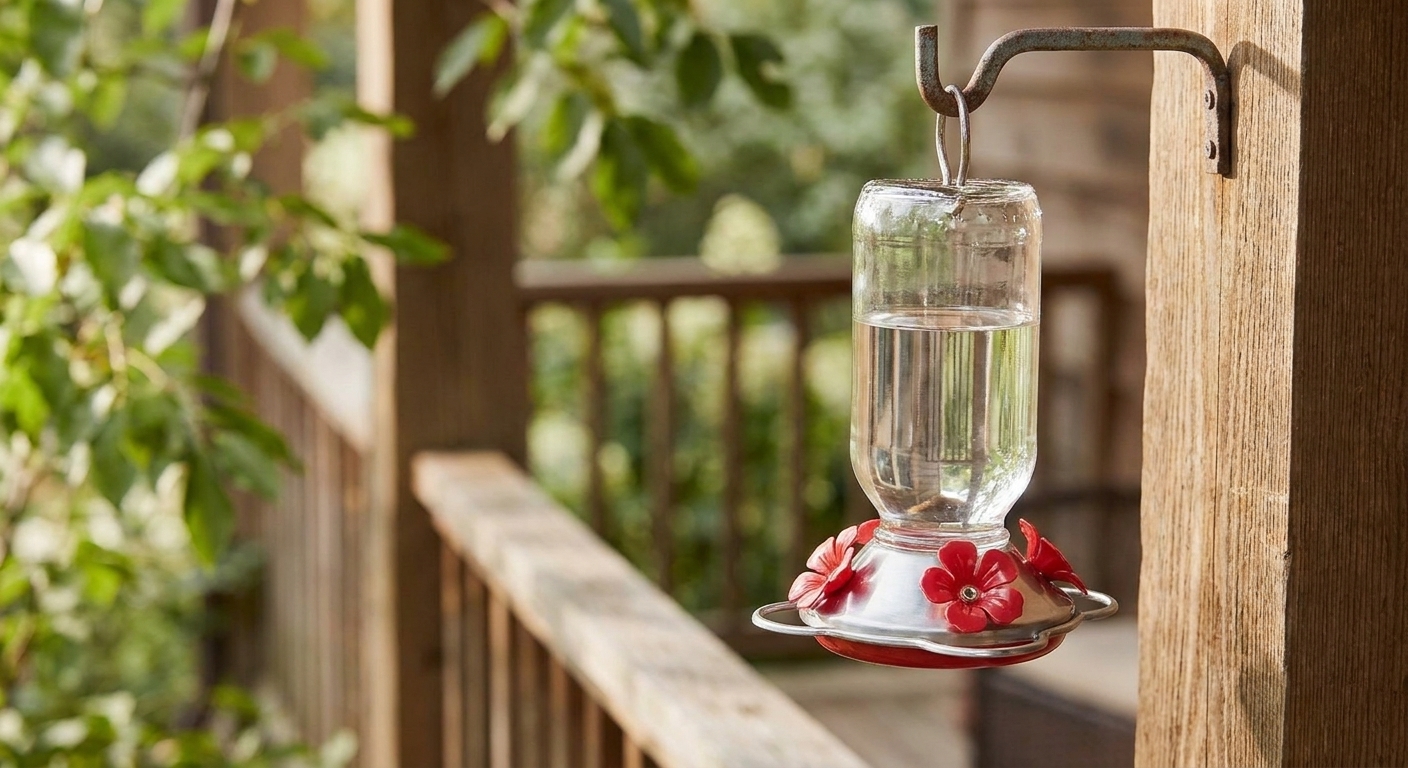
Learn how stevia, monk fruit, and erythritol taste, how they behave in baking, and how to swap them into keto recipes with simple conversions and label-smart...
Recipeva
Simple Hummingbird Food (4:1 Sugar Water)
Make safe, simple hummingbird food with the classic 4:1 ratio: 4 parts water to 1 part white sugar. Includes exact measurements, storage tips, and feeder care.

Maya Reynolds
Maya Reynolds is a passionate home cook, recipe developer, and the creative voice behind Recipeva. With over a decade of experience translating complex culinary techniques into approachable weeknight meals, she focuses on creating dishes that bring joy to the dinner table without the stress.
Created September 22, 2026
Updated September 22, 2026
When hummingbirds start buzzing the yard, I want a feeder that is ready before they arrive. The good news is hummingbird food (homemade “nectar”) is one of the simplest recipes you will ever make: just plain white sugar and water in a 4:1 ratio. No dye, no fancy add-ins, no stress.
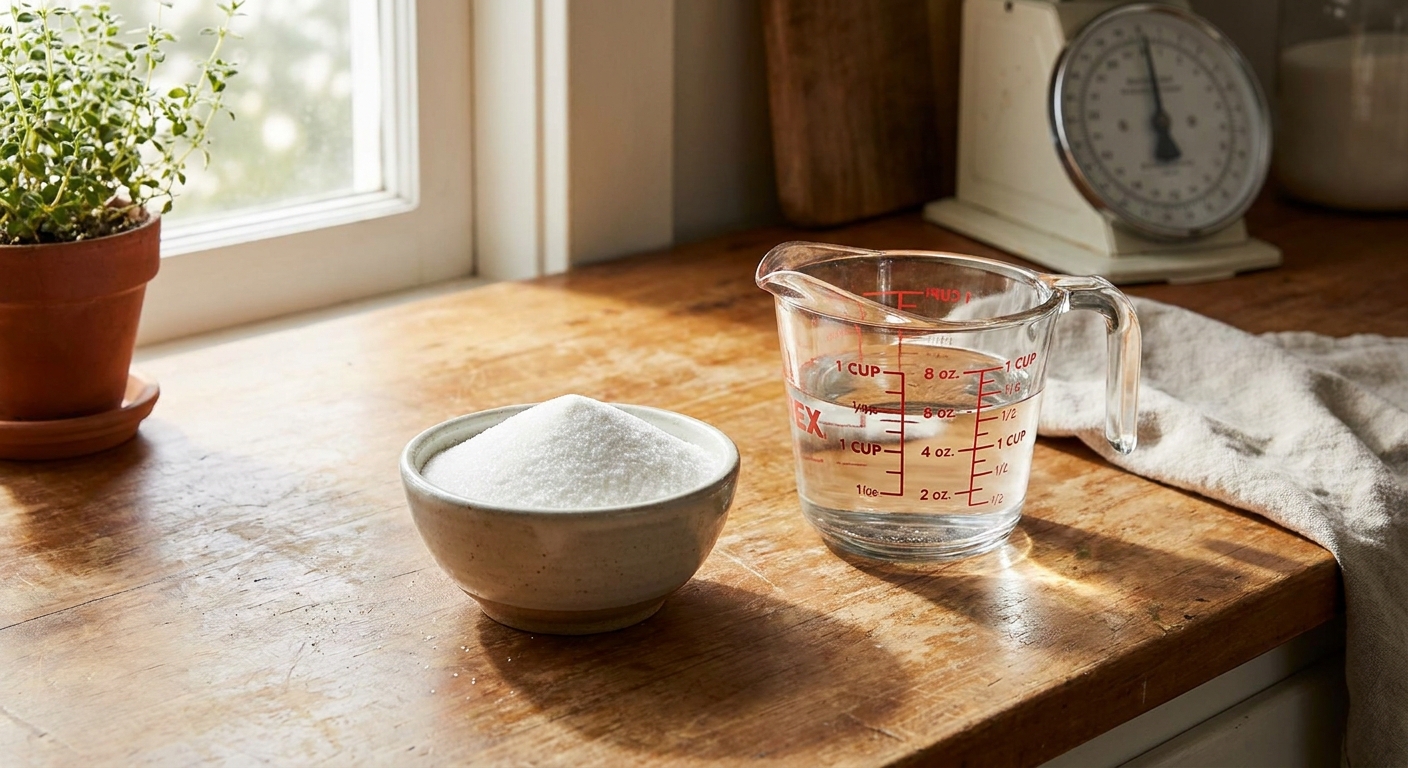
I am going to walk you through the exact measurements, how to make it safely, and how to keep your feeder clean so you can enjoy the show without worrying about the birds.
The 4:1 ratio
4:1 sugar water means 4 parts water to 1 part white granulated sugar. This is a commonly recommended standard for hummingbird feeders, and it works well for most backyards.
- Use: plain white granulated sugar
- Use: plain water (tap is fine in most homes)
- Skip: honey, brown sugar, raw sugar, coconut sugar, syrups, and artificial sweeteners
- Skip: red dye or food coloring
Simple recipe (4:1)
Ingredients
- 4 cups water
- 1 cup white granulated sugar
Step-by-step
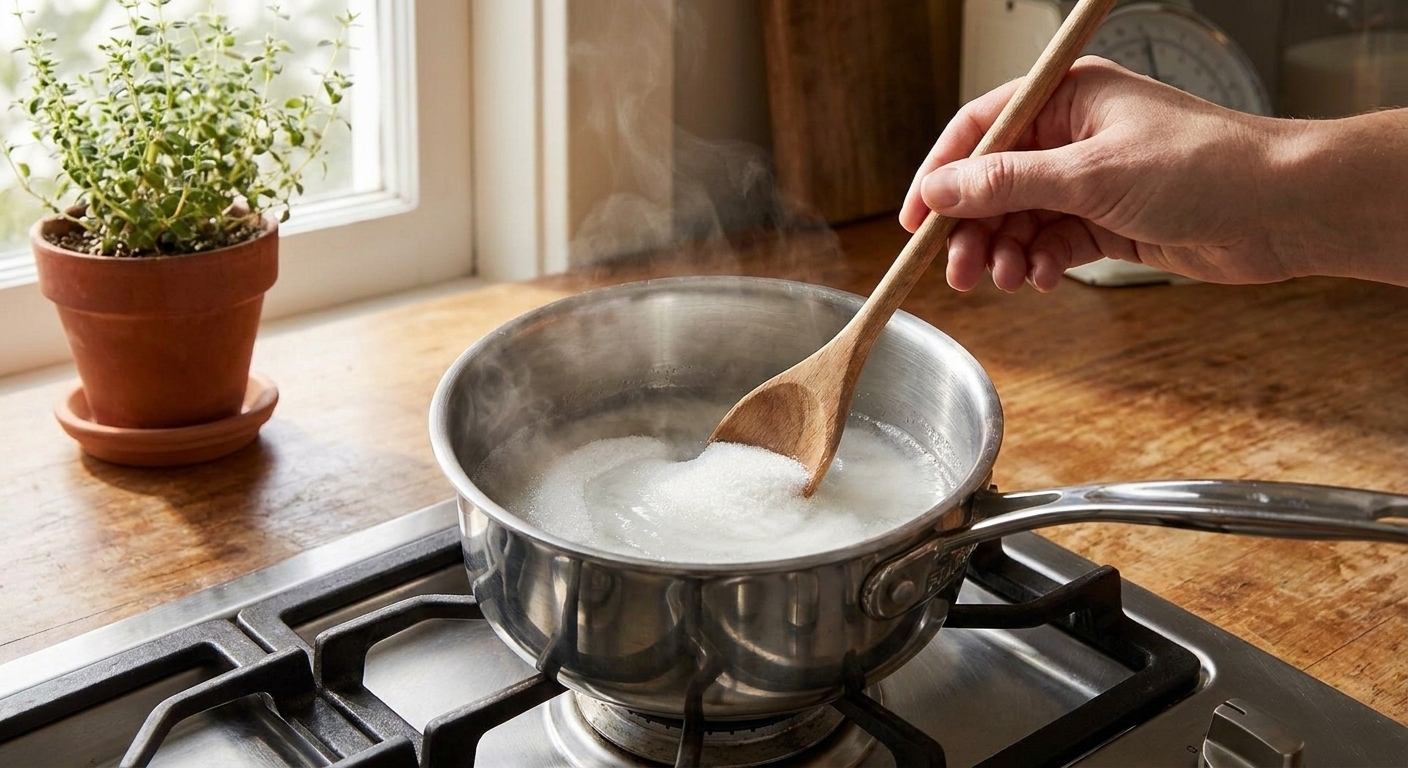
- Measure the water. Pour 4 cups water into a saucepan.
- Warm the water. Set over medium heat until it is hot and just starting to steam. You do not need a rolling boil.
- Add the sugar. Stir in 1 cup white sugar.
- Stir until fully dissolved. Keep stirring until the liquid is completely clear.
- Cool completely. Take the pan off the heat and let the nectar cool to room temperature.
- Fill the feeder. Pour into a clean feeder. Refrigerate any extra.
Maya tip: Warming helps the sugar dissolve quickly. If you prefer, you can also dissolve sugar in very hot tap water in a heat-safe jar and shake until clear, then cool completely before using.
Measurement chart
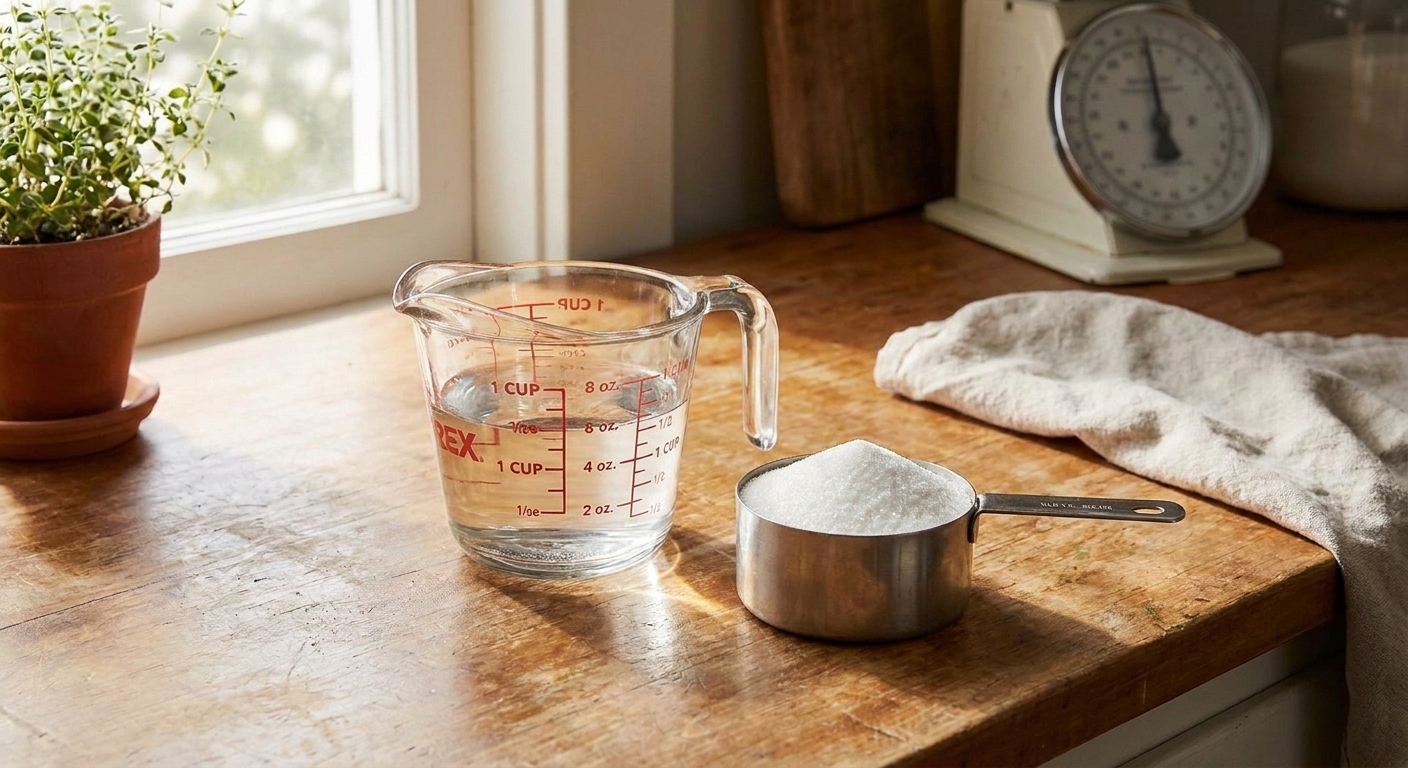
Keep the 4:1 ratio and scale it up or down as needed.
- 1 cup water + 1/4 cup sugar (small batch)
- 2 cups water + 1/2 cup sugar
- 4 cups water + 1 cup sugar (classic batch)
- 8 cups water + 2 cups sugar (for multiple feeders)
How long it lasts
In the refrigerator
Store extra nectar in a sealed jar or bottle in the fridge for 3 to 7 days. If it looks cloudy or smells off, toss it and make a fresh batch.
In the feeder
How often you should change the nectar depends on heat and sun exposure. A good, safety-first rhythm:
- Hot weather (above 85°F): change every 1 to 2 days
- Warm weather (70 to 85°F): change every 2 to 3 days
- Cool weather (below 70°F): change every 3 to 5 days
If the feeder is in direct sun, plan on changing it sooner. Shade helps.
Clean the feeder
If you do one thing beyond mixing sugar and water, let it be this: keep the feeder clean. Warm sugar water ferments quickly, and mold can grow in tiny crevices.
My cleaning routine
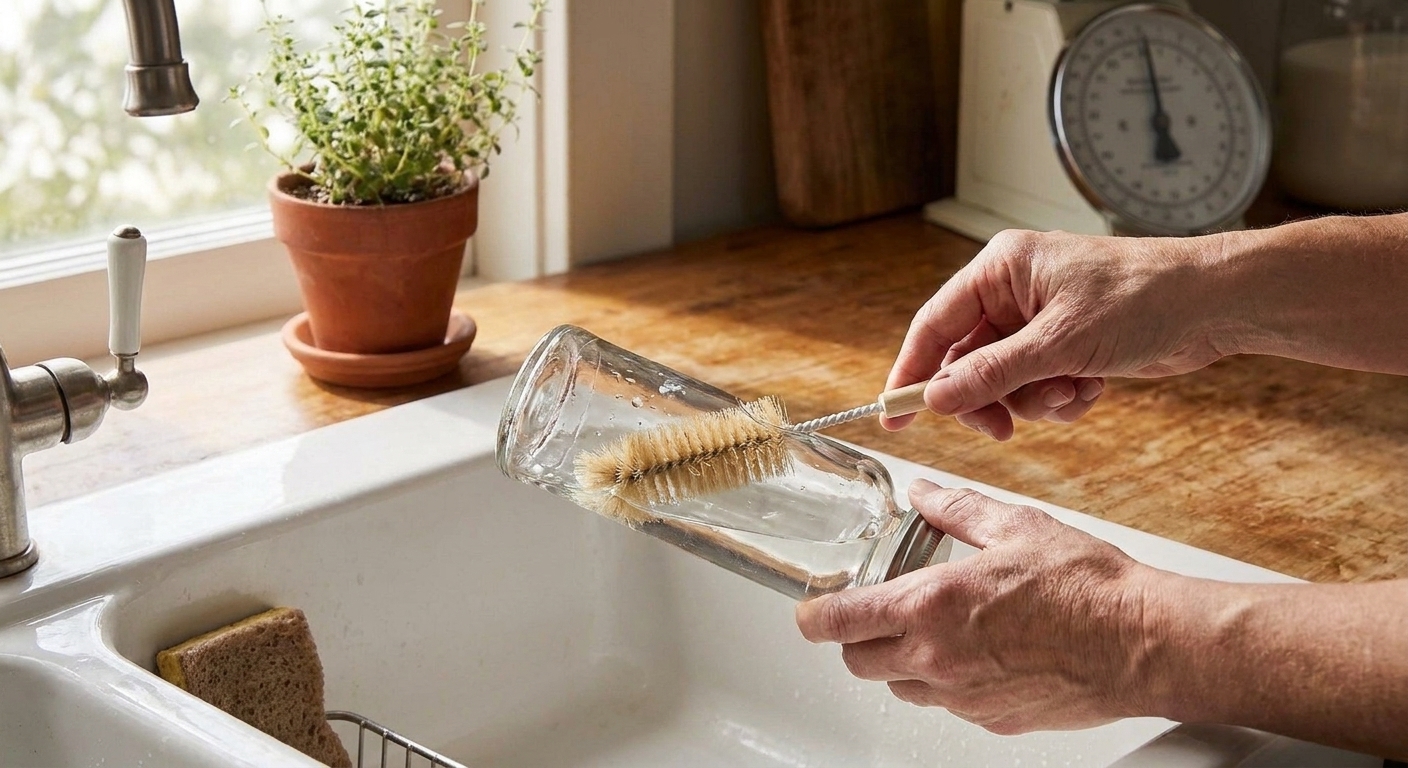
- Empty the feeder completely.
- Wash with hot water. Use a bottle brush for the reservoir and a small brush for ports if you have one.
- Use vinegar as needed. For deeper cleaning, soak parts in a solution of 1 part white vinegar to 2 parts water for 15 to 30 minutes, then scrub and rinse very well.
- Air-dry fully. Let it dry before refilling.
About bleach: I skip it for routine care unless the manufacturer recommends it. That said, if you ever have stubborn mold, a very dilute bleach solution can be used occasionally, as long as you rinse extremely well and let everything dry before refilling.
Common questions
Do I need to boil the water?
Not necessarily. Most of the time, warming the water is enough to dissolve the sugar. Some folks prefer a brief boil if water quality is a concern. If you boil, cool completely before filling the feeder.
Can I use organic, raw, or brown sugar?
Stick with plain white granulated sugar. Other sugars contain minerals and compounds that can spoil faster or may not be safe for hummingbirds.
Can I add red food coloring?
No. It is not needed. Most feeders already have red parts that attract hummingbirds, and dye is best left out.
Why is my nectar cloudy?
Cloudiness can mean fermentation or contamination. Dump it, wash the feeder, and refill with fresh nectar. Also consider moving the feeder to shade and changing it more often.
Ants and bees keep finding my feeder. Help.
- Use an ant moat if your feeder supports one.
- Hang the feeder in shade and away from heavy flowering areas that attract bees.
- Make sure it is not leaking. Even a tiny drip invites insects fast.
Where should I hang the feeder?
Pick a spot you can see easily, but try to keep it a little away from windows to reduce collisions. If you like it close to the house, adding window decals or other deterrents can help birds notice the glass.
What about cold snaps?
In near-freezing weather, nectar can get slushy. If nights are cold, bring the feeder in overnight and put it back out in the morning. You may also want to swap in fresh nectar a bit more often during those temperature swings.
Any special note for bear country?
If you live where bears are active, it is often safest to bring feeders in at night or follow local wildlife guidance for your area.
Quick checklist
- Mix 4 parts water to 1 part white sugar
- Stir until completely clear
- Cool fully before filling
- Start with a clean feeder
- Change nectar every 1 to 5 days depending on heat