

I have made pulled pork more times than I can count, and the biggest difference between “pretty good” and “can I please eat this straight from the pot” usually comes down to the rub. Not the fanciest smoker. Not a secret sauce. The rub.
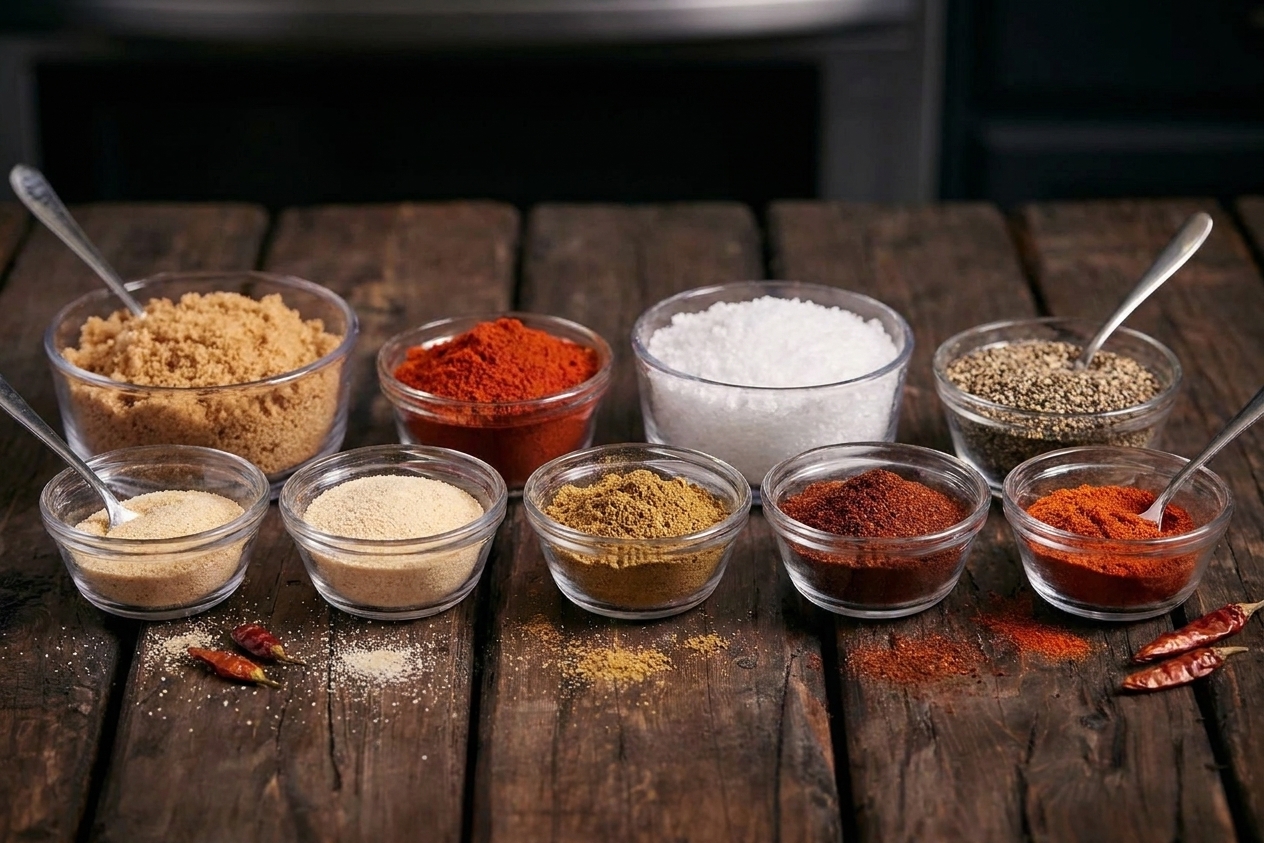
This one is my steady, weeknight-friendly blend: brown sugar for sweet, molasses-y depth, paprika for color and warmth, plus a handful of pantry spices that make pork shoulder taste like it has been babysat all day, even when the slow cooker is doing the heavy lifting.

Here is what you can expect: a clear, no-guesswork baseline for how much rub to use per pound (my everyday starting point is about 1 tablespoon per pound), plus exactly when to apply it. You can cook right away, but if you have the time, letting it rest 8 to 24 hours in the fridge is the move for deeper flavor.
I will also show you how to dial the heat up or down, and how to avoid the thing that makes people nervous about homemade rubs in the first place: over-salting. If you have ever thought, “I’m scared I’ll over-salt this,” you are in the right kitchen.
The idea
Why This Recipe Works
- Balanced sweet, smoky, and savory: Brown sugar and paprika do the cozy heavy lifting, while garlic, onion, and cumin give that slow-cooked “wow” flavor.
- Built for pork shoulder: The seasoning level is strong enough to stand up to a big, fatty cut that will be shredded and mixed back into its juices.
- Clear per-pound guidance: You get a reliable baseline (no guesswork), plus easy scaling for smaller roasts.
- Flexible heat and salt control: Cayenne is optional, and the salt amount is written so you can dial it up or down depending on your sauce plans.
If you are using a slow cooker or Dutch oven, this rub still pulls its weight because the spices bloom in the rendered fat and cooking liquid, then coat every strand when you shred.
Shopping
Ingredient Notes
Brown sugar
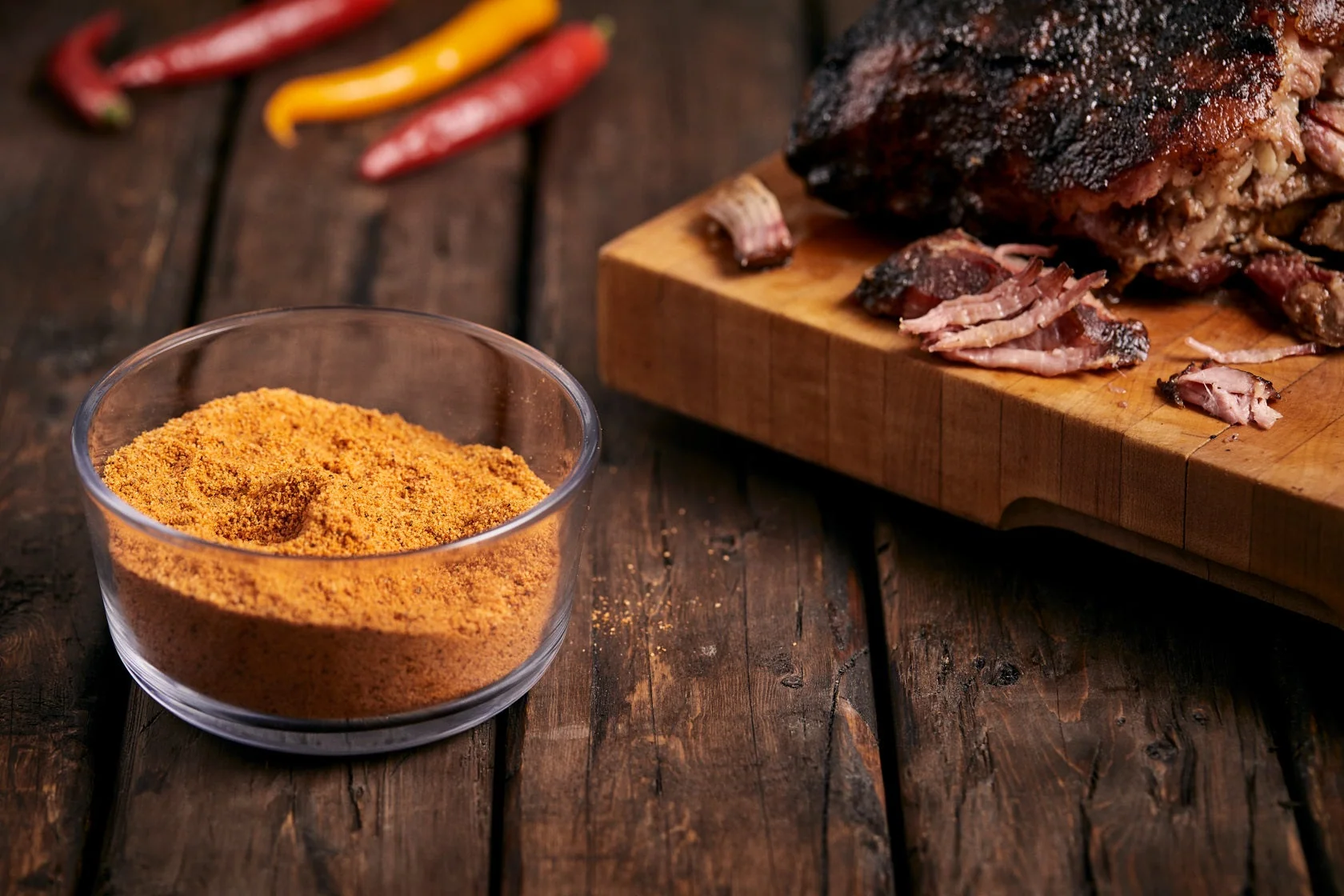
Light or dark brown sugar both work. Dark brown sugar has more molasses flavor, which reads a little deeper and more “barbecue.” If you know you are adding a sweet sauce later, you can use light brown sugar or reduce the sugar slightly.
Paprika
Smoked paprika is my favorite here because it adds gentle smoke without needing a smoker. If you only have sweet paprika, use it. The rub will still be delicious, just less smoky.
Salt
I recommend kosher salt because it is easy to pinch and distributes well. If you are using fine table salt, use less (see the FAQ for a conversion).
Chili powder
This adds mild heat and that classic chili spice flavor. “Chili powder” in US grocery stores is usually a blend, not pure ground chiles, which is exactly what we want for pulled pork.
Cayenne
Optional, but wonderful if your household likes a gentle tingle. Start small. You can always add heat later with hot sauce.
Mustard powder (optional)
A little mustard powder adds a subtle tang. If you do not keep it around, skip it. The rub still holds together nicely.
Get set up
Equipment You Will Need
- Small bowl
- Measuring spoons
- Whisk or fork (for blending)
- Airtight jar or container (for storing extra rub)
Optional but helpful: a funnel for pouring into a spice jar, and gloves for rubbing seasoning onto meat (especially if you use cayenne).
Technique
Tips for Getting It Right
How much rub to use per pound
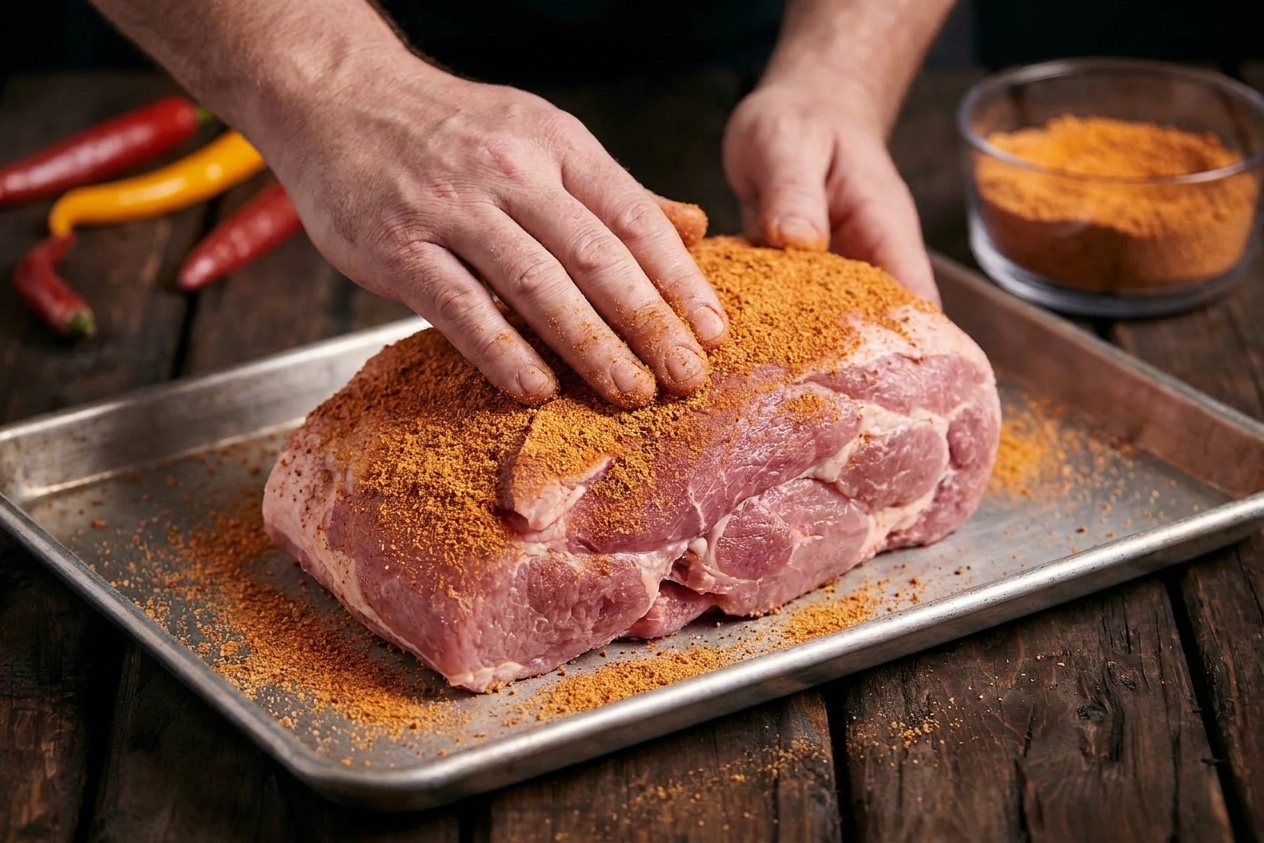
My sweet spot is about 1 tablespoon of rub per pound of pork shoulder (Boston butt). For a smaller roast, you can be a little lighter, but pulled pork is forgiving and likes bold seasoning.
- 4 lb pork: about 4 tablespoons rub (1/4 cup)
- 6 lb pork: about 6 tablespoons rub (3/8 cup)
- 8 lb pork: about 8 tablespoons rub (1/2 cup)
Overnight application (my favorite)
For the deepest flavor, rub the pork, place it on a tray or in a dish, cover, and refrigerate 8 to 24 hours. This gives the salt time to work and the sugar and spices time to cling.
If you do not have overnight time, even 30 to 60 minutes at room temperature while you prep the cooker helps the rub hydrate.
Do you need a binder?
Not required. The pork surface will get tacky quickly. If you like using a binder, a thin smear of yellow mustard or a little oil works, but keep it light so the rub stays concentrated.
When to add sauce
I like to cook the pork with just the rub, then add sauce after shredding so you can taste and adjust. The rub is designed to be delicious even without sauce, which gives you options.
Flexibility
Substitutes That Work
- No smoked paprika: use sweet paprika, or use half paprika and half chipotle powder if you want smoke and heat.
- No chili powder: use 1 teaspoon ground ancho or 1/2 teaspoon cumin plus 1/2 teaspoon paprika for a similar vibe.
- No kosher salt: use fine sea salt or table salt, but reduce the amount (fine salts measure denser).
- No brown sugar: use coconut sugar, or use 2 tablespoons white sugar plus 1 tablespoon molasses if you have it.
- Garlic powder and onion powder: if you only have one, use it and slightly increase the amount.
If you are avoiding sugar altogether, see the variations section for a sugar-free approach that still tastes rounded.
Make it yours
Variations to Try
Spicier rub
Increase the cayenne, or add chipotle powder for smoky heat.
Less sweet
Reduce the brown sugar by 1 to 2 tablespoons. You will still get great color and a balanced bark-like flavor.
Sugar-free (savory-forward)
Skip the brown sugar and add 1 extra teaspoon paprika plus 1/2 teaspoon cumin. The rub will be more savory and a little less “barbecue classic,” but still excellent.
More Carolina-style tang
Add mustard powder (if you did not already) and consider finishing the pulled pork with a vinegar-based sauce.
On the table
What to Serve It With
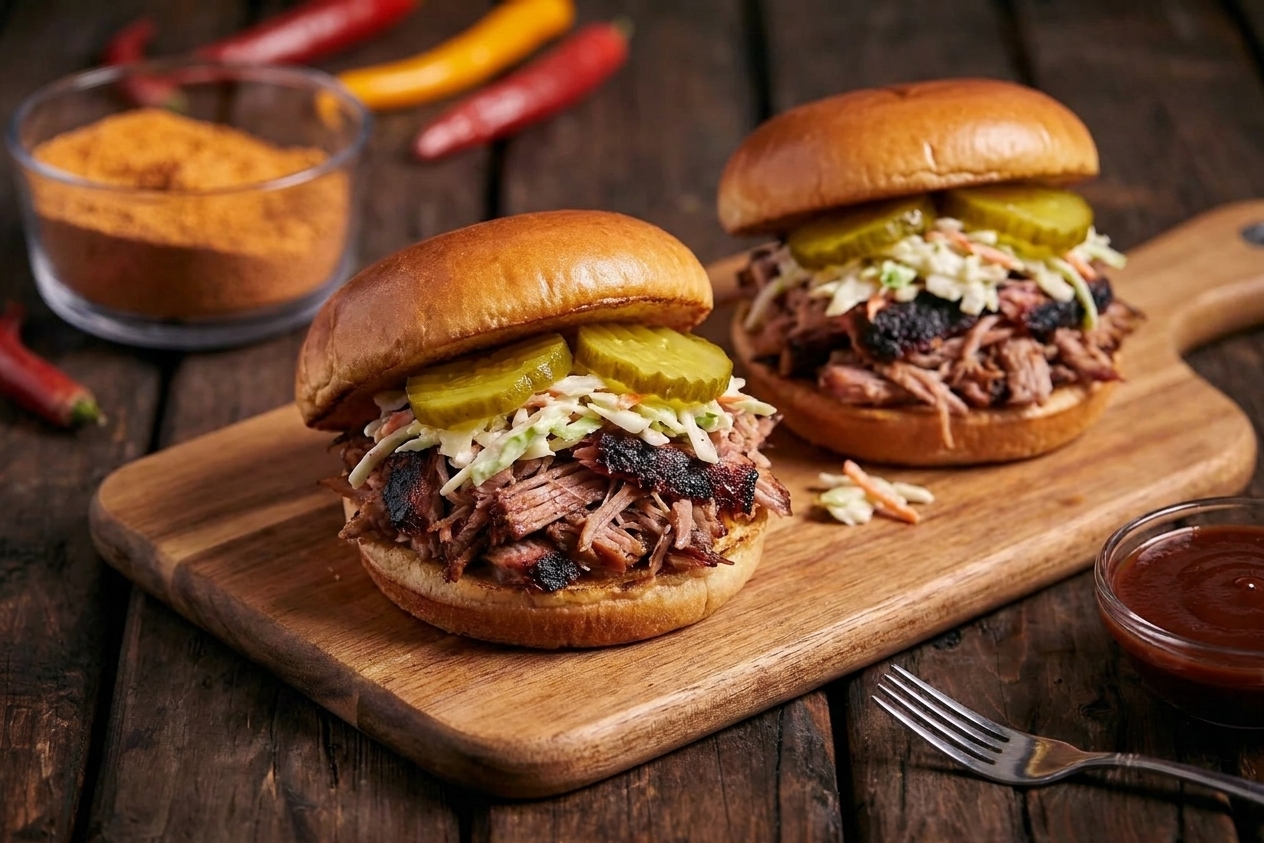
- Classic sandwiches: piled on buns with pickles and slaw.
- Taco night: tuck into warm tortillas with onion, cilantro, and a squeeze of lime.
- Loaded baked potatoes: pulled pork plus cheddar, sour cream, and green onions.
- Rice bowls: pulled pork over rice with black beans and corn.
- Breakfast: crisp up leftovers in a skillet and top with a fried egg.
My teacher-brain tip: set out “mix and match” toppings and let everyone build their own plate. It turns dinner into a tiny party, even on a Tuesday.
Later
Storage, Freezing and Reheating
Dry rub storage: Store the mixed rub in an airtight jar in a cool, dark pantry for up to 6 months for best flavor. It is usually safe longer, but spices fade.
Avoid clumps: If your brown sugar is very moist, break up any lumps well. A tiny food-safe silica packet (like the ones sometimes found in spice jars) helps keep it free-flowing, but it is optional.
Make-ahead: This rub is perfect for batching. Double it, label the jar, and future-you will feel very loved.
Watch out
Common Mistakes to Avoid
- Using too little rub: Remember that pulled pork gets shredded and distributed. Seasoning that tastes intense on the raw surface often tastes perfect after cooking.
- Not seasoning the sides: Get into all the nooks and around the entire roast. I like to do a first coat, wait 2 minutes, then touch up any bare spots.
- Over-salting with the wrong salt: Fine table salt is stronger by volume than kosher salt. Adjust if needed.
- Adding heat without tasting your chili powder: Some chili powders are already spicy. Start with the base recipe, then add cayenne if you want it.
- Forgetting sauce plans: If you know you are using a salty bottled barbecue sauce, consider using the lower-salt option in the recipe notes.
Questions
Frequently Asked Questions
Can I apply this rub the night before?
Yes, and it is my favorite way. Season the pork, cover, and refrigerate 8 to 24 hours. The flavor will be deeper and the seasoning will cling beautifully.
How much dry rub should I use per pound of pork?
A reliable baseline is about 1 tablespoon per pound of pork shoulder. If you like bolder flavor, go up to 1 1/2 tablespoons per pound.
Is this rub spicy?
As written, it is mildly warm, not fiery. The cayenne is optional and easy to adjust. For truly kid-friendly pulled pork, use less chili powder and skip cayenne.
Can I use table salt instead of kosher salt?
You can, but use less. Table salt is finer and packs more saltiness per teaspoon. A good starting point is about half to three quarters of the kosher salt amount, then adjust next time based on your taste.
Should I use smoked paprika or regular paprika?
Smoked paprika gives the most “barbecue” vibe without special equipment. Regular sweet paprika still works and tastes great.
Does brown sugar burn?
Brown sugar can burn at high direct heat. For low-and-slow cooking methods like slow cooker, oven braise, or smoker temps used for pulled pork, it generally behaves well. If you plan to sear hard or grill hot, consider reducing the sugar and finishing with a quick glaze later.
The recipe
Pulled Pork Dry Rub
A balanced brown sugar, paprika, and spice dry rub designed for pork shoulder. Includes an easy per-pound guide, overnight application option, and simple heat and salt adjustments.
Ingredients
- 1/4 cup packed light or dark brown sugar
- 2 tbsp smoked paprika (or sweet paprika)
- 2 tbsp kosher salt
- 1 tbsp chili powder
- 2 tsp garlic powder
- 2 tsp onion powder
- 2 tsp ground black pepper
- 1 1/2 tsp ground cumin
- 1 tsp dry mustard powder (optional)
- 1/4 to 1/2 tsp cayenne pepper (optional, for heat)
Instructions
- Mix the rub. In a small bowl, whisk together the brown sugar, smoked paprika, kosher salt, chili powder, garlic powder, onion powder, black pepper, cumin, mustard powder (if using), and cayenne (if using) until evenly combined and no brown sugar lumps remain.
- Use now or store. Use immediately, or transfer to an airtight jar and store in a cool, dark pantry for up to 6 months for best flavor.
- How to apply to pork shoulder. Pat the pork shoulder dry with paper towels. Sprinkle on the rub evenly, using about 1 tablespoon per pound of meat, then rub it in over all sides.
- Optional overnight rest. For deeper flavor, place the seasoned pork on a tray or in a dish, cover, and refrigerate for 8 to 24 hours before cooking. Let it sit at room temperature for about 20 to 30 minutes before starting your cooking method.
Recipe notes
Salt control: If you plan to use a salty bottled barbecue sauce, reduce kosher salt to 1 1/2 tablespoons.
Heat control: For mild pulled pork, skip cayenne. For medium, use 1/4 teaspoon. For spicy, use 1/2 teaspoon or add 1/2 teaspoon chipotle powder.
Yield and scaling: This makes about 1/2 cup of rub, enough for roughly 6 to 8 pounds of pork shoulder at about 1 tablespoon per pound. Scale up or down as needed.