

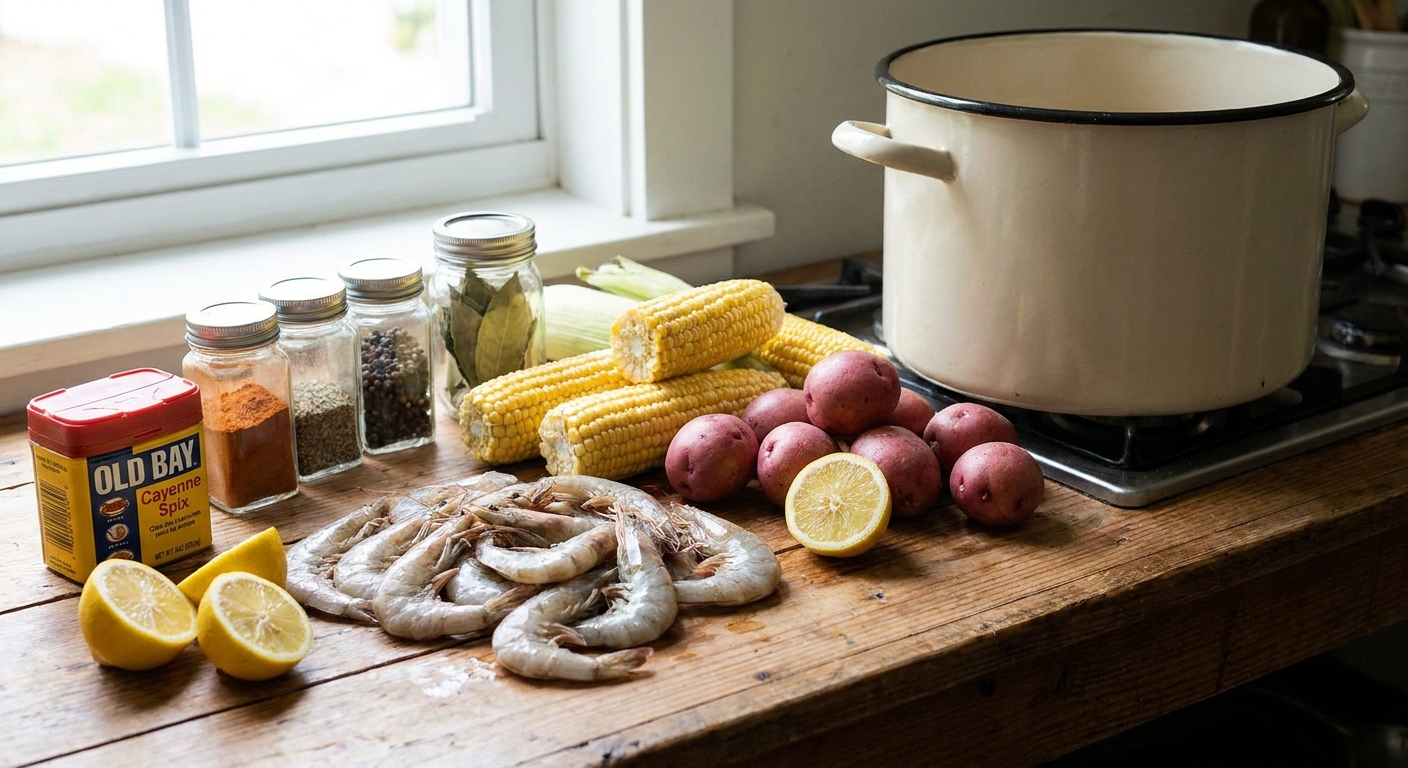
I keep both Old Bay and Cajun seasoning in my spice drawer, and I reach for them for totally different reasons. When I am building a shrimp boil, the jar you grab changes the whole mood of dinner: Old Bay leans cozy and herby, Cajun leans bold and peppery. Neither is “better” in a universal way, but one might be better for your crowd, your corn and potatoes, and your heat tolerance.
Let’s break down what each blend tastes like, how salty and spicy they tend to be, and the easiest way to split seasoning between the boil water and the finishing butter so the flavor lands exactly where you want it.

The big flavor difference
Even though both seasonings show up around seafood, they are built on different flavor backbones.
Old Bay-style seafood seasoning
Old Bay is famously celery-forward with a warm, slightly sweet spice profile. Most blends in this style include celery salt, paprika, mustard, and other warming spices. In a shrimp boil, it reads as savory, aromatic, and not particularly hot. It perfumes the whole pot with that classic celery-salt aroma that screams “seafood night.”
Cajun seasoning
Cajun seasoning is usually anchored by paprika plus garlic and onion, with a lot more black pepper and often cayenne. In a shrimp boil, it tastes bolder, sharper, and spicier, especially if you use a cayenne-heavy blend. It is the route to that Louisiana-style kick.
Salt: which is saltier?
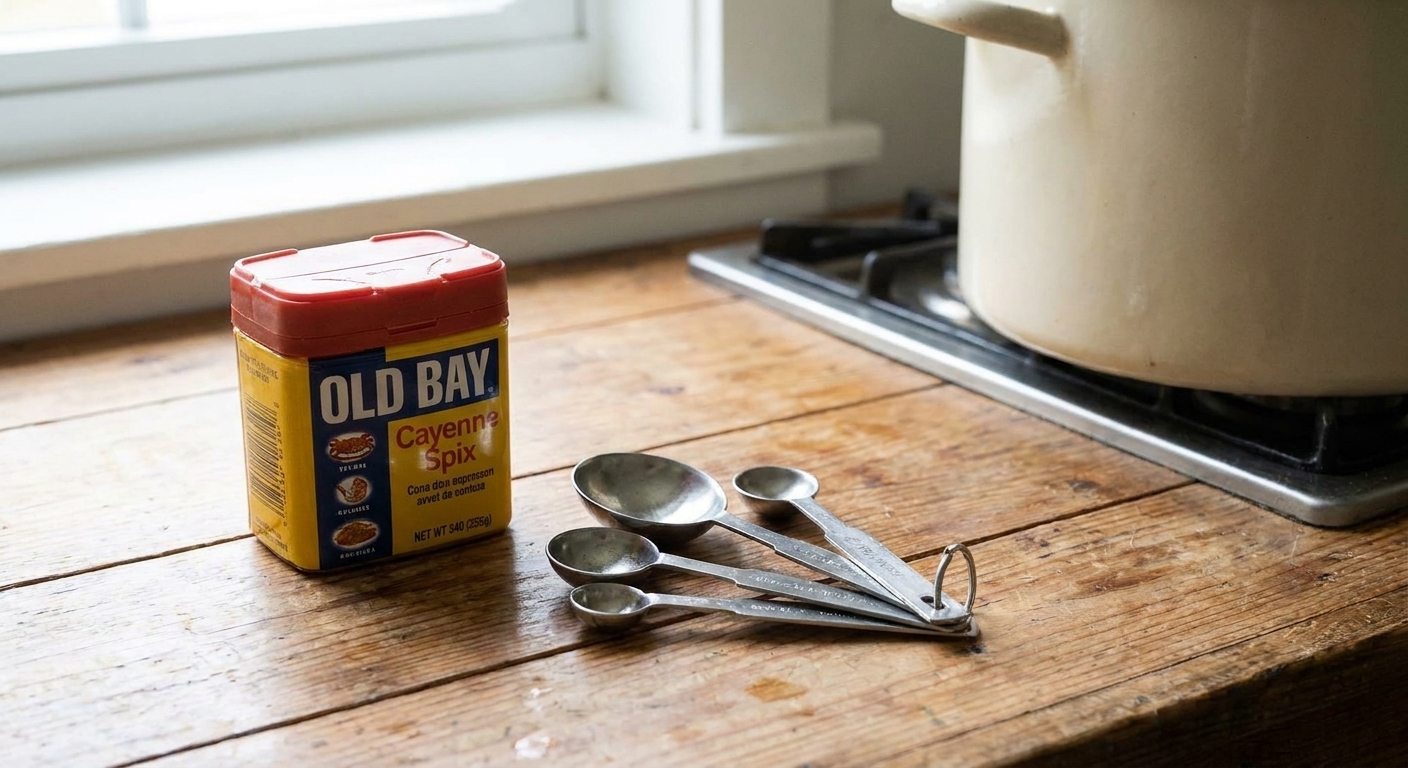
This is the part that surprises people. Many Old Bay-style blends are quite salty because celery salt is a major player. Cajun blends vary a lot. Some are very salty, others are labeled “salt-free” or “no salt added,” and plenty land in the middle.
- Old Bay: Typically salt-forward. Easy to overdo if you also salt your water heavily.
- Cajun seasoning: Salt level depends on the brand. Taste a pinch first, or check the label for sodium.
My practical rule: If you are using a salty blend (often Old Bay), go lighter on adding plain salt to the water. If you are using a low-salt Cajun blend, you will likely need to salt the boil water more intentionally.
Quick sodium reminder: Seasoned butter is usually salted too. If your seasoning blend tastes salty, consider using unsalted butter for your finishing drizzle so you stay in control.
Heat: which is spicier?
In most kitchens, Cajun seasoning is the spicy one. Old Bay has paprika and warmth, but not much true heat.
- Choose Old Bay if you want a crowd-pleaser boil that still tastes seasoned and fragrant.
- Choose Cajun if you want that peppery punch and a noticeable tingle on the finish.
If you have mixed heat preferences at the table, you can keep the boil itself moderate and push the spice into the finishing butter (more on that below). That is my favorite “everyone wins” strategy.
Where to season: water vs butter
A shrimp boil has two flavor opportunities:
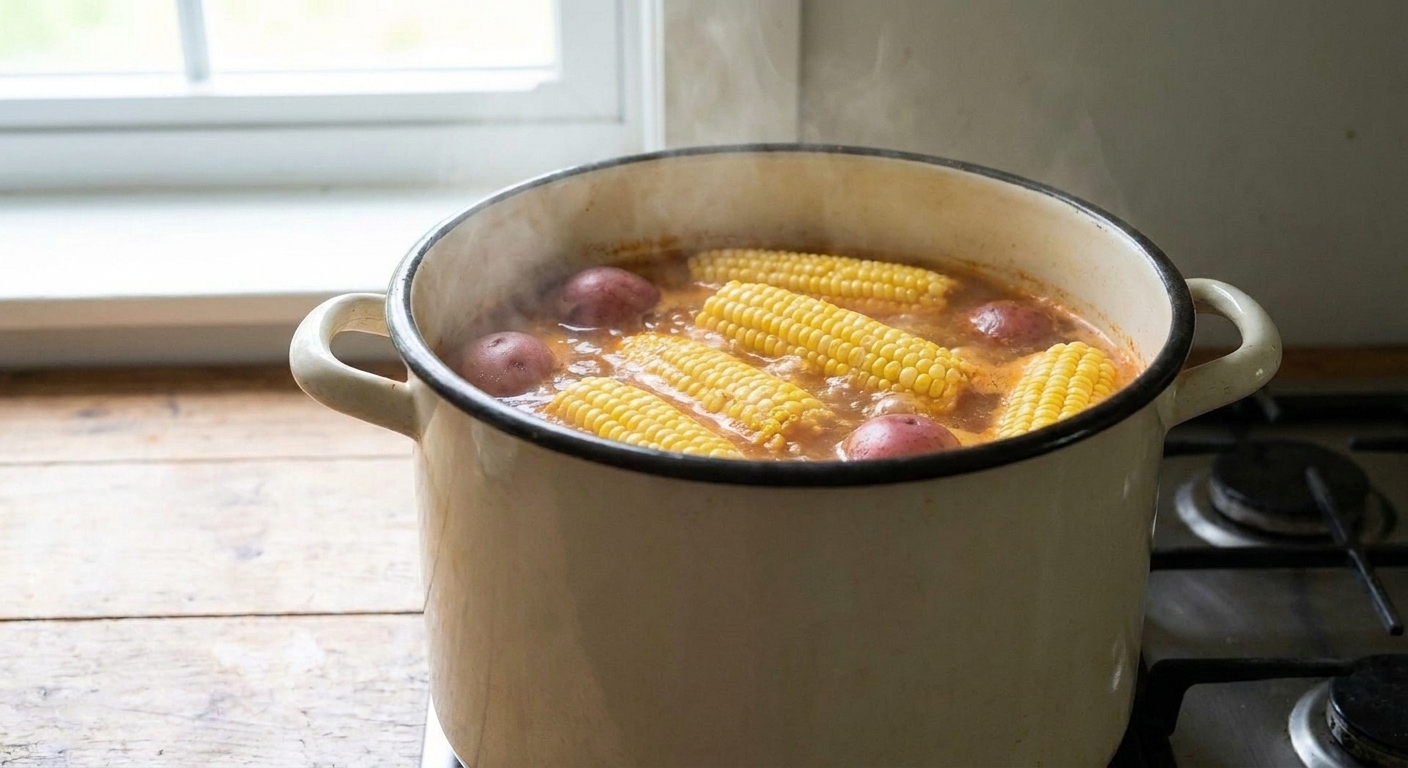
- The pot water seasons the potatoes and corn throughout, and it seasons the surface of the shrimp as they cook.
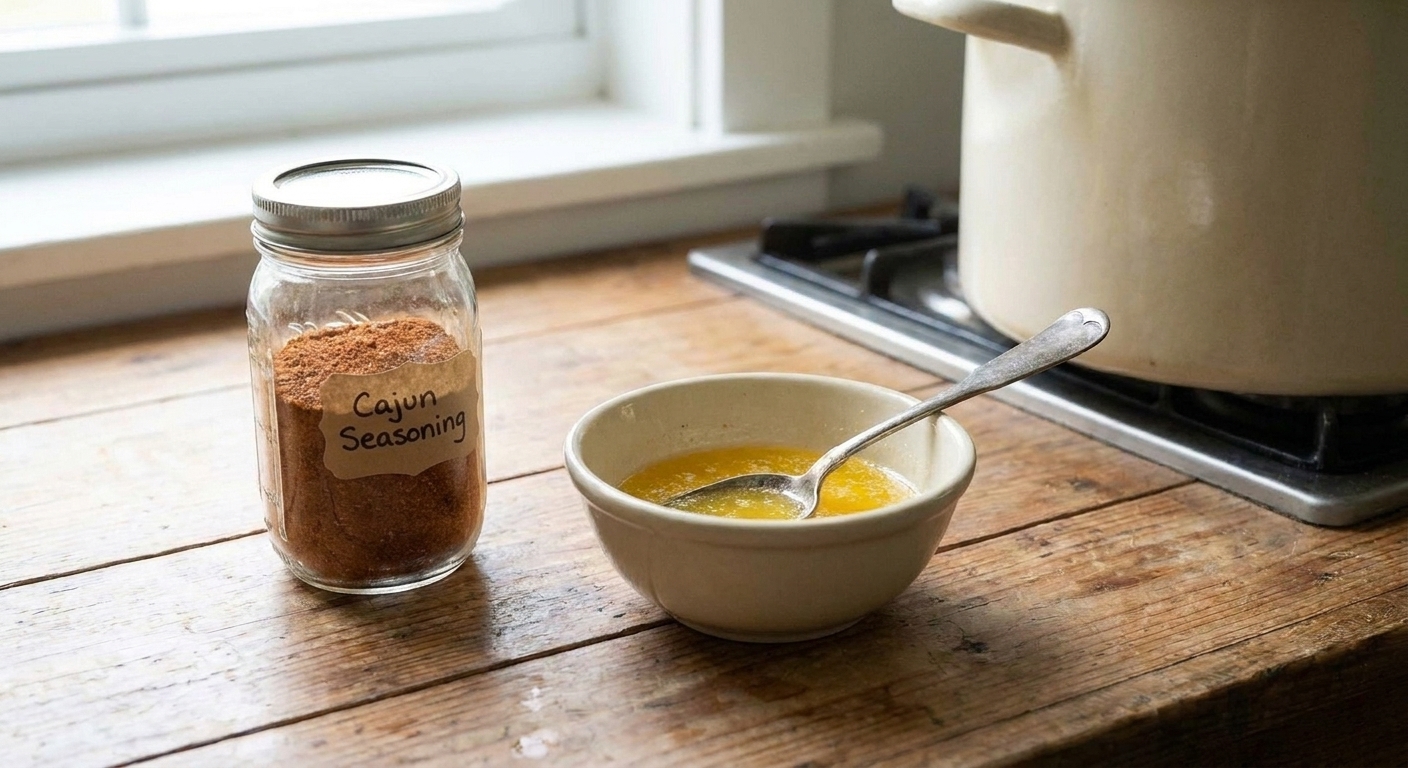
- The finishing butter delivers the boldest, most direct hit of flavor because it clings to everything.
If you only season the water, the boil can taste a little muted once everything is drained. If you only season butter, the potatoes and corn can taste bland underneath. Doing both is the sweet spot.
My default split
- In the water: enough for a savory baseline
- In the butter: enough that it looks speckled and smells aromatic
Timing: keep shrimp tender
If you want one “chef” move that makes the whole thing taste better, it is not overcooking the shrimp. I do my boil in waves so everything finishes close to the same time.
- Potatoes first: they take the longest.
- Corn and sausage next: once potatoes are mostly tender.
- Shrimp last: they only need a couple minutes, just until pink and curled.
Then drain and get the seasoned butter on fast. Shrimp are at their best when they go from pot to table without sitting around in hot water.
How much Old Bay to use
For a typical home shrimp boil, Old Bay is best when you treat it as seasoning plus salt. These are starting points, and they depend on how much food is in the pot and how salty your particular jar tastes.
Old Bay in the water
- Start with: 2 tablespoons Old Bay per gallon of water
- Go up to: 3 tablespoons per gallon for a more assertive “boil” flavor
Pot size anchor: A lot of home stockpots use about 4 gallons (16 quarts) of water for a boil. At that level, you are looking at 8 to 12 tablespoons total.
Salt note: If you are using Old Bay, I often skip adding extra salt to the pot at first. You can always adjust later with a pinch, but you cannot take it out once it is in there.
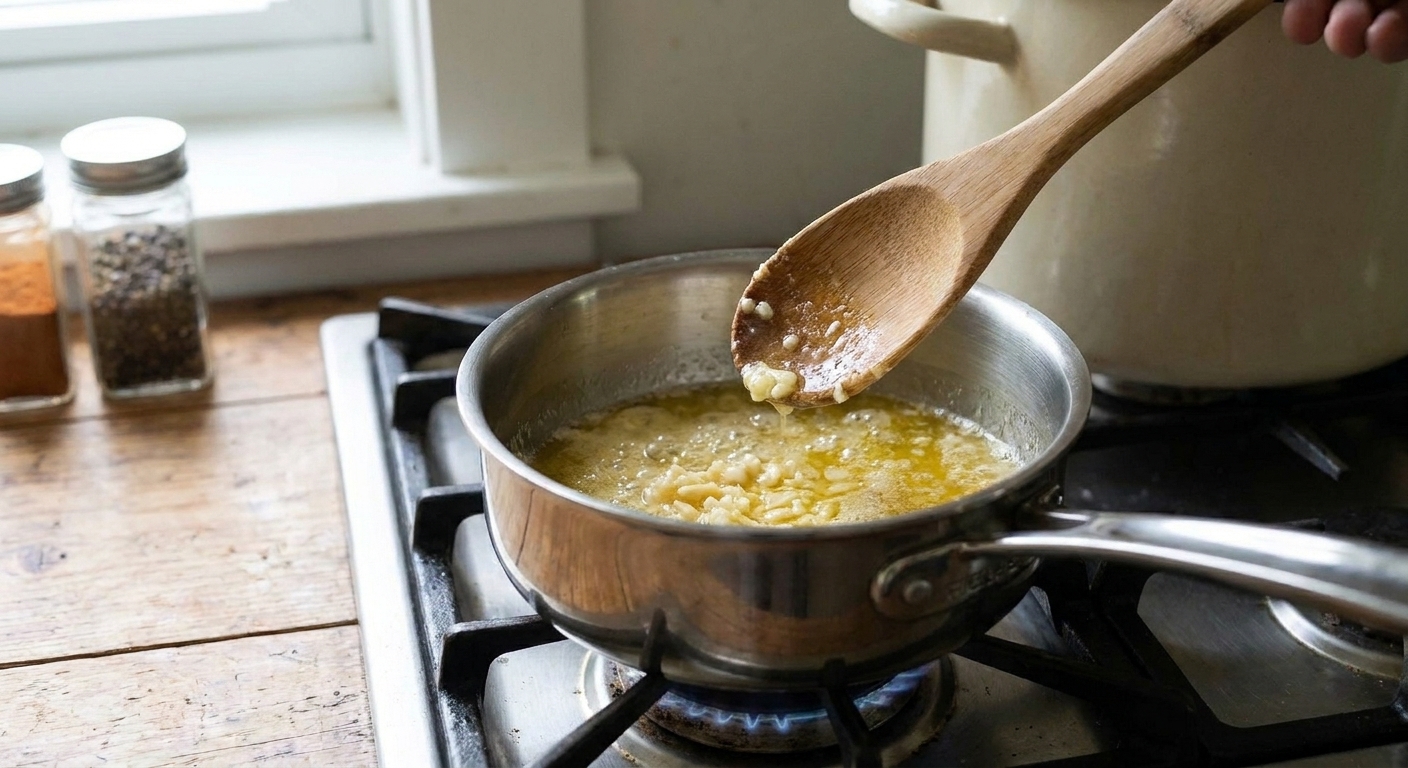
Old Bay in finishing butter
- Per 1/2 cup (1 stick) melted butter: 1 to 2 teaspoons Old Bay
- Add: 2 to 4 minced garlic cloves and a squeeze of lemon if you want it extra craveable
This gives you that signature Old Bay aroma without turning the butter into a salt bomb.
How much Cajun seasoning to use
Cajun seasoning is where you can fine-tune the heat. Because brands vary, I recommend tasting a pinch. If it is peppery but not salty, you will season differently than if it tastes salty right away. These are starting points that you can adjust next time once you know your blend.
Cajun seasoning in the water
- Start with: 1 to 2 tablespoons Cajun seasoning per gallon of water
- For spicy: 2 to 3 tablespoons per gallon, especially if you love cayenne heat
Pot size anchor: For about 4 gallons (16 quarts) of water, that is roughly 4 to 12 tablespoons total, depending on your heat tolerance and your brand.
Salt note: If your Cajun blend is not very salty, add salt to the water too. A good starting point is 1 tablespoon of kosher salt per gallon, then adjust next time to your taste.
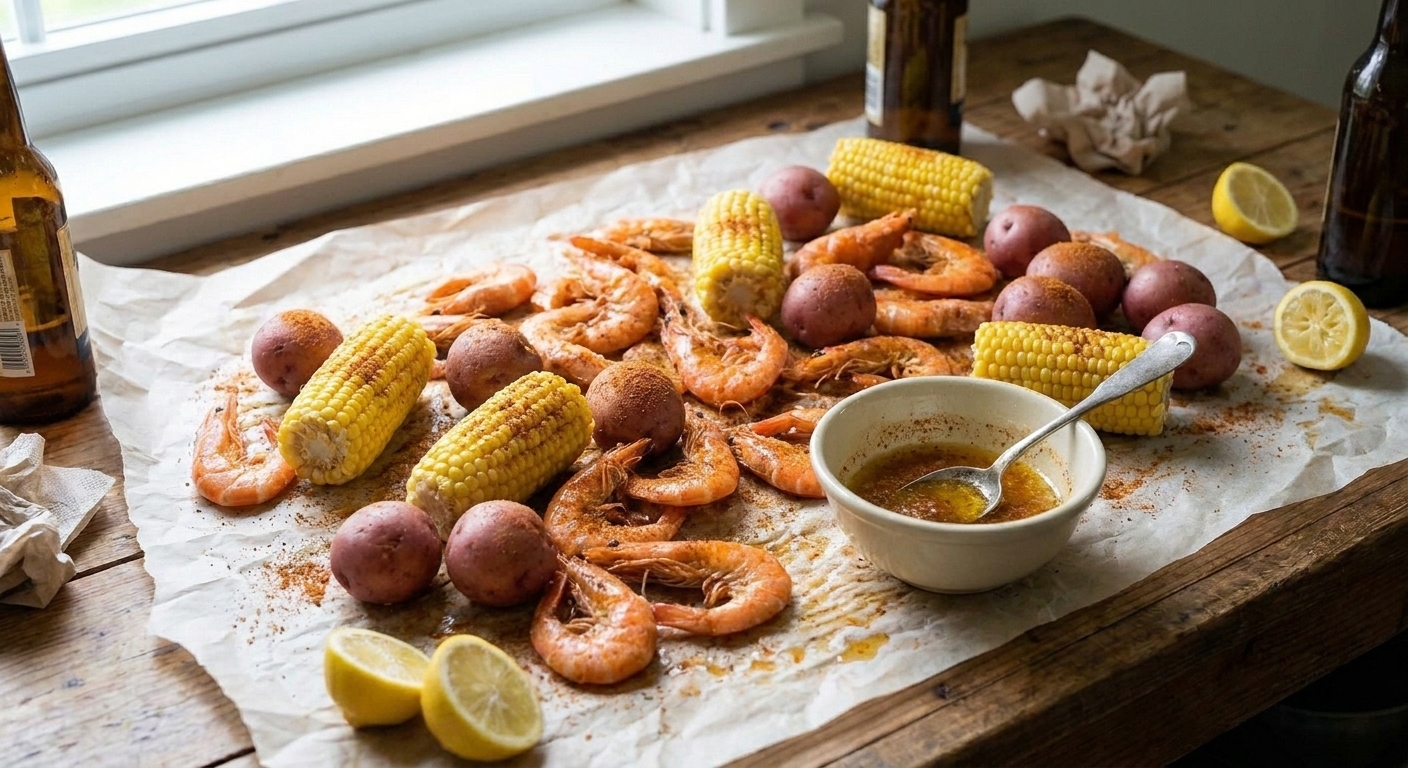
Cajun seasoning in finishing butter
- Per 1/2 cup (1 stick) melted butter: 2 to 3 teaspoons Cajun seasoning
- Optional for extra heat: a pinch of cayenne or hot sauce
- My always: lots of garlic. I mean it. Do not be shy.
This is the easiest way to give adults a spicy drizzle while keeping the boil itself friendly for kids or sensitive eaters.
If you can only buy one
If you are standing in the spice aisle trying to choose, here is my simplest decision guide.
- Buy Old Bay if you want classic seafood-boil flavor, gentle warmth, and you do not want to think too hard about building seasoning from scratch.
- Buy Cajun seasoning if you want a bolder, peppery boil, you like heat, and you want the option to go mild or spicy depending on how much you add.
And truly, if your household is split, buy Cajun and keep the water moderately seasoned. Then let people spoon extra Cajun butter over their own piles. That way, nobody is stuck with a pot that is too spicy to enjoy.
Can you use both?
Using both is not “wrong,” it is delicious if you do it intentionally.
My favorite combo
- In the water: Old Bay for that aromatic, classic boil base
- In the butter: Cajun seasoning for heat and peppery punch
This combo gives you the best of both worlds: potatoes and corn taste seasoned all the way through, and the finishing drizzle brings the excitement.
Common mistakes
- Mistake: Oversalting the water when using Old Bay. Fix: Use Old Bay first, then taste the broth and adjust salt lightly.
- Mistake: Making the pot too spicy for the table. Fix: Keep water seasoning moderate and push heat into the finishing butter.
- Mistake: Seasoning only the water and skipping the butter. Fix: Even a quick melted butter with garlic and seasoning makes the whole boil taste intentional.
- Mistake: Not using enough acid. Fix: Add lemon halves to the water and squeeze fresh lemon over the finished boil.
- Mistake: Overcooking the shrimp. Fix: Add shrimp last and pull them as soon as they turn pink and curl.
FAQ
Do I still need salt if I use Old Bay?
Maybe not. Old Bay-style blends are often salty on their own. I usually start with no extra salt in the pot, then taste the broth once it is simmering and decide if it needs a small boost.
Is Cajun seasoning the same as Creole seasoning?
They are related but not identical, and blends vary a lot by brand and region. Creole seasonings often lean a little more herby, while Cajun seasonings tend to be heavier on peppers and heat. Either can work in a shrimp boil. Taste the blend and season accordingly.
How do I keep shrimp from tasting bland after boiling?
Two things help most: season the water generously enough to taste it, and finish with seasoned butter so flavor clings to the shrimp as you eat.
Can I make the finishing butter ahead?
Yes. Make it, cool it, and refrigerate. Rewarm gently on the stove or in the microwave until just melted. If it separates a bit, whisk or stir and it will come back together.