

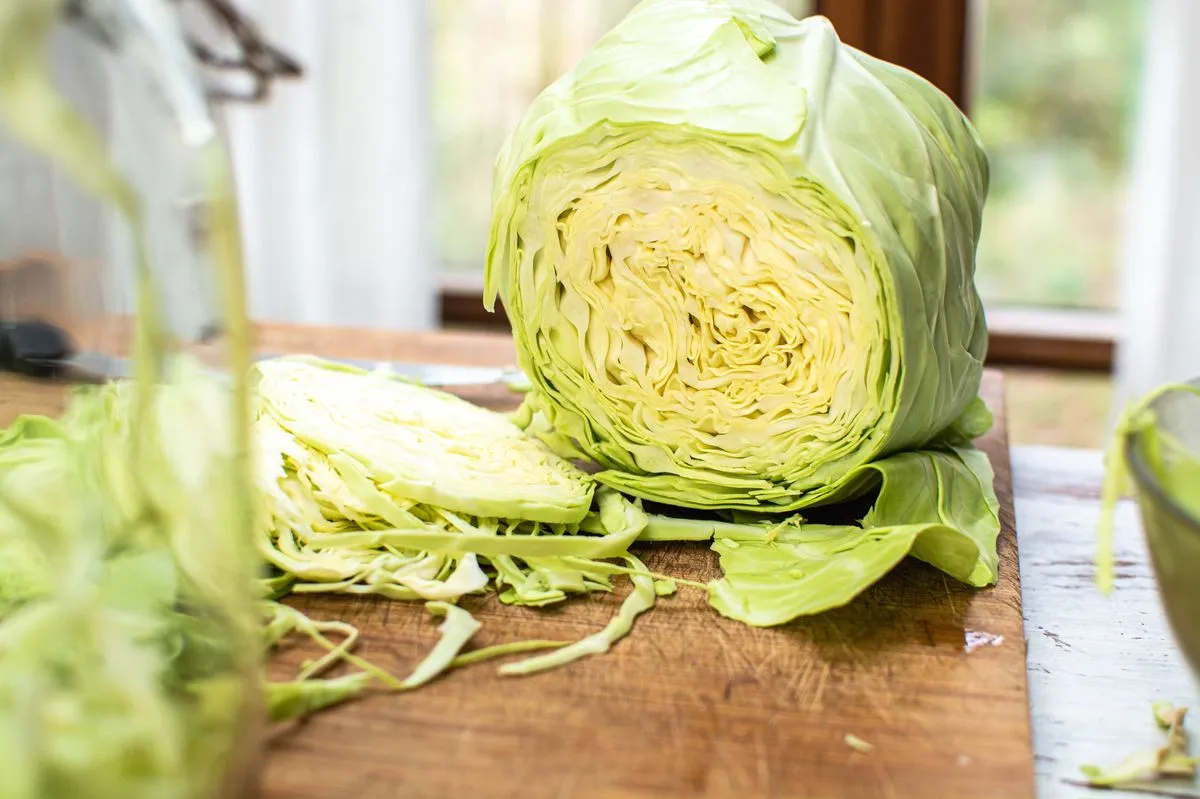
I love a good coleslaw moment, especially when I want something cool and crunchy next to grilled chicken or pulled pork. But I do not always want to drag out the food processor, wash all the parts, and then wonder why half the cabbage turned into confetti. The good news is: you can absolutely shred cabbage by hand, and you can control the texture so your slaw stays crisp, not soggy.

What you need
You only need one tool and one method. Pick what you have and what texture you want.
- Chef’s knife (best all-around, most control)
- Box grater (fast for fine shreds, very classic deli-style)
- Mandoline (quickest for ultra-thin ribbons, but requires extra safety focus)
- Cutting board and damp towel (to keep the board from sliding)
- Big bowl for catching shreds
My small-but-mighty tip: Chill the cabbage first if you can. Cold cabbage is firmer and tends to slice more cleanly, which makes it easier to get thin, even shreds.
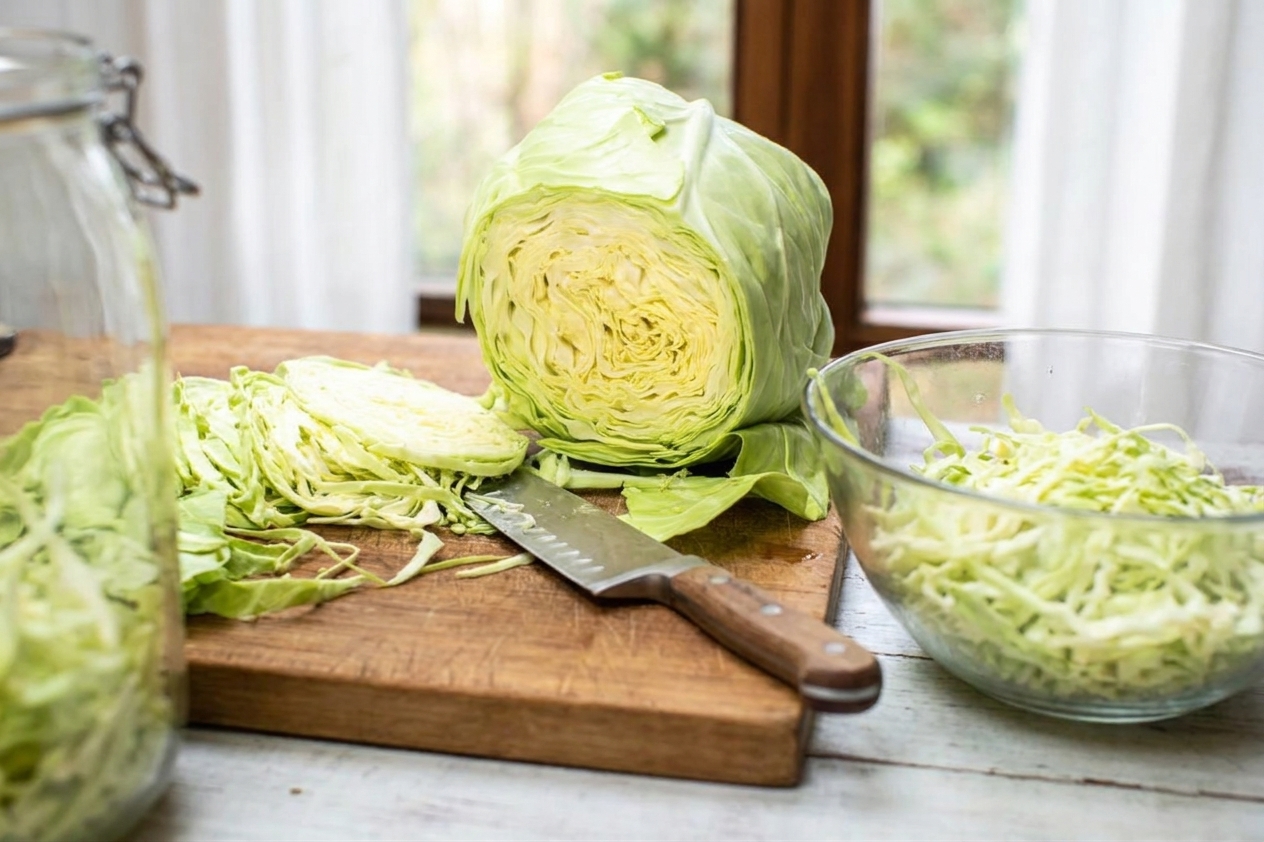
Core and prep cabbage
Whether you are using a knife, grater, or mandoline, this prep makes everything easier and safer.
Step 1: Remove rough outer leaves
Peel off the first 1 to 2 outer leaves if they look wilted, torn, or dirty. Inner leaves are sweeter and more tender.
Step 2: Cut into wedges
Set the cabbage stem-side down for stability, then cut it in half through the core. For a large head, cut each half into quarters.
Step 3: Remove the core
The core is tough and can create hard chunks in slaw. To remove it:
- Lay a quarter wedge flat.
- Slice along the core at an angle on one side, then the other, creating a small triangle.
- Lift the core out and discard or save for stock.
Leave a little core if you want structure: If you like extra crunch, you can leave a thin strip of the core attached. Just avoid big, woody pieces.
Method 1: Knife
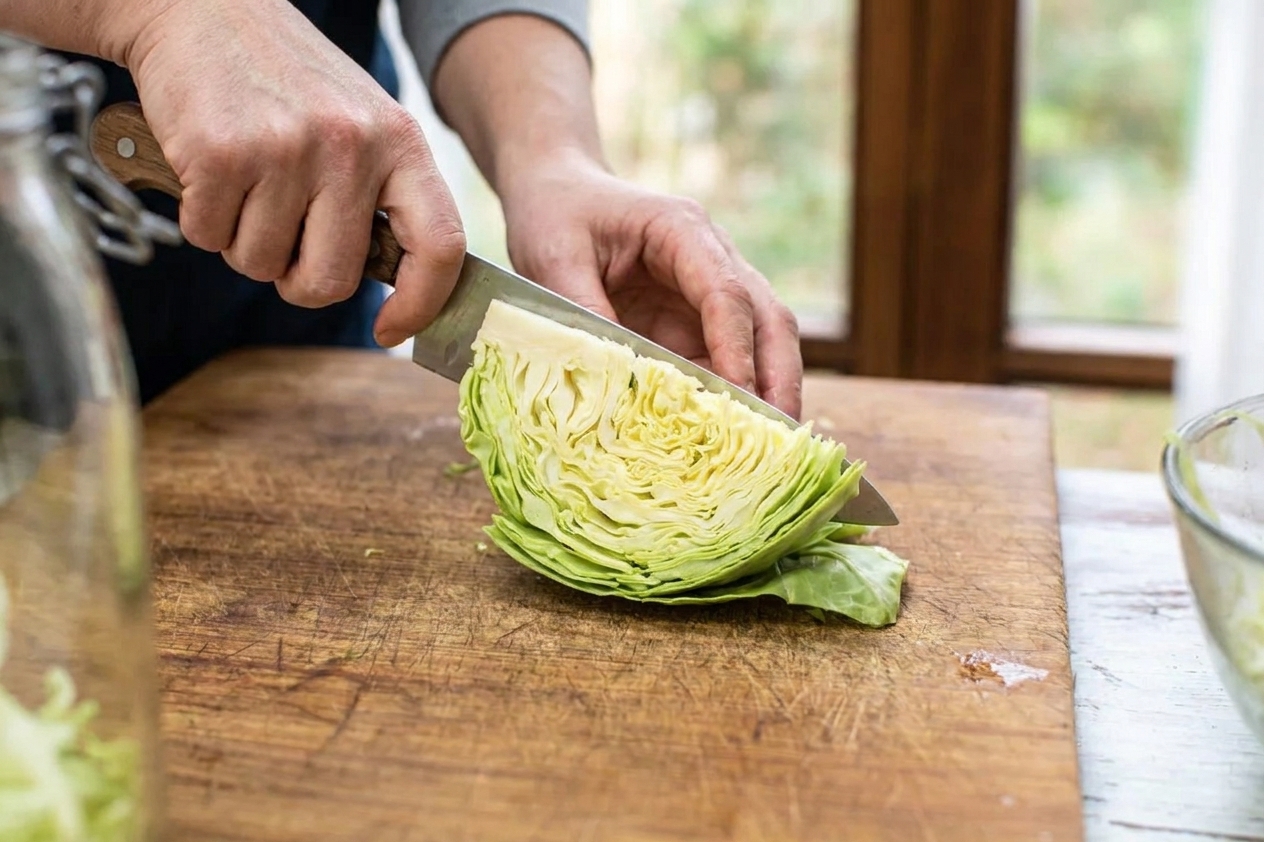
If I could only teach one method, it would be this. Knife-shredded cabbage gives you control over thickness, which controls crunch.
How to do it
- Flatten a wedge. Place a cored cabbage wedge cut-side down so it does not wobble.
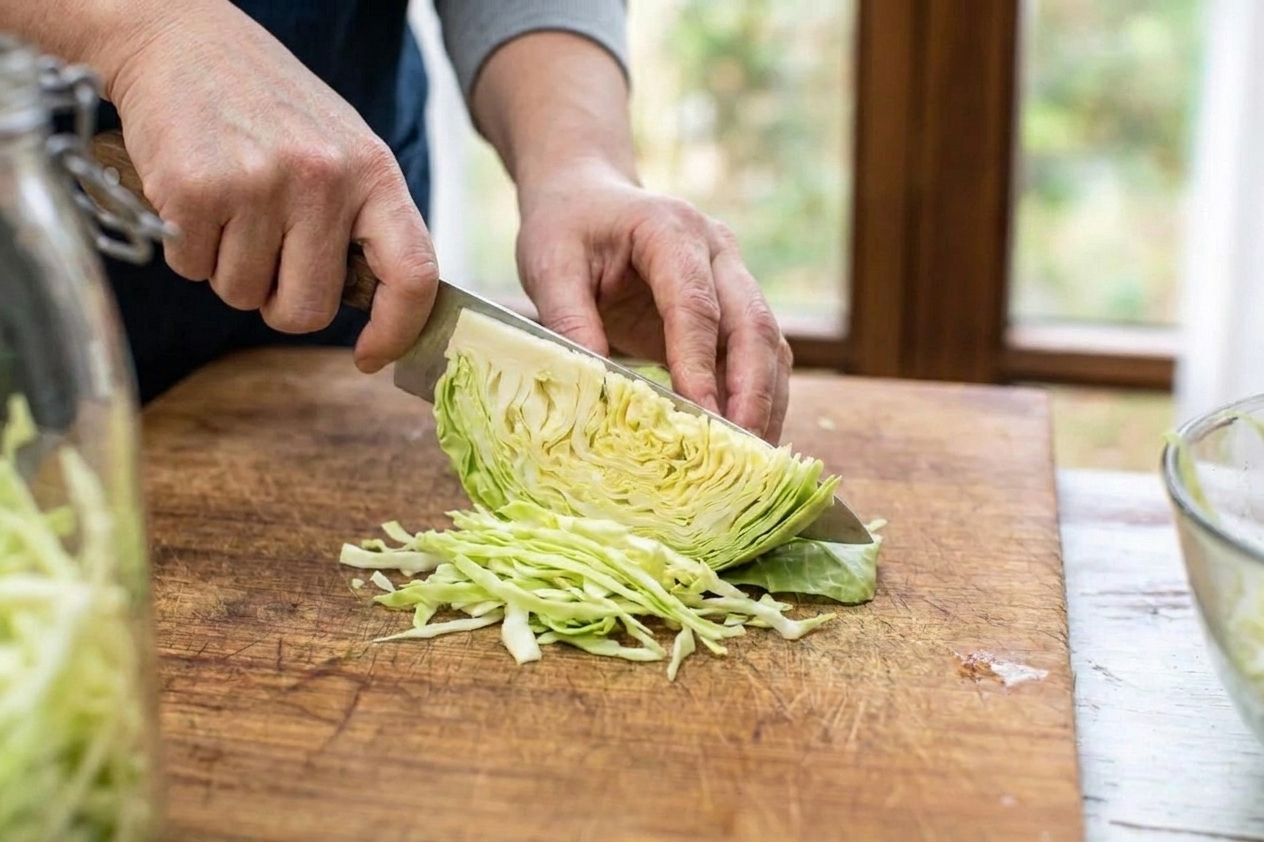
- Slice across the wedge. Cut thin slices across the wedge (perpendicular to the leaf layers) to make ribbons.
- Separate the ribbons. Fluff with your fingers as you go so it does not clump.
How thin should you slice?
- Thin ribbons (about 1/8 inch): Classic coleslaw texture. Crunchy but easy to eat.
- Ultra-thin (as thin as you can safely manage): Softer, more “restaurant-style,” and it soaks up dressing faster.
- Thicker slices (1/4 inch): Bold crunch, better for vinegar-based slaws that sit a while.
Teacher voice for a second: Go slow, keep your fingertips curled under in a claw grip, and let the knife do the work. Speed comes after consistency.
Want longer ribbons? Slice with the leaf layers rather than straight across them. You will get longer, noodle-like shreds that are great for sandwich slaw.
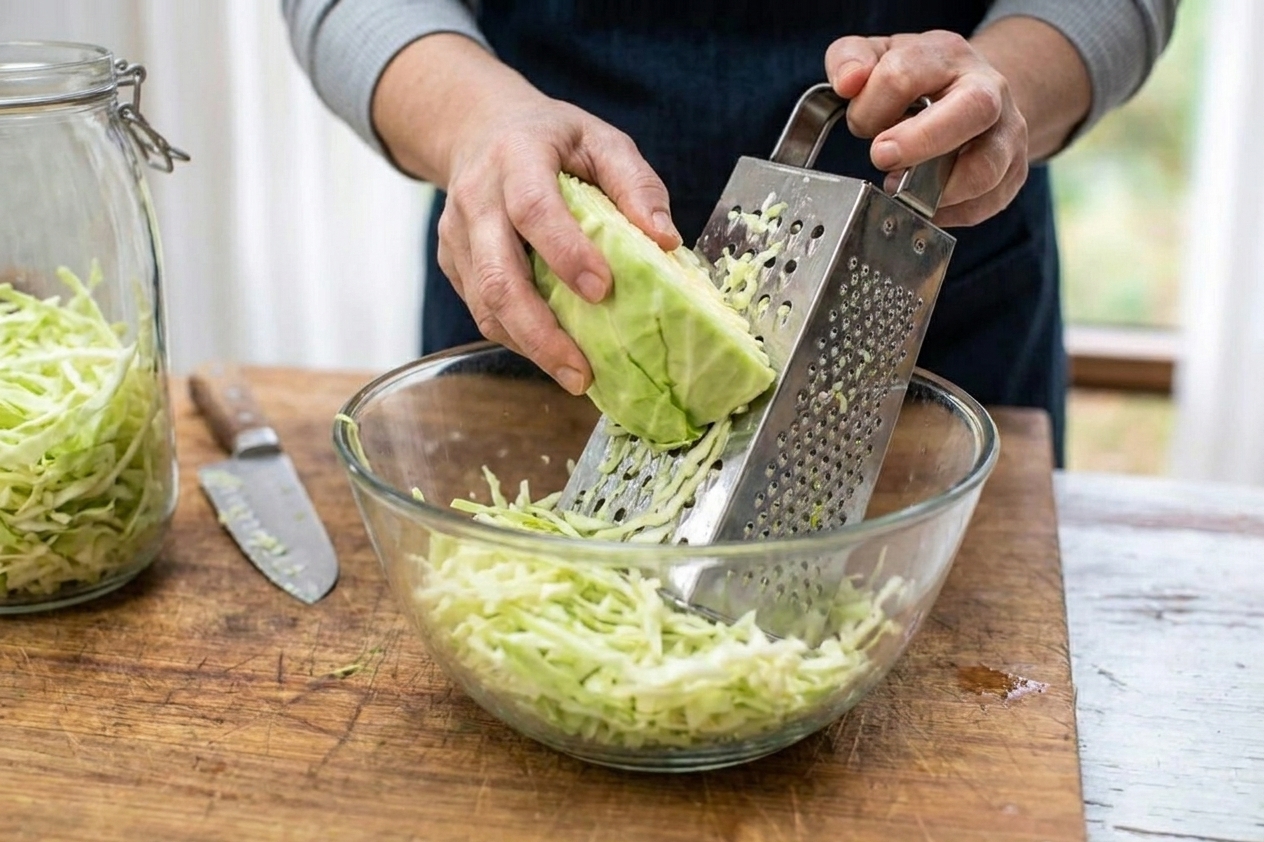
Method 2: Box grater
This is my favorite when I want very fine shreds quickly without thinking too hard about perfect knife skills. It also mimics the finer texture you get from many deli counters.
Best setup
- Use the large-hole side for typical coleslaw shreds.
- Set the grater in a large bowl so the cabbage falls right in.
- Work with small wedges so you are not wrestling a whole quarter head.
How to do it safely
- Hold the grater steady. One hand on the top handle.
- Grate downward. Use firm, even pressure.
- Stop early. When you get down to a small nub, stop and switch to a new piece. Fingers are not an ingredient.
Texture note: Box grater shreds are usually shorter and finer than knife ribbons. They soften faster once dressed, which is great if you like a more tender slaw.
Method 3: Mandoline
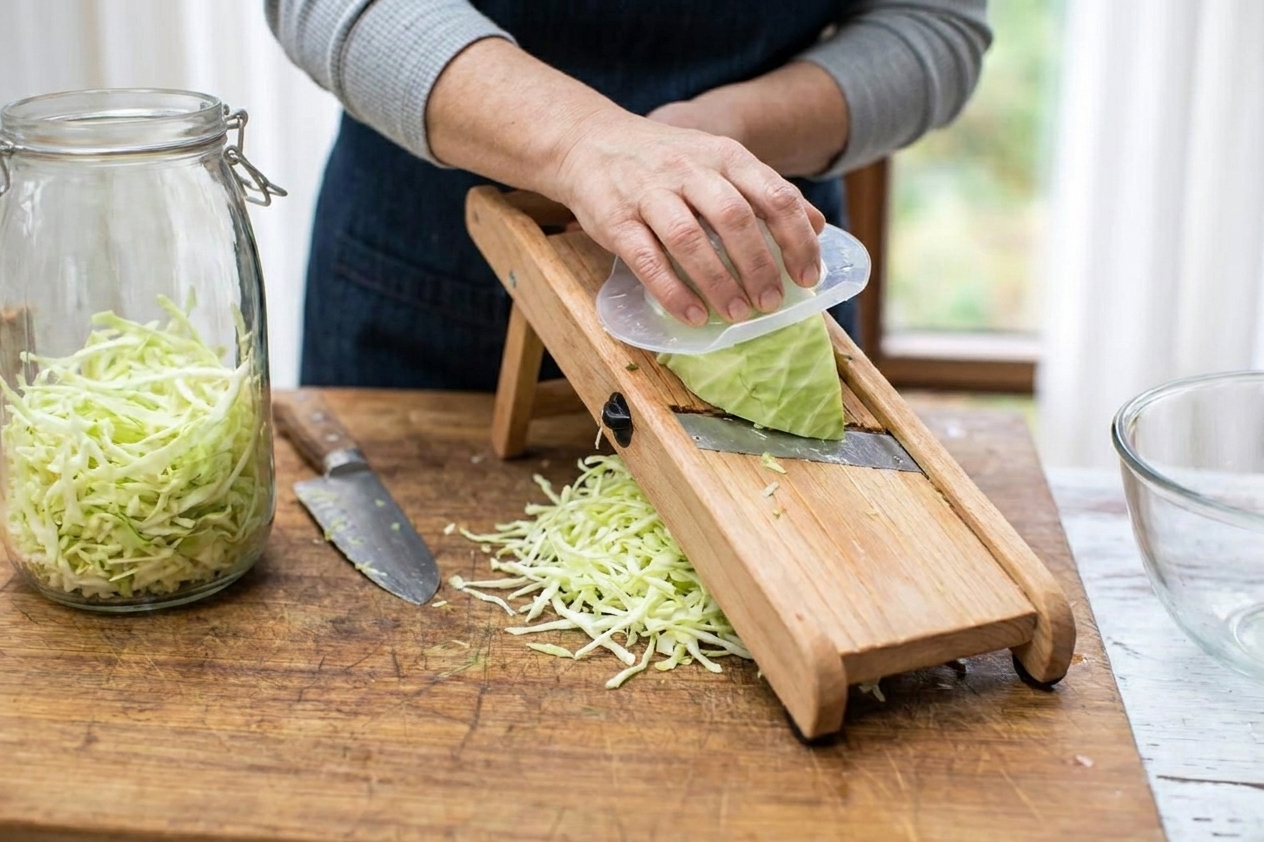
A mandoline gives you the thinnest, most uniform shreds. It is also the tool most likely to bite back, so please treat it with respect.
Mandoline basics
- Use the hand guard if your mandoline came with one.
- If you do not have a guard, use a cut-resistant glove.
- Start with a medium-thin setting, then adjust thinner if you want.
How to shred cabbage on a mandoline
- Cut into flat pieces. Cored quarters often work well, but trim if needed so a cut side lies flat.
- Slide smoothly. Use steady strokes, keeping the cabbage flat against the blade.
- Stop before it gets small. Discard or knife-slice the last bit.
Texture note: Mandoline cabbage is whisper-thin. It will taste crisp at first, but it wilts faster in dressing, especially creamy dressing. This is ideal when you want a slaw that feels cohesive and scoopable.
How thickness affects crunch
This is the part most people do not realize until the slaw is sitting in the fridge: more cutting means more surface area, and that usually means cabbage gives up water faster once you add salt, sugar, acid, and time. Thickness matters, but the dressing and how long it sits matter too.
| Cut size | What it feels like | Best for | How it behaves in dressing |
|---|---|---|---|
| Very thin | Silky, tender-crisp | Creamy slaw, “restaurant-style” slaw | Softens quickly, can get juicy |
| Thin | Classic crunch | Most coleslaw | Stays crunchy longer, good balance |
| Medium | Big bite, extra crisp | Vinegar slaws, slaw for sandwiches | Holds crunch, dressing clings less |
My personal rule: If you are serving slaw right away, go thin. If it needs to sit for an hour or more, go slightly thicker.
Keep shredded cabbage crisp
If you want that fresh, snappy crunch, a few small steps make a huge difference.
1) Keep it cold
Cold cabbage stays firm. If your kitchen is warm, pop the shredded cabbage in the fridge while you prep everything else.
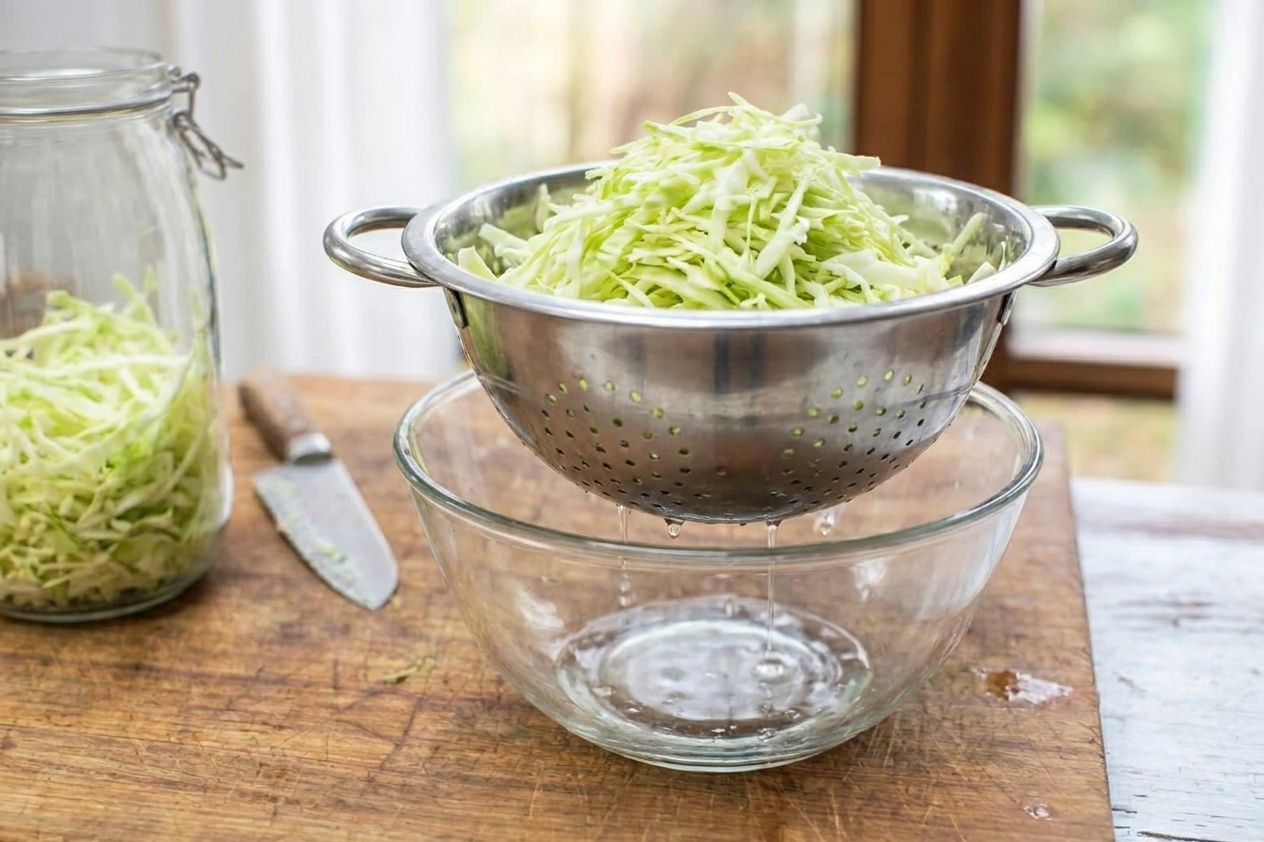
2) Salt briefly, then drain (optional)
If you are making creamy coleslaw and you hate watery dressing, try this:
- Toss shredded cabbage with about 1/2 teaspoon kosher salt per pound to start.
- Let sit 15 to 30 minutes.
- Squeeze gently, then blot with a clean towel.
Salt brands vary, so start light. You can always season the dressing after. This draws out excess moisture so the dressing stays thick. It will also soften the cabbage a bit, so skip it if you want maximum crunch.
3) Dress close to serving when possible
For the crunchiest slaw, keep cabbage and dressing separate and toss 15 to 30 minutes before serving. That gives flavor time to soak in without turning limp.
4) Do not pack it tight
For make-ahead shredded cabbage, store it loosely in the container. Packing it down encourages bruising and speeds up wilting.
Common mistakes and fixes
- Slaw turns watery: Shred slightly thicker next time, chill the cabbage, or use the quick salt-and-drain trick. Also remember that salty, sweet, and acidic dressings pull moisture out over time.
- Pieces are uneven: Cut the cabbage into flatter wedges so it sits stable, then slow down and focus on consistent strokes.
- Tough chunks in the bowl: Remove more of the core, especially the dense center.
- Mandoline feels scary: That is your instincts working. Use a hand guard or cut-resistant glove, and stop before the piece gets small.
FAQ
Is green or purple cabbage better for coleslaw?
Both work. Green cabbage is classic and mild. Purple cabbage is slightly peppery and makes a gorgeous slaw, but it can tint creamy dressing pinkish over time. For a balanced look and flavor, I often do mostly green with a handful of purple. If you really care about color, dress right before serving, or keep the purple cabbage separate until the last minute.
Do I have to wash cabbage before shredding?
If the outer leaves look clean, you can peel and discard them and skip washing. If there is visible dirt or you prefer to rinse, wash the leaves you will use and dry very well so your slaw does not get watery.
What is the easiest way to shred cabbage without special tools?
A chef’s knife is the simplest and most reliable. Cut into wedges, remove the core, lay a wedge flat, then slice thinly across the wedge to make ribbons.
Can I shred cabbage ahead of time?
Yes. Shred cabbage 1 to 2 days ahead (best within 24 to 48 hours). Store it in an airtight container with a paper towel tucked inside to absorb excess moisture, and do not pack it down. Keep dressing separate until close to serving for the best crunch.
Why does my cabbage get limp after I add dressing?
Dressing, especially anything with salt, sugar, or acid, pulls water out of cabbage over time. Thinner shreds wilt faster than thicker ones because there is more exposed surface area. If you want a slaw that stays crisp longer, shred slightly thicker and toss closer to serving.