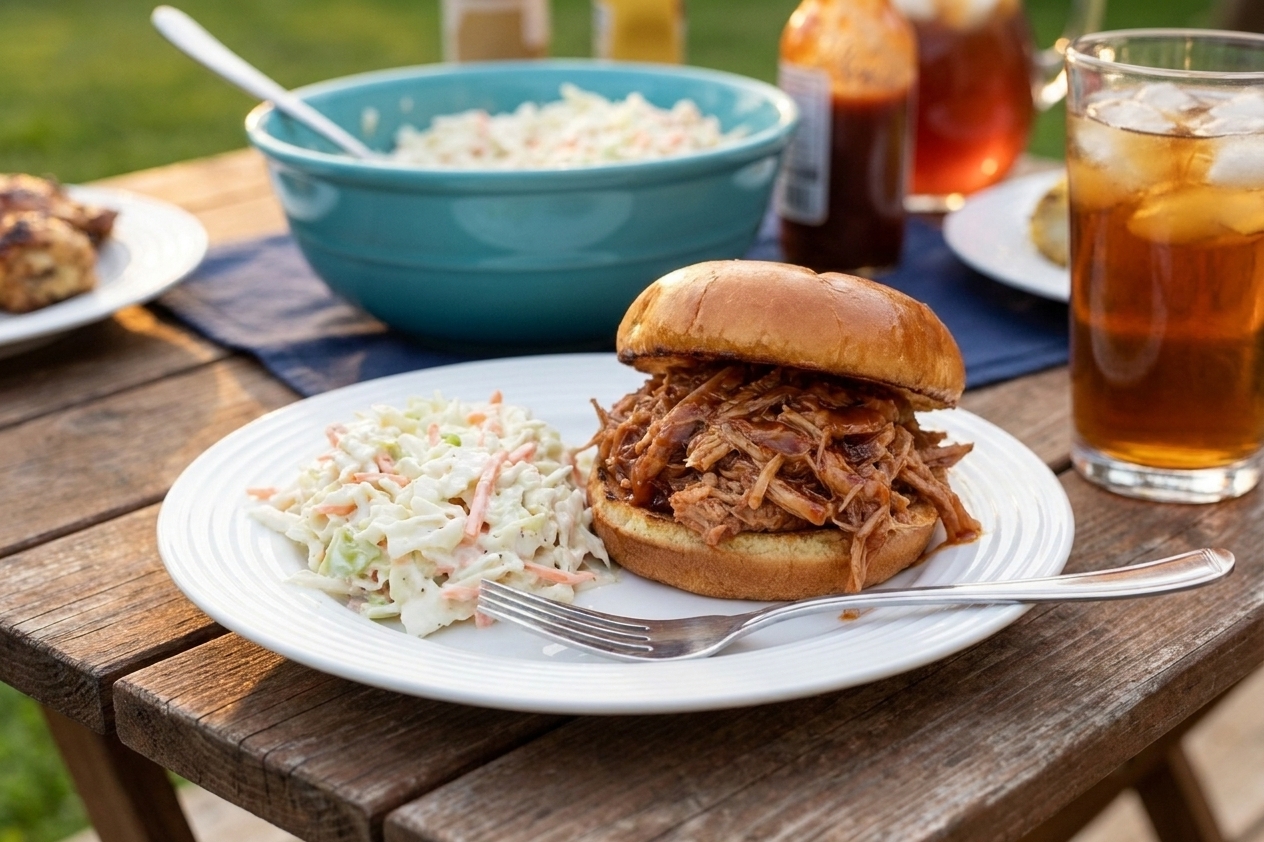

I have made a truly unreasonable amount of coleslaw in my life. Potlucks, backyard BBQs, weeknight pulled pork, you name it. And if there is one thing I have learned (usually while standing at the fridge, spoon in hand), it’s this: the “right” slaw is the one that matches your menu, your timeline, and how long it needs to sit out.
So let’s settle the creamy coleslaw vs. vinegar coleslaw question the way I would if you were in my kitchen with me: we’ll talk flavor, texture, buffet behavior, what meats they love, and exactly how far ahead you can dress each one without ending up with a watery bowl of regret.

The quick decision
If you just need an answer and you need it now, here’s my very practical cheat sheet.
- Choose creamy coleslaw when you want a cool, rich, slightly sweet slaw that mellows spicy or smoky foods and feels like classic deli or fried chicken slaw.
- Choose vinegar coleslaw when you want crunch, brightness, and a tangy bite that cuts through fatty meats.
One quick reality check before we dive in: vinegar is not a food-safety force field. Even vinegar slaw still needs smart time and temperature habits, especially outdoors. More on that below.
How they taste
Creamy coleslaw (mayo-based)
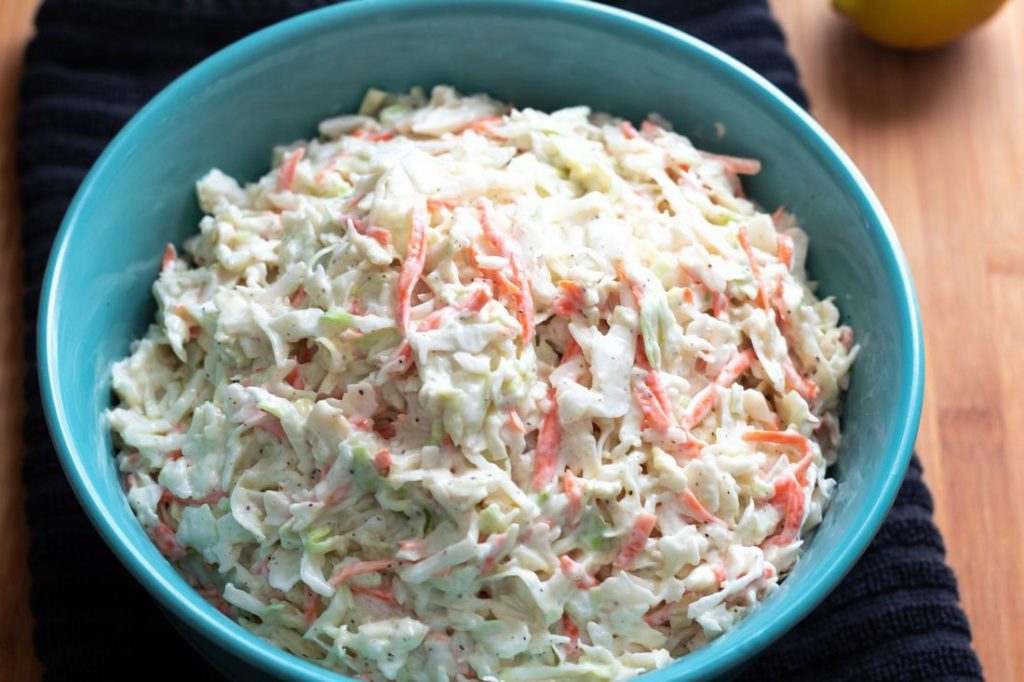
Creamy coleslaw is comfort food energy. The dressing is usually mayonnaise plus something sweet and something acidic (like sugar and vinegar or lemon). The result is rich, smooth, and slightly tangy, with a cozy sweetness that makes it feel familiar.
This is also the style people tend to expect with fried chicken plates, cookout burgers, and classic “BBQ joint sides.” If your table is full of kids, picky eaters, or anyone who loves that old-school deli vibe, creamy is the safe and happy choice.
Vinegar coleslaw (oil-and-vinegar)
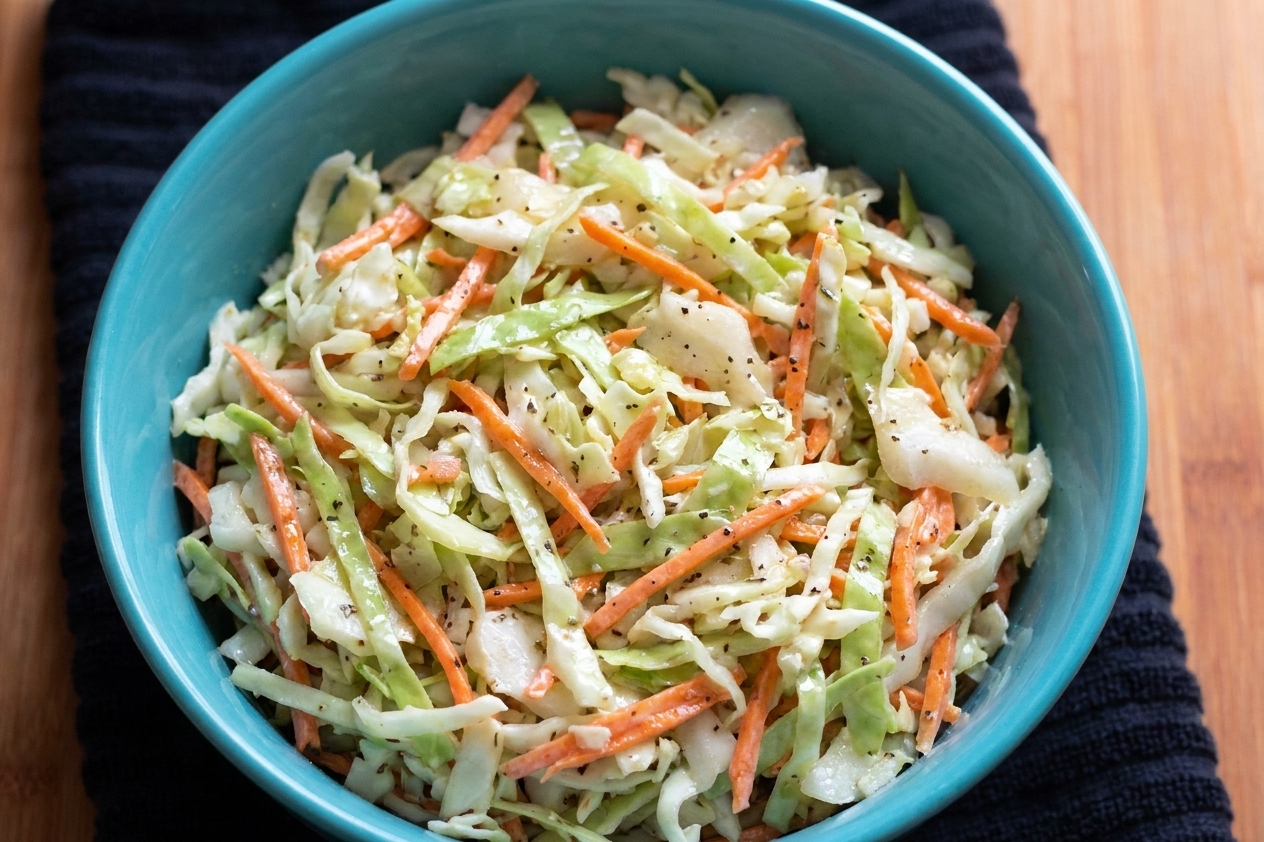
Vinegar coleslaw is the wake-up call. It is tangier, brighter, and cleaner on the palate. Depending on the recipe, you might get a little sweetness, a little mustardy bite, maybe even a pinch of crushed red pepper. It tastes less like “salad” and more like a crunchy condiment that keeps you reaching back for another forkful.
If the main dish is rich, saucy, or fatty, vinegar coleslaw is the friend that balances everything out.
Worth noting: there are lots of hybrids out there. Some “vinegar slaws” have a spoonful of mayo. Some “creamy slaws” use sour cream or yogurt. The labels are helpful, but the ingredient list wins.
Texture and crunch
This matters more than people think. Salt and acid pull water out of cabbage over time. The dressing either hides that liquid well or it does not.
Creamy coleslaw texture
- At first: crisp-tender and creamy.
- As it sits: the cabbage softens faster, and the bowl can get watery if it is overdressed or not drained well.
- The upside: the creaminess can disguise a little softening, so it still tastes pleasant even after it relaxes.
Vinegar coleslaw texture
- At first: very crunchy and bright.
- As it sits: it can stay crunchy longer, especially if it is lightly dressed. But the cabbage will still release liquid, and the flavors can intensify.
- The upside: vinegar coleslaw often tastes better after a short rest because the flavors soak in without turning heavy.
If crunch is your number one priority, vinegar coleslaw usually wins. If “lush and creamy” is your goal, creamy coleslaw is worth the trade.
Buffet and food safety
Here’s where real life kicks in: the slaw is going to sit out while people wander around with paper plates and tell long stories about their new grill.
The simple rule: treat coleslaw like any other perishable side. For safety, keep it cold (under 40°F or 4°C when you can), and do not let it sit out longer than 2 hours. If it is a hot day (above 90°F or 32°C), aim for 1 hour. Acid helps with flavor, not with ignoring the clock.
Creamy coleslaw on a buffet
Creamy coleslaw is more temperature sensitive because it is mayo-based. It is happiest when it is kept cold and replenished in smaller batches.
- Best move: set the serving bowl inside a larger bowl filled with ice.
- Smart hosting trick: keep a backup container in the fridge and refill the bowl as needed instead of putting the whole batch out at once.
- What can go wrong: it warms up, gets looser, and the dressing can separate a bit.
Vinegar coleslaw on a buffet
Vinegar coleslaw is often more forgiving in texture at room temperature because it does not rely on mayo for its structure. Safety-wise, it still needs the same time and temperature rules as any salad, especially if your recipe includes mayo, eggs, or other temperature-sensitive ingredients.
- Best move: toss again right before serving to redistribute the dressing.
- What can go wrong: if it is strongly dressed, it can become very punchy after a couple of hours.
If your party involves outdoor heat or long grazing, vinegar coleslaw is often the lower-stress option for texture. Either way, keep it cold and swap in fresh bowls as needed.
Best pairings
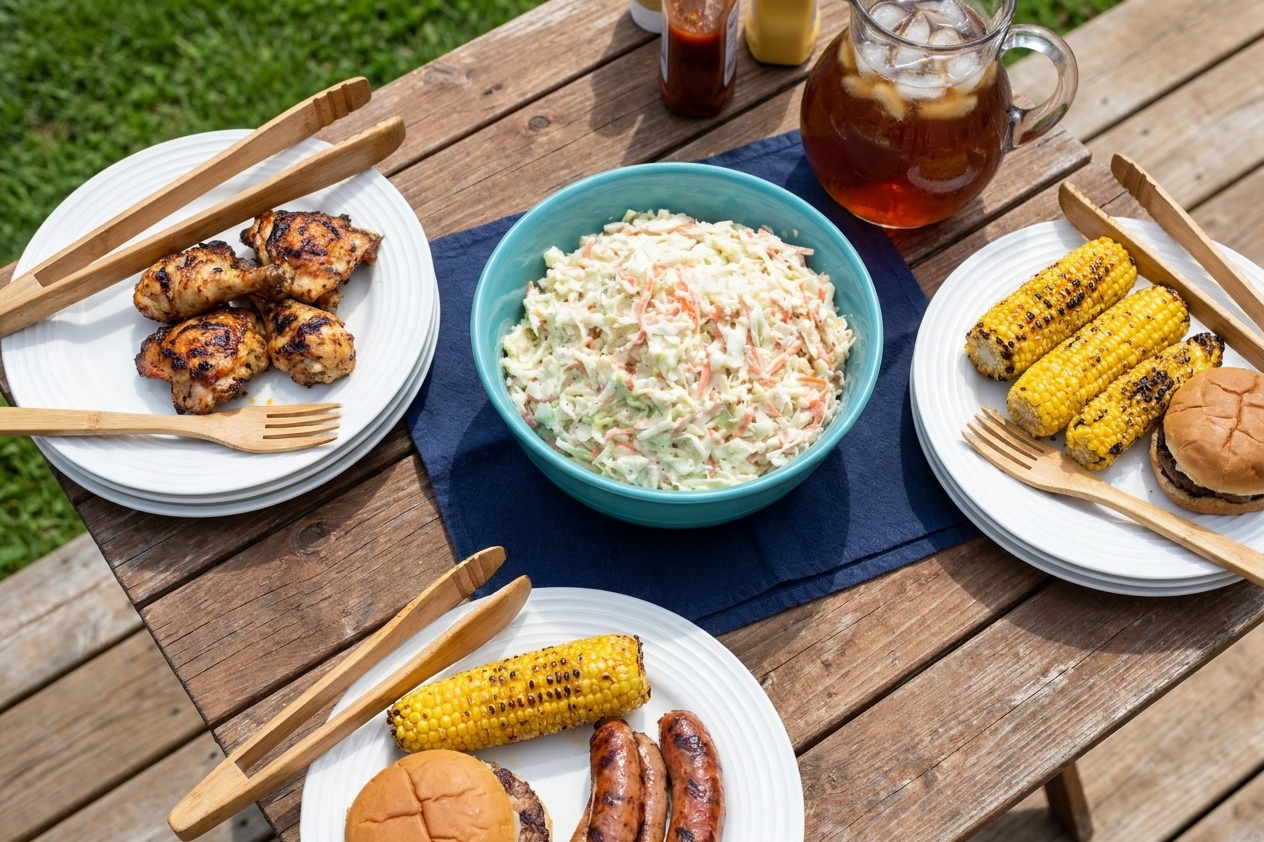
I like thinking of coleslaw as the “balance” on the plate. You want it to either cool things down or cut through richness.
Creamy coleslaw pairs best with
- Fried chicken and tenders: creamy coleslaw is the classic cooling side.
- Burgers and hot dogs: especially if everything else on the plate is salty and smoky.
- Spicy BBQ: creamy coleslaw mellows heat in a really satisfying way.
- Fish sandwiches or tacos: when you want a soft, rich contrast.
Vinegar coleslaw pairs best with
- Pulled pork: especially saucy or sweet pulled pork, where you need tang to cut through.
- Brisket and smoked meats: vinegar coleslaw keeps the plate from feeling too heavy.
- Sausage: it handles fattier bites beautifully.
- Anything with a sweet glaze: think ribs, teriyaki-ish chicken, or honey BBQ.
My personal rule: if the meat is crispy or spicy, I lean creamy. If the meat is fatty or saucy-sweet, I lean vinegar.
Make-ahead timing
This is the part that saves dinner, because coleslaw always looks like an easy side until you remember you are also grilling, toasting buns, and trying not to burn the corn.
These windows are practical kitchen guidance, not unbreakable laws. Cabbage cut size, salt level, and how juicy your veggies are will all nudge things around.
Creamy coleslaw timing
- Best window for dressing: 1 to 4 hours ahead.
- Can you dress it the night before? Yes, but expect a softer texture and plan to drain and re-toss if it gets watery.
- My favorite strategy: shred and mix the vegetables up to 24 hours ahead, keep them dry in a container, then stir together the dressing separately. Toss them together a few hours before serving.
My tip: If you are using a very watery cabbage, lightly salt the shredded cabbage for 20 to 30 minutes, then squeeze and drain before dressing. This helps creamy coleslaw stay thick instead of soupy.
Vinegar coleslaw timing
- Best window for dressing: 30 minutes to 8 hours ahead.
- Can you dress it the night before? Often yes. It tends to hold up well, though it can get more intense and slightly softer by the next day.
- My favorite strategy: dress it 1 to 2 hours before serving so it stays crunchy but the flavors have time to mingle.
My tip: If your vinegar coleslaw tastes too sharp after sitting, a tiny pinch of sugar or a drizzle of honey can round it out fast.
Nutrition notes
Both slaws can absolutely fit into a balanced plate, but they do land differently.
Creamy coleslaw
- Typically higher in fat and calories because of mayonnaise.
- Often contains added sugar for that classic sweet-tangy flavor.
- Easy to adapt with light mayo or Greek yogurt, but the flavor shifts a bit.
Vinegar coleslaw
- Often lighter, especially if it uses a modest amount of oil.
- Usually dairy-free, and it is easy to make egg-free if that matters for your table.
- Holds its flavor even with less sweetener.
If you are feeding a crowd with mixed preferences, vinegar coleslaw is often the easier “covers more bases” option. If the goal is pure comfort, creamy coleslaw is the winner.
Common problems
“My creamy coleslaw is watery.”
- Salt and drain the cabbage before mixing.
- Dress closer to serving.
- Use a thicker mayo base and go easy on extra vinegar or milk.
“My vinegar coleslaw is too sharp.”
- Add a little sweetness, even just a pinch.
- Balance with a bit more oil.
- Let it rest 20 minutes and taste again. The cabbage naturally tames the bite.
“My coleslaw tastes flat.”
- Add salt. Not a lot, just enough to wake it up.
- Add acid. A small splash of vinegar or squeeze of lemon goes a long way.
- Add something punchy: celery seed, Dijon, grated onion, extra garlic. (You knew I was going to say that.)
FAQ
Which coleslaw is better for pulled pork?
Vinegar coleslaw is my top pick for pulled pork, especially if your pork is sweet or saucy. That tang and crunch cut through richness and keep the sandwich from feeling heavy. If your pulled pork is very spicy, creamy coleslaw can also be fantastic as a cooling contrast.
Which coleslaw is best with fried chicken?
Creamy coleslaw is the classic fried chicken pairing. It is cool, rich, and slightly sweet, which balances salty, crunchy chicken beautifully.
Can I make coleslaw the day before?
Yes. For creamy coleslaw, it is best to prep veggies and dressing separately and toss a few hours before serving. For vinegar coleslaw, you can usually dress it the night before, then toss again before serving and adjust seasoning if needed.
How long can coleslaw sit out at a party?
For safety and quality, keep any coleslaw cold and serve in smaller batches. As a general guideline, do not leave it out for more than 2 hours (or 1 hour if it’s above 90°F or 32°C). Vinegar coleslaw may hold its texture longer, but it still needs the same time and temperature rules.
Is vinegar coleslaw always oil-based?
Usually, yes. Most vinegar slaws use vinegar plus oil (and often sugar, mustard, or seasonings). Some versions use no oil at all for an extra-light, very crisp style, and a few include a little mayo for creaminess.
My final pick
If you tell me what’s on your grill, I can usually tell you which coleslaw to make.
- Fried chicken, burgers, spicy BBQ: go creamy.
- Pulled pork, brisket, ribs with sweet sauce: go vinegar.
- Long buffet, outdoor heat, grazing party: lean vinegar for texture, and keep it cold either way.
- Nostalgic comfort plate: creamy all day.
And truly, you cannot lose here. Both are cabbage, crunch, and a little kitchen magic. Pick the one that makes the rest of dinner feel easier, then put on some music, mince some garlic (extra), and enjoy the ritual.