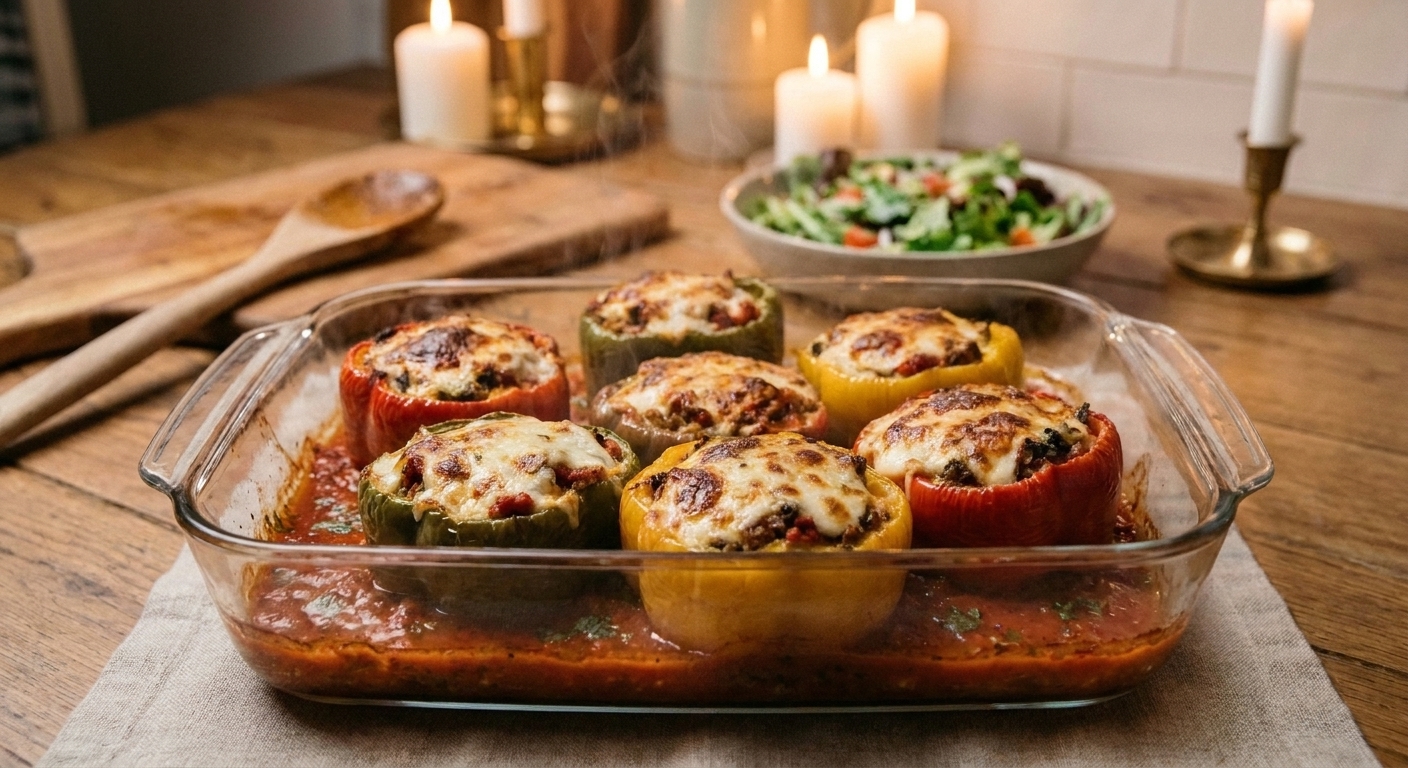

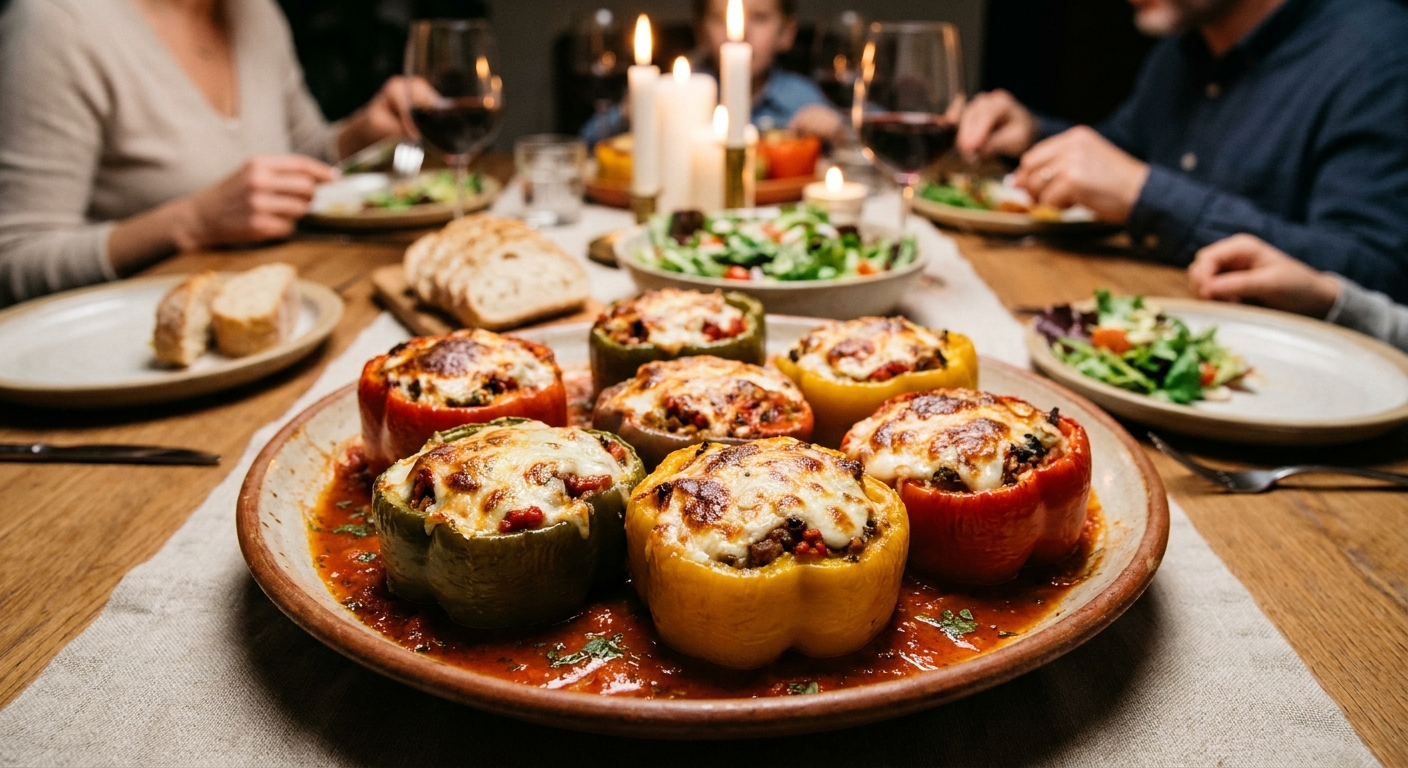
Stuffed bell peppers are one of those forever dinners in my house. They feel cozy and classic, they reheat like a dream, and they are a sneaky way to get a whole rainbow of vegetables on the plate. The one decision that changes everything, though, is the meat: ground beef or Italian sausage. Both are delicious, but they behave differently in the pan, and that affects the final texture, how seasoned the filling tastes, and even how salty your sauce ends up.
Let’s break it down so you can buy the right package at the store the first time, and not end up with peppers that are dry, greasy, bland, or overly salty.

At a glance
If you want the quick answer before we get nerdy (I say that lovingly), here’s the big picture:
- Ground beef is a clean slate. You control the seasoning, the salt, and the overall flavor direction. It tends to taste more classic and old-school.
- Italian sausage brings built-in seasoning (often fennel, garlic, pepper flakes, and herbs) and often more fat, depending on the brand and style. It tends to taste more Italian American comfort right out of the gate.
- Half beef, half sausage is the best of both worlds: hearty beefy flavor plus sausage seasoning, without the filling turning into a salt bomb.
Fat content
Ground beef
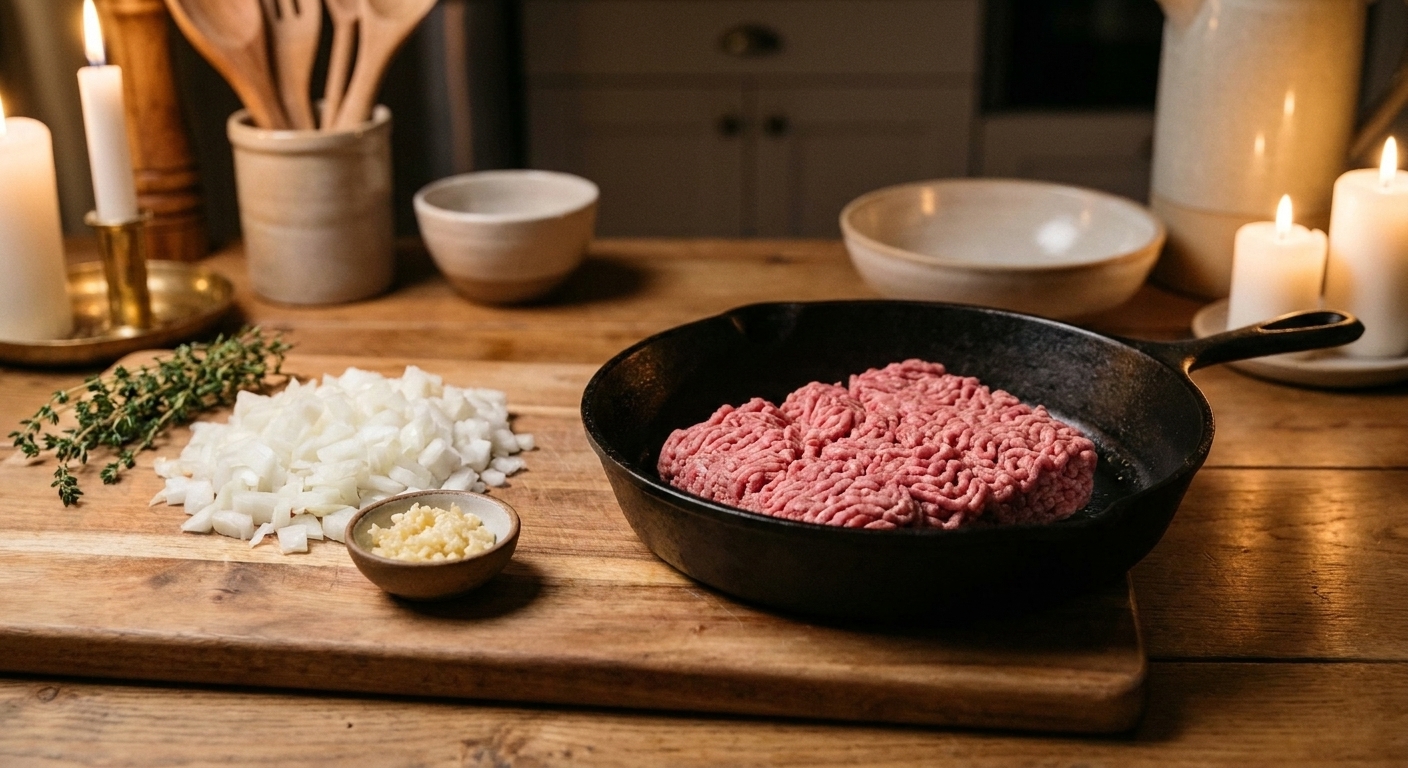
Ground beef comes in a range of leanness, and that choice matters a lot in stuffed peppers because the filling cooks twice (once on the stove, then it bakes inside the pepper). If you go too lean, you can end up with a filling that feels dry and crumbly after baking.
- Best pick for most people: 85/15 or 80/20 for a moist, flavorful filling.
- If you prefer lean: 90/10 works, but plan to add moisture (a little extra sauce, broth, or even a spoonful of olive oil) so it does not bake up chalky.
My little rule: If your filling is otherwise low-fat (plain rice, lots of vegetables, no added cheese), pick a slightly fattier beef for insurance. If you are adding plenty of cheese and sauce, you can get away with leaner beef.
Italian sausage
Italian sausage is often fattier than many packages of ground beef people buy (like 90/10 or 93/7), but it is not a guarantee. Some sausages are surprisingly lean, and some ground beef is very fatty. The label is the truth teller.
- What to do with the fat: Brown the sausage and drain off excess fat if the pan looks glossy or puddled. You want the filling moist, not oily.
- Texture tip: Sausage can stay in slightly larger, tender chunks compared to beef. If you like a finer crumble, break it up aggressively while it browns.
Quick shopping note: “Italian sausage” can be sold as bulk (no casing) or in links. Links are totally fine. Just remove the casings before browning so it crumbles evenly.
Seasoning and fennel
What beef brings
Beef tastes beefy, warm, and familiar, but it does not automatically taste “Italian” or “spiced.” That is good news if you want to steer the filling in any direction:
- Classic tomato and garlic
- Tex-Mex with cumin and chili powder
- Mediterranean with oregano, lemon zest, and feta
Because beef is neutral, it also pairs beautifully with cheese without competing. If your stuffed pepper recipe leans on a tomato sauce, garlic, onion, and herbs, beef lets those flavors shine.
What sausage brings
Italian sausage is basically pre-seasoned ground meat in the best way. Most versions include:
- Fennel (or fennel seed): that signature sweet, slightly licorice note
- Garlic and black pepper
- Herbs: often parsley, basil, or oregano
- Heat: in hot Italian sausage, usually chili flakes
That means sausage-stuffed peppers can taste like you simmered the filling all afternoon, even if it was a 20-minute skillet situation. The tradeoff is that fennel is distinctive. If you know you do not love fennel, pick ground beef or look for Italian sausage made without fennel (some stores carry it). You can also use a milder sausage and add your own Italian seasoning blend.
Salt level
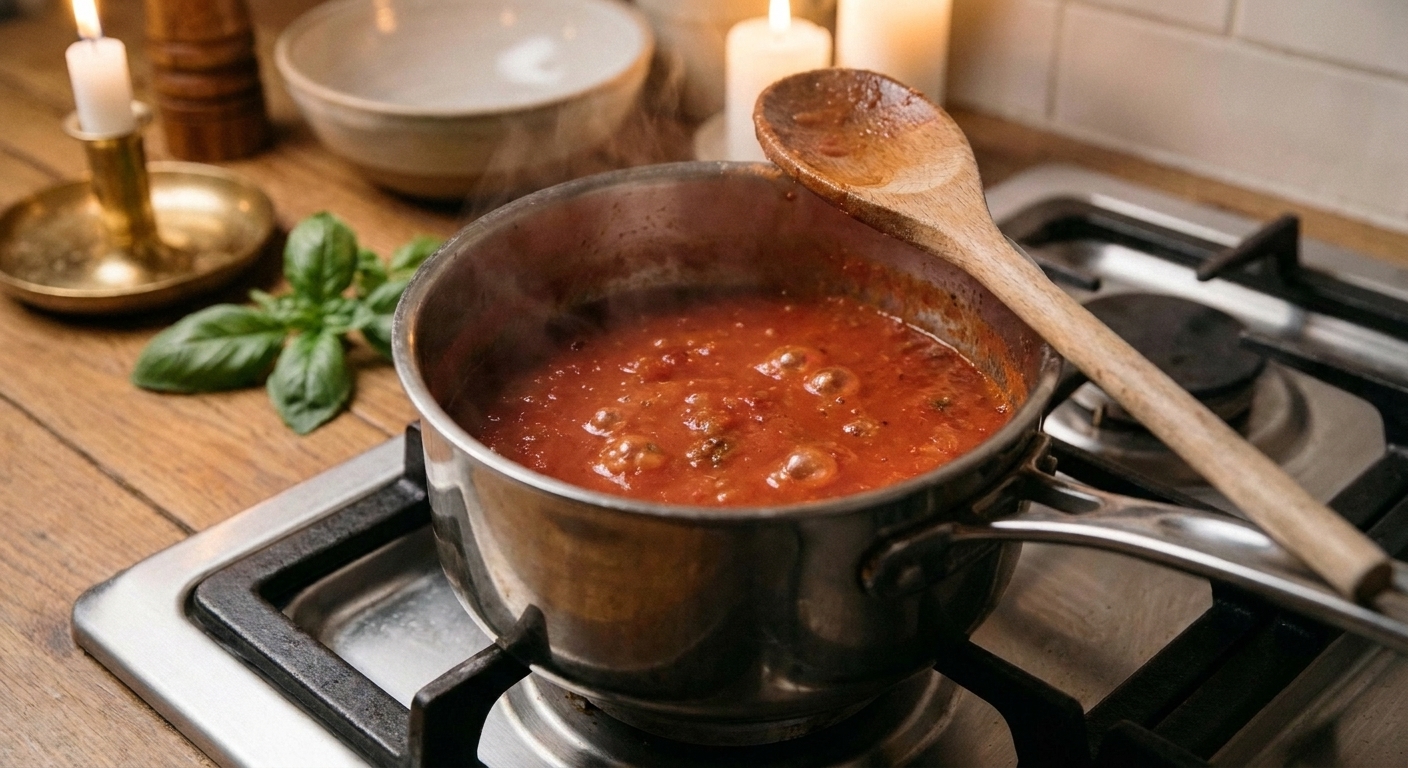
This is the sneaky part. Stuffed peppers usually include a sauce component, even if it is just a little marinara spooned over the top. Meat choice changes how salty the whole dish tastes because salt is already built into sausage, but not always into your other ingredients.
When you use ground beef
You are in charge of the salt, which is great. Season the beef while browning, then taste the filling before stuffing. (Yes, tasting ground meat filling is safe if the meat is cooked through. I use a clean spoon so I am not double-dipping into anything.)
- Start point: about 1/2 teaspoon kosher salt per pound of beef, then adjust based on your sauce and cheese.
- Big variable: jarred marinara can range from lightly seasoned to very salty. Always taste your sauce before you pour it on.
When you use Italian sausage
Assume your sausage is already seasoned and salted. That does not mean it is “enough” for the whole filling, but it means you should be cautious, especially if your recipe includes any of these:
- Jarred marinara
- Tomato paste (can be salty depending on the brand)
- Worcestershire or soy sauce
- Parmesan or Pecorino Romano (salty by nature)
- Pre-shredded cheese (some brands are saltier, so check the label)
My best practice: Cook the sausage, add your onions and garlic, then add your sauce and any starch (rice, quinoa, etc.). Only after everything is in the pan do you decide if it needs extra salt. Many times, it does not.
Easy fix if you are worried: choose a low-sodium marinara, go lighter on Parmesan, and use mozzarella as your main melty cheese.
Browning behavior
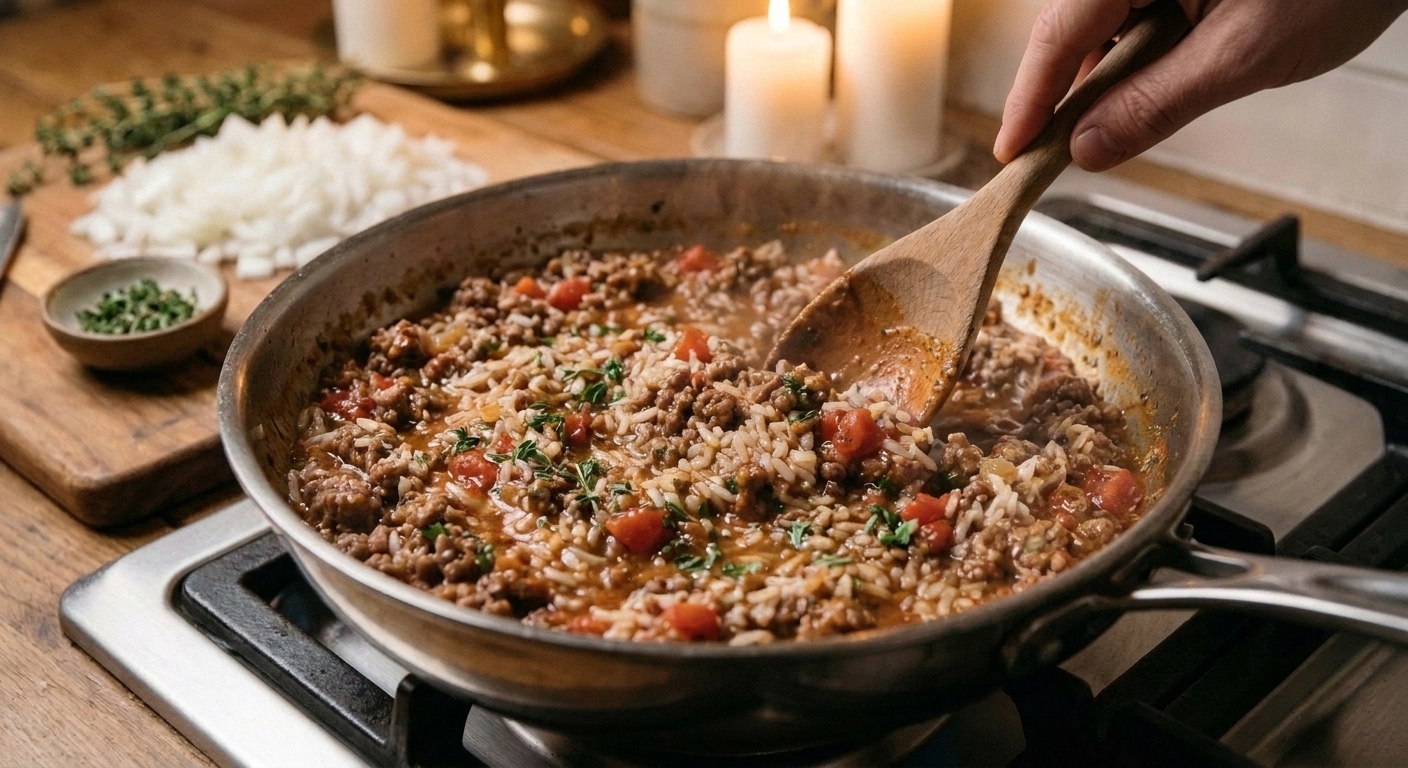
The browning step is more than “cook it until it is not pink.” Browning builds flavor, drives off excess moisture, and sets you up for a filling that is rich instead of watery.
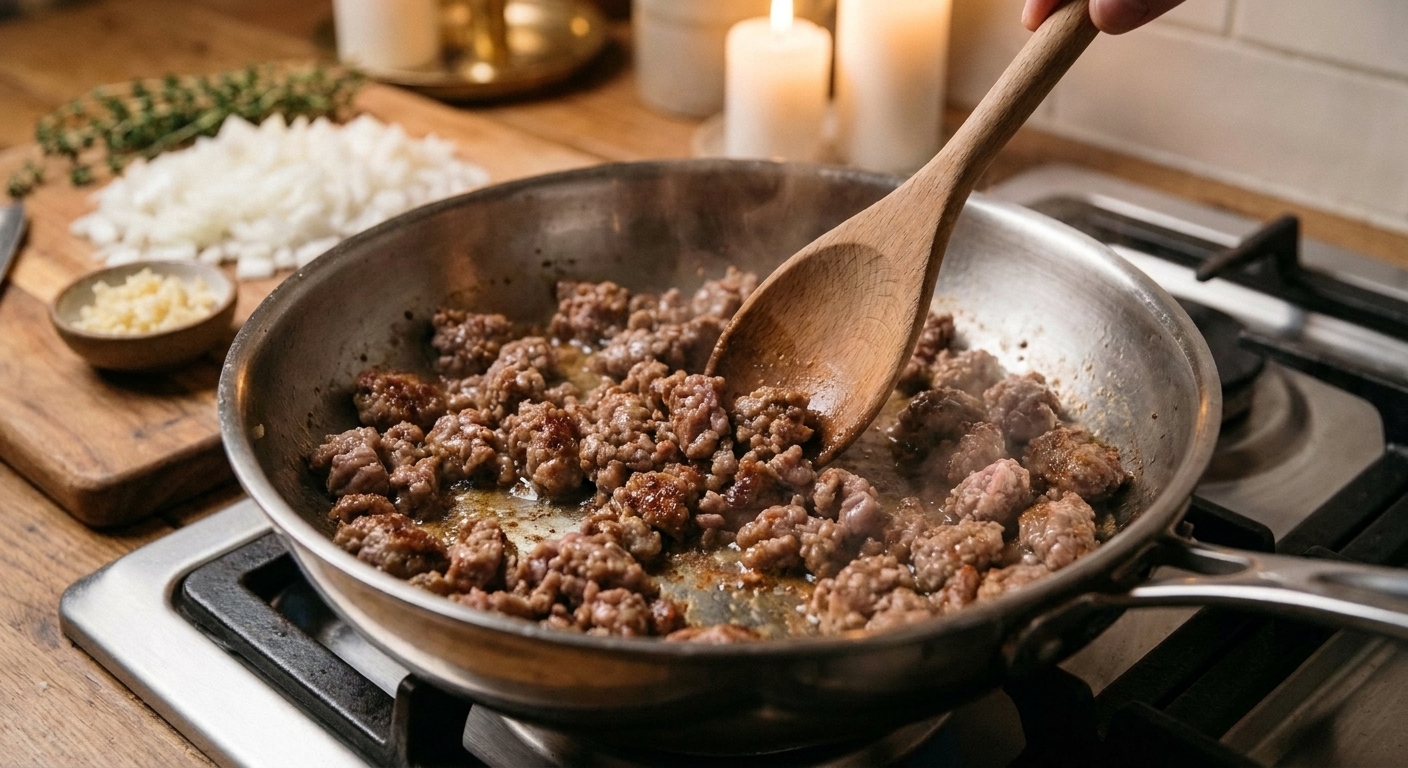
Ground beef browning
- It releases water first: especially if your pan is crowded. Give it space so it can brown, not steam.
- It benefits from a hot pan: preheat your skillet, then add beef. Let it sit for a minute before stirring so it gets real color.
- Drain if needed: 80/20 beef can throw off a lot of fat. Tilt the pan and spoon some out if the mixture looks greasy.
Tip from my weeknight life: If I am using beef, I like to add tomato paste for 1 to 2 minutes after browning. It caramelizes a bit and gives that slow-cooked vibe fast. (If your tomato paste is salted, just be mindful when you season later.)
Italian sausage browning
- It browns fast: fat and seasonings help it take on color quickly.
- It can stick a little: those browned bits are gold. Deglaze with a splash of broth, wine, or even a few spoonfuls of your tomato sauce.
- Watch the fond: sausage seasonings can scorch if the heat is too high. Medium-high is usually perfect.
One more sausage note: If you are using sausage in casings, remove the casings first so it crumbles evenly.
Which one to choose
Choose ground beef if you want:
- A classic, straightforward stuffed pepper flavor
- More control over seasoning and salt
- A filling that plays nicely with lots of cheese
- An easy base for different flavor directions (Mexican, Greek, BBQ-style)
Choose Italian sausage if you want:
- Big flavor with minimal extra spices
- A richer, juicier filling (especially if your peppers bake a long time)
- A punch of herbs, garlic, and fennel built in
Choose half-and-half if you want the sweet spot
If you are cooking for a mix of preferences, or you want something that tastes special without being intense, do a 50/50 blend. It is honestly my default.
- Flavor: beef keeps it grounded, sausage adds excitement
- Fat: enough for juiciness, less chance of greasiness
- Salt: usually easier to balance than 100% sausage
Seasoning tweaks
Here are simple tweaks that keep your filling balanced, no matter what you buy.
If you use ground beef
- Boost the aromatics: onion + garlic is non-negotiable in my kitchen.
- Add Italian vibes if you want them: dried oregano, basil, parsley, and a pinch of red pepper flakes.
- Consider a little fennel: a tiny pinch of crushed fennel seed mimics sausage flavor without committing to it.
- Salt in layers: season the beef while browning, then taste again after adding sauce and rice.
If you use Italian sausage
- Go easy on added salt: wait until the filling is fully combined, then decide.
- Dial back strong spices: you often do not need extra oregano and pepper flakes unless your sausage is mild.
- Brighten at the end: sausage loves a little acidity. A squeeze of lemon or a splash of red wine vinegar can wake up the whole pan.
If your peppers look greasy while baking
This happens more with higher-fat sausage or a very fatty beef. I usually bake stuffed peppers covered for the first part to soften the peppers, then uncover near the end to let excess moisture cook off. If you see a lot of fat pooling in the dish, you can carefully spoon a little off midway through baking.
FAQ
Can I mix mild and hot Italian sausage?
Yes, and it is a great way to keep some heat without making the whole batch spicy. I often do half mild, half hot, especially if kids are eating but adults want a little kick.
Do I need to drain the meat before stuffing the peppers?
If there is visible fat pooling in the pan, drain some. A little fat is flavor and helps prevent dryness, but too much can make the peppers greasy and can separate into an oily layer in the baking dish.
Will sausage make my stuffed peppers saltier even if I do not add salt?
Often, yes. Sausage typically contains more salt than plain ground beef, and when you combine it with marinara and cheese, the salt can stack up fast. The fix is simple: use low-sodium sauce if you have it, add salt only after tasting, and consider a half-and-half blend.
Which meat browns better?
Sausage usually browns faster and develops deeper flavor quickly because of its fat and seasoning. Beef browns beautifully too, but it benefits from a hot, uncrowded pan so it does not steam.
What if my filling tastes bland with ground beef?
Add more aromatics (especially garlic), a spoonful of tomato paste cooked for a minute, and a pinch of salt. If it still feels flat, a small splash of vinegar or a squeeze of lemon can make the flavors pop without making it taste sour.
Does it matter if I buy bulk sausage or links?
Not really. Bulk sausage is a little faster because it is already loose. Links are just as good. You will remove the casings before browning so the meat crumbles into the filling.