

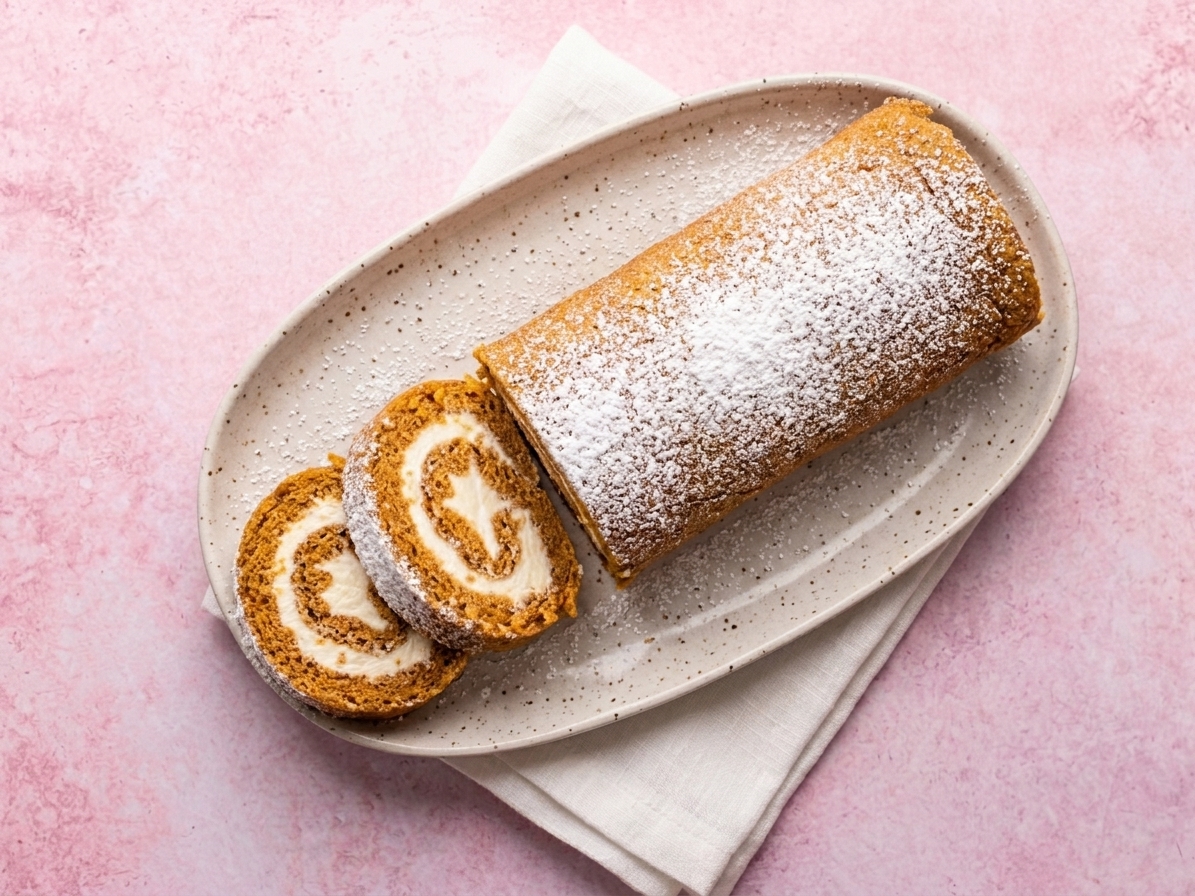
There are a few desserts that make people’s eyes light up the second it hits the table, and pumpkin roll is one of them. It feels a little fancy, but it is really just a tender spiced cake wrapped around the dreamiest cream cheese filling. The gluten-free part can be the tricky bit, because gluten-free cakes can be a touch more fragile and more likely to crack when you roll them.
This version is the one I make when I want that classic pumpkin roll look and feel without the stress. We use a 1-to-1 gluten-free flour blend that includes xanthan gum (or you can add a pinch if yours does not), a gentle mixing method, and the warm towel-roll technique that helps the cake “learn” its shape while it is still flexible. The timing matters here, too: roll it while it is warm, let it cool rolled up, then unroll and fill once it is completely cool. If you have ever had a roll split right down the middle, you are not alone. I wrote this like I’m right next to you at the counter, talking you through the moments that matter.

The idea
Why This Recipe Works
- A 1-to-1 gluten-free flour blend keeps it simple. These blends are designed to swap cup-for-cup with all-purpose flour, but results can vary by brand. Using one with xanthan gum, or adding a small amount, helps the cake hold together and stay flexible.
- Whipped eggs add lift and flexibility. Pumpkin roll batter relies on eggs for structure. Beating well creates a lighter sponge that bends instead of snapping.
- The towel-roll method helps prevent cracks. Rolling the warm cake in a powdered sugar towel sets the curl while the cake is still pliable, which is especially helpful for gluten-free cakes.
- Chilling firms up the filling and the swirl. A good chill makes cleaner slices and helps the roll hold its shape for serving and storing.
Shopping
Ingredient Notes
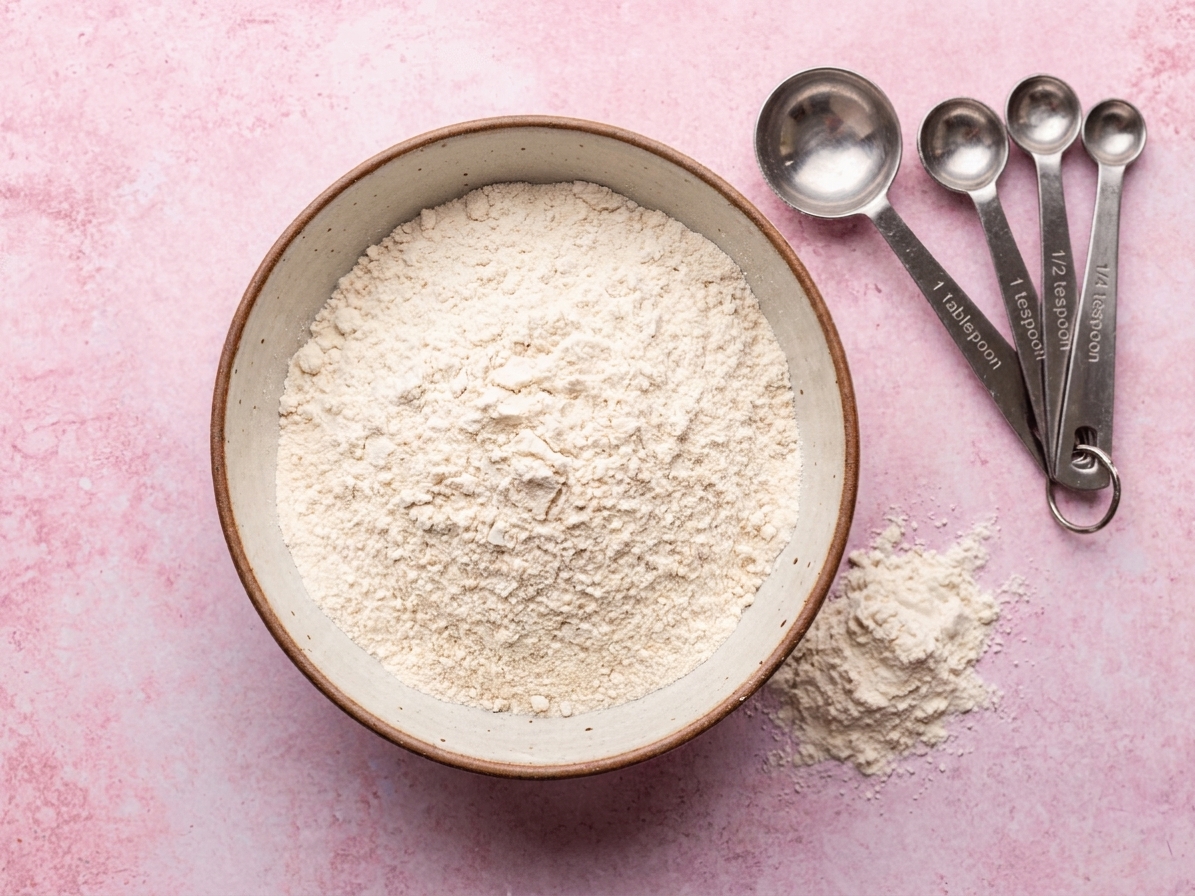
1-to-1 gluten-free flour blend
Look for a measure-for-measure or 1-to-1 blend. Different brands behave differently, especially when it comes to binders, but they are generally formulated to mimic all-purpose flour in cakes.
- If your blend already contains xanthan gum: you typically do not need to add more.
- If your blend does not contain xanthan gum: adding a small amount can help the cake roll without tearing.
Pumpkin puree
Use 100% pure pumpkin, not pumpkin pie filling. Pumpkin pie filling is sweetened and spiced, and it will throw off both texture and flavor.
Spices
Classic pumpkin pie spice works great, or you can mix cinnamon with a little ginger and cloves. This cake should taste warmly spiced, not aggressively clove-heavy.
Cream cheese
Full-fat block cream cheese gives you the most stable filling. Tub-style cream cheese can be softer and sometimes makes a looser filling that squishes out when you slice.
Powdered sugar
Powdered sugar does two jobs here. It sweetens the filling, and it keeps the cake from sticking to the towel during that first warm roll.
Get set up
Equipment You Will Need
- 10x15-inch jelly roll pan (a rimmed baking sheet made for thin sponge cakes)
- Parchment paper (for easy release)
- Fine-mesh sieve (optional, for dusting powdered sugar evenly)
- Clean kitchen towel (thin cotton works best)
- Hand mixer or stand mixer (for the filling and for beating eggs well)
- Offset spatula (helpful for spreading filling evenly)
Technique
Tips for Getting It Right
Line the pan well
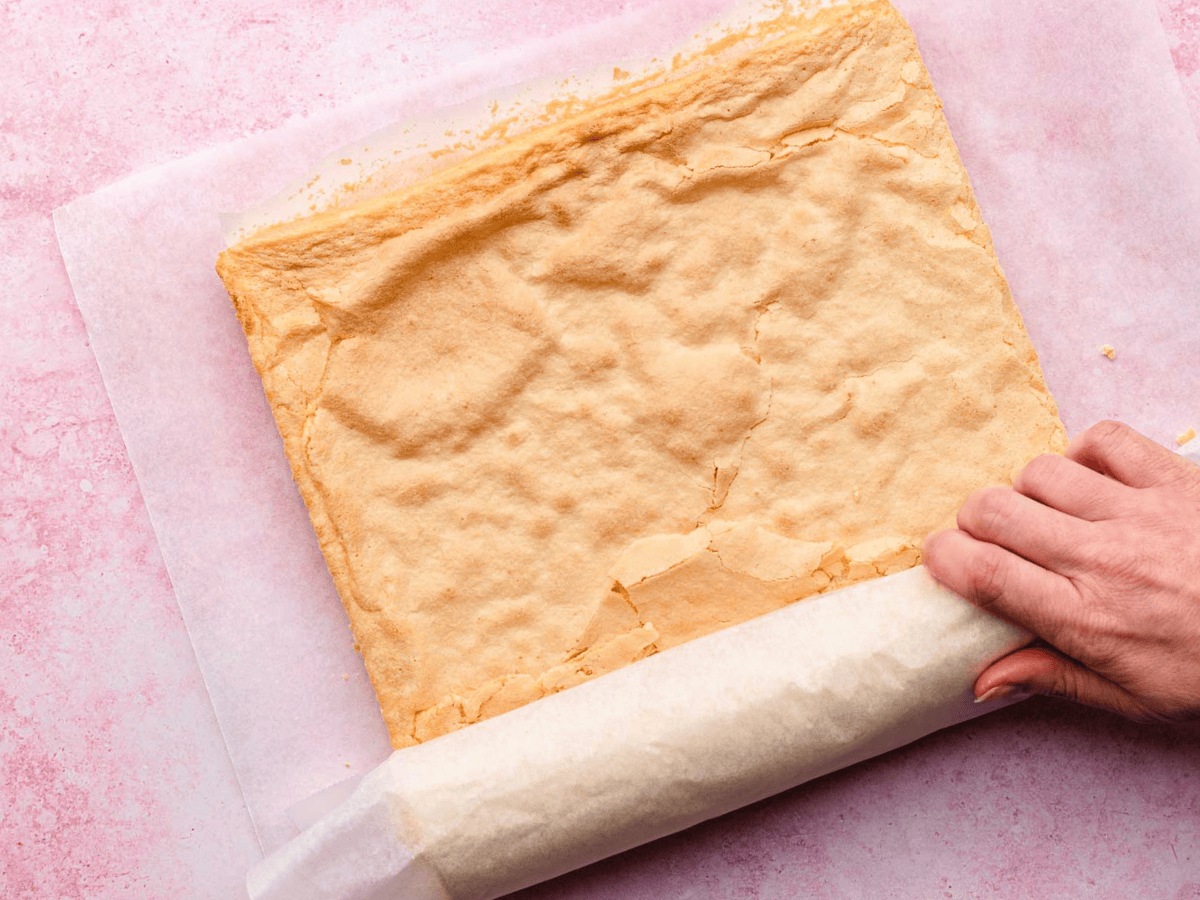
Grease the pan lightly, then add parchment. I also like to lightly grease the parchment. You want the cake to release quickly while it is still warm and flexible.
Roll the cake while it is warm
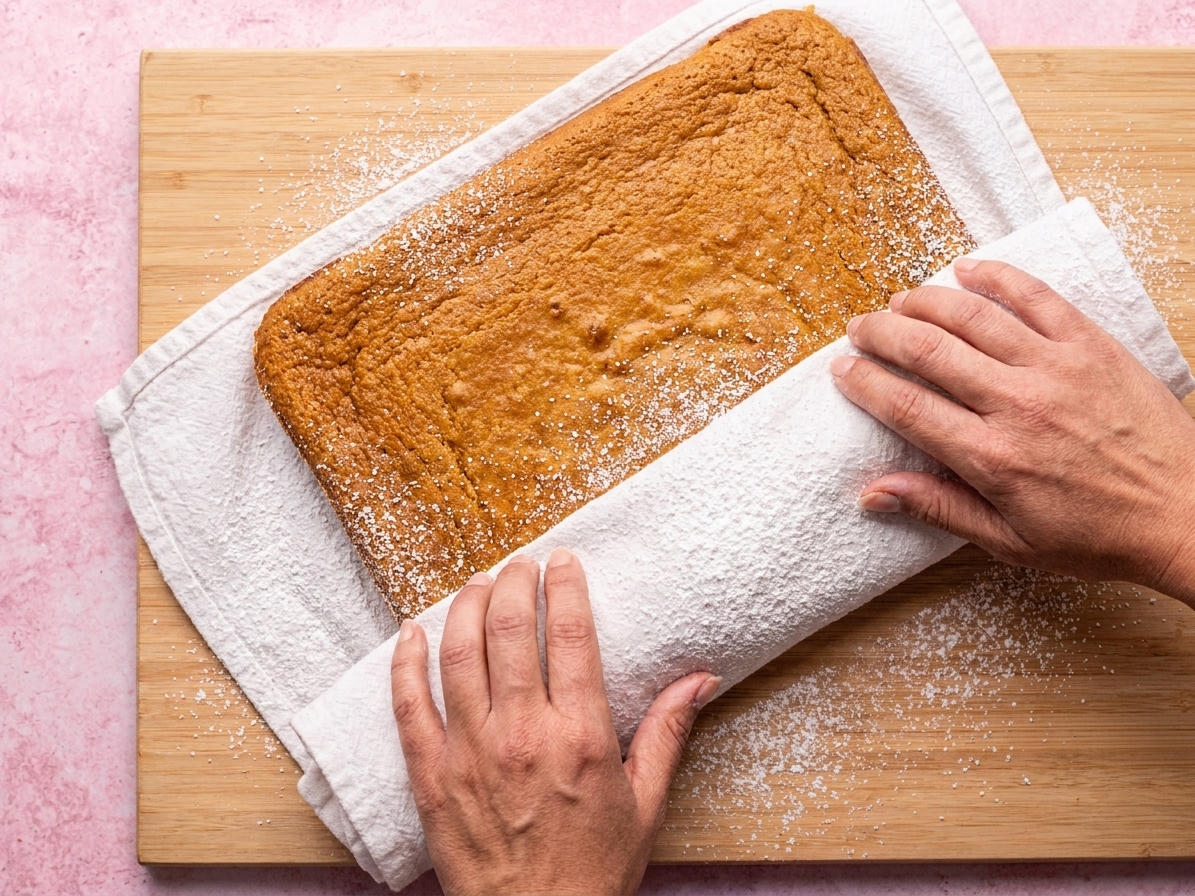
This is the big one. As soon as the cake comes out, turn it out, peel the parchment, and roll it up in the towel. Waiting even 10 minutes can make the cake more prone to cracking.
Use powdered sugar on the towel
Flour tastes raw and can look pasty. Powdered sugar prevents sticking and gives you that classic finish.
Spread the filling evenly
Leave about a 1/2-inch border so the filling has room to shift as you roll. Even filling thickness equals a clean spiral.
Chill before slicing
A cold roll slices cleanly. Use a sharp serrated knife and wipe it clean between slices for the prettiest swirl.
Flexibility
Substitutes That Work
Gluten-free flour blend swaps
- Measure-for-measure blend with xanthan gum: use as written.
- Blend without xanthan gum: add xanthan gum (see recipe notes for amount).
- Almond flour or coconut flour: not a straight swap here. They change moisture balance dramatically and tend to make rolling cakes fragile.
Dairy swaps
- Lactose-free cream cheese and butter: works well if you use block-style lactose-free cream cheese.
- Non-dairy cream cheese: can work, but choose a firm brand. If it seems soft, chill longer before spreading and expect slightly softer slices.
Sweetener swaps
- Brown sugar: you can swap part of the granulated sugar for brown sugar for a deeper, caramel note. The cake may be a touch more moist.
Make it yours
Variations to Try
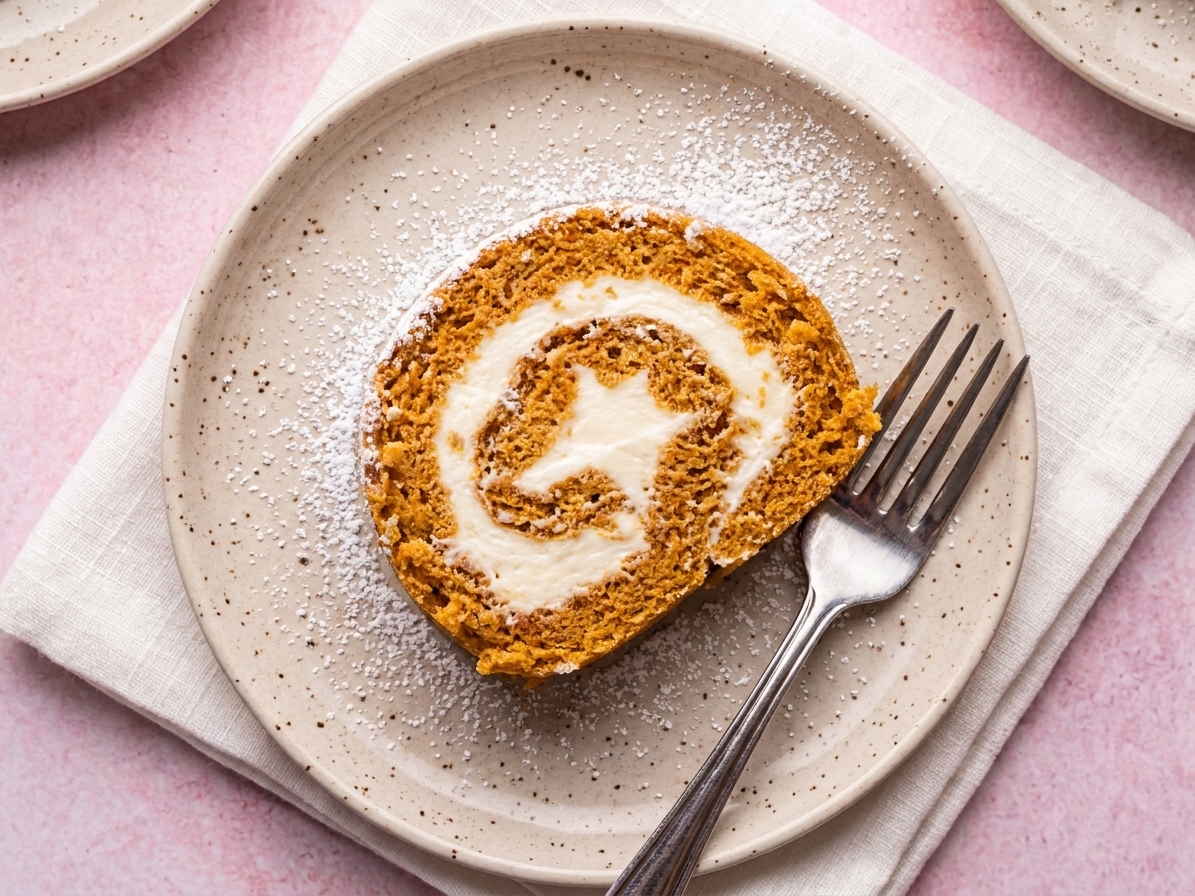
- Maple cream cheese filling: add a little maple syrup and reduce powdered sugar slightly to keep the filling spreadable, but not runny.
- Orange spice pumpkin roll: add orange zest to the cake batter and a tiny splash of orange juice to the filling.
- Nutty finish: sprinkle finely chopped toasted pecans or walnuts over the filling before rolling.
- Extra cozy spice: bump up cinnamon and add a pinch of freshly ground black pepper. It sounds odd, but it makes the spices taste warmer.
On the table
What to Serve It With
- After-dinner dessert: serve slices with hot coffee or a mug of chai.
- Holiday brunch: pair with fresh fruit and something savory like eggs or a frittata so the table feels balanced.
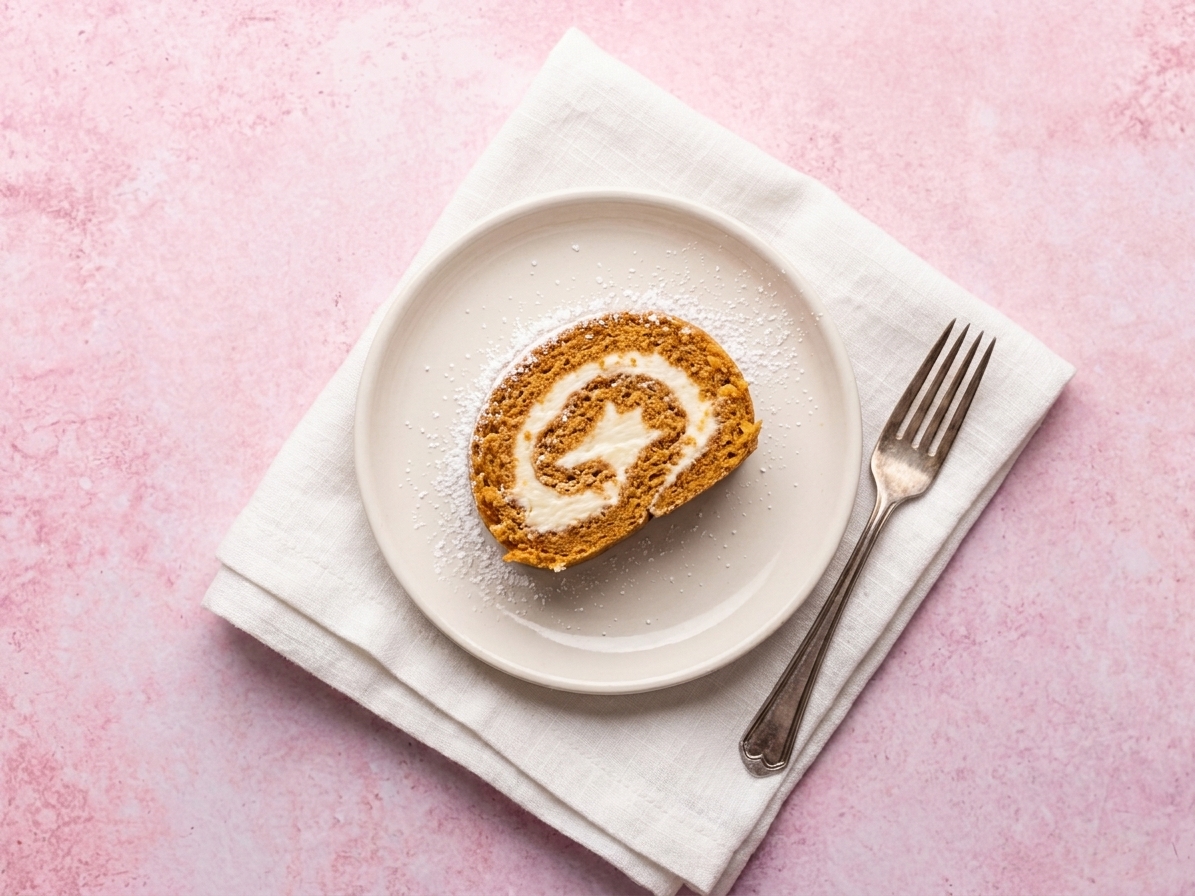
- Simple garnish: a dusting of powdered sugar right before serving, plus a few curls of orange zest if you want it to look extra special.
- Make it a plate: add a dollop of lightly sweetened whipped cream and a pinch of cinnamon.
Later
Storage, Freezing and Reheating
Refrigerator
Store the pumpkin roll wrapped tightly in plastic wrap, then place it in an airtight container if you have room. It keeps well in the fridge for up to 4 days.
Freezer
Pumpkin roll freezes beautifully. For best results, chill the filled roll until firm, then wrap it in plastic wrap and a layer of foil. Freeze for up to 2 months. Thaw overnight in the refrigerator.
Make-ahead
- 1 day ahead: bake, fill, roll, and refrigerate. It slices even better the next day.
- 2 to 7 days ahead: bake and roll the cake in the towel, then wrap well and refrigerate. Fill and re-roll the day you plan to serve.
Tip: If you are transporting it, keep it chilled until right before leaving and bring a small sieve and powdered sugar for a quick fresh dusting at the destination.
Watch out
Common Mistakes to Avoid
- Letting the cake cool flat. Gluten-free sponge cakes set quickly. Roll it warm so it cools in the curled shape.
- Overbaking. Even an extra minute or two can dry the cake edges, which makes cracking more likely. Pull it when it springs back lightly in the center.
- Using pumpkin pie filling. It adds extra sugar and moisture in unpredictable ways, and the cake texture can turn gummy.
- Spreading filling on a warm cake. If the cake is still warm, the filling melts and slides. Make sure the cake is completely cool before filling.
- Skipping the powdered sugar on the towel. Without it, the cake can stick, tear, and ruin your day. Ask me how I know.
Questions
Frequently Asked Questions
What 1-to-1 gluten-free flour blend is best for pumpkin roll?
Use a reputable measure-for-measure blend intended for baking. The most important detail is whether it includes xanthan gum or a similar binder. If it does, you are set. If it does not, add a small amount so the cake stays flexible enough to roll.
How do I keep a gluten-free pumpkin roll from cracking?
Three things help the most: do not overbake, roll the cake immediately while warm in a powdered sugar towel, and let it cool fully in that rolled shape before unrolling and filling.
Can I make this pumpkin roll ahead?
Yes, and it is one of my favorite make-ahead desserts. You can fully assemble it a day ahead and refrigerate. Or bake and pre-roll the cake (in the towel), wrap it well, and fill it the next day.
Can I freeze a gluten-free pumpkin roll?
Absolutely. Chill it first so the filling firms up, then wrap tightly and freeze. Thaw overnight in the fridge for the cleanest slices.
Why is my cream cheese filling runny?
This usually happens if the cream cheese or butter were too warm, or if tub-style cream cheese was used. Chill the filling briefly, then spread. If the roll is already assembled, chill the whole roll until firm before slicing.
The recipe
Gluten-Free Pumpkin Roll
A classic pumpkin roll made gluten-free with a 1-to-1 flour blend, rolled warm in a powdered sugar towel for a flexible, crack-resistant sponge, then filled with a fluffy cream cheese swirl.
Ingredients
- For the cake
- 3/4 cup (150 g) granulated sugar
- 3 large eggs, room temperature
- 2/3 cup (160 g) pumpkin puree (100% pumpkin)
- 1 teaspoon vanilla extract
- 3/4 cup (90 g) 1-to-1 gluten-free flour blend
- 1 teaspoon baking powder
- 1/2 teaspoon baking soda
- 1/2 teaspoon fine salt
- 2 teaspoons ground cinnamon
- 1 teaspoon pumpkin pie spice
- Powdered sugar, for the towel and for dusting
- For the cream cheese filling
- 8 ounces (226 g) block cream cheese, softened
- 4 tablespoons (57 g) unsalted butter, softened
- 1 cup (120 g) powdered sugar, plus more as needed
- 1 teaspoon vanilla extract
- Pinch of salt
Instructions
- Prep the pan and oven. Heat the oven to 350°F (175°C). Lightly grease a 10x15-inch jelly roll pan. Line with parchment paper, leaving a little overhang on the short ends, then lightly grease the parchment. Set aside.
- Set up the towel for rolling. Lay a clean, thin kitchen towel flat on the counter. Dust it generously with powdered sugar (use a sieve if you have one). Set aside.
- Mix the dry ingredients. In a medium bowl, whisk together the gluten-free flour blend, baking powder, baking soda, salt, cinnamon, and pumpkin pie spice until evenly combined.
- Beat the eggs and sugar well. In a large bowl using a hand mixer (or in a stand mixer), beat the eggs and granulated sugar on medium-high speed until thickened and pale, 2 to 3 minutes. This helps the cake bake up light and rollable.
- Add pumpkin and vanilla. Beat in the pumpkin puree and vanilla extract until smooth, scraping down the bowl as needed.
- Fold in the dry ingredients. Add the dry ingredient mixture and mix on low just until combined. Scrape the bowl and finish mixing gently so there are no dry pockets.
- Bake. Spread the batter evenly into the prepared pan, smoothing the top. Bake until the cake springs back lightly when touched in the center and the edges just start to pull from the pan, 12 to 15 minutes.
- Turn out and roll while warm. Immediately run a thin knife around the edges if needed. Turn the warm cake out onto the powdered sugar towel. Carefully peel off the parchment paper. Starting from a short end, roll the cake up snugly in the towel. Place seam-side down and let cool completely, about 1 hour.
- Make the filling. In a medium bowl, beat the cream cheese and butter until smooth and fluffy, 1 to 2 minutes. Add powdered sugar, vanilla, and a pinch of salt. Beat until creamy and spreadable. If it feels too soft, chill 10 to 15 minutes.
- Fill and re-roll. Carefully unroll the completely cooled cake. Spread the cream cheese filling evenly over the cake, leaving a 1/2-inch border around the edges. Re-roll the cake (without the towel) into a log. Wrap tightly in plastic wrap.
- Chill, then slice. Refrigerate at least 1 1/2 hours to firm up. Dust with powdered sugar, slice with a serrated knife, and serve.
Recipe notes
- Flour blend note: If your 1-to-1 gluten-free flour blend does not include xanthan gum, add 1/4 teaspoon xanthan gum to the dry ingredients for better flexibility.
- Doneness cue: Overbaking is the fastest path to cracking. Pull the cake as soon as the center springs back lightly and looks set.
- Clean slices: Wipe the knife between cuts for the neatest swirl.