

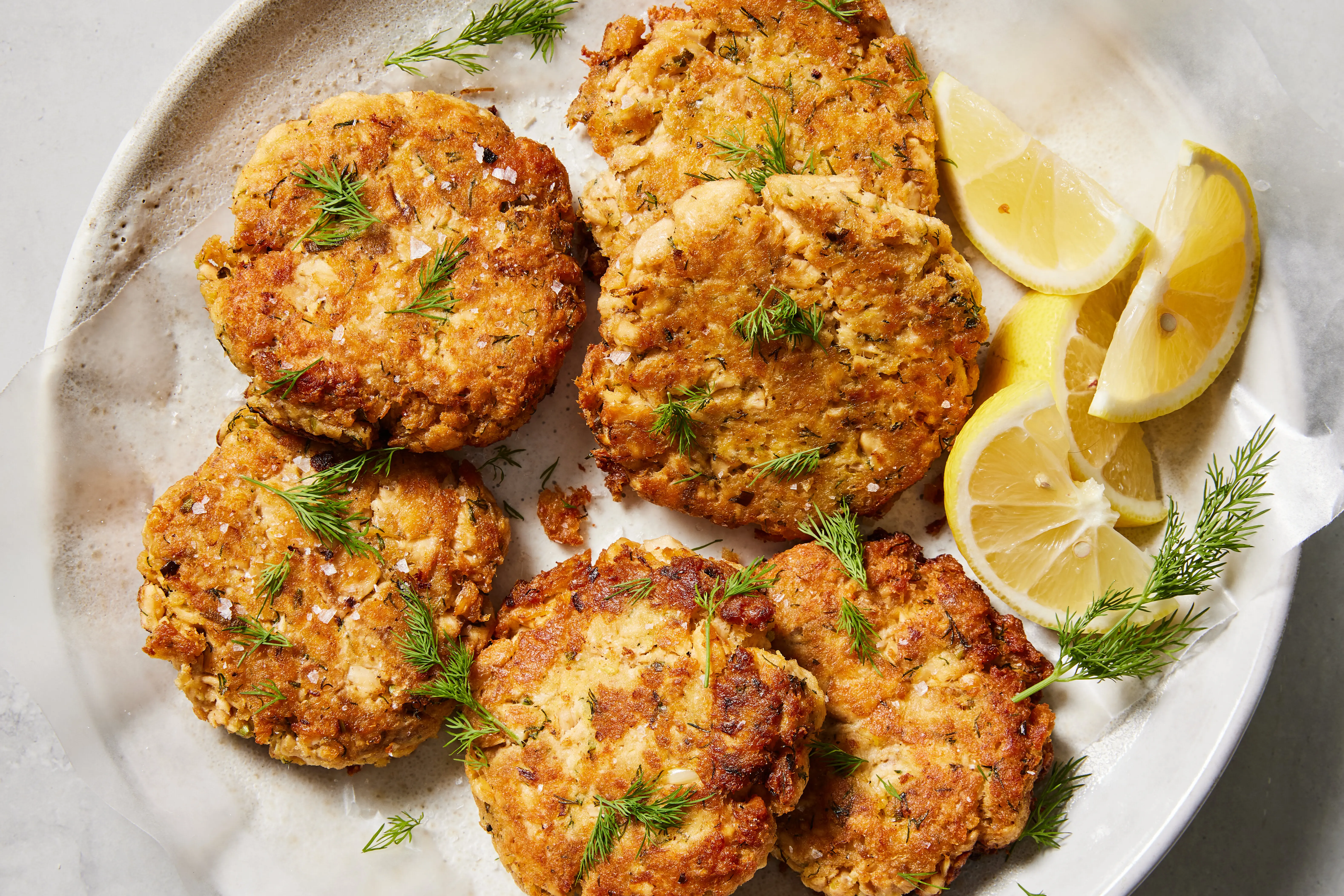

Crispy salmon patties are one of those “why don’t I make this every week?” dinners. They are fast, budget-friendly, and wildly adaptable. You get that craveable crunchy edge from a hot skillet, plus a tender, savory center that feels like comfort food without being heavy.
I grew up in the Pacific Northwest where salmon shows up in everything from backyard grills to church potlucks. These patties are my weeknight version of that same cozy energy, with a few practical tricks that make them reliable even when you are tired and hungry.
What makes them crispy
Crispiness is not one magic ingredient. It is a combination of proper texture, enough heat, and not disturbing the patties too soon.
- Dry mix, not wet: If the mixture feels loose, it will steam instead of sear. A little extra breadcrumb goes a long way.
- Hot pan, steady sizzle: You want a confident sizzle the moment the patties hit the skillet.
- Patty thickness: About 1/2 to 3/4 inch thick is the sweet spot. Too thin and they dry out. Too thick and the centers stay soft before the outside browns.
- Hands off time: Let the first side brown fully before flipping. If it sticks, it is not ready yet.
Ingredients and why they work
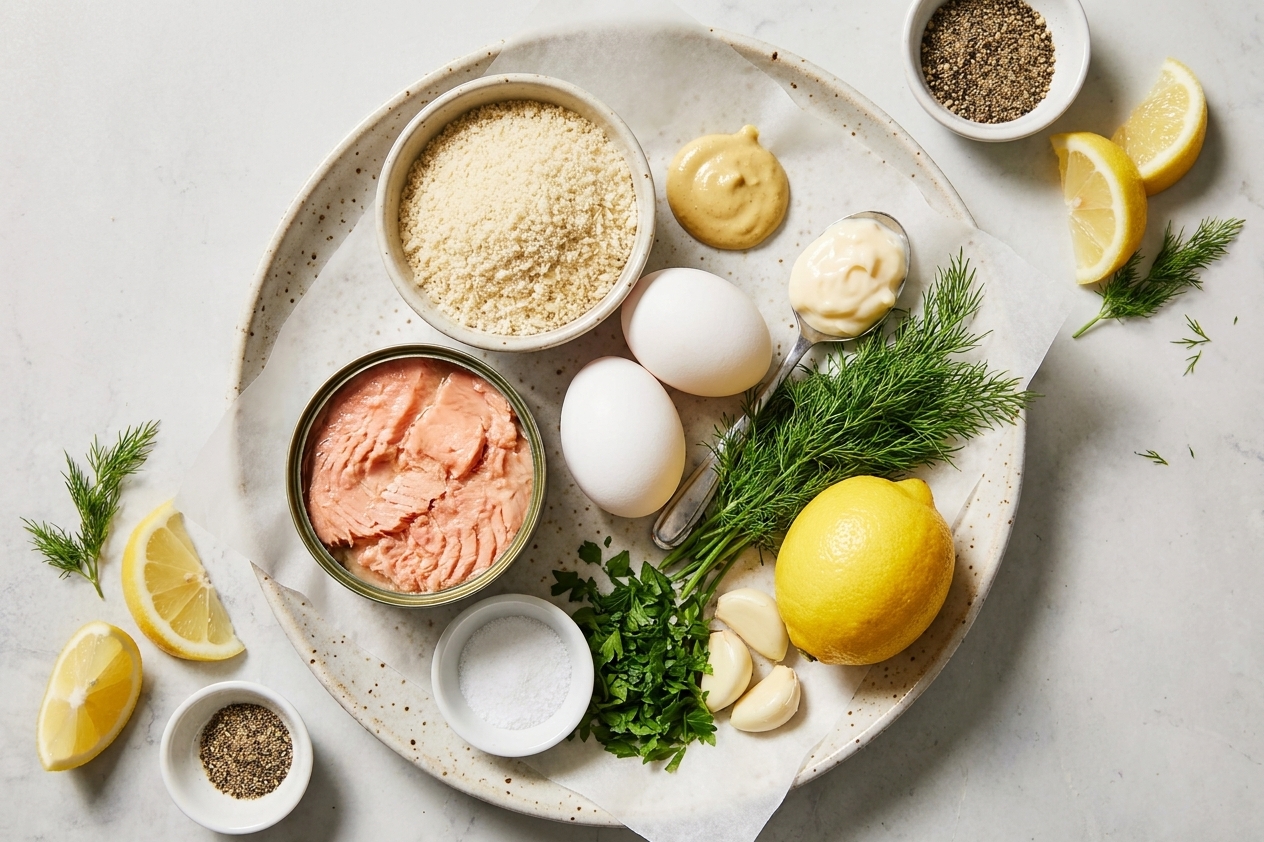
You can make salmon patties a dozen ways, but the roles stay the same: salmon, binder, flavor, and a little fat for browning.
- Salmon: Canned salmon is classic and convenient. Fresh cooked salmon also works if you have leftovers.
- Binder: Eggs plus breadcrumbs (or crushed crackers) hold everything together. Mayo adds moisture and helps prevent dryness.
- Flavor builders: Dijon mustard, lemon zest, garlic, green onion, parsley or dill, and a pinch of smoked paprika.
- Seasoning: Salt and pepper are non-negotiable. Canned salmon varies in saltiness, so plan to adjust after you cook a quick test patty.
If you are using canned salmon with skin and bones, you can remove them or mash them in. The bones soften and are completely safe to eat, and they add calcium. If the bones feel noticeable, mash them very well or remove them for a cleaner bite.
Moisture tip: Drain the salmon well, but do not panic if the mixture ends up a little dry. Different brands vary. You can loosen it with a spoonful of mayo or a small splash of reserved can liquid, a teaspoon at a time.
My go-to recipe
This is the version I make when I want maximum crunch and minimal fuss. It is simple enough to memorize, but it still tastes like you tried.
Ingredients (makes 8 small patties, serves 3 to 4)
- 2 (6-ounce) cans salmon, drained (about 12 ounces total)
- 1/3 cup breadcrumbs (panko for extra crunch), plus 2 tablespoons more if needed
- 2 large eggs
- 2 tablespoons mayonnaise
- 1 tablespoon Dijon mustard
- 2 tablespoons finely chopped green onion
- 2 tablespoons chopped parsley or dill
- 2 cloves garlic, finely minced (or more, always more)
- 1 teaspoon lemon zest + 1 tablespoon lemon juice
- 1/2 teaspoon smoked paprika (optional but excellent)
- 1/2 teaspoon kosher salt, plus more to taste
- 1/4 teaspoon black pepper
- 2 to 3 tablespoons high-heat oil for frying (canola, grapeseed, avocado)
Instructions
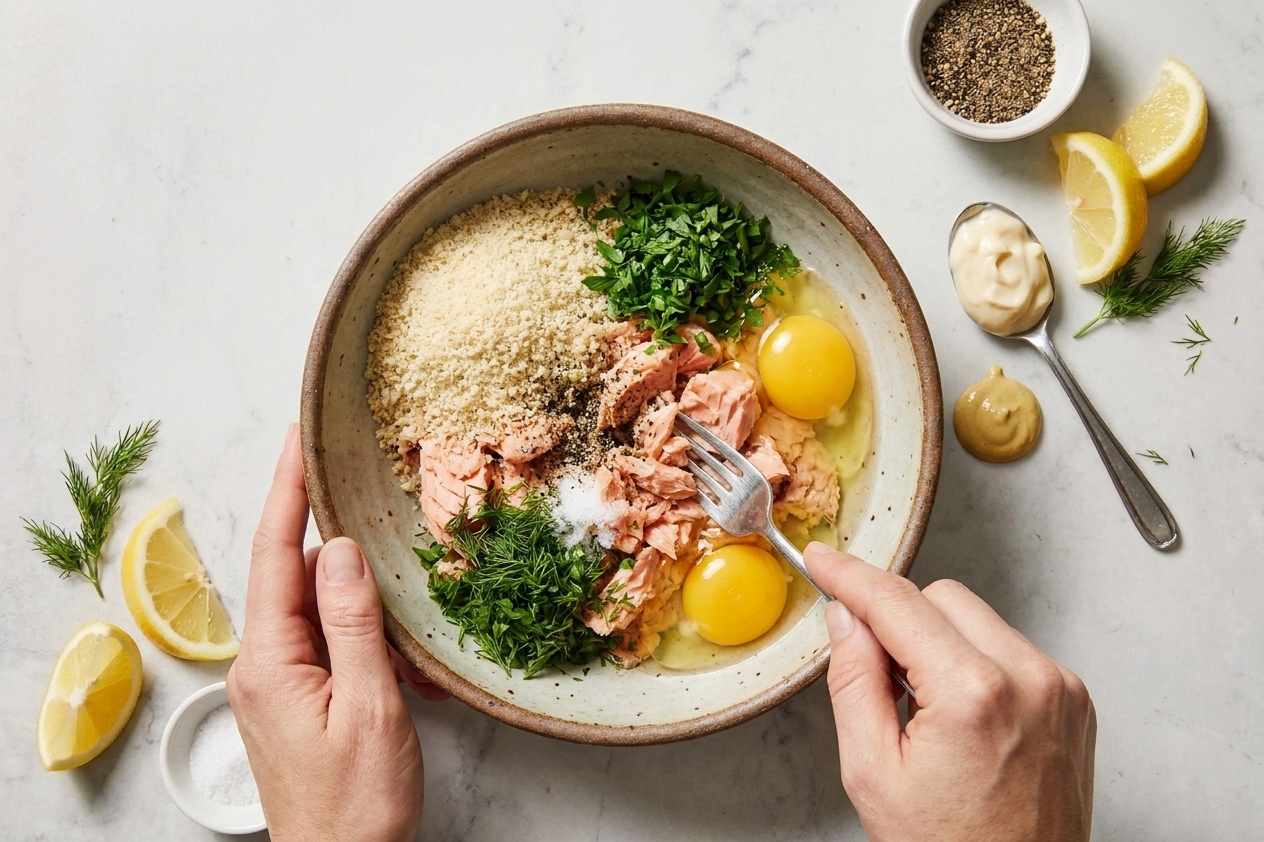
- Flake the salmon. In a large bowl, flake the salmon with a fork. Remove skin if you want. Mash any larger bones if using canned salmon with bones.
- Mix the base. Add breadcrumbs, eggs, mayo, Dijon, green onion, herbs, garlic, lemon zest and juice, paprika, salt, and pepper. Mix until evenly combined. The mixture should hold together when squeezed. If it feels wet, add 1 to 2 tablespoons more breadcrumbs.
- Cook a tiny test patty. For seasoning, pinch off a tablespoon or two, flatten it, and cook it quickly in the skillet. Taste, then adjust salt, pepper, lemon, or herbs in the bowl.
- Chill for best binding (optional, but helpful). If you have 10 minutes, pop the bowl in the fridge. Cold mixture is easier to shape and flip.
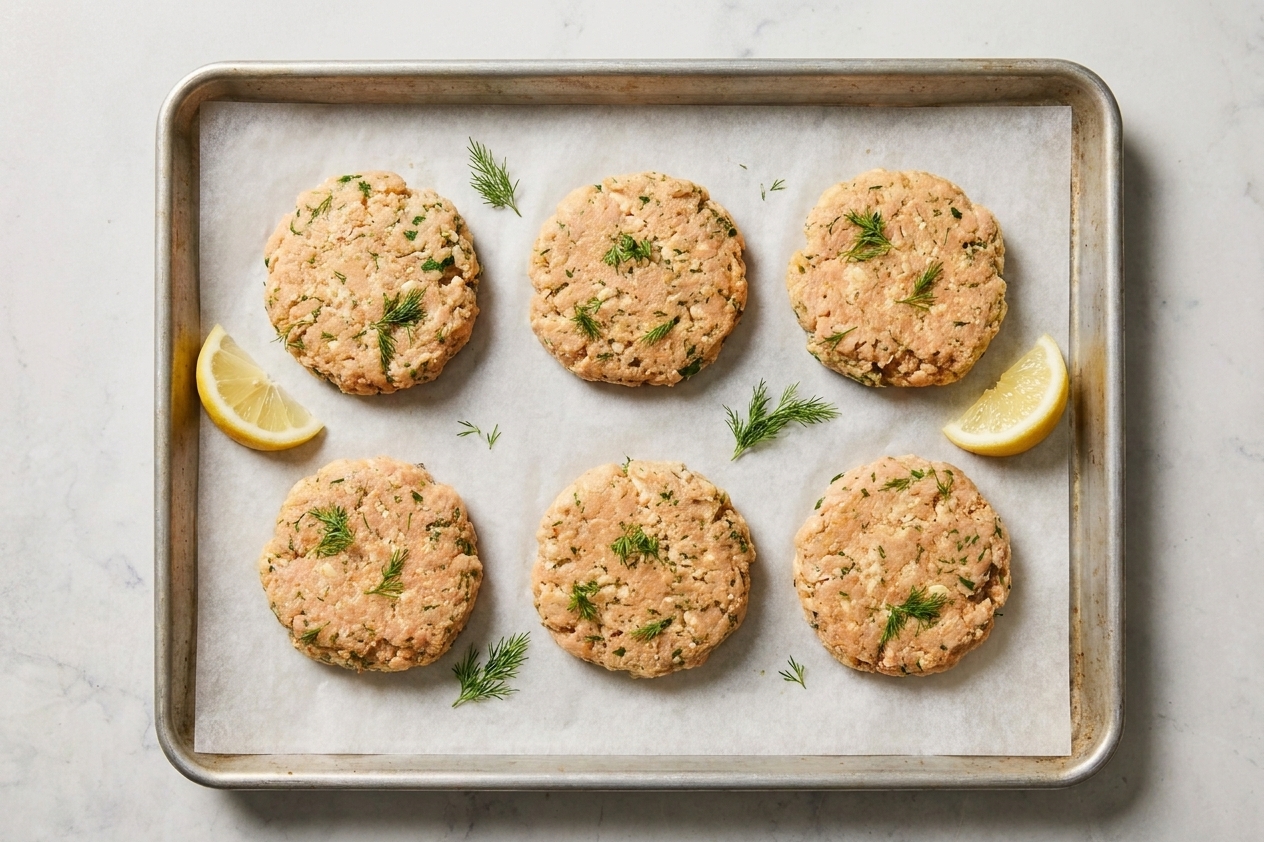
- Form patties. Use a 1/3-cup measure or scoop to portion, then gently flatten into 1/2 to 3/4-inch patties. Do not pack them like a meatball. Press just enough to hold.
- Pan-fry. Heat a skillet over medium to medium-high heat (cast iron, stainless, or nonstick all work). Add oil. When the oil shimmers, add patties (do not crowd). Cook 3 to 4 minutes per side until deeply golden and crisp. If they are browning too fast, lower the heat slightly so the centers can set before the crust goes too dark.
- Drain and serve. Transfer to a paper-towel-lined plate or a wire rack. Serve hot with lemon and sauce.
Maya’s flip rule: If you try to flip and it feels like it wants to tear, stop. Give it another 30 to 60 seconds. A good crust releases when it is ready.
Keep them from falling apart
If you have ever watched a patty crumble into “salmon scramble,” you are not alone. Here are the fixes that work every time.
- Drain the salmon well: Excess liquid is the number one culprit. If it looks wet, press it gently in a fine-mesh strainer.
- Use enough binder: Two eggs for 12 ounces of salmon is a solid baseline. Breadcrumb amounts vary depending on moisture.
- Chill the mixture: Even 10 minutes helps the crumbs hydrate and the mixture firm up.
- Do not rush the sear: Flip too early and the patty has no “shell” to hold it together.
- Use a thin, wide spatula: Get fully under the patty before lifting.
If your mix is already made and still crumbling, add 1 tablespoon breadcrumbs at a time, mix, and test by forming one patty. It should hold with a gentle squeeze.
Best sauces
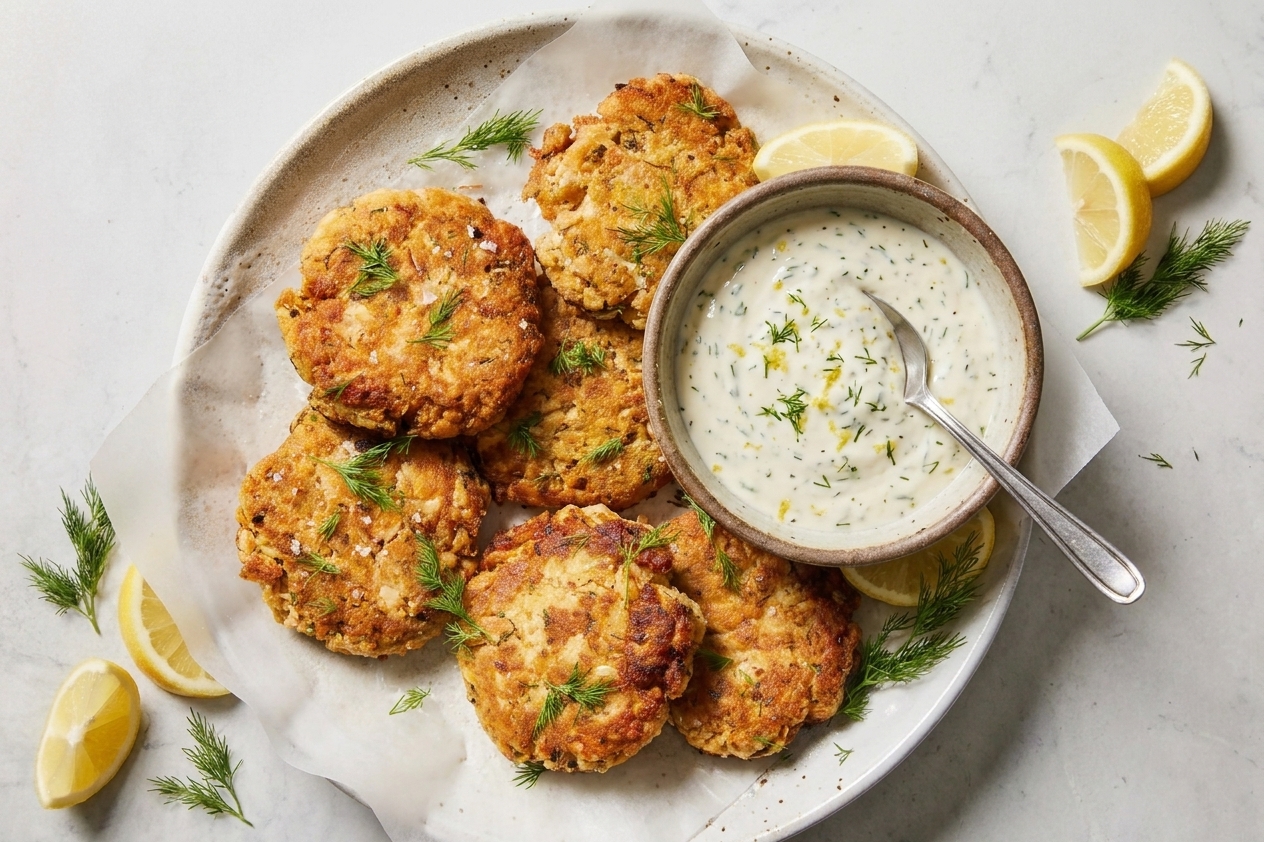
Salmon patties love something creamy and something bright. Here are my favorites:
- Lemon dill yogurt sauce: Greek yogurt + mayo, lemon juice, dill, garlic, salt, pepper.
- Quick tartar sauce: Mayo, chopped pickles, capers (optional), lemon zest, a little Dijon.
- Spicy mayo: Mayo + sriracha + lime. Add a pinch of garlic powder for extra oomph.
- Old Bay aioli: Mayo + lemon + grated garlic + a sprinkle of Old Bay.
If you are serving these to kids, I put ketchup on the table too. Zero shame. Crispy salmon patties dipped in ketchup are surprisingly delightful.
What to serve with them
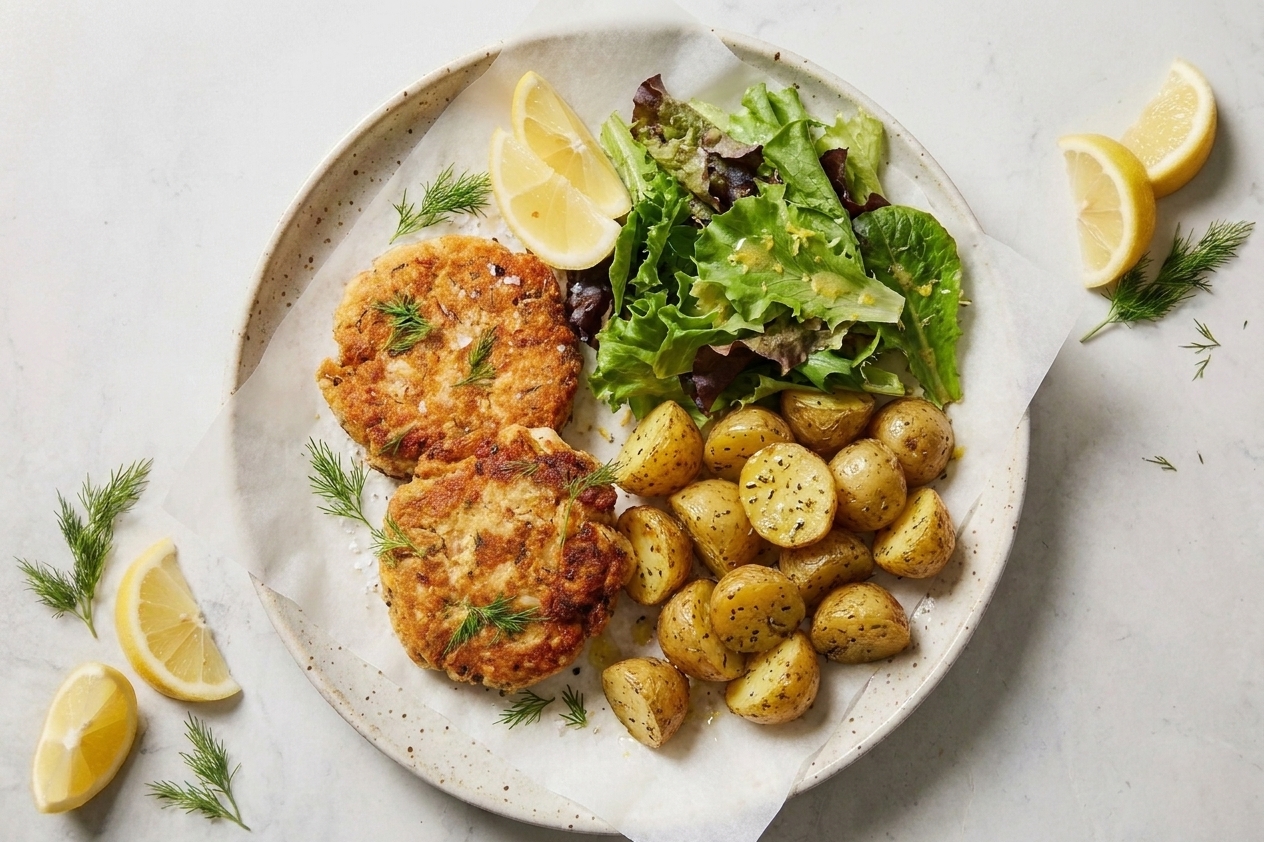
- Simple salad: Arugula or mixed greens with lemon vinaigrette.
- Roasted potatoes or air fryer fries: The crispy-on-crispy combo is undefeated.
- Rice bowl: White rice, cucumber, avocado, and a drizzle of spicy mayo.
- Slaw: A tangy cabbage slaw cuts the richness beautifully.
- Veggies: Roasted broccoli, green beans, or asparagus with lots of garlic.
For a sandwich situation, tuck a patty into a toasted bun with lettuce, tomato, pickles, and sauce. It is basically the weeknight answer to a fish burger.
Bake or air fry
Pan-frying gives the best crunch, but baking and air frying are great for hands-off cooking.
To bake
- Heat oven to 425°F.
- Place patties on a parchment lined sheet pan.
- Brush or spray both sides lightly with oil.
- Bake 10 minutes, flip, then bake 6 to 10 minutes more until browned and firm.
To air fry
- Preheat air fryer to 400°F if your model preheats.
- Spray basket and patties lightly with oil.
- Air fry 8 minutes, flip carefully, then 4 to 6 minutes more until crisp.
Air fryers vary a lot. If your patties look pale, give them an extra light spray of oil and 1 to 2 more minutes.
Make-ahead and storage
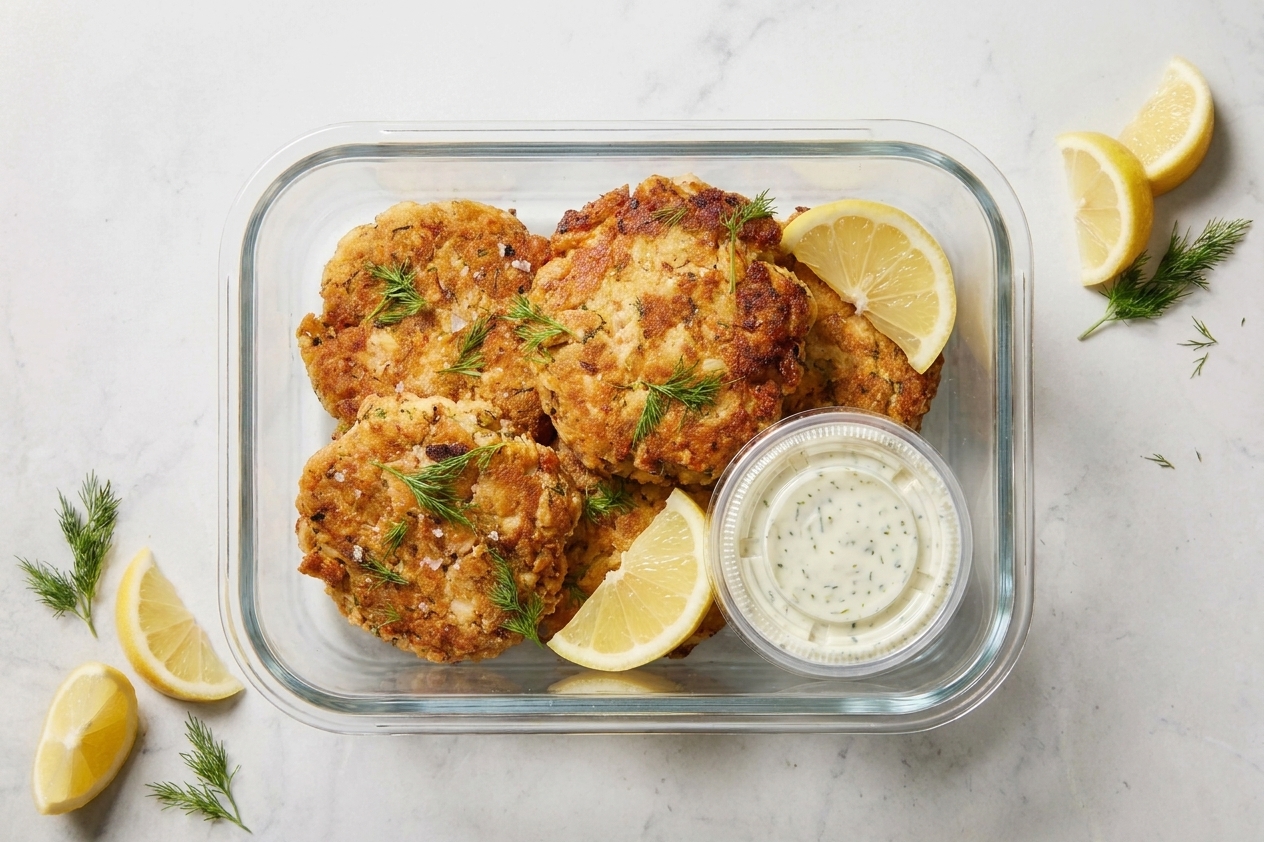
- Make ahead: Mix and shape patties up to 24 hours ahead. Store covered in the fridge on a parchment lined plate or sheet pan.
- Refrigerate leftovers: Store cooked patties in an airtight container for up to 3 days.
- Freeze: Freeze uncooked or cooked patties in a single layer until firm, then transfer to a freezer bag. Freeze up to 2 months for best quality.
- Reheat for crispiness: Reheat in a skillet with a tiny bit of oil, in a 375°F oven, or in the air fryer. Microwaving works, but you will lose the crunch.
If you freeze uncooked patties, thaw overnight in the fridge before cooking for the most even browning.
FAQ
Can I use fresh salmon instead of canned?
Absolutely. Cook the salmon first (bake, poach, or pan-sear), let it cool, then flake it. You will likely need a touch more salt because canned salmon is usually saltier.
What is the best binder if I do not have breadcrumbs?
Crushed crackers, rolled oats (quick oats work best), or almond flour can all help bind. Start with the same amount as breadcrumbs and adjust if the mixture feels too wet.
Why are my salmon patties mushy?
Mushy patties usually mean the pan was not hot enough or the mixture was too wet. Preheat the skillet, drain the salmon well, and add a little extra breadcrumb. Also, do not crowd the pan, which can lower the temperature and cause steaming.
How do I know when they are done?
They are ready when both sides are deeply golden and the center feels set when you press gently with a spatula. If you want to be extra precise, aim for 145°F in the center. If you are using already-cooked leftover salmon, think of this as a heat-through target, not “doneness.”
Can I make salmon patties gluten-free?
Yes. Use gluten-free panko or crackers, and double-check that your mustard and seasonings are certified gluten-free if needed.
One last pep talk
If you are new to fish cakes and patties, your first batch does not need to be perfect. What you are looking for is a good sizzle, a patient flip, and enough binder so the mixture behaves. Once you make them once, you will start adjusting flavors like you own the place. Extra garlic. More lemon. A little heat. That is the fun.
And if one patty breaks? Congratulations, you just made the cook’s snack. I call that a win.