

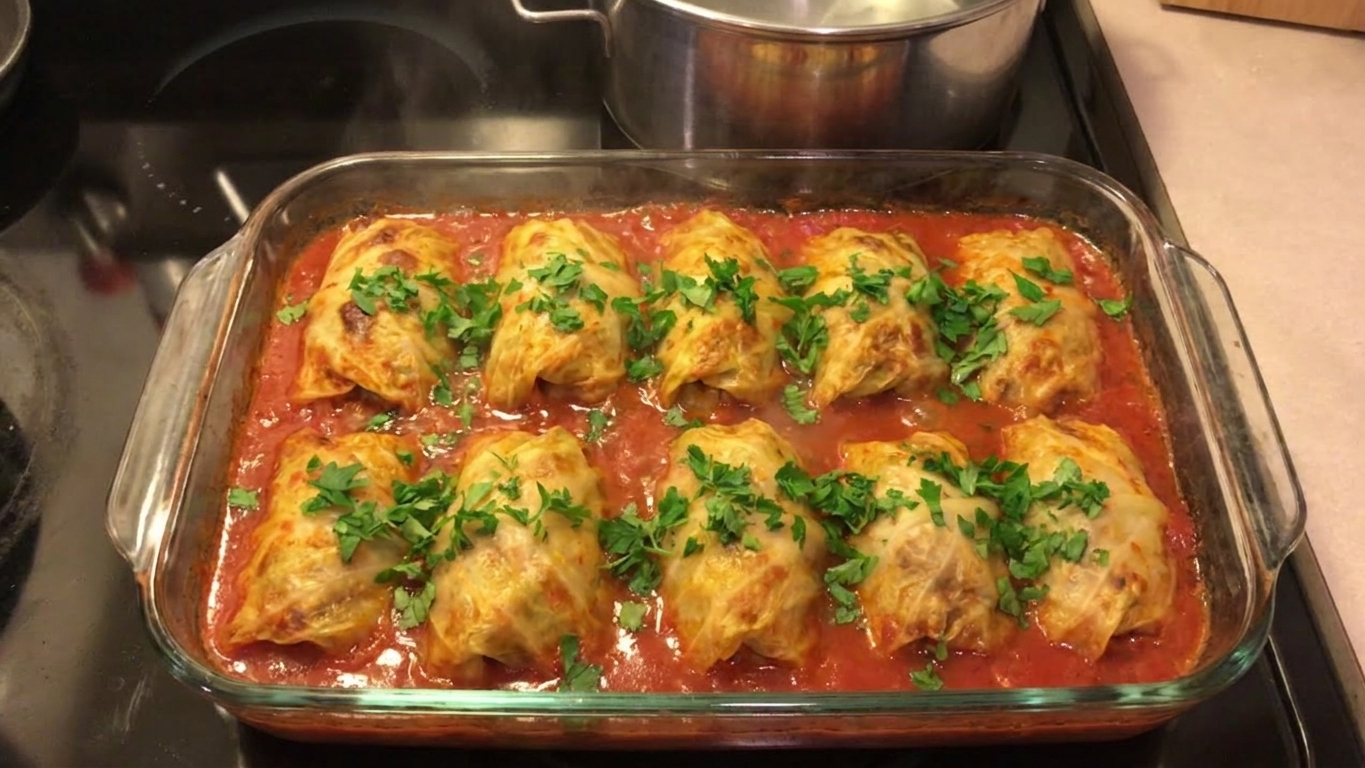

Stuffed cabbage rolls are one of those cozy, Sunday-supper dishes that looks impressive. But they are absolutely weeknight-capable once you know the rhythm: blanch the leaves, mix the filling, roll, then let the oven do the heavy lifting in a blanket of tomato sauce.
I grew up in the Pacific Northwest in a family where big pots and big casseroles were basically their own food group. Cabbage rolls were the kind of meal that made the whole house smell like garlic and simmered tomatoes, and everyone magically wandered into the kitchen “just to check.” That still happens at my house, too.
This version keeps things classic: tender cabbage wrapped around a beef-and-rice filling, then baked until the cabbage is silky and the centers are cooked through. I will walk you through leaf prep, the small rolling tricks that help prevent splitting, and clear doneness cues so you don’t have to guess.
The idea
Why This Recipe Works
Blanching softens the leaves
A quick dunk in boiling water softens cabbage leaves just enough to roll without cracking, but still keeps them sturdy enough to hold the filling.
Rice cooks in the rolls
Using uncooked rice (and plenty of sauce plus a tight cover) means the rice absorbs flavorful liquid as the rolls bake, giving you a tender, cohesive filling without a separate pot of rice.
Tomato sauce keeps everything juicy
Covering the pan and surrounding the rolls with sauce creates a gentle braise in the oven. The rolls stay moist, and the cabbage turns silky instead of chewy.
Smart rolling prevents blowouts
Trimming the thick rib, rolling snugly, and placing rolls seam-side down makes a huge difference in keeping them intact.
Shopping
Ingredient Notes
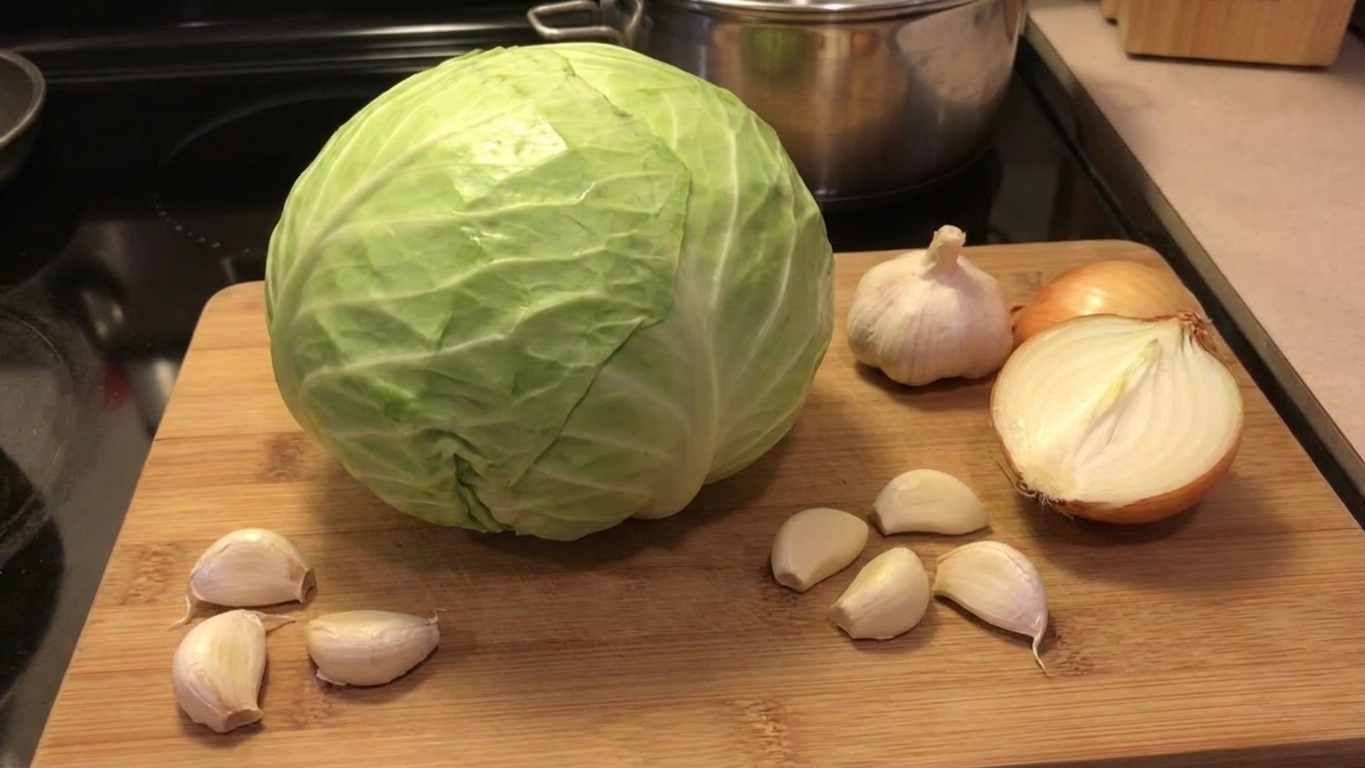
Green cabbage
Look for a heavy head with tight leaves. Savoy cabbage also works and is naturally more pliable, but standard green cabbage is the easiest supermarket find.
Ground beef
I like 85/15 for flavor without excessive grease. If you use a fattier grind, you may want to spoon off some fat from the sauce halfway through baking.
Rice
Use long-grain white rice for the most reliable cook time. Brown rice takes longer and can stay chewy unless you par-cook it first.
Tomato sauce and crushed tomatoes
This combo gives you a sauce that is smooth enough to nestle around the rolls, but still has body. If you only have one, you can use all sauce or all crushed tomatoes and adjust with a splash of water or broth if it seems too thick.
Garlic and onion
These are non-negotiable in my kitchen. If you are thinking, “Is that too much garlic?” it is not.
Egg
Just one helps bind the filling so it slices and serves cleanly.
Get set up
Equipment You Will Need
- Large pot for blanching the cabbage
- Tongs or a large slotted spoon for removing leaves
- Chef’s knife and cutting board
- Large mixing bowl
- 9x13-inch baking dish or a similarly sized casserole dish with high sides
- Aluminum foil or a tight-fitting lid for covering
- Instant-read thermometer (optional but helpful for doneness)
Technique
Tips for Getting It Right
Prep leaves without tearing
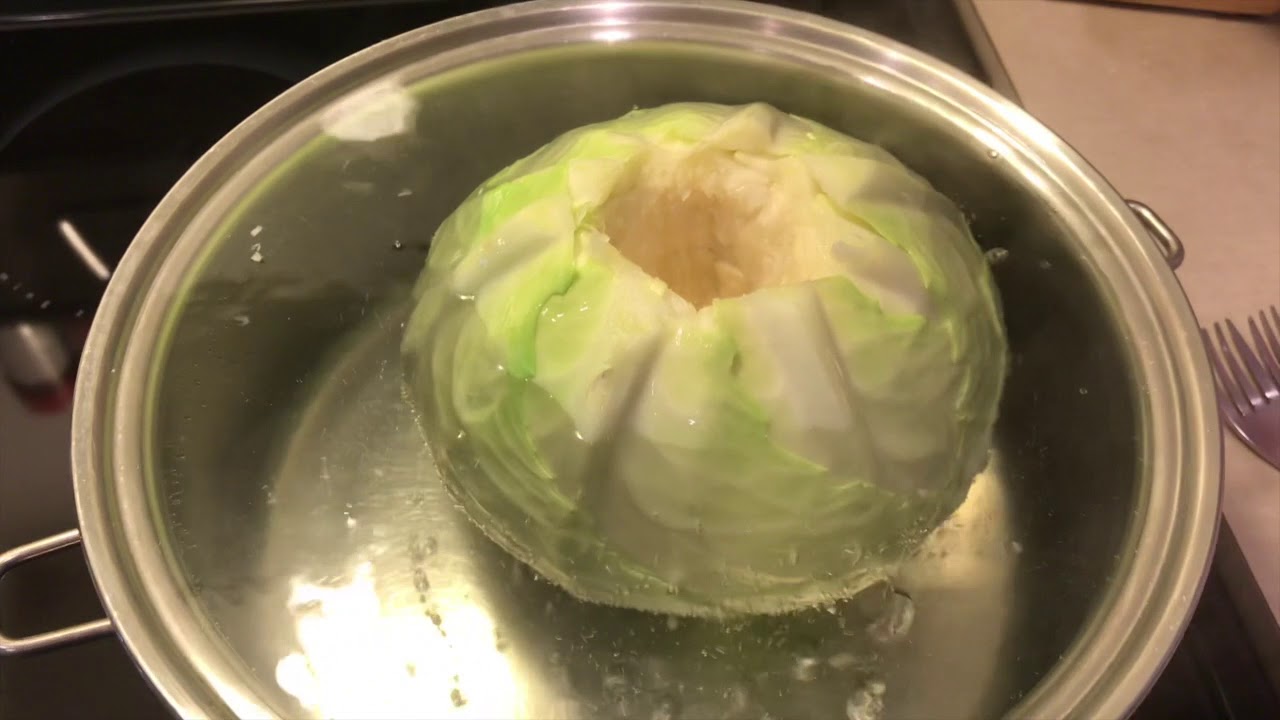
Core the cabbage first, then blanch the whole head. As the outer leaves loosen, peel them off gently with tongs and keep blanching the head until you have enough leaves.
Trim the rib
The thick rib is what causes splitting. Slice a thin V wedge out of the thickest part near the base, or shave it down so the leaf folds easily without creating a weak spot.
Don’t overfill
A generous but controlled portion is the secret. If you pack them too full, the rice expands as it cooks and can force the roll open.
Roll snugly, then tuck the sides
Think burrito mechanics: filling near the bottom, one tight roll over the filling, tuck the sides, then roll up.
Pack seam-side down
This uses the weight of the roll to “seal” it. In a baking dish, snug rolls help each other stay put.
How to tell when they’re done
- Texture: a knife slides into the roll easily and the cabbage is tender, not crunchy.
- Rice: the rice inside is fully tender when you cut one open.
- Temperature: the center of the filling should reach 160°F for beef.
- Sauce: you should see steady bubbling around the edges when the pan is uncovered near the end.
If you are unsure, pull one roll out, cut it in half, and check the rice. That is the most reliable cue.
Flexibility
Substitutes That Work
Ground meat
Ground turkey, chicken, pork, or a beef and pork blend all work. Aim for something with a little fat for the best texture.
Rice
Long-grain white is easiest. If you want to use brown rice, par-cook it for 15 minutes first, then drain well before mixing into the filling.
Tomato base
No crushed tomatoes? Use diced tomatoes and break them up with a spoon. No tomato sauce? Use passata or plain canned tomato puree.
Broth
Beef broth adds depth, but chicken broth or water works in a pinch.
Make it yours
Variations to Try
Sweet and tangy sauce
Stir 1 to 2 tablespoons brown sugar and 1 tablespoon cider vinegar into the sauce for a classic sweet-sour vibe.
Herby cabbage rolls
Add 2 tablespoons chopped fresh dill or parsley to the filling for a brighter finish.
Extra garlicky sauce
Double the garlic in the sauce and add a pinch of red pepper flakes if you like gentle heat.
Mini rolls
Use smaller inner leaves and make appetizer-sized rolls. Keep them snug in the pan and start checking doneness 10 to 15 minutes earlier.
On the table
What to Serve It With
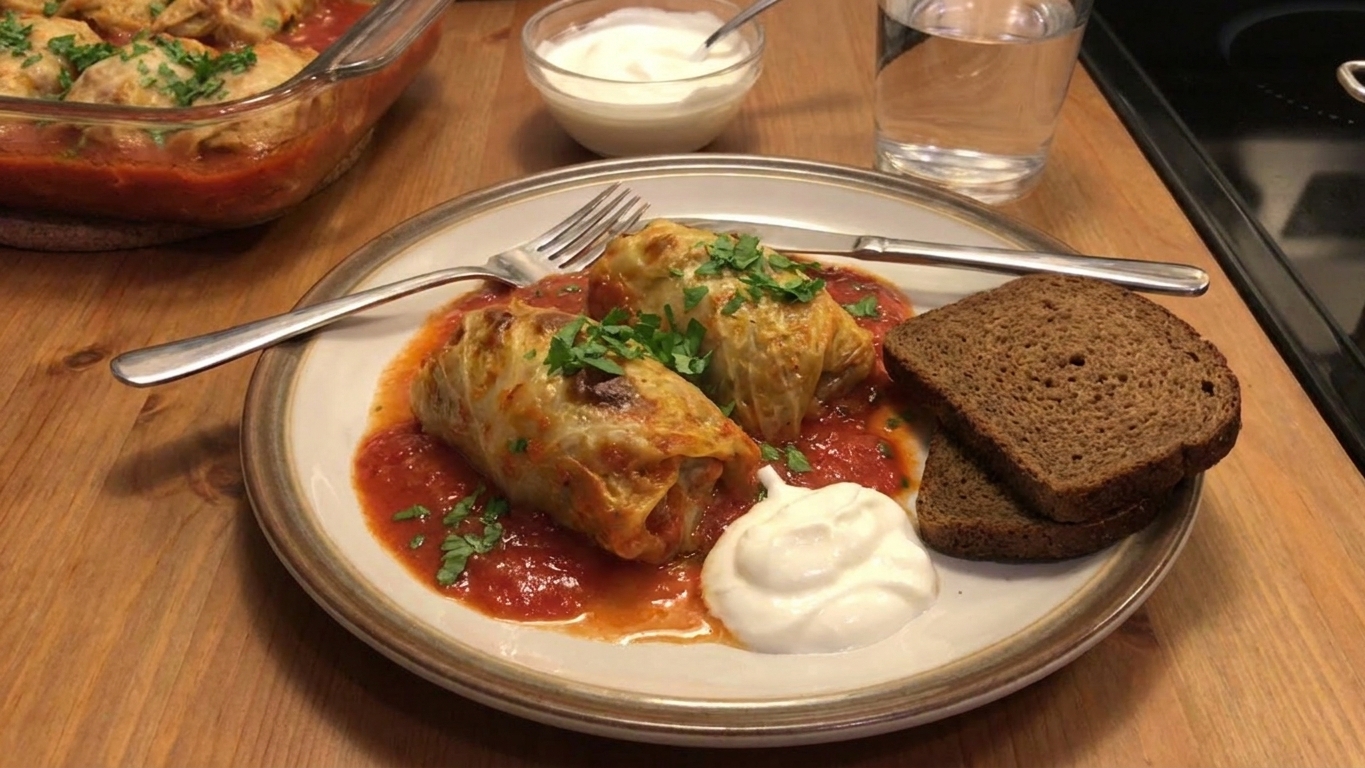
- Mashed potatoes or buttered egg noodles to catch extra sauce
- Rye bread or crusty bread with salted butter
- A crisp cucumber salad or simple green salad with a lemony dressing
- A dollop of sour cream or plain Greek yogurt on top
Later
Storage, Freezing and Reheating
Refrigerate
Store cabbage rolls with sauce in an airtight container for up to 4 days. They actually get better as the flavors meld.
Freeze
Freeze baked rolls in their sauce for up to 3 months. Cool completely first, then pack into freezer containers. Thaw overnight in the fridge when possible.
Reheat
Reheat covered in a 350°F oven until hot throughout, about 20 to 30 minutes depending on portion size. You can also microwave gently with extra sauce spooned over the top to prevent drying.
Watch out
Common Mistakes to Avoid
Skipping the rib trim
If you don’t thin the thick rib, the leaf fights you and tends to crack right where you need it to fold.
Rolling too loosely
Loose rolls fall apart. Roll snugly and set seam-side down so they stay closed as they bake.
Not enough sauce or liquid
Uncooked rice needs moisture. Make sure the rolls are surrounded by sauce and the pan is tightly covered for the first part of baking.
Baking uncovered too early
Covering creates a moist braise. Uncover only at the end to slightly reduce and concentrate the sauce.
Calling them done before the rice is tender
The cabbage can feel tender before the rice is finished. Always cut one open and check the rice if you are unsure.
Questions
Frequently Asked Questions
Do I have to cook the rice before adding it to the filling?
No, this recipe is designed for uncooked long-grain white rice. It cooks inside the rolls as they bake, as long as the pan is well-sauced and covered. If you want to use brown rice, par-cook it first.
How do I keep cabbage rolls from splitting?
Blanch until pliable, trim or shave down the thick rib, don’t overfill, roll snugly, and pack them seam-side down in the baking dish so they support each other.
Can I make cabbage rolls ahead of time?
Yes. You can assemble the rolls and refrigerate them (covered) up to 24 hours before baking. Add 5 to 10 minutes to the covered bake time if they are going in cold.
What internal temperature should the filling reach?
Aim for 160°F in the center of a roll for ground beef. An instant-read thermometer makes this easy, but cutting one open to confirm the rice is tender works too.
Why are my cabbage rolls watery?
This usually happens if the cabbage was not drained well after blanching or if your tomatoes are particularly juicy. It is not a dealbreaker. Uncover for a bit longer at the end to help the sauce reduce.
The recipe
Stuffed Cabbage Rolls
Classic stuffed cabbage rolls with a tender beef-and-rice filling, baked in a cozy tomato sauce until the cabbage is silky and the centers are perfectly cooked.
Ingredients
- 1 large green cabbage (about 3 to 3 1/2 pounds)
- 1 tablespoon kosher salt, plus more for blanching water
- 1 tablespoon olive oil
- 1 large yellow onion, finely chopped
- 4 cloves garlic, minced
- 1 1/2 pounds ground beef (85/15 recommended)
- 1/2 cup uncooked long-grain white rice, rinsed and drained
- 1 large egg
- 2 tablespoons chopped fresh parsley, plus more for serving (optional)
- 1 teaspoon paprika
- 1 teaspoon dried oregano
- 1/2 teaspoon black pepper
- 1 (15 ounce) can tomato sauce
- 1 (28 ounce) can crushed tomatoes
- 1 cup beef broth (or chicken broth)
- 1 tablespoon Worcestershire sauce
- 1 tablespoon brown sugar (optional)
- Sour cream, for serving (optional)
Instructions
- Heat the oven. Arrange a rack in the center of the oven and preheat to 350°F.
- Core the cabbage. Use a small sharp knife to cut around the core in a cone shape and pull it out. Peel away any damaged outer leaves and discard.
- Blanch and separate leaves. Bring a large pot of water to a boil and salt it generously. Lower the whole cabbage into the boiling water. After 2 to 3 minutes, use tongs to peel off loosened outer leaves and transfer them to a colander to drain. Keep blanching and removing leaves until you have about 12 large leaves. Let the leaves cool until easy to handle.
- Prep the leaves for rolling. On a cutting board, use a knife to shave down the thick center rib near the base of each leaf, or cut a small V-shaped wedge out of the thickest part. You want the leaf to fold without cracking. Pat leaves dry with a clean kitchen towel or paper towels.
- Start the sauce in the baking dish. In a 9x13-inch baking dish, stir together tomato sauce, crushed tomatoes, beef broth, Worcestershire, remaining 1 tablespoon kosher salt, and brown sugar if using. Spread into an even layer.
- Cook the aromatics. Heat olive oil in a skillet over medium heat. Add onion and cook until softened, 4 to 5 minutes. Add garlic and cook 30 seconds, just until fragrant. Scrape into a large bowl and cool 2 minutes.
- Mix the filling. To the bowl with onions and garlic, add ground beef, rinsed rice, egg, parsley, paprika, oregano, and black pepper. Mix gently with your hands or a fork until combined. Don’t overmix.
- Roll the cabbage. Lay a cabbage leaf on the counter with the stem end closest to you. Add about 1/3 cup filling near the base (adjust slightly depending on leaf size). Fold the bottom up over the filling, tuck in both sides, and roll up snugly.
- Arrange seam-side down. Nestle each roll seam-side down in the sauce. Pack them snugly so they support each other.
- Cover and bake. Cover tightly with foil (or a lid). Bake for 60 minutes.
- Uncover and finish. Uncover and bake 10 to 20 minutes more, until the cabbage is tender and the filling is cooked through. Doneness cues: the center should reach 160°F, the sauce should be bubbling around the rolls, and when you cut one roll open the rice should be fully tender.
- Rest and serve. Let the rolls rest 10 minutes so the juices settle. Spoon sauce over the top and finish with parsley and sour cream if you like.
Recipe notes
- Prevent splitting: blanch until pliable, trim the rib, roll snugly, don’t overfill, and bake packed seam-side down.
- Make-ahead: assemble up to 24 hours ahead, cover, and refrigerate. Add 5 to 10 minutes to the covered bake time.
- Sauce thickness: if your sauce seems thick before baking, stir in an extra splash of broth. If it seems thin after baking, uncover and bake 5 to 10 minutes longer to reduce.
- If the rice is still firm: re-cover the dish tightly and bake 10 to 15 minutes more. If the pan looks dry, splash in a bit more broth before re-covering.