
My go-to low-FODMAP tricks for big flavor without garlic or onions, including infused oils, scallion tops, hing, umami boosters, and smart simmering shortcuts.
Recipeva
7 Secret Ingredients for Next-Level Mashed Potatoes
Turn classic mashed potatoes into ultra-fluffy, restaurant-worthy comfort food with 7 simple add-ins plus the techniques that make them taste impossibly rich and savory.

Maya Reynolds
Maya Reynolds is a passionate home cook, recipe developer, and the creative voice behind Recipeva. With over a decade of experience translating complex culinary techniques into approachable weeknight meals, she focuses on creating dishes that bring joy to the dinner table without the stress.
Created September 21, 2026
Updated September 21, 2026
If you've ever wondered why restaurant mashed potatoes taste so fluffy, so rich, and somehow more potato-forward than the ones we make at home, I've got good news. It's not a secret machine or a culinary degree. It's a handful of smart ingredients (and a couple tiny technique tweaks) that stack flavor without turning dinner into a project.
Below are my seven favorite “secret” ingredients for classic mashed potatoes, plus exactly when to add them so you get that silky, cloud-like texture. Pick one or two for a weeknight upgrade, or go full holiday mode and layer a few together.
Before you start: two rules
These upgrades work best when your base is solid. Here are my non-negotiables for mashed potatoes that stay light, not gluey.
1) Choose the right potatoes
- Best all-around: Yukon Golds for buttery flavor and creamy texture.
- Fluffiest: Russets for that airy, whipped restaurant vibe.
- Want both? Do a 50/50 blend of Yukon Gold and Russet.
2) Keep them hot and dry
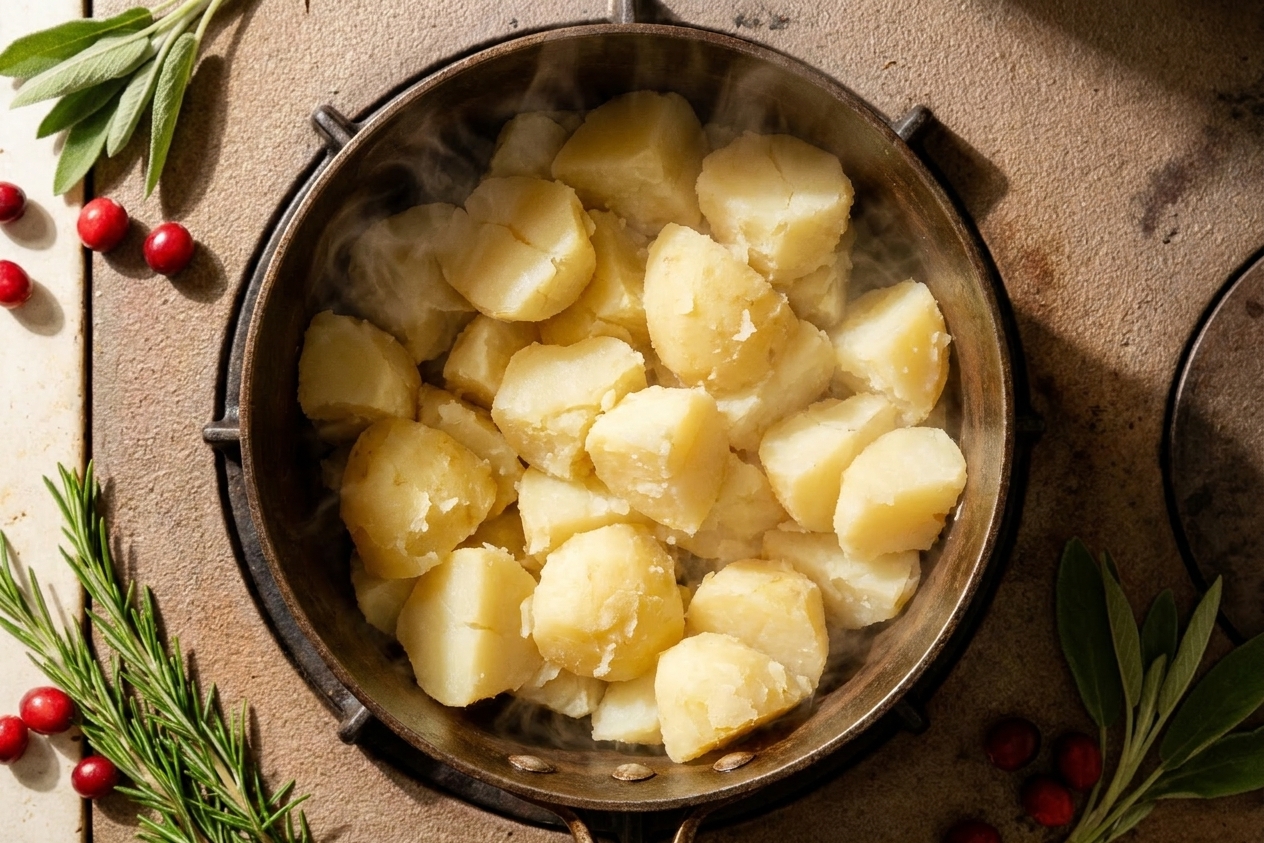
After draining, return the potatoes to the warm pot for 1 to 2 minutes, shaking gently, until the surface moisture evaporates. This tiny step lets them drink up butter and cream instead of turning watery.
7 secret ingredients
1) Brown butter
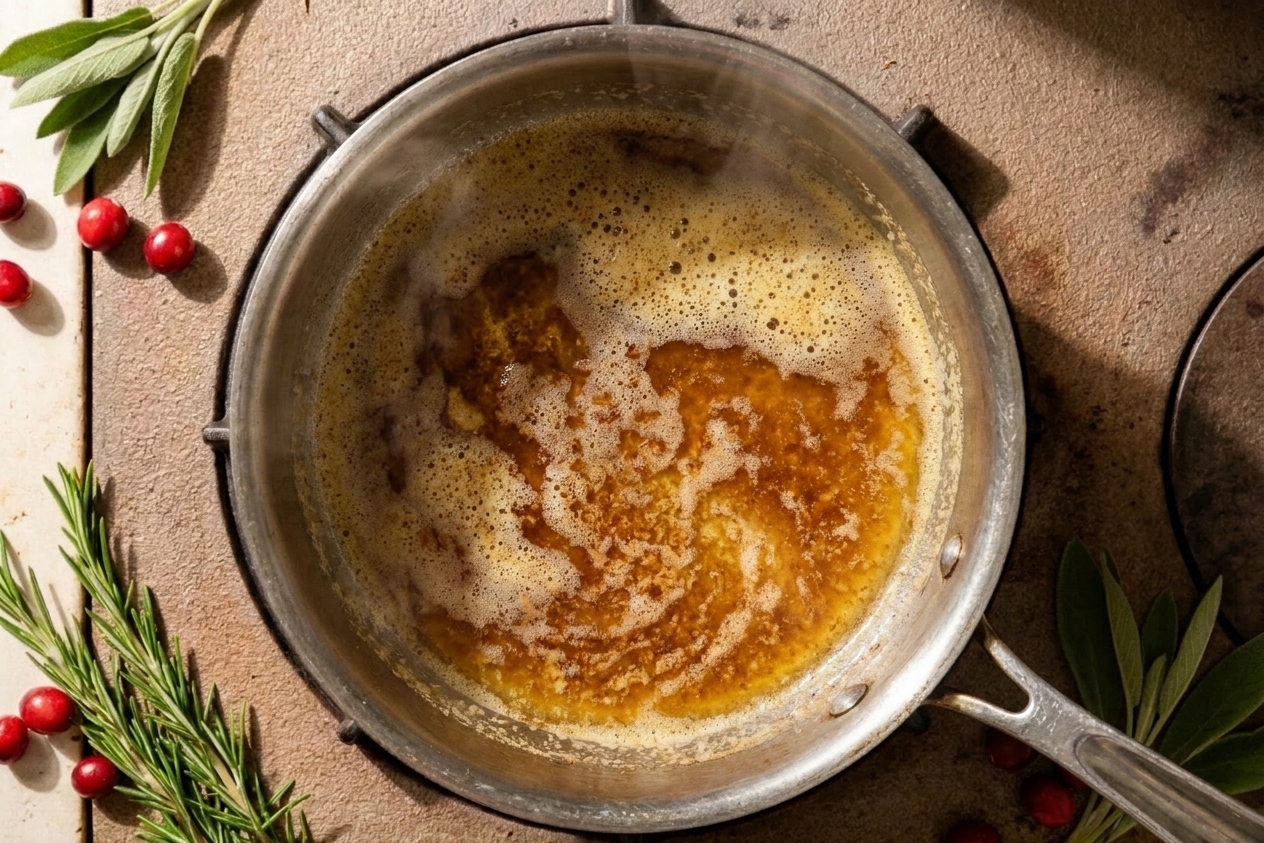
If you do one “fancy” thing, make it brown butter. It adds toasted, nutty depth that makes mashed potatoes taste like they've been quietly leveling up in the background.
- How: Melt butter in a small pan over medium heat until it foams, then turns golden with brown specks and smells nutty, 3 to 5 minutes.
- When to add: Pour it in first, right after mashing, so the hot potatoes absorb the flavor.
- Tip: Scrape in all the browned bits. That's the good stuff.
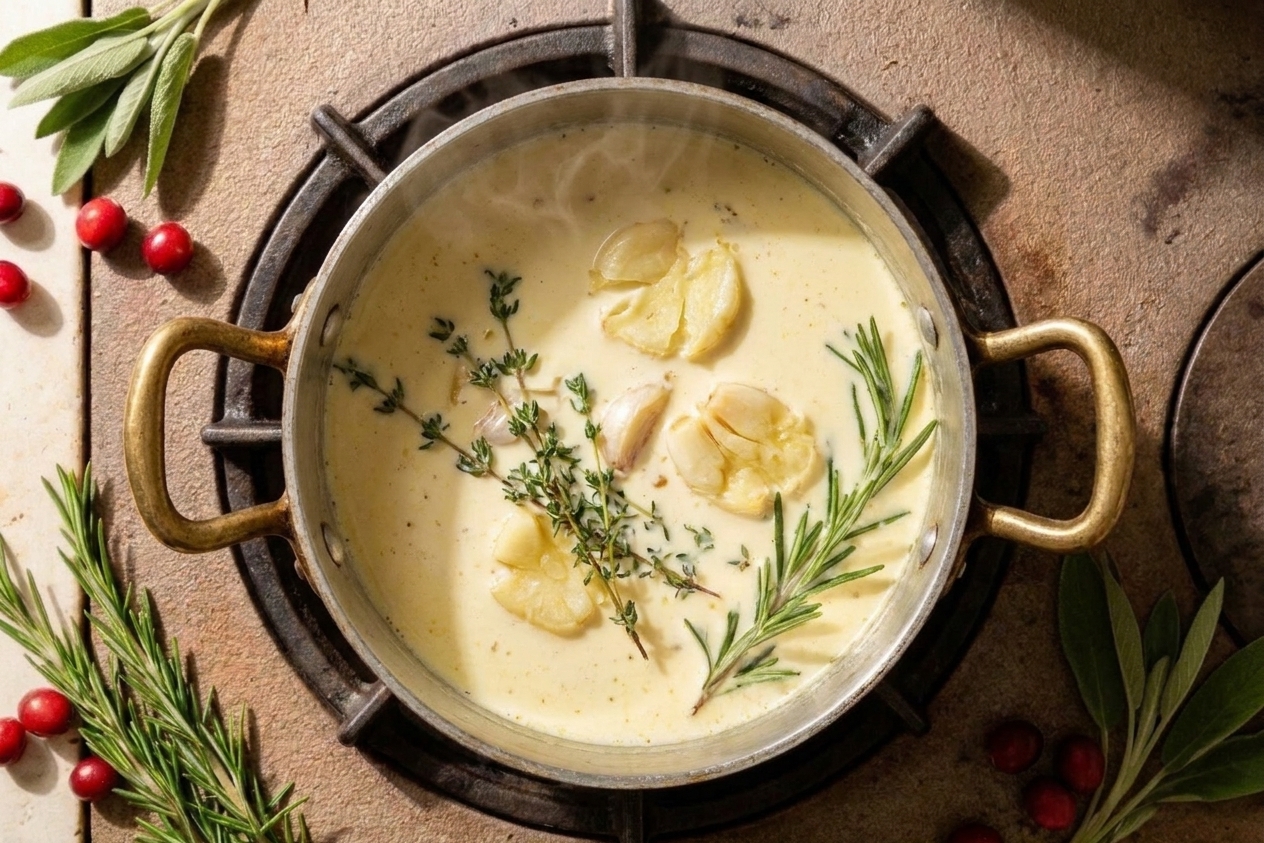
2) Warm cream with garlic
If you love garlic, this one's for you. Raw garlic in mash can taste sharp and linger, so I reach for garlic-infused cream instead: mellow, cozy, and totally weeknight doable.
- How: Warm your milk or cream with 2 to 4 smashed garlic cloves and a pinch of salt until steaming, then let it sit 5 minutes. Strain if you want it ultra-smooth.
- When to add: Add gradually after the butter, stirring until just creamy.
- Tip: Keep the dairy warm. Cold milk cools the potatoes and makes you overmix.
3) Cream cheese
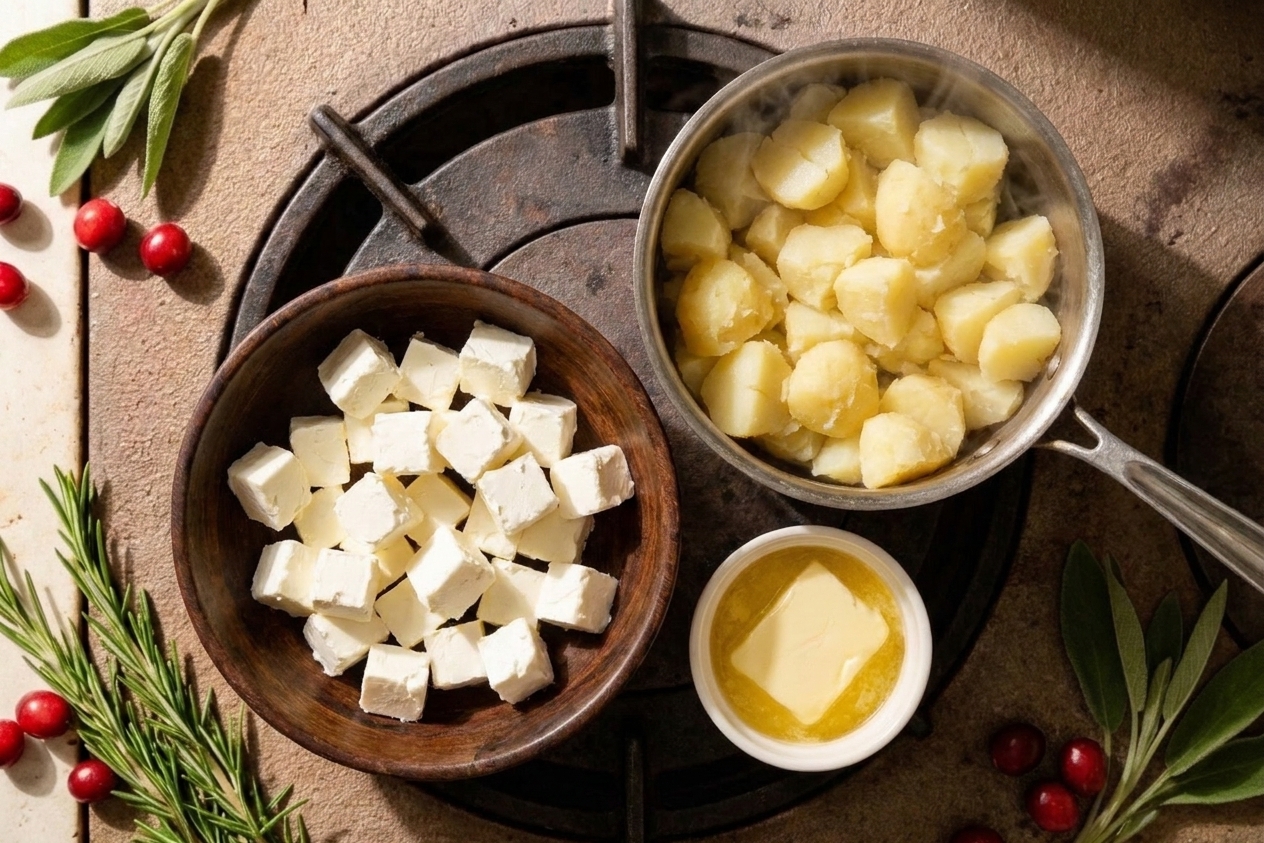
Cream cheese is my “potluck insurance.” It adds tang, body, and a gentle richness that holds up on a buffet table without getting sad and stiff.
- How much: 2 to 4 ounces per 3 pounds of potatoes.
- When to add: While the potatoes are still very hot, so it melts smoothly.
- Tip: Cut it into cubes first so it disappears quickly without extra stirring.
4) Sour cream or Greek yogurt
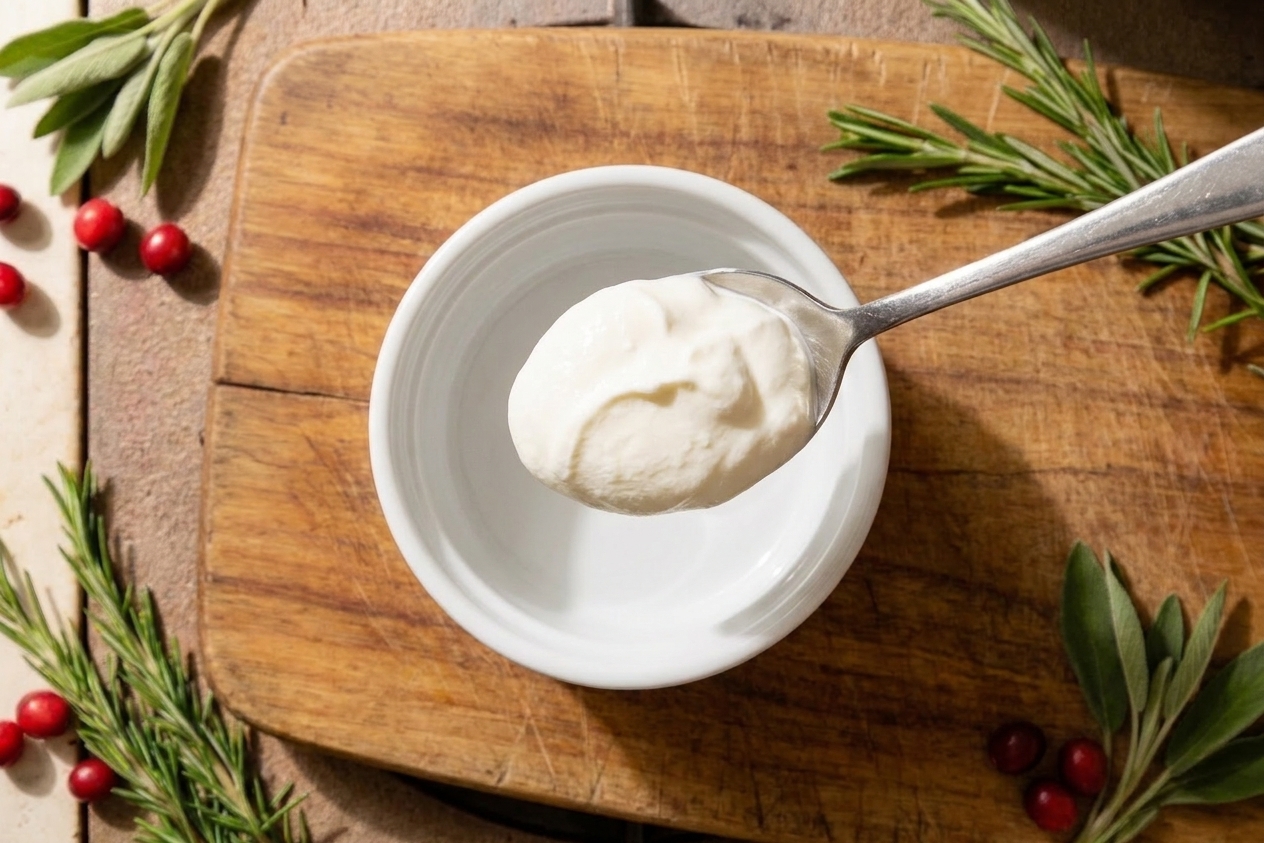
This is the bright note that keeps mashed potatoes from tasting one-dimensional. Sour cream is classic; Greek yogurt is a slightly lighter swap that still tastes indulgent.
- How much: 1/4 to 1/2 cup per 3 pounds.
- When to add: Stir in at the end, once the texture is where you want it.
- Tip: Use full-fat if you can. It blends more smoothly and tastes rounder.
5) Roasted garlic
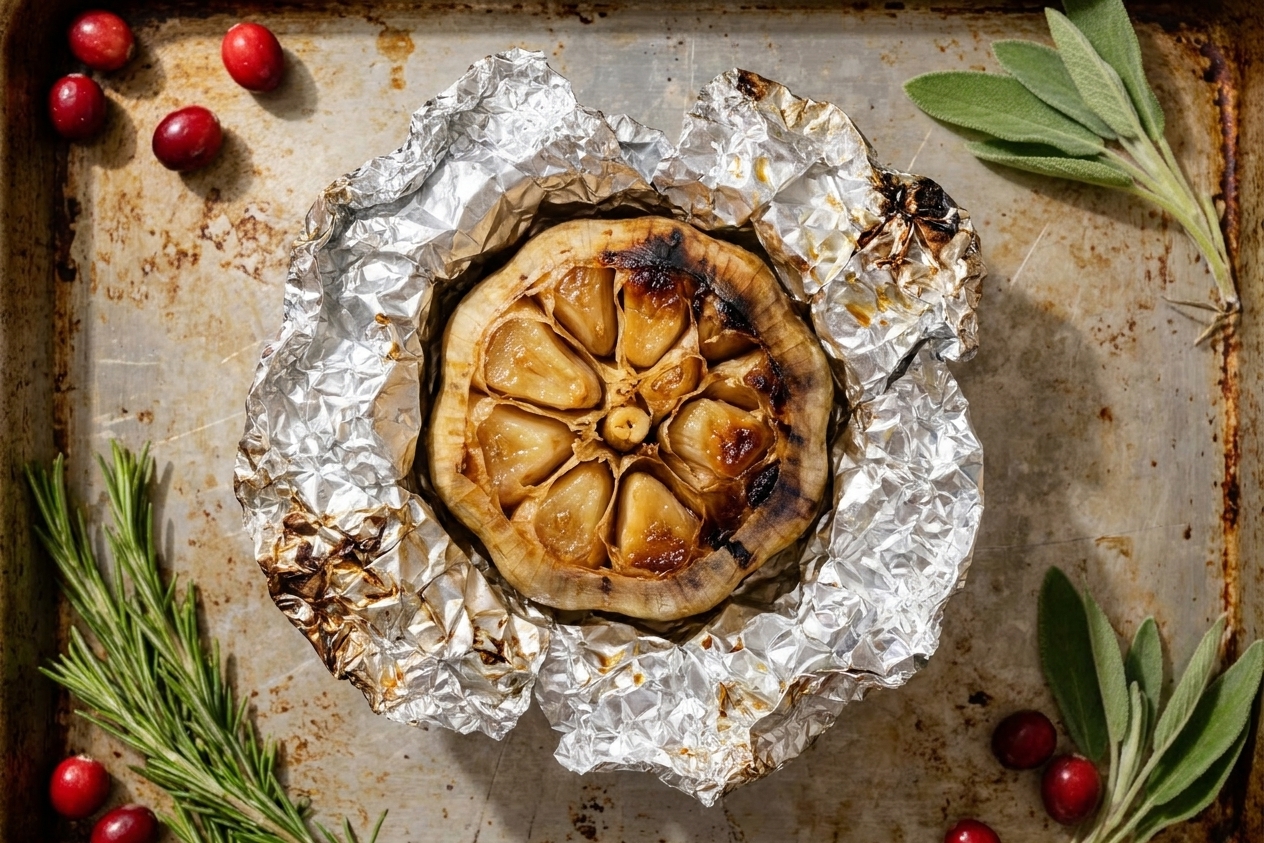
If garlic-infused cream is the cozy version, roasted garlic is the caramelized, sweet, “how is this so good” version. It adds depth without bite.
- How: Roast a whole head of garlic (wrapped in foil with olive oil) at 400°F for 40 to 50 minutes until soft, then squeeze out the cloves.
- When to add: Mash the roasted cloves into the potatoes with the butter.
- Tip: Start with half a head for 3 pounds, then taste. You can always add more. I often do.
6) Parmesan (or Pecorino)
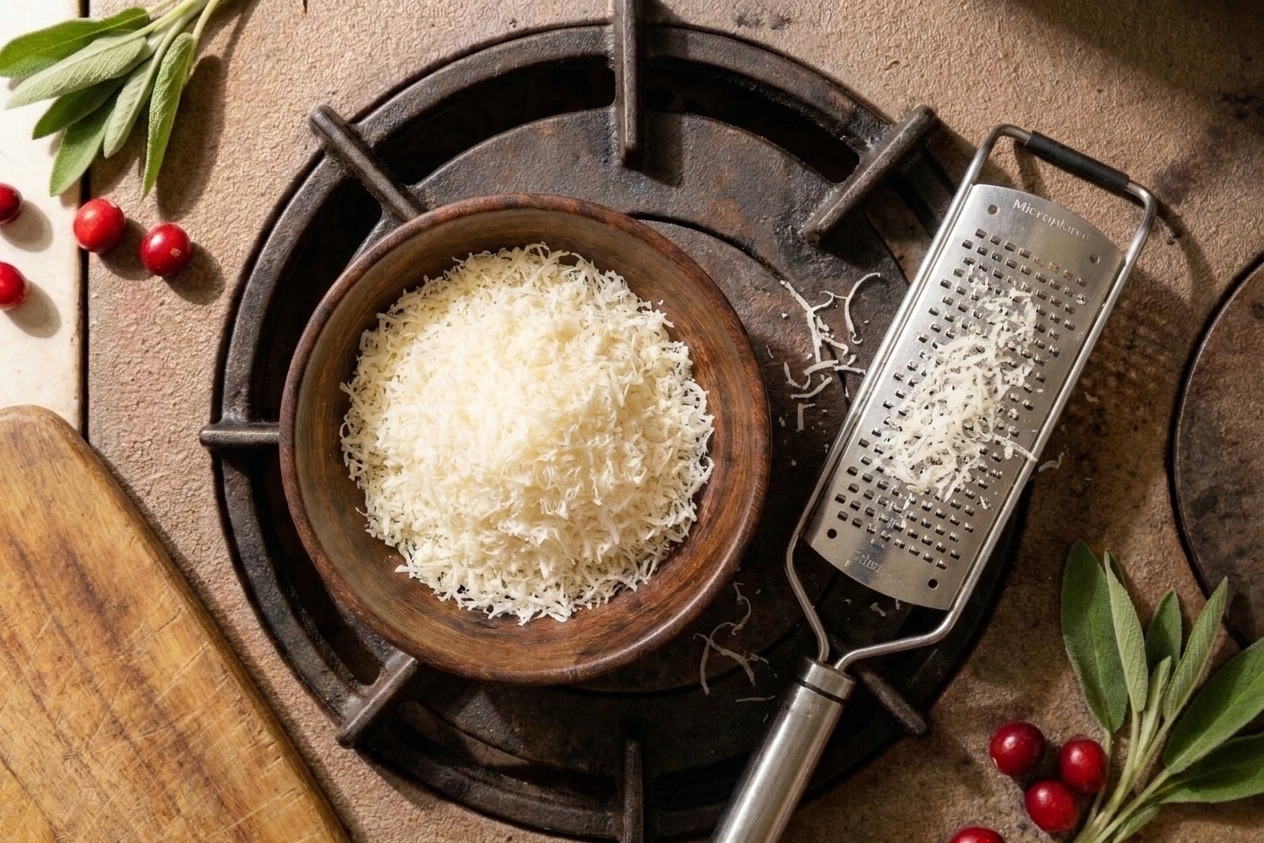
Cheese in mashed potatoes isn't just about “cheesy.” A small handful of finely grated Parmesan adds saltiness and umami, making everything taste more savory and complete.
- How much: 1/4 to 3/4 cup finely grated.
- When to add: Off the heat, after butter and warm dairy are incorporated.
- Tip: Finely grate it so it melts in without clumping. Skip pre-shredded here if you can.
7) A tiny splash of acid
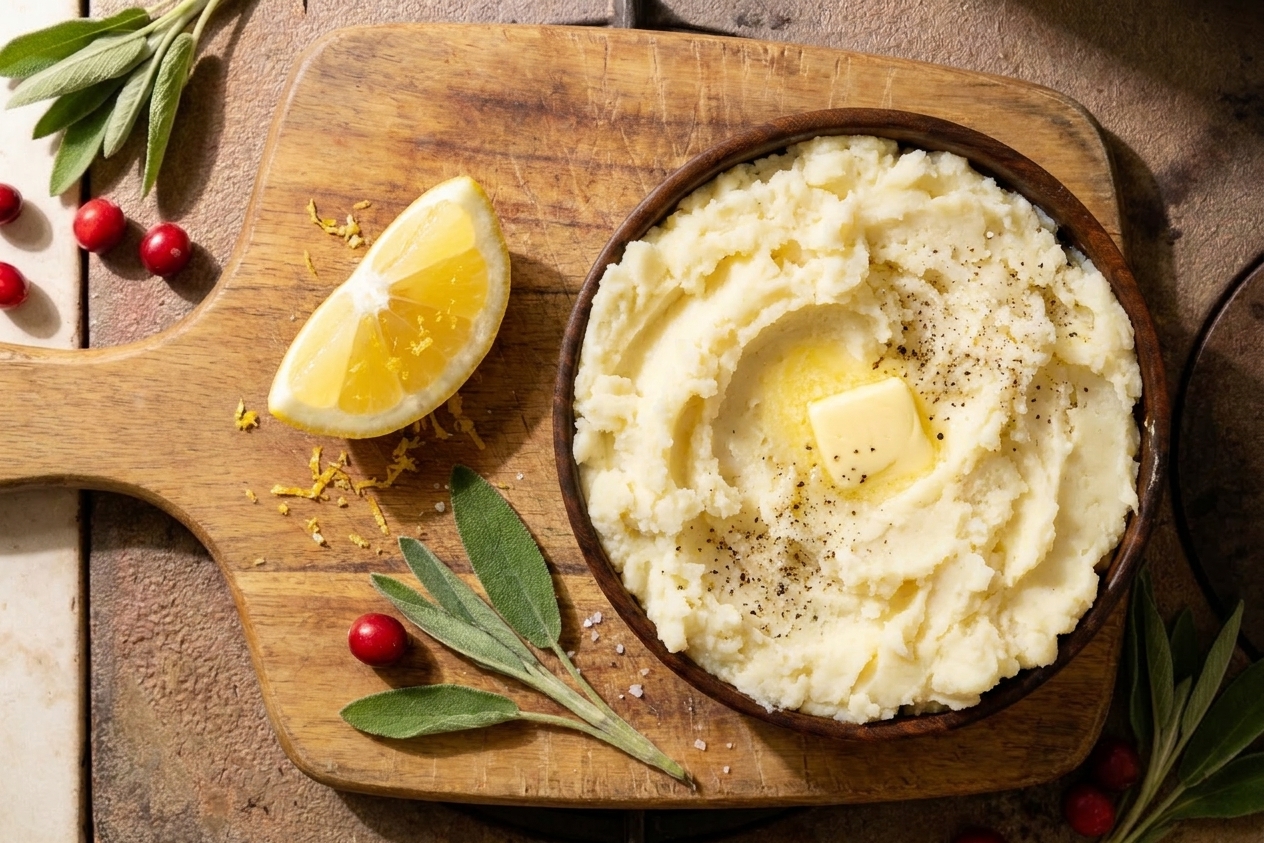
My secret weapon is a small hit of brightness. It makes potatoes taste more buttery and more potato-forward at the same time. Think of it like turning up the volume, not changing the song.
- Pick one: 1 to 2 teaspoons white wine vinegar, lemon juice, or pickle brine.
- When to add: At the very end, after you've tasted for salt.
- Tip: Start with 1 teaspoon, stir, taste, then decide if you want the second. You're aiming for “wow,” not “sour.”
Extra technique upgrades
Cut evenly
Keep your potato chunks roughly the same size so they cook at the same speed. That way you don't end up with mushy edges and a firm center.
Salt the water well
Potatoes need seasoning from the inside. Salt your cooking water until it tastes pleasantly salty, like soup. If you skip this, you'll chase flavor later with extra salt and it never tastes quite as good.
Start in cold water
Add potatoes to cold salted water, then bring to a simmer. This helps them cook evenly so you don't end up with waterlogged outsides and undercooked centers.
Mash gently, skip the blender
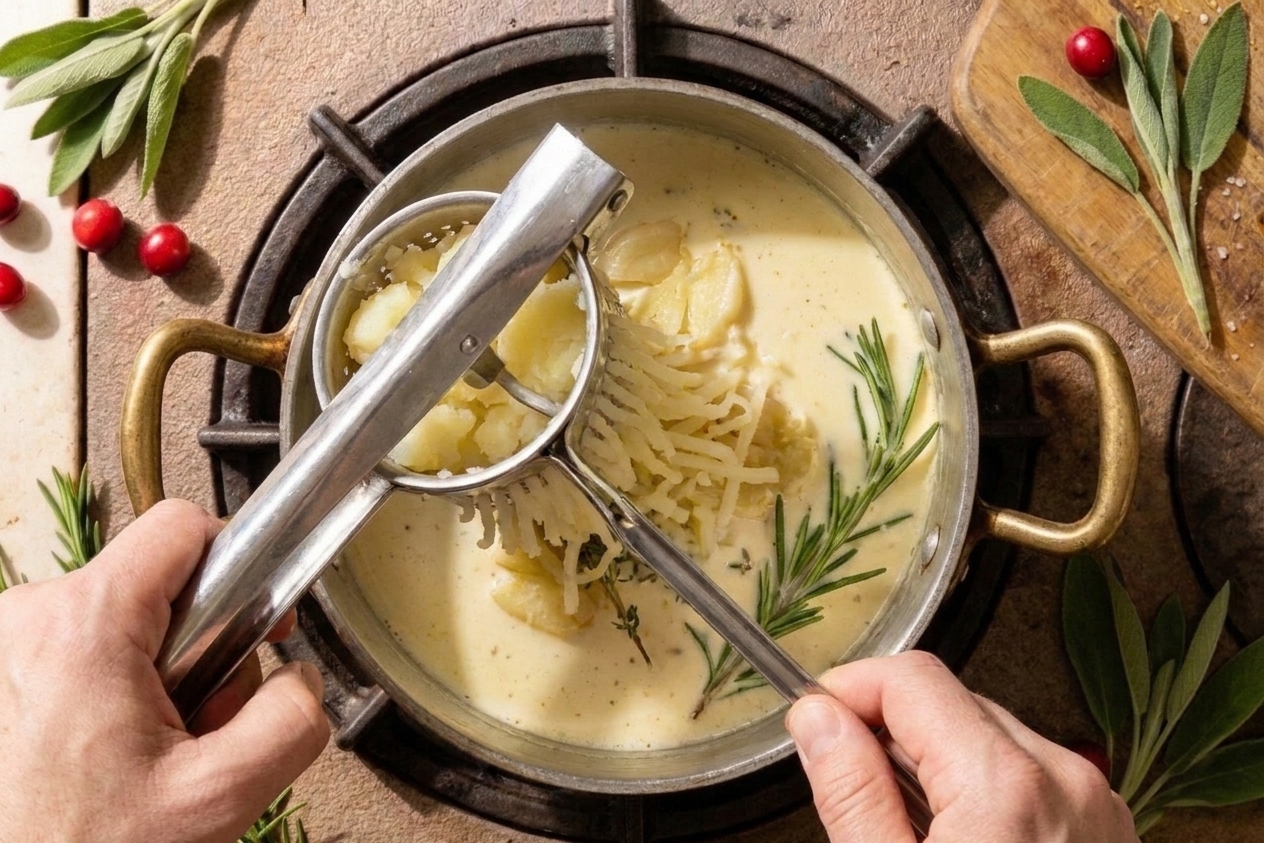
For fluffy mash, use a potato ricer, food mill, or a simple hand masher. Blenders and food processors overwork the starch and can turn your potatoes gluey fast.
Butter first, dairy second
Adding butter first gives you a smoother mouthfeel and helps you avoid overmixing while you're loosening things up. Warm dairy comes next to get you to that creamy, spoonable texture.
Keep them warm
If you're serving a crowd, warm your serving bowl, or keep the potatoes covered in a low oven (around 200°F) until it's time to eat. For potlucks, a slow cooker on “warm” works beautifully, just stir in a splash of warm milk or cream if they tighten up.
Favorite combinations
- Classic restaurant: Brown butter + warm garlic-infused cream + Parmesan
- Holiday cozy: Cream cheese + roasted garlic + chives
- Bright and balanced: Sour cream + a splash of lemon + plenty of black pepper
- Potluck champion: Cream cheese + sour cream + garlic powder (yes, sometimes the pantry wins)
Troubleshooting
My mashed potatoes are gluey
That usually comes from overmixing or using a blender. You can't fully undo gluey texture, but you can improve it: gently fold in warm cream and melted butter, then stop stirring. Next time, mash by hand or use a ricer.
They taste bland
Add salt, then add one of the flavor boosters: Parmesan, a pinch of garlic powder, or a teaspoon of vinegar or pickle brine. That tiny acid trick is shockingly effective.
They're too thick
Loosen with warm milk or cream, a splash at a time. If you have it, warm chicken stock also works beautifully for savory mashed potatoes.
They're too thin
Keep them on low heat for a minute, stirring gently to let extra moisture cook off. You can also stir in a little more butter or a spoonful of cream cheese for body.
Make-ahead and reheating
Mashed potatoes are one of the best make-ahead comfort foods, especially when you use cream cheese or sour cream for stability.
- Make ahead: Up to 2 days, cooled quickly and refrigerated airtight.
- Reheat: In a covered pot over low heat, or in the oven covered at 350°F for about 25 to 45 minutes depending on the depth of the dish, until steaming hot throughout.
- Food safety note: If you want to be strict, reheat leftovers to 165°F.
- Revive: Stir in a splash of warm milk or cream and a small pat of butter right before serving.
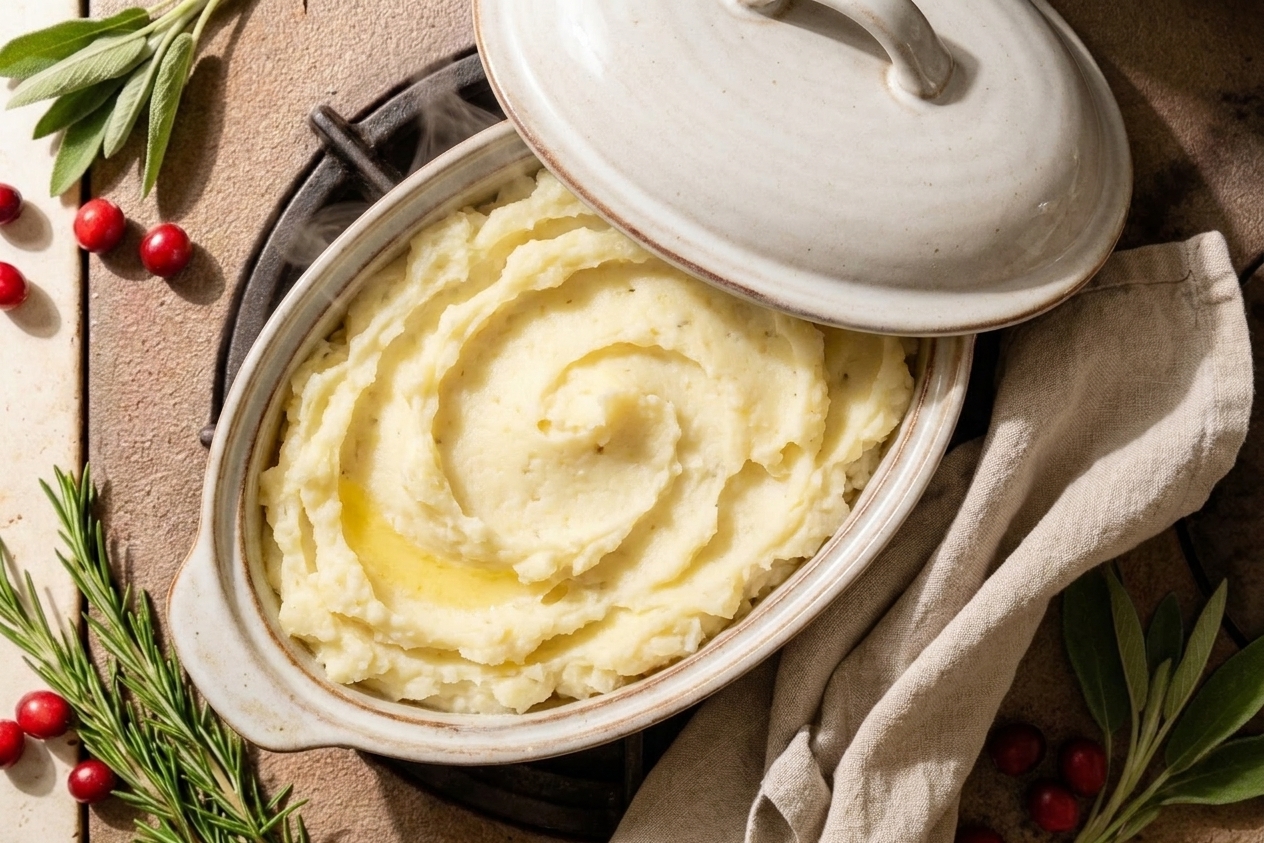
Basic mashed potato method
If you want a simple baseline that plays nicely with every ingredient above, this is the one I teach friends and neighbors.
- Potatoes: 3 pounds Yukon Gold or Russet, peeled or unpeeled, cut into 2-inch chunks
- Salt: For the water, plus to taste
- Butter: 6 to 8 tablespoons
- Dairy: 3/4 to 1 1/4 cups warm milk, half-and-half, or cream
- Pepper: Black pepper for bite, or white pepper if you want a more classic, mellow heat
- Put potatoes in a large pot, cover with cold water, and salt generously. Bring to a simmer and cook until very tender, 15 to 20 minutes.
- Drain well, then return potatoes to the pot over low heat for 1 to 2 minutes to dry.
- Mash or rice the potatoes.
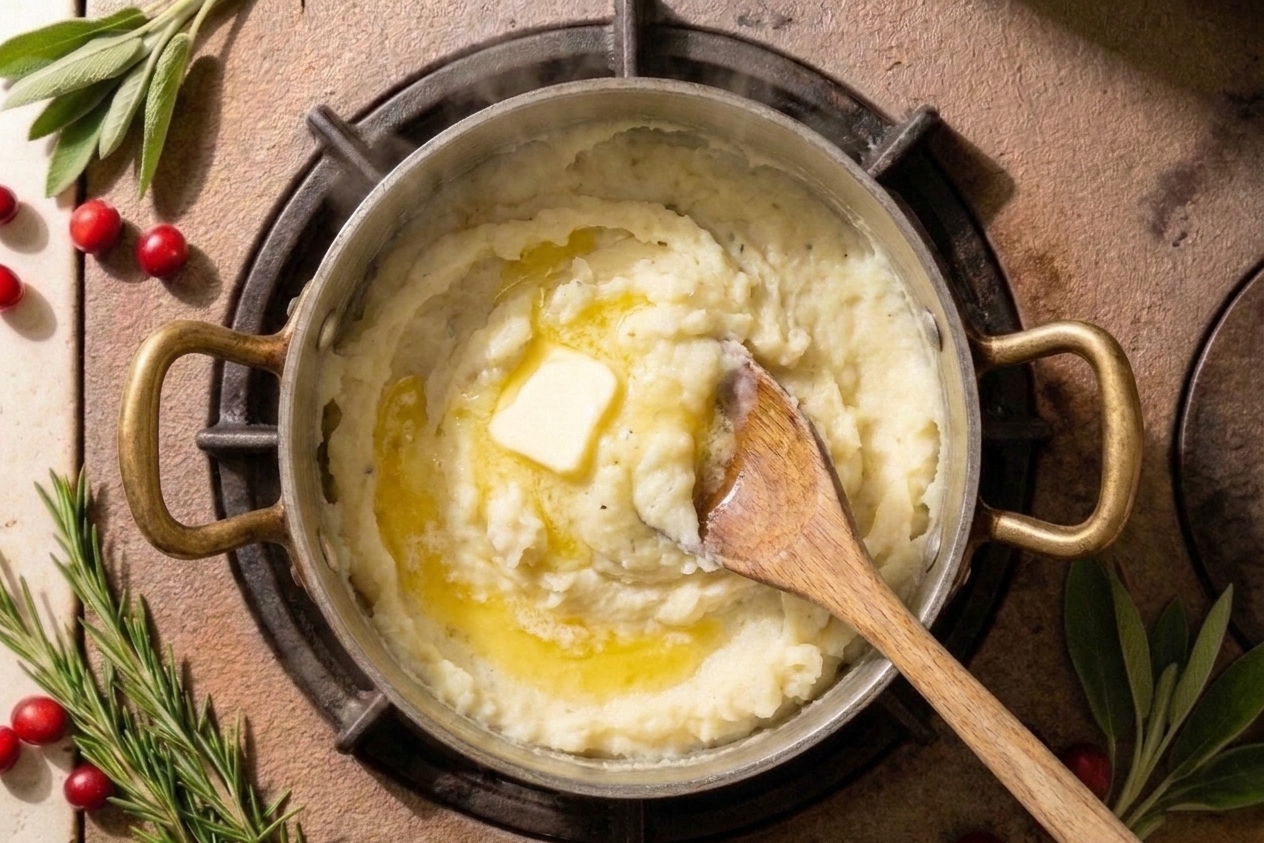
- Stir in butter first until melted.
- Add warm dairy gradually until creamy. Season with salt and pepper, then add any “secret” ingredients you're using.
FAQ
What's the best ingredient for extra creamy mashed potatoes?
Cream cheese is my easiest, most reliable upgrade for creamy texture. For pure silkiness, combine cream cheese with warm cream and add the butter first.
How do restaurants make mashed potatoes so fluffy?
They often use Russets or a Russet blend, run them through a ricer or food mill, and add plenty of butter with warm dairy. The big thing they avoid is overmixing.
Can I add mayonnaise to mashed potatoes?
You can, in small amounts. A tablespoon or two adds richness and tang, similar to sour cream. If mayo makes you nervous, start with sour cream or Greek yogurt instead.
What herbs are best in mashed potatoes?
Chives, parsley, and thyme are my favorites. Add delicate herbs at the end so they stay fresh and bright.
If you try one of these upgrades, tell me which one became your house favorite. I love hearing how you make comfort food your own. And if you're on the fence about roasted garlic, I'll be right here, gently insisting it's worth it.