

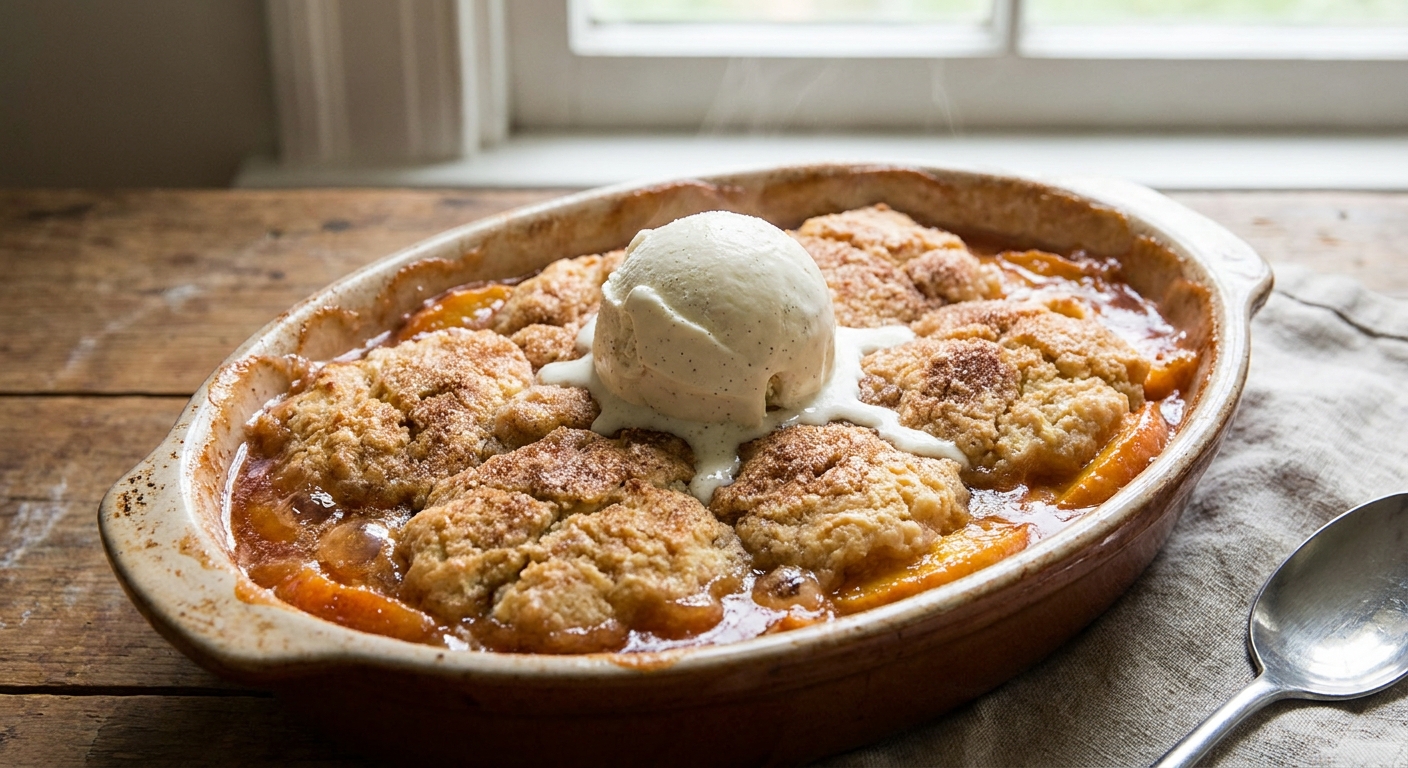
If you have a bowl of ripe peaches on the counter and that cozy dessert mood hits, the cobbler versus crisp decision can feel weirdly high stakes. I have made both for potlucks, weeknight cravings, and those late-summer Sundays when the kitchen smells like butter and sunshine. Here is the good news: you cannot really lose. You just want to pick the one that matches the texture you are craving and the time you have.

The quick difference
Both desserts are baked fruit with a topping, but the topping style is what truly separates them.
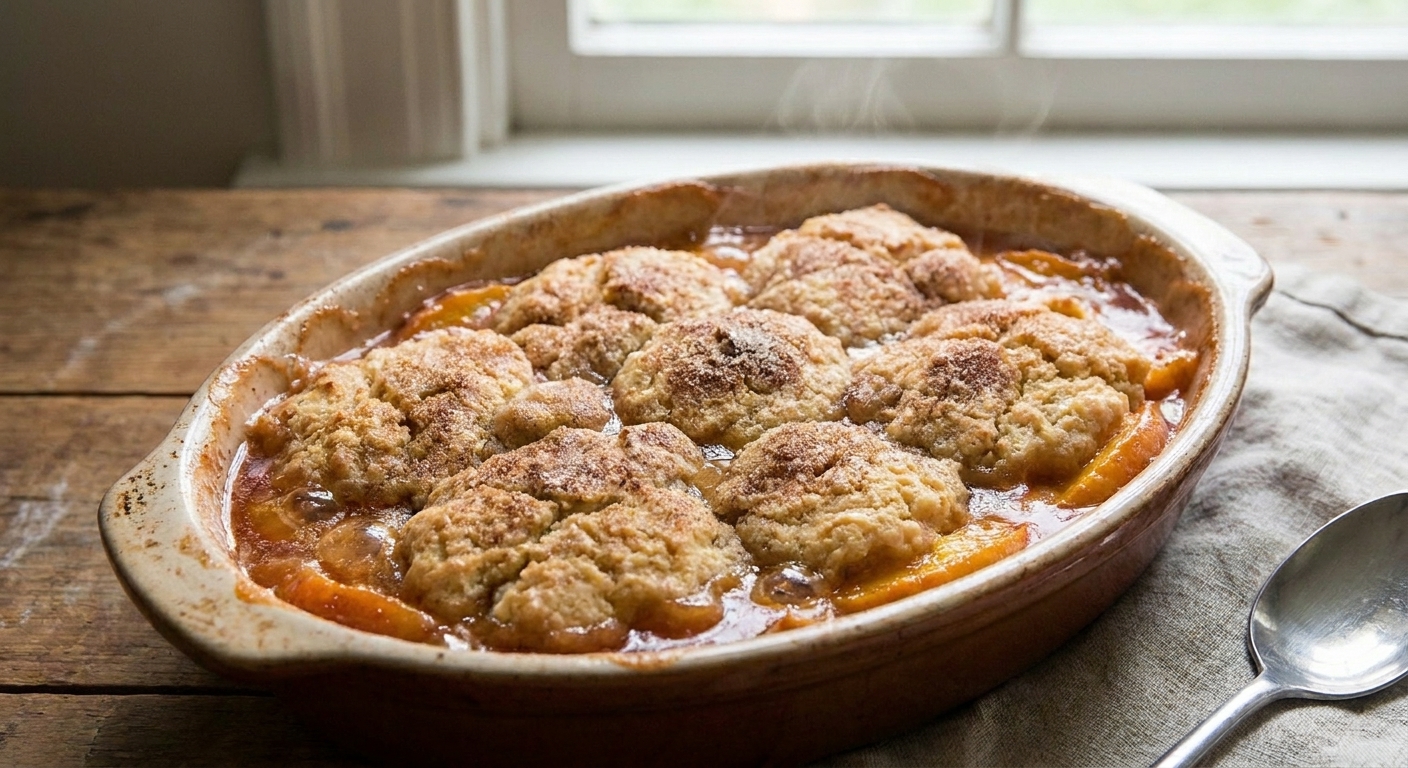
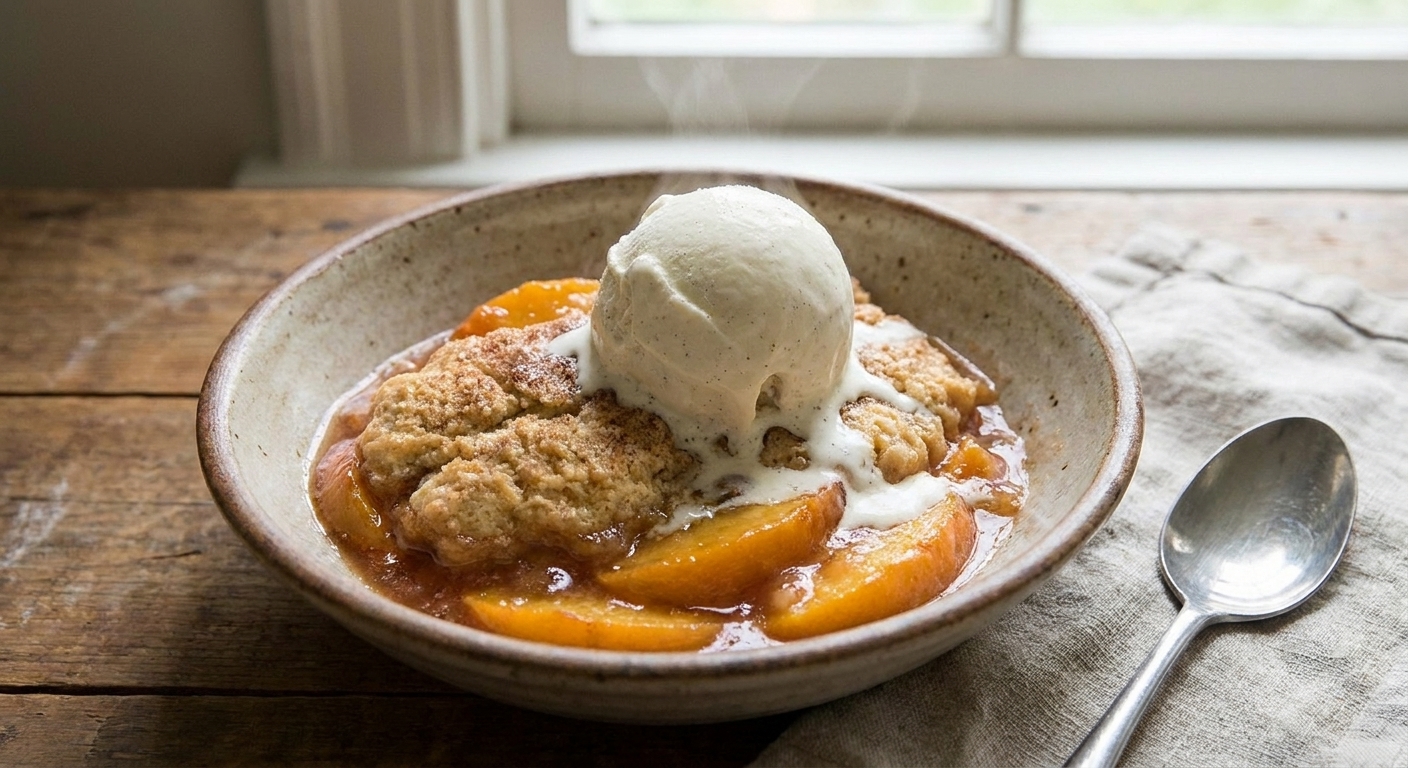
- Peach cobbler has a biscuit-style or cake-style topping that bakes up tender and bready, like a soft crust.
- Peach crisp usually has a streusel-style topping that bakes up crumbly and pebbly, like a sweet, buttery granola. Many crisps include oats, but not all.
If you want spoonable comfort that eats like peaches tucked under a warm blanket, go cobbler. If you want contrast and crunch on top of juicy fruit, go crisp.
Toppings: cobbler vs. crisp
Peach cobbler topping
Cobbler toppings generally fall into two camps:
- Biscuit topping: Dropped or shaped dough made with flour, butter, sugar, baking powder, and milk or buttermilk. It bakes up fluffy, a little craggy, and very comforting.
- Cake topping: A batter or a shortcut cake-mix version. It bakes up softer and more uniform, with a sweet, tender crumb.
What it feels like to eat: soft, tender, and cozy. The topping can soak up some peach juice as it sits, which is delicious but less crisp.
Peach crisp topping
A crisp topping is usually a streusel made from:
- rolled oats (often, but not required)
- flour
- brown sugar or granulated sugar
- butter
- often cinnamon, nutmeg, or a pinch of salt
- sometimes chopped nuts
What it feels like to eat: crunchy and crumbly on top with a buttery, toasty flavor. If you like the vibe of an oatmeal cookie meeting roasted peaches, crisp is your dessert.
Getting the filling right
This is the part that decides whether your dessert is dreamy or soupy. No matter which topping you choose, the filling should be thick enough to lightly coat a spoon after baking and resting. Think warm honey, not peach soup.
Why it matters
- Too thin: the dessert floods the plate, the topping gets soggy fast, and leftovers can turn gummy.
- Too thick: the filling can feel jammy and heavy, and the peaches lose their fresh, juicy character.
How to get it right
I use three simple checkpoints:
- Use a thickener: cornstarch is the most common. Flour works too, just a bit less glossy. Tapioca starch is lovely if you have it.
- Let it get hot enough: starches thicken when they hit a near-simmer and hold there briefly. In the oven, visible bubbling is your easiest cue that the filling is hot enough to thicken.
- Rest before serving: give it 20 to 30 minutes. This is when the juices settle and thicken up.
If you like a concrete starting point, I usually reach for 1 to 2 tablespoons cornstarch for about 6 to 8 cups sliced peaches, then adjust up if the fruit is extremely ripe or if I am using frozen.
Maya tip: If your peaches are extremely ripe and juicy, lean a little heavier on thickener and do not skip the resting time. Super-juicy fruit is wonderful, it just needs a little structure.
Peach prep that matters
Do you need to peel peaches?
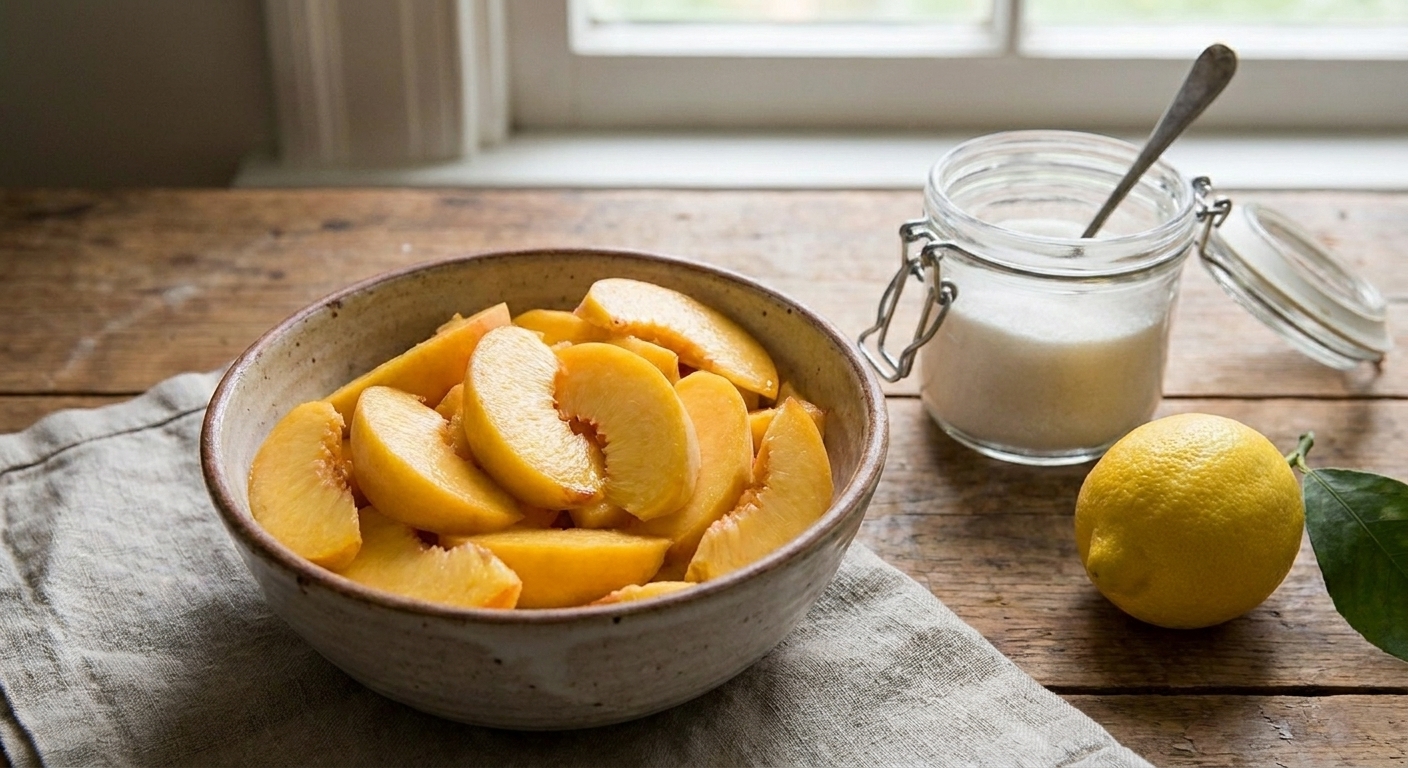
Totally optional. I peel if I want a smoother, more classic filling, or if the skins feel thick. I leave them on when I am being casual and the peaches are tender. Either way works.
Slice thickness
Thinner slices soften faster and release juice faster. Thicker slices hold their shape more, but they can take longer to get tender. For most cobblers and crisps, I aim for about 1/2-inch slices so they turn silky without disappearing.
Which one holds texture best?
If you are baking ahead, bringing dessert to a gathering, or planning on leftovers, texture becomes the deciding factor.
Peach crisp holds crunch longer
Streusel is built for texture, and it generally holds onto crunch better over time. It will soften a bit as it sits, especially in humid kitchens or if it is covered while still warm, but it stays pleasantly craggy longer than cobbler topping.
Peach cobbler gets softer as it rests
Cobbler topping is meant to be tender. It is wonderful fresh, but it tends to absorb peach juices and steam as it sits. That means any crisp edges soften, and the underside of the topping gets softer by design.
- For maximum crunch: choose crisp.
- For maximum cozy softness: choose cobbler.
How to choose
Here is the decision-making shortcut I use when I am standing in my kitchen with peaches and a plan.
Pick peach cobbler if you want:
- a soft, cakey or biscuit-like topping
- a dessert that feels like fruit and warm bread in one bite
- something that is still delicious even when the topping soaks up juices
- that classic scoop-of-ice-cream-melting-into-everything moment
Pick peach crisp if you want:
- crunchy topping with lots of texture
- a buttery, cinnamon-kissed flavor (especially if you use oats)
- better texture after cooling and into day two
- a topping you can make fast by rubbing butter into dry ingredients
Bake and serve notes
Doneness cues
- Filling: look for bubbling that is steady and not just around the edges. Center bubbles are a great sign the filling is hot enough to thicken.
- Topping: bake until it is deeply golden. Pale topping usually means underbaked dough and less flavor.
If you need to bake ahead
- Crisp: best for baking earlier in the day. Re-crisp in a 350°F oven for 10 to 15 minutes if needed.
- Cobbler: best served warm the same day for peak topping texture, but still lovely on day two. Rewarm gently so the topping does not dry out.
Best serving temperature
- Warm: both are fantastic warm, especially with vanilla ice cream.
- Room temp: crisp holds up especially well at room temperature and travels nicely.
FAQ
Is a peach crumble the same as a peach crisp?
They are close cousins. In many kitchens, “crumble” is used for a streusel topping without oats, while “crisp” often includes oats. In real life, recipes overlap a lot, so read the ingredient list and look for oats if you are chasing that classic crisp texture.
Can I use canned or frozen peaches for either one?
Yes. For canned peaches, drain well so the filling is not watery, then taste before adding sugar since canned fruit is often already sweetened. For frozen peaches, you can bake from frozen or thaw and drain, but expect more liquid release and a longer bake time. Either way, plan on a little extra thickener if the fruit seems very juicy.
Why did my filling turn runny after I cut into it?
Most commonly, it either did not bake long enough to get hot enough to thicken, or it did not rest long enough to set. Next time, look for steady bubbling and give it a 20 to 30 minute rest before serving.
How do I keep the topping from getting soggy?
For crisp, bake until the streusel is deeply golden and let it cool uncovered for a bit before covering. For cobbler, accept a little softness as part of its charm, but make sure your filling thickens properly and avoid covering while it is still piping hot.