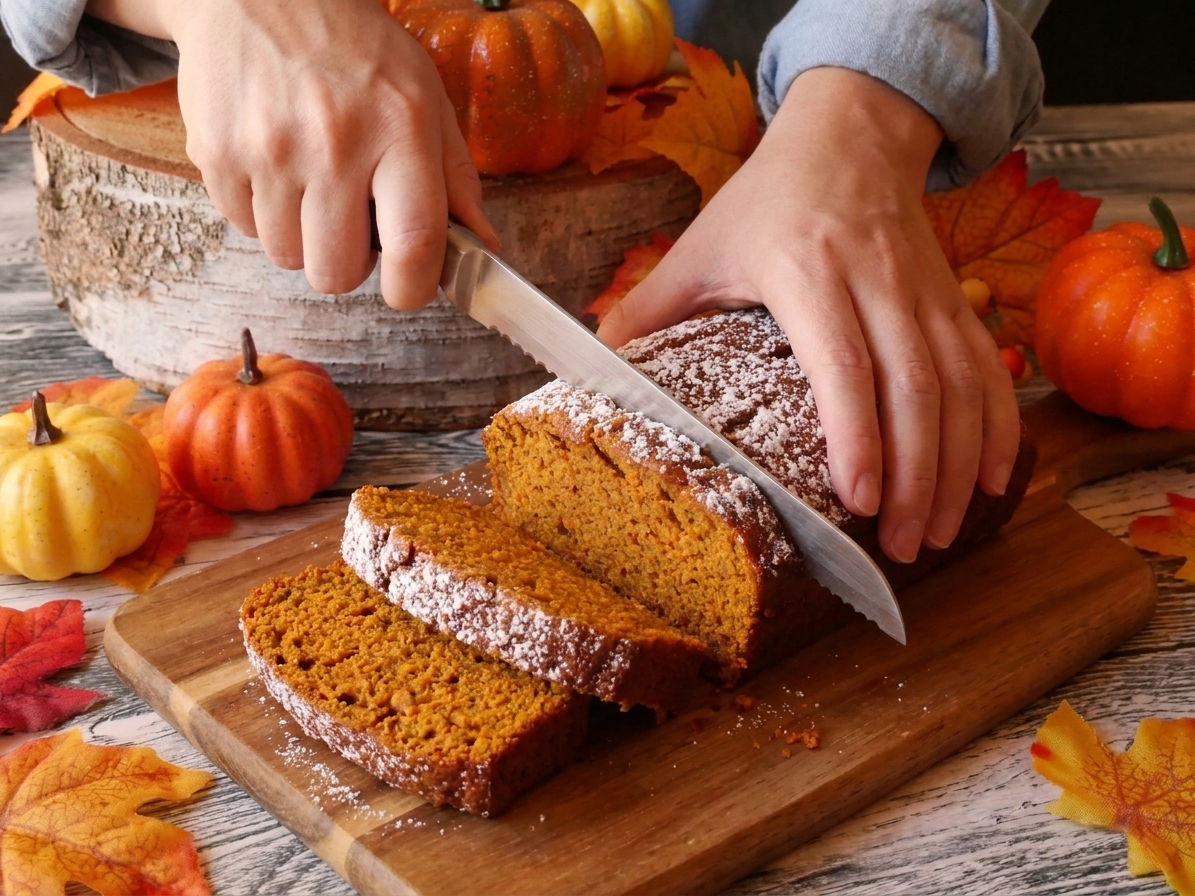

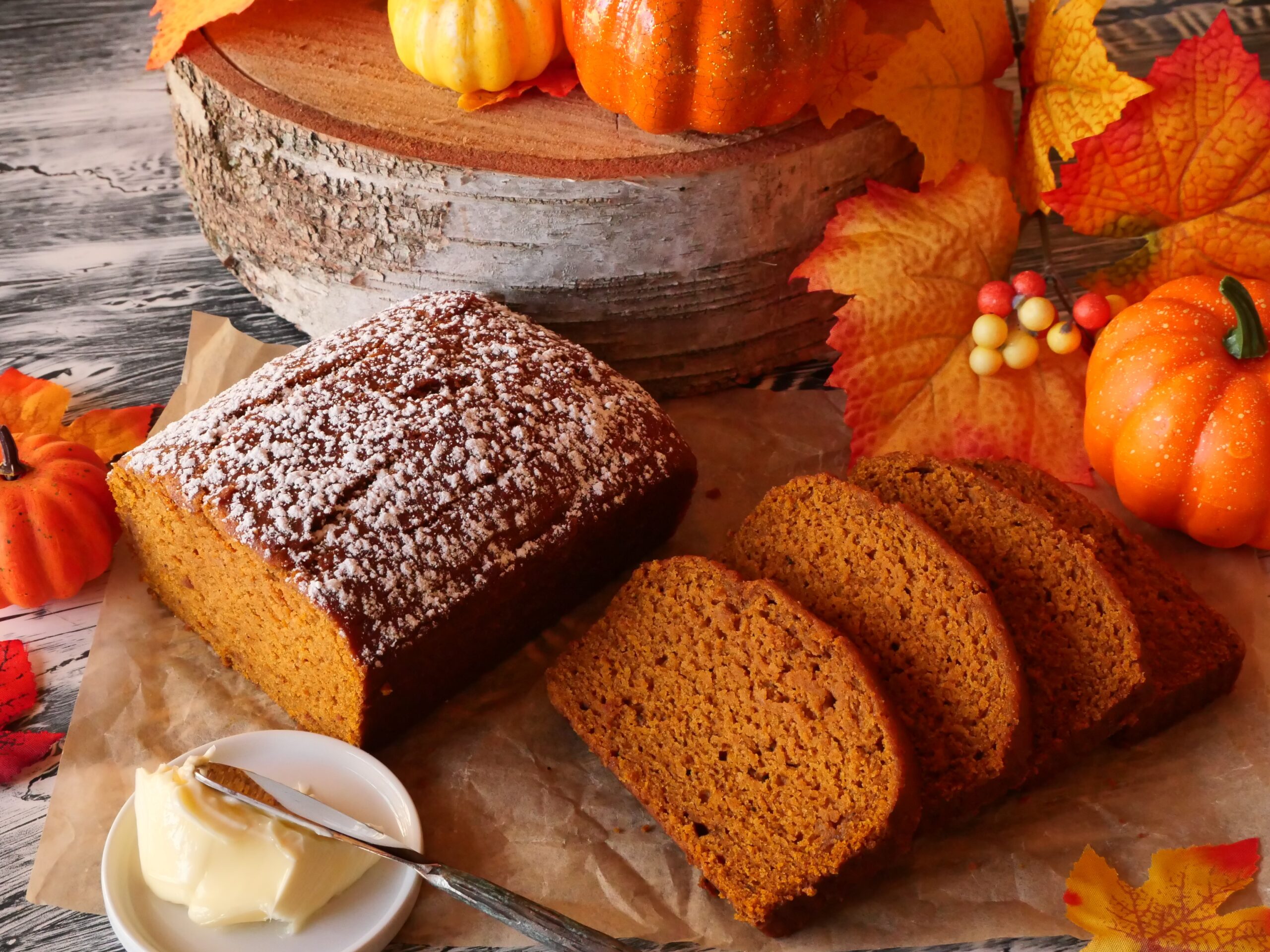

Pumpkin bread is one of those recipes that feels like turning your kitchen into a candle, in the best way. You want a loaf that is deeply spiced, not too sweet, and most importantly actually moist without being heavy or gummy. This version hits that sweet spot: soft crumb, crisp edges, and the kind of slice you can toast the next day and still feel like it was baked recently.
I will walk you through the why behind the ingredients, the small mixing choices that make a big difference, and a few foolproof ways to customize it for your household. If you have a can of pumpkin and a mixing bowl, you are in business.
What makes pumpkin bread truly moist
“Moist” pumpkin bread is not just about adding more pumpkin. It is about balancing water (pumpkin puree has plenty), fat (for tenderness), and structure (so the loaf can hold all that softness without collapsing).
- Pumpkin puree adds moisture and body. It brings natural sugars and pectin that help the crumb stay tender.
- Oil keeps the crumb soft longer than butter. Butter tastes amazing, but it firms up as it cools. Oil stays fluid, which means the loaf stays tender for days.
- Brown sugar helps retain moisture. The molasses in brown sugar is a quiet hero for softness and a deeper flavor.
- The right amount of flour prevents gumminess. Too little flour or too much pumpkin can make the center dense and underbaked even when the top looks done.
- Gentle mixing protects the texture. Once flour is in the bowl, overmixing builds gluten and turns “tender” into “tough.”
Ingredients you need (and what each one does)
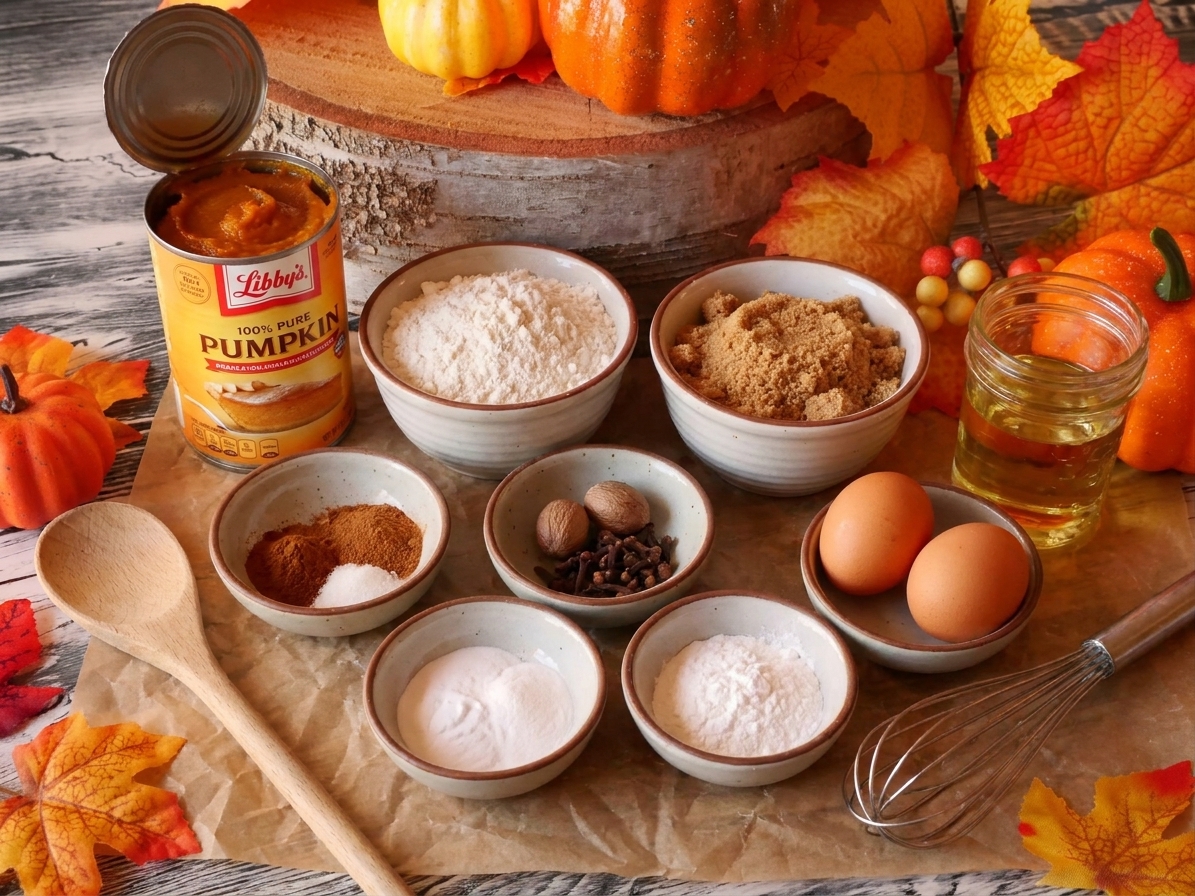
This recipe uses everyday supermarket staples. Here is the lineup and the role each one plays.
- 100% pumpkin puree: Use plain pumpkin, not pumpkin pie filling (which is sweetened and spiced).
- All-purpose flour: The reliable backbone. Measure it with a light hand.
- Brown sugar + granulated sugar: Brown sugar for moisture and depth, white sugar for clean sweetness and lift.
- Neutral oil (canola, vegetable, avocado): The key to that lasting soft crumb.
- Eggs: Structure, richness, and a smooth slice that does not crumble.
- Baking soda + baking powder: Together they give good rise and a tender interior. Pumpkin can contribute some acidity, and baking powder helps ensure a reliable rise.
- Salt: Makes the spices pop and keeps the loaf from tasting flat.
- Spices: Cinnamon is the anchor. Ginger, nutmeg, and cloves build that bakery-style warmth.
- Vanilla: Rounds everything out and makes the pumpkin taste more like pumpkin.
My go-to moist pumpkin bread recipe
This is the version I make when I want a dependable loaf for breakfasts, lunchboxes, or “just one more slice” evenings.
Moist Pumpkin Bread
Makes: 1 standard loaf (9 x 5-inch), about 10 slices
Bake time: 55 to 70 minutes
Ingredients
- 1 3/4 cups (220 g) all-purpose flour
- 1 teaspoon baking soda
- 1/2 teaspoon baking powder
- 1 teaspoon fine salt
- 1 1/2 teaspoons ground cinnamon
- 1 teaspoon ground ginger
- 1/4 teaspoon ground nutmeg
- Pinch of ground cloves (optional but lovely)
- 1 cup (200 g) packed light brown sugar
- 1/4 cup (50 g) granulated sugar
- 2 large eggs, room temperature
- 1/2 cup (120 ml) neutral oil
- 1 1/2 cups (340 g) pumpkin puree
- 2 teaspoons vanilla extract
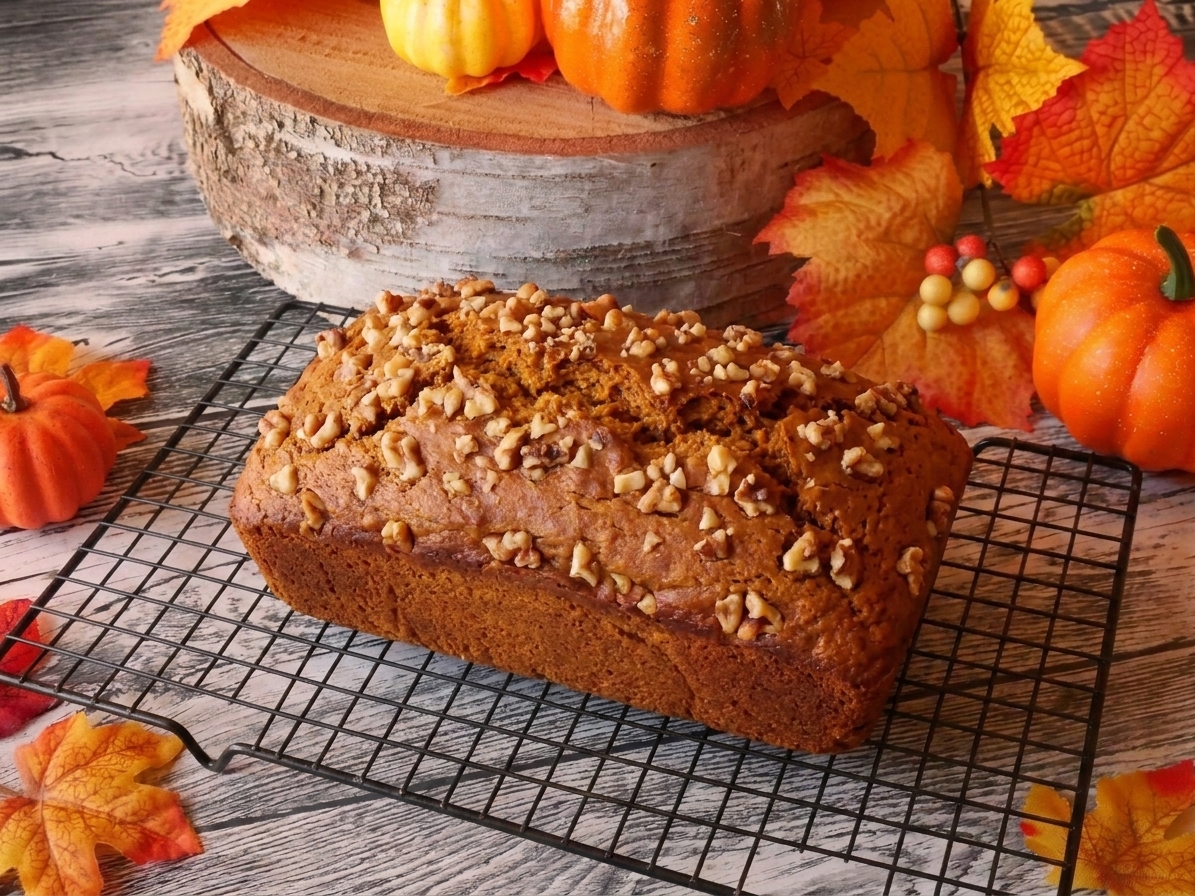
- Optional: 3/4 cup chopped walnuts or pecans, or 3/4 cup chocolate chips
Note: This uses 340 g pumpkin puree, so if you start with a standard 15-ounce can (425 g), you will have some leftover. Stir it into oatmeal, blend it into a smoothie, or freeze it in a small bag for next time.
Instructions
- Heat the oven to 350°F. Grease a 9 x 5-inch loaf pan and line it with parchment. For the easiest lift, cut one strip long enough to cover the bottom and come up the two long sides with an overhang.
- In a medium bowl, whisk together the flour, baking soda, baking powder, salt, and spices.
- In a large bowl, whisk the brown sugar, granulated sugar, eggs, and oil until glossy and smooth. Whisk in the pumpkin and vanilla.
- Add the dry ingredients to the wet and use a spatula to fold just until you no longer see streaks of flour. If using nuts or chips, fold them in with a few gentle turns.
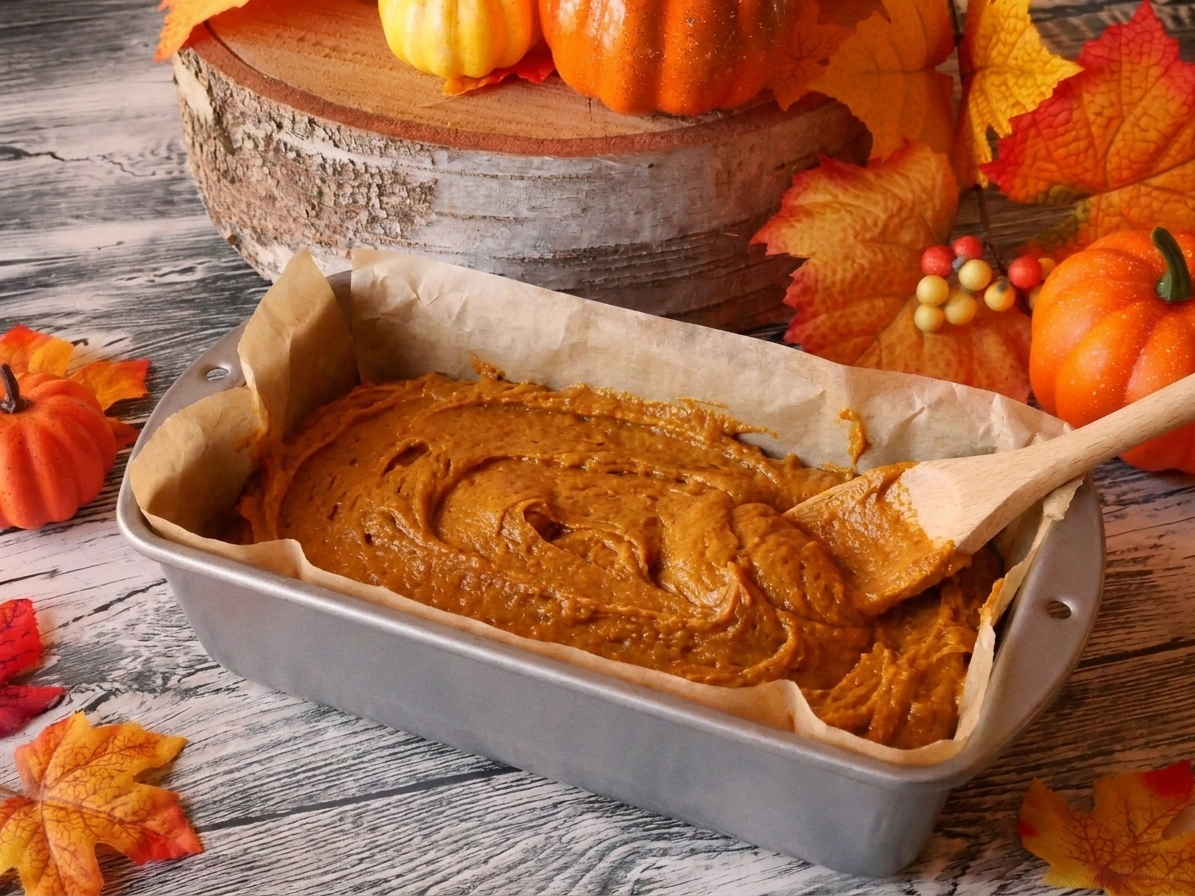
- Scrape the batter into the prepared pan and smooth the top.
- Bake for 55 to 70 minutes, tenting loosely with foil if the top is getting too dark. It is done when a toothpick inserted in the center comes out with a few moist crumbs (not wet batter) and the loaf springs back when lightly pressed. If you like a more precise check, aim for an internal temperature of about 200 to 205°F in the center.
- Cool in the pan for 15 minutes, then lift out and cool completely on a rack before slicing for the cleanest texture.
Key tips for tender, not gummy
If you have ever pulled pumpkin bread from the oven only to find the middle dense and sticky, you are not alone. Pumpkin is moisture-rich, so a few details matter.
- Measure flour correctly. Spoon flour into your measuring cup and level it off. Scooping straight from the bag packs in extra flour and can dry the loaf.
- Do not overmix. Fold until the flour disappears, then stop. A few small lumps are fine.
- Use the right pan size. A smaller pan makes a taller loaf that can take longer to bake through, increasing the chance of a gummy center.
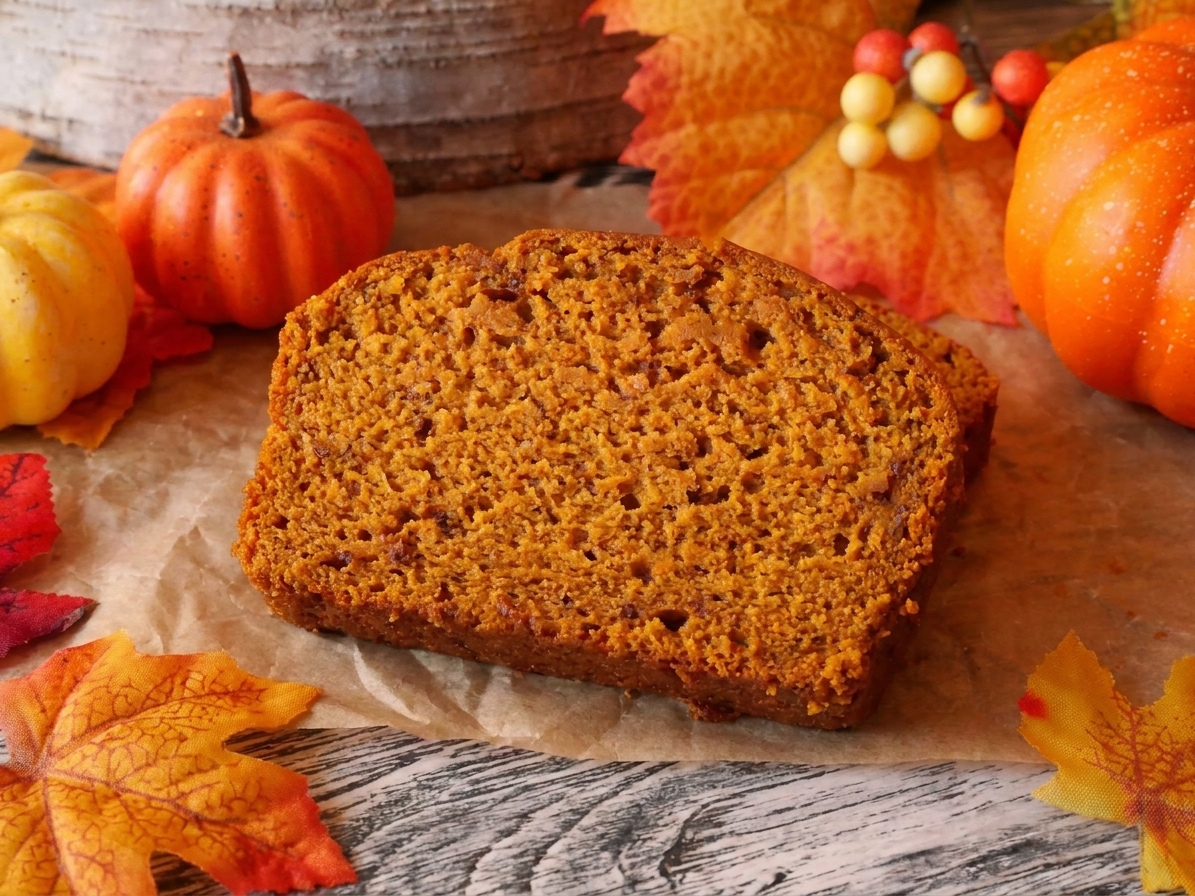
- Give it time to cool. Pumpkin bread finishes setting as it cools. Cutting while hot can make it seem underbaked even when it is not.
- Check the center, not the edges. The edges bake first. The toothpick test needs to hit the middle of the loaf.
Mix-ins and flavor variations
This loaf is a cozy base for all kinds of fun additions. Keep mix-ins around 3/4 cup so the bread still bakes evenly.
Classic add-ins
- Chocolate chips: Semisweet or dark are perfect. Toss them with a teaspoon of flour to help prevent sinking.
- Walnuts or pecans: Toast them first for bigger flavor.
- Raisins or dried cranberries: Adds little pops of sweetness and chew.
Fun twists
- Cream cheese swirl: Swirl a sweetened cream cheese mixture through the batter for a cheesecake vibe.
- Maple pumpkin: Replace 1 to 2 tablespoons of sugar with maple syrup and add a tiny extra pinch of salt.
- Extra spice: Add a pinch of cardamom if you love a fragrant, bakery-style spice profile.
Storage and freezing (so it stays moist)
Pumpkin bread is one of my favorite make-ahead treats because it keeps beautifully if you store it right.
To store on the counter
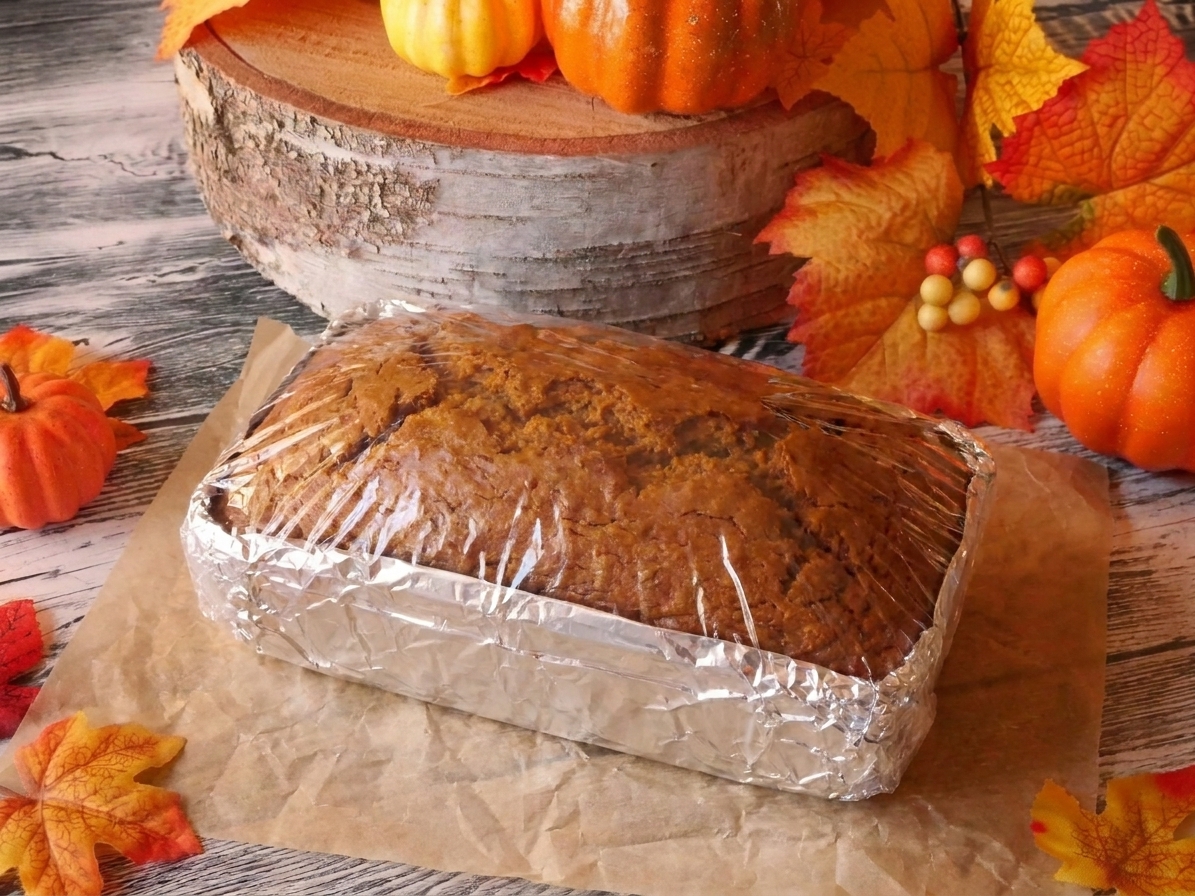
- Cool completely, then wrap tightly in plastic wrap or store in an airtight container.
- Keep at room temperature for 3 to 4 days.
To refrigerate
- Refrigeration can dry quick breads out, but it is helpful if your kitchen is warm.
- Wrap well and refrigerate for 5 to 7 days, though the texture may dry a bit over time. Let slices come to room temp or warm them briefly.
To freeze
- Freeze the whole loaf or individual slices.
- Wrap in plastic wrap, then foil, and freeze up to 3 months.
- Thaw overnight in the fridge or on the counter. Toast slices straight from frozen for a cozy breakfast.
Common questions
Do I have to use oil, or can I use butter?
You can use melted butter (same amount), but the loaf will firm up more as it cools. For the softest, longest-lasting texture, oil wins.
Why did my pumpkin bread sink in the middle?
The most common culprits are underbaking, overmixing, or too much moisture (like adding extra pumpkin or using a smaller pan). Bake until the center tests with moist crumbs, and let it cool fully to set.
Can I make this into muffins?
Yes. Portion into a lined muffin tin and bake at 350°F for about 18 to 24 minutes. Start checking at 18 minutes.
Can I reduce the sugar?
You can reduce the total sugar by about 1/4 cup without major texture changes. Going lower than that can make the loaf less tender and less moist.
Can I use homemade pumpkin puree?
You can, but homemade puree is often wetter than canned. If it looks loose or watery, blot it with paper towels or let it drain in a fine-mesh strainer for a bit so the batter is not overly wet.
A quick serving idea
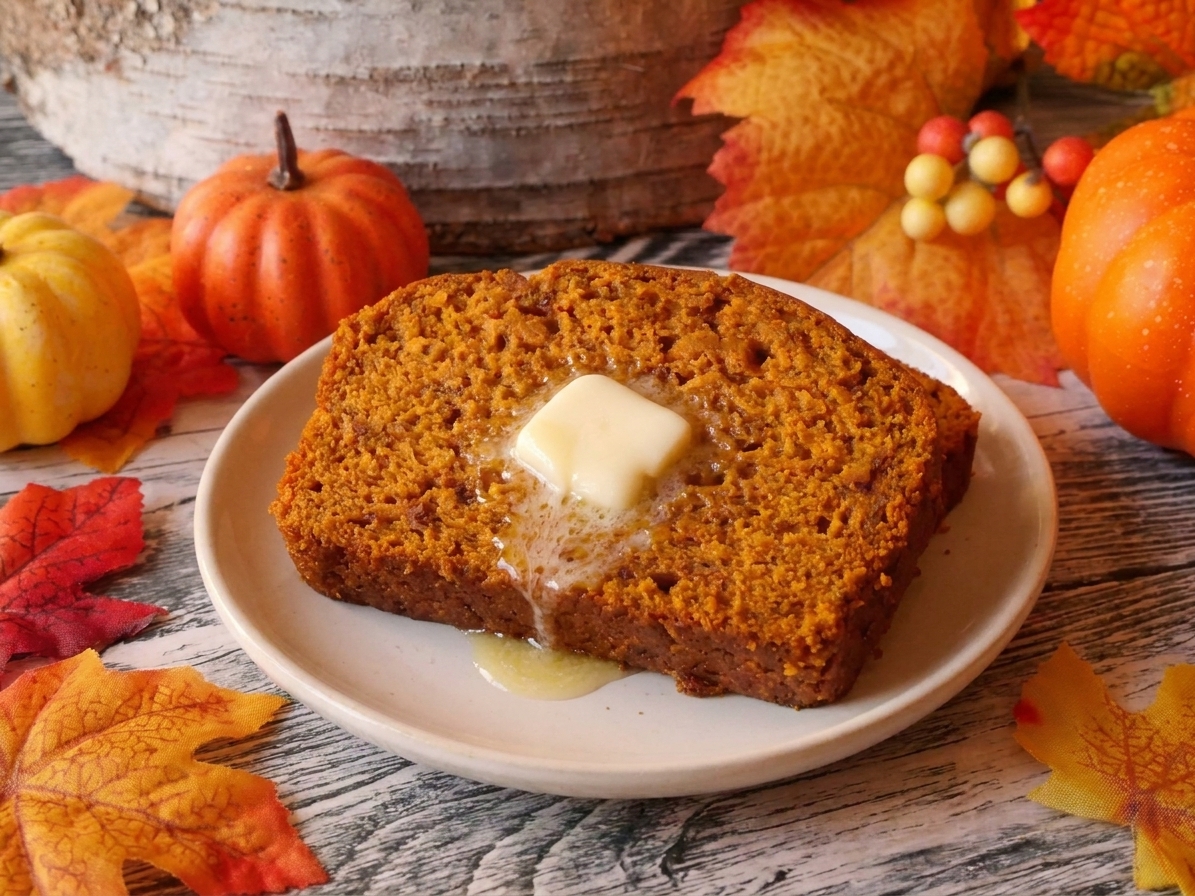
My favorite way to serve pumpkin bread is very simple: a thick slice, lightly toasted, with a swipe of salted butter. If I am feeling extra, I add a sprinkle of cinnamon on top and call it breakfast and dessert at the same time.
And if your loaf does not last more than a day, that is not a storage problem. That is a compliment.
In my kitchen
I am a deeply organized baker, but I will admit something: I almost always make pumpkin bread on a weeknight. It is the kind of batter you can whisk together in one bowl while dinner is finishing, and suddenly tomorrow’s breakfast is handled. If you are new to quick breads, this is a forgiving place to start. If you are a seasoned baker, it is the kind of classic you will keep coming back to.